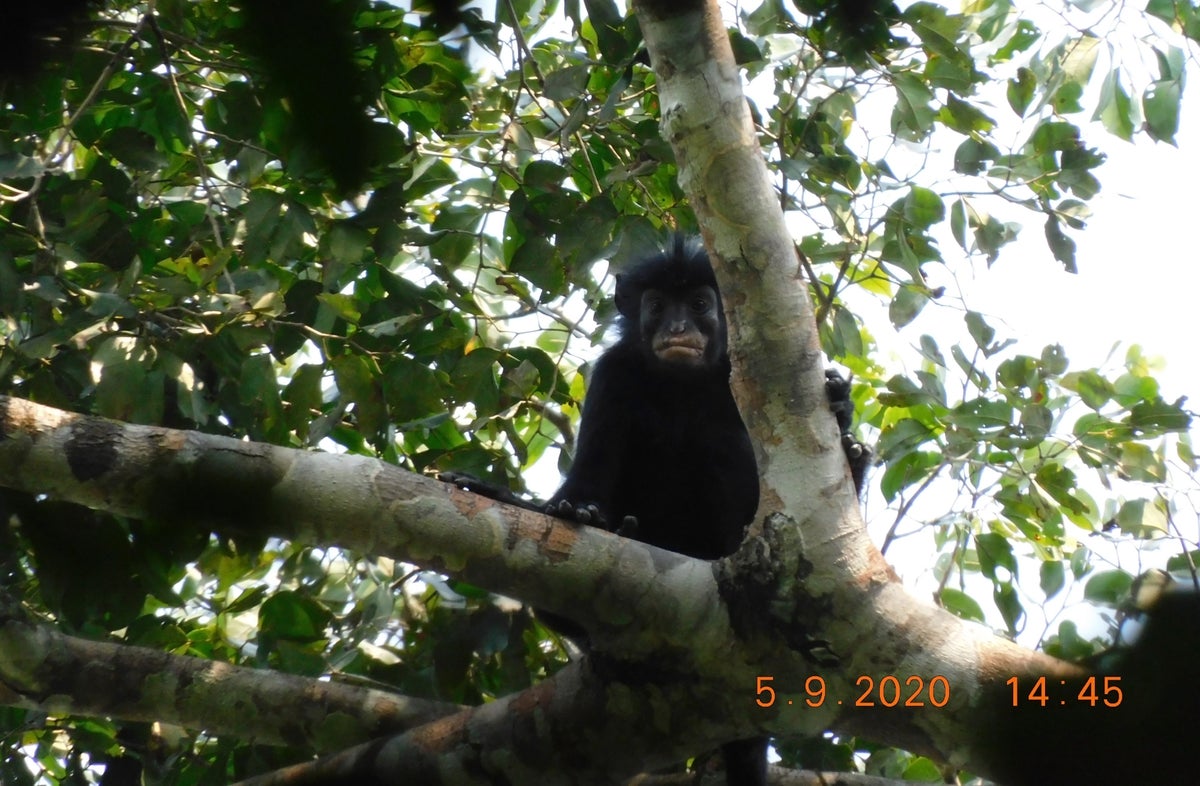
Scientists discover a ‘remarkable’ new monkey species with orange lips and a froglike roar
The new species, Colobus congoensis, may already be endangered
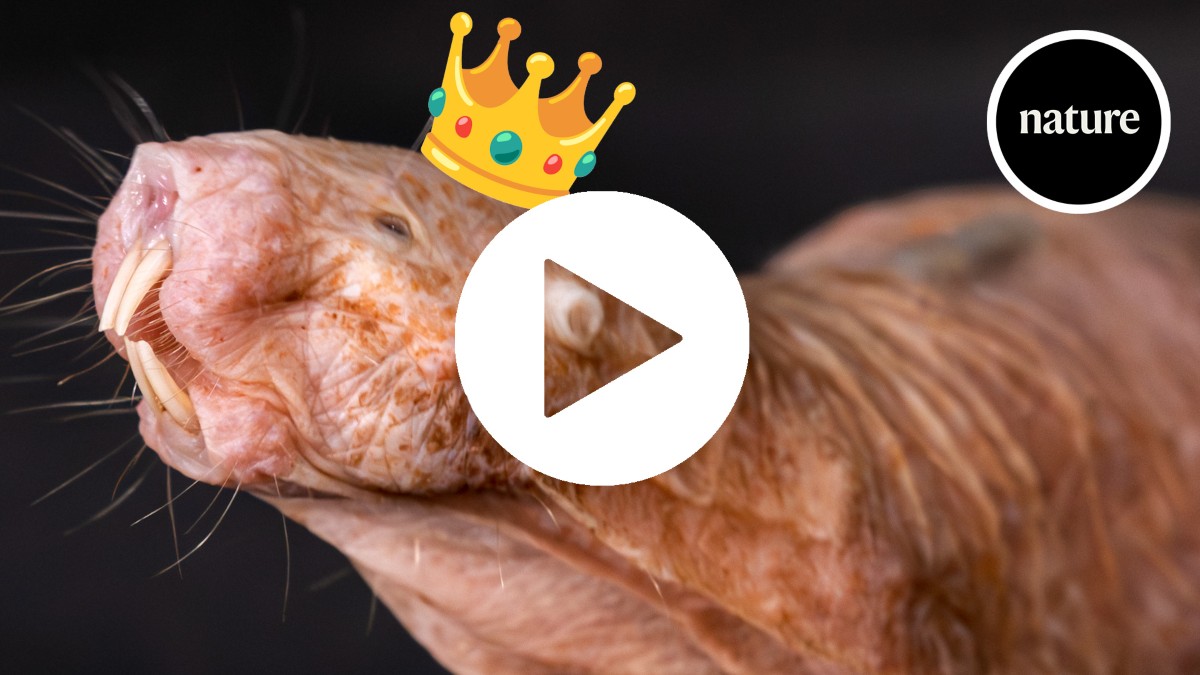
Nature, Published online: 15 July 2026; doi:10.1038/d41586-026-02186-0The mechanism behind these strange mammals' extreme social structure has been a long-standing puzzle.
The new species, Colobus congoensis, may already be endangered

Case numbers of this parasite-caused illness have exploded in the last week. An expert explains how to try and stay safe

A new breakthrough pushes the limits of randomness, bringing a decades-old mathematical mystery closer to resolution

The White House nominated Erica Schwartz, a former deputy surgeon general, to head the nation’s top public health agency
La actualidad cientifica solo vale cuando sigue siendo legible, contextualizada y conectada con las grandes trayectorias de la investigacion.

Indonesia is building a new capital city in the heart of Borneo to replace sinking Jakarta. As construction transforms one of the world’s most biodiverse rainforests, scientists and their Indigenous collaborators are racing to record the sounds of the forest—and preserve generations of ecological knowledge before it’s lost.
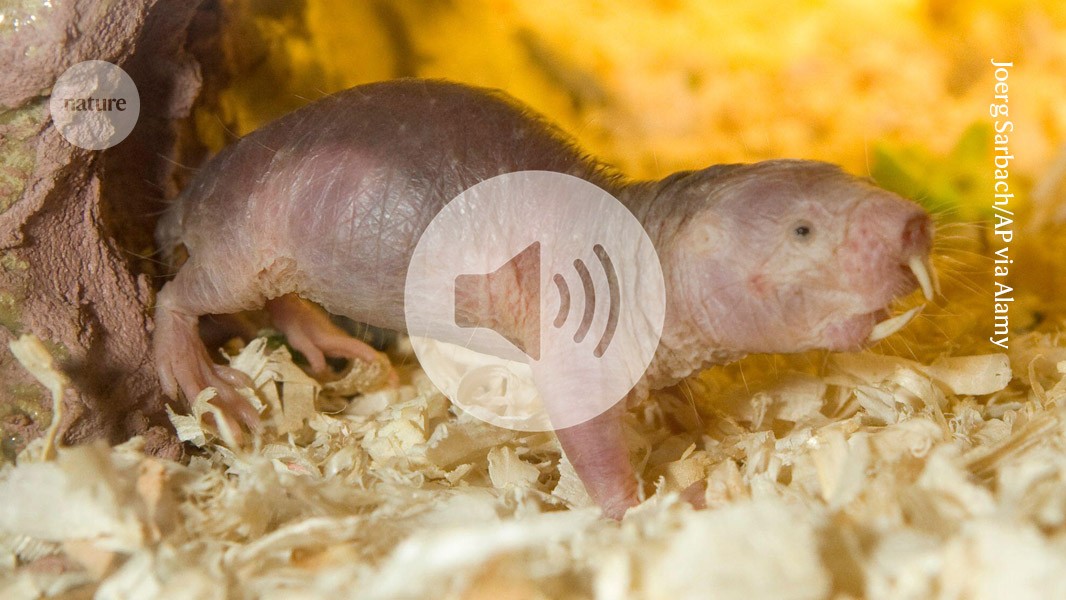
The simple chemical that keeps a mole-rat queen atop her throne — plus, how people approach new games.
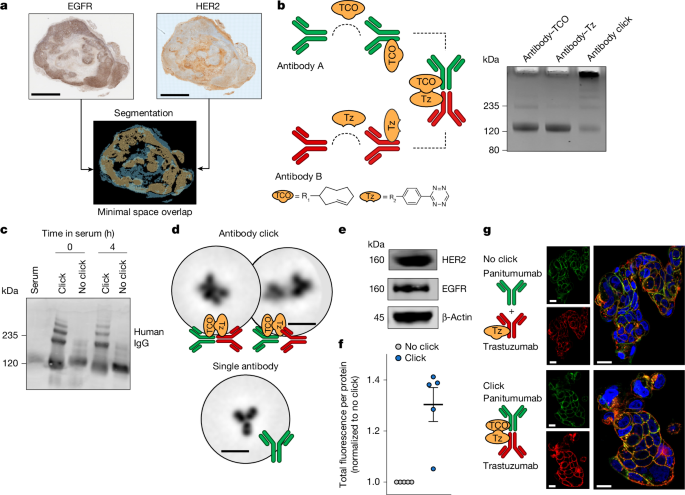
In vivo ligation of clinically used therapeutic antibodies via bioorthogonal click chemistry to antibody–drug conjugates leads to enhanced antitumour activity in heterogeneous and treatment-resistant tumours.
