Scientific overview

Recent scientific publications by research field

Access recent scientific publications organized by discipline to identify work relevant to your analysis, monitoring, or research activity.

View recent publications Updated on Monday, June 15, 2026
Research fields

Access covered fields

Jump directly to the covered fields and identify the most relevant publications for your area of expertise.

Recent publications

Alzheimer's

25 recent scientific publications in the field of Alzheimer's, for rapid access to the corresponding scientific literature.

SFNet: A Spatial-Frequency Domain Deep Learning Network for Efficient Alzheimer's Disease Diagnosis
Computer Science Yang, Xinyue

SFNet: A Spatial-Frequency Domain Deep Learning Network for Efficient Alzheimer's Disease Diagnosis

arXiv July 2025 Alzheimer's

Alzheimer's disease (AD) is a progressive neurodegenerative disorder that predominantly affects the elderly population and currently has no cure. Magnetic Resonance Imaging (MRI), as a non-invasive imaging technique, is essential for the early diagnosis of AD. MRI inherently contains both spatial and frequency information, as raw signals are acquired in the frequency domain and reconstructed into spatial images via the Fourier transform. However, most existing AD diagnostic models extract features from a single domain, limiting their capacity to fully capture the complex neuroimaging characteristics of the disease. While some studies have combined spatial and frequency information, they are mostly confined to 2D MRI, leaving the potential of dual-domain analysis in 3D MRI unexplored. To overcome this limitation, we propose Spatio-Frequency Network (SFNet), the first end-to-end deep learning framework that simultaneously leverages spatial and frequency domain information to enhance 3D MRI-based AD diagnosis. SFNet integrates an enhanced dense convolutional network to extract local spatial features and a global frequency module to capture global frequency-domain representations. Additionally, a novel multi-scale attention module is proposed to further refine spatial feature extraction. Experiments on the Alzheimer's Disease Neuroimaging Initiative (ADNI) dataset demonstrate that SFNet outperforms existing baselines and reduces computational overhead in classifying cognitively normal (CN) and AD, achieving an accuracy of 95.1%.

Revised criteria for diagnosis and staging of Alzheimer's disease: Alzheimer's Association Workgroup
Longevity Clifford R. Jack

Revised criteria for diagnosis and staging of Alzheimer's disease: Alzheimer's Association Workgroup

Wiley June 2024 Alzheimer's

Abstract The National Institute on Aging and the Alzheimer's Association convened three separate work groups in 2011 and single work groups in 2012 and 2018 to create recommendations for the diagnosis and characterization of Alzheimer's disease (AD). The present document updates the 2018 research framework in response to several recent developments. Defining diseases biologically, rather than based on syndromic presentation, has long been standard in many areas of medicine (e.g., oncology), and is becoming a unifying concept common to all neurodegenerative diseases, not just AD. The present document is consistent with this principle. Our intent is to present objective criteria for diagnosis and staging AD, incorporating recent advances in biomarkers, to serve as a bridge between research and clinical care. These criteria are not intended to provide step‐by‐step clinical practice guidelines for clinical workflow or specific treatment protocols, but rather serve as general principles to inform diagnosis and staging of AD that reflect current science. Highlights We define Alzheimer's disease (AD) to be a biological process that begins with the appearance of AD neuropathologic change (ADNPC) while people are asymptomatic. Progression of the neuropathologic burden leads to the later appearance and progression of clinical symptoms. Early‐changing Core 1 biomarkers (amyloid positron emission tomography [PET], approved cerebrospinal fluid biomarkers, and accurate plasma biomarkers [especially phosphorylated tau 217]) map onto either the amyloid beta or AD tauopathy pathway; however, these reflect the presence of ADNPC more generally (i.e., both neuritic plaques and tangles). An abnormal Core 1 biomarker result is sufficient to establish a diagnosis of AD and to inform clinical decision making throughout the disease continuum. Later‐changing Core 2 biomarkers (biofluid and tau PET) can provide prognostic information, and when abnormal, will increase confidence that AD is contributing to symptoms. An integrated biological and clinical staging scheme is described that accommodates the fact that common copathologies, cognitive reserve, and resistance may modify relationships between clinical and biological AD stages.

A bibliometric and systematic review of the global impact of air pollution on Alzheimer's disease: Insights from cohort studies
Journal of Alzheimer's Di... Jahedi, Faezeh

A bibliometric and systematic review of the global impact of air pollution on Alzheimer's disease: Insights from cohort studies

SAGE Publications August 2025 Alzheimer's

BACKGROUND: Emerging evidence highlights the potential role of environmental factors, particularly air pollution, in the development and progression of Alzheimer's disease (AD). Air pollutants may contribute to neurodegenerative processes through mechanisms such as oxidative stress, neuroinflammation, and disruption of the blood–brain barrier. OBJECTIVE: This review aims to systematically evaluate global cohort studies investigating the association between long-term exposure to key air pollutants—specifically particulate matter (PM2.5), nitrogen dioxide (NO(2)), and ozone (O(3))—and the risk of AD. METHODS: A total of 31 peer-reviewed cohort studies were included based on a structured search strategy. We analyzed epidemiological outcomes, exposure assessment methodologies, and geographic trends. Additionally, a bibliometric analysis was conducted using VOSviewer to identify major contributors and emerging research themes. RESULTS: Findings indicate a consistent association between PM2.5 exposure and increased risk of AD, independent of genetic predisposition and lifestyle factors. Proposed biological mechanisms include oxidative stress, microglial activation, blood–brain barrier disruption, and amyloid-β accumulation. Bibliometric mapping revealed regional concentration of research in North America, Europe, and East Asia, with increasing global interest over the past decade. CONCLUSIONS: There is mounting evidence linking air pollution to Alzheimer's disease. Advances in exposure assessment have improved the accuracy of epidemiological findings. Public health policies targeting air quality control and further studies on molecular and early-life exposures are essential to mitigate the neurotoxic effects of environmental pollutants.

Colormap-Enhanced Vision Transformers for MRI-Based Multiclass (4-Class) Alzheimer's Disease Classification
Computer Science Ahmed, Faisal

Colormap-Enhanced Vision Transformers for MRI-Based Multiclass (4-Class) Alzheimer's Disease Classification

arXiv December 2025 Alzheimer's

Magnetic Resonance Imaging (MRI) plays a pivotal role in the early diagnosis and monitoring of Alzheimer's disease (AD). However, the subtle structural variations in brain MRI scans often pose challenges for conventional deep learning models to extract discriminative features effectively. In this work, we propose PseudoColorViT-Alz, a colormap-enhanced Vision Transformer framework designed to leverage pseudo-color representations of MRI images for improved Alzheimer's disease classification. By combining colormap transformations with the global feature learning capabilities of Vision Transformers, our method amplifies anatomical texture and contrast cues that are otherwise subdued in standard grayscale MRI scans. We evaluate PseudoColorViT-Alz on the OASIS-1 dataset using a four-class classification setup (non-demented, moderate dementia, mild dementia, and very mild dementia). Our model achieves a state-of-the-art accuracy of 99.79% with an AUC of 100%, surpassing the performance of recent 2024--2025 methods, including CNN-based and Siamese-network approaches, which reported accuracies ranging from 96.1% to 99.68%. These results demonstrate that pseudo-color augmentation combined with Vision Transformers can significantly enhance MRI-based Alzheimer's disease classification. PseudoColorViT-Alz offers a robust and interpretable framework that outperforms current methods, providing a promising tool to support clinical decision-making and early detection of Alzheimer's disease. ;12 pages, 4 figures

Align-cDAE: Alzheimer's Disease Progression Modeling with Attention-Aligned Conditional Diffusion Auto-Encoder
Computer Science Das, Ayantika

Align-cDAE: Alzheimer's Disease Progression Modeling with Attention-Aligned Conditional Diffusion Auto-Encoder

arXiv March 2026 Alzheimer's

Generative AI framework-based modeling and prediction of longitudinal human brain images offer an efficient mechanism to track neurodegenerative progression, essential for the assessment of diseases like Alzheimer's. Among the existing generative approaches, recent diffusion-based models have emerged as an effective alternative to generate disease progression images. Incorporating multi-modal and non-imaging attributes as conditional information into diffusion frameworks has been shown to improve controllability during such generations. However, existing methods do not explicitly ensure that information from non-imaging conditioning modalities is meaningfully aligned with image features to introduce desirable changes in the generated images, such as modulation of progression-specific regions. Further, more precise control over the generation process can be achieved by introducing progression-relevant structure into the internal representations of the model, lacking in the existing approaches. To address these limitations, we propose a diffusion autoencoder-based framework for disease progression modeling that explicitly enforces alignment between different modalities. The alignment is enforced by introducing an explicit objective function that enables the model to focus on the regions exhibiting progression-related changes. Further, we devise a mechanism to better structure the latent representational space of the diffusion auto-encoding framework. Specifically, we assign separate latent subspaces for integrating progression-related conditions and retaining subject-specific identity information, allowing better-controlled image generation. These results demonstrate that enforcing alignment and better structuring of the latent representational space of diffusion auto-encoding framework leads to more anatomically precise modeling of Alzheimer's disease progression.

Neuroprotection by chronic administration of Fluoroethylnormemantine (FENM) in mouse models of Alzheimer's disease
CNRS - Centre national de... Carles, Allison

Neuroprotection by chronic administration of Fluoroethylnormemantine (FENM) in mouse models of Alzheimer's disease

CCSD;BioMed Central January 2025 Alzheimer's

International audience; Background: Fluoroethylnormemantine (FENM), a new Memantine (MEM) derivative, prevented amyloid-β[25-35] peptide (Aβ25-35)-induced neurotoxicity in mice, a pharmacological model of Alzheimer's disease (AD) with high predictive value for drug discovery. Here, as drug infusion is likely to better reflect drug bioavailability due to the interspecies pharmacokinetics variation, we analyzed the efficacy of FENM after chronic subcutaneous (SC) infusion, in comparison with IP injections in two AD mouse models, Aβ25-35-injected mice and the transgenic APPswe/PSEN1∂E9 (APP/PS1) line.Methods: In Aβ25-35-treated mice, FENM was infused at 0.03-0.3 mg/kg/day during one week after Aβ25-35 injection. For comparison, FENM and MEM were administered IP daily at 0.03-0.3 mg/kg. In 10-month-old APP/PS1 mice, FENM was administered during four weeks by daily IP injections at 0.3 mg/kg or chronic SC infusion at 0.1 mg/kg/day. Memory deficits, spatial working memory and recognition memory, were analysed. Markers of neuroinflammation, apoptosis, oxidative stress, and amyloid burden in APP/PS1 mice, were quantified. Markers of synaptic plasticity such as PSD-95 and GluN2A/B/D subunits expression in hippocampus homogenates or synaptosomes were quantified in Aβ25-35-treated mice and synaptic long-term potentiation (LTP) in hippocampal slices was analysed in APP/PS1 mice.Results: Deficits in spontaneous alternation and object recognition in Aβ25-35 mice were prevented by infused FENM at all doses tested. Similar effects were observed with the daily FENM or MEM treatments. Animals infused with 0.1 mg/kg/day FENM showed prevention of Aβ25-35-induced neuroinflammation, oxidative stress and apoptosis. FENM infusion restored Aβ25-35-induced alterations in synaptosomal PSD-95, GluN2A and P-GluN2B levels. GluN2D levels were unchanged whatever the treatment. In APP/PS1 mice, FENM infused or administered IP alleviated spontaneous alternation deficits, neuroinflammation, increases in Aβ1-40/Aβ1-42 and hippocampal LTP alteration.Conclusion: These data confirmed the neuroprotective potential of FENM in the pharmacological Aβ25-35 and transgenic APP/PS1 mouse models of AD, with a superiority to MEM, and showed that the drug can be efficiently infused chronically.

MedOrch: Medical Diagnosis with Tool-Augmented Reasoning Agents for
  Flexible Extensibility
Computer Science He, Yexiao

MedOrch: Medical Diagnosis with Tool-Augmented Reasoning Agents for Flexible Extensibility

arXiv May 2025 Alzheimer's

Healthcare decision-making represents one of the most challenging domains for Artificial Intelligence (AI), requiring the integration of diverse knowledge sources, complex reasoning, and various external analytical tools. Current AI systems often rely on either task-specific models, which offer limited adaptability, or general language models without grounding with specialized external knowledge and tools. We introduce MedOrch, a novel framework that orchestrates multiple specialized tools and reasoning agents to provide comprehensive medical decision support. MedOrch employs a modular, agent-based architecture that facilitates the flexible integration of domain-specific tools without altering the core system. Furthermore, it ensures transparent and traceable reasoning processes, enabling clinicians to meticulously verify each intermediate step underlying the system's recommendations. We evaluate MedOrch across three distinct medical applications: Alzheimer's disease diagnosis, chest X-ray interpretation, and medical visual question answering, using authentic clinical datasets. The results demonstrate MedOrch's competitive performance across these diverse medical tasks. Notably, in Alzheimer's disease diagnosis, MedOrch achieves an accuracy of 93.26%, surpassing the state-of-the-art baseline by over four percentage points. For predicting Alzheimer's disease progression, it attains a 50.35% accuracy, marking a significant improvement. In chest X-ray analysis, MedOrch exhibits superior performance with a Macro AUC of 61.2% and a Macro F1-score of 25.5%. Moreover, in complex multimodal visual question answering (Image+Table), MedOrch achieves an accuracy of 54.47%. These findings underscore MedOrch's potential to advance healthcare AI by enabling reasoning-driven tool utilization for multimodal medical data processing and supporting intricate cognitive tasks in clinical decision-making.

3D MRI-Based Alzheimer's Disease Classification Using Multi-Modal 3D CNN with Leakage-Aware Subject-Level Evaluation
Computer Science Sifat, Md

3D MRI-Based Alzheimer's Disease Classification Using Multi-Modal 3D CNN with Leakage-Aware Subject-Level Evaluation

arXiv March 2026 Alzheimer's

Deep learning has become an important tool for Alzheimer's disease (AD) classification from structural MRI. Many existing studies analyze individual 2D slices extracted from MRI volumes, while clinical neuroimaging practice typically relies on the full three dimensional structure of the brain. From this perspective, volumetric analysis may better capture spatial relationships among brain regions that are relevant to disease progression. Motivated by this idea, this work proposes a multimodal 3D convolutional neural network for AD classification using raw OASIS 1 MRI volumes. The model combines structural T1 information with gray matter, white matter, and cerebrospinal fluid probability maps obtained through FSL FAST segmentation in order to capture complementary neuroanatomical information. The proposed approach is evaluated on the clinically labelled OASIS 1 cohort using 5 fold subject level cross validation, achieving a mean accuracy of 72.34% plus or minus 4.66% and a ROC AUC of 0.7781 plus or minus 0.0365. GradCAM visualizations further indicate that the model focuses on anatomically meaningful regions, including the medial temporal lobe and ventricular areas that are known to be associated with Alzheimer's related structural changes. To better understand how data representation and evaluation strategies may influence reported performance, additional diagnostic experiments were conducted on a slice based version of the dataset under both slice level and subject level protocols. These observations help provide context for the volumetric results. Overall, the proposed multimodal 3D framework establishes a reproducible subject level benchmark and highlights the potential benefits of volumetric MRI analysis for Alzheimer's disease classification. ;5 tables, 6 figures, Submitted to International Conference on Power, Electronics, Communications, Computing, and Intelligent Infrastructure 2026

A Novel Hybrid Parameter-Efficient Fine-Tuning Approach for Hippocampus
  Segmentation and Alzheimer's Disease Diagnosis
Computer Science Cheng, Wangang

A Novel Hybrid Parameter-Efficient Fine-Tuning Approach for Hippocampus Segmentation and Alzheimer's Disease Diagnosis

arXiv September 2024 Alzheimer's

Deep learning methods have significantly advanced medical image segmentation, yet their success hinges on large volumes of manually annotated data, which require specialized expertise for accurate labeling. Additionally, these methods often demand substantial computational resources, particularly for three-dimensional medical imaging tasks. Consequently, applying deep learning techniques for medical image segmentation with limited annotated data and computational resources remains a critical challenge. In this paper, we propose a novel parameter-efficient fine-tuning strategy, termed HyPS, which employs a hybrid parallel and serial architecture. HyPS updates a minimal subset of model parameters, thereby retaining the pre-trained model's original knowledge tructure while enhancing its ability to learn specific features relevant to downstream tasks. We apply this strategy to the state-of-the-art SwinUNETR model for medical image segmentation. Initially, the model is pre-trained on the BraTs2021 dataset, after which the HyPS method is employed to transfer it to three distinct hippocampus datasets.Extensive experiments demonstrate that HyPS outperforms baseline methods, especially in scenarios with limited training samples. Furthermore, based on the segmentation results, we calculated the hippocampal volumes of subjects from the ADNI dataset and combined these with metadata to classify disease types. In distinguishing Alzheimer's disease (AD) from cognitively normal (CN) individuals, as well as early mild cognitive impairment (EMCI) from late mild cognitive impairment (LMCI), HyPS achieved classification accuracies of 83.78% and 64.29%, respectively. These findings indicate that the HyPS method not only facilitates effective hippocampal segmentation using pre-trained models but also holds potential for aiding Alzheimer's disease detection. Our code is publicly available.

Benchmarking Foundation Speech and Language Models for Alzheimer's Disease and Related Dementia Detection from Spontaneous Speech
Computer Science Li, Jingyu

Benchmarking Foundation Speech and Language Models for Alzheimer's Disease and Related Dementia Detection from Spontaneous Speech

arXiv June 2025 Alzheimer's

Background: Alzheimer's disease and related dementias (ADRD) are progressive neurodegenerative conditions where early detection is vital for timely intervention and care. Spontaneous speech contains rich acoustic and linguistic markers that may serve as non-invasive biomarkers for cognitive decline. Foundation models, pre-trained on large-scale audio or text data, produce high-dimensional embeddings encoding contextual and acoustic features. Methods: We used the PREPARE Challenge dataset, which includes audio recordings from over 1,600 participants with three cognitive statuses: healthy control (HC), mild cognitive impairment (MCI), and Alzheimer's Disease (AD). We excluded non-English, non-spontaneous, or poor-quality recordings. The final dataset included 703 (59.13%) HC, 81 (6.81%) MCI, and 405 (34.06%) AD cases. We benchmarked a range of open-source foundation speech and language models to classify cognitive status into the three categories. Results: The Whisper-medium model achieved the highest performance among speech models (accuracy = 0.731, AUC = 0.802). Among language models, BERT with pause annotation performed best (accuracy = 0.662, AUC = 0.744). ADRD detection using state-of-the-art automatic speech recognition (ASR) model-generated audio embeddings outperformed others. Including non-semantic features like pause patterns consistently improved text-based classification. Conclusion: This study introduces a benchmarking framework using foundation models and a clinically relevant dataset. Acoustic-based approaches -- particularly ASR-derived embeddings -- demonstrate strong potential for scalable, non-invasive, and cost-effective early detection of ADRD.

AlzhiNet: Traversing from 2DCNN to 3DCNN, Towards Early Detection and
  Diagnosis of Alzheimer's Disease
Computer Science Akindele, Romoke Grace

AlzhiNet: Traversing from 2DCNN to 3DCNN, Towards Early Detection and Diagnosis of Alzheimer's Disease

arXiv October 2024 Alzheimer's

Alzheimer's disease (AD) is a progressive neurodegenerative disorder with increasing prevalence among the aging population, necessitating early and accurate diagnosis for effective disease management. In this study, we present a novel hybrid deep learning framework that integrates both 2D Convolutional Neural Networks (2D-CNN) and 3D Convolutional Neural Networks (3D-CNN), along with a custom loss function and volumetric data augmentation, to enhance feature extraction and improve classification performance in AD diagnosis. According to extensive experiments, AlzhiNet outperforms standalone 2D and 3D models, highlighting the importance of combining these complementary representations of data. The depth and quality of 3D volumes derived from the augmented 2D slices also significantly influence the model's performance. The results indicate that carefully selecting weighting factors in hybrid predictions is imperative for achieving optimal results. Our framework has been validated on the Magnetic Resonance Imaging (MRI) from Kaggle and MIRIAD datasets, obtaining accuracies of 98.9% and 99.99%, respectively, with an AUC of 100%. Furthermore, AlzhiNet was studied under a variety of perturbation scenarios on the Alzheimer's Kaggle dataset, including Gaussian noise, brightness, contrast, salt and pepper noise, color jitter, and occlusion. The results obtained show that AlzhiNet is more robust to perturbations than ResNet-18, making it an excellent choice for real-world applications. This approach represents a promising advancement in the early diagnosis and treatment planning for Alzheimer's disease.

AXIAL: Attention-based eXplainability for Interpretable Alzheimer's
  Localized Diagnosis using 2D CNNs on 3D MRI brain scans
Computer Science Lozupone, Gabriele

AXIAL: Attention-based eXplainability for Interpretable Alzheimer's Localized Diagnosis using 2D CNNs on 3D MRI brain scans

arXiv July 2024 Alzheimer's

This study presents an innovative method for Alzheimer's disease diagnosis using 3D MRI designed to enhance the explainability of model decisions. Our approach adopts a soft attention mechanism, enabling 2D CNNs to extract volumetric representations. At the same time, the importance of each slice in decision-making is learned, allowing the generation of a voxel-level attention map to produce an explainable MRI. To test our method and ensure the reproducibility of our results, we chose a standardized collection of MRI data from the Alzheimer's Disease Neuroimaging Initiative (ADNI). On this dataset, our method significantly outperforms state-of-the-art methods in (i) distinguishing AD from cognitive normal (CN) with an accuracy of 0.856 and Matthew's correlation coefficient (MCC) of 0.712, representing improvements of 2.4% and 5.3% respectively over the second-best, and (ii) in the prognostic task of discerning stable from progressive mild cognitive impairment (MCI) with an accuracy of 0.725 and MCC of 0.443, showing improvements of 10.2% and 20.5% respectively over the second-best. We achieved this prognostic result by adopting a double transfer learning strategy, which enhanced sensitivity to morphological changes and facilitated early-stage AD detection. With voxel-level precision, our method identified which specific areas are being paid attention to, identifying these predominant brain regions: the hippocampus, the amygdala, the parahippocampal, and the inferior lateral ventricles. All these areas are clinically associated with AD development. Furthermore, our approach consistently found the same AD-related areas across different cross-validation folds, proving its robustness and precision in highlighting areas that align closely with known pathological markers of the disease. ;Comment: 21 pages, 9 figures, 9 tables

Potential link of high fat diet and mRNA expression of Alzheimer's disease-related genes in the enteric mucosa of a rat model of Alzheimer's disease
Journal of Alzheimer's Di... Gokulan, Kuppan

Potential link of high fat diet and mRNA expression of Alzheimer's disease-related genes in the enteric mucosa of a rat model of Alzheimer's disease

SAGE Publications August 2025 Alzheimer's

BACKGROUND: High-fat diet (HFD) consumption is linked to Alzheimer's disease (AD). Identifying changes in the mRNA expression due to the ingestion of HFD in the intestine—often called the second brain due to its dense enteric neurons—could offer insights into AD development and progression. OBJECTIVE: This study assesses whether the introduction of HFD at adult-age influence expression of AD-related genes in the intestines of Wild-type (WT) or the amyloid precursor protein/presenilin1 (APP/PS1)-overexpressing Transgenic (TG) rats. METHODS: Twelve-month-old WT and TG rats (male and female) were fed a control diet (CD; 8% energy from fat), or HFD (45% energy from fat) for six months. Ileal tissues were assessed for the mRNA expression of genes responsible for development/progression of AD. RESULTS: The WT HFD-fed rats (compared to CD-fed rats) showed increased mRNA expression of genes involved in the development of AD. In contrast, the TG HFD-fed female group, showed a higher number of upregulated genes compared to their respective CD-fed TG group. In TG HFD-fed rats there was higher mRNA expression of genes crucial for synaptic transmission such as Brain-derived neurotrophic factor in females and Choline acetyltransferase in males. Expression of Plasminogen was higher in HFD-fed TG female rats and HFD-fed WT male rats. Overall, the HFD-fed WT male showed mRNA expression of genes involved in the development of AD. However, HFD-fed TG females were more vulnerable for the progression of AD. It is likely that the enteric Plasminogen plays a major role in gut-brain axis for the development of AD in WT male, and progression of AD in TG female during the consumption of HFD. CONCLUSIONS: The consumption of HFD perturbed the expression of enteric genes known to be involved in amyloid-β generation, clearance, and degradation, in a sex-dependent manner.

Towards the Discovery of Down Syndrome Brain Biomarkers Using Generative
  Models
Computer Science Malé, Jordi

Towards the Discovery of Down Syndrome Brain Biomarkers Using Generative Models

arXiv September 2024 Alzheimer's

Brain imaging has allowed neuroscientists to analyze brain morphology in genetic and neurodevelopmental disorders, such as Down syndrome, pinpointing regions of interest to unravel the neuroanatomical underpinnings of cognitive impairment and memory deficits. However, the connections between brain anatomy, cognitive performance and comorbidities like Alzheimer's disease are still poorly understood in the Down syndrome population. The latest advances in artificial intelligence constitute an opportunity for developing automatic tools to analyze large volumes of brain magnetic resonance imaging scans, overcoming the bottleneck of manual analysis. In this study, we propose the use of generative models for detecting brain alterations in people with Down syndrome affected by various degrees of neurodegeneration caused by Alzheimer's disease. To that end, we evaluate state-of-the-art brain anomaly detection models based on Variational Autoencoders and Diffusion Models, leveraging a proprietary dataset of brain magnetic resonance imaging scans. Following a comprehensive evaluation process, our study includes several key analyses. First, we conducted a qualitative evaluation by expert neuroradiologists. Second, we performed both quantitative and qualitative reconstruction fidelity studies for the generative models. Third, we carried out an ablation study to examine how the incorporation of histogram post-processing can enhance model performance. Finally, we executed a quantitative volumetric analysis of subcortical structures. Our findings indicate that some models effectively detect the primary alterations characterizing Down syndrome's brain anatomy, including a smaller cerebellum, enlarged ventricles, and cerebral cortex reduction, as well as the parietal lobe alterations caused by Alzheimer's disease.

AlzheimerRAG: Multimodal Retrieval Augmented Generation for Clinical Use Cases using PubMed articles
Computer Science Lahiri, Aritra Kumar

AlzheimerRAG: Multimodal Retrieval Augmented Generation for Clinical Use Cases using PubMed articles

arXiv December 2024 Alzheimer's

Recent advancements in generative AI have fostered the development of highly adept Large Language Models (LLMs) that integrate diverse data types to empower decision-making. Among these, multimodal retrieval-augmented generation (RAG) applications are promising because they combine the strengths of information retrieval and generative models, enhancing their utility across various domains, including clinical use cases. This paper introduces AlzheimerRAG, a Multimodal RAG application for clinical use cases, primarily focusing on Alzheimer's Disease case studies from PubMed articles. This application incorporates cross-modal attention fusion techniques to integrate textual and visual data processing by efficiently indexing and accessing vast amounts of biomedical literature. Our experimental results, compared to benchmarks such as BioASQ and PubMedQA, have yielded improved performance in the retrieval and synthesis of domain-specific information. We also present a case study using our multimodal RAG in various Alzheimer's clinical scenarios. We infer that AlzheimerRAG can generate responses with accuracy non-inferior to humans and with low rates of hallucination.

Flexible and Explainable Graph Analysis for EEG-based Alzheimer's
  Disease Classification
Computer Science Wang, Jing

Flexible and Explainable Graph Analysis for EEG-based Alzheimer's Disease Classification

arXiv April 2025 Alzheimer's

Alzheimer's Disease is a progressive neurological disorder that is one of the most common forms of dementia. It leads to a decline in memory, reasoning ability, and behavior, especially in older people. The cause of Alzheimer's Disease is still under exploration and there is no all-inclusive theory that can explain the pathologies in each individual patient. Nevertheless, early intervention has been found to be effective in managing symptoms and slowing down the disease's progression. Recent research has utilized electroencephalography (EEG) data to identify biomarkers that distinguish Alzheimer's Disease patients from healthy individuals. Prior studies have used various machine learning methods, including deep learning and graph neural networks, to examine electroencephalography-based signals for identifying Alzheimer's Disease patients. In our research, we proposed a Flexible and Explainable Gated Graph Convolutional Network (GGCN) with Multi-Objective Tree-Structured Parzen Estimator (MOTPE) hyperparameter tuning. This provides a flexible solution that efficiently identifies the optimal number of GGCN blocks to achieve the optimized precision, specificity, and recall outcomes, as well as the optimized area under the Receiver Operating Characteristic (AUC). Our findings demonstrated a high efficacy with an over 0.9 Receiver Operating Characteristic score, alongside precision, specificity, and recall scores in distinguishing health control with Alzheimer's Disease patients in Moderate to Severe Dementia using the power spectrum density (PSD) of electroencephalography signals across various frequency bands. Moreover, our research enhanced the interpretability of the embedded adjacency matrices, revealing connectivity differences in frontal and parietal brain regions between Alzheimer's patients and healthy individuals.

Towards improving Alzheimer's intervention: a machine learning approach
  for biomarker detection through combining MEG and MRI pipelines
Computer Science Ahmad, Alwani Liyana

Towards improving Alzheimer's intervention: a machine learning approach for biomarker detection through combining MEG and MRI pipelines

arXiv August 2024 Alzheimer's

MEG are non invasive neuroimaging techniques with excellent temporal and spatial resolution, crucial for studying brain function in dementia and Alzheimer Disease. They identify changes in brain activity at various Alzheimer stages, including preclinical and prodromal phases. MEG may detect pathological changes before clinical symptoms, offering potential biomarkers for intervention. This study evaluates classification techniques using MEG features to distinguish between healthy controls and mild cognitive impairment participants from the BioFIND study. We compare MEG based biomarkers with MRI based anatomical features, both independently and combined. We used 3 Tesla MRI and MEG data from 324 BioFIND participants;158 MCI and 166 HC. Analyses were performed using MATLAB with SPM12 and OSL toolboxes. Machine learning analyses, including 100 Monte Carlo replications of 10 fold cross validation, were conducted on sensor and source spaces. Combining MRI with MEG features achieved the best performance; 0.76 accuracy and AUC of 0.82 for GLMNET using LCMV source based MEG. MEG only analyses using LCMV and eLORETA also performed well, suggesting that combining uncorrected MEG with z-score-corrected MRI features is optimal. ;Comment: 28 pages, 9 figures, 3 tables, 19 supplimetary material

Four-Stage Alzheimer's Disease Classification from MRI Using Topological Feature Extraction, Feature Selection, and Ensemble Learning
Computer Science Ahmed, Faisal

Four-Stage Alzheimer's Disease Classification from MRI Using Topological Feature Extraction, Feature Selection, and Ensemble Learning

arXiv January 2026 Alzheimer's

Accurate and efficient classification of Alzheimer's disease (AD) severity from brain magnetic resonance imaging (MRI) remains a critical challenge, particularly when limited data and model interpretability are of concern. In this work, we propose TDA-Alz, a novel framework for four-stage Alzheimer's disease severity classification (non-demented, moderate dementia, mild, and very mild) using topological data analysis (TDA) and ensemble learning. Instead of relying on deep convolutional architectures or extensive data augmentation, our approach extracts topological descriptors that capture intrinsic structural patterns of brain MRI, followed by feature selection to retain the most discriminative topological features. These features are then classified using an ensemble learning strategy to achieve robust multiclass discrimination. Experiments conducted on the OASIS-1 MRI dataset demonstrate that the proposed method achieves an accuracy of 98.19% and an AUC of 99.75%, outperforming or matching state-of-the-art deep learning--based methods reported on OASIS and OASIS-derived datasets. Notably, the proposed framework does not require data augmentation, pretrained networks, or large-scale computational resources, making it computationally efficient and fast compared to deep neural network approaches. Furthermore, the use of topological descriptors provides greater interpretability, as the extracted features are directly linked to the underlying structural characteristics of brain MRI rather than opaque latent representations. These results indicate that TDA-Alz offers a powerful, lightweight, and interpretable alternative to deep learning models for MRI-based Alzheimer's disease severity classification, with strong potential for real-world clinical decision-support systems. ;15 pages, 7 figures

Multimodal Visual Surrogate Compression for Alzheimer's Disease Classification
Computer Science Ding, Dexuan

Multimodal Visual Surrogate Compression for Alzheimer's Disease Classification

arXiv January 2026 Alzheimer's

High-dimensional structural MRI (sMRI) images are widely used for Alzheimer's Disease (AD) diagnosis. Most existing methods for sMRI representation learning rely on 3D architectures (e.g., 3D CNNs), slice-wise feature extraction with late aggregation, or apply training-free feature extractions using 2D foundation models (e.g., DINO). However, these three paradigms suffer from high computational cost, loss of cross-slice relations, and limited ability to extract discriminative features, respectively. To address these challenges, we propose Multimodal Visual Surrogate Compression (MVSC). It learns to compress and adapt large 3D sMRI volumes into compact 2D features, termed as visual surrogates, which are better aligned with frozen 2D foundation models to extract powerful representations for final AD classification. MVSC has two key components: a Volume Context Encoder that captures global cross-slice context under textual guidance, and an Adaptive Slice Fusion module that aggregates slice-level information in a text-enhanced, patch-wise manner. Extensive experiments on three large-scale Alzheimer's disease benchmarks demonstrate our MVSC performs favourably on both binary and multi-class classification tasks compared against state-of-the-art methods.

From allegory to conceptualization, hypothesis and finally evidences: Alzheimer’s dementia, Parkinson's disease "gut–brain axis" and their preclinical phenotype
Medicine & Public Health Dubey, Souvik

From allegory to conceptualization, hypothesis and finally evidences: Alzheimer’s dementia, Parkinson's disease "gut–brain axis" and their preclinical phenotype

Springer July 2024 Alzheimer's

Researchers are constantly trying to develop therapeutic targets in neurodegenerative disorders like Alzheimer's dementia and Parkinson's disease. Despite enormous endeavors, there are several unmet needs. Several contradictory pathophysiological basis of neurodegenerative disorders are considered to be one of the most important cause underpinning. "Gut–brain dysbiosis" has been considered as one of the most crucial link to explore. Contemporary researches have suggested similar pathophysiological mechanisms underpinning Alzheimer's dementia and Parkinson's disease. "Gut–brain dysbiosis" may be the missing thread connecting Alzheimer's dementia and Parkinson's disease prior to the expression of their overt clinical phenotype. Recognition of preclinical phenotype of Alzheimer's dementia and Parkinson's disease have much broader perspective as it will help in building robust therapeutics at the earliest. Authors herein critically analyze the pathophysiological basis of Alzheimer's dementia and Parkinson's disease in relationship with "Gut–brain dysbiosis" and also try to search the preclinical phenotype/s of Alzheimer's dementia and Parkinson's disease pivoting around the Freudian hypothesis.

Skull-stripping induces shortcut learning in MRI-based Alzheimer's disease classification
Computer Science Tinauer, Christian

Skull-stripping induces shortcut learning in MRI-based Alzheimer's disease classification

arXiv January 2025 Alzheimer's

Objectives: High classification accuracy of Alzheimer's disease (AD) from structural MRI has been achieved using deep neural networks, yet the specific image features contributing to these decisions remain unclear. In this study, the contributions of T1-weighted (T1w) gray-white matter texture, volumetric information, and preprocessing -- particularly skull-stripping -- were systematically assessed. Methods: A dataset of 990 matched T1w MRIs from AD patients and cognitively normal controls from the ADNI database were used. Preprocessing was varied through skull-stripping and intensity binarization to isolate texture and shape contributions. A 3D convolutional neural network was trained on each configuration, and classification performance was compared using exact McNemar tests with discrete Bonferroni-Holm correction. Feature relevance was analyzed using Layer-wise Relevance Propagation, image similarity metrics, and spectral clustering of relevance maps. Results: Despite substantial differences in image content, classification accuracy, sensitivity, and specificity remained stable across preprocessing conditions. Models trained on binarized images preserved performance, indicating minimal reliance on gray-white matter texture. Instead, volumetric features -- particularly brain contours introduced through skull-stripping -- were consistently used by the models. Conclusions: This behavior reflects a shortcut learning phenomenon, where preprocessing artifacts act as potentially unintended cues. The resulting Clever Hans effect emphasizes the critical importance of interpretability tools to reveal hidden biases and to ensure robust and trustworthy deep learning in medical imaging.

Multi-Scale Graph Theoretical Analysis of Resting-State fMRI for Classification of Alzheimer's Disease, Mild Cognitive Impairment, and Healthy Controls
Computer Science Khazaee, Ali

Multi-Scale Graph Theoretical Analysis of Resting-State fMRI for Classification of Alzheimer's Disease, Mild Cognitive Impairment, and Healthy Controls

arXiv September 2024 Alzheimer's

Alzheimer's disease (AD) is a neurodegenerative disorder marked by memory loss and cognitive decline, making early detection vital for timely intervention. However, early diagnosis is challenging due to the heterogeneous presentation of symptoms. Resting-state functional magnetic resonance imaging (rs-fMRI) captures spontaneous brain activity and functional connectivity, which are known to be disrupted in AD and mild cognitive impairment (MCI). Traditional methods, such as Pearson's correlation, have been used to calculate association matrices, but these approaches often overlook the dynamic and non-stationary nature of brain activity. In this study, we introduce a novel method that integrates discrete wavelet transform (DWT) and graph theory to model the dynamic behavior of brain networks. Our approach captures the time-frequency representation of brain activity, allowing for a more nuanced analysis of the underlying network dynamics. Machine learning was employed to automate the discrimination of different stages of AD based on learned patterns from brain network at different frequency bands. We applied our method to a dataset of rs-fMRI images from the Alzheimer's Disease Neuroimaging Initiative (ADNI) database, demonstrating its potential as an early diagnostic tool for AD and for monitoring disease progression. Our statistical analysis identifies specific brain regions and connections that are affected in AD and MCI, at different frequency bands, offering deeper insights into the disease's impact on brain function.

Plasma proteomics links brain and immune system aging with healthspan and longevity
Longevity Hamilton Se-Hwee Oh

Plasma proteomics links brain and immune system aging with healthspan and longevity

Springer Science and Business Media LLC July 2025 Alzheimer's

Plasma proteins derived from specific organs can estimate organ age and mortality, but their sensitivity to environmental factors and their robustness in forecasting onset of organ diseases and mortality remain unclear. To address this gap, we estimate the biological age of 11 organs using plasma proteomics data (2,916 proteins) from 44,498 individuals in the UK Biobank. Organ age estimates were sensitive to lifestyle factors and medications and were associated with future onset (within 17 years' follow-up) of a range of diseases, including heart failure, chronic obstructive pulmonary disease, type 2 diabetes and Alzheimer's disease. Notably, having an especially aged brain posed a risk of Alzheimer's disease (hazard ratio (HR) = 3.1) that was similar to carrying one copy of APOE4, the strongest genetic risk factor for sporadic Alzheimer's disease, whereas a youthful brain (HR = 0.26) provided protection that was similar to carrying two copies of APOE2, independent of APOE genotype. Accrual of aged organs progressively increased mortality risk (2-4 aged organs, HR = 2.3; 5-7 aged organs, HR = 4.5; 8+ aged organs, HR = 8.3), whereas youthful brains and immune systems were uniquely associated with longevity (youthful brain, HR = 0.60 for mortality risk; youthful immune system, HR = 0.58; youthful both, HR = 0.44). Altogether, these findings support the use of plasma proteins for monitoring of organ health and point to the brain and immune systems as key targets for longevity interventions.

AD-CDO: A Lightweight Ontology for Representing Eligibility Criteria in Alzheimer's Disease Clinical Trials
Computer Science Sun, Zenan

AD-CDO: A Lightweight Ontology for Representing Eligibility Criteria in Alzheimer's Disease Clinical Trials

arXiv November 2025 Alzheimer's

Objective This study introduces the Alzheimer's Disease Common Data Element Ontology for Clinical Trials (AD-CDO), a lightweight, semantically enriched ontology designed to represent and standardize key eligibility criteria concepts in Alzheimer's disease (AD) clinical trials. Materials and Methods We extracted high-frequency concepts from more than 1,500 AD clinical trials on ClinicalTrials.gov and organized them into seven semantic categories: Disease, Medication, Diagnostic Test, Procedure, Social Determinants of Health, Rating Criteria, and Fertility. Each concept was annotated with standard biomedical vocabularies, including the UMLS, OMOP Standardized Vocabularies, DrugBank, NDC, and NLM VSAC value sets. To balance coverage and manageability, we applied the Jenks Natural Breaks method to identify an optimal set of representative concepts. Results The optimized AD-CDO achieved over 63% coverage of extracted trial concepts while maintaining interpretability and compactness. The ontology effectively captured the most frequent and clinically meaningful entities used in AD eligibility criteria. We demonstrated AD-CDO's practical utility through two use cases: (a) an ontology-driven trial simulation system for formal modeling and virtual execution of clinical trials, and (b) an entity normalization task mapping raw clinical text to ontology-aligned terms, enabling consistency and integration with EHR data. Discussion AD-CDO bridges the gap between broad biomedical ontologies and task-specific trial modeling needs. It supports multiple downstream applications, including phenotyping algorithm development, cohort identification, and structured data integration. Conclusion By harmonizing essential eligibility entities and aligning them with standardized vocabularies, AD-CDO provides a versatile foundation for ontology-driven AD clinical trial research.

A Multimodal Approach to Alzheimer's Diagnosis: Geometric Insights from Cube Copying and Cognitive Assessments
Computer Science Yang, Jaeho

A Multimodal Approach to Alzheimer's Diagnosis: Geometric Insights from Cube Copying and Cognitive Assessments

arXiv December 2025 Alzheimer's

Early and accessible detection of Alzheimer's disease (AD) remains a critical clinical challenge, and cube-copying tasks offer a simple yet informative assessment of visuospatial function. This work proposes a multimodal framework that converts hand-drawn cube sketches into graph-structured representations capturing geometric and topological properties, and integrates these features with demographic information and neuropsychological test (NPT) scores for AD classification. Cube drawings are modeled as graphs with node features encoding spatial coordinates, local graphlet-based topology, and angular geometry, which are processed using graph neural networks and fused with age, education, and NPT features in a late-fusion model. Experimental results show that graph-based representations provide a strong unimodal baseline and substantially outperform pixel-based convolutional models, while multimodal integration further improves performance and robustness to class imbalance. SHAP-based interpretability analysis identifies specific graphlet motifs and geometric distortions as key predictors, closely aligning with clinical observations of disorganized cube drawings in AD. Together, these results establish graph-based analysis of cube copying as an interpretable, non-invasive, and scalable approach for Alzheimer's disease screening.

Recent publications

Amyotrophic Lateral Sclerosis

25 recent scientific publications in the field of Amyotrophic Lateral Sclerosis , for rapid access to the corresponding scientific literature.

High serum uric acid levels are protective against cognitive impairment in amyotrophic lateral sclerosis
Medicine & Public Health Iazzolino, Barbara

High serum uric acid levels are protective against cognitive impairment in amyotrophic lateral sclerosis

Springer October 2023 Amyotrophic Lateral Sclerosis

Background Uric acid (UA) has emerged as a factor that can modify cognitive function both in the general population and in people with neurodegenerative disorders. Since very few data are available concerning amyotrophic lateral sclerosis (ALS), we explored the correlation of UA levels and cognitive impairment in a large cohort of ALS patients. Methods We enrolled ALS patients consecutively seen at the Turin ALS expert center in the 2007–2018 period who underwent both cognitive/behavioral and UA evaluation at diagnosis. Patients were classified in 5 categories: normal cognition (ALS-CN), isolated cognitive impairment (ALSci), isolated behavioural impairment (ALSbi), cognitive and behavioural impairment (ALScbi), frontotemporal dementia (ALS-FTD). For this study, ALSci, ALSbi and ALScbi were merged as ALS with intermediate cognitive impairment (ALS-INT). Results Out of the 841 ALS patients, 422 had ALS-CN, 271 ALS-INT and 148 ALS-FTD. The mean values of UA were significantly different among the cognitive subgroups of patients, with the lowest values in the ALS-FTD (ALS-CN, 288.5 ± 78.0 (μmol/L; ALS-INT, 289.7 ± 75.5 μmol/L; ALS-FTD, 271.8 ± 74.9 μmol/L; p  = 0.046). The frequency of ALS-FTD was significantly higher in the 1st tertile of UA. Lower UA levels were independently associated with FTD (OR 1.32, 95% c.i. 1.01–1.43; p  = 0.038) in binary logistic regression. Conclusions We found that in ALS lower UA serum levels are correlated with reduced frequency of co-morbid FTD. Patients with intermediate cognitive impairment showed UA levels similar to ALS-CN but higher than ALS-FTD, implying that higher UA levels can prevent or delay cognitive function deterioration.

Inhibition of colony stimulating factor-1 receptor (CSF-1R) as a potential therapeutic strategy for neurodegenerative diseases: opportunities and challenges
Life Sciences Han, Jinming

Inhibition of colony stimulating factor-1 receptor (CSF-1R) as a potential therapeutic strategy for neurodegenerative diseases: opportunities and challenges

Springer April 2022 Amyotrophic Lateral Sclerosis

Microglia are specialized dynamic immune cells in the central nervous system (CNS) that plays a crucial role in brain homeostasis and in disease states. Persistent neuroinflammation is considered a hallmark of many neurodegenerative diseases, including Alzheimer’s disease (AD), Parkinson's disease (PD), Huntington’s disease (HD), amyotrophic lateral sclerosis (ALS) and primary progressive multiple sclerosis (MS). Colony stimulating factor 1-receptor (CSF-1R) is predominantly expressed on microglia and its expression is significantly increased in neurodegenerative diseases. Cumulative findings have indicated that CSF-1R inhibitors can have beneficial effects in preclinical neurodegenerative disease models. Research using CSF-1R inhibitors has now been extended into non-human primates and humans. This review article summarizes the most recent advances using CSF-1R inhibitors in different neurodegenerative conditions including AD, PD, HD, ALS and MS. Potential challenges for translating these findings into clinical practice are presented.

Cerebrospinal fluid and blood exosomes as biomarkers for amyotrophic lateral sclerosis; a systematic review
Medicine & Public Health Darabi, Shahram

Cerebrospinal fluid and blood exosomes as biomarkers for amyotrophic lateral sclerosis; a systematic review

BioMed Central March 2024 Amyotrophic Lateral Sclerosis

Background Amyotrophic lateral sclerosis (ALS) is a progressive and fatal motor neuron disease. Due to the limited knowledge about potential biomarkers that help in early diagnosis and monitoring disease progression, today’s diagnoses are based on ruling out other diseases, neurography, and electromyography examination, which takes a time-consuming procedure. Methods PubMed, ScienceDirect, and Web of Science were explored to extract articles published from January 2015 to June 2023. In the searching strategy following keywords were included; amyotrophic lateral sclerosis, biomarkers, cerebrospinal fluid, serum, and plama. Results A total number of 6 studies describing fluid-based exosomal biomarkers were included in this study. Aggregated proteins including SOD1, TDP-43, pTDP-43, and FUS could be detected in the microvesicles (MVs). Moreover, TDP-43 and NFL extracted from plasma exosomes could be used as prognostic biomarkers. Also, downregulated miR-27a-3p detected through exoEasy Maxi and exoQuick Kit in the plasma could be measured as a diagnostic biomarker. Eventually, the upregulated level of CORO1A could be used to monitor disease progression. Conclusion Based on the results, each biomarker alone is insufficient to evaluate ALS. CNS-derived exosomes contain multiple ALS-related biomarkers (SOD1, TDP-43, pTDP-43, FUS, and miRNAs) that are detectable in cerebrospinal fluid and blood is a proper alternation. Exosome detecting kits listed as exoEasy, ExoQuick, Exo-spin, ME kit, ExoQuick Plus, and Exo-Flow, are helpful to reach this purpose.

Increasing prevalence 2015–2019 of amyotrophic lateral sclerosis in Sardinia, Italy
Medicine & Public Health Pateri, Maria Ida

Increasing prevalence 2015–2019 of amyotrophic lateral sclerosis in Sardinia, Italy

Springer March 2023 Amyotrophic Lateral Sclerosis

Background While amyotrophic lateral sclerosis (ALS) incidence has increased during the last decades, structured evidence on increased prevalence is lacking. After reporting a significant yearly increase of ALS incidence over a 10-year period, we checked for increased prevalence in Southern Sardinia over a quinquennium. Methods ALS patients (El Escorial Criteria) recruited from the study area and followed at ALS Centre, University of Cagliari, were included. Prevalence was computed for January 1, 2015 and January 1, 2019 and was calculated for the overall ALS population as well as for tracheostomized and non-tracheostomized patients. Results We observed a non-significant trend for greater ALS prevalence in 2019 than in 2015 (18.31 per 100,000 vs. 15.26 per 100,000; rate ratio: 1.83, p  = 0.01). By contrast, a significantly raising 2015 to 2019 ALS prevalence was observed in tracheostomized patients. No significant difference could be detected in non-tracheostomized. Conclusions We provided the highest prevalence rate to date reported in the worldwide literature, and also showed a non-significant raising ALS prevalence in the Sardinian population over a quinquennium. The trend in raising ALS prevalence was likely due to extended survival due to invasive interventions.

Home-monitoring of vital capacity in people with a motor neuron disease
Medicine & Public Health Helleman, Jochem

Home-monitoring of vital capacity in people with a motor neuron disease

Springer February 2022 Amyotrophic Lateral Sclerosis

Background Home-monitoring of spirometry has the potential to improve care for patients with a motor neuron disease (MND) by enabling early detection of respiratory dysfunction and reducing travel burden. Our aim was to evaluate the validity and feasibility of home-monitoring vital capacity (VC) in patients with MND. Methods We included 33 patients with amyotrophic lateral sclerosis, progressive muscular atrophy or primary lateral sclerosis who completed a 12-week home-monitoring protocol, consisting of 4-weekly unsupervised home assessments of VC and a functional rating scale. At baseline, during a home visit, patients/caregivers were trained in performing a VC test, and the investigator performed a supervised VC test, which was repeated at final follow-up during a second home visit. Validity of the unsupervised VC tests was evaluated by the differences between supervised and unsupervised VC tests, and through Bland–Altman 95% limits-of-agreement. Feasibility was assessed by means of a survey of user-experiences. Results The 95% limits-of-agreement were [− 14.3; 11.7] %predicted VC, and 88% of unsupervised VC tests fell within 10%predicted of supervised VC. 88% of patients experienced VC testing as easy and not burdensome, however, 15% patients did not think their VC test was performed as well as in the clinic. 94% of patients would like home-monitoring of VC in MND care. Discussion Unsupervised VC testing at home, with prior face-to-face training, is a valid and time-efficient method for the remote monitoring of respiratory function, and well-accepted by patients with MND and their caregivers.

Covid-19 threat and coping: application of protection motivation theory to the pandemic experiences of people affected by amyotrophic lateral sclerosis
Medicine & Public Health Genuis, Shelagh K.

Covid-19 threat and coping: application of protection motivation theory to the pandemic experiences of people affected by amyotrophic lateral sclerosis

BioMed Central April 2022 Amyotrophic Lateral Sclerosis

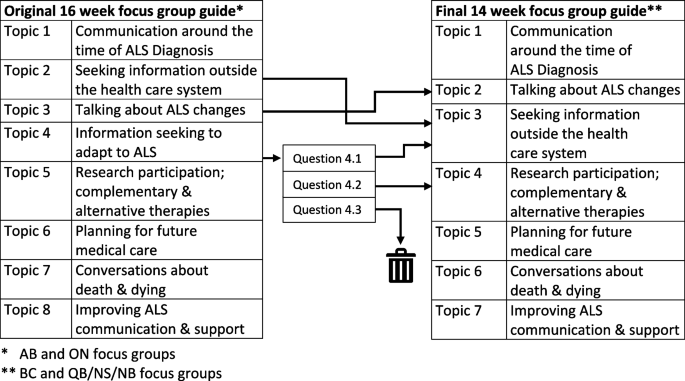
Background People with amyotrophic lateral sclerosis (ALS) are at high risk for severe outcomes from Covid-19 infection. Researchers exploring ALS and Covid-19 have focused primarily on system response and adaptation. Using Protection Motivation Theory, we investigated how people with ALS and family caregivers appraised and responded to Covid-19 threat, the ‘costs’ associated with pandemic response, and how health professionals and systems can better support people affected by ALS who are facing public health emergencies. Methods Data were drawn from the ‘ALS Talk Project,’ an asynchronous, moderated focus group study. Participants were recruited from regions across Canada. Seven groups met online over 14 weeks between January and July 2020. Fifty-three participants contributed to Covid-19 discussions. Data were qualitatively analyzed using directed content analysis and the constant-comparative approach. Results Participants learned about the Covid-19 pandemic from the media. They rapidly assessed their vulnerability and responded to Covid-19 threat by following recommendations from health authorities, information monitoring, and preparing for worst-case scenarios. Adopting protective behaviors had substantial response costs, including adaptations for medical care and home support workers, threatened access to advance care, and increased caregiver burden. Participants expressed need for ALS-specific, pandemic information from trusted health professionals and/or ALS health charities. Telemedicine introduced both conveniences and costs. Prior experience with ALS provided tools for coping with Covid-19. Threat and coping appraisal was a dynamic process involving ongoing vigilance and adaptation. Findings draw attention to the lack of emergency preparedness among participants and within health systems. Conclusions Clinicians should engage ALS patients and families in ongoing discussions about pandemic coping, strategies to mitigate response costs, care pathways in the event of Covid-19 infection, and changing information about Covid-19 variants and vaccines. Healthcare systems should incorporate flexible approaches for medical care, leveraging the benefits of telemedicine and facilitating in-person interaction as needed and where possible. Research is needed to identify strategies to mitigate response costs and to further explore the interaction between prior experience and coping. Further study is also needed to determine how communication about emergency preparedness might be effectively incorporated into clinical care for those with ALS and other medically vulnerable populations.

Impairment of oculomotor functions in patients with early to advanced amyotrophic lateral sclerosis
Medicine & Public Health Aust, Elisa

Impairment of oculomotor functions in patients with early to advanced amyotrophic lateral sclerosis

Springer September 2023 Amyotrophic Lateral Sclerosis

Amyotrophic lateral sclerosis (ALS) can result into an incomplete locked in state (iLIS), in which communication depends on eye tracking computer devices. Oculomotor function impairments in ALS have been reported, but there is little research, particularly with respect to patients in iLIS. In the present study, we compared reflexive and executive oculomotor function by means of an eye tracking test battery between three groups: advanced ALS patients in iLIS (n = 22), patients in early to middle ALS stages (n = 44) and healthy subjects (n = 32). Patients with ALS showed significant deteriorations in oculomotor functions, with stronger impairments in iLIS. More specifically, ALS patients produced visually guided prosaccades with longer latencies and more frequent hypometria compared to healthy subjects. Longest latencies were obtained in iLIS patients, with a stronger prolongation for vertical than for horizontal prosaccades. ALS patients made more antisaccade errors and generated antisaccades with longer latencies. Smooth pursuit was also impaired in ALS. In the earlier ALS stages, bulbar onset patients presented stronger antisaccade and smooth pursuit deficits than spinal onset patients. Our findings reveal a relevant deterioration of important oculomotor functions in ALS, which increases in iLIS. It includes impairments of reflexive eye movements to loss of executive inhibitory control, indicating a progressing pathological involvement of prefrontal, midbrain and brainstem areas. The assessment of oculomotor functions may therefore provide clinically relevant bio- and progression marker, particularly in advanced ALS.

Role of the nigrosome 1 absence as a biomarker in amyotrophic lateral sclerosis
Neurology Moreno-Gambín, María Isabel

Role of the nigrosome 1 absence as a biomarker in amyotrophic lateral sclerosis

Springer March 2022 Amyotrophic Lateral Sclerosis

Introduction The absence of nigrosome 1 on brain MRI and the hyperechogenicity of substantia nigra (SNh) by transcranial sonography are two useful biomarkers in the diagnosis of parkinsonisms. We aimed to evaluate the absence of nigrosome 1 in amyotrophic lateral sclerosis (ALS) and to address its meaning. Methods 136 ALS patients were recruited, including 16 progressive muscular atrophy (PMA) and 22 primary lateral sclerosis (PLS) patients. The SNh area was measured planimetrically by standard protocols. The nigrosome 1 status was qualitatively assessed by two blind evaluators in susceptibility weight images of 3T MRI. Demographic and clinical data were collected and the C9ORF72 expansion was tested in all patients. Results Nigrosome 1 was absent in 30% of ALS patients (36% of PLS, 29% of classical ALS and 19% of PMA patients). There was no relationship between radiological and clinical laterality, nor between nigrosome 1 and SNh area. Male sex (OR = 3.63 [1.51, 9.38], p  = 0.005) and a higher upper motor neuron (UMN) score (OR = 1.10 [1.02, 1.2], p  = 0.022) were independently associated to nigrosome 1 absence, which also was an independent marker of poor survival (HR = 1.79 [1.3, 2.8], p  = 0.013). Conclusion In ALS patients, the absence of nigrosome 1 is associated with male sex, UMN impairment and shorter survival. This suggests that constitutional factors and the degree of pyramidal involvement are related to the substantia nigra involvement in ALS. Thus, nigrosome 1 could be a marker of a multisystem degeneration, which in turn associates to poor prognosis.

Translation and reliability and validity of the Chinese version of Amyotrophic Lateral Sclerosis-Specific Quality of Life-Short Form
Medicine & Public Health Zhang, Zhijie

Translation and reliability and validity of the Chinese version of Amyotrophic Lateral Sclerosis-Specific Quality of Life-Short Form

Springer June 2024 Amyotrophic Lateral Sclerosis

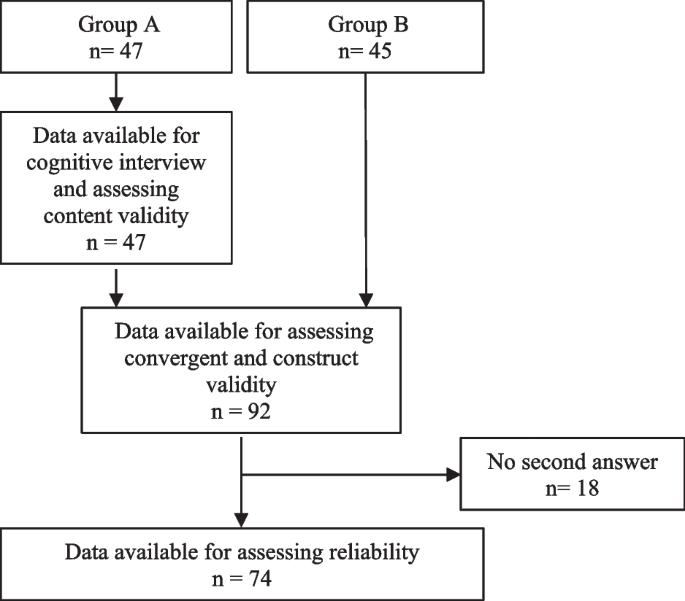
Objective To translate Amyotrophic Lateral Sclerosis-Specific Quality of Life-Short Form (ALSSQOL-SF) and test its reliability and validity, so that explore feasibility in Chinese mainland and make up the gap of specific tools for measuring quality of life of patients with ALS. Methods This was a cross-sectional design. The Brislin translation model was used to translate ALSSQOL-SF, and the Chinese version of ALSSQOL-SF (C-ALSSQOL-SF) was revised through cultural adaptation and pre-test. The convenience sampling method was used to investigate 138 patients with ALS in Tianjin to test the reliability and validity of the C-ALSSQOL-SF. Results The C-ALSSQOL-SF included 20 items, covering 6 dimensions: physical symptoms, bulbar function, negative emotion, interaction with people and the environment, religiosity and intimacy. The scale-level content validity index (S-CVI) of C-ALSSQOL-SF was 0.964, and the item-level content validity index (I-CVI) was between 0.857 to 1.000. The results of Confirmatory Factor Analysis (CFA) showed that CMIN/DF = 1.161, RMSEA = 0.034, GFI = 0.892, IFI = 0.976, TLI = 0.969, CFI = 0.975, and the 6-factor model fitted well. The scores of C-ALSSQOL-SF and WHOQOL-BREF were positively correlated (r = 0.745). The Cronbach’s α coefficient of the scale was 0.85, the Cronbach’s α coefficient of each dimension was between 0.59 to 0.86, and the split-half reliability was 0.78. Conclusion The Chinese version of ALSSQOL-SF has good reliability and validity, and can be used as a tool to evaluate the quality of life of patients with ALS in Chinese mainland.

SUMOylation Regulates TDP-43 Splicing Activity and Nucleocytoplasmic Distribution
Neurology Maraschi, AnnaMaria

SUMOylation Regulates TDP-43 Splicing Activity and Nucleocytoplasmic Distribution

Springer November 2021 Amyotrophic Lateral Sclerosis

The nuclear RNA-binding protein TDP-43 forms abnormal cytoplasmic aggregates in the brains of amyotrophic lateral sclerosis (ALS) and frontotemporal dementia (FTD) patients and several molecular mechanisms promoting TDP-43 cytoplasmic mislocalization and aggregation have been proposed, including defects in nucleocytoplasmic transport, stress granules (SG) disassembly and post-translational modifications (PTM). SUMOylation is a PTM which regulates a variety of cellular processes and, similarly to ubiquitination, targets lysine residues. To investigate the possible regulatory effects of SUMOylation on TDP-43 activity and trafficking, we first assessed that TDP-43 is SUMO-conjugated in the nuclear compartment both covalently and non-covalently in the RRM1 domain at the predicted lysine 136 and SUMO-interacting motif (SIM, 106–110 residues), respectively. By using the SUMO-mutant TDP-43 K136R protein, we demonstrated that SUMOylation modifies TDP-43 splicing activity, specifically exon skipping, and influences its sub-cellular localization and recruitment to SG after oxidative stress. When promoting deSUMOylation by SENP1 enzyme over-expression or by treatment with the cell-permeable SENP1 peptide TS-1, the cytoplasmic localization of TDP-43 increased, depending on its SUMOylation. Moreover, deSUMOylation by TS-1 peptide favoured the formation of small cytoplasmic aggregates of the C-terminal TDP-43 fragment p35, still containing the SUMO lysine target 136, but had no effect on the already formed p25 aggregates. Our data suggest that TDP-43 can be post-translationally modified by SUMOylation which may regulate its splicing function and trafficking, indicating a novel and druggable mechanism to explore as its dysregulation may lead to TDP-43 pathological aggregation in ALS and FTD.

Racial Disparities in the Diagnosis and Prognosis of ALS Patients in the United States
Epidemiology Raymond, Jaime

Racial Disparities in the Diagnosis and Prognosis of ALS Patients in the United States

Springer July 2024 Amyotrophic Lateral Sclerosis

Background Amyotrophic lateral sclerosis (ALS) is a progressive, fatal disease with largely unknown etiology. This study compares racial differences in clinical characteristics of ALS patients enrolled in the National ALS Registry (Registry). Methods Data from ALS patients who completed the Registry’s online clinical survey during 2013–2022 were analyzed to determine characteristics such as site of onset, associated symptoms, time of symptom onset to diagnosis, and pharmacological and non-pharmacological interventions for White, Black, and other race patients. Results Surveys were completed by 4242 participants. Findings revealed that Black ALS patients were more likely to be diagnosed at a younger age, to have arm or hand initial site of onset, and to experience pneumonia than were White ALS patients. ALS patients of other races were more likely than White ALS patients to be diagnosed at a younger age and to experience twitching. The mean interval between the first sign of weakness and an ALS diagnosis for Black patients was almost 24 months, statistically greater than that of White ( p  = 0.0374; 16 months) and other race patients ( p  = 0.0518; 15.8 months). The mean interval between problems with speech until diagnosis was shorter for White patients (6.3 months) than for Black patients (17.7 months) and other race patients (14.8 months). Conclusions and Relevance Registry data shows racial disparities still exist in the diagnosis and clinical characteristics of ALS patients. Increased recruitment of non-White ALS patients and better characterization of symptom onset between races might aid clinicians in diagnosing ALS sooner, leading to earlier therapeutic interventions.

Estrogen Enhances Dendrite Spine Function and Recovers Deficits in Neuroplasticity in the prpTDP-43^A315T Mouse Model of Amyotrophic Lateral Sclerosis
Neurology Handley, Emily E.

Estrogen Enhances Dendrite Spine Function and Recovers Deficits in Neuroplasticity in the prpTDP-43^A315T Mouse Model of Amyotrophic Lateral Sclerosis

Springer May 2022 Amyotrophic Lateral Sclerosis

Amyotrophic lateral sclerosis (ALS) attacks the corticomotor system, with motor cortex function affected early in disease. Younger females have a lower relative risk of succumbing to ALS than males and older females, implicating a role for female sex hormones in disease progression. However, the mechanisms driving this dimorphic incidence are still largely unknown. We endeavoured to determine if estrogen mitigates disease progression and pathogenesis, focussing upon the dendritic spine as a site of action. Using two-photon live imaging we identify, in the prp TDP-43^A315T mouse model of ALS, that dendritic spines in the male motor cortex have a reduced capacity for remodelling than their wild-type controls. In contrast, females show higher capacity for remodelling, with peak plasticity corresponding to highest estrogen levels during the estrous cycle. Estrogen manipulation through ovariectomies and estrogen replacement with 17β estradiol in vivo was found to significantly alter spine density and mitigate disease severity. Collectively, these findings reveal that synpatic plasticity is reduced in ALS, which can be amelioriated with estrogen, in conjuction with improved disease outcomes.

Analysis and occurrence of biallelic pathogenic repeat expansions in RFC1 in a German cohort of patients with a main clinical phenotype of motor neuron disease
Medicine & Public Health Schaub, Annalisa

Analysis and occurrence of biallelic pathogenic repeat expansions in RFC1 in a German cohort of patients with a main clinical phenotype of motor neuron disease

Springer June 2024 Amyotrophic Lateral Sclerosis

Biallelic pathogenic repeat expansions in RFC1 were recently identified as molecular origin of cerebellar ataxia, neuropathy, vestibular areflexia syndrome (CANVAS) as well as of one of the most common causes of adult-onset ataxia. In the meantime, the phenotypic spectrum has expanded massively and now includes mimics of multiple system atrophy or parkinsonism. After identifying a patient with a clinical diagnosis of amyotrophic lateral sclerosis (ALS) as a carrier of biallelic pathogenic repeat expansions in RFC1 , we studied a cohort of 106 additional patients with a clinical main phenotype of motor neuron disease (MND) to analyze whether such repeat expansions are more common in MND patients. Indeed, two additional MND patients (one also with ALS and one with primary lateral sclerosis/PLS) have been identified as carrier of biallelic pathogenic repeat expansions in RFC1 in the absence of another genetic alteration explaining the phenotype, suggesting motor neuron disease as another extreme phenotype of RFC1 spectrum disorder. Therefore, MND might belong to the expanding phenotypic spectrum of pathogenic RFC1 repeat expansions, particularly in those MND patients with additional features such as sensory and/or autonomic neuropathy, vestibular deficits, or cerebellar signs. By systematically analyzing the RFC1 repeat array using Oxford nanopore technology long-read sequencing, our study highlights the high intra- and interallelic heterogeneity of this locus and allows the identification of the novel repeat motif ‘ACAAG’.

Safety and efficacy of edaravone in patients with amyotrophic lateral sclerosis: a systematic review and meta-analysis
Medicine & Public Health Nourelden, Anas Zakarya

Safety and efficacy of edaravone in patients with amyotrophic lateral sclerosis: a systematic review and meta-analysis

Springer May 2023 Amyotrophic Lateral Sclerosis

Aim The study aims to increase understanding of edaravone’s efficacy and safety as an amyotrophic lateral sclerosis (ALS) treatment and provide significant insights regarding this field’s future research. Methods We conducted a comprehensive search of the Embase, PubMed, Cochrane Library, Web of Science, and Scopus databases for randomized controlled trials and observational studies up until September 2022. We evaluated the studies’ quality using the Cochrane risk of bias tool and the National Institutes of Health tool. Results We included 11 studies with 2845 ALS patients. We found that edaravone improved the survival rate at 18, 24, and 30 months (risk ratio (RR) = 1.03, 95% confidence interval (CI) [1.02 to 1.24], P  = 0.02), (RR = 1.22, 95% CI [1.06 to 1.41], P  = 0.007), and (RR = 1.17, 95% CI [1.01 to 1.34], P  = 0.03), respectively. However, the administration of edaravone did not result in any significant difference in adverse effects or efficacy outcomes between the two groups, as indicated by a P value greater than 0.05. Conclusion Edaravone improves survival rates of ALS patients at 18, 24, and 30 months with no adverse effects. However, edaravone does not affect functional outcomes. In order to ensure the validity of our findings and assess the results in accordance with the disease stage, it is essential to carry out additional prospective, rigorous, and high-quality clinical trials. The current study offers preliminary indications regarding the effectiveness and safety of edaravone. However, further comprehensive research is required to establish the generalizability and sustainability of the findings.

Assessment of bidirectional relationships between 98 genera of the human gut microbiota and amyotrophic lateral sclerosis: a 2-sample Mendelian randomization study
Medicine & Public Health Zhang, Linjing

Assessment of bidirectional relationships between 98 genera of the human gut microbiota and amyotrophic lateral sclerosis: a 2-sample Mendelian randomization study

BioMed Central January 2022 Amyotrophic Lateral Sclerosis

Background Growing evidence suggests a mutual interaction between gut microbiome alterations and ALS pathogenesis. However, previous studies were susceptible to potential confounding factors and reverse causation bias, likely leading to inconsistent and biased results. Objectives To decipher the potentially mutual relationship between gut microbiota and ALS, we used a bidirectional two-sample MR approach to examine the associations between the gut microbiome and ALS. Results Using the inverse variance-weighted method, OTU10032 unclassified Enterobacteriaceae species-level OTU and unclassified Acidaminococcaceae were associated with a higher risk of ALS (per relative abundance: OR, 1.04; 95% CI, 1.01–1.07; P  = 0.011 and OR, 1.02; 95% CI, 1.01–1.04; P  = 0.009, respectively). Importantly, Gamma-Glu-Phe was showed potential deleterious effects on the risk of ALS (genetically predicted per a 1-standard deviation increase in the level of Gamma-Glu-Phe: OR, 1.96; 95% CI, 1.50–2.55; P  = 0.012). Sensitivity analysis of the two candidate genera and metabolites using the MR-Egger and weighted-median methods produced similar estimates, and no horizontal pleiotropy or outliers were observed. Intriguingly, genetically predicted ALS was associated with an increase in the relative abundance of OTU4607_Sutterella (per 1-unit higher log odds: β, 2.23; 95% CI, 1.27–3.18; P  = 0.020) and Lactobacillales_ORDER (per 1-unit higher log odds: β, 0.51; 95% CI, 0.09–0.94; P  = 0.019). Conclusions Our findings provide novel evidence supporting the bidirectional relationship between the gut microbiota and ALS. These results may contribute to designing microbiome- and microbiome-dependent metabolite interventions in future ALS clinical trials.

Sensory neuropathy in amyotrophic lateral sclerosis: a systematic review
Medicine & Public Health Bombaci, Alessandro

Sensory neuropathy in amyotrophic lateral sclerosis: a systematic review

Springer August 2023 Amyotrophic Lateral Sclerosis

Amyotrophic lateral sclerosis (ALS) is a fatal neurodegenerative disease characterized by the degeneration of both upper and lower motoneurons, leading to motor and non-motor symptoms. Recent evidence suggests that ALS is indeed a multisystem disorder, associated with cognitive impairment, dysautonomia, pain and fatigue, excess of secretions, and sensory symptoms. To evaluate whether sensory neuropathy could broaden its spectrum, we systematically reviewed its presence and characteristics in ALS, extracting data on epidemiological, clinical, neurophysiological, neuropathological, and genetic features. Sensory neuropathy can be found in up to 20% of ALS patients, affecting both large and small fibers, although there is a great heterogeneity related to different techniques used for its detection (electromyography vs skin biopsy vs nerve biopsy). Moreover, the association between CIDP-like neuropathy and ALS needs to be better explored, although it could be interpreted as part of the neuroinflammatory process in the latter disease. Sensory neuropathy in ALS may be associated with a spinal onset and might be more frequent in SOD1 patients. Moreover, it seems mutually exclusive with cognitive impairment. No associations with sex and other genetic mutation were observed. All these data in the literature reveal the importance of actively looking for sensory neuropathy in ALS patients, and suggest including sensory neuropathy among ALS non-motor features, as it may explain sensory symptoms frequently reported throughout the course of the disease. Its early identification could help avoid diagnostic delays and improve patients’ treatment and quality of life.

Health-related quality of life across disease stages in patients with amyotrophic lateral sclerosis: results from a real-world survey
Medicine & Public Health Stenson, Katie

Health-related quality of life across disease stages in patients with amyotrophic lateral sclerosis: results from a real-world survey

Springer January 2024 Amyotrophic Lateral Sclerosis

Background Amyotrophic lateral sclerosis (ALS) is characterized by a rapid disease course, with disease severity being associated with declining health-related quality of life (HRQoL) in persons living with ALS (pALS). The main objective of this study was to assess the impact of disease progression on HRQoL across King’s, Milano-Torino Staging (MiToS), and physician-judgement clinical staging. Additionally, we evaluated the impact of the disease on the HRQoL of care partners (cALS). Methods Data were sourced from the Adelphi ALS Disease Specific Programme (DSP)™, a cross-sectional survey of neurologists, pALS and cALS presenting in a real-world clinical setting between July 2020 and March 2021 in Europe and the United States. Results Neurologists ( n  = 142) provided data for 880 pALS. There were significant negative correlations between all three clinical staging systems and EuroQol (European Quality of Life) Five Dimension Five Level Scale (EQ-5D-5L) utility scores and visual analogue scale (VAS) ratings. Although not all differences were significant, 5-item Amyotrophic Lateral Sclerosis Assessment Questionnaire (ALSAQ-5) scores showed a stepwise increase in HRQoL impairment at each stage of the disease regardless of the staging system. At later stages, high levels of fatigue and substantial activity impairment were reported. As pALS disease states progressed, cALS also experienced a decline in HRQoL and increased burden. Conclusions Across outcomes, pALS and cALS generally reported worse outcomes at later stages of the disease, highlighting an unmet need in this population for strategies to maximise QoL despite disease progression. Recognition and treatment of symptoms such as pain and fatigue may lead to improved outcomes for pALS and cALS.

Clinical and epidemiological characteristics of amyotrophic lateral sclerosis in an Egyptian cohort
Epidemiology Soliman, Radwa

Clinical and epidemiological characteristics of amyotrophic lateral sclerosis in an Egyptian cohort

Springer September 2024 Amyotrophic Lateral Sclerosis

Objective Amyotrophic lateral sclerosis (ALS) is a fatal neurodegenerative disorder associated with progressive loss of motor neurons. It is a growing and underestimated disease, prompting this epidemiological study to describe the characteristics of ALS in Egyptian patients. Methods This is a prospective hospital based study. ALS patients were recruited consecutively from Neuromuscular Unit in Ain Shams university Hospital from December 2018 to June 2023. Demographic data and disease related parameters were recorded. Results 203 ALS patients had a mean age of onset equal 39 years and an inter quartile range IQR of (28.00–51.00). 76% of the cases were spinal onset ALS. Median disease duration was 2 years with IQR of (1–4 years); male to female ratio was 2.5:1; 18% of patients were familial ALS (FALS), while 19% were Juvenile ALS (JALS). Median diagnostic delay was 12 ± (6–36) months. Median Amyotrophic Lateral Sclerosis Functional Rating Scale Revised scores (ALSFRS-R) at presentation was 34.5 IQR of (26.00–40.00). Also, the mean rate of disease progression ALSFRS-R decline [points/month] was 0.76 ± 0.51. Conclusion Our cohort was characterized by a younger age of onset, male predominance, more familial cases, within average Initial ALSFRS-R scores as well as diagnostic delay. Juvenile ALS patients were much more common in our population. These findings suggest an influential presence of genetic and epigenetic factors affecting the clinical phenotype of Egyptian ALS patients.

Nonpharmacological intervention therapies for dementia: potential break-even intervention price and savings for selected risk factors in the European healthcare system
Epidemiology Maresova, Petra

Nonpharmacological intervention therapies for dementia: potential break-even intervention price and savings for selected risk factors in the European healthcare system

BioMed Central May 2024 Amyotrophic Lateral Sclerosis

Background New effective treatments for dementia are lacking, and early prevention focusing on risk factors of dementia is important. Non-pharmacological intervention therapies aimed at these factors may provide a valuable tool for reducing the incidence of dementia. This study focused on the development of a mathematical model to predict the number of individuals with neurodegenerative diseases, specifically Alzheimer’s disease, Parkinson’s disease, vascular dementia, and amyotrophic lateral sclerosis. Scenarios for non-pharmacological intervention therapies based on risk factor reduction were also assessed. The estimated total costs and potential cost savings from societal were included. Methods Based on demographic and financial data from the EU, a mathematical model was developed to predict the prevalence and resulting care costs of neurodegenerative diseases in the population. Each disease (Alzheimer’s disease, Parkinson’s disease, vascular dementia, and amyotrophic lateral sclerosis) used parameters that included prevalence, incidence, and death risk ratio, and the simulation is related to the age of the cohort and the disease stage. Results A replicable simulation for predicting the prevalence and resulting cost of care for neurodegenerative diseases in the population exhibited an increase in treatment costs from 267 billion EUR in 2021 to 528 billion EUR by 2050 in the EU alone. Scenarios related to the reduction of the prevalence of dementia by up to 20% per decade led to total discounted treatment cost savings of up to 558 billion EUR. Conclusion The model indicates the magnitude of the financial burden placed on EU healthcare systems due to the growth in the population prevalence of neurodegenerative diseases in the coming decades. Lifestyle interventions based on reducing the most common risk factors could serve as a prevention strategy to reduce the incidence of dementia with substantial cost-savings potential. These findings could support the implementation of public health approaches throughout life to ultimately prevent premature mortality and promote a healthier and more active lifestyle in older individuals.

Use of Pharyngeal High-Resolution Manometry to Evaluate Dysphagia in Adults with Motor Neurone Disease: A Scoping Review
Medicine & Public Health Diver, Eva Mary

Use of Pharyngeal High-Resolution Manometry to Evaluate Dysphagia in Adults with Motor Neurone Disease: A Scoping Review

Springer March 2022 Amyotrophic Lateral Sclerosis

There has been a recent shift towards proactive dysphagia intervention in motor neurone disease (MND) to maintain physiological reserve. Pharyngeal high-resolution manometry (PHRM) can quantify swallowing pathophysiology to inform and evaluate proactive dysphagia intervention. This study aims to explore the current use of PHRM as a dysphagia evaluation in adults with MND. A scoping review based on the Joanna Briggs Framework was completed. Four electronic databases (PubMed, EMBASE, CINAHL and Web of Science core) were searched (inception to March 2021) by two independent researchers. Data were analysed according to (i) PHRM protocol and analysis methods and the feasibility of same, (ii) swallow biomechanics data and (iii) dysphagia intervention effects as measured by PHRM. Six studies with 78 people with MND (PwMND) were included. There was considerable variation in PHRM protocol and analysis methods. Five studies reported a 100% completion rate and three studies reported no adverse events. Swallow biomechanics data were reported across all studies. The effects of sensory stimulation, increased bolus consistency, effortful swallow and cricopharyngeal myotomy were evaluated using PHRM with 20 PwMND across four studies with varying effects. Literature on the use of PHRM in PwMND is limited. Variability in PHRM methods restricts comparison of metrics. PHRM appears to be a feasible tool for PwMND. PHRM can provide novel swallow physiology data in PwMND and quantify discrete effects of compensatory and surgical dysphagia interventions not detectable by videofluoroscopy or FEES. Further research on the effects of proactive dysphagia intervention as measured by PHRM is required.

Efficacy and safety of Lenzumestrocel (Neuronata-R® inj.) in patients with amyotrophic lateral sclerosis (ALSUMMIT study): study protocol for a multicentre, randomized, double-blind, parallel-group, sham procedure-controlled, phase III trial
Medicine & Public Health Nam, Jae-Yong

Efficacy and safety of Lenzumestrocel (Neuronata-R® inj.) in patients with amyotrophic lateral sclerosis (ALSUMMIT study): study protocol for a multicentre, randomized, double-blind, parallel-group, sham procedure-controlled, phase III trial

BioMed Central May 2022 Amyotrophic Lateral Sclerosis

Background A single cycle (two repeated treatments) with intrathecal autologous bone marrow-derived mesenchymal stem cells (BM-MSCs, 26-day interval) showed safety and provided therapeutic benefit lasting 6 months in patients with ALS but did not demonstrate long-term efficacy. This phase III clinical trial (ALSUMMIT) protocol was developed to evaluate the long-term efficacy and safety of the combined protocol of single-cycle intrathecal therapy and three additional booster injections of BM-MSC (Lenzumestrocel) treatment in patients with ALS. Methods ALSUMMIT is a multicentre, randomized, double-blind, parallel-group, sham procedure-controlled, phase III trial for ALS. The 115 subjects will be randomized (1:2:2) into three groups: (1) study Group 1 (single-cycle, two repeated injections with 26-day interval), (2) study Group 2 (single-cycle + three additional booster injections at 4, 7, and 10 months), and (3) the control group. Participants who have an intermediate rate of disease progression will be included in this trial to reduce clinical heterogeneity. The primary endpoint will be evaluated by combined assessment of function and survival (CAFS), also known as joint rank scores (JRS), at 6 months (study Group 1 vs. control) and 12 months (study Group 2 vs. control) after the first Lenzumestrocel or placebo administration. Safety assessment will be performed throughout the study period. Additionally, after the 56-week main study, a long-term follow-up observational study will be conducted to evaluate the long-term efficacy and safety up to 36 months. Discussion Lenzumestrocel is the orphan cell therapy product for ALS conditionally approved by the South Korea Ministry of Food and Drug Safety (MFDS). This ALSUMMIT protocol was developed for the adoption of enrichment enrolment, add-on design, and consideration of ethical issues for the placebo group. Trial registration ClinicalTrials.gov NCT04745299 . Registered on Feb 9, 2021. Clinical Research Information Service (CRIS) KCT0005954 . Registered on Mar 4, 2021.

Mutation spectrum of chinese amyotrophic lateral sclerosis patients with frontotemporal dementia
Medicine & Public Health Yang, Xunzhe

Mutation spectrum of chinese amyotrophic lateral sclerosis patients with frontotemporal dementia

BioMed Central November 2022 Amyotrophic Lateral Sclerosis

Background Studies have reported that a noncoding hexanucleotide repeat in C9ORF72 , is the most common genetic cause of amyotrophic lateral sclerosis (ALS) and frontotemporal dementia (FTD) among Caucasian population, nevertheless it is rare in Chinese population. Therefore, we aimed to investigate the mutation spectrum of Chinese ALS patients with FTD (ALS-FTD). Methods ALS patients with and without cognitive impairments were enrolled. Clinical features were collected including age, sex, disease duration, ALSFRS-r, family history and cognitive evaluation. Thirty-six ALS genes were screened by whole exome sequencing (WES) and repeat-primed polymerase chain reaction (PCR) were used for detection of and abnormal repeat expansions of C9ORF72 . Results A total of 1208 patients, including 66 familial ALS (FALS) and 1142 sporadic ALS (SALS) patients were included. Twenty-three patients with sporadic ALS and one familial ALS index had concomitant FTD, which accounts for 1.99% (24/1208) of patients with ALS. In sporadic ALS-FTD, one case harboring C9ORF72 expansion variant, two cases harboring ANXA11 variants and one individual carrying CCNF variant were identified. A recurrent UBQLN2 variant was detected in a familial ALS-FTD patient. All of the ALS-FTD patients carrying variants in known causative genes manifested motor symptom onset (two bulbar onset and three limb onset) and developed cognitive impairment thereafter. It is not easy to draw a conclusion of the genotype-phenotype association in ALS-FTD with certain variants, limited by the small number of patients. Conclusion Our findings provide an overview of spectrum of genetic variants in Chinese ALS-FTD patients. Variants of uncertain significance in UBQLN2, ANXA11 and CCNF were identified and further studies are required for causal relations of these variants with ALS-FTD.

Towards clinical application of implantable brain–computer interfaces for people with late-stage ALS: medical and ethical considerations
Medicine & Public Health Vansteensel, Mariska J.

Towards clinical application of implantable brain–computer interfaces for people with late-stage ALS: medical and ethical considerations

Springer November 2022 Amyotrophic Lateral Sclerosis

Individuals with amyotrophic lateral sclerosis (ALS) frequently develop speech and communication problems in the course of their disease. Currently available augmentative and alternative communication technologies do not present a solution for many people with advanced ALS, because these devices depend on residual and reliable motor activity. Brain–computer interfaces (BCIs) use neural signals for computer control and may allow people with late-stage ALS to communicate even when conventional technology falls short. Recent years have witnessed fast progression in the development and validation of implanted BCIs, which place neural signal recording electrodes in or on the cortex. Eventual widespread clinical application of implanted BCIs as an assistive communication technology for people with ALS will have significant consequences for their daily life, as well as for the clinical management of the disease, among others because of the potential interaction between the BCI and other procedures people with ALS undergo, such as tracheostomy. This article aims to facilitate responsible real-world implementation of implanted BCIs. We review the state of the art of research on implanted BCIs for communication, as well as the medical and ethical implications of the clinical application of this technology. We conclude that the contribution of all BCI stakeholders, including clinicians of the various ALS-related disciplines, will be needed to develop procedures for, and shape the process of, the responsible clinical application of implanted BCIs.

Seeding activity of human superoxide dismutase 1 aggregates in familial and sporadic amyotrophic lateral sclerosis postmortem neural tissues by real-time quaking-induced conversion
Medicine & Public Health Mielke, Justin K.

Seeding activity of human superoxide dismutase 1 aggregates in familial and sporadic amyotrophic lateral sclerosis postmortem neural tissues by real-time quaking-induced conversion

Springer June 2024 Amyotrophic Lateral Sclerosis

Amyotrophic lateral sclerosis (ALS) is a rapidly progressive neurodegenerative disease with average lifespan of 2–5 years after diagnosis. The identification of novel prognostic and pharmacodynamic biomarkers are needed to facilitate therapeutic development. Metalloprotein human superoxide dismutase 1 (SOD1) is known to accumulate and form aggregates in patient neural tissue with familial ALS linked to mutations in their SOD1 gene. Aggregates of SOD1 have also been detected in other forms of ALS, including the sporadic form and the most common familial form linked to abnormal hexanucleotide repeat expansions in the Chromosome 9 open reading frame 72 ( C9ORF72 ) gene. Here, we report the development of a real-time quaking-induced conversion (RT-QuIC) seed amplification assay using a recombinant human SOD1 substrate to measure SOD1 seeding activity in postmortem spinal cord and motor cortex tissue from persons with different ALS etiologies. Our SOD1 RT-QuIC assay detected SOD1 seeds in motor cortex and spinal cord dilutions down to 10^–5. Importantly, we detected SOD1 seeding activity in specimens from both sporadic and familial ALS cases, with the latter having mutations in either their SOD1 or C9ORF72 genes. Analyses of RT-QuIC parameters indicated similar lag phases in spinal cords of sporadic and familial ALS patients, but higher ThT fluorescence maxima by SOD1 familial ALS specimens and sporadic ALS thoracic cord specimens. For a subset of sporadic ALS patients, motor cortex and spinal cords were examined, with seeding activity in both anatomical regions. Our results suggest SOD1 seeds are in ALS patient neural tissues not linked to SOD1 mutation, suggesting that SOD1 seeding activity may be a promising biomarker, particularly in sporadic ALS cases for whom genetic testing is uninformative.

Bridging knowledge gaps: a bibliometric analysis of non-invasive ventilation in palliative care studies
Medicine & Public Health Cascella, Marco

Bridging knowledge gaps: a bibliometric analysis of non-invasive ventilation in palliative care studies

BioMed Central January 2024 Amyotrophic Lateral Sclerosis

Background Despite being a useful strategy for providing respiratory support to patients with advanced or terminal illnesses, non-invasive ventilation (NIV) requires in-depth investigation in several key aspects. Objectives This bibliometric analysis seeks to comprehensively examine the existing research on the subject. Its goal is to uncover valuable insights that can inform the prediction trajectory of studies, guide the implementation of corrective measures, and contribute to the improvement of research networks. Methods A comprehensive review of literature on NIV in the context of palliative care was conducted using the Web of Science core collection online database. The search utilized the key terms “non-invasive ventilation” and “palliative care” to identify the most relevant articles. All data were gathered on November 7, 2023. Relevant information from documents meeting the specified criteria was extracted, and Journal Citation Reports™ 2022 (Clarivate Analytics) served as the data source. The analysis employed literature analysis and knowledge visualization tools, specifically CiteScope (version 6.2.R4) and VOSviewer (version 1.6.20). Results A dataset with bibliometric findings from 192 items was analyzed. We found a consistent upward of the scientific output trend over time. Guidelines on amyotrophic lateral sclerosis management received the highest number of citations. Most documents were published in top-ranked journals. Less than one-third of the documents pertain to clinical studies, especially retrospective analyses (25%). Key topics such as “decision making”, and “communication” were less addressed. Conclusions Given the substantial clinical implications, further high-quality studies on this subject are recommended. Encouraging international collaborations is needed. Despite the growing volume of documents in the field, this bibliometric analysis indicates a decline in collaborative networks.

Recent publications

Cancer

25 recent scientific publications in the field of Cancer, for rapid access to the corresponding scientific literature.


Super-enhancer profiling reveals ThPOK/ZBTB7B, a CD4
(+)
cell lineage commitment factor, as a master regulator that restricts breast cancer cells to a luminal non-migratory phenotype
biorxiv Arcuschin, Camila D

Super-enhancer profiling reveals ThPOK/ZBTB7B, a CD4 (+) cell lineage commitment factor, as a master regulator that restricts breast cancer cells to a luminal non-migratory phenotype

Cold Spring Harbor Laboratory September 2024 Cancer

Despite efforts to understand breast cancer biology, metastatic disease remains a clinical challenge. Identifying suppressors of breast cancer progression and mechanisms of transition to more invasive phenotypes could provide game changing therapeutic opportunities. Transcriptional deregulation is central to all malignancies, highlighted by the extensive reprogramming of regulatory elements that underlie oncogenic programs. Among these, super-enhancers (SEs) stand out due to their enrichment in genes controlling cancer hallmarks. To reveal novel breast cancer dependencies, we integrated the analysis of the SE landscape with master regulator activity inference for a series of breast cancer cell lines. As a result, we identified T - h elper-inducing Poxviruses and Zinc-finger ( PO Z)/ K rüppel-like factor (ThPOK, ZBTB7B ), a CD4 (+) cell lineage commitment factor, as a breast cancer master regulator that is recurrently associated with a SE. ThPOK expression is highest in luminal breast cancer but is significantly reduced in the basal subtype. Manipulation of ThPOK levels in cell lines shows that its repressive function restricts breast cancer cells to an epithelial phenotype by suppressing the expression of genes involved in the epithelial-mesenchymal transition (EMT), WNT/β-catenin target genes, and the pro-metastatic TGFβ pathway. Our study reveals ThPOK as a master transcription factor that restricts the acquisition of metastatic features in breast cancer cells.

Cohort-Aware Agents for Individualized Lung Cancer Risk Prediction Using a Retrieval-Augmented Model Selection Framework
Computer Science Qu, Chongyu

Cohort-Aware Agents for Individualized Lung Cancer Risk Prediction Using a Retrieval-Augmented Model Selection Framework

arXiv August 2025 Cancer

Accurate lung cancer risk prediction remains challenging due to substantial variability across patient populations and clinical settings -- no single model performs best for all cohorts. To address this, we propose a personalized lung cancer risk prediction agent that dynamically selects the most appropriate model for each patient by combining cohort-specific knowledge with modern retrieval and reasoning techniques. Given a patient's CT scan and structured metadata -- including demographic, clinical, and nodule-level features -- the agent first performs cohort retrieval using FAISS-based similarity search across nine diverse real-world cohorts to identify the most relevant patient population from a multi-institutional database. Second, a Large Language Model (LLM) is prompted with the retrieved cohort and its associated performance metrics to recommend the optimal prediction algorithm from a pool of eight representative models, including classical linear risk models (e.g., Mayo, Brock), temporally-aware models (e.g., TD-VIT, DLSTM), and multi-modal computer vision-based approaches (e.g., Liao, Sybil, DLS, DLI). This two-stage agent pipeline -- retrieval via FAISS and reasoning via LLM -- enables dynamic, cohort-aware risk prediction personalized to each patient's profile. Building on this architecture, the agent supports flexible and cohort-driven model selection across diverse clinical populations, offering a practical path toward individualized risk assessment in real-world lung cancer screening.

LF2L: Loss Fusion Horizontal Federated Learning Across Heterogeneous Feature Spaces Using External Datasets Effectively: A Case Study in Second Primary Cancer Prediction
Computer Science Lin, Chia-Fu

LF2L: Loss Fusion Horizontal Federated Learning Across Heterogeneous Feature Spaces Using External Datasets Effectively: A Case Study in Second Primary Cancer Prediction

arXiv March 2026 Cancer

Second primary cancer (SPC), a new cancer in patients different from previously diagnosed, is a growing concern due to improved cancer survival rates. Early prediction of SPC is essential to enable timely clinical interventions. This study focuses on lung cancer survivors treated in Taiwanese hospitals, where the limited size and geographic scope of local datasets restrict the effectiveness and generalizability of traditional machine learning approaches. To address this, we incorporate external data from the publicly available US-based Surveillance, Epidemiology, and End Results (SEER) program, significantly increasing data diversity and scale. However, the integration of multi-source datasets presents challenges such as feature inconsistency and privacy constraints. Rather than naively merging data, we proposed a loss fusion horizontal federated learning (LF2L) framework that can enable effective cross-institutional collaboration while preserving institutional privacy by avoiding data sharing. Using both common and unique features and balancing their contributions through a shared loss mechanism, our method demonstrates substantial improvements in the prediction performance of SPC. Experiment results show statistically significant improvements in AUROC and AUPRC when compared to localized, horizontal federated, and centralized learning baselines. This highlights the importance of not only acquiring external data but also leveraging it effectively to enhance model performance in real-world clinical model development.

Survival outcomes and healthcare utilization between immigrant patients and Danish-born patients with hematological cancers: a Danish population-based study
Epidemiology Baech, Joachim

Survival outcomes and healthcare utilization between immigrant patients and Danish-born patients with hematological cancers: a Danish population-based study

Springer July 2024 Cancer

Overall survival (OS) for patients with a hematological cancer may differ between immigrant and Danish-born patients due to disparities in socioeconomic status, health literacy, and language proficiency. This cohort study aimed to investigate survival and hospitalization according to immigrant status while controlling for confounders. Patients with newly diagnosed hematological cancer in 2000–2020 were identified in the Danish nationwide hematological registers and stratified into Danish-born, Western, and non-Western patients. Patients were followed from diagnosis until death, 31st December 2021, or emigration, whichever came first. Crude OS, standardized OS, and 5-years OS differences were computed using flexible parametric models and hazard ratios using Cox regression. Number of hospitalization days in the year before and after diagnosis, respectively, were calculated using Poisson regression. A total of 2,241 immigrants and 41,519 Danish-born patients with a hematological cancer were included. Standardized 5-years OS was similar between groups with 58% (95% confidence interval 57–58%) for Danish-born patients, 57% (55–60%) for Western, and 56% (53–58%) for non-Western immigrant patients. Subgroup analyses identified OS differences in selected subgroups. Non-Western immigrant patients had 1.3 (0.5–2.1) more hospitalization days in the year before diagnosis and an adjusted incidence rate ratio of hospitalization days of 1.14 (1.13–1.15) in the year after diagnosis compared with Danish-born patients. In conclusion, there were no overall differences in survival when comparing immigrant patients to Danish-born patients after controlling for relevant confounders. Healthcare utilization was slightly higher among non-Western immigrant patients before and after diagnosis, but differences were small on an individual patient level.

Modeling the role of urokinase plasminogen activator, uPA, and circulating Cancer-Associated Fibroblasts (cCAFS) in breast cancer cell extravasation
biorxiv Spartz, Angela

Modeling the role of urokinase plasminogen activator, uPA, and circulating Cancer-Associated Fibroblasts (cCAFS) in breast cancer cell extravasation

Cold Spring Harbor Laboratory June 2025 Cancer

Circulating Cancer-Associated Fibroblasts (cCAFs) have been discovered in circulating tumor cell clusters from all stages of disease progression in breast cancer patients. We have shown that CAFs promote lung metastases in the mouse tail vein model when they are clustered with triple negative breast cancer (TNBC) MDA-MB231 cells. Following on this observation, we saw that MDA-MB231-luciferase labeled cells persist at higher levels when present in CAF23/MDA-MB231 co-clusters compared to MDA-MB231 mono-clusters within the first 3 days after tail vein injection. This prompted us to investigate whether CAFs aid cancer cell extravasation from capillary venules into the lung parenchyma, which would impart better survival and faster seeding of metastases. Ex vivo lung extravasation assays showed that within the first 8-24 hrs after tail vein injection, more cells from CAF23/MDA-MB231 co-clusters extravasated than cells from MDA-MB231 mono-clusters. Using in vitro endothelial binding assays, we determined that CAF/TNBC co-clusters bind to HUVEC endothelial cells better than TNBC mono-clusters. Single Cell RNA-seq identified several genes in the fibrinolysis pathway whose expression increases in TNBC cells when they are clustered with CAFs. One of these genes is PLAU , which encodes the urokinase-type plasminogen activator, uPA. siRNA knockdown of PLAU decreased in vitro TNBC-endothelial cell interactions and ex vivo extravasation of MDA-MB231 mono-clusters, revealing a role for uPA/PLAU in breast cancer cell extravasation. Our data helps to define the role of CAFs in breast cancer extravasation and highlights the importance of our previous work showing that CAFs promote tumor cell dissemination and metastasis.

The Path to Cancer Cure
Oncology Paul, Doru

The Path to Cancer Cure

Springer January 2025 Cancer

This work proposes a unifying theoretical framework based on the principle of Dynamic and Creative Persistence (DCP), which reconceptualizes life, and cancer, as an adaptive interplay of bioenergy, bioinformation, and biostructure. Within this lens, cancer is not merely a condition caused by genetic alterations, but a cyclical, self-organizing system that co-evolves with its environment. Its survival depends on internal coherence and the ability to reshape its ecological niche. The breakdown of organismal homeodynamics, particularly the disruption of the internal body-climate, is viewed as a critical precursor to oncogenesis. This model advocates for early interception, focusing on preclinical metabolomic shifts, systemic vulnerabilities, and niche formation. Integration of multi-omics, liquid biopsy, and AI-guided analysis enables highly individualized, anticipatory diagnostics. Preventive interventions, such as exercise, circadian rhythm optimization, diet modulation, and psychophysiological stress reduction, are proposed as systemic recalibrators, aiming to restore homeodynamic balance and enhance resilience before malignancy becomes entrenched. Therapeutically, the homeodynamic model calls for a shift from a paradigm of cellular destruction to one of dynamic rebalancing, viewing cancer treatment not as eradication but as modulation of the disease’s generative processes. Beyond molecular targets, the framework expands to include metabolic nodes (e.g., acetyl-CoA), phenotypic transitions, exosomal communication, splicing regulation, and proteostasis control. As precision oncology reaches limitations, particularly in metastatic disease, combining systemic interventions, AI-orchestrated personalization, and organism-level therapies represent a promising frontier. Cancer treatment becomes not a war, but an intelligent, adaptive stewardship of life’s homeodynamic balance.

A comprehensive review of computational cell cycle models in guiding cancer treatment strategies
Life Sciences Ma, Chenhui

A comprehensive review of computational cell cycle models in guiding cancer treatment strategies

Nature July 2024 Cancer

This article reviews the current knowledge and recent advancements in computational modeling of the cell cycle. It offers a comparative analysis of various modeling paradigms, highlighting their unique strengths, limitations, and applications. Specifically, the article compares deterministic and stochastic models, single-cell versus population models, and mechanistic versus abstract models. This detailed analysis helps determine the most suitable modeling framework for various research needs. Additionally, the discussion extends to the utilization of these computational models to illuminate cell cycle dynamics, with a particular focus on cell cycle viability, crosstalk with signaling pathways, tumor microenvironment, DNA replication, and repair mechanisms, underscoring their critical roles in tumor progression and the optimization of cancer therapies. By applying these models to crucial aspects of cancer therapy planning for better outcomes, including drug efficacy quantification, drug discovery, drug resistance analysis, and dose optimization, the review highlights the significant potential of computational insights in enhancing the precision and effectiveness of cancer treatments. This emphasis on the intricate relationship between computational modeling and therapeutic strategy development underscores the pivotal role of advanced modeling techniques in navigating the complexities of cell cycle dynamics and their implications for cancer therapy.

Supporting cardiomyopathy screening behavior in adult survivors of childhood cancer: an eHealth motivational interviewing-framed pilot intervention
Oncology Waters, Erika A.

Supporting cardiomyopathy screening behavior in adult survivors of childhood cancer: an eHealth motivational interviewing-framed pilot intervention

Springer December 2024 Cancer

Purpose The Healthy Hearts pilot study evaluated the effect of an eHealth motivational interviewing-framed intervention on cardiomyopathy screening-related knowledge, health beliefs, intrinsic motivation, and behavioral action steps among adult survivors of childhood cancer. Methods We consented N  = 73 survivors to participate in a single-arm pilot study. Participants completed an online baseline survey ( n  = 68) assessing knowledge, health beliefs, and intrinsic motivation related to cancer therapy-induced cardiomyopathy and screening echocardiograms. Then, they engaged in two sessions with a fully automated web-based health intervention platform based on motivational interviewing techniques to build motivation. Participants completed an online post-intervention survey ( n  = 61) re-assessing knowledge, health beliefs, and intrinsic motivation and a 1-month follow-up survey ( n  = 59) assessing actions taken toward obtaining an echocardiogram and intervention satisfaction. Results Participant age averaged 40.5 years ( SD  = 7.2). Most self-identified as women ( n  = 42) and non-Hispanic white ( n  = 62). Paired t -tests revealed statistically significant pre-post changes in several health beliefs and elements of intrinsic motivation. Specifically, we observed decreases in perceived barriers ( p  < .001) and increases in knowledge ( p  < .001), perceived benefits ( p  < .001), self-efficacy ( p  < .001), perceived importance ( p  = .001), confidence ( p  = .02), and intentions ( p  < .001). By 1-month follow-up, 38.6% of participants had engaged in behavioral action steps (e.g., set echocardiogram appointment). Intervention satisfaction was moderately high (M = 3.9, SD = 0.9, median = 4, min = 2, max = 5). Conclusions Results provide preliminary indications of efficacy of the eHealth motivational interviewing-framed intervention on uptake of screening echocardiograms among adult survivors of childhood cancer. Implications for Cancer Survivors An eHealth motivational interviewing-framed intervention could increase childhood cancer survivors’ ability to receive high-quality support for engaging in cardiomyopathy screening.

Risk prediction models for depression in older adults with cancer
Oncology Belvederi Murri, Martino

Risk prediction models for depression in older adults with cancer

BioMed Central November 2025 Cancer

Background Depression in people with cancer is common and debilitating, but few instruments exist for early identification. We aimed at developing streamlined Risk Prediction Models (Arturo RPMs) for identifying individuals at higher risk for depression. Methods Predictors of depression were identified from a review of available literature. Then, we used data from the Survey of Health, Ageing and Retirement in Europe (SHARE) prospective study. SHARE recruited community residing adults aged 55 years or older, from which we selected those who reported having received a diagnosis of cancer. The outcome was the presence of depression (EURO-D score ≥ 4) in the Classification Approach (CA), and the severity of depression at a two-year follow up evaluation (EURO-D sum-score) in the Regression Approach (RA). Multiple RPMs were developed using combinations of sample balancing techniques (no balancing, under- or oversampling), learning methods (Generalized Linear Models (GLM), Decision Trees (DT), Random Forest (RF)) and variable selection methods (none, Backward (BW) and Forward (FW) sequential, Genetic Algorithm (GA)). Results We identified 90 predictors of depression that were measured in the SHARE dataset and, combining waves 4 to 8, selected a sample of 4057 participants with cancer. Of these, 33.5% were depressed at 2 years follow-up. In the classification approach the RPM based on undersampling, GLM and GA variable selection used 34 predictors and reached satisfying accuracy (74.4%, AUC-ROC: 0.80; PPV: 84.7%; NPV: 60.1%). In the regression approach, the GLM model with Genetic Algorithm reached the best accuracy (75.1%, AUC-ROC: 0.81; PPV: 70.5%; NPV: 76.2%). The calibration curve suggested a satisfactory level of prediction, homogeneous at all levels of risk thresholds. Using a threshold of 50% risk, the model yields a PPV of 80% and an NPV of 75%. Conclusions The Arturo RPMs can identify older adults with cancer who are at higher risk of developing depression over the following two years. The model is freely available as a web-based calculator for use by individuals, clinicians, and policy makers. Arturo might help to target preventive interventions. Clinical trial number Not applicable.

ALKBH4 impedes 5-FU Sensitivity through suppressing GSDME induced pyroptosis in gastric cancer
Life Sciences Jiang, Xin

ALKBH4 impedes 5-FU Sensitivity through suppressing GSDME induced pyroptosis in gastric cancer

Nature June 2024 Cancer

5-Fluorouracil (5-FU) is the primary treatment option for advanced gastric cancer. However, the current challenge lies in the absence of validated biomarkers to accurately predict the efficacy and sensitivity of 5-FU in individual patients. It has been confirmed that 5-FU can regulate tumor progression by promoting gasdermin E (GSDME, encoded by DFNA5) cleavage to induce pyroptosis. Lysine demethylase ALKBH4 has been shown to be upregulated in a variety of tumors to promote tumor progression. However, its role in gastric cancer is not clear. In this study, we observed a significant upregulation of ALKBH4 expression in gastric cancer tissues compared to adjacent normal tissues, indicating its potential as a predictor for the poor prognosis of gastric cancer patients. On the contrary, GSDME exhibits low expression levels in gastric cancer and demonstrates a negative correlation with poor prognosis among patients diagnosed with gastric cancer. In addition, we also found that high expression of ALKBH4 can inhibit pyroptosis and promote the proliferation of gastric cancer cells. Mechanistically, ALKBH4 inhibits GSDME activation at the transcriptional level by inhibiting H3K4me3 histone modification in the GSDME promoter region, thereby reducing the sensitivity of gastric cancer cells to 5-FU treatment. These findings provide further insight into the regulatory mechanisms of ALKBH4 in the progression of gastric cancer and underscore its potential as a prognostic marker for predicting the sensitivity of gastric cancer cells to 5-FU treatment.

Knowledge Graph Modulated Deep Learning for Limited-Sample Clinical Data Analysis
Computer Science Xue, Yuwei

Knowledge Graph Modulated Deep Learning for Limited-Sample Clinical Data Analysis

arXiv May 2026 Cancer

Biological systems are governed by structured molecular interactions, where pathways, regulatory circuits, and functional gene relationships shape cellular behavior and disease progression. Much of this knowledge is naturally represented as graphs. However, most biomedical AI models cannot directly use graph-encoded biological knowledge and instead require compressed low-dimensional representations, which can lose important structure and reduce performance, especially in limited-sample clinical studies. Here, we introduce Graph-in-Graph (GiG), a knowledge graph-modulated deep learning framework for data-efficient clinical prediction. GiG represents each patient as a standalone modular graph, in which curated biological knowledge graphs define edges and patient-specific measurements, such as gene expression, define node features. This design allows multiple biological knowledge graphs to be integrated while preserving gene-gene interactions and pathway topology during patient-level representation learning. Across cohorts comprising nearly 9,700 patients and five clinical tasks, including liquid biopsy cancer detection, prostate cancer diagnosis, and 32-class pan-cancer classification, GiG consistently outperforms traditional and state-of-the-art methods, with the largest gains in limited-sample settings. On the challenging prostate cancer diagnosis task, GiG improves macro-F1 by up to 49 percentage points relative to competing methods. Control experiments replacing real pathway graphs with random topologies confirm that these gains arise from biologically grounded knowledge graph structure rather than graph modeling alone. These findings show that knowledge graph-modulated deep learning can improve robustness, interpretability, and sample efficiency in clinical data analysis, and provide a principled framework for integrating biological knowledge graphs into predictive modeling. ;17 pages, 4 figures, 12 supplementary figures

Epidemiological and clinicopathological characteristics of ovarian cancer in Syria during the war years: a national multicenter retrospective study (2017–2021)
Epidemiology Apelian, Shant

Epidemiological and clinicopathological characteristics of ovarian cancer in Syria during the war years: a national multicenter retrospective study (2017–2021)

BioMed Central August 2025 Cancer

Background Despite the high burden and regional variability of ovarian cancer (OC), data on its status in Syria, a country impacted by long-standing conflict, remain scarce. This study aimed to provide the first nationwide analysis of OC epidemiological and clinicopathological characteristics. Methods In this national, multicenter, retrospective cross-sectional study, we collected data from three tertiary referral university hospitals in Syria: Tishreen University Hospital, Al-Bairouni University Hospital, and Ibn Rushd Hospital. The inclusion period spanned from 2017 to 2021. All included patients were 18 years or older and had a newly diagnosed, confirmed primary OC. Data collected included sociodemographic information, presenting symptoms, CA-125 levels, and treatment details. Results A total of 531 patients with OC with a mean age of 53.1 years (range: 18–91) were included in the study, representing 1.2% (95% confidence interval: 1.1%-1.3%) of the 44,248 patients diagnosed with all types of cancer. Serous carcinoma (55.4%) was the most common OC subtype, followed by mucinous (13.8%) and endometrioid carcinoma (9.7%). Among epithelial OCs, having high levels of CA-125 was associated with higher odds of serous carcinoma (adjusted OR: 2.30, 95% CI: 1.08–4.91) and lower odds of endometrioid cancer adjusted OR: 0.21, 95% CI: 0.08–0.54). Abdominal bloating was the most frequently reported symptom, affecting 194 patients (36.5%). Conclusions Our study revealed a lower proportion of OCs diagnoses among all cancer cases compared to global and regional data which may be attributed to underreporting, influenced by the disease’s specific characteristics and presence of more barriers for women to healthcare access in Syria’s conflict-affected setting. Given the study’s limitations, further research is essential to provide a more comprehensive assessment of the OC burden in Syria.

Rat Models of Hormone Receptor-Positive Breast Cancer
Medicine & Public Health Nicotra, Raquel

Rat Models of Hormone Receptor-Positive Breast Cancer

Springer June 2024 Cancer

Hormone receptor-positive (HR^+) breast cancer (BC) is the most common type of breast cancer among women worldwide, accounting for 70–80% of all invasive cases. Patients with HR^+ BC are commonly treated with endocrine therapy, but intrinsic or acquired resistance is a frequent problem, making HR^+ BC a focal point of intense research. Despite this, the malignancy still lacks adequate in vitro and in vivo models for the study of its initiation and progression as well as response and resistance to endocrine therapy. No mouse models that fully mimic the human disease are available, however rat mammary tumor models pose a promising alternative to overcome this limitation. Compared to mice, rats are more similar to humans in terms of mammary gland architecture, ductal origin of neoplastic lesions and hormone dependency status. Moreover, rats can develop spontaneous or induced mammary tumors that resemble human HR^+ BC. To date, six different types of rat models of HR^+ BC have been established. These include the spontaneous, carcinogen-induced, transplantation, hormone-induced, radiation-induced and genetically engineered rat mammary tumor models. Each model has distinct advantages, disadvantages and utility for studying HR^+ BC. This review provides a comprehensive overview of all published models to date.

Proteasome Inhibition Enhances Lysosome-mediated Targeted Protein Degradation
biorxiv Elshazly, Ahmed M.

Proteasome Inhibition Enhances Lysosome-mediated Targeted Protein Degradation

Cold Spring Harbor Laboratory February 2025 Cancer

Proteasome inhibitor drugs are currently used in the clinic to treat multiple myeloma and mantle cell lymphoma. These inhibitors cause accumulation of undegraded proteins, thus inducing proteotoxic stress and consequent cell death. However, cancer cells counteract this effect by activating an adaptive response through the transcription factor Nuclear factor erythroid 2-related factor 1 (NRF1, also known as NFE2L1). NRF1 induces transcriptional upregulation of proteasome and autophagy/lysosomal genes, thereby reducing proteotoxic stress and diminishing the effectiveness of proteasome inhibition. While suppressing this protective autophagy response is one potential strategy, here we investigated whether this heightened autophagy could instead be leveraged therapeutically. To this end, we designed an autophagy-targeting chimera (AUTAC) compound to selectively degrade the anti-apoptotic protein Mcl1 via the lysosome. Our results show that this lysosome-mediated targeted degradation is significantly amplified in the presence of proteasome inhibition, in a NRF1-dependent manner. The combination of the proteasome inhibitor carfilzomib and Mcl1 AUTAC synergistically promoted cell death in both wild-type and proteasome inhibitor-resistant multiple myeloma and lung cancer cells. Thus, our work offers a novel strategy for enhancing proteasome inhibitor efficacy by exploiting the adaptive autophagy response. More broadly, our study establishes a framework for amplifying lysosome-mediated targeted protein degradation, with potential applications in cancer therapeutics and beyond.

Single cell atlas reveals multilayered metabolic heterogeneity across tumour types
ebiom Zhou, Zhe

Single cell atlas reveals multilayered metabolic heterogeneity across tumour types

Elsevier October 2024 Cancer

BACKGROUND: Metabolic reprogramming plays a pivotal role in cancer progression, contributing to substantial intratumour heterogeneity and influencing tumour behaviour. However, a systematic characterization of metabolic heterogeneity across multiple cancer types at the single-cell level remains limited. METHODS: We integrated 296 tumour and normal samples spanning six common cancer types to construct a single-cell compendium of metabolic gene expression profiles and identify cell type-specific metabolic properties and reprogramming patterns. A computational approach based on non-negative matrix factorization (NMF) was utilised to identify metabolic meta-programs (MMPs) showing intratumour heterogeneity. In-vitro cell experiments were conducted to confirm the associations between MMPs and chemotherapy resistance, as well as the function of key metabolic regulators. Survival analyses were performed to assess clinical relevance of cellular metabolic properties. FINDINGS: Our analysis revealed shared glycolysis upregulation and divergent regulation of citric acid cycle across different cell types. In malignant cells, we identified a colorectal cancer-specific MMP associated with resistance to the cuproptosis inducer elesclomol, validated through in-vitro cell experiments. Furthermore, our findings enabled the stratification of patients into distinct prognostic subtypes based on metabolic properties of specific cell types, such as myeloid cells. INTERPRETATION: This study presents a nuanced understanding of multilayered metabolic heterogeneity, offering valuable insights into potential personalized therapies targeting tumour metabolism. FUNDING: 10.13039/501100012166National Key Research and Development Program of China (2021YFA1300601). 10.13039/501100001809National Natural Science Foundation of China (key grants 82030081 and 81874235). The Shenzhen High-level Hospital Construction Fund and Shenzhen Basic Research Key Project (JCYJ20220818102811024). The Lam Chung Nin Foundation for Systems Biomedicine.

VMRA-MaR: An Asymmetry-Aware Temporal Framework for Longitudinal Breast Cancer Risk Prediction
Computer Science Sun, Zijun

VMRA-MaR: An Asymmetry-Aware Temporal Framework for Longitudinal Breast Cancer Risk Prediction

arXiv June 2025 Cancer

Breast cancer remains a leading cause of mortality worldwide and is typically detected via screening programs where healthy people are invited in regular intervals. Automated risk prediction approaches have the potential to improve this process by facilitating dynamically screening of high-risk groups. While most models focus solely on the most recent screening, there is growing interest in exploiting temporal information to capture evolving trends in breast tissue, as inspired by clinical practice. Early methods typically relied on two time steps, and although recent efforts have extended this to multiple time steps using Transformer architectures, challenges remain in fully harnessing the rich temporal dynamics inherent in longitudinal imaging data. In this work, we propose to instead leverage Vision Mamba RNN (VMRNN) with a state-space model (SSM) and LSTM-like memory mechanisms to effectively capture nuanced trends in breast tissue evolution. To further enhance our approach, we incorporate an asymmetry module that utilizes a Spatial Asymmetry Detector (SAD) and Longitudinal Asymmetry Tracker (LAT) to identify clinically relevant bilateral differences. This integrated framework demonstrates notable improvements in predicting cancer onset, especially for the more challenging high-density breast cases and achieves superior performance at extended time points (years four and five), highlighting its potential to advance early breast cancer recognition and enable more personalized screening strategies. Our code is available at https://github.com/Mortal-Suen/VMRA-MaR.git. ;MICCAI 2025, Provisional Accept

Robust statistical assessment of Oncogenotype to Organotropism translation in xenografted zebrafish
biorxiv Saucier, David

Robust statistical assessment of Oncogenotype to Organotropism translation in xenografted zebrafish

Cold Spring Harbor Laboratory June 2025 Cancer

Organotropism results from the functional versatility of metastatic cancer cells to survive and proliferate in diverse microenvironments. This adaptivity can originate in clonal variation of the spreading tumor and is often empowered by epigenetic and molecular reprogramming of cell regulatory circuits. Related to organotropic colonization of metastatic sites are environmentally-sensitive, differential responses of cancer cells to therapeutic attack. Accordingly, understanding the organotropic profile of a cancer and probing the underlying driver mechanisms are of high clinical importance. However, determining systematically the organotropism of one cancer versus the organotropism of another cancer, potentially with the granularity of comparing the same cancer type between patients or tracking the evolution of a cancer in a single patient for the purpose of personalized treatment, has remained very challenging. It requires a host organism that allows observation of the spreading pattern over relatively short experimental times. Moreover, organotropic patterns often tend to be statistically weak and superimposed by experimental variation. Thus, an assay for organotropism must give access to statistical powers that can separate ‘meaningful heterogeneity’, i.e., heterogeneity that determines organotropism, from ‘meaningless heterogeneity’, i.e., heterogeneity that causes experimental noise. Here we describe an experimental workflow that leverages the physiological properties of zebrafish larvae for an imaging-based assessment of organotropic patterns over a time-frame of 3 days. The workflow incorporates computer vision pipelines to automatically integrate the stochastic spreading behavior of a particular cancer xenograft in tens to hundreds of larvae allowing subtle trends in the colonization of particular organs to emerge above random cell depositions throughout the host organism. We validate our approach with positive control experiments comparing the spreading patterns of a metastatic sarcoma against non-transformed fibroblasts and the spreading patterns of two melanoma cell lines with previously established differences in metastatic propensity. We then show that integration of the spreading pattern of xenografts in 40 – 50 larvae is necessary and sufficient to generate a Fish Metastatic Atlas page that is representative of the organotropism of a particular oncogenotype and experimental condition. Finally, we apply the power of this assay to determine the function of the EWSR1::FLI1 fusion oncogene and its transcriptional target SOX6 as plasticity factors that enhance the adaptive capacity of metastatic Ewing sarcoma.

Short- and long-term outcomes of patients with active cancer presenting with an acute coronary syndrome
Oncology Nardi Agmon, Inbar

Short- and long-term outcomes of patients with active cancer presenting with an acute coronary syndrome

Springer December 2024 Cancer

Background Management of cancer patients presenting with an acute coronary syndrome (ACS) may be challenging. In this study, we sought to examine whether and how a concomitant diagnosis of active cancer affects patients’ management and outcomes following an event of ACS. Methods We used a retrospective cohort data analysis of patients from the Acute Coronary Syndrome Israeli Survey (ACSIS) carried out between the years 2016–2021 to compare patients with and without a concomitant diagnosis of active cancer. Results Of 4913 patients who presented with an ACS, 90 (1.8%) patients had a concomitant active cancer. Cancer patients were older, with a higher prevalence of hypertension and chronic renal failure. The rate of ST-elevation myocardial infarction (STEMI) was similar (40%) between both groups. Cancer patients were less likely to undergo coronary angiography during hospitalization; but once it was performed, the rate of percutaneous coronary intervention was similar. The presence of cancer during an ACS was associated with an increased short- and long-term mortality. In a multivariate analysis, the risk for 1-year mortality remained significantly higher in cancer patient (HR 2.72, 95% CI 1.74–4.24, p  < 0.001), and was most prominent in patients presenting with STEMI (HR 5.00, 95% CI 2.40–10.39, p  < 0.001). Short- and long-term death rates were also higher in cancer patients after a propensity score matching and adjustment for comorbidities other than cancer. Conclusion Despite significant advances in oncologic and cardiac care, the presence of active cancer in patients with an ACS is still associated with significantly increased risk for 1-year mortality. Graphical Abstract

Screening Young Adult Cancer Patients for Vocational Rehabilitation Services: A Vocational Rehabilitation Readiness Screening Tool
Oncology Robert, Rhonda

Screening Young Adult Cancer Patients for Vocational Rehabilitation Services: A Vocational Rehabilitation Readiness Screening Tool

Springer January 2025 Cancer

Purpose We aimed to develop an online vocational rehabilitation (VR) readiness screening (VRRS) tool for young adults diagnosed with cancer. VR readiness was defined as being physically and cognitively ready to enter or return to work or school. Methods We developed an initial VRRS tool informed by previous studies, a scoping review to determine such a tool had not already been developed, and consultation with subject matter experts. We iteratively refined the tool on the basis of four rounds of interviews with young adults with cancer. The refined VRRS was then administered online to patients before they attended scheduled clinic appointments. We evaluated the VRRS completion rate; the ability of the online VRRS tool to assess patients’ readiness for VR; and the concordance between clinical interview and that of the online VRRS tool, which was determined by using Cohen’s κ or a fitting alternative; κ  ≥ .61 suggested clinical utility. Results The proportion of study participants completing the VRRS was 72.3% (136/188, 95% CI [65.4%, 78.6%]) and 69.2% (81/117, 95% CI [60.0%, 77.4%]) of participants who completed a clinical interview also completed the online VRRS tool. All clinical interview determinations and 93.8% (76/81) of online VRRS tool indicated participants’ VR readiness. The VRRS-clinical interview agreement rate was 93.8% (95% CI [86.2%, 98.0%]). The prevalence index, bias index, and prevalence- and bias-adjusted κ statistic with 95% CIs were 0.938 [− 0.991, − 0.886], 0.062 [0.009, 0.114], and 0.877 [0.724, 0.959], respectively. Conclusion The VRRS tool is thus both feasible and effective in this sample of young adults with cancer.

Harnessing artificial intelligence for cancer rehabilitation: A call to action
Oncology Hao, Jie

Harnessing artificial intelligence for cancer rehabilitation: A call to action

Springer October 2025 Cancer

Recent evidence from the CHALLENGE trial confirms that structured exercise can significantly improve survival outcomes in colon cancer survivors, reinforcing the principle that exercise is medicine. However, implementing personalized and scalable rehabilitation programs remains challenging. This paper explores how artificial intelligence (AI), when integrated with the International Classification of Functioning, Disability and Health (ICF) framework, can transform cancer rehabilitation through personalized exercise prescriptions, real-time monitoring, virtual coaching, and data-driven decision-making. We also discuss the role of emerging technologies such as virtual reality, wearables, and telehealth in expanding access to care. While limitations regarding data bias, equity, and regulation persist, strategic research and implementation efforts are essential. A multidisciplinary, patient-centered approach is needed to harness AI’s potential in the era of digital health.

A Transformative Decade: An Evaluation of the Francophone African Group of Pediatric Oncology’s Training Program (2014–2024)
Oncology Kili, Amina

A Transformative Decade: An Evaluation of the Francophone African Group of Pediatric Oncology’s Training Program (2014–2024)

Springer April 2025 Cancer

Childhood cancer in Africa faces significant challenges due to workforce shortages and limited training opportunities. The French African Group for Pediatric Oncology (GFAOP) established the African School of Pediatric Oncology and introduced a pediatric oncology teaching called the “Diplome Universitaire de Cancérologie Pédiatrique” (DUCP) training program. This report evaluates the contributions of the DUCP program to pediatric oncology in Africa and discusses the sustainability of the program. The DUCP program trained six cohorts of healthcare professionals from French-speaking African countries since 2014. An evaluation was done on the participant demographics and regional contributions. Data were collected from trainee records and DUCP records. The DUCP program was evaluated based on the domains developed by the Education Program Assessment Tool (EPAT). Over the 10-year period, the DUCP program trained 107 healthcare professionals from 20 Francophone countries of which 99% were retained in Africa. Of the 83 graduates, 55 (66%) actively practice in pediatric oncology. Of the 18 francophone countries, 17 countries increased the number of pediatric oncologists and 16 improved the ratio of pediatric oncologists to children under 15 years. Nine new pediatric oncology services were established by the graduates thus far. Despite challenges, such as the COVID−19 pandemic, the program remains sustainable because of continued financial support, collaborations with the international pediatric oncology community, and adapting the program content to participant and local setting needs. Retention of graduates in childhood cancer services remains a challenge that necessitates governmental involvement. The DUCP program is impactful and sustainable and improves access for children to cancer services in Africa. By fostering continued collaboration with governments, addressing the needs of an increasing African population, and expanding support for similar initiatives, the program’s longevity and positive impact can be further ensured.

Ex vivo model of breast cancer cell invasion in live lymph node tissue
biorxiv Morgaenko, Katerina

Ex vivo model of breast cancer cell invasion in live lymph node tissue

Cold Spring Harbor Laboratory July 2024 Cancer

Lymph nodes (LNs) are common sites of metastatic invasion in breast cancer, often preceding spread to distant organs and serving as key indicators of clinical disease progression. However, the mechanisms of cancer cell invasion into LNs are not well understood. Existing in vivo models struggle to isolate the specific impacts of the tumor-draining lymph node (TDLN) milieu on cancer cell invasion due to the co-evolving relationship between TDLNs and the upstream tumor. To address these limitations, we used live ex vivo LN tissue slices with intact chemotactic function to model cancer cell spread within a spatially organized microenvironment. After showing that BRPKp110 breast cancer cells were chemoattracted to factors secreted by naïve LN tissue in a 3D migration assay, we demonstrated that ex vivo LN slices could support cancer cell seeding, invasion, and spread. This novel approach revealed dynamic, preferential cancer cell invasion within specific anatomical regions of LNs, particularly the subcapsular sinus (SCS) and cortex, as well as chemokine-rich domains of immobilized CXCL13 and CCL1. While CXCR5 was necessary for a portion of BRPKp110 invasion into naïve LNs, disruption of CXCR5/CXCL13 signaling alone was insufficient to prevent invasion towards CXCL13-rich domains. Finally, we extended this system to pre-metastatic TDLNs, where the ex vivo model predicted a lower invasion of cancer cells. The reduced invasion was not due to diminished chemokine secretion, but it correlated with elevated intranodal IL-21. In summary, this innovative ex vivo model of cancer cell spread in live LN slices provides a platform to investigate cancer invasion within the intricate tissue microenvironment, supporting time-course analysis and parallel read-outs. We anticipate that this system will enable further research into cancer-immune interactions and allow isolation of specific factors that make TDLNs resistant to cancer cell invasion, which are challenging to dissect in vivo.

A Hybrid Deep Learning Framework with Explainable AI for Lung Cancer Classification with DenseNet169 and SVM
Computer Science Islam, Md Rashidul

A Hybrid Deep Learning Framework with Explainable AI for Lung Cancer Classification with DenseNet169 and SVM

arXiv December 2025 Cancer

Lung cancer is a very deadly disease worldwide, and its early diagnosis is crucial for increasing patient survival rates. Computed tomography (CT) scans are widely used for lung cancer diagnosis as they can give detailed lung structures. However, manual interpretation is time-consuming and prone to human error. To surmount this challenge, the study proposes a deep learning-based automatic lung cancer classification system to enhance detection accuracy and interpretability. The IQOTHNCCD lung cancer dataset is utilized, which is a public CT scan dataset consisting of cases categorized into Normal, Benign, and Malignant and used DenseNet169, which includes Squeezeand-Excitation blocks for attention-based feature extraction, Focal Loss for handling class imbalance, and a Feature Pyramid Network (FPN) for multi-scale feature fusion. In addition, an SVM model was developed using MobileNetV2 for feature extraction, improving its classification performance. For model interpretability enhancement, the study integrated Grad-CAM for the visualization of decision-making regions in CT scans and SHAP (Shapley Additive Explanations) for explanation of feature contributions within the SVM model. Intensive evaluation was performed, and it was found that both DenseNet169 and SVM models achieved 98% accuracy, suggesting their robustness for real-world medical practice. These results open up the potential for deep learning to improve the diagnosis of lung cancer by a higher level of accuracy, transparency, and robustness.

Survival rates of cervical cancer patients in Sarawak: a single-centre referral study
Epidemiology Lim, Melissa Siaw Han

Survival rates of cervical cancer patients in Sarawak: a single-centre referral study

BioMed Central August 2025 Cancer

Background Cervical cancer represents a significant health challenge in Malaysia, especially in the state of Sarawak which records some of the highest incidence rates across the country. This study evaluates the survival rates of cervical cancer patients in Sarawak, focusing on demographic characteristics, disease stage and survival outcomes to inform healthcare strategies. Methods A retrospective case notes review of disease stage, patterns of care and survival outcomes of patients diagnosed with cervical cancer at Sarawak General Hospital between January 2018 to December 2022 was conducted. Kaplan-Meier survival analysis and Cox Regression analysis were performed to assess survival outcomes and factors influencing survival. Results A total of 555 patients were included in this review. The majority of patients were diagnosed between the ages of 40 and 59, with a mean age of 53 years. Ibans comprised the largest subgroup by ethnicity. Only 11.2% of patients were diagnosed with Stage I disease. The majority of patients were diagnosed at advanced stages III and IV. The overall 5-year survival rate was 59.4%. Factors significantly affecting survival included FIGO cancer stage and ethnicity. Conclusions Diagnosis at advanced stages of disease lead to poorer clinical outcomes in cervical cancer patients in Sarawak. This study highlights the critical need for enhanced screening and early diagnosis to improve survival rates amongst cervical cancer patients Sarawak. Efforts should focus on improving cervical health literacy, expanding access to healthcare services and improving the uptake of HPV vaccination and cervical screening particularly in rural communities.

Recent publications

Computer Science

25 recent scientific publications in the field of Computer Science , for rapid access to the corresponding scientific literature.

The World Is Bigger! A Computationally-Embedded Perspective on the Big World Hypothesis
Computer Science Lewandowski, Alex

The World Is Bigger! A Computationally-Embedded Perspective on the Big World Hypothesis

arXiv December 2025 Computer Science

Continual learning is often motivated by the idea, known as the big world hypothesis, that "the world is bigger" than the agent. Recent problem formulations capture this idea by explicitly constraining an agent relative to the environment. These constraints lead to solutions in which the agent continually adapts to best use its limited capacity, rather than converging to a fixed solution. However, explicit constraints can be ad hoc, difficult to incorporate, and may limit the effectiveness of scaling up the agent's capacity. In this paper, we characterize a problem setting in which an agent, regardless of its capacity, is constrained by being embedded in the environment. In particular, we introduce a computationally-embedded perspective that represents an embedded agent as an automaton simulated within a universal (formal) computer. Such an automaton is always constrained; we prove that it is equivalent to an agent that interacts with a partially observable Markov decision process over a countably infinite state-space. We propose an objective for this setting, which we call interactivity, that measures an agent's ability to continually adapt its behaviour by learning new predictions. We then develop a model-based reinforcement learning algorithm for interactivity-seeking, and use it to construct a synthetic problem to evaluate continual learning capability. Our results show that deep nonlinear networks struggle to sustain interactivity, whereas deep linear networks sustain higher interactivity as capacity increases. ;NeurIPS 2025 (spotlight)

An energy- and helicity-conserving enriched galerkin method for the incompressible Navier-Stokes equations
Computer Science Tong, Siyuan

An energy- and helicity-conserving enriched galerkin method for the incompressible Navier-Stokes equations

arXiv December 2025 Computer Science

We develop an enriched Galerkin (EG) method for the incompressible Navier-Stokes equations that conserves both kinetic energy and helicity in the inviscid limit without introducing any additional projection variables. The method employs an EG velocity space, which is the first-order continuous Galerkin space enriched with piecewise constants defined on mesh faces, together with piecewise-constant pressure. Two numerical schemes based on the rotational form of the convective term are proposed: a nonlinear scheme and a linear variant. Both schemes exactly preserve the discrete helicity and kinetic energy, and the Picard iteration maintains the conservation properties of the nonlinear scheme. We prove the conservation properties of both the methods, and establish stability and rigorous error estimates for the nonlinear scheme. Numerical examples demonstrate the accuracy and conservation of the proposed linear scheme.

Robust LLM-based Column Type Annotation via Prompt Augmentation with LoRA Tuning
Computer Science Meng, Hanze

Robust LLM-based Column Type Annotation via Prompt Augmentation with LoRA Tuning

arXiv December 2025 Computer Science

Column Type Annotation (CTA) is a fundamental step towards enabling schema alignment and semantic understanding of tabular data. Existing encoder-only language models achieve high accuracy when fine-tuned on labeled columns, but their applicability is limited to in-domain settings, as distribution shifts in tables or label spaces require costly re-training from scratch. Recent work has explored prompting generative large language models (LLMs) by framing CTA as a multiple-choice task, but these approaches face two key challenges: (1) model performance is highly sensitive to subtle changes in prompt wording and structure, and (2) annotation F1 scores remain modest. A natural extension is to fine-tune large language models. However, fully fine-tuning these models incurs prohibitive computational costs due to their scale, and the sensitivity to prompts is not eliminated. In this paper, we present a parameter-efficient framework for CTA that trains models over prompt-augmented data via Low-Rank Adaptation (LoRA). Our approach mitigates sensitivity to prompt variations while drastically reducing the number of necessary trainable parameters, achieving robust performance across datasets and templates. Experimental results on recent benchmarks demonstrate that models fine-tuned with our prompt augmentation strategy maintain stable performance across diverse prompt patterns during inference and yield higher weighted F1 scores than those fine-tuned on a single prompt template. These results highlight the effectiveness of parameter-efficient training and augmentation strategies in developing practical and adaptable CTA systems. ;13 pages, 8 figures

Timely Parameter Updating in Over-the-Air Federated Learning
Computer Science Zhu, Jiaqi

Timely Parameter Updating in Over-the-Air Federated Learning

arXiv December 2025 Computer Science

Incorporating over-the-air computations (OAC) into the model training process of federated learning (FL) is an effective approach to alleviating the communication bottleneck in FL systems. Under OAC-FL, every client modulates its intermediate parameters, such as gradient, onto the same set of orthogonal waveforms and simultaneously transmits the radio signal to the edge server. By exploiting the superposition property of multiple-access channels, the edge server can obtain an automatically aggregated global gradient from the received signal. However, the limited number of orthogonal waveforms available in practical systems is fundamentally mismatched with the high dimensionality of modern deep learning models. To address this issue, we propose Freshness Freshness-mAgnItude awaRe top-k (FAIR-k), an algorithm that selects, in each communication round, the most impactful subset of gradients to be updated over the air. In essence, FAIR-k combines the complementary strengths of the Round-Robin and Top-k algorithms, striking a delicate balance between timeliness (freshness of parameter updates) and importance (gradient magnitude). Leveraging tools from Markov analysis, we characterize the distribution of parameter staleness under FAIR-k. Building on this, we establish the convergence rate of OAC-FL with FAIR-k, which discloses the joint effect of data heterogeneity, channel noise, and parameter staleness on the training efficiency. Notably, as opposed to conventional analyses that assume a universal Lipschitz constant across all the clients, our framework adopts a finer-grained model of the data heterogeneity. The analysis demonstrates that since FAIR-k promotes fresh (and fair) parameter updates, it not only accelerates convergence but also enhances communication efficiency by enabling an extended period of local training without significantly affecting overall training efficiency.

Discovering Sparse Recovery Algorithms Using Neural Architecture Search
Computer Science Yubeaton, Patrick

Discovering Sparse Recovery Algorithms Using Neural Architecture Search

arXiv December 2025 Computer Science

The design of novel algorithms for solving inverse problems in signal processing is an incredibly difficult, heuristic-driven, and time-consuming task. In this short paper, we the idea of automated algorithm discovery in the signal processing context through meta-learning tools such as Neural Architecture Search (NAS). Specifically, we examine the Iterative Shrinkage Thresholding Algorithm (ISTA) and its accelerated Fast ISTA (FISTA) variant as candidates for algorithm rediscovery. We develop a meta-learning framework which is capable of rediscovering (several key elements of) the two aforementioned algorithms when given a search space of over 50,000 variables. We then show how our framework can apply to various data distributions and algorithms besides ISTA/FISTA. ;Presented at the 59th Asilomar Conference on Signals, Systems, and Computers

A Tri-Dynamic Preprocessing Framework for UGC Video Compression
Computer Science Zhao, Fei

A Tri-Dynamic Preprocessing Framework for UGC Video Compression

arXiv December 2025 Computer Science

In recent years, user generated content (UGC) has become the dominant force in internet traffic. However, UGC videos exhibit a higher degree of variability and diverse characteristics compared to traditional encoding test videos. This variance challenges the effectiveness of data-driven machine learning algorithms for optimizing encoding in the broader context of UGC scenarios. To address this issue, we propose a Tri-Dynamic Preprocessing framework for UGC. Firstly, we employ an adaptive factor to regulate preprocessing intensity. Secondly, an adaptive quantization level is employed to fine-tune the codec simulator. Thirdly, we utilize an adaptive lambda tradeoff to adjust the rate-distortion loss function. Experimental results on large-scale test sets demonstrate that our method attains exceptional performance. ;Accepted as a POSTER and for publication in the ICASSP 2024 proceedings

MoonBot: Modular and On-Demand Reconfigurable Robot Toward Moon Base Construction
Computer Science Uno, Kentaro

MoonBot: Modular and On-Demand Reconfigurable Robot Toward Moon Base Construction

arXiv December 2025 Computer Science

The allure of lunar surface exploration and development has recently captured widespread global attention. Robots have proved to be indispensable for exploring uncharted terrains, uncovering and leveraging local resources, and facilitating the construction of future human habitats. In this article, we introduce the modular and on-demand reconfigurable robot (MoonBot), a modular and reconfigurable robotic system engineered to maximize functionality while operating within the stringent mass constraints of lunar payloads and adapting to varying environmental conditions and task requirements. This article details the design and development of MoonBot and presents a preliminary field demonstration that validates the proof of concept through the execution of milestone tasks simulating the establishment of lunar infrastructure. These tasks include essential civil engineering operations, infrastructural component transportation and deployment, and assistive operations with inflatable modules. Furthermore, we systematically summarize the lessons learned during testing, focusing on the connector design and providing valuable insights for the advancement of modular robotic systems in future lunar missions. ;This is the authors' version of a paper accepted for publication in IEEE Transactions on Field Robotics, (c) IEEE. The final published version is available at https://doi.org/10.1109/TFR.2025.3624346

SlicerOrbitSurgerySim: An Open-Source Platform for Virtual Registration and Quantitative Comparison of Preformed Orbital Plates
Computer Science Zhang, Chi

SlicerOrbitSurgerySim: An Open-Source Platform for Virtual Registration and Quantitative Comparison of Preformed Orbital Plates

arXiv December 2025 Computer Science

Poor adaptation of orbital implants remains a major contributor to postoperative complications and revision surgery. Although preformed orbital plates are widely used to reduce cost and operative time compared with customized implants, surgeons currently lack publicly available tools and standardized metrics to quantitatively compare plate fit across vendors, sizes, and patient anatomy. We developed SlicerOrbitSurgerySim, an open-source extension for the 3D Slicer platform that enables interactive virtual registration, evaluation, and comparison of multiple preformed orbital plates in a patient-specific virtual planning environment. The software generates reproducible quantitative plate-to-orbit distance metrics and visualization tools that support both patient-specific planning and population-level statistical analysis of plate adaptability. By facilitating objective comparison of implant designs and placement strategies, this tool aims to improve preoperative decision-making, reduce intraoperative plate modification, and promote collaborative research and surgical education. Pilot studies, sample datasets, and detailed tutorials are provided to support testing, transparency, and reproducibility. ;12 pages, 8 figures. Submitted to Journal of Oral and Maxillofacial Surgery. Code: https://github.com/chz31/SlicerOrbitSurgerySim/tree/main

RecurGS: Interactive Scene Modeling via Discrete-State Recurrent Gaussian Fusion
Computer Science Hu, Wenhao

RecurGS: Interactive Scene Modeling via Discrete-State Recurrent Gaussian Fusion

arXiv December 2025 Computer Science

Recent advances in 3D scene representations have enabled high-fidelity novel view synthesis, yet adapting to discrete scene changes and constructing interactive 3D environments remain open challenges in vision and robotics. Existing approaches focus solely on updating a single scene without supporting novel-state synthesis. Others rely on diffusion-based object-background decoupling that works on one state at a time and cannot fuse information across multiple observations. To address these limitations, we introduce RecurGS, a recurrent fusion framework that incrementally integrates discrete Gaussian scene states into a single evolving representation capable of interaction. RecurGS detects object-level changes across consecutive states, aligns their geometric motion using semantic correspondence and Lie-algebra based SE(3) refinement, and performs recurrent updates that preserve historical structures through replay supervision. A voxelized, visibility-aware fusion module selectively incorporates newly observed regions while keeping stable areas fixed, mitigating catastrophic forgetting and enabling efficient long-horizon updates. RecurGS supports object-level manipulation, synthesizes novel scene states without requiring additional scans, and maintains photorealistic fidelity across evolving environments. Extensive experiments across synthetic and real-world datasets demonstrate that our framework delivers high-quality reconstructions with substantially improved update efficiency, providing a scalable step toward continuously interactive Gaussian worlds.

BatteryAgent: Synergizing Physics-Informed Interpretation with LLM Reasoning for Intelligent Battery Fault Diagnosis
Computer Science Zhou, Songqi

BatteryAgent: Synergizing Physics-Informed Interpretation with LLM Reasoning for Intelligent Battery Fault Diagnosis

arXiv December 2025 Computer Science

Fault diagnosis of lithium-ion batteries is critical for system safety. While existing deep learning methods exhibit superior detection accuracy, their "black-box" nature hinders interpretability. Furthermore, restricted by binary classification paradigms, they struggle to provide root cause analysis and maintenance recommendations. To address these limitations, this paper proposes BatteryAgent, a hierarchical framework that integrates physical knowledge features with the reasoning capabilities of Large Language Models (LLMs). The framework comprises three core modules: (1) A Physical Perception Layer that utilizes 10 mechanism-based features derived from electrochemical principles, balancing dimensionality reduction with physical fidelity; (2) A Detection and Attribution Layer that employs Gradient Boosting Decision Trees and SHAP to quantify feature contributions; and (3) A Reasoning and Diagnosis Layer that leverages an LLM as the agent core. This layer constructs a "numerical-semantic" bridge, combining SHAP attributions with a mechanism knowledge base to generate comprehensive reports containing fault types, root cause analysis, and maintenance suggestions. Experimental results demonstrate that BatteryAgent effectively corrects misclassifications on hard boundary samples, achieving an AUROC of 0.986, which significantly outperforms current state-of-the-art methods. Moreover, the framework extends traditional binary detection to multi-type interpretable diagnosis, offering a new paradigm shift from "passive detection" to "intelligent diagnosis" for battery safety management.

Comparing Approaches to Automatic Summarization in Less-Resourced Languages
Computer Science Palen-Michel, Chester

Comparing Approaches to Automatic Summarization in Less-Resourced Languages

arXiv December 2025 Computer Science

Automatic text summarization has achieved high performance in high-resourced languages like English, but comparatively less attention has been given to summarization in less-resourced languages. This work compares a variety of different approaches to summarization from zero-shot prompting of LLMs large and small to fine-tuning smaller models like mT5 with and without three data augmentation approaches and multilingual transfer. We also explore an LLM translation pipeline approach, translating from the source language to English, summarizing and translating back. Evaluating with five different metrics, we find that there is variation across LLMs in their performance across similar parameter sizes, that our multilingual fine-tuned mT5 baseline outperforms most other approaches including zero-shot LLM performance for most metrics, and that LLM as judge may be less reliable on less-resourced languages. ;Under review

Finite element exterior calculus for time-dependent Hamiltonian partial differential equations
Computer Science Stern, Ari

Finite element exterior calculus for time-dependent Hamiltonian partial differential equations

arXiv December 2025 Computer Science

The success of symplectic integrators for Hamiltonian ODEs has led to a decades-long program of research seeking analogously structure-preserving numerical methods for Hamiltonian PDEs. In this paper, we construct a large class of such methods by combining finite element exterior calculus (FEEC) for spatial semidiscretization with symplectic integrators for time discretization. The resulting methods satisfy a local multisymplectic conservation law in space and time, which generalizes the symplectic conservation law of Hamiltonian ODEs, and which carries finer information about Hamiltonian structure than other approaches based on global function spaces. We give particular attention to conforming FEEC methods and hybridizable discontinuous Galerkin (HDG) methods. The theory and methods are illustrated by application to the semilinear Hodge wave equation. ;42 pages, 4 figures

Adaptable Teastore with Energy Consumption Awareness: A Case Study
Computer Science De Medeiros, Henrique

Adaptable Teastore with Energy Consumption Awareness: A Case Study

arXiv December 2025 Computer Science

[Context and Motivation] Global energy consumption has been steadily increasing in recent years, with data centers emerging as major contributors. This growth is largely driven by the widespread migration of applications to the Cloud, alongside a rising number of users consuming digital content. Dynamic adaptation (or self-adaptive) approaches appear as a way to reduce, at runtime and under certain constraints, the energy consumption of software applications. [Question/Problem] Despite efforts to make energy-efficiency a primary goal in the dynamic adaptation of software applications, there is still a gap in understanding how to equip these self-adaptive software systems (SAS), which are dynamically adapted at runtime, with effective energy consumption monitoring tools that enable energy-awareness. Furthermore, the extent to which such an energy consumption monitoring tool impacts the overall energy consumption of the SAS ecosystem has not yet been thoroughly explored. [Methodology] To address this gap, we introduce the EnCoMSAS (Energy Consumption Monitoring for Self-Adaptive Systems) tool that allows to gather the energy consumed by distributed software applications deployed, for instance, in the Cloud. EnCoMSAS enables the evaluation of energy consumption of SAS variants at runtime. It allows to integrate energy-efficiency as a main goal in the analysis and execution of new adaptation plans for the SAS. In order to evaluate the effectiveness of EnCoMSAS and investigate its impact on the overall energy consumption of the SAS ecosystem, we conduct an empirical study by using the Adaptable TeaStore case study. Adaptable TeaStore is a self-adaptive extension of the TeaStore application, a microservice benchmarking application. For this study, we focus on the recommender service of Adaptable TeaStore. Regarding the experiments, we first equip Adaptable TeaStore with EnCoMSAS. Next, we execute Adaptable TeaStore by varying workload conditions that simulate users interactions. Finally, we use EnCoMSAS for gathering and assessing the energy consumption of the recommender algorithms of Adaptable TeaStore. To run these experiments, we use nodes of the Grid5000 testbed. [Results] The results show that EnCoMSAS is effective in collecting energy consumption of software applications for enabling dynamic adaptation at runtime. The observed correlation between CPU usage and energy consumption collected by EnCoMSAS provides evidence supporting the validity of the collected energy measurements. Moreover, we point out, through EnCoMSAS, that energy consumption is influenced not only by the algorithmic complexity but also by the characteristics of the deployment environment. Finally, the results show that the impact of EnCoMSAS on the overall energy consumption of the SAS ecosystem is comparatively modest with respect to the entire set of the TeaStore applications microservices. ;In Proceedings WACA 2025, arXiv:2512.22054

Robust Uncertainty Quantification for Factual Generation of Large Language Models
Computer Science Zhang, Yuhao

Robust Uncertainty Quantification for Factual Generation of Large Language Models

arXiv January 2026 Computer Science

The rapid advancement of large language model(LLM) technology has facilitated its integration into various domains of professional and daily life. However, the persistent challenge of LLM hallucination has emerged as a critical limitation, significantly compromising the reliability and trustworthiness of AI-generated content. This challenge has garnered significant attention within the scientific community, prompting extensive research efforts in hallucination detection and mitigation strategies. Current methodological frameworks reveal a critical limitation: traditional uncertainty quantification approaches demonstrate effectiveness primarily within conventional question-answering paradigms, yet exhibit notable deficiencies when confronted with non-canonical or adversarial questioning strategies. This performance gap raises substantial concerns regarding the dependability of LLM responses in real-world applications requiring robust critical thinking capabilities. This study aims to fill this gap by proposing an uncertainty quantification scenario in the task of generating with multiple facts. We have meticulously constructed a set of trap questions contained with fake names. Based on this scenario, we innovatively propose a novel and robust uncertainty quantification method(RU). A series of experiments have been conducted to verify its effectiveness. The results show that the constructed set of trap questions performs excellently. Moreover, when compared with the baseline methods on four different models, our proposed method has demonstrated great performance, with an average increase of 0.1-0.2 in ROCAUC values compared to the best performing baseline method, providing new sights and methods for addressing the hallucination issue of LLMs. ;9 pages, 5 tables, 5 figures, accepted to IJCNN 2025

Towards Ancient Plant Seed Classification: A Benchmark Dataset and Baseline Model
Computer Science Xing, Rui

Towards Ancient Plant Seed Classification: A Benchmark Dataset and Baseline Model

arXiv December 2025 Computer Science

Understanding the dietary preferences of ancient societies and their evolution across periods and regions is crucial for revealing human-environment interactions. Seeds, as important archaeological artifacts, represent a fundamental subject of archaeobotanical research. However, traditional studies rely heavily on expert knowledge, which is often time-consuming and inefficient. Intelligent analysis methods have made progress in various fields of archaeology, but there remains a research gap in data and methods in archaeobotany, especially in the classification task of ancient plant seeds. To address this, we construct the first Ancient Plant Seed Image Classification (APS) dataset. It contains 8,340 images from 17 genus- or species-level seed categories excavated from 18 archaeological sites across China. In addition, we design a framework specifically for the ancient plant seed classification task (APSNet), which introduces the scale feature (size) of seeds based on learning fine-grained information to guide the network in discovering key "evidence" for sufficient classification. Specifically, we design a Size Perception and Embedding (SPE) module in the encoder part to explicitly extract size information for the purpose of complementing fine-grained information. We propose an Asynchronous Decoupled Decoding (ADD) architecture based on traditional progressive learning to decode features from both channel and spatial perspectives, enabling efficient learning of discriminative features. In both quantitative and qualitative analyses, our approach surpasses existing state-of-the-art image classification methods, achieving an accuracy of 90.5%. This demonstrates that our work provides an effective tool for large-scale, systematic archaeological research.

Training Report of TeleChat3-MoE
Computer Science Liu, Xinzhang

Training Report of TeleChat3-MoE

arXiv December 2025 Computer Science

TeleChat3-MoE is the latest series of TeleChat large language models, featuring a Mixture-of-Experts (MoE) architecture with parameter counts ranging from 105 billion to over one trillion,trained end-to-end on Ascend NPU cluster. This technical report mainly presents the underlying training infrastructure that enables reliable and efficient scaling to frontier model sizes. We detail systematic methodologies for operator-level and end-to-end numerical accuracy verification, ensuring consistency across hardware platforms and distributed parallelism strategies. Furthermore, we introduce a suite of performance optimizations, including interleaved pipeline scheduling, attention-aware data scheduling for long-sequence training,hierarchical and overlapped communication for expert parallelism, and DVM-based operator fusion. A systematic parallelization framework, leveraging analytical estimation and integer linear programming, is also proposed to optimize multi-dimensional parallelism configurations. Additionally, we present methodological approaches to cluster-level optimizations, addressing host- and device-bound bottlenecks during large-scale training tasks. These infrastructure advancements yield significant throughput improvements and near-linear scaling on clusters comprising thousands of devices, providing a robust foundation for large-scale language model development on hardware ecosystems.

"Even GPT Can Reject Me": Conceptualizing Abrupt Refusal Secondary Harm (ARSH) and Reimagining Psychological AI Safety with Compassionate Completion Standard (CCS)
Computer Science Ni, Yang

"Even GPT Can Reject Me": Conceptualizing Abrupt Refusal Secondary Harm (ARSH) and Reimagining Psychological AI Safety with Compassionate Completion Standard (CCS)

arXiv December 2025 Computer Science

Large Language Models (LLMs) and AI chatbots are increasingly used for emotional and mental health support due to their low cost, immediacy, and accessibility. However, when safety guardrails are triggered, conversations may be abruptly terminated, introducing a distinct form of emotional disruption that can exacerbate distress and elevate risk among already vulnerable users. As this phenomenon gains attention, this viewpoint introduces Abrupt Refusal Secondary Harm (ARSH) as a conceptual framework to describe the psychological impacts of sudden conversational discontinuation caused by AI safety protocols. Drawing on counseling psychology and communication science as conceptual heuristics, we argue that abrupt refusals can rupture perceived relational continuity, evoke feelings of rejection or shame, and discourage future help seeking. To mitigate these risks, we propose a design hypothesis, the Compassionate Completion Standard (CCS), a refusal protocol grounded in Human Centered Design (HCD) that maintains safety constraints while preserving relational coherence. CCS emphasizes empathetic acknowledgment, transparent boundary articulation, graded conversational transition, and guided redirection, replacing abrupt disengagement with psychologically attuned closure. By integrating awareness of ARSH into AI safety design, developers and policymakers can reduce preventable iatrogenic harm and advance a more psychologically informed approach to AI governance. Rather than presenting incremental empirical findings, this viewpoint contributes a timely conceptual framework, articulates a testable design hypothesis, and outlines a coordinated research agenda for improving psychological safety in human AI interaction.

MuS-Polar3D: A Benchmark Dataset for Computational Polarimetric 3D Imaging under Multi-Scattering Conditions
Computer Science Wang, Puyun

MuS-Polar3D: A Benchmark Dataset for Computational Polarimetric 3D Imaging under Multi-Scattering Conditions

arXiv December 2025 Computer Science

Polarization-based underwater 3D imaging exploits polarization cues to suppress background scattering, exhibiting distinct advantages in turbid water. Although data-driven polarization-based underwater 3D reconstruction methods show great potential, existing public datasets lack sufficient diversity in scattering and observation conditions, hindering fair comparisons among different approaches, including single-view and multi-view polarization imaging methods. To address this limitation, we construct MuS-Polar3D, a benchmark dataset comprising polarization images of 42 objects captured under seven quantitatively controlled scattering conditions and five viewpoints, together with high-precision 3D models (+/- 0.05 mm accuracy), normal maps, and foreground masks. The dataset supports multiple vision tasks, including normal estimation, object segmentation, descattering, and 3D reconstruction. Inspired by computational imaging, we further decouple underwater 3D reconstruction under scattering into a two-stage pipeline, namely descattering followed by 3D reconstruction, from an imaging-chain perspective. Extensive evaluations using multiple baseline methods under complex scattering conditions demonstrate the effectiveness of the proposed benchmark, achieving a best mean angular error of 15.49 degrees. To the best of our knowledge, MuS-Polar3D is the first publicly available benchmark dataset for quantitative turbidity underwater polarization-based 3D imaging, enabling accurate reconstruction and fair algorithm evaluation under controllable scattering conditions. The dataset and code are publicly available at https://github.com/WangPuyun/MuS-Polar3D.

Adapting, Fast and Slow: On Few-Shot Transportability of Compositions
Computer Science Jalaldoust, Kasra

Adapting, Fast and Slow: On Few-Shot Transportability of Compositions

arXiv December 2025 Computer Science

Generalization across domains requires stable structure that links the source and target distributions. Building on causal transportability theory, we study a sequential prediction setting in which the target predictor can be represented as a circuit composed of causal mechanisms that are learnable from source data. We introduce two classes of transportability. Module transportability captures the atomic case, where the target predictor is given by a mechanism learnable from a single source domain. Circuit transportability generalizes this idea to target predictors obtained by composing several modules learned from source data, enabling zero-shot prediction even when no source mechanism directly predicts the target label. We study these classes of circuits under increasingly relaxed assumptions. First, we provide conditions under which the relevant circuits can be learned from source data alone, given causal knowledge about the source and target domains. We then relax these structural assumptions by allowing limited data from the target domain. In particular, we develop a supervised domain adaptation scheme that learns circuits without requiring explicit causal structure. The resulting few-shot guarantees tie the achievable error to the size of the smallest target circuit composable from modules learned from source data. Finally, we propose a gradient-based relaxation of the symbolic circuit search and evaluate it empirically, showing that it qualitatively tracks the predicted regimes of fast adaptation -- with and without process supervision over intermediate positions -- and slow adaptation when no source mechanism matches.

Asia Cup 2025: A Structured T20 Match-Level Dataset and Exploratory Analysis for Cricket Analytics
Computer Science Raza, Kousar

Asia Cup 2025: A Structured T20 Match-Level Dataset and Exploratory Analysis for Cricket Analytics

arXiv December 2025 Computer Science

This paper presents a structured and comprehensive dataset corresponding to the 2025 Asia Cup T20 cricket tournament, designed to facilitate data-driven research in sports analytics. The dataset comprises records from all 19 matches of the tournament and includes 61 variables covering team scores, wickets, powerplay statistics, boundary counts, toss decisions, venues, and player-specific highlights. To demonstrate its analytical value, we conduct an exploratory data analysis focusing on team performance indicators, boundary distributions, and scoring patterns. The dataset is publicly released through Zenodo under a CC-BY 4.0 license to support reproducibility and further research in cricket analytics, predictive modeling, and strategic decision-making. This work contributes an open, machine-readable benchmark dataset for advancing cricket analytics research. ;Dataset available via Zenodo:{https://doi.org/10.5281/zenodo.17228056}. Source code and analysis scripts are publicly available at : https://github.com/kousarraza/AsiaCup2025

Navigating Taxonomic Expansions of Entity Sets Driven by Knowledge Bases
Computer Science Amendola, Giovanni

Navigating Taxonomic Expansions of Entity Sets Driven by Knowledge Bases

arXiv December 2025 Computer Science

Recognizing similarities among entities is central to both human cognition and computational intelligence. Within this broader landscape, Entity Set Expansion is one prominent task aimed at taking an initial set of (tuples of) entities and identifying additional ones that share relevant semantic properties with the former -- potentially repeating the process to form increasingly broader sets. However, this ``linear'' approach does not unveil the richer ``taxonomic'' structures present in knowledge resources. A recent logic-based framework introduces the notion of an expansion graph: a rooted directed acyclic graph where each node represents a semantic generalization labeled by a logical formula, and edges encode strict semantic inclusion. This structure supports taxonomic expansions of entity sets driven by knowledge bases. Yet, the potentially large size of such graphs may make full materialization impractical in real-world scenarios. To overcome this, we formalize reasoning tasks that check whether two tuples belong to comparable, incomparable, or the same nodes in the graph. Our results show that, under realistic assumptions -- such as bounding the input or limiting entity descriptions -- these tasks can be implemented efficiently. This enables local, incremental navigation of expansion graphs, supporting practical applications without requiring full graph construction.

CrystalFormer-CSP: Thinking Fast and Slow for Crystal Structure Prediction
Computer Science Cao, Zhendong

CrystalFormer-CSP: Thinking Fast and Slow for Crystal Structure Prediction

arXiv December 2025 Computer Science

Crystal structure prediction is a fundamental problem in materials science. We present CrystalFormer-CSP, an efficient framework that unifies data-driven heuristic and physics-driven optimization approaches to predict stable crystal structures for given chemical compositions. The approach combines pretrained generative models for space-group-informed structure generation and a universal machine learning force field for energy minimization. Reinforcement fine-tuning can be employed to further boost the accuracy of the framework. We demonstrate the effectiveness of CrystalFormer-CSP on benchmark problems and showcase its usage via web interface and language model integration. ;11 pages, 4 figures

Automatic Reward Shaping from Multi-Objective Human Heuristics
Computer Science Xie, Yuqing

Automatic Reward Shaping from Multi-Objective Human Heuristics

arXiv December 2025 Computer Science

Designing effective reward functions remains a central challenge in reinforcement learning, especially in multi-objective environments. In this work, we propose Multi-Objective Reward Shaping with Exploration (MORSE), a general framework that automatically combines multiple human-designed heuristic rewards into a unified reward function. MORSE formulates the shaping process as a bi-level optimization problem: the inner loop trains a policy to maximize the current shaped reward, while the outer loop updates the reward function to optimize task performance. To encourage exploration in the reward space and avoid suboptimal local minima, MORSE introduces stochasticity into the shaping process, injecting noise guided by task performance and the prediction error of a fixed, randomly initialized neural network. Experimental results in MuJoCo and Isaac Sim environments show that MORSE effectively balances multiple objectives across various robotic tasks, achieving task performance comparable to those obtained with manually tuned reward functions.

Marco-ASR: A Principled and Metric-Driven Framework for Fine-Tuning Large-Scale ASR Models for Domain Adaptation
Computer Science Ni, Xuanfan

Marco-ASR: A Principled and Metric-Driven Framework for Fine-Tuning Large-Scale ASR Models for Domain Adaptation

arXiv December 2025 Computer Science

Automatic Speech Recognition (ASR) models have achieved remarkable accuracy in general settings, yet their performance often degrades in domain-specific applications due to data mismatch and linguistic variability. This challenge is amplified for modern Large Language Model (LLM)-based ASR systems, whose massive scale and complex training dynamics make effective fine-tuning non-trivial. To address this gap, this paper proposes a principled and metric-driven fine-tuning framework for adapting both traditional and LLM-based ASR models to specialized domains. The framework emphasizes learning rate optimization based on performance metrics, combined with domain-specific data transformation and augmentation. We empirically evaluate our framework on state-of-the-art models, including Whisper, Whisper-Turbo, and Qwen2-Audio, across multi-domain, multilingual, and multi-length datasets. Our results not only validate the proposed framework but also establish practical protocols for improving domain-specific ASR performance while preventing overfitting. ;Technical Report

Impact of Volatility on Time-Based Transaction Ordering Policies
Computer Science Ko, Sunghun

Impact of Volatility on Time-Based Transaction Ordering Policies

arXiv December 2025 Computer Science

We study Arbitrum's Express Lane Auction (ELA), an ahead-of-time second-price auction that grants the winner an exclusive latency advantage for one minute. Building on a single-round model with risk-averse bidders, we propose a hypothesis that the value of priority access is discounted relative to risk-neutral valuation due to the difficulty of forecasting short-horizon volatility and bidders' risk aversion. We test these predictions using ELA bid records matched to high-frequency ETH prices and find that the result is consistent with the model.

Recent publications

Covid

25 recent scientific publications in the field of Covid, for rapid access to the corresponding scientific literature.

Early physical rehabilitation dosage in the intensive care unit associates with hospital outcomes after critical COVID-19
Medicine & Public Health Mayer, Kirby P.

Early physical rehabilitation dosage in the intensive care unit associates with hospital outcomes after critical COVID-19

BioMed Central July 2024 Covid

Objective To examine the relationship between physical rehabilitation parameters including an approach to quantifying dosage with hospital outcomes for patients with critical COVID-19. Design Retrospective practice analysis from March 5, 2020, to April 15, 2021. Setting Intensive care units (ICU) at four medical institutions. Patients n = 3780 adults with ICU admission and diagnosis of COVID-19. Interventions We measured the physical rehabilitation treatment delivered in ICU and patient outcomes: (1) mortality; (2) discharge disposition; and (3) physical function at hospital discharge measured by the Activity Measure-Post Acute Care (AM-PAC) “6-Clicks” (6–24, 24 = greater functional independence). Physical rehabilitation dosage was defined as the average mobility level scores in the first three sessions (a surrogate measure of intensity) multiplied by the rehabilitation frequency (PT + OT frequency in hospital). Measurements and main results The cohort was a mean 64 ± 16 years old, 41% female, mean BMI of 32 ± 9 kg/m^2 and 46% (n = 1739) required mechanical ventilation. For 2191 patients who received rehabilitation, the dosage and AM-PAC at discharge were moderately, positively associated (Spearman’s rho [r] = 0.484, p  < 0.001). Multivariate linear regression (model adjusted R^2 = 0.68, p  < 0.001) demonstrates mechanical ventilation (β = − 0.86, p  = 0.001), average mobility score in first three sessions (β = 2.6, p  < 0.001) and physical rehabilitation dosage (β = 0.22, p  = 0.001) were predictive of AM-PAC scores at discharge when controlling for age, sex, BMI, and ICU LOS. Conclusions Greater physical rehabilitation exposure early in the ICU is associated with better physical function at hospital discharge.

Pediatric Long COVID Subphenotypes: An EHR-based study from the RECOVER program
medrxiv Lorman, Vitaly

Pediatric Long COVID Subphenotypes: An EHR-based study from the RECOVER program

Cold Spring Harbor Laboratory September 2024 Covid

Pediatric Long COVID has been associated with a wide variety of symptoms, conditions, and organ systems, but distinct clinical presentations, or subphenotypes, are still being elucidated. In this exploratory analysis, we identified a cohort of pediatric (age <21) patients with evidence of Long COVID and no pre-existing complex chronic conditions using electronic health record data from 38 institutions and used an unsupervised machine learning-based approach to identify subphenotypes. Our method, an extension of the Phe2Vec algorithm, uses tens of thousands of clinical concepts from multiple domains to represent patients’ clinical histories to then identify groups of patients with similar presentations. The results indicate that cardiorespiratory presentations are most common (present in 54% of patients) followed by subphenotypes marked (in decreasing order of frequency) by musculoskeletal pain, neuropsychiatric conditions, gastrointestinal symptoms, headache, and fatigue.

An Environmental Health Early Warning System: When Resilient Climates and Windblown Dusts Risk Public Health
Epidemiology Sprigg, William A.

An Environmental Health Early Warning System: When Resilient Climates and Windblown Dusts Risk Public Health

Springer January 2025 Covid

Arid regions, the source of most airborne mineral dusts, comprise a third of the Earth’s land surface, where around two billion people are exposed daily to the fine particles raised by wind. Crossing political borders and traveling on air currents around the world, these particles affect the health of their local communities as well as distant populations—putting all at risk for cardiovascular and respiratory illnesses that are overlain with emerging health issues, including potential clinical misdiagnoses of tuberculosis, influenza, and SARS COVID that present similar initial symptoms. Risks of exposure are affected by local and regional weather characteristics and climatic conditions that are in a state of flux. Advances in science and technology promise to reduce the health problems, but windblown dusts and what travels with them can change the fundamental problem and appropriate response. This chapter uses examples of meningitis, asthma, and Valley fever to illustrate how risks may be lowered through an (environmental) dust-health early warning system. A half century of dedicated measurements of particulate air quality and of environmental science enhanced by Earth-orbiting satellites reveal the truth of airborne dust extent, and much of its variability in time and space. These truths have been essential in advancing numerical, dynamic models of the atmosphere which mimic and predict weather systems that loft and transport the airborne dusts that medical sciences and epidemiology prove harmful. The union of many scientific disciplines and services makes possible improved public health around the world.

Multimodal Deformable Image Registration for Long-COVID Analysis Based
  on Progressive Alignment and Multi-perspective Loss
Computer Science Li, Jiahua

Multimodal Deformable Image Registration for Long-COVID Analysis Based on Progressive Alignment and Multi-perspective Loss

arXiv June 2024 Covid

Long COVID is characterized by persistent symptoms, particularly pulmonary impairment, which necessitates advanced imaging for accurate diagnosis. Hyperpolarised Xenon-129 MRI (XeMRI) offers a promising avenue by visualising lung ventilation, perfusion, as well as gas transfer. Integrating functional data from XeMRI with structural data from Computed Tomography (CT) is crucial for comprehensive analysis and effective treatment strategies in long COVID, requiring precise data alignment from those complementary imaging modalities. To this end, CT-MRI registration is an essential intermediate step, given the significant challenges posed by the direct alignment of CT and Xe-MRI. Therefore, we proposed an end-to-end multimodal deformable image registration method that achieves superior performance for aligning long-COVID lung CT and proton density MRI (pMRI) data. Moreover, our method incorporates a novel Multi-perspective Loss (MPL) function, enhancing state-of-the-art deep learning methods for monomodal registration by making them adaptable for multimodal tasks. The registration results achieve a Dice coefficient score of 0.913, indicating a substantial improvement over the state-of-the-art multimodal image registration techniques. Since the XeMRI and pMRI images are acquired in the same sessions and can be roughly aligned, our results facilitate subsequent registration between XeMRI and CT, thereby potentially enhancing clinical decision-making for long COVID management.

Identification of risk factors of Long COVID and predictive modeling in the RECOVER EHR cohorts
Medicine & Public Health Zang, Chengxi

Identification of risk factors of Long COVID and predictive modeling in the RECOVER EHR cohorts

Nature July 2024 Covid

Zang et al. use RECOVER EHR data to study Long COVID risk factors and apply mathematical modeling to predict the development of long COVID conditions. They find that severe acute SARS-CoV-2 infection, being underweight, and having baseline comorbidities are likely associated with increased risk of having Long COVID. Most people who develop COVID-19 make a full recovery, but some go on to develop post-acute sequelae of SARS-CoV-2 infection, commonly known as Long COVID. Up to now, we did not know why some people are affected by Long COVID whilst others are not. We conducted a study to identify risk factors for Long COVID and developed a mathematical modeling approach to predict those at risk. We find that Long COVID is associated with some factors such as experiencing severe acute COVID-19, being underweight, and having conditions including cancer or cirrhosis. Due to the wide variety of symptoms defined as Long COVID, it may be challenging to come up with a set of risk factors that can predict the whole spectrum of Long COVID. However, our approach could be used to predict a variety of Long COVID conditions. Background SARS-CoV-2-infected patients may develop new conditions in the period after the acute infection. These conditions, the post-acute sequelae of SARS-CoV-2 infection (PASC, or Long COVID), involve a diverse set of organ systems. Limited studies have investigated the predictability of Long COVID development and its associated risk factors. Methods In this retrospective cohort study, we used electronic healthcare records from two large-scale PCORnet clinical research networks, INSIGHT (~1.4 million patients from New York) and OneFlorida+ (~0.7 million patients from Florida), to identify factors associated with having Long COVID, and to develop machine learning-based models for predicting Long COVID development. Both SARS-CoV-2-infected and non-infected adults were analysed during the period of March 2020 to November 2021. Factors associated with Long COVID risk were identified by removing background associations and correcting for multiple tests. Results We observed complex association patterns between baseline factors and a variety of Long COVID conditions, and we highlight that severe acute SARS-CoV-2 infection, being underweight, and having baseline comorbidities (e.g., cancer and cirrhosis) are likely associated with increased risk of developing Long COVID. Several Long COVID conditions, e.g., dementia, malnutrition, chronic obstructive pulmonary disease, heart failure, PASC diagnosis U099, and acute kidney failure are well predicted (C-index > 0.8). Moderately predictable conditions include atelectasis, pulmonary embolism, diabetes, pulmonary fibrosis, and thromboembolic disease (C-index 0.7–0.8). Less predictable conditions include fatigue, anxiety, sleep disorders, and depression (C-index around 0.6). Conclusions This observational study suggests that association patterns between investigated factors and Long COVID are complex, and the predictability of different Long COVID conditions varies. However, machine learning-based predictive models can help in identifying patients who are at risk of developing a variety of Long COVID conditions.

Impact of Preexisting Rare Diseases on COVID-19 Severity, Reinfection, and Long COVID, and the Modifying Effects of Vaccination and Antiviral Therapy: A Retrospective Study from the N3C Data Enclave
medrxiv Yadaw, Arjun S.

Impact of Preexisting Rare Diseases on COVID-19 Severity, Reinfection, and Long COVID, and the Modifying Effects of Vaccination and Antiviral Therapy: A Retrospective Study from the N3C Data Enclave

Cold Spring Harbor Laboratory July 2025 Covid

BACKGROUND: Over 10,000 rare diseases (RDs) affect more than 300 million people globally, yet their influence on COVID-19 severity, reinfection risk, and long COVID remains poorly understood. This study evaluates the impact of RDs on these outcomes and examines the effectiveness of vaccination and antiviral treatments among individuals with and without RDs. METHODS: We conducted a retrospective cohort study using harmonized electronic health records (EHRs) from the National COVID Cohort Collaborative (N3C), encompassing 21,704,702 individuals, including 4,825,605 with confirmed SARS-CoV-2 infection between Jan 1, 2020, and Jan 4, 2024. RDs were defined using 12,003 conditions curated from GARD and Orphanet, mapped to OMOP concepts, and classified into 18 RD classes based on medical specialty involvement. Primary outcomes included: (1) COVID-19 severity (hospitalization and life-threatening disease), (2) long COVID, and (3) SARS-CoV-2 reinfection. We applied multivariable logistic regression with inverse probability of treatment weighting and reported adjusted odds ratios with 95% confidence intervals and associated p-values. Models were controlled for demographics, comorbidities, and exposure to vaccination and antiviral treatments. FINDINGS: Of 21,704,702 individuals, we identify 4,825,605 COVID-19 positive individuals, 6.36% had RDs, with markedly higher rates of rare disease (RD) patients that have life-threatening illness (16% vs. 6.1% without life-threatening illness) and that are hospitalized (13% vs. 6.0% without hospitalization). Otorhinolaryngologic diseases showed the highest risk of life-threatening outcomes (OR 4.51; 95% CI 3.81-5.33), followed by developmental defect during embryogenesis (OR 1.84; 95% CI 1.72-1.98) and cardiac conditions (OR 1.79; 95% CI 1.51-2.11). Hospitalization risk was highest for otorhinolaryngologic (OR 2.90; 95% CI 2.61-3.23), developmental defect during embryogenesis (OR 2.06; 95% CI 1.97-2.16), and hematologic and endocrine diseases (OR 1.81; 95% CI 1.75-1.87 and OR 1.81; 95% CI 1.64-1.99, respectively). In patients with RDs, vaccination alone or antiviral treatment alone was associated with reduced odds of life-threatening COVID-19 disease compared to non-vaccinated individuals (OR 0.71; 95% CI 0.66-0.77 and OR 0.33; 95% CI 0.26-0.42, respectively). The combination of both vaccination and antiviral treatment showed the greatest reduction in odds ratio (OR 0.24; 95% CI 0.20-0.27). Similar results were observed in patients without RDs. In contrast, vaccination or antiviral therapy alone, compared to no intervention, did not significantly reduce long COVID risk in RD patients, although these interventions alone did result in a lower odds ratio in patients without RD. However, their combination was protective in both groups. Vaccination alone, compared to no vaccination, also reduced the risk of reinfection across RD and non-RD populations. INTERPRETATION: RD patients face elevated risks of severe COVID-19 outcomes. While vaccination and antivirals significantly reduce the acute severity of illness, their impact on long COVID appears limited in this population. Notably, vaccination was protective against COVID-19 reinfection in both RD and non-RD populations. These findings highlight the need for targeted strategies to protect RD patients beyond current interventions, particularly in preventing long-term complications. FUNDING: This work was supported in part by the intramural and extramural programs at NCATS (ZIA ZICTR000410).

Developing survey weights to ensure representativeness in a national, matched cohort study: results from the children and young people with Long Covid (CLoCk) study
Medicine & Public Health Rojas, Natalia K

Developing survey weights to ensure representativeness in a national, matched cohort study: results from the children and young people with Long Covid (CLoCk) study

BioMed Central June 2024 Covid

Background Findings from studies assessing Long Covid in children and young people (CYP) need to be assessed in light of their methodological limitations. For example, if non-response and/or attrition over time systematically differ by sub-groups of CYP, findings could be biased and any generalisation limited. The present study aimed to (i) construct survey weights for the Children and young people with Long Covid (CLoCk) study, and (ii) apply them to published CLoCk findings showing the prevalence of shortness of breath and tiredness increased over time from baseline to 12-months post-baseline in both SARS-CoV-2 Positive and Negative CYP. Methods Logistic regression models were fitted to compute the probability of (i) Responding given envisioned to take part, (ii) Responding timely given responded, and (iii) (Re)infection given timely response. Response, timely response and (re)infection weights were generated as the reciprocal of the corresponding probability, with an overall ‘envisioned population’ survey weight derived as the product of these weights. Survey weights were trimmed, and an interactive tool developed to re-calibrate target population survey weights to the general population using data from the 2021 UK Census. Results Flexible survey weights for the CLoCk study were successfully developed. In the illustrative example, re-weighted results (when accounting for selection in response, attrition, and (re)infection) were consistent with published findings. Conclusions Flexible survey weights to address potential bias and selection issues were created for and used in the CLoCk study. Previously reported prospective findings from CLoCk are generalisable to the wider population of CYP in England. This study highlights the importance of considering selection into a sample and attrition over time when considering generalisability of findings.

Long-term effects of the COVID-19 pandemic for patients with cancer
Medicine & Public Health Debie, Yana

Long-term effects of the COVID-19 pandemic for patients with cancer

Springer July 2024 Covid

Since the outbreak in Wuhan (China) at the end of 2019, the Coronavirus Disease 2019 (COVID-19) pandemic has caused instability at various levels of society. While most patients completely recover from their SARS-CoV-2 infection, 10–20% of infected persons and up to 60% of infected patients with cancer develop long COVID. Long COVID is defined as the continuation of symptoms, which cannot be explained by alternative causes, that last longer than four weeks after initial infection. Even though it is generally accepted that patients with cancer are at increased risk of developing severe COVID-19, it is still unclear how long COVID manifests and whether long COVID impacts quality of life in this cohort. Hence, this study observed that patients with cancer reported a negative impact of the enforced COVID-19 restrictions on the emotional and psychological wellbeing. While patients with cancer experience similar long COVID symptoms as healthy controls, the prevalence is remarkably higher possibly due to their compromised immune system and weakened physiological reserve. Introduction: Long COVID is defined as the continuation of symptoms, unexplainable by alternative diagnosis, longer than four weeks after SARS-CoV-2 infection. These symptoms might hinder daily activities and overall well-being, ultimately impacting quality of life (QoL). Several studies have reported fatigue as the most common symptom, followed by dyspnoea, headache and myalgia. Although it is assumed that long COVID affects 10–20% of SARS-CoV-2 infected individuals, recently numbers up to 60% were described for patients with cancer. This study uncovers the impact of the COVID-19 pandemic on QoL of patients with cancer and how long COVID manifests in this cohort. Methods: A group of 96 patients with cancer was followed from March 2022 till March 2023. Online questionnaires assessing symptoms associated with long COVID, anxiety and depression (HADS), quality of life (EORTC-QLQ-C30) and cognitive functioning (CFQ) were sent every three months during this period. Furthermore, a semi-structured focus group was organised for qualitative data collection. Results: Overall, these patients reported a negative impact of the enforced COVID-19 restrictions on the emotional and psychological wellbeing. Forty nine patients with cancer (51.0%) were infected with SARS-CoV-2 over the course of the study, of which 39 (79.6%) reported long COVID symptoms. The most commonly reported symptoms were myalgia (46.2%), fatigue (38.5%) and disturbed sleep (35.9%) and it was observed that male sex is associated with poor long COVID outcomes. Conclusion: While patients with cancer experience similar long COVID symptoms as healthy controls, the prevalence is remarkably higher possibly due to their compromised immune system and weakened physiological reserve.

Post-acute COVID-19 outcomes including participant-reported long COVID: amubarvimab/romlusevimab versus placebo in the ACTIV-2 trial
EClinicalMedicine Evering, Teresa H.

Post-acute COVID-19 outcomes including participant-reported long COVID: amubarvimab/romlusevimab versus placebo in the ACTIV-2 trial

Elsevier August 2024 Covid

BACKGROUND: It is unknown if early COVID-19 monoclonal antibody (mAb) therapy can reduce risk of Long COVID. The mAbs amubarvimab/romlusevimab were previously demonstrated to reduce risk of hospitalization/death by 79%. This study assessed the impact of amubarvimab/romlusevimab on late outcomes, including Long COVID. METHODS: Non-hospitalized high-risk adults within 10 days of COVID-19 symptom onset enrolled in a randomized, double-blind, placebo-controlled phase 2/3 trial of amubarvimab/romlusevimab for COVID-19 treatment. Late symptoms, assessed using a participant-completed symptom diary, were a pre-specified exploratory endpoint. The primary outcome for this analysis was the composite of Long COVID by participant self-report (presence of COVID-19 symptoms as recorded in the diary at week 36) or hospitalization or death by week 36. Inverse probability weighting (IPW) was used to address incomplete outcome ascertainment, giving weighted risk ratios (wRR) comparing amubarvimab/romlusevimab to placebo. FINDINGS: Participants received amubarvimab/romlusevimab (n = 390) or placebo (n = 390) between January and July 2021. Median age was 49 years, 52% were female, 18% Black/African American, 49% Hispanic/Latino, and 9% COVID-19-vaccinated at entry. At week 36, 103 (13%) had incomplete outcome ascertainment, and 66 (17%) on amubarvimab/romlusevimab and 92 (24%) on placebo met the primary outcome (wRR = 0.70, 95% confidence interval (CI) 0.53–0.93). The difference was driven by fewer hospitalizations/deaths with amubarvimab/romlusevimab (4%) than placebo (13%). Among 652 participants with available diary responses, 53 (16%) on amubarvimab/romlusevimab and 44 (14%) on placebo reported presence of Long COVID. INTERPRETATION: Amubarvimab/romlusevimab treatment, while highly effective in preventing hospitalizations/deaths, did not reduce risk of Long COVID. Additional interventions are needed to prevent Long COVID. FUNDING: 10.13039/100000060National Institute of Allergy and Infectious Diseases of the 10.13039/100000002National Institutes of Health. Amubarvimab and romlusevimab supplied by Brii Biosciences.

Laryngo pharyngeal affection of COVID-19 during Delta and Omicron variant (Comparative Study)
Medicine & Public Health Anwar, Hanan

Laryngo pharyngeal affection of COVID-19 during Delta and Omicron variant (Comparative Study)

Springer August 2024 Covid

Background Since the declaration of COVID-19 as a pandemic in 2020, its main symptoms have primarily affected the respiratory system. However, it also presents other systemic manifestations, including symptoms related to the larynx and pharynx. COVID-19 has evolved into subsequent variants, starting from the alpha variant and currently dominated by the Omicron variant, with the Delta variant being the most severe. The study aimed to elucidate the laryngo pharyngeal manifestations related to Delta and Omicron variants of COVID-19 as well as the associated risk factors. Results This study adopted a case–control design. The data were collected from patients who attended the phoniatric outpatient clinic at Menoufia University Hospital from January to December 2022. Patients were categorized into three groups (50 patients each). Group I consisted of patients who exhibited COVID-19 Laryngo pharyngeal symptoms during the Delta wave (Group 1) and the Omicron wave (Group 2). The control group included non-COVID-19 participants. The symptoms related to the larynx and pharynx were documented. In addition, laryngoscopic and stroboscopic examinations were done. The age of individuals affected by the Delta variant was higher. Delta cases exhibited a higher rate of smoking, diabetes, hypertension, and COPD compared to Omicron cases. Additionally, Delta cases displayed greater severity. Dysphagia, dysphonia, choking attacks related to swallowing, and stridor had significant higher rate in the Delta variant compared to the Omicron variant. The Delta variant primarily exhibited unilateral vocal fold paralysis in 38% of cases, as well as bilateral vocal fold paresis and paralysis in 20% and 22% of cases, respectively. In contrast, Omicron cases predominantly showed vocal fold congestion (80% of cases). Delta cases were more prone to experiencing abnormalities in amplitude, symmetry, and periodicity. Conclusions The Delta variant is more prone to neurologic affection of the vocal folds manifesting as paresis and paralysis, whereas the Omicron variant, which has maintained its dominance thus far, experiences milder affection, primarily manifesting as congestion. Consequently, laryngeal affection with various degrees of severity is still suspected.

Evaluating Amazon Effects and the Limited Impact of COVID-19 With
  Purchases Crowdsourced from US Consumers
Computer Science Berke, Alex

Evaluating Amazon Effects and the Limited Impact of COVID-19 With Purchases Crowdsourced from US Consumers

arXiv January 2025 Covid

We leverage a recently published dataset of Amazon purchase histories, crowdsourced from thousands of US consumers, to study how online purchasing behaviors have changed over time, how changes vary across demographic groups, the impact of the COVID-19 pandemic, and relationships between online and offline retail. This work provides a case study in how consumer-level purchases data can reveal purchasing behaviors and trends beyond those available from aggregate metrics. For example, in addition to analyzing spending behavior, we develop new metrics to quantify changes in consumers' online purchase frequency and the diversity of products purchased, to better reflect the growing ubiquity and dominance of online retail. Between 2018 and 2022 these consumer-level metrics grew on average by more than 85%, peaking in 2021. We find a steady upward trend in individuals' online purchasing prior to COVID-19, with a significant increase in the first year of COVID, but without a lasting effect. Purchasing behaviors in 2022 were no greater than the result of the pre-pandemic trend. We also find changes in purchasing significantly differ by demographics, with different responses to the pandemic. We further use the consumer-level data to show substitution effects between online and offline retail in sectors where Amazon heavily invested: books, shoes, and grocery. Prior to COVID we find year-to-year changes in the number of consumers making online purchases for books and shoes negatively correlated with changes in employment at local bookstores and shoe stores. During COVID we find online grocery purchasing negatively correlated with in-store grocery visits. This work demonstrates how crowdsourced, open purchases data can enable economic insights that may otherwise only be available to private firms.

Long COVID Brain Fog Treatment: Findings from a Pilot Randomized Controlled Trial of Constraint-Induced Cognitive Therapy
medrxiv Uswatte, Gitendra

Long COVID Brain Fog Treatment: Findings from a Pilot Randomized Controlled Trial of Constraint-Induced Cognitive Therapy

Cold Spring Harbor Laboratory July 2024 Covid

PURPOSE: Long COVID brain fog is often disabling. Yet, no empirically-supported treatments exist. This study’s objectives were to evaluate feasibility and efficacy, provisionally, of a new rehabilitation approach, Constraint-Induced Cognitive Therapy (CICT), for post-COVID-19 cognitive sequelae. DESIGN: Sixteen community-residents ≥ 3-months post-COVID-19 infection with mild cognitive impairment and dysfunction in instrumental activities of daily living (IADL) were enrolled. Participants were randomized to Immediate-CICT or treatment-as-usual (TAU) with crossover to CICT. CICT combined behavior change techniques modified from Constraint-Induced Movement Therapy with Speed of Processing Training, a computerized cognitive-training program. CICT was deemed feasible if (a) ≥80% of participants completed treatment, (b) the same found treatment highly satisfying and at most moderately difficult, and (c) <2 study-related, serious adverse-events occurred. The primary outcome was IADL performance in daily life (Canadian Occupational Performance Measure). Employment status and brain fog (Mental Clutter Scale) were also assessed. RESULTS: Fourteen completed Immediate-CICT ( n =7) or TAU ( n =7); two withdrew from TAU before their second testing session. Completers were [ M (S D )]: 10 (7) months post-COVID; 51 (13) years old; 10 females, 4 males; 1 African American, 13 European American. All the feasibility benchmarks were met. Immediate-CICT, relative to TAU, produced very large improvements in IADL performance ( M =3.7 points, p<.001, d =2.6) and brain fog ( M =-4 points, p<.001, d =-2.9). Four of five non-retired Immediate-CICT participants returned-to-work post-treatment; no TAU participants did, p =.048. CONCLUSIONS: CICT has promise for reducing brain fog, improving IADL, and promoting returning-to-work in adults with Long COVID. Findings warrant a large-scale RCT with an active-comparison group. IMPACT: Brain fog in adults with Long COVID is often associated with dysfunction in everyday activities and unemployment. Yet, there are no empirically supported treatments targeting cognition in this population. Findings from this small-scale, pilot randomized controlled trial (RCT) suggest that a novel intervention, i.e., Constraint-Induced Cognitive Therapy, is a feasible cognitive rehabilitation method in adults with Long COVID cognitive sequelae with promise of (a) improving performance of cognition-based tasks in daily life and (b) promoting return-to-work. Further studies with larger sample sizes are warranted. Speed of Processing Training (SOPT) has been shown to increase processing speed in older adults without neurological disorders but has not been applied to adults with brain fog due to Long COVID, in whom slowing of cognitive processing speed is common. The results of this pilot RCT suggest that SOPT, in conjunction with behavior change techniques, may increase cognitive processing speed in this brain-injured population.

Assessing Neuropsychiatric Symptoms in Long COVID: A Retrospective Cohort Study from a South Texas Long COVID Clinic
medrxiv Wells, Anne Marie

Assessing Neuropsychiatric Symptoms in Long COVID: A Retrospective Cohort Study from a South Texas Long COVID Clinic

Cold Spring Harbor Laboratory June 2025 Covid

Long COVID, previously known as Post-Acute Sequelae of SARS-CoV-2 (PASC), refers to prolonged symptoms or diagnosable conditions following COVID-19 infection. The neuropsychiatric profile of Long COVID patients remains ambiguous. This study aimed to assess neuropsychiatric symptoms in a retrospective cohort of Long COVID patients (N = 162) at a Rehabilitation Medicine clinic in South Texas. Clinical data from patient records were used to calculate a Symptom Score, and screening tools for stress/PTSD (PCL-5), depression (PHQ-9), anxiety (GAD-7), and quality of life (SWL) were employed to evaluate if Long COVID duration and severity could predict neuropsychiatric outcomes. The majority were female (71%) and Hispanics (53%) who presented for treatment of Long COVID symptoms during the study period, including fatigue (93%), coughing/shortness of breath (81%), fever (67%), anosmia (58%), ageusia (54%), and weight loss (56%). A minority of participants were hospitalized (N = 49) or required ventilator support (N = 5) during acute infection. There was a high burden of neuropsychiatric symptoms, including subjective cognitive impairment (79%), headache (74%), and insomnia (58%). Symptom Score (median = 9, IQR [8,11]) was significantly correlated with increased depression (PHQ-9; p < 0.05), anxiety (GAD-7; p < 0.05) and elevated stress/PTSD (PCL-5; p < 0.05) symptoms. Long COVID patients taking stimulants or mood stabilizers had higher GAD-7 (p < 0.031, p < 0.035) and PHQ-9 (p < 0.034, p < 0.009) scores but not PCL-5 scores. Importantly, duration of Long COVID symptomatology also did not predict PCL-5 scores. No patient factors (e.g., sex, age, BMI, ethnicity) mediated Symptom Score. Nonetheless, historically marginalized groups, such as women and Hispanics, have been disproportionately affected by COVID-19. This study is the first to utilize validated screening tools to determine the presence and severity of neuropsychiatric symptoms in Long COVID patients. These findings may guide clinical management and future research on Long COVID, especially in historically excluded populations. SCOPE STATEMENT: We enthusiastically submit our Original Research article, entitled “ Assessing Neuropsychiatric Symptoms in Long COVID: A Retrospective Cohort Study from a South Texas Long COVID Clinic ” for consideration for publication in the journal Frontiers in Neurology. We believe the scope of our article aligns well with the scope and aim of the journal’s Neurorehabilitation Section. Long COVID is a debilitating neurological disorder with prominent and enduring cognitive and psychological impact. This study sought to characterize Long COVID symptoms from a cohort of patients at a Rehabilitation Medicine/Long COVID clinic in Southwest Texas. We stratified symptoms using validated psychiatric evaluation tools (e.g., PCL-5, GAD-7, PHQ-9, SWL) to determine if and to what extent psychiatric comorbidity exacerbated Long COVID symptoms. Our findings suggest that a Long COVID patient’s depression, anxiety, and stress/post traumatic stress scores are highly correlated with other neurological symptoms. We advance the implementation of a Long COVID “Symptom Score”, as well as the use of validated screening instruments to identify psychiatric features of Long COVID with the goal of maximizing life satisfaction and function over the course of treatment.

The Covid Long patient, highlighting a process for legitimising the patient experience;Le patient Covid Long, mise en évidence d'un processus de légitimation de l'expérience patient
sciences : sciences du vi... Rochette, Corinne

The Covid Long patient, highlighting a process for legitimising the patient experience;Le patient Covid Long, mise en évidence d'un processus de légitimation de l'expérience patient

HAL CCSD June 2024 Covid

The patient experience is a variable that has been neglected or even ignored for a long time in the health field, even if it is an important resource for improving and adapting patient care. The patient empowerment initiated in the 1970s is the main manifestation of what can be described as a new paradigm: a more and more active patient, actor of health and his care and finally with a specific form of expertise. This evolution is founded on a process of legitimisation in order that the lived experience of illness can be transformed into an accepted and recognised expertise. The health crisis caused by the coronavirus 19 offers a particularly relevant field for studying this process of legitimation. Indeed, many patients infected with covid 19 report persistent and acute symptoms that are not explained at first and therefore not recognised by society and institutions. Based on the literature on legitimacy and by studying the action of the French association #ApresJ20 we identify the main stages of the process of recognition of Covid Long patient expertise. ; L'expérience patient constitue une variable longtemps délaissée voire ignorée dans le champ sanitaire, pourtant elle est une ressource importante pour faire évoluer et adapter les prises en charge des patients. L'empowerment du patient initié dans les années 1970 est la principale manifestation de ce qui peut être qualifié de nouveau paradigme : un patient de plus en plus actif, acteur de la santé et de ses soins et finalement doté d'une forme particulière d'expertise. Cette évolution repose sur un processus de légitimation afin que l'expérience vécue de la maladie puisse se transformer en expertise reconnue et admise de tous. La crise sanitaire provoquée par le coronavirus 19 offre un terrain d'étude de ce processus de légitimation particulièrement pertinent. En effet, de nombreux patients infectés pas la covid 19 rapportent des symptômes persistants et aigus non expliqués dans les premiers temps et donc non reconnus par la société et les institutions. En nous appuyant sur les travaux portant sur la légitimité et en étudiant l'action de l'association française #ApresJ20 nous dégageons les grandes étapes du processus de reconnaissance de l'expertise patient Covid Long.

COVID-19 pandemic effects on neonatal inpatient admissions and mortality: interrupted time series analysis of facilities implementing NEST360 in Kenya, Malawi, Nigeria, and Tanzania
Medicine & Public Health Malla, Lucas

COVID-19 pandemic effects on neonatal inpatient admissions and mortality: interrupted time series analysis of facilities implementing NEST360 in Kenya, Malawi, Nigeria, and Tanzania

BioMed Central July 2024 Covid

Background The emergence of COVID-19 precipitated containment policies (e.g., lockdowns, school closures, etc.). These policies disrupted healthcare, potentially eroding gains for Sustainable Development Goals including for neonatal mortality. Our analysis aimed to evaluate indirect effects of COVID-19 containment policies on neonatal admissions and mortality in 67 neonatal units across Kenya, Malawi, Nigeria, and Tanzania between January 2019 and December 2021. Methods The Oxford Stringency Index was applied to quantify COVID-19 policy stringency over time for Kenya, Malawi, Nigeria, and Tanzania. Stringency increased markedly between March and April 2020 for these four countries (although less so in Tanzania), therefore defining the point of interruption. We used March as the primary interruption month, with April for sensitivity analysis. Additional sensitivity analysis excluded data for March and April 2020, modelled the index as a continuous exposure, and examined models for each country. To evaluate changes in neonatal admissions and mortality based on this interruption period, a mixed effects segmented regression was applied. The unit of analysis was the neonatal unit ( n  = 67), with a total of 266,741 neonatal admissions (January 2019 to December 2021). Results Admission to neonatal units decreased by 15% overall from February to March 2020, with half of the 67 neonatal units showing a decline in admissions. Of the 34 neonatal units with a decline in admissions, 19 (28%) had a significant decrease of ≥ 20%. The month-to-month decrease in admissions was approximately 2% on average from March 2020 to December 2021. Despite the decline in admissions, we found no significant changes in overall inpatient neonatal mortality. The three sensitivity analyses provided consistent findings. Conclusion COVID-19 containment measures had an impact on neonatal admissions, but no significant change in overall inpatient neonatal mortality was detected. Additional qualitative research in these facilities has explored possible reasons. Strengthening healthcare systems to endure unexpected events, such as pandemics, is critical in continuing progress towards achieving Sustainable Development Goals, including reducing neonatal deaths to less than 12 per 1000 live births by 2030.

Patient-Made Knowledge Networks: Long COVID Discourse, Epistemic Injustice, and Online Community Formation
Computer Science Ammari, Tawfiq

Patient-Made Knowledge Networks: Long COVID Discourse, Epistemic Injustice, and Online Community Formation

arXiv February 2026 Covid

Long COVID represents an unprecedented case of patient-led illness definition, emerging through Twitter in May 2020 when patients began collectively naming, documenting, and legitimizing their condition before medical institutions recognized it. This study examines 2.8 million tweets containing #LongCOVID to understand how contested illness communities construct knowledge networks and respond to epistemic injustice. Through topic modeling, reflexive thematic analysis, and exponential random graph modeling (ERGM), we identify seven discourse themes spanning symptom documentation, medical dismissal, cross-illness solidarity, and policy advocacy. Our analysis reveals a differentiated ecosystem of user roles -- including patient advocates, research coordinators, and citizen scientists -- who collectively challenge medical gatekeeping while building connections to established ME/CFS advocacy networks. ERGM results demonstrate that tie formation centers on epistemic practices: users discussing knowledge sharing and community building formed significantly more network connections than those focused on policy debates, supporting characterization of this space as an epistemic community. Long COVID patients experienced medical gaslighting patterns documented across contested illnesses, yet achieved WHO recognition within months -- contrasting sharply with decades-long struggles of similar conditions. These findings illuminate how social media affordances enable marginalized patient populations to rapidly construct alternative knowledge systems, form cross-illness coalitions, and contest traditional medical authority structures.

Modeling the relative influence of socio-demographic variables on post-acute COVID-19 quality of life
medrxiv Menkir, Tigist F.

Modeling the relative influence of socio-demographic variables on post-acute COVID-19 quality of life

Cold Spring Harbor Laboratory July 2024 Covid

BACKGROUND: Post-acute sequelae of SARS-CoV-2, referred to as “long COVID”, are a globally pervasive threat. While their many clinical determinants are commonly considered, their plausible social correlates are often overlooked. METHODS: Here, we use data from a multinational prospective cohort study to compare social and clinical predictors of differences in quality of life with long COVID. We further measure the extent to which clinical intermediates may explain relationships between social variables and quality of life with long COVID. FINDINGS: Beyond age, neuropsychological and rheumatological comorbidities, educational attainment, employment status, and female sex were important predictors of long COVID-associated quality of life days (long COVID QALDs). Furthermore, most of their associations could not be attributed to key long COVID-predicting comorbidities. In Norway, 90% (95% CI: 77%, 100%) of the adjusted association between belonging to the top two quintiles of educational attainment and long COVID QALDs was not explained by these clinical intermediates. The same was true for 86% (73%, 100%) and 93% (80%,100%) of the adjusted association between full-time employment and long COVID QALDs in the United Kingdom (UK) and Russia. Additionally, 77% (46%,100%) and 73% (52%, 94%) of the adjusted associations between female sex and long COVID QALDs in Norway and the UK were unexplained by the clinical mediators. INTERPRETATION: Our findings highlight that socio-economic proxies and sex are key predictors of long COVID QALDs and that other (non-clinical) mechanisms drive their observed relationships. Importantly, we outline a multi-method, adaptable causal approach for evaluating the isolated contributions of social disparities to experiences with long COVID. FUNDING: UK Foreign, Commonwealth and Development Office; Wellcome Trust; Bill & Melinda Gates Foundation; Oxford COVID-19 Research Response Funding; UK National Institute for Health and Care Research; UK Medical Research Council; Public Health England; Liverpool Experimental Cancer Medicine Centre; Research Council of Norway; Vivaldi Invest A/S; South Eastern Norway Health Authority

Immunological Density Shapes Recovery Trajectories in Long COVID
Computer Science Wang, Jing

Immunological Density Shapes Recovery Trajectories in Long COVID

arXiv January 2026 Covid

Post-acute sequelae of SARS-CoV-2 infection (Long COVID) frequently persists for months, yet drivers of clinical remission remain incompletely defined. Here we analyzed 97,564 longitudinal PASC assessments from 13,511 participants with linked vaccination histories to disentangle passive temporal progression from vaccine-associated change. Using a clinically validated threshold (PASC $\geq 12$), trajectories separated into three phenotypes: Protected (persistently sub-threshold), Refractory (persistently symptomatic), and Responders (transitioning from symptomatic to recovered). Across the full cohort, symptom severity increased modestly with elapsed time ($r=0.0521$, $P=1.26\times10^{-59}$), whereas cumulative vaccination showed an inverse association with severity ($r=-0.0434$, $P=5.95\times10^{-42}$). In summary, baseline Long COVID severity appears clinically deterministic. In the absence of intervention, symptoms typically persist without spontaneous resolution. Recovery is primarily associated with repeated immunization.

VEGFA sex-specific signature is associated to long COVID symptom persistence
Epidemiology Farré, Xavier

VEGFA sex-specific signature is associated to long COVID symptom persistence

BioMed Central October 2025 Covid

Background Long COVID involves persistent symptoms after COVID-19 recovery, affecting multiple organ systems for months or years. Risk factors include female sex, prior chronic conditions, severe SARS-CoV-2 infection, reinfections, and lack of vaccination. As a major public health concern, ongoing research continues to investigate its causes, mechanisms, and long-term effects. Methods Proteomic expression analysis of 171 individuals, in two time points, with confirmed SARS-CoV-2 infection, including 133 long COVID patients from the deeply characterized COVICAT cohort, assessed 1395 protein biomarkers using Olink® technology. Statistical analyses with linear mixed models examined protein expression changes, long COVID status, and sex-specific differences. Functional analysis included gene set enrichment analysis and protein–protein interaction networks. Results Findings revealed VEGFA overexpression in long COVID patients (effect size 0.322, SE = 0.098, p  = 0.0013), along with sex-specific expression patterns and the influence of sex-hormonal status in females, with significant overexpression of circulating VEGFA levels specifically in postmenopausal women (Mann–Whitney U test p value = 8.55 × 10^−3). Network analysis identified 109 nodes and 274 edges, with VEGFA ranking highest in centrality. Dysregulated chemokine signaling, complement activation, and viral reactivation were also confirmed, consistent with prior studies. Conclusions Using high-throughput proteomic profiling in a population-based cohort, we observed that vascular dysfunction, particularly involving VEGFA, is a key feature of long COVID, especially in milder cases, with significant overexpression of VEGFA in postmenopausal women. Sex-specific proteomic patterns suggest distinct recovery mechanisms, highlighting the need to consider sex, vascular health, and disease severity in the pathogenesis and management of long COVID.

Predicting psychological distress in advanced ovarian cancer patients during the COVID-19 pandemic
Medicine & Public Health Rennoldson, Mike

Predicting psychological distress in advanced ovarian cancer patients during the COVID-19 pandemic

Springer July 2024 Covid

Purpose This longitudinal study investigated distress rates in patients with advanced ovarian cancer during the COVID-19 pandemic and examined whether time, illness representations, and coping strategies predicted distress levels. Methods UK patients with stage 3 or 4 ovarian cancer were recruited between September 2020 and March 2021. Data were collected at baseline (T0), 2 months (T1), and 4 months (T2) post-enrolment. Validated questionnaires assessed distress (anxiety, depression, PTSD, fear of progression) and predictors (coping strategies and illness perceptions), analysed via multilevel modelling. Results Seventy-two participants returned a questionnaire at T0, decreasing to 49 by T2. High distress was observed, with over 50% of participants experiencing anxiety and depression consistently. Nearly 60% reported clinical levels of fear of progression at some point. PTSD rates resembled the general population. Although distress levels remained stable over time, some individual variability was observed. Time had minimal effect on distress. Coping strategies and illness perceptions remained stable. Threatening illness perceptions consistently predicted distress, while specific coping strategies such as active coping, acceptance, self-blame, and humour predicted various aspects of distress. Together, these factors explained up to half of the distress variance. Conclusion The findings have implications for routine screening for distress and the inclusion of psychological treatment pathways in advanced ovarian cancer care. Addressing illness representations is crucial, with attention to informational support. Future research should explore the long-term effects of heightened distress and the effectiveness of interventions targeting illness perceptions. This study informs current clinical practice and future pandemic preparedness in cancer care.

Primary health care utilisation and delivery in remote Australian clinics during the COVID-19 pandemic
Medicine & Public Health Mathew, Supriya

Primary health care utilisation and delivery in remote Australian clinics during the COVID-19 pandemic

BioMed Central July 2024 Covid

Introduction The COVID-19 pandemic period (2020 to 2022) challenged and overstretched the capacity of primary health care services to deliver health care globally. The sector faced a highly uncertain and dynamic period that encompassed anticipation of a new, unknown, lethal and highly transmissible infection, the introduction of various travel restrictions, health workforce shortages, new government funding announcements and various policies to restrict the spread of the COVID-19 virus, then vaccination and treatments. This qualitative study aims to document and explore how the pandemic affected primary health care utilisation and delivery in remote and regional Aboriginal and Torres Strait Islander communities. Methods Semi-structured interviews were conducted with staff working in 11 Aboriginal Community-Controlled Health Services (ACCHSs) in outer regional, remote and very remote Australia. Interviews were transcribed, inductively coded and thematically analysed. Results 248 staff working in outer regional, remote and very remote primary health care clinics were interviewed between February 2020 and June 2021. Participants reported a decline in numbers of primary health care presentations in most communities during the initial COVID-19 lock down period. The reasons for the decline were attributed to community members apprehension to go to the clinics, change in work priorities of primary health care staff (e.g. more emphasis on preventing the virus entering the communities and stopping the spread) and limited outreach programs. Staff forecasted a future spike in acute presentations of various chronic diseases leading to increased medical retrieval requirements from remote communities to hospital. Information dissemination during the pre-vaccine roll-out stage was perceived to be well received by community members, while vaccine roll-out stage information was challenged by misinformation circulated through social media. Conclusions The ability of ACCHSs to be able to adapt service delivery in response to the changing COVID-19 strategies and policies are highlighted in this study. The study signifies the need to adequately fund ACCHSs with staff, resources, space and appropriate information to enable them to connect with their communities and continue their work especially in an era where the additional challenges created by pandemics are likely to become more frequent. While the PHC seeking behaviour of community members during the COVID-19 period were aligned to the trends observed across the world, some of the reasons underlying the trends were unique to outer regional, remote and very remote populations. Policy makers will need to give due consideration to the potential effects of newly developed policies on ACCHSs operating in remote and regional contexts that already battle under resourcing issues and high numbers of chronically ill populations.

COVID-19 induces persistent transcriptional changes in adipose tissue that are not associated with Long COVID
biorxiv DeLine-Caballero, Soneida

COVID-19 induces persistent transcriptional changes in adipose tissue that are not associated with Long COVID

Cold Spring Harbor Laboratory May 2025 Covid

Long COVID is a heterogeneous condition characterized by a wide range of symptoms that persist for 90 days or more following SARS-CoV-2 infection. Now more than five years out from the onset of the SARS-CoV-2 pandemic, the mechanisms driving Long COVID are just beginning to be elucidated. Adipose tissue has been proposed as a potential reservoir for viral persistence and tissue dysfunction contributing to symptomology seen in Long COVID. To test this hypothesis, we analyzed subcutaneous adipose tissue (SAT) from two cohorts: participants with subacute COVID-19 (28–89 days post-infection) compared to pre-pandemic controls, and participants with Long COVID compared to those with those classified as “indeterminate” based on the RECOVER-Adult Long COVID Research Index (12-47 months post-infection). We found no evidence of persistent SARS-CoV-2 RNA in adipose tissue in any participant. SAT from participants with subacute COVID-19 displayed significant transcriptional remodeling, including depleted immune activation pathways and upregulated Hox genes and integrin interactions, suggesting resident immune cell exhaustion and perturbations in tissue function. However, no consistent changes in gene expression were observed between Long COVID samples and samples from indeterminant participants. Thus, SAT may contribute to inflammatory dysregulation following COVID-19, but does not appear to play a clear role in Long COVID pathophysiology. Further research is needed to clarify the role of adipose tissue in COVID-19 recovery.

"If it has an exclamation point, I step away from it, I need facts, not
  excited feelings": Technologically Mediated Parental COVID Uncertainty
Computer Science Joy, Karen

"If it has an exclamation point, I step away from it, I need facts, not excited feelings": Technologically Mediated Parental COVID Uncertainty

arXiv December 2024 Covid

As a novel virus, COVID introduced considerable uncertainty into the daily lives of people all over the globe since late 2019. Relying on twenty-three semi-structured interviews with parents whose children contracted COVID, we analyzed how the use of social media moderated parental uncertainty about the symptoms, prognosis, long-term potential health ramifications of infection, vaccination, and other issues. We framed our findings using Mishel's Uncertainty in Illness theory. We propose new components to the theory that account for technological mediation in uncertainty. We also propose design recommendations to help parents cope with health uncertainty using social media.

Statistical and Predictive Analysis to Identify Risk Factors and Effects
  of Post COVID-19 Syndrome
Computer Science Leyli-abadi, Milad

Statistical and Predictive Analysis to Identify Risk Factors and Effects of Post COVID-19 Syndrome

arXiv April 2025 Covid

Based on recent studies, some COVID-19 symptoms can persist for months after infection, leading to what is termed long COVID. Factors such as vaccination timing, patient characteristics, and symptoms during the acute phase of infection may contribute to the prolonged effects and intensity of long COVID. Each patient, based on their unique combination of factors, develops a specific risk or intensity of long COVID. In this work, we aim to achieve two objectives: (1) conduct a statistical analysis to identify relationships between various factors and long COVID, and (2) perform predictive analysis of long COVID intensity using these factors. We benchmark and interpret various data-driven approaches, including linear models, random forests, gradient boosting, and neural networks, using data from the Lifelines COVID-19 cohort. Our results show that Neural Networks (NN) achieve the best performance in terms of MAPE, with predictions averaging 19\% error. Additionally, interpretability analysis reveals key factors such as loss of smell, headache, muscle pain, and vaccination timing as significant predictors, while chronic disease and gender are critical risk factors. These insights provide valuable guidance for understanding long COVID and developing targeted interventions. ;Comment: 8 pages, 9 figures, 2 tables, initially submitted in IJCNN 2025, but rejected because of the high number of contributions (requested to be presented as a poster in the conference without being published in conference proceedings)

Recent publications

HIV

25 recent scientific publications in the field of HIV, for rapid access to the corresponding scientific literature.

Diagnostic Accuracy of the Updated FujiLAM II Assay to Detect Tuberculosis in Outpatients With Advanced HIV Disease
Clinical Infectious Disea... Adzemovic, Tessa

Diagnostic Accuracy of the Updated FujiLAM II Assay to Detect Tuberculosis in Outpatients With Advanced HIV Disease

Oxford University Press March 2025 HIV

BACKGROUND: An urgent need exists for point-of-care diagnostics to detect tuberculosis (TB) among people with advanced human immunodeficiency virus (HIV) disease. The Fujifilm SILVAMP TB LAM (FujiLAM II) is a novel point-of-care assay that detects mycobacterial lipoarabinomannan (LAM) antigen in the urine to identify TB. We present a validation of the FujiLAM II assay on prospectively collected urine samples from outpatient adults with advanced HIV disease in Uganda. METHODS: We performed a prospective diagnostic accuracy study of the FujiLAM II assay among outpatients with advanced HIV disease at 16 clinics Uganda. FujiLAM II was run on cryopreserved urine. We determined diagnostic performance for the FujiLAM II test against the cases of confirmed TB (Xpert or mycobacterial culture positive) versus cases without TB. We additionally assessed sensitivity and specificity of the FujiLAM II assay as compared with confirmed TB among pre-specified subgroups: CD4 <100 cells/µL versus 100–200 cells/µL, antiretroviral therapy (ART) naive versus experienced, and CRP <5 mg/L versus ≥5 mg/L. RESULTS: Among 583 participants who had FujiLAM II testing performed, the FujiLAM II assay demonstrated 54% (25/46) (95% confidence interval [CI]: 40%–69%) sensitivity to identify confirmed TB and 95% (326/342) (95% CI: 93% to 98%) specificity to identify the absence of TB. Among participants with CD4 cell counts <100 cells/µL, FujiLAM II sensitivity was 69% (95% CI: 53%–85%) and specificity was 94% (95% CI: 90%–97%). Among participants with serum C-reactive protein (CRP) ≥5 mg/L, the FujiLAM II assay exhibited a sensitivity of 62% (95% CI: 46%–77%) and specificity of 93% (95% CI: 89%–98%). CONCLUSIONS: FujiLAM II is a point-of-care, non-sputum based TB diagnostic with moderate sensitivity and high specificity in outpatients with advanced HIV disease.

Prevalence and risk factors of human papilloma virus infection among women living with HIV, Egypt, a cross sectional study
Epidemiology Ashry, Mona

Prevalence and risk factors of human papilloma virus infection among women living with HIV, Egypt, a cross sectional study

BioMed Central July 2024 HIV

Background HPV is considered the most common sexually transmitted infection. It is responsible of 70% of cervical cancers worldwide. HIV infection is associated with increased rates of HPV infection. Women Living With HIV (WLWH) are 6 times at greater risk of developing cervical cancer. The current study aimed to estimate prevalence and identify genotypes of HPV infection among WLWH in Egypt compared to women with negative HIV status and determine associated risk factors. Methods The study conducted among 251 WLWH and 268 women with negative HIV status enrolled from gynecological clinics in primary health care centers from nine Egyptian governorates. Data was collected from participants using a structured interview questionnaire and cervical samples were collected for HPV DNA detection and genotyping. Results The overall prevalence of HPV infection was 13.5%, 3.4% among women with HIV negative status and 24.4% among WLWH. HR-HPVs other than genotype 16 and 18 were isolated from 71% of infected women. Woman’s age, age at first marriage, number of lifetime marriages and drug addiction are significant predictors for HPV infection (odds 0.96, 0.91, 2.06, 2.01 respectively). Conclusion HPV infection is more prevalent among WLWH. Infection with HR-HPV other than genotype 16 and 18 was the most prevalent among infected women in both groups. Young age, early life sexual activity, having more than one sexual partner during the life time, and drug addiction are independent predictors for HPV infection. Having a husband who has had other sexual partners is significantly associated with infection.

Sleep Disturbance Mediates the Associations Between HIV Stigma and Mental and Physical Health Among Black Adults with HIV
Epidemiology Dong, Lu

Sleep Disturbance Mediates the Associations Between HIV Stigma and Mental and Physical Health Among Black Adults with HIV

Springer July 2024 HIV

Objectives Black Americans have been disproportionally affected by the HIV epidemic, and experience significant disparities in sleep health, mental health, and physical health domains. Using longitudinal data from a sample of Black adults with HIV, the current study examined the associations between stigma and mental and physical health outcomes and how sleep disturbance may play a mediating role. Methods Data were drawn from a recent randomized controlled trial. Questionnaires were used to examine internalized and anticipated HIV stigma, perceived discrimination (enacted stigma) based on multiple social identities (i.e., HIV-serostatus, race, sexual orientation), sleep disturbance, mental health problems (depressive and posttraumatic stress disorder [PTSD] symptoms), and mental and physical health-related quality of life (HRQOL) at baseline, 7-month follow-up, and 13-month follow-up assessments. Linear mixed modeling was used to examine main effects of stigma on health outcomes; causal mediation analysis was used to estimate indirect paths through sleep disturbance. Results Internalized and anticipated HIV stigma and multiple discrimination were associated with more sleep disturbance, more depressive and PTSD symptoms, and poorer mental and physical HRQOL. Results also indicated significant indirect paths (i.e., mediation) through greater sleep disturbance between HIV-related stigma and discrimination and mental health and health-related quality of life. Conclusions Results support that sleep disturbance is a mediating pathway through which different forms of stigmas impact health outcomes. Sleep may be an intervention target to help improve mental and physical well-being and reduce health disparities among racial and ethnic minority people with HIV.

Clinical-epidemiological profile and factors associated with viral non-suppression in patients living with HIV/AIDS assisted at the Integrated Treatment Center at the Maputo Military Hospital (CITRA/MMH), 2019 to 2020
Medicine & Public Health Chicanequisso, Eduardo Mangue

Clinical-epidemiological profile and factors associated with viral non-suppression in patients living with HIV/AIDS assisted at the Integrated Treatment Center at the Maputo Military Hospital (CITRA/MMH), 2019 to 2020

BioMed Central July 2024 HIV

Background HIV remains a critical global public health challenge. In 2022, it was estimated that approximately 39.0 million people worldwide were living with HIV, and of these, around 29.8 million were receiving antiretroviral therapy (ART). The objective was to evaluate the clinical and epidemiological profile and factors associated with viral load (VL) non-suppression in people living with HIV/AIDS at the Maputo Military Hospital (CITRA/MMH). Methods A retrospective cross-sectional analytical study was conducted on 9105 people aged 15 years and over. We use secondary data from participants on ART for at least 2 years being followed up between the years 2019–2020 at CITRA/MMH. Those recently enrolled (on ART < 1 year) were excluded and data analysis was performed using STATA version 16. Pearson's chi-square test and logistic regression were used for statistical modeling of viral non-suppression with a 95%/CI confidence interval and p  < 0.05. Results Among a total of 9105 HIV participants included, 52.8% ( n  = 4808) were female and 13.6% ( n  = 1235) were military personnel. The average age was 47.9 years (standard deviation ± 12.1), with the most prevalent age group being individuals aged between 25 and 59, totalizing 7,297 (80.2%) participants. Only 5395 (100%) participants had VL results. Among these, 23.1% ( n  = 1247) had a result VL non-suppressed. Single marital status (Adjusted Odds Ratio [AOR] = 4.8, 95%CI: 3.93–5.76, p  < 0.001), with active tuberculosis (AOR = 4.6, 95%CI: 3.15–6.63, p  < 0.001) and current ART regimen in categories TDF + 3TC + EFV (AOR = 12.7, 95%CI: 9.74–16.63, p  < 0.001), AZT + 3TC + NVP (AOR = 21.8, 95% CI: 14.13–33.59, p  < 0.001) and “other” regimens (AOR = 25.8, 95%CI: 18.58–35.80, p  < 0.001), when compared to the TDF + 3TC + DTG regime, were statistically significant for viral non- suppression. Conclusion The study highlights the crucial role of ART adherence and ongoing monitoring to achieve viral suppression, particularly among adults aged 25 to 59. It underscores the need for transitioning eligible individuals to DTG-based regimens and addressing the implications of single marital status and comorbid conditions like active tuberculosis. The study emphasizes the importance of ARV adherence and continuous monitoring to meet the UNAIDS 95–95-95 targets and improve clinical outcomes for people living with HIV/AIDS.

Effectiveness and safety of darunavir and lopinavir for treating children and adolescents living with HIV: a systematic review
Epidemiology O’Rourke, John

Effectiveness and safety of darunavir and lopinavir for treating children and adolescents living with HIV: a systematic review

Springer April 2026 HIV

Introduction Darunavir and lopinavir solid formulations are recommended protease inhibitors for treating HIV. An evidence review of their effectiveness/efficacy and safety in young populations was needed to inform the 2025 World Health Organization guidelines. Methods We conducted a systematic review of publications reporting efficacy/effectiveness and/or safety of darunavir and/or lopinavir solid formulations in children and/or adolescents with HIV aged 0–19 years, with at least 6 months follow-up. Sources included MEDLINE, Embase, Cochrane Library, recent HIV conferences and trial registries. Data were synthesized narratively. Results We screened 4,196 abstracts and 421 papers. Thirteen studies (including two randomized controlled trials (RCTs)) on darunavir were identified in 1,895 children/adolescents (2% treatment-naïve). Among treatment-experienced participants on ritonavir-boosted darunavir, 86% (198/229) and 95% (143/150) had viral suppression (< 50 or < 400 copies/mL) at 48 weeks in the RCTs and 29% (4/14)-100% (12/12) across seven other studies ( N  = 736), respectively. Participants in the four studies ( N  = 184) with < 70% suppression were heavily treatment-experienced and unsuppressed at darunavir start. Grade 3/4 adverse events (clinical/laboratory) occurred in 0%-30% of participants on ritonavir-boosted darunavir (seven studies, N  = 515; 8–9% in two large RCTs), and adverse events leading to discontinuation or treatment modification in 0%-10% (10 studies, N  = 974; 2–3% in two RCTs). Three grade 3/4 adverse events in one study were drug related. Twenty-nine studies (including four randomized trials) on ritonavir-boosted lopinavir solid formulations were identified in 3,605 children/adolescents (17% treatment-naïve). Among treatment-experienced children/adolescents at 48–52 weeks, viral suppression was 80% (179/223) in one RCT and 53% (448/852)-100% (12/12) across five other studies (N = 1305). Across all populations, grade 3/4 adverse events were reported in 8%-60% of participants (four studies, N = 1405; 8–13% in two large RCTs), and events leading to discontinuation or treatment modification in 0%-9% (seven studies, N = 905; 2–3% in two RCTs). Five participants experienced drug-related grade 3/4 adverse events (five studies, N = 1107). Lipid levels were significantly greater with lopinavir versus other regimens (five studies). Conclusions Darunavir was safe in treatment-experienced children and adolescents, and viral suppression was high in RCTs; data were limited in treatment-naïve populations. Viral suppression with lopinavir solid formulations was variable. Lopinavir was generally well-tolerated but compared unfavourably with other drugs in terms of lipid outcomes. PROSPERO number CRD42020204432.

Condom Failure Among HIV-Negative Men in Serodiscordant Relationships in Australia, Brazil, and Thailand
Medicine & Public Health Gray, James

Condom Failure Among HIV-Negative Men in Serodiscordant Relationships in Australia, Brazil, and Thailand

Springer July 2024 HIV

Condoms continue to be used by many gay, bisexual, and other men who have sex with men (GBM) to reduce the risk of HIV transmission. However this is impacted by condom failure events, defined here as condom breakage and slippage. In a prospective, observational cohort study of 343 HIV serodiscordant male couples recruited through high HIV caseload clinics and hospitals between 2012 and 2016 in Australia, Brazil, and Thailand, condom failure rates and associated factors were analysed, including with the study partner versus other sexual partners. There were 717 reported instances of condom failure from an estimated total of 25,831 sex acts with condoms, from over 588.4 participant years of follow up. Of the HIV-negative partners (n = 343) in the study, more than a third (n = 117, 36.7%) reported at least one instance of condom failure with any partner type during study follow-up. Condom failure with their study partner was reported by 91/343 (26.5%) HIV-negative partners, compared with 43/343 (12.5%) who reported condom failure with other partners. In total, there were 86 events where the HIV-negative partner experienced ano-receptive condom failure with ejaculation, representing 12.0% of all failure events. In multivariable analysis, compared to Australia, HIV-negative men in Brazil reported a higher incidence risk rate of condom failure (IRR = 1.64, 95%CI 1.01–2.68, p = 0.046) and HIV-negative men who reported anal sex with other partners reported an increased risk of condom failure compared with men who only had sex with their study partner (IRR = 1.89, 95%CI 1.08–3.33, p = 0.025). Although at least one event of condom failure was reported by a significant proportion of participants, overall condom failure events represented a small proportion of the total condom protected sex acts.

The managers' perspectives on service providing in women's harm reduction centers during the COVID-19 pandemic: mixed method study
Medicine & Public Health Rahmani, Azam

The managers' perspectives on service providing in women's harm reduction centers during the COVID-19 pandemic: mixed method study

BioMed Central July 2024 HIV

Background The COVID-19 pandemic posed significant challenges for managers overseeing women's harm reduction centers. This study seeks to capture managers' perspectives on the service providing in women's harm reduction centers during the COVID-19 pandemic. Methods This convergent mixed-method study conducted in three provinces of Iran: Tehran, Khuzestan, and Kermanshah. The study was carried out between January and May 2023. In the quantitative part, the researchers utilized reports from 10 center managers. A researcher-designed questionnaire was employed to collect data on a wide range of services and referrals provided by the centers. The qualitative part of the research involved conventional content analysis and included 12 individual interviews. Two directors from the Ministry of Health and ten managers of women’s harm reduction centers participated in the interviews. During the interpretation phase, the researchers compared the quantitative and qualitative findings to obtain a comprehensive understanding of the topic. Results During the quantitative stage of the study, it was observed that all the managers were women, with an average age of 40.7 ± 7 years. More than half of the managers had obtained a postgraduate education (n = 6, 60%), and a majority of them were married (n = 7, 70%). Additionally, 40% of the managers (n = 4) were working as contractors. During the non-COVID-19 period, there were higher coverage by centers and residents, more referrals of non-injecting drug users and sex workers, and a higher number of group counseling sessions in all three provinces compared to the COVID-19 period. The qualitative analysis revealed two primary themes: "challenges" and "capabilities." Conclusions During the COVID-19 pandemic, providing some services and client referrals decreased in the centers, and center managers faced increased challenges. Many of these challenges were in the communication, executive, management, structure, education, financial, civilization, facilities, and socio-cultural sectors. Managers used their skills to manage and control these challenges. It is important to focus on these challenges and managerial capabilities to effectively handle future crises.

Network-Based Interventions for HIV Prevention via Cascade-Aware Suppression of Transmission
Computer Science Kangaslahti, Akseli

Network-Based Interventions for HIV Prevention via Cascade-Aware Suppression of Transmission

arXiv May 2026 HIV

Treating and preventing Human Immunodeficiency Virus (HIV) remains a critical global health challenge. While antiretroviral therapy provides a path toward viral suppression -- effectively eliminating an individual's transmission risk -- systemic resource constraints limit the reach of intervention efforts. This work addresses the strategic distribution of intensive resources among virally unsuppressed individuals to minimize the expected cascade of new infections within a transmission network. We formalize this challenge as a novel constrained optimization problem where we have resources to "treat" $k$ out of a set $\mathbf{P}$ of virally unsuppressed individuals, and establish its theoretical connections to existing computational literature. We then propose Cascade-Aware Suppression of Transmission (CAST), a polynomial-time $(δ, ε)$-approximation algorithm that achieves a $2\sqrt{|\mathbf{P}|}$ approximation ratio by leveraging connections to the Minimum-$k$-Union (MkU) problem and Hoeffding-style concentration bounds. Extensive evaluations on real-world HIV networks demonstrate that CAST outperforms standard public health and computer science baselines. Furthermore, we show that CAST is empirically robust across diverse infectious disease networks, varied edge probability initializations, and settings involving imperfect network data.

Pregnancy and neonatal outcomes of HIV infection in pregnant women in Iran: a systematic review and meta-analysis
Epidemiology Azizi, Hosein

Pregnancy and neonatal outcomes of HIV infection in pregnant women in Iran: a systematic review and meta-analysis

BioMed Central November 2025 HIV

Background HIV infection is a major public health concern among pregnant women globally. Beyond the risk of mother-to-child transmission, it can lead to serious complications and negative pregnancy and neonatal outcomes. In Iran, there is currently no comprehensive meta-analysis evidence measuring the adverse pregnancy and neonatal complications of HIV infection among pregnant women. The review objective is to provide pregnancy outcomes, the prevention of mother-to-child transmission (PMTCT), and antiviral therapy (ART) of pregnant women infected with HIV in Iran. Methods The review systematically searched PubMed, Scopus, ISI, Embase, and also the Iranian national databases up to 25th September 2024. Any records that reported pregnancy and neonatal outcomes among pregnant women in Iran were included in the inclusion criteria. The study outcomes included any pregnancy and neonatal implications related to HIV infection in pregnant women, as well as PMTCT, ART therapy, delivery type, and HIV morbidity in spouse. Meta-analysis was carried out to estimate pooled prevalence with 95% confidence intervals (CIs) for all the study outcomes. Results The study pooled data from 497 pregnant women infected with HIV across seven eligible studies. The majority of participants had no university education, lived in urban areas, and were infected by their spouses. The most frequent adverse pregnancy outcome was abortion. The pooled proportions and 95% CIs for each outcome were: HIV-positive spouses 78% (95% CI: 73–83%), wanted pregnancy 63% (95% CI: 46–80%), ART and/or PMTCT uptake 94% (95% CI: 89–98%), cesarean delivery 88% (95% CI: 77–98%), live birth rate 98% (95% CI: 96–100%), newborns who were HIV positive 1.0% (95% CI: 0.0–1.0%), and newborn prophylaxis 100% (95% CI: 99–100%). Conclusion Although most pregnant women with HIV are enrolled in PMTCT programs and adverse pregnancy and neonatal outcomes are rare, longitudinal, population-based studies are still needed to better understand the situation of pregnant women with HIV in Iran.

Humoral Immunity Against Orthopoxvirus in Vaccinated and Unvaccinated Individuals during 2022 Mpox Outbreak
medrxiv Li, Yijia

Humoral Immunity Against Orthopoxvirus in Vaccinated and Unvaccinated Individuals during 2022 Mpox Outbreak

Cold Spring Harbor Laboratory March 2025 HIV

Little is known about serological responses to MVA-BN (JYNNEOS) against mpox in elderly individuals with or without HIV. In this study, MVA-BN induced sustained IgG levels regardless of HIV status even up to one year. Birth before 1973 correlated with higher IgG. MVA-BN unvaccinated individuals with HIV had lower IgG than vaccinated.

Safety and immunogenicity of CD40.HIVRI.Env, a dendritic cell-based HIV vaccine, in healthy HIV-uninfected adults: a first-in-human randomized, placebo-controlled, dose-escalation study (ANRS VRI06)
EClinicalMedicine Levy, Yves

Safety and immunogenicity of CD40.HIVRI.Env, a dendritic cell-based HIV vaccine, in healthy HIV-uninfected adults: a first-in-human randomized, placebo-controlled, dose-escalation study (ANRS VRI06)

Elsevier October 2024 HIV

BACKGROUND: Current HIV prophylactic vaccines evaluate HIV Env as purified proteins. CD40.HIVRI.Env is an innovative antigen delivery targeting gp140 Env from HIV Clade C 96ZM651 to CD40-expressing antigen-presenting cells, thus harnessing the intrinsic immune-stimulant properties. DNA-HIV-PT123 vaccine encodes 96ZM651 gp140/Gag and 97CN54 Pol/Nef. METHODS: Seventy-two HIV-negative volunteers were enrolled between 05/2021 and 10/2022 in a phase 1 placebo-controlled trial conducted in France and Switzerland (N° EudraCT: 2020-001814-40; NCT04842682). Volunteers were randomized (5:1 active versus placebo) in groups receiving either 0.3, 1.0, or 3.0 mg CD40.HIVRI.Env (Hiltonol® adjuvanted) alone or co-administered with DNA-HIV-PT123 at weeks (W) 0, 4, and 24. Safety and immunogenicity were monitored until W48. The primary safety endpoint was the proportion of participants per dose cohort and randomized arm without any grade 3 or 4 biological (abnormal laboratory values), or clinical local or systemic solicited, or unsolicited adverse events between W0 and W48 considered to be related or possibly related to the investigational products. FINDINGS: CD40.HIVRI.Env was well tolerated. Env-specific CD4(+) T-cells (IL-2(+) or IFN-γ(+) or TNF(+)) were detected in all vaccinees from W6 to W26 and persisted until W48 without a dose–response signal or an effect of DNA-HIV-PT123 co-administration. At W26, IgG response rates (RR) against autologous and nine heterologous gp120/gp140 were 89–100% across all groups and 56–100% at W48. RR against 96ZM651gp70V1V2 were high (90–100%) at W6 and W26 in all groups. Tier1A MW965.26 neutralizing antibody (nAb) titres were detectable in 50–100% of vaccinated individuals at W26, with a dose–response signal, while one volunteer developed nAbs against five Tier2 viruses. INTERPRETATION: CD40.HIVRI.Env alone or administered with DNA-HIV-PT123 was safe and induced early, and sustained anti-Env cellular and V1V2 IgG responses, identified as correlates of protection in the RV144 trial. CD40 targeting Env-based vaccines may be instrumental for inducing protective vaccine responses in prime-boost strategies. FUNDING: ANRS Emerging infectious diseases (ANRS MIE); Vaccine Research Institute (VRI).

Knowledge, and utilization of HIV self-testing, and its associated factors among women in sub–Saharan Africa: evidence from 21 countries demographic and health survey
Epidemiology Terefe, Bewuketu

Knowledge, and utilization of HIV self-testing, and its associated factors among women in sub–Saharan Africa: evidence from 21 countries demographic and health survey

BioMed Central July 2024 HIV

Background HIV Self-Testing (HIVST) holds great significance in the fight against the HIV epidemic in Sub-Saharan Africa (SSA). It offers a convenient and confidential option for individuals to know their HIV status and seek appropriate care and support. For women in this region, where stigma, discrimination, and lack of access to healthcare services are prevalent, HIVST can empower them to take control of their health and make informed decisions. However, no study in the region has been conducted on this topic. Hence, this study aimed to fill the evidence, and population gaps by identifying women’s HIVST knowledge, and utilization, and its associated factors in SSA. Methods The data used were gathered from the most recent demographic and health surveys conducted in SSA nations between 2015 and 2022. We incorporated DHS data from 21 countries into our investigation. For our analysis, we used a weighted sample of 270,241 women overall was utilized. To handle both individual and community level factors, a multilevel logistic regression was used for the analysis. The adjusted odds ratio and its 95% confidence interval were then presented, and variables with univariate multilevel regression p -values of ≤ 0.25 and in multivariable multilevel logistic regression < 0.05 p value were considered significant factors of HIVST. Results The overall prevalence of knowledge, and utilization of HIVST among women was about 2.17 (95% CI: 2.12, 2.23) only. Women aged 25–34 years old (AOR = 1.78, 95% CI: 1.65,1.92), and 35–49 years old (AOR = 1.33, 95% CI: 1.22,1.46), primary education(AOR = 1.25, 95%CI: 1.12, 1.38), and secondary/higher education (AOR = 3.08, 95% CI: 2.79, 3.41), poorer (AOR = 1.22, 95% CI: 1.08, 1.38), middle (AOR = 1.19, 95% CI: 1.06, 1.37), richer (AOR = 1.45, 95% CI 1.45, 1.64), and richest (AOR = 1.81, 95% CI: 1.59, 2.05), employed (AOR = 1.73 05% CI: 1.62, 1.85), mass media exposure (AOR = 1.39, 95% CI: 1.31, 1.49), knew modern contraception (AOR = 2.75, 95% CI: 1.84, 4.13), health facility delivery (AOR = 1.17, 95% CI: 1.02, 1.37), being from urban (AOR = 1.53, 95% CI: 1.63, 1.73), divorced or widowed (AOR = 77, 95% CI:1.13, 1.34), have more than one sexual partners (AOR =, 95% CI: 1.24, 1.41), heard about STIs (AOR 7.47 =, 95% CI: 5.16, 10.81), high community ANC coverage (AOR = 1.46, 95% CI: 1.31, 1.63), high community mass media (AOR = 1.37 95% CI: 1.21, 1.56), Central/Southern Africa (AOR = 0.66 95% CI: 0.59,0.74), and East Africa regions (AOR = 0.87 95% CI: 0.81,0.94) were associated with the knowledge and utilization of HIVST. Conclusions The level of knowledge and utilization of HIVST among women in SSA was very low. To improve this situation, maternal health services can be enhanced. This can be achieved by facilitating institutional delivery, promoting access to modern contraception, increasing ANC coverage, empowering women’s associations, creating culturally respectful mass media content, and involving rural and economically disadvantaged women. By implementing these measures, we can enhance women’s knowledge and improve their use of HIVST.

The Association Between Different Levels of Suppressed Viral Load and the Risk of Sexual Transmission of HIV Among Serodiscordant Couples on Antiretroviral Therapy: A Systematic Review
Epidemiology Djiadeu, Pascal

The Association Between Different Levels of Suppressed Viral Load and the Risk of Sexual Transmission of HIV Among Serodiscordant Couples on Antiretroviral Therapy: A Systematic Review

Springer December 2025 HIV

The risk of sexual transmission of HIV in serodiscordant couples when the partner living with HIV (PLHIV) uses antiretroviral therapy (ART) and maintains a suppressed viral load (VL) (< 200 copies/mL) is estimated at 0.00 transmissions per 100 person-years (95% CI 0.00–0.10). A recent review reported an almost zero transmission risk for VL < 1000 copies/mL but lacked quantitative risk estimates. This systematic review aimed to quantify transmission risk across VL levels. A literature search (November 2023, updated January 2025) identified 152 studies, with 9 included in the analysis. Seven possible transmissions occurred when the PLHIV had a VL of < 1000 copies/mL at the last measurement before the estimated time of transmission. However, VL at the exact time of transmission was unknown and VL > 1000 copies/mL cannot be excluded. This review suggests sexual transmission is very rare with recent VL < 1000 copies/mL however, future research is required to establish precise risk estimates. PROSPERO Number: CRD42023476946.

Sexual orientation, gender identity and virologic failure among people with HIV: a cohort study in all of US research program
Epidemiology Shi, Fanghui

Sexual orientation, gender identity and virologic failure among people with HIV: a cohort study in all of US research program

BioMed Central August 2024 HIV

Background Sexual and gender minorities (SGMs) are at higher risk of HIV incidence compared to their heterosexual cisgender counterparts. Despite the high HIV disease burden among SGMs, there was limited data on whether they are at higher risk of virologic failure, which may lead to potential disease progression and increased transmission risk. The All of Us (AoU) Research Program, a national community-engaged program aiming to improve health and facilitate health equity in the United States by partnering with one million participants, provides a promising resource for identifying a diverse and large volunteer TGD cohort. Leveraging various data sources available through AoU, the current study aims to explore the association between sexual orientation and gender identity (SOGI) and longitudinal virologic failure among adult people with HIV (PWH) in the US. Methods This retrospective cohort study used integrated electronic health records (EHR) and self-reported survey data from the All of Us (AoU) controlled tier data, version 7, which includes participants enrolled in the AoU research program from May 31, 2017, to July 1, 2022. Based on participants’ sexual orientation, gender identity, and sex assigned at birth, their SOGI were categorized into six groups, including cisgender heterosexual women, cisgender heterosexual men, cisgender sexual minority women, cisgender sexual minority men, gender minority people assigned female at birth of any sexual orientation, and gender minority people assigned male at birth of any sexual orientation. Yearly virologic failure was defined yearly after one’s first viral load testing, and individuals with at least one viral load test > 50 copies/mL during a year were defined as having virologic failure at that year. Generalized linear mixed-effects models were used to explore the association between SOGI and longitudinal virologic failure while adjusting for potential confounders, including age, race, ethnicity, education attainment, income, and insurance type. Results A total of 1,546 eligible PWH were extracted from the AoU database, among whom 1,196 (77.36%) had at least one viral failure and 773 (50.00%) belonged to SGMs. Compared to cisgender heterosexual women, cisgender sexual minority women (adjusted Odds Ratio [aOR] = 1.85, 95% CI: 1.05–3.27) were at higher risk of HIV virologic failure. Additionally, PWH who were Black vs. White (aOR = 2.15, 95% CI: 1.52–3.04) and whose insurance type was Medicaid vs. Private insurance (aOR = 2.07, 95% CI: 1.33–3.21) were more likely to experience virologic failure. Conclusions Maintaining frequent viral load monitoring among sexual minority women with HIV is warranted because it allows early detection of virologic failure, which could provide opportunities for interventions to strengthen treatment adherence and prevent HIV transmission. To understand the specific needs of subgroups of SGMs, future research needs to examine the mechanisms for SOGI-based disparities in virologic failure and the combined effects of multi-level psychosocial and health behavior characteristics.

Determinants of virologic failure among adult HIV patients on first line antiretroviral treatment in Oromia, Central Ethiopia: 2022 a case-control study
Medicine & Public Health Ayana, Worku Gidisa

Determinants of virologic failure among adult HIV patients on first line antiretroviral treatment in Oromia, Central Ethiopia: 2022 a case-control study

BioMed Central June 2024 HIV

Background Ethiopia’s viral suppression rate was less than 90% by 2020, and more than 10% of adult clients on ART in Woliso Town were unsuppressed at the end of March 2022. This study aims to identify determinants of virologic failure among adult clients on ART at health facilities in Oromia region of Ethiopia. Methods A facility-based unmatched case-control study was conducted at health facilities in Oromia region from August 1 to September 1, 2022. The study cases were clients with virologic-confirmed first-line ART failure, while controls were clients on first-line ART with a suppressed viral load. A total of 135 cases and 268 control participants were selected using simple random sampling techniques, and data were collected by reviewing the client’s document. Epi-Info7 was used for data entry and SPSS version 20 for data analysis. Variables having a P-value of less than 0.25 in the bi-variable analysis were included in multivariable logistic regression. Determinants of virologic failure were determined based on an adjusted odds ratio using 95% CI and a P-value of < 0.05. Result In this study, clients with an age ≥ 35 years (AOR = 3.4, 95% CI: 1.6, 7.0), clients with a baseline regimen of AZT + 3TC + NVP (AOR = 3.5, 95% CI: 1.4, 8.8), clients with a base-line CD4 count < 350 mm^3 (AOR = 2.3, 95% CI: 1.1, 4.5), being single marital status (AOR = 3.7, 95% CI: 1.4, 10.5), TB-HIV coinfection (AOR = 2.58, 95% CI: 1.3, 5.1), and having opportunistic infection other than TB in the last six months (AOR = 3.06, 95% CI: 1.5, 6.3) were factors significantly associated with virologic failure while clients within the appointment spacing model (AOR = 0.05, 95% CI: 0.03, 0.10) is inversely associated with virologic failure. Conclusion This study showed that age ≥ 35 years, being single, baseline ART regimen with (AZT + 3TC + NVP), baseline CD4 cell count < 350 mm^3, Tb-co infection, and opportunistic infection in the last 6 months were factors associated with virologic failure. Involvement in the appointment spacing model was found to be protective.

Management and outcome of intracranial fungal infections in children and adults in Africa: a scoping review
Medicine & Public Health Takoutsing, Berjo Dongmo

Management and outcome of intracranial fungal infections in children and adults in Africa: a scoping review

BioMed Central August 2024 HIV

Introduction Intracranial fungal infections’ (IcFIs) varying clinical manifestations lead to difficulties in diagnosis and treatment. African populations are disproportionately affected by the high burden of the disease. There is a lack of clarity as to the diagnostic and treatment modalities employed across the continent. In this review, we aim to detail the management, and outcome of IcFIs across Africa. Methods This scoping review was conducted using the Arksey and O'Malley framework. MEDLINE, EMBASE, Cochrane Library, African Index Medicus, and African Journals Online were searched for relevant articles from database inception to August 10th, 2021. The Preferred Reporting Items for Systematic Review and Meta-Analysis extension for Scoping Reviews guidelines were used to report the findings of the review. Results Of the 5,779 records identified, 131 articles were included. The mean age was 35.6 years, and the majority (56.4%) were males. The majority ( n = 8,433/8,693, 97.0%) of IcFIs presented as a meningitis, the most common communicable predisposing factor of IcFIs was HIV/AIDS ( n = 7,815/8,693, 89.9%), and the most common non-communicable risk factor was diabetes mellitus ( n = 32/8,693, 0.4%). Cryptococcus species was the most common ( n = 8,428/8,693, 97.0%) causative organism. The most commonly used diagnostic modality was cerebrospinal (CSF) cultures ( n = 4,390/6,830, 64.3%) for diffuse IcFIs, and MRI imaging (n = 12/30, 40%) for focal IcFIs. The most common treatment modality was medical management with antifungals only ( n = 4,481/8,693, 51.6%). The most commonly used antifungal agent in paediatric, and adult patients was amphotericin B and fluconazole dual therapy (51.5% vs 44.9%). The overall mortality rate was high ( n = 3,475/7,493, 46.3%), and similar for both adult and paediatric patients (47.8% vs 42.1%). Conclusion Most IcFIs occurred in immunosuppressed individuals, and despite the new diagnostic techniques, CSF culture was mostly used in Africa. Antifungals regimens used was similar between children and adults. The outcome of IcFIs in Africa was poor for both paediatric and adult patients.

HIV phylogenetic clusters point to unmet hiv prevention, testing and treatment needs among men who have sex with men in kenya
Epidemiology Cholette, François

HIV phylogenetic clusters point to unmet hiv prevention, testing and treatment needs among men who have sex with men in kenya

BioMed Central November 2024 HIV

Background The HIV epidemic in Kenya remains a significant public health concern, particularly among gay, bisexual, and other men who have sex with men (GBMSM), who continue to bear a disproportionate burden of the epidemic. This study’s objective is to describe HIV phylogenetic clusters among different subgroups of Kenyan GBMSM, including those who use physical hotspots, virtual spaces, or a combination of both to find male sexual partners. Methods Dried blood spots (DBS) were collected from GBMSM in Kisumu, Mombasa, and Kiambu counties, Kenya, in 2019 (baseline) and 2020 (endline). HIV pol sequencing was attempted on all seropositive DBS. HIV phylogenetic clusters were inferred using a patristic distance cutoff of ≤ 0.02 nucleotide substitutions per site. We used descriptive statistics to analyze sociodemographic characteristics and risk behaviors stratified by clustering status. Results Of the 2,450 participants (baseline and endline), 453 (18.5%) were living with HIV. Only a small proportion of seropositive DBS specimens were successfully sequenced ( n  = 36/453; 7.9%), likely due to most study participants being virally suppressed (87.4%). Among these sequences, 13 (36.1%) formed eight distinct clusters comprised of seven dyads and one triad. The clusters mainly consisted of GBMSM seeking partners online ( n  = 10/13; 76.9%) and who tested less frequently than recommended by Kenyan guidelines ( n  = 11/13; 84.6%). Conclusions Our study identified HIV phylogenetic clusters among Kenyan GBMSM who predominantly seek sexual partners online and test infrequently. These findings highlight potential unmet HIV prevention, testing, and treatment needs within this population. Furthermore, these results underscore the importance of tailoring HIV programs to address the diverse needs of GBMSM in Kenya across different venues, including both physical hotspots and online platforms, to ensure comprehensive prevention and care strategies.

Acceptability and feasibility of using a blended quality improvement strategy among health workers to monitor women engagement in Option B+ program in Lilongwe Malawi
Medicine & Public Health Kumwenda, Wiza

Acceptability and feasibility of using a blended quality improvement strategy among health workers to monitor women engagement in Option B+ program in Lilongwe Malawi

BioMed Central July 2024 HIV

Option B + provides lifelong ART to pregnant and breastfeeding women with HIV to reduce mother-to-child transmission of HIV (eMTCT) and improve maternal health. The effectiveness of Option B + relies on continuous engagement, but suboptimal monitoring of HIV care hinders our measurements of engagement. Process mapping and quality improvement (PROMAQI) is a quality improvement strategy for healthcare workers (HCWs) to optimize complex processes such as monitoring HIV care. We assessed the acceptability and feasibility of the PROMAQI among HCWs and identified barriers and facilitators for PROMAQI implementation. A cross-sectional study using a mixed method approach was conducted from August 2021 to March 2022 across five urban health facilities participating in PROMAQI implementation n the Lilongwe district, Malawi. We assessed PROMAQI acceptability and feasibility at the end of the study. A 5-point Likert (1 = worst to 5 = best) scale tool was administered to 110 HCWs ( n  = 15–33 per facility) involved in PROMAQI implementationThese data were analysed using descriptive statistics Among the 110 HCWs, twenty-two (QI team ( n  = 11) and QI implementers ( n  = 11)) were purposively selected for in-depth interviews. Thematic analysis was conducted using deducted and inductive approaches. The theoretical framework for acceptability (TFA) was used to identify reasons for acceptability. The Consolidated Framework for Implementation Research (CFIR) was used to characterize the barriers and facilitators of PROMAQI implementation. HCWs recruited had a median age of 37 (32–43) years, 82.0% of whom were female. Most (42%) had completed secondary education, and 84% were nurses and community health workers. The median (IQR) acceptability and feasibility scores for the PROMAQI were 5 (IQR 4–5) and 4 (IQR 4–5), respectively. Reasons for high PROMAQI acceptability included addressing a relevant gap and improving performance. Perceived implementation barriers included poor work attitudes, time constraints, resource limitations, knowledge gaps, and workbook difficulties. The facilitators included communication, mentorship, training, and financial incentives. PROMAQI is a highly acceptable and feasible tool for monitoring engagement of women in Option B + . Addressing these barriers may optimize the implementation of PROMAQI. Scaling up PROMAQI may enhance retention in the Option B + program and facilitate eMTCT.

Automated HIV Screening on Dutch Electronic Health Records with Large Language Models
Computer Science Zhou, Lang

Automated HIV Screening on Dutch Electronic Health Records with Large Language Models

arXiv October 2025 HIV

Efficient screening and early diagnosis of HIV are critical for reducing onward transmission. Although large scale laboratory testing is not feasible, the widespread adoption of Electronic Health Records (EHRs) offers new opportunities to address this challenge. Existing research primarily focuses on applying machine learning methods to structured data, such as patient demographics, for improving HIV diagnosis. However, these approaches often overlook unstructured text data such as clinical notes, which potentially contain valuable information relevant to HIV risk. In this study, we propose a novel pipeline that leverages a Large Language Model (LLM) to analyze unstructured EHR text and determine a patient's eligibility for further HIV testing. Experimental results on clinical data from Erasmus University Medical Center Rotterdam demonstrate that our pipeline achieved high accuracy while maintaining a low false negative rate. ;28 pages, 6 figures

POC viral load testing in an antenatal clinic setting for Ugandan pregnant women living with HIV: a qualitative implementation process analysis
Medicine & Public Health Ware, Norma C.

POC viral load testing in an antenatal clinic setting for Ugandan pregnant women living with HIV: a qualitative implementation process analysis

Springer June 2024 HIV

Introduction Point of care viral load (POC VL) testing improves viral suppression and retention in HIV care, and is increasingly being integrated into routine health services for African pregnant women living with HIV. We examined processes of implementing POC VL testing in antenatal care and at delivery for Ugandan mothers living with HIV as part of a pilot randomized trial (Clinical Trial Number : NCT05092997). Methods We conducted individual qualitative interviews with 12 clinical and research staff who implemented POC VL testing and 22 mothers who received POC VL testing using the Xpert® HIV-1 Viral Load Assay (Cepheid Inc., Sunnyvale, CA, USA). An inductive, content analytic approach was used to examine the interview transcripts. The analysis addressed the question: How did a group of Ugandan health care providers approach the process of implementing POC VL testing in antenatal care and at delivery for mothers living with HIV? Results The analysis yielded three themes. (1) Staff created an efficient system of communication and then relied on that system to coordinate testing procedures. (2) They also found ways of increasing the speed and efficiency of the testing process. (3) They adopted a “mother-centered” approach to implementation, prioritizing the needs, preferences, and well-being of women in planning and carrying out testing procedures. Conclusion As POC VL testing becomes more widely used across high HIV burden settings, understanding how implementers approach the implementation process and what they do to make an intervention successful will be an important part of evaluating feasibility. Clinical Trial Number: NCT05092997.

Epidemiological and virological characteristics of people living with HIV on antiretroviral treatment for more than 6 months in virological failure in Brazzaville, Republic of Congo
Access Microbiology Got, Ferdinand Emaniel Brel

Epidemiological and virological characteristics of people living with HIV on antiretroviral treatment for more than 6 months in virological failure in Brazzaville, Republic of Congo

Microbiology Society November 2024 HIV

Introduction. Virological failure is one of the main causes of failing to treat, and better management of HIV infection requires understanding and controlling the factors that contribute to this phenomenon. The main objective was to characterize the patients of the active file of the Brazzaville Outpatient Treatment Center in virological failure to identify predictive factors leading to virological failure. Methods. Conducted between June and December 2020, this was a cross-sectional study. Patients enrolled were HIV-1-infected patients from the Brazzaville Outpatient Treatment Center receiving a potent combination therapy for at least 6 months but experiencing virological failure. Viral load was measured using the automated Abbott Real-time HIV-1 m2000rt System. Sociodemographic and clinical data were collected from a computerized patient record software called Santia. For the identification of the independent predictors of virological failure, statistical analysis was performed. Results. A total of 109 patients with virological failure were recruited. The median age of the patients was 45 years (interquartile range: 37–52 years) and women were more represented (74%). More than half of the patients had World Health Organization stage IV HIV and the median duration of antiretroviral treatment was 96 months. The most followed treatment regimen was AZT+3TC+EFV (or nevirapine) with 48%, while the median viral load was 12985 copies ml(−1). Conclusion. In our study, we did not identify any sociodemographic or clinical variables predictive of virological failure. However, we felt that it would be desirable to carry out a study with temporal follow-up and the possibility of sequencing in order to identify the different circulating genotypes and resistance mutations.

Virus-induced vesicular acidification enhances HIV immune evasion
biorxiv Yaple-Maresh, Marianne E.

Virus-induced vesicular acidification enhances HIV immune evasion

Cold Spring Harbor Laboratory December 2024 HIV

To inhibit endocytic entry of some viruses, cells promote acidification of endosomes by expressing the short isoform of human nuclear receptor 7 (NCOA7) which increases activity of vacuolar ATPase (V-ATPase). While we found that HIV-1 infection of primary T cells led to acidification of endosomes, NCOA7 levels were only marginally affected. Contrastingly, levels of the 50 kDa form of the sodium/hydrogen exchanger 6 (NHE6) were greatly reduced. NHE6 overexpression and low concentrations of the V-ATPase inhibitor, concanamycin A, selectively reversed endosomal acidification. Endosomal neutralization by these interventions also reduced Nef-dependent MHC-I downmodulation by our wildtype HIV reporter virus. NHE6 overexpression disrupted MHC-I downmodulation by reducing recruitment of Nef to Rab11 (+) compartments and inhibiting interactions between Nef, β-COP, and ARF-1. In addition, we found that the HIV Vif protein was required for downmodulation of the 50 kDa form of NHE6 and for endosomal acidification but was dispensable for Nef-dependent MHC-I downmodulation.

Epidemiological characteristics of HIV and AIDS in mainland China: a 16-Year national surveillance analysis (2005–2020)
Epidemiology Yang, Yuanchao

Epidemiological characteristics of HIV and AIDS in mainland China: a 16-Year national surveillance analysis (2005–2020)

Springer May 2026 HIV

Background This study aimed to describe the epidemiological trends and regional/age distributions of HIV and AIDS in China from 2005 to 2020 and provide scientific reference for the government about HIV and AIDS prevention and control. Methods Data on HIV and AIDS cases reported encompassing various age groups and 31 provinces, autonomous regions, and municipalities in mainland China from 2005 to 2020 were sourced from the Data Center of China Public Health Science. Results A total of 570,576 AIDS cases were identified and reported in China from 2005 to 2020. The reported AIDS incidence, AIDS-related mortality, HIV incidence, and HIV mortality increased from 0.4324/100,000, 0.1012/100,000, 1.9437/100,000, and 0.0216/100,000 in 2005, respectively, to 4.4283/100,000, 1.3405/100,000, 6.3839/100,000, and 1.2884/100,000 in 2020, respectively. The corresponding average annual growth rates were 16.33%, 18.19%, 7.83%, and 29.40%. The reported HIV and AIDS stage-specific incidence and mortality significantly differed by geography and age. The reported HIV incidence peaked among young adults (20–34 years old), and the > 50 age group showed the highest HIV mortality, AIDS-related mortality and AIDS incidence. Conclusions The HIV and AIDS epidemic in China showed a gradual rising trend over the years and exhibited geographical and age distribution difference. Young adults and older populations were the major populations in the HIV and AIDS epidemic in China. Health education, interventions, and testing efforts targeting these key populations should be strengthened. Building a resilient HIV and AIDS treatment service system is essential for ensuring stable HIV and AIDS services during public health emergencies. Clinical trial number Not applicable.

Feeding modalities, HIV transmission and its predictors among HIV-exposed infants visited Gamo and Gofa zones public health facilities, Southern Ethiopia: a retrospective follow up study
Medicine & Public Health Belete, Nigus Kabtu

Feeding modalities, HIV transmission and its predictors among HIV-exposed infants visited Gamo and Gofa zones public health facilities, Southern Ethiopia: a retrospective follow up study

BioMed Central June 2024 HIV

Background Despite the highest (88%) Prevention of Mother-To-Child Transmission (PMTCT) of HIV coverage in Eastern Africa, 50% of new HIV infections in children aged 0–14 years occur in the region. Objective The aim of this study was to assess the feeding modalities, the rate of HIV transmission and its predictors among HIV exposed infants (HIV-EIs) visited Gamo and Gofa Zones public health facilities, Southern Ethiopia from January 2013 to February 2019. Method and materials Institution-based retrospective follow up study was employed among 450 HIV-EIs having DNA/PCR test results. All infant-mother pair records in selected health facilities were reviewed using a standard data extraction tool from March to July 2019. HIV transmission probabilities were assessed by Kaplan–Meier time-to-event analysis method and log-rank tests were used to compare the risk among different groups. The Cox-proportional hazards model, adjusted on infant feeding modalities and other co-variants was used to identify predictors of HIV transmission, and statistical significance was declared at a p -value of < 0.05. Results In total, 383 complete records were analyzed. In the study, 85.6% (95%CI: 81.6%, 89.1%) of HIV-EIs were exclusively breastfed in the first six months. The 18 months probability of infant HIV transmission was 64 (16.7%) (95%CI: 13.1%–20.8%). The risk of HIV-transmission was higher among infants who were delivered at the hospital than health centers/health posts (AHR = 3.07; 95%CI: 1.19, 7.95); discontinued Cotrimoxazole prophylaxis in at least one visit (AHR = 6.32; 95%CI: 3.35, 11.94); did not exclusively breastfeed (AHR = 3.07; 95%CI: 1.72, 5.47) and came from urban areas (AHR = 5.90; 95%CI: 1.40, 24.85). Conclusions The study showed that HIV-EIs had a greater rate of 18 months HIV transmission than the national pooled prevalence. The risk of transmission is higher among infants who do not breastfeed exclusively for the first 6 months, and the risk increases with the number of months spent by breastfeeding. Therefore, strengthening counselling on safer feeding options and Cotrimoxazole prophylaxis use; provision of quality PMTCT service with special focus in hospitals and urban residents were recommended.

Predictors of successful transition of adolescents and young adults living with HIV from pediatric to adult-oriented care in southern Ethiopia: a retrospective cohort study
Medicine & Public Health Shimbre, Mulugeta Shegaze

Predictors of successful transition of adolescents and young adults living with HIV from pediatric to adult-oriented care in southern Ethiopia: a retrospective cohort study

BioMed Central July 2024 HIV

Background The introduction of highly active antiretroviral therapy has significantly improved the life expectancies of children and adolescents living with HIV, leading to an increased number transitioning to adult care. However, there has been a lack of studies in Ethiopia focusing on factors influencing the success of this transition. Therefore, this study aimed to determine predictors of a successful transition from pediatric to adult HIV clinics among adolescents and young adults living with HIV in health facilities in southern Ethiopia. Methods A retrospective cohort study included 337 adolescents and young adults who transitioned to adult-oriented HIV care. Successful transition was defined as having a viral load of less than 1000 copies/ml and maintaining care during the first year post-transition. Patients’ antiretroviral therapy (ART) cards and monitoring charts were reviewed. Secondary data analysis was conducted using a multivariable binary logistic regression model to identify predictors of a successful transition. Using the variance inflation factor, we checked for multi-collinearity between variables and assessed model fitness with the Hosmer and Lemeshow goodness-of-fit test. Adjusted Odds Ratio (AOR) with 95% confidence intervals (CI) and P-value ≤ 0.05 measured the strength of association and statistical significance. Results Of 337 participants, 230 (68.25%) successfully transitioned (95% CI = 63.25, 73.25). Transitioning at age 18 or older (AOR = 4.25; 95% CI = 2.29, 7.87), residing in an urban area (AOR = 1.78; 95% CI = 1.04, 3.02), and being on antiretroviral therapy for more than two years (AOR = 4.25; 95% CI = 1.17, 4.94; P  < 0.017) were identified as positive predictors and opportunistic infection (AOR = 0.34; 95% CI = 0.15, 0.75; P  < 0.008) was identified as a negative predictor for a successful transition from pediatric to adult ART clinic. Conclusion This study sheds light on the challenges faced by HIV patients transitioning from pediatric to adult care, with less than 70% successfully navigating this critical phase. Factors such as age at transition, residence, duration of ART, and the presence of opportunistic infections were identified as key predictors of successful transition. The findings underscore the urgent need for tailored interventions, including standardized transition plans that address age and urban/rural disparities, to enhance transition outcomes for adolescents and young adults living with HIV in the region.

Recent publications

Influenza

25 recent scientific publications in the field of Influenza , for rapid access to the corresponding scientific literature.

Immunity induced by vaccination with recombinant influenza B virus neuraminidase protein breaks viral transmission chains in guinea pigs in an exposure intensity-dependent manner
biorxiv McMahon, Meagan

Immunity induced by vaccination with recombinant influenza B virus neuraminidase protein breaks viral transmission chains in guinea pigs in an exposure intensity-dependent manner

Cold Spring Harbor Laboratory October 2022 Influenza

Mucosal vaccines and vaccines that block pathogen transmission are under-appreciated in vaccine development. However, the severe acute respiratory syndrome coronavirus 2 (SARS-CoV-2) pandemic has shown that blocking viral transmission is an important attribute of efficient vaccines. Here, we investigated if recombinant influenza virus neuraminidase (NA) vaccines delivered at a mucosal site could protect from onward transmission of influenza B viruses in the guinea pig model. We tested four different scenarios in which sequential transmission was investigated in chains of four guinea pigs. The variables tested included a low and a high viral inoculum (10(4) vs 10(5) plaque forming units) in the initial donor guinea pig and variation of exposure/cohousing time (1 day vs 6 days). In three out of four scenarios – low inoculum-long exposure, low inoculum-short exposure and high inoculum-short exposure – transmission chains were efficiently blocked. Based on this data we believe an intranasal recombinant NA vaccine could be used to efficiently curtail influenza virus spread in the human population during influenza epidemics.

How drivers of seasonality in respiratory infections may impact vaccine strategy: a case study in how COVID-19 may help us solve one of influenza's biggest challenges
Oxford University Press P... Lofgren, Eric

How drivers of seasonality in respiratory infections may impact vaccine strategy: a case study in how COVID-19 may help us solve one of influenza's biggest challenges

Oxford University Press May 2022 Influenza

Vaccines against seasonal infections like influenza offer a recurring testbed, encompassing challenges in design, implementation, and uptake to combat a both familiar and ever-shifting threat. One of the pervading mysteries of influenza epidemiology is what causes the distinctive seasonal outbreak pattern. Proposed theories each suggesting different paths forwards in being able to tailor precision vaccines and/or deploy them most effectively. One of the greatest challenges in contrasting and supporting these theories is, of course, that there is no means by which to actually test them. In this communication we revisit theories and explore how the ongoing COVID-19 pandemic might provide a unique opportunity to better understand the global circulation of respiratory infections. We discuss how vaccine strategies may be targeted and improved by both isolating drivers and understanding the immunological consequences of seasonality, and how these insights about influenza vaccines may generalize to vaccines for other seasonal respiratory infections.

The impact of influenza on the ability to work, volunteer and provide care: results from an online survey of Canadian adults 50 years and older
Epidemiology Waite, Nancy M.

The impact of influenza on the ability to work, volunteer and provide care: results from an online survey of Canadian adults 50 years and older

BioMed Central November 2022 Influenza

Background Influenza is associated with a decline in functional abilities among Canadian older adults, although specific impacts on daily life have not been fully explored. Methods In August 2019 and May 2020, we conducted surveys of Canadian adults 50-64 years and 65 years and older through an online market research platform. The survey included questions about the impact of diagnosed influenza or self-reported influenza-like-illness (ILI) on working, volunteering and caregiving. Results We surveyed 1006 adults in the 50-64 year age group about the 2018/19 season and 1001 about the 2019/20 season. In the 65 years and older age group, we surveyed 3548 and 3500 individuals about the 2018/19 and 2019/20 influenza seasons, respectively. In each season, nearly two-thirds of individuals 50-64 years with influenza/ILI were employed; 51.7% reported absenteeism in 2018/19 and 53.6% in 2019/20. Of the 20% of individuals 65 years and older who were employed, 47.0% of those with influenza/ILI were absent while ill in 2018/19 (39.8% in 2019/20). In 2018/2019, 29.6% of respondents 50-64 years old with influenza/ILI identified as volunteers (29.3% in 2019/2020). In both seasons, nearly half were unable to do so while ill. Of the 164 (32.7%) individuals 65 years and older who volunteered during the 2018/19 season, 80 (48.8%) did not while ill; 224 (37.3%) respondents volunteered in the 2019/20 season, and half were absent while ill. Of those 50-64 years with influenza/ILI, 97 (42.2%) and 57 (22.2%) were caregivers in 2018/19 and 2019/20, respectively. In 2018/19 and 2019/20, 40 (41.2%) and 28 (49.1%) caregivers were unable to provide care when ill, respectively. Of those with influenza/ILI in the 65 years and older age group, 123 (24.6%) and 162 (27.0%) were caregivers in 2018/19 and 2019/20, respectively. In 2018/19, 18 (14.6%) caregivers with influenza/ILI did not provide care while ill (42 [25.9%] in 2019/20). Discussion In Canadian older adults, influenza and ILI had notable impacts on ability to volunteer and provide care across two recent seasons. Optimization of influenza prevention in this population may yield important societal benefits.

Comparison of Inconvenience Costs Between Influenza Antivirals for Japanese Pediatric Patients: A Conjoint Analysis of Parental Responses
Medicine & Public Health Kurazono, Kenji

Comparison of Inconvenience Costs Between Influenza Antivirals for Japanese Pediatric Patients: A Conjoint Analysis of Parental Responses

Springer February 2022 Influenza

Introduction Certain drug characteristics, including dosage and form, are associated with either convenience or inconvenience for the patients taking them, and any inconvenience can be considered as a “cost” in disease treatment. Multiple antivirals are available for influenza in Japan, with various dosages and forms. This study evaluated the inconvenience costs associated with influenza antivirals for pediatric patients by using conjoint analysis on responses from their parents. Methods An online survey (May 2021) was conducted for parents whose child took antivirals for influenza at 6–11 years during the 3 years until March 2021. Attributes of the conjoint analysis were administration routes and formulation (tablet, capsule, dry syrup, or inhalant), duration of administration, frequency of administration per day, and out-of-pocket expenses. We assumed the efficacy and safety to be equivalent among the antivirals. A logistic regression model was applied to the analysis. We also asked parents about their recent experiences with antiviral treatment for their child. Results We collected responses from 3161 eligible individuals. The mean age (standard deviation) of the children when taking the antivirals and percentage of female children were 8.27 (1.63) years old and 53.2%, respectively. The tablet was the most preferred formulation; the inconvenience costs for each administration route and formulation, relative to the tablet as zero, were Japanese yen (JPY) 515 (US dollar 4.61, as of October 2021) for the inhalant, JPY 775 for the capsule, and JPY 804 for the dry syrup. The inconvenience costs for 5 days relative to 1 day and for twice a day relative to once a day were JPY 2150 and JPY 399, respectively. Conclusion Based on the conjoint analysis, a single-dose tablet antiviral was suggested to have the lowest inconvenience cost for pediatric patients. Trial Registration UMIN000044243.

Epidemiological characteristics of influenza after COVID-19 pandemic in Zhejiang province, China
Epidemiology Yang, Hui

Epidemiological characteristics of influenza after COVID-19 pandemic in Zhejiang province, China

BioMed Central September 2025 Influenza

Background To analyse the epidemiological characteristics and variation trend of influenza in Zhejiang Province from 2018 to 2023, so as to provide reference for the prevention and control of influenza after COVID-19 pandemic. Methods Throat swab samples of influenza-like illness (ILI) cases from 16 local sentinel hospitals were collected every week, and real-time reverse transcription-polymerase chain reaction (RT-PCR) was used to detect and identify the specific types of influenza viruses. Descriptive epidemiological method was used to analyse the surveillance data from sentinel hospitals and network laboratories. Results The ILI% were fluctuated between 3.67% and 8.73% from 2018 to 2023 in Zhejiang Province, with a notable increase after COVID-19 pandemic ( P  < 0.05). The 0–4 years age group had the highest incidence of ILI cases (45.13%), whereas the 5–14 years age group exhibited the highest influenza virus positive rate (26.01%). There were significant differences in temporal distribution and age distribution in ILI% and influenza virus positive rates ( P  < 0.001). Apart from 2020, the influenza outbreaks in other years displayed a seasonal pattern, with varying predominant strains in different years. During 2020–2022, the correlation between ILI number and the influenza virus positive rate was not statistically significant among 0–4 years age group but it was statistically significant among age groups > 15 years ( P  < 0.001). Conclusions The COVID-19 pandemic has markedly influenced the epidemiological characteristics of influenza. Children under 15 years are the focus group for influenza prevention and control. The current definition of ILI may not be appropriate for influenza surveillance in children under 15 years during the COVID-19 pandemic. Continuous influenza surveillance, pay close attention to the changes of influenza virus strains, actively promote the influenza vaccination of key groups and the combination of COVID-19 surveillance in the influenza sentinel surveillance network will play an important role in realizing accurate influenza prevention and control.

Impact of COVID-19 control measures on influenza positivity among patients with acute respiratory infections, 2018–2023: an interrupted time series analysis
Epidemiology Chen, Wei

Impact of COVID-19 control measures on influenza positivity among patients with acute respiratory infections, 2018–2023: an interrupted time series analysis

BioMed Central July 2025 Influenza

Background After experiencing the global COVID-19 pandemic, whether there have been new changes in the epidemiological characteristics of influenza has become a topic of great concern. This study aims to investigate the impact of implementation and lifting of COVID-19 control measures on influenza positivity among patients with acute respiratory infections (ARI) from 2018 to 2023. Methods The data were collected from January 2018 to December 2023 in two designated sentinel hospitals in Jinhua. We performed an interrupted time series analysis (ITSA) using a beta regression model and a generalized additive model (GAM), adopting a two-model cross-validation strategy to assess the effect of two major interventions on influenza positivity: the COVID-19 control measures implemented in early 2020 and lifted at the end of 2022. We also analyzed influenza epidemiological characteristics and seasonality before, during, and after the pandemic. Results A total of 98,244 cases were included in this study, and the overall influenza positivity rate was 39.34%. Females and the 6–17-year age group had higher positivity rates. Before the pandemic, influenza primarily showed a winter peak pattern, whereas during the pandemic, the positivity rate declined significantly with no distinct peak. After the pandemic ended, an unusual dual-peak pattern emerged. The interrupted time series analysis revealed that, following the implementation of non-pharmaceutical interventions (NPIs) in early 2020, influenza positivity immediately decreased significantly in the beta regression model ( β = -1.75, p  = 0.003). After the lifting of measures in late 2022, a marginally lagged increasing trend was observed in the beta regression model ( β  = 0.14, p  = 0.096) and a significant increasing trend was found in the GAM model (edf = 7.00, p  < 0.001). Seasonal effects differed between the models: the beta regression model exhibited significant annual seasonal fluctuations (sin12 = 0.67, p  < 0.001), while the GAM model did not exhibit a significant association independent of the time trend. Conclusion COVID-19 and its control measures substantially reduced influenza positivity rates; however, once these measures were lifted, influenza activity resurged, and its seasonal epidemic pattern changed. The intensity of influenza appeared to exceed pre-pandemic levels, underscoring the importance of NPIs in controlling respiratory infectious diseases. Strengthened surveillance and optimized strategies remain necessary to mitigate the threat of influenza in the post-pandemic era.

Comparison of Clinical Profiles and Mortality Outcomes Between Influenza and COVID-19 Patients Invasively Ventilated in the ICU: A Retrospective Study From All Paris Public Hospitals From 2016 to 2021
CNRS - Centre national de... Marois, Clemence

Comparison of Clinical Profiles and Mortality Outcomes Between Influenza and COVID-19 Patients Invasively Ventilated in the ICU: A Retrospective Study From All Paris Public Hospitals From 2016 to 2021

HAL CCSD;Wolters Kluwer Health July 2022 Influenza

International audience; Studies comparing outcomes of ICU patients admitted for either COVID-19 or seasonal influenza are limited. Our objective was to describe baseline clinical profiles, care procedures, and mortality outcomes by infection status (influenza vs COVID-19) of patients who received invasive mechanical ventilation in the ICU. DESIGN: Retrospective observational study. SETTING: Data were extracted from the Assistance Publique-Hopitaux de Paris database from September 1, 2016, to April 20, 2021. It includes data from the 39 university hospitals. PATIENTS: A total of 752 influenza adult patients and 3,465 COVID-19 adult patients received invasive mechanical ventilation in one of the ICUs of the Paris area university hospitals, France. INTERVENTION: The characteristics and outcome by infection status were compared. Factors associated with mortality were assessed using Cox proportional hazard models after controlling for potential confounders, including infection status. MEASUREMENTS AND MAIN RESULTS: The median age at admission to the ICU was 67 (interquartile range [IQR], 57-77) and 63 yr (IQR, 54-71 yr) for influenza and COVID-19 patients, respectively. At ICU admission, COVID-19 patients were more frequently obese, more frequently had diabetes mellitus or high blood pressure, and were less likely to have chronic heart failure, chronic respiratory disease, chronic kidney failure, or active cancer than influenza patients. The overall survival at 90 days was 57% for COVID-19 patients and 66% for influenza patients (p < 0.001). In a multivariable Cox model, higher age, organ transplant, severe acute respiratory syndrome coronavirus 2 infection, and chronic kidney failure were associated with shorter survival, whereas obesity and high blood pressure were associated with longer survival after invasive ventilation. CONCLUSIONS: COVID-19 and influenza patients requiring mechanical ventilation in the ICU differed by many characteristics. COVID-19 patients showed lower survival independently of potential confounders.

RDN for the treatment of influenza in children: a randomized, double-blinded, parallel-controlled clinical trial
BMC Complementary Medicin... Yang, Shuo

RDN for the treatment of influenza in children: a randomized, double-blinded, parallel-controlled clinical trial

BioMed Central July 2023 Influenza

BACKGROUND: The morbidity of influenza in children increased rapidly in decade. Reduning injection (RDN), a small but fine Chinese herbal formula, has antipyretic, antiviral, anti-inflammatory effects. We intend to evaluate the efficacy and safety of RDN for the influenza in children versus Oseltamivir, explore the possible antiviral mechanism of RDN and provide evidence-based medical evidence for rational clinical drug usage. METHOD: We design a randomized, double-blind, double-dummy, parallel control of positive drug, multi-centre clinical study. According to the formula of mean superiority test, a total of 240 patients with influenza in children will be randomized 1:1 into the experimental group and control group. The experimental group will take RDN and Oseltamivir phosphate granule simulants and the control group will take Oseltamivir phosphate granule and RDN simulants. Each group will be treated for 5 days. The primary outcome measure is temperature recovery time, and the secondary outcome measures include time when the fever begins to subside, time and degree of disease to alleviate, disappearance rate of individual symptoms and so on. We will measure before enrollment and each 24 h after treatment for comparison. DISCUSSION: The study is launched to evaluate the efficacy and safety of RDN for the treatment of influenza in children and to provide an alternative option for influenza in children. TRIAL REGISTRATION: This study is registered in ClinicalTrials.gov as NCT04183725, registered on 3 December, 2019. SUPPLEMENTARY INFORMATION: The online version contains supplementary material available at 10.1186/s12906-023-04037-1.

In Vitro and In Vivo Characterization of H5N8 High-Pathogenicity Avian Influenza Virus Neurotropism in Ducks and Chickens
sciences : sciences du vi... Foret-Lucas, Charlotte

In Vitro and In Vivo Characterization of H5N8 High-Pathogenicity Avian Influenza Virus Neurotropism in Ducks and Chickens

HAL CCSD;American Society for Microbiology January 2023 Influenza

Segment sequences can be found on GenBank (accession numbers MK859904 to MK859911 and MK859926 to MK859933).;International audience; ABSTRACT H5N8 high-pathogenicity avian influenza virus (HPAIV) of clade 2.3.4.4B, which circulated during the 2016 epizootics in Europe, was notable for causing different clinical signs in ducks and chickens. The clinical signs preceding death were predominantly neurological in ducks versus respiratory in chickens. To investigate the determinants for the predominant neurological signs observed in ducks, we infected duck and chicken primary cortical neurons. Viral replication was identical in neuronal cultures from both species. In addition, we did not detect any major difference in the immune and inflammatory responses. These results suggest that the predominant neurological involvement of H5N8 HPAIV infection in ducks could not be recapitulated in primary neuronal cultures. In vivo, H5N8 HPAIV replication in ducks peaked soon after infection and led to an early colonization of the central nervous system. In contrast, viral replication was delayed in chickens but ultimately burst in the lungs of chickens, and the chickens died of respiratory distress before brain damage became significant. Consequently, the immune and inflammatory responses in the brain were significantly higher in duck brains than those in chickens. Our study thus suggests that early colonization of the central nervous system associated with prolonged survival after the onset of virus replication is the likely primary cause of the sustained inflammatory response and subsequent neurological disorders observed in H5N8 HPAIV-infected ducks.IMPORTANCE The severity of high-pathogenicity avian influenza virus (HPAIV) infection has been linked to its ability to replicate systemically and cause lesions in a variety of tissues. However, the symptomatology depends on the host species. The H5N8 virus of clade 2.3.4.4B had a pronounced neurotropism in ducks, leading to severe neurological disorders. In contrast, neurological signs were rarely observed in chickens, which suffered mostly from respiratory distress. Here, we investigated the determinants of H5N8 HPAIV neurotropism. We provide evidence that the difference in clinical signs was not due to a difference in neurotropism. Our results rather indicate that chickens died of respiratory distress due to intense viral replication in the lungs before viral replication in the brain could produce significant lesions. In contrast, ducks better controlled virus replication in the lungs, thus allowing the virus to replicate for a sufficient duration in the brain, to reach high levels, and to cause significant lesions.

SRSF5‐Mediated Alternative Splicing of M Gene is Essential for Influenza A Virus Replication: A Host‐Directed Target Against Influenza Virus
Advanced Science Li, Qiuchen

SRSF5‐Mediated Alternative Splicing of M Gene is Essential for Influenza A Virus Replication: A Host‐Directed Target Against Influenza Virus

John Wiley and Sons Inc. October 2022 Influenza

Splicing of influenza A virus (IAV) RNA is an essential process in the viral life cycle that involves the co‐opting of host factors. Here, it is demonstrated that induction of host serine and arginine‐rich splicing factor 5 (SRSF5) by IAV facilitated viral replication by enhancing viral M mRNA splicing. Mechanistically, SRSF5 with its RRM2 domain directly bounds M mRNA at conserved sites (M mRNA position 163, 709, and 712), and interacts with U1 small nuclear ribonucleoprotein (snRNP) to promote M mRNA splicing and M2 production. Mutations introduced to the three binding sites, without changing amino acid code, significantly attenuates virus replication and pathogenesis in vivo. Likewise, SRSF5 conditional knockout in the lung protects mice against lethal IAV challenge. Furthermore, anidulafungin, an approved antifungal drug, is identified as an inhibitor of SRSF5 that effectively blocks IAV replication in vitro and in vivo. In conclusion, SRSF5 as an activator of M mRNA splicing promotes IAV replication and is a host‐derived antiviral target.

Household Influenza Transmission and Healthcare Resource Utilization Among Patients Treated with Baloxavir vs Oseltamivir: A United States Outpatient Prospective Survey
Medicine & Public Health Best, Jennie H.

Household Influenza Transmission and Healthcare Resource Utilization Among Patients Treated with Baloxavir vs Oseltamivir: A United States Outpatient Prospective Survey

Springer March 2024 Influenza

Introduction Influenza is a common, seasonal infectious disease with broad medical, economic, and social consequences. Real-world evidence on the effect of influenza treatment on household transmission and healthcare resource utilization is limited in outpatient settings in the USA. This study examined the real-world effectiveness of baloxavir vs oseltamivir in reducing influenza household transmission and healthcare resource utilization. Methods This prospective electronic survey on patient-reported outcomes was conducted between October 2022 and May 2023 via CVS Pharmacy in the USA. Adult participants (≥ 18 years old) were eligible if they filled a prescription for baloxavir or oseltamivir at a CVS Pharmacy within 2 days of influenza symptom onset. Participant demographics, household transmission, and all-cause healthcare resource utilization were collected. Transmission and utilization outcomes were assessed using χ ^2 and Fisher exact tests. Results Of 87,871 unique patients contacted, 1346 (1.5%) consented. Of 374 eligible patients, 286 (90 baloxavir- and 196 oseltamivir-treated patients) completed the survey and were included in the analysis. Mean age of participants was 45.4 years, 65.6% were female, and 86.7% were White. Lower household transmission was observed with baloxavir compared with oseltamivir therapy (17.8% vs 26.5%; relative risk = 0.67; 95% CI 0.41–1.11). Healthcare resource utilization, particularly emergency department visits (0.0% vs 4.6%), was also numerically lower in the baloxavir-treated group; no hospitalizations were reported in either cohort. Conclusions The findings from this real-world study suggest that antiviral treatment of influenza with baloxavir may decrease household transmission and reduce healthcare resource utilization compared with oseltamivir.

Patient Portal Reminders for Pediatric Influenza Vaccinations: A Randomized
Clinical Trial
American Academy of Pedia... Lerner, Carlos

Patient Portal Reminders for Pediatric Influenza Vaccinations: A Randomized Clinical Trial

American Academy of Pediatrics August 2021 Influenza

OBJECTIVES: In a large health system, we evaluated the effectiveness of electronic health record patient portal reminders in increasing pediatric influenza vaccination rates. METHODS: We conducted an intention-to-treat randomized clinical trial of 22 046 children from 6 months to <18 years of age in 53 primary care practices. Patients (or parent and/or proxies) who were active portal users were randomly assigned to receive reminder messages framed as gains or losses or no messages. They were separately randomly assigned to receive a precommitment message before the influenza season. The primary outcome was receipt of ≥1 seasonal influenza vaccinations. Additionally, children 6 months to <3 years of age due for a second influenza vaccine were randomly assigned to receive a reminder or no reminder for the second vaccination. RESULTS: First-dose influenza vaccination rates were 56.9% in the control group, 58.0% in the loss-frame reminders group (P = .07), and 58.0% in the gain-frame group (P = .47). Rates were 58.3% in the precommitment group versus 57.0% in the control group (P = .11). Adjusted risk ratios for first vaccination were 1.02 (95% confidence interval [CI]: 1.00–1.04) for loss-frame reminders, 1.01 (95% CI: 0.98–1.05) for gain-frame reminders, and 1.02 (95% CI: 1.00–1.04) for precommitment messages versus controls. Second-dose vaccination rates were 44.1% in the control group and 55.0% in the reminder group, with an adjusted risk ratio of 1.25 (95% CI: 1.07–1.45). CONCLUSIONS: Patient portal reminders for influenza vaccines in children, whether framed as gains or losses, did not increase first-dose influenza vaccination rates but were highly effective for the second dose of the vaccine.

Risk factors associated with influenza A (H1N1)pdm09: a nested case control study of TB patients with ILI in Lahore District, Pakistan
Medicine & Public Health Umbreen, Gulshan

Risk factors associated with influenza A (H1N1)pdm09: a nested case control study of TB patients with ILI in Lahore District, Pakistan

BioMed Central July 2024 Influenza

Background Co-morbidity with respiratory viruses including influenza A, cause varying degree of morbidity especially in TB patients compared to general population. This study estimates the risk factors associated with influenza A (H1N1)pdm09 in TB patients with ILI. Methods A cohort of tuberculosis (TB) patients who were admitted to and enrolled in a TB Directly Observed Therapy Program (DOTs) in tertiary care hospitals of Lahore (Mayo Hospital and Infectious Disease Hospital) were followed for 12 weeks. At the start of study period, to record influenza-like illness (ILI), a symptom card was provided to all the participants. Every participant was contacted once a week, in person. When the symptoms were reported by the participant, a throat swab was taken for the detection of influenza A (H1N1)pdm09. A nested case control study was conducted and TB patients with ILI diagnosed with influenza A (H1N1)pdm09 by conventional RT-PCR were selected as cases, while those who tested negative by conventional RT-PCR were enrolled as controls. All cases and controls in the study were interviewed face-to-face in the local language. Epidemiological data about potential risk factors were collected on a predesigned questionnaire. Logistic analysis was conducted to identify associated risk factors in TB patients with ILI. Results From the main cohort of TB patients ( n  = 152) who were followed during the study period, 59 (39%) developed ILI symptoms; of them, 39 tested positive for influenza A (H1N1)pdm09, while 20 were detected negative for influenza A (H1N1)pdm09. In univariable analysis, four factors were identified as risk factors ( p  < 0.05). The final multivariable model identified one risk factor (sharing of towels, P  = 0.008)) and one protective factor (wearing a face mask, p = < 0.001)) for influenza A (H1N1)pdm09 infection. Conclusion The current study identified the risk factors of influenza A (H1N1)pdm09 infection among TB patients with ILI.

A case–control study of the causes of acute respiratory infection among hospitalized patients in Northeastern Laos
Science, Humanities and S... Phommasone, Koukeo

A case–control study of the causes of acute respiratory infection among hospitalized patients in Northeastern Laos

Nature January 2022 Influenza

With the advent of highly sensitive real-time PCR, multiple pathogens have been identified from nasopharyngeal swabs of patients with acute respiratory infections (ARIs). However, the detection of microorganisms in the upper respiratory tract does not necessarily indicate disease causation. We conducted a matched case–control study, nested within a broader fever aetiology project, to facilitate determination of the aetiology of ARIs in hospitalised patients in Northeastern Laos. Consenting febrile patients of any age admitted to Xiengkhuang Provincial Hospital were included if they met the inclusion criteria for ARI presentation (at least one of the following: cough, rhinorrhoea, nasal congestion, sore throat, difficulty breathing, and/or abnormal chest auscultation). One healthy control for each patient, matched by sex, age, and village of residence, was recruited for the study. Nasopharyngeal swabs were collected from participants and tested for 33 pathogens by probe-based multiplex real-time RT-PCR (FastTrack Diagnostics Respiratory pathogen 33 kit). Attributable fraction of illness for a given microorganism was calculated by comparing results between patients and controls (= 100 * [OR − 1]/OR) (OR = odds ratio). Between 24th June 2019 and 24th June 2020, 205 consenting ARI patients and 205 matching controls were recruited. After excluding eight pairs due to age mismatch, 197 pairs were included in the analysis. Males were predominant with sex ratio 1.2:1 and children < 5 years old accounted for 59% of participants. At least one potential pathogen was detected in 173 (88%) patients and 175 (89%) controls. ARI in admitted patients were attributed to influenza B virus, influenza A virus, human metapneumovirus (HMPV), and respiratory syncytial virus (RSV) in 17.8%, 17.2%, 7.5%, and 6.5% of participants, respectively. SARS-CoV-2 was not detected in any cases or controls. Determining ARI aetiology in individual patients remains challenging. Among hospitalised patients with ARI symptoms presenting to a provincial hospital in Northeastern Laos, half were determined to be caused by one of several respiratory viruses, in particular influenza A virus, influenza B virus, HMPV, and RSV.

A Systematic Review of Influenza Epidemiology and Surveillance in the Eastern Mediterranean and North African Region
Internal Medicine Soudani, Samira

A Systematic Review of Influenza Epidemiology and Surveillance in the Eastern Mediterranean and North African Region

Springer January 2022 Influenza

Seasonal influenza represents a huge health burden, resulting in significant mortality and morbidity. Following the 2009 H1N1 pandemic, focus has been directed on the burden of influenza globally. Country and regional disease burden estimates play important roles in helping inform decisions on national influenza intervention programmes. Despite improvements in influenza surveillance following the 2009 pandemic, many opportunities remain unexplored in the Eastern Mediterranean and North African (EMNA) region, which has a high prevalence of patients with chronic disease and thus a population at high risk of influenza complications. We conducted a systematic literature review of Embase, Medline, Scopus and the Cochrane Database of Systematic Reviews from 1 January 1998 to 31 January 2020 covering the EMNA region with the aim to describe the epidemiology of influenza in the region and assess the influenza epidemiological surveillance research landscape. Relevant data on study characteristics, population, clinical/virology characteristics and epidemiology were extracted and summarised descriptively. Of the 112 studies identified for inclusion, 90 were conducted in the Eastern Mediterranean region, 19 in North Africa and three across the EMNA region. Data were reported on 314,058 laboratory-confirmed influenza cases, 96 of which were derived from surveillance systems. Amongst the surveillance studies, the percentage of positive cases reported ranged from 1% to 100%. The predominantly identified influenza strain was strain A; H1N1 was the most prominent circulating subtype. Typing was performed in approximately 75% and subtyping in 50% of studies, respectively. Data on those considered most at risk for influenza complications were collected in 21% of studies, highlighting a regional gap for these data. Our review reveals existing gaps in regional estimates of influenza health and economic burden, hospitalisation rates and duration, and highlights the need for robust and high-quality epidemiology data to help inform public health interventions.

Evaluation of the added value of viral genomic information for predicting severity of influenza infection
BMC Infectious Diseases Van Goethem, Nina

Evaluation of the added value of viral genomic information for predicting severity of influenza infection

BioMed Central August 2021 Influenza

BACKGROUND: The severity of an influenza infection is influenced by both host and viral characteristics. This study aims to assess the relevance of viral genomic data for the prediction of severe influenza A(H3N2) infections among patients hospitalized for severe acute respiratory infection (SARI), in view of risk assessment and patient management. METHODS: 160 A(H3N2) influenza positive samples from the 2016–2017 season originating from the Belgian SARI surveillance were selected for whole genome sequencing. Predictor variables for severity were selected using a penalized elastic net logistic regression model from a combined host and genomic dataset, including patient information and nucleotide mutations identified in the viral genome. The goodness-of-fit of the model combining host and genomic data was compared using a likelihood-ratio test with the model including host data only. Internal validation of model discrimination was conducted by calculating the optimism-adjusted area under the Receiver Operating Characteristic curve (AUC) for both models. RESULTS: The model including viral mutations in addition to the host characteristics had an improved fit ([Formula: see text] =12.03, df = 3, p = 0.007). The optimism-adjusted AUC increased from 0.671 to 0.732. CONCLUSIONS: Adding genomic data (selected season-specific mutations in the viral genome) to the model containing host characteristics improved the prediction of severe influenza infection among hospitalized SARI patients, thereby offering the potential for translation into a prospective strategy to perform early season risk assessment or to guide individual patient management. SUPPLEMENTARY INFORMATION: The online version contains supplementary material available at 10.1186/s12879-021-06510-z.

Comparison of PB1-F2 Proximity Interactomes Reveals Functional Differences between a Human and an Avian Influenza Virus
sciences : sciences du vi... Mettier, Joëlle

Comparison of PB1-F2 Proximity Interactomes Reveals Functional Differences between a Human and an Avian Influenza Virus

HAL CCSD;MDPI February 2023 Influenza

International audience; Most influenza viruses express the PB1-F2 protein which is regarded as a virulence factor. However, PB1-F2 behaves differently in avian and mammalian hosts, suggesting that this protein may be involved in the species barrier crossings regularly observed in influenza viruses. To better understand the functions associated with this viral protein, we decided to compare the BioID2-derived proximity interactome of a human PB1-F2 from an H3N2 virus with that of an avian PB1-F2 from an H7N1 strain. The results obtained reveal that the two proteins share only a few interactors and thus common functions. The human virus protein is mainly involved in signaling by Rho GTPases while the avian virus protein is mainly involved in ribonucleoprotein complex biogenesis. PB1-F2 H3N2 interactors include several members of the 14-3-3 protein family, a family of regulatory proteins involved in many signaling pathways. We then validated the interaction with 14-3-3 proteins and were able to show that the association of H3N2-PB1-F2 with YWHAH increased the activity of the antiviral sensor MDA5, while H7N1-PB1-F2 had no effect. Collectively, these results show that PB1-F2 can associate with a large range of protein complexes and exert a wide variety of functions. Furthermore, PB1-F2 interactome differs according to the avian or human origin of the protein.

Ongoing Symptoms After Acute SARS-CoV-2 or Influenza Infection in a Case-Ascertained Household Transmission Study: 7 US Sites, 2021–2023
Clinical Infectious Disea... Bullock, Ayla

Ongoing Symptoms After Acute SARS-CoV-2 or Influenza Infection in a Case-Ascertained Household Transmission Study: 7 US Sites, 2021–2023

Oxford University Press February 2025 Influenza

BACKGROUND: The prevalence and risk factors for ongoing symptoms following severe acute respiratory syndrome coronavirus 2 (SARS-CoV-2) [SCV2]) or influenza infection are not well characterized. We conducted a prospective cohort study of households wherein ≥1 individual was infected with SCV2 or influenza to evaluate prevalence of and factors associated with ongoing symptoms at 90 days. METHODS: Index cases and their household contacts provided baseline health and sociodemographic information and collected daily respiratory specimens for 10 days following enrollment. Participants completed a follow-up survey 90 days after enrollment to characterize ongoing symptoms. RESULTS: We analyzed 1967 participants enrolled between December 2021 and May 2023. The risk of ongoing symptoms did not differ by infection status in SCV2 (SCV2-positive: 15.6%; SCV2-negative: 13.9%; odds ratio [OR]: 1.14; 95% CI: .7–1.69) or influenza (influenza-positive: 8.8%; influenza-negative: 10.0%; OR: .87; 95% CI: .45–1.72) households. However, among study participants with a documented infection, SCV2-positive participants had nearly twice the odds of ongoing symptoms as influenza-positive participants (OR: 1.92; 95% CI: 1.27–2.97). CONCLUSIONS: These results suggest that SCV2 households have a significantly higher prevalence of ongoing symptoms compared with influenza households (OR: 1.78; 95% CI: 1.28–2.47). Among participants with SCV2 infection, underlying conditions (adjusted OR [aOR]: 2.65; 95% CI: 1.80–3.90) and coronavirus disease 2019 (COVID-19)–like symptoms (aOR: 2.92; 95% CI: 1.15–7.43) during acute infection increased odds of ongoing symptoms at 90 days, whereas hybrid immunity reduced the odds of ongoing symptoms (aOR: 0.44; 95% CI: .22–.90).

Evaluation of early single dose vaccination on swine influenza A virus transmission in piglets: From experimental data to mechanistic modelling
sciences : sciences du vi... Andraud, Mathieu

Evaluation of early single dose vaccination on swine influenza A virus transmission in piglets: From experimental data to mechanistic modelling

HAL CCSD;Elsevier April 2023 Influenza

International audience; Swine influenza A virus (swIAV) is a major pathogen affecting pigs with a huge economic impact and potentially zoonotic. Epidemiological studies in endemically infected farms permitted to identify critical factors favoring on-farm persistence, among which maternally-derived antibodies (MDAs). Vaccination is commonly practiced in breeding herds and might be used for immunization of growing pigs at weaning. Althoughinterference between MDAs and vaccination was reported in young piglets, its impact on swIAV transmission was not yet quantified. To this aim, this study reports on a transmission experiment in piglets with or without MDAs, vaccinated with a single dose injection at four weeks of age, and challenged 17 days post-vaccination. To transpose small-scale experiments to real-life situation, estimated parameters were used in a simulation tool to assess their influence at the herd level. Based on a thorough follow-up of the infection chain during the experiment, the transmission of the swIAV challenge strain was highly dependent on the MDA status of the pigs when vaccinated. MDA-positive vaccinated animals showed a direct transmission rate 3.6-fold higher than the one obtained in vaccinated animals without MDAs, estimated to 1.2. Vaccination nevertheless reduced significantly the contribution of airborne transmission when compared with previous estimates obtained in unvaccinated animals. The integration of parameter estimates in a large-scale simulation model, representing a typical farrow-to-finish pig herd, evidenced an extended persistence of viral spread when vaccination of sows and single dose vaccination of piglets was hypothesized. When extinction was quasi-systematic at year 5 post-introduction in the absence of sow vaccination but with single dose early vaccination of piglets, the extinction probability fell down to 33% when batch-to-batch vaccination was implemented both in breeding herd and weaned piglets. These results shed light on a potential adverse effect of single dose vaccination in MDA-positive piglets, which might lead to longer persistence of the SwIAV at the herd level.

Influenza virus infections in cats
Subjects = 05 Vetsuisse F... Frymus, Tadeusz

Influenza virus infections in cats

MDPI Publishing July 2021 Influenza

In the past, cats were considered resistant to influenza. Today, we know that they are susceptible to some influenza A viruses (IAVs) originating in other species. Usually, the outcome is only subclinical infection or a mild fever. However, outbreaks of feline disease caused by canine H3N2 IAV with fever, tachypnoea, sneezing, coughing, dyspnoea and lethargy are occasionally noted in shelters. In one such outbreak, the morbidity rate was 100% and the mortality rate was 40%. Recently, avian H7N2 IAV infection occurred in cats in some shelters in the USA, inducing mostly mild respiratory disease. Furthermore, cats are susceptible to experimental infection with the human H3N2 IAV that caused the pandemic in 1968. Several studies indicated that cats worldwide could be infected by H1N1 IAV during the subsequent human pandemic in 2009. In one shelter, severe cases with fatalities were noted. Finally, the highly pathogenic avian H5N1 IAV can induce a severe, fatal disease in cats, and can spread via cat-to-cat contact. In this review, the Advisory Board on Cat Diseases (ABCD), a scientifically independent board of experts in feline medicine from 11 European countries, summarises current data regarding the aetiology, epidemiology, pathogenesis, clinical picture, diagnostics, and control of feline IAV infections, as well as the zoonotic risks.

Comprehensive learning particle swarm optimization enabled modeling
  framework for multi-step-ahead influenza prediction
Computer Science Yang, Siyue

Comprehensive learning particle swarm optimization enabled modeling framework for multi-step-ahead influenza prediction

arXiv October 2021 Influenza

Epidemics of influenza are major public health concerns. Since influenza prediction always relies on the weekly clinical or laboratory surveillance data, typically the weekly Influenza-like illness (ILI) rate series, accurate multi-step-ahead influenza predictions using ILI series is of great importance, especially, to the potential coming influenza outbreaks. This study proposes Comprehensive Learning Particle Swarm Optimization based Machine Learning (CLPSO-ML) framework incorporating support vector regression (SVR) and multilayer perceptron (MLP) for multi-step-ahead influenza prediction. A comprehensive examination and comparison of the performance and potential of three commonly used multi-step-ahead prediction modeling strategies, including iterated strategy, direct strategy and multiple-input multiple-output (MIMO) strategy, was conducted using the weekly ILI rate series from both the Southern and Northern China. The results show that: (1) The MIMO strategy achieves the best multi-step-ahead prediction, and is potentially more adaptive for longer horizon; (2) The iterated strategy demonstrates special potentials for deriving the least time difference between the occurrence of the predicted peak value and the true peak value of an influenza outbreak; (3) For ILI in the Northern China, SVR model implemented with MIMO strategy performs best, and SVR with iterated strategy also shows remarkable performance especially during outbreak periods; while for ILI in the Southern China, both SVR and MLP models with MIMO strategy have competitive prediction performance

Optical Biosensor Platforms Display Varying Sensitivity for the Direct Detection of Influenza RNA
Biosensors Courtney, Samantha J.

Optical Biosensor Platforms Display Varying Sensitivity for the Direct Detection of Influenza RNA

MDPI September 2021 Influenza

Detection methods that do not require nucleic acid amplification are advantageous for viral diagnostics due to their rapid results. These platforms could provide information for both accurate diagnoses and pandemic surveillance. Influenza virus is prone to pandemic-inducing genetic mutations, so there is a need to apply these detection platforms to influenza diagnostics. Here, we analyzed the Fast Evaluation of Viral Emerging Risks (FEVER) pipeline on ultrasensitive detection platforms, including a waveguide-based optical biosensor and a flow cytometry bead-based assay. The pipeline was also evaluated in silico for sequence coverage in comparison to the U.S. Centers for Disease Control and Prevention’s (CDC) influenza A and B diagnostic assays. The influenza FEVER probe design had a higher tolerance for mismatched bases than the CDC’s probes, and the FEVER probes altogether had a higher detection rate for influenza isolate sequences from GenBank. When formatted for use as molecular beacons, the FEVER probes detected influenza RNA as low as 50 nM on the waveguide-based optical biosensor and 1 nM on the flow cytometer. In addition to molecular beacons, which have an inherently high background signal we also developed an exonuclease selection method that could detect 500 pM of RNA. The combination of high-coverage probes developed using the FEVER pipeline coupled with ultrasensitive optical biosensors is a promising approach for future influenza diagnostic and biosurveillance applications.

Molecular epidemiology of avian influenza viruses and risk mapping in Mali and West Africa;Epidémiologie moléculaire des virus influenza aviaires et cartographie du risque au Mali et en Afrique de l'Ouest
sciences : sciences du vi... Sanogo, Idrissa Nonmon

Molecular epidemiology of avian influenza viruses and risk mapping in Mali and West Africa;Epidémiologie moléculaire des virus influenza aviaires et cartographie du risque au Mali et en Afrique de l'Ouest

HAL CCSD August 2023 Influenza

Avian influenza viruses represent a major threat to human and animal health. These viruses are responsible for high morbidity and mortality, especially in the poultry industry, resulting in huge economic losses. West Africa is a region with little information on the circulation and genetic characteristics of avian influenza viruses, despite the occurrence of several outbreaks in birds. In this thesis, we studied the circulation and genetic characteristics of avian influenza viruses of subtypes H5N1 and H9N2 circulating in West Africa. We also developed a model to map the risk of the spread of these viruses. The genetic and antigenic characteristics of the influenza viruses were determined by molecular characterization and phylogenetic and phylogeographic analysis. The H5N1 virus found in Benin in 2021 was highly pathogenic, belonged to the GS/GD lineage - clade 2.3.4.4.B, and was closely related to contemporary H5N1 viruses detected in West Africa and Europe. This virus had a mammalian adaptation mutation (on the PB1 protein) and an antigenic profile that differed from the vaccine strains recommended by the World Health Organization as part of pre-pandemic preparedness. The H9N2 viruses detected in poultry in Mali belonged to the G1 lineage and also possessed several molecular markers of virulence and adaptation to mammals. In particular, we have found a motif (RSNR) at the cleavage site of the haemagglutinin of these viruses that had not previously been detected in Africa. Analysis of the spatiotemporal dynamics of H9N2 viruses revealed that they were probably introduced into West Africa in 2015 from Morocco. Finally, we implemented the risk mapping model, based on the multicriteria decision analysis method associated with geographic information systems, to produce risk maps for the introduction and spread of avian influenza in Mali. This model can be used as a basis for implementing risk-based surveillance of avian influenza viruses.In conclusion, this thesis provides essential information on the circulation and genetic characteristics of avian influenza viruses in West Africa and proposes a risk mapping model for more effective surveillance in the region. ; Les virus influenza aviaires constituent une menace importante pour la santé humaine et animale. Ces virus sont responsables d’une morbidité et d’une mortalité très élevées surtout dans les filières avicoles occasionnant d’énormes pertes économiques. L’Afrique de l’Ouest constitue une région où l'on manque d’information sur la circulation et les propriétés génétiques des virus influenza, malgré l’apparition de plusieurs foyers chez les oiseaux. Dans cette thèse, nous nous sommes intéressés à la circulation et aux caractéristiques génétiques des virus influenza aviaires de sous-types H5N1 et H9N2 circulant en Afrique de l’Ouest. Nous avons également mis en place un modèle de cartographie du risque de propagation de ces virus. Les caractéristiques génétiques et antigéniques des virus influenza ont été déterminées à travers une caractérisation moléculaire et des analyses phylogénétiques et phylogéographiques. Le virus H5N1 retrouvé au Bénin en 2021 était hautement pathogène, appartenait à la lignée GS/GD - clade 2.3.4.4.B, et était associé aux virus H5N1 contemporains détectés en Afrique de l’Ouest et en Europe. Ce virus possédait une mutation d’adaptation aux mammifères (sur la protéine PB1) et présentait un profil antigéniquement différent des souches vaccinales recommandées par l’Organisation Mondiale de la Santé dans le cadre de la préparation pré-pandémique. Les virus H9N2 détectés chez la volaille au Mali appartenaient à la lignée G1 et possédaient aussi plusieurs marqueurs moléculaires de virulence et d’adaptation aux mammifères. Nous avons notamment trouvé un motif (RSNR) au niveau du site de clivage de l’Hémagglutinine de ces virus qui n’avait jusqu’à présent pas été détecté en Afrique. L’analyse des dynamiques spatio-temporelles des virus H9N2 a révélé que leur introduction est probablement survenue en Afrique de l’Ouest en 2015 en provenance du Maroc. Enfin, le modèle de cartographie sur la base de la méthode d’analyse multicritère d’aide à la décision associée aux systèmes d’information géographique a permis de produire des cartes de risque d’introduction et de propagation de foyers d’influenza aviaire au Mali. Ce modèle pourra servir de base pour la mise en place d’une surveillance basée sur le risque des virus influenza aviaire. En conclusion, cette thèse fournit des informations essentielles sur la circulation et les caractéristiques génétiques des virus influenza tout en proposant un modèle de cartographie du risque pouvant améliorer l’efficacité de leur surveillance en Afrique de l’Ouest.

Acute hemorrhagic pancreatitis following influenza infection: a case report 
Medicine & Public Health Wickramasinghe, Chathula Ushari

Acute hemorrhagic pancreatitis following influenza infection: a case report 

BioMed Central May 2023 Influenza

Background Acute hemorrhagic pancreatitis is a life-threatening condition leading to shock and multiorgan failure. Although prevalent in the general population, the incidence during pregnancy is low, with a high maternal and fetal mortality rate. The highest incidence is in the third trimester/early postpartum period. Infectious etiology for acute hemorrhagic pancreatitis is rare with only a handful of cases following influenza infection being documented in the literature. Case presentation A 29-year-old Sinhalese pregnant lady in the third trimester presented with an upper respiratory tract infection and abdominal pain, for which she was managed with oral antibiotics. An elective caesarean section was done at 37 weeks gestation due to a past section. On postoperative day 3 she developed a fever with difficulty in breathing. Despite treatment, she succumbed to death on the sixth postoperative day. The autopsy revealed extensive fat necrosis with saponification. The pancreas was necrosed and hemorrhagic. The lungs showed features of adult respiratory distress syndrome and necrosis was observed in the liver and kidneys. Polymerase chain reaction of lungs detected influenza A virus (subtype H3). Conclusion Although rare, acute hemorrhagic pancreatitis from an infectious etiology carries risk of morbidity and mortality. Therefore, a high level of clinical suspicion must be upheld among clinicians to minimize adverse outcomes.

Cost-effectiveness of seasonal influenza vaccination of children in China: a modeling analysis
Medicine & Public Health Wang, Qiang

Cost-effectiveness of seasonal influenza vaccination of children in China: a modeling analysis

BioMed Central October 2023 Influenza

Background China has a high burden of influenza-associated illness among children. We aimed to evaluate the cost-effectiveness of introducing government-funded influenza vaccination to children in China (fully-funded policy) compared with the status quo (self-paid policy). Methods A decision tree model was developed to calculate the economic and health outcomes, from a societal perspective, using national- and provincial-level data. The incremental cost-effectiveness ratio (ICER) [incremental costs per quality-adjusted life year (QALY) gained] was used to compare the fully-funded policy with the self-paid policy under the willingness-to-pay threshold equivalent to national and provincial GDP per capita. Sensitivity analyses were performed and various scenarios were explored based on real-world conditions, including incorporating indirect effect into the analysis. Results Compared to the self-paid policy, implementation of a fully-funded policy could prevent 1,444,768 [95% uncertainty range (UR): 1,203,446–1,719,761] symptomatic cases, 92,110 (95% UR: 66,953–122,226) influenza-related hospitalizations, and 6494 (95% UR: 4590–8962) influenza-related death per season. The fully-funded policy was cost-effective nationally (7964 USD per QALY gained) and provincially for 13 of 31 provincial-level administrative divisions (PLADs). The probability of a funded vaccination policy being cost-effective was 56.5% nationally, and the probability in 9 of 31 PLADs was above 75%. The result was most sensitive to the symptomatic influenza rate among children under 5 years [ICER ranging from − 25,612 (cost-saving) to 14,532 USD per QALY gained]. The ICER of the fully-funded policy was substantially lower (becoming cost-saving) if the indirect effects of vaccination were considered. Conclusions Introducing a government-funded influenza policy for children is cost-effective in China nationally and in many PLADs. PLADs with high symptomatic influenza rate and influenza-associated mortality would benefit the most from a government-funded influenza vaccination program.

Recent publications

Mycology

25 recent scientific publications in the field of Mycology , for rapid access to the corresponding scientific literature.

An altered uterine microbiota with endometrial hyperplasia
Mycology Ying, Xue

An altered uterine microbiota with endometrial hyperplasia

BioMed Central July 2024 Mycology

Background Endometrial hyperplasia (EH) is a precursor to endometrial cancer, and the role of the microbiome in its development is unclear. Results The present study investigated the uterine microbiome in patients with benign uterine conditions and endometrial hyperplasia. A significant structural shift in the uterine microbiome of patients with endometrial hyperplasia compared to those with benign conditions was found. Delftia , Serratia and Stenotrophomonas were significantly enriched in endometrial hyperplasia samples and associated with the presence of endometrial hyperplasia. Conclusions The novel finding suggested that increased abundance of Delftia , Serratia and Stenotrophomonas is associated with the presence of endometrial hyperplasia. Further investigation is needed to determine the value of these microbes as biomarkers for endometrial hyperplasia.

Characterization and genetic analysis of extensively drug-resistant hospital acquired Pseudomonas aeruginosa isolates
Mycology Abdelaziz, Mai A.

Characterization and genetic analysis of extensively drug-resistant hospital acquired Pseudomonas aeruginosa isolates

BioMed Central June 2024 Mycology

Background The incidence of hospital-acquired infections in extensively drug-resistant Pseudomonas aeruginosa (XDR-PA) has been increasing worldwide and is frequently associated with an increase in mortality and morbidity rates. The aim of this study was to characterize clinical XDR-PA isolates recovered during six months at three different hospitals in Egypt. Results Seventy hospital-acquired clinical isolates of P. aeruginosa were classified into multidrug-resistant (MDR), extensively drug-resistant (XDR) and pandrug-resistant (PDR), according to their antimicrobial resistance profile. In addition, the possession of genes associated with mobile genetic elements and genes encoding antimicrobial resistance determinants among isolates were detected using polymerase chain reaction. As a result, a significant percentage of the isolates (75.7%) were XDR, while 18.5% were MDR, however only 5.7% of the isolates were non-MDR. The phenotypic detection of carbapenemases, extended-spectrum β-lactamases (ESBLs) and metallo β-lactamase (MBL) enzymes showed that 73.6% of XDR-PA isolates were carbapenemases producers, whereas 75.5% and 88.7% of XDR-PA isolates produced ESBLs and MBL respectively. In addition, PCR screening showed that oxa gene was the most frequently detected gene of carbapenemases (91.4%), while aac(6ʹ)-lb gene was mostly detected (84.3%) among the screened aminoglycosides-resistance genes. Furthermore, the molecular detection of the colistin resistance gene showed that 12.9% of isolates harbored mcr-1 gene. Concerning mobile genetic element markers ( intI, traA, tnp513, and merA), intI was the highest detected gene as it was amplified in 67 isolates (95.7%). Finally , phylogenetic and molecular typing of the isolates via ERIC-PCR analysis revealed 10 different ERIC fingerprints. Conclusion The present study revealed a high prevalence of XDR-PA in hospital settings which were resistant to a variety of antibiotics due to several mechanisms. In addition, 98% of the XDR-PA clinical isolates contained at least one gene associated with movable genetic elements, which could have aided the evolution of these XDR-PA strains. To reduce spread of drug resistance, judicious use of antimicrobial agents and strict infection control measures are therefore essential.

Microbes, smile for the picture: protocol and guide for capturing images and processing of microbial cultures with smartphones
Mycology Reis, Jefferson Brendon Almeida

Microbes, smile for the picture: protocol and guide for capturing images and processing of microbial cultures with smartphones

Springer July 2025 Mycology

Photography has revolutionized science by enabling the documentation and analysis of phenomena, including microbial cultures, where high-quality images are essential for research. However, certain inherent qualities of objects, such as the reflective surfaces of Petri dishes and the characteristics of fungal colonies, often compromise image quality. This highlights the need for accessible, low-cost solutions. Here, we present “Microbes, smile for the picture” (MSFP), a practical, portable, and affordable protocol using smartphones and a handmade photo studio equipped with a ring light, enabling standardized, high-quality images of microbial colonies for scientific and outreach purposes. The aim of this work is to describe the procedure for constructing the photograph studio and a protocol for obtaining high-quality photos. We believe that images captured using our studio and protocol can enhance scientific reproducibility and improve image quality for research, illustration, and science communication. Additionally, this protocol has the potential to be applied in other fields, generating high-quality images for educational and science popularization purposes.

Living in mangroves: a syntrophic scenario unveiling a resourceful microbiome
Mycology Laux, Marcele

Living in mangroves: a syntrophic scenario unveiling a resourceful microbiome

BioMed Central June 2024 Mycology

Background Mangroves are complex and dynamic coastal ecosystems under frequent fluctuations in physicochemical conditions related to the tidal regime. The frequent variation in organic matter concentration, nutrients, and oxygen availability, among other factors, drives the microbial community composition, favoring syntrophic populations harboring a rich and diverse, stress-driven metabolism. Mangroves are known for their carbon sequestration capability, and their complex and integrated metabolic activity is essential to global biogeochemical cycling. Here, we present a metabolic reconstruction based on the genomic functional capability and flux profile between sympatric MAGs co-assembled from a tropical restored mangrove. Results Eleven MAGs were assigned to six Bacteria phyla, all distantly related to the available reference genomes. The metabolic reconstruction showed several potential coupling points and shortcuts between complementary routes and predicted syntrophic interactions. Two metabolic scenarios were drawn: a heterotrophic scenario with plenty of carbon sources and an autotrophic scenario with limited carbon sources or under inhibitory conditions. The sulfur cycle was dominant over methane and the major pathways identified were acetate oxidation coupled to sulfate reduction, heterotrophic acetogenesis coupled to carbohydrate catabolism, ethanol production and carbon fixation. Interestingly, several gene sets and metabolic routes similar to those described for wastewater and organic effluent treatment processes were identified. Conclusion The mangrove microbial community metabolic reconstruction reflected the flexibility required to survive in fluctuating environments as the microhabitats created by the tidal regime in mangrove sediments. The metabolic components related to wastewater and organic effluent treatment processes identified strongly suggest that mangrove microbial communities could represent a resourceful microbial model for biotechnological applications that occur naturally in the environment.

Horizontal gene transfer of the Mer operon is associated with large effects on the transcriptome and increased tolerance to mercury in nitrogen-fixing bacteria
Mycology Bhat, Aditi

Horizontal gene transfer of the Mer operon is associated with large effects on the transcriptome and increased tolerance to mercury in nitrogen-fixing bacteria

BioMed Central July 2024 Mycology

Background Mercury (Hg) is highly toxic and has the potential to cause severe health problems for humans and foraging animals when transported into edible plant parts. Soil rhizobia that form symbiosis with legumes may possess mechanisms to prevent heavy metal translocation from roots to shoots in plants by exporting metals from nodules or compartmentalizing metal ions inside nodules. Horizontal gene transfer has potential to confer immediate de novo adaptations to stress. We used comparative genomics of high quality de novo assemblies to identify structural differences in the genomes of nitrogen-fixing rhizobia that were isolated from a mercury (Hg) mine site that show high variation in their tolerance to Hg. Results Our analyses identified multiple structurally conserved merA homologs in the genomes of Sinorhizobium medicae and Rhizobium leguminosarum but only the strains that possessed a Mer operon exhibited 10-fold increased tolerance to Hg. RNAseq analysis revealed nearly all genes in the Mer operon were significantly up-regulated in response to Hg stress in free-living conditions and in nodules. In both free-living and nodule environments, we found the Hg-tolerant strains with a Mer operon exhibited the fewest number of differentially expressed genes (DEGs) in the genome, indicating a rapid and efficient detoxification of Hg from the cells that reduced general stress responses to the Hg-treatment. Expression changes in S. medicae while in bacteroids showed that both rhizobia strain and host-plant tolerance affected the number of DEGs. Aside from Mer operon genes, nif genes which are involved in nitrogenase activity in S. medicae showed significant up-regulation in the most Hg-tolerant strain while inside the most Hg-accumulating host-plant. Transfer of a plasmid containing the Mer operon from the most tolerant strain to low-tolerant strains resulted in an immediate increase in Hg tolerance, indicating that the Mer operon is able to confer hyper tolerance to Hg. Conclusions Mer operons have not been previously reported in nitrogen-fixing rhizobia. This study demonstrates a pivotal role of the Mer operon in effective mercury detoxification and hypertolerance in nitrogen-fixing rhizobia. This finding has major implications not only for soil bioremediation, but also host plants growing in mercury contaminated soils.

Modeling of a Fragment of the Common Digital Space of Scientific Knowledge by the Example of Museum Collections
Mycology Vlasova, S. A.

Modeling of a Fragment of the Common Digital Space of Scientific Knowledge by the Example of Museum Collections

Springer June 2025 Mycology

Abstract A model of a fragment of the Common Digital Space of Scientific Knowledge (CDSSK) is constructed. CDSSK contains virtual museum collections (VCs), which are structured sets of digital objects (images, texts, audio, video, 3D models) related by certain features and are an effective tool for popularizing science and culture. A special case of VCs is virtual exhibitions (VEs), some of which are presented on the platform of the electronic library “Scientific Heritage of Russia.” General information about VCs and VEs and their classification by types is provided. The construction of CDSSK elements characterizing the links of VC objects with objects of other classes—organizations, multimedia, encyclopedias, etc.—is described. The example of a virtual mycological collection was used to demonstrate the main stages of uploading of external VCs into the CDSSK using, among other things, the KAMIS Integrated Automated Museum Information System, which is most widely used in Russian museums, as well as the State Information System “Great Russian Encyclopedia.” The possibilities of navigation through the related elements of the generated model of the fragment of the CDSSK are shown.

The Systematics and Phylogeny of Myxomycetes: Yesterday, Today, and Tomorrow
Mycology Moroz, E. L.

The Systematics and Phylogeny of Myxomycetes: Yesterday, Today, and Tomorrow

Springer October 2024 Mycology

Abstract —Myxomycetes are amoeboid fungus-like organisms ( Amoebozoa ) with a unique life cycle characterized by a great morphological diversity of fruiting bodies. Due to the similarity of these structures to the fruiting bodies of some representatives of Ascomycota and Basidiomycota, myxomycetes have been classified as fungi since the first known scientific description in 1654. Only in the 19th century, when their life cycle was studied, did the difference of this group from fungi become clear. During the same period, microscopic structures of fruiting bodies, as well as ornamentation of the spore surface, began to be considered as diagnostic features. Due to this, in the period from the end of the 19th to the middle of the 20th century, a rather stable system was formed. However, as further studies have shown, both macro- and micromorphological characters are often quite variable, depend on environmental conditions, and often result from convergent evolution, which causes difficulties in defining species and taxonomic units of higher ranks. Since the first decade of the 21st century, due to the development of molecular genetic methods and the accumulation of data on nucleotide sequences of marker genes together with the improvement of microscopic studies, it has been possible to obtain data on the evolutionary relationships of different groups of myxomycetes. A milestone in this process was the publication of the first phylogenetic system of myxomycetes in 2019. This work was the starting point for a number of studies on the relationships between different groups of myxomycetes at a lower taxonomic level. Thus, there has been a surge in the number of studies that bring us closer to constructing a natural system.

Fungi
Mycology Petruch, Markus

Fungi

Springer January 2025 Mycology

Fungi still represent a largely unexplored biological frontier with extraordinary potential for the bioeconomy. This chapter reveals fungi as decomposers of matter, biochemical agents, or even manufacturing platforms whose unique capabilities are increasingly central to sustainable development. Through their exceptional enzymatic systems, mycelial networks, and metabolic versatility, fungi transform agricultural residues, forestry byproducts, and industrial waste streams into valuable new products, ranging from novel biomaterials and pharmaceuticals to biofuels. As we deepen our understanding of fungal biology and cultivation techniques, these organisms emerge as indispensable allies in creating truly circular systems that mimic nature’s waste-free paradigm.

The Changing Face of Candida in Southeast Asia
Mycology Espiritu, Llewelyn M.

The Changing Face of Candida in Southeast Asia

Springer January 2026 Mycology

The phenotypic and genotypic plasticity of Candida species has been extensively characterized in Western literature, while countries in the Eastern Hemisphere are increasingly incorporating these findings into both research and clinical strategies. In Southeast Asia, however, the landscape is more complex. Some nations have taken a more limited role, focusing primarily on clinical identification, with research and surveillance receiving less emphasis. Conversely, other countries in the region actively contribute to global efforts to monitor Candida, including the surveillance of multidrug-resistant strains such as Candidozyma auris. The historical context, distribution patterns, and regional insights into Candida across Southeast Asian countries have been explored in various individual publications; however, a more comprehensive and comparative analysis remains limited. This chapter addresses the gap by presenting an up-to-date, region-wide synthesis of Candida -related data throughout Southeast Asia.

Lipopeptides from Bacillus velezensis ZLP-101 and their mode of action against bean aphids Acyrthosiphon pisum Harris
Mycology Liu, Qiuyue

Lipopeptides from Bacillus velezensis ZLP-101 and their mode of action against bean aphids Acyrthosiphon pisum Harris

BioMed Central June 2024 Mycology

Background Natural products are important sources for the discovery of new biopesticides to control the worldwide destructive pests Acyrthosiphon pisum Harris . Here, insecticidal substances were discovered and characterized from the secondary metabolites of the bio-control microorganism Bacillus velezensis strain ZLP-101, as informed by whole-genome sequencing and analysis. Results The genome was annotated, revealing the presence of four potentially novel gene clusters and eight known secondary metabolite synthetic gene clusters. Crude extracts, prepared through ammonium sulfate precipitation, were used to evaluate the effects of strain ZLP-101 on Acyrthosiphon pisum Harris aphid pests via exposure experiments. The half lethal concentration (LC50) of the crude extract from strain ZLP-101 against aphids was 411.535 mg/L. Preliminary exploration of the insecticidal mechanism revealed that the crude extract affected aphids to a greater extent through gastric poisoning than through contact. Further, the extracts affected enzymatic activities, causing holes to form in internal organs along with deformation, such that normal physiological activities could not be maintained, eventually leading to death. Isolation and purification of extracellular secondary metabolites were conducted in combination with mass spectrometry analysis to further identify the insecticidal components of the crude extracts. A total of 15 insecticidal active compounds were identified including iturins, fengycins, surfactins, and spergualins. Further insecticidal experimentation revealed that surfactin, iturin, and fengycin all exhibited certain aphidicidal activities, and the three exerted synergistic lethal effects. Conclusions This study improved the available genomic resources for B. velezensis and serves as a foundation for comprehensive studies of the insecticidal mechanism by Bacillus velezensis ZLP-101 in addition to the active components within biological control strains.

Recent Advance: Fluorescein Stain
Mycology Das, Dipankar

Recent Advance: Fluorescein Stain

Springer January 2025 Mycology

Fluorescein stain can be used efficiently and cost effective way for examining the raw ophthalmic specimens visualizing tissue details under microscopic examinations. Author(s) developed this staining method in various raw ophthalmic specimens to detect micro-organisms including parasites, corneal and conjunctival pathologies, lid, orbital pathologies and in enucleated eyeballs. The staining process is very simple and can be performed quickly spending minimum time. The staining also gave important informations about the retinal pigment epithelium, retina, intraocular cancer seedings etc. The novelty of the stain had wider applications in detecting fungus, viral inclusion bodies, parasites, immunological and tumor cells covering anatomy, pathology, onco-pathology, microbiology, parasitology, virology, immunology, entomology and so on.

Biofilm-producing ability of methicillin-resistant Staphylococcus aureus clinically isolated in China
Mycology Yu, Jingyi

Biofilm-producing ability of methicillin-resistant Staphylococcus aureus clinically isolated in China

BioMed Central July 2024 Mycology

Background Staphylococcus aureus , a commensal bacterium, colonizes the skin and mucous membranes of approximately 30% of the human population. Apart from conventional resistance mechanisms, one of the pathogenic features of S. aureus is its ability to survive in a biofilm state on both biotic and abiotic surfaces. Due to this characteristic, S. aureus is a major cause of human infections, with Methicillin-Resistant Staphylococcus aureus (MRSA) being a significant contributor to both community-acquired and hospital-acquired infections. Results Analyzing non-repetitive clinical isolates of MRSA collected from seven provinces and cities in China between 2014 and 2020, it was observed that 53.2% of the MRSA isolates exhibited varying degrees of ability to produce biofilm. The biofilm positivity rate was notably high in MRSA isolates from Guangdong, Jiangxi, and Hubei. The predominant MRSA strains collected in this study were of sequence types ST59, ST5, and ST239, with the biofilm-producing capability mainly distributed among moderate and weak biofilm producers within these ST types. Notably, certain sequence types, such as ST88, exhibited a high prevalence of strong biofilm-producing strains. The study found that SCC mec IV was the predominant type among biofilm-positive MRSA, followed by SCC mec II. Comparing strains with weak and strong biofilm production capabilities, the positive rates of the sdrD and sdrE were higher in strong biofilm producers. The genetic determinants ebp , icaA , icaB , icaC , icaD , icaR , and sdrE were associated with strong biofilm production in MRSA. Additionally, biofilm-negative MRSA isolates showed higher sensitivity rates to cefalotin (94.8%), daptomycin (94.5%), mupirocin (86.5%), teicoplanin (94.5%), fusidic acid (81.0%), and dalbavancin (94.5%) compared to biofilm-positive MRSA isolates. The biofilm positivity rate was consistently above 50% in all collected specimen types. Conclusions MRSA strains with biofilm production capability warrant increased vigilance.

Molecular characterization and epidemiological investigation of colistin resistance in carbapenem-resistant Klebsiella pneumoniae in a tertiary care hospital in Tehran, Iran
Mycology Davoodi, Neda Razavi

Molecular characterization and epidemiological investigation of colistin resistance in carbapenem-resistant Klebsiella pneumoniae in a tertiary care hospital in Tehran, Iran

BioMed Central June 2024 Mycology

Background Carbapenemase-producing Klebsiella pneumoniae (CRKP) presents a significant challenge to antimicrobial therapy, especially when compounded by resistance to colistin. The objective of this study was to explore molecular epidemiological insights into strains of clinical K. pneumoniae that produce carbapenemases and exhibit resistance to colistin. Eighty clinical isolates of CRKP were obtained from Milad Hospital in Tehran, Iran. Antimicrobial susceptibility and colistin broth disk elution were determined. PCR assays were conducted to examine the prevalence of resistance-associated genes, including bla _ KPC , bla _ IMP , bla _ VIM , bla _ OXA−48 , bla _ NDM and mcr- 1 to -10. Molecular typing (PFGE) was used to assess their spread. Results Colistin resistance was observed in 27 isolates (33.7%) using the Broth Disk Elution method. Among positive isolates for carbapenemase genes, the most frequent gene was bla _ OXA−48 , identified in 36 strains (45%). The mcr-1 gene was detected in 3.7% of the obtained isolates, with none of the other of the other mcr genes detected in the studied isolates. Conclusion To stop the spread of resistant K. pneumoniae and prevent the evolution of mcr genes, it is imperative to enhance surveillance, adhere rigorously to infection prevention protocols, and implement antibiotic stewardship practices.

Tumour-associated and non-tumour-associated bacteria co-abundance groups in colorectal cancer
Mycology Liang, Yuxuan

Tumour-associated and non-tumour-associated bacteria co-abundance groups in colorectal cancer

BioMed Central July 2024 Mycology

Background & aims Gut microbiota is closely related to the occurrence and development of colorectal cancer (CRC). However, the differences in bacterial co-abundance groups (CAGs) between tumor tissue (TT) and normal tissue (NT), as well as their associations with clinical features, are needed to be clarified. Methods Bacterial 16 S rRNA sequencing was performed by using TT samples and NT samples of 251 patients with colorectal cancer. Microbial diversity, taxonomic characteristics, microbial composition, and functional pathways were compared between TT and NT. Hierarchical clustering was used to construct CAGs. Results Four CAGs were grouped in the hierarchical cluster analysis. CAG 2, which was mainly comprised of pathogenic bacteria, was significantly enriched in TT samples (2.27% in TT vs. 0.78% in NT, p  < 0.0001). CAG 4, which was mainly comprised of non-pathogenic bacteria, was significantly enriched in NT samples (0.62% in TT vs. 0.79% in NT, p  = 0.0004). In addition, CAG 2 was also significantly associated with tumor microsatellite instability (13.2% in unstable vs. 2.0% in stable, p  = 0.016), and CAG 4 was positively correlated with the level of CA199 ( r  = 0.17, p  = 0.009). Conclusions Our research will deepen our understanding of the interactions among multiple bacteria and offer insights into the potential mechanism of NT to TT transition.

Dermatophytic Dynamics: A Holistic Approach to Superficial Mycosis Research
Mycology Abhishek, S.

Dermatophytic Dynamics: A Holistic Approach to Superficial Mycosis Research

Springer January 2025 Mycology

Human fungus infections are a serious public health issue that needs a prompt and correct diagnosis to cure effectively. Human fungal infections have historically been treated with in-person consultations and exams by trained laboratory mycologists. Lately, deep learning models-based computer-aided diagnosis systems have become more potent instruments, especially for late-stage mycological diagnoses. This research presents experimental results using a deep learning technique to classify different species of fungi. The work is noteworthy for using a vision transformer, demonstrating its effectiveness in classifying fungi. This work contributes to the ongoing advancement of diagnostic techniques and provides a feasible route for artificial intelligence integration in mycology. The results show a remarkable 97.3% accuracy rate, underscoring the potential of deep learning models—especially vision transformers—to enhance the efficacy and accuracy of fungal infection diagnosis. This study contributes to the growing body of research on artificial intelligence and medical mycology. The vision transformer’s efficacy in classifying fungi confirms the transformative potential of deep learning in diagnostic methods.

Natural antibiotics against antimicrobial resistance: sources and bioinspired delivery systems
Mycology Guedes, Beatriz N.

Natural antibiotics against antimicrobial resistance: sources and bioinspired delivery systems

Springer June 2024 Mycology

The current burden associated to multidrug resistance, and the emerging superbugs, result in a decreased and even loss of antibiotic efficacy, which poses significant challenges in the treatment of infectious diseases. This situation has created a high demand for the discovery of novel antibiotics that are both effective and safe. However, while antibiotics play a crucial role in preventing and treating diseases, they are also associated with adverse effects. The emergence of multidrug-resistant and the extensive appearance of drug-resistant microorganisms, has become one of the major hurdles in healthcare. Addressing this problem will require the development of at least 20 new antibiotics by 2060. However, the process of designing new antibiotics is time-consuming. To overcome the spread of drug-resistant microbes and infections, constant evaluation of innovative methods and new molecules is essential. Research is actively exploring alternative strategies, such as combination therapies, new drug delivery systems, and the repurposing of existing drugs. In addition, advancements in genomic and proteomic technologies are aiding in the identification of potential new drug targets and the discovery of new antibiotic compounds. In this review, we explore new sources of natural antibiotics from plants, algae other sources, and propose innovative bioinspired delivery systems for their use as an approach to promoting responsible antibiotic use and mitigate the spread of drug-resistant microbes and infections.

Fact-finding with fungi: A scoping review on recent advancements in the role of fungi as evidence in forensic science
Mycology Karanth, Dhatri V.

Fact-finding with fungi: A scoping review on recent advancements in the role of fungi as evidence in forensic science

Springer September 2025 Mycology

Background Fungi are important decomposers aiding in recycling of organic matter. The use of fungi in forensic settings has grown in popularity in the recent years, due to its diverse applications. Objective This scoping review seeks to compile the advances in using fungi as evidence and identify current trends in the workflow of fungal applications in forensic science. Design Web of Science, Scopus and PubMed databases were used to find relevant literature published during the years of 2005-2025. Eighty-one articles were identified as they fit the eligibility criteria of the review. Result Fungi growing on a cadaver can aid in identifying the stage of decomposition and approximate estimation of time since death, while alteration of soil fungal community due to decomposition can help in post-burial interval assessment. Fungal spores are effective as trace evidences to locate primary and secondary crime scenes, using either dust or soil, by integrating DNA metabarcoding and statistical approaches. However, fungi can also alter evidence, such as in hair, body fluids and drugs. Conclusion Research has established fungi as one of the most robust pieces of evidence. Research should be conducted on refining the methodologies and considering the various factors which can affect fungal growth.

Identification and antimicrobial susceptibility profiles of Staphylococcus species isolated from raw cow milk, and swabs in smallholder dairy farms in Meta district, Eastern Ethiopia
Mycology Ahmed, Abrahim Dawed

Identification and antimicrobial susceptibility profiles of Staphylococcus species isolated from raw cow milk, and swabs in smallholder dairy farms in Meta district, Eastern Ethiopia

BioMed Central August 2024 Mycology

Background The safety of milk production in terms of foodborne infections is a worldwide issue, particularly in developing countries where production is often unhygienic. A cross-sectional study was conducted from December 2018 to August 2019 in the Meta District of Eastern Hararghe Zone, Oromia Regional State, Ethiopia. We aim to assess milk hygiene practices among smallholder dairy farmers, estimate the prevalence of Staphylococcus aureus in raw cow milk and swabs, assess associated risk factors, and the antimicrobial susceptibility test of S. aureus isolates. Face-to-face interviews with 30 respondents randomly selected from smallholder dairy farmers were used to assess the potential risk factors for S. aureus contaminations in milk. A total of 177 samples were examined using standard microbiological testing. The disc diffusion technique was also employed to assess the antibiotic susceptibility of the isolates. The data was analyzed using STATA^® version 14.0 statistical software. Results According to the milk hygiene assessment, 80% of respondents did not wash cow udder before milking, did not use detergent to clean milk containers, and did not keep milk refrigerated before consumption or sale, while 63.3% of milk consumers ingested raw milk. They had never heard of staphylococci foodborne disease. Likewise, the overall prevalence of S. aureus was 12.42% (95%CI: 8.32–18.98). The prevalence of S. aureus in udder milk, equipment swabs, and milkers’ hands was 18.8%, 26.7%, and 30%, respectively. The prevalence of S. aureus in milk is significantly associated with age, and mastitis history ( p  < 0.05). Moreover, old and mastitis positive animals were eight (OR: 8.40; 95%CI: 1.68–41.89) and four (OR: 4.33; 95%CI: 1.37–13.66) times more likely to be infected by S. aureus than adult, and mastitis negative animal. The isolates were resistant to penicillin G (97.4%) and tetracycline (69.2%) whereas susceptible to kanamycin, streptomycin, vancomycin, and cefotaxime, at 84.6%, 71.8%, 64%, and 58.8%, respectively. Conclusion This study revealed the presence of antimicrobial-resistant patterns of S. aureus on commonly used antibiotics, as well as inadequate milk handling practices in the study area. Thus, awareness should be created on proper milk handling and hygiene as well as appropriate uses of antibiotics should be encouraged.

Assessing the Validity and Impact of Remote Digital Image Reading in Fungal Diagnostics
Mycology Lundgren, Vilhelmina

Assessing the Validity and Impact of Remote Digital Image Reading in Fungal Diagnostics

Springer November 2025 Mycology

Mycological diagnostics play a crucial role in patient management and treatment of invasive fungal infections. Despite the significant global burden of fungal diseases, awareness and diagnostic capabilities in mycology laboratories lag behind other microbiological disciplines. Mycological diagnostics often require microscopic analysis of clinical samples and culture. The interpretation of microscopy requires extensive expertise in clinical mycology. This study aimed to explore the feasibility of remote digital reading for preliminary identification of fungi. In this study, five mycology-trained participants were asked to analyze a total of 474 images divided into three main groups of yeasts (73 images), filamentous fungi (341 images), and direct fluorescent microscopy from clinical samples (60 images). The accuracy of the assessments varied, with an average correct decision rate between 78 and 93% across the three image groups. Individual participant’s performance showed a mean accuracy rate ranging between 76 and 92%. A significant difference was observed in the assessment accuracy across specimen groups and among individual participants (p < 0.05). However, there was no significant interaction effect between participants and image group (p = 0.118). In conclusion, telemycology offers a promising alternative to standard microscopy diagnostics of fungal infections, especially in settings where skilled mycologists are lacking, including low- and middle-income countries.

A Rare Case of Non-Invasive Fungal Sinusitis Caused by Scedosporium Apiospermum in an Immunocompetent Patient
Mycology Krishnan, Anand

A Rare Case of Non-Invasive Fungal Sinusitis Caused by Scedosporium Apiospermum in an Immunocompetent Patient

Springer November 2024 Mycology

Fungal sinusitis are very often caused by Aspergillus spp. Dematiaceae spp. and mucomycoses. Sinusitis with Scedosporium spp is very rare, especially in immunocompetent humans. A 42-year-old female presented with long history of facial pain and headache. Isolated opacification of maxillary sinus with double density sign was noted on left side in the CT scan. Diagnosed as fungal rhino sinusitis and endoscopic sinus surgery was carried out to clear the disease of the sinus and further mycological evaluation proved the organism to be Scedosporium apiospermum. We report the rare case of a non-invasive isolated fungal sinusitis caused by fungi Scedosporium apiospermum.

Fungal endophytes of Taxus species and regulatory effect of two strains on taxol synthesis
Mycology Zhang, Hongshan

Fungal endophytes of Taxus species and regulatory effect of two strains on taxol synthesis

BioMed Central August 2024 Mycology

Background Taxol, derived from Taxus trees, is a valuable natural resource for the development of anticancer drugs. Endophytic fungi from Taxus trees are a promising alternative source of Taxol. However, the impact of plant-endophytic microbial interaction on the host’s Taxol biosynthesis is largely unknown. Results In the current study, the diversity of endophytic fungi in three different Taxus species was analyzed using Internal Transcribed Spacer sequencing. A total of 271 Operational Taxonomic Units (OTUs) were identified, grouping into 2 phyla, 8 classes, 16 orders, 19 families, and 19 genera. Alpha and beta diversity analysis indicated significant differences in endophytic fungal communities among the various Taxus trees. At the genus level, Alternaria and Davidiella were predominantly found in T. mairei and T. media , respectively. By utilizing a previously published dataset, a Pearson correlation analysis was conducted to predict the taxol biosynthesis-related fungal genera. Following screening, two isolates of Alternaria (L7 and M14) were obtained. Effect of inoculation with Alternaria isolates on the gene expression and metabolite accumulation of T. mairei was determined by transcriptomic and untargeted metabolomic studies. The co-inoculation assay suggests that the two Alternaria isolates may have a negative regulatory effect on taxol biosynthesis by influencing hormone signaling pathways. Conclusion Our findings will serve as a foundation for advancing the production and utilization of Taxus and will also aid in screening endophytic fungi related to taxol production.

Genetic characteristics of chromosomally integrated carbapenemase gene (bla_NDM−1) in isolates of Proteus mirabilis
Mycology Wang, Qingyu

Genetic characteristics of chromosomally integrated carbapenemase gene (bla_NDM−1) in isolates of Proteus mirabilis

BioMed Central June 2024 Mycology

Objective This study aims to conduct an in-depth genomic analysis of a carbapenem-resistant Proteus mirabilis strain to uncover the distribution and mechanisms of its resistance genes. Methods The research primarily utilized whole-genome sequencing to analyze the genome of the Proteus mirabilis strain. Additionally, antibiotic susceptibility tests were conducted to evaluate the strain’s sensitivity to various antibiotics, and related case information was collected to analyze the clinical distribution characteristics of the resistant strain. Results Study on bacterial strain WF3430 from a tetanus and pneumonia patient reveals resistance to multiple antibiotics due to extensive use. Whole-genome sequencing exposes a 4,045,480 bp chromosome carrying 29 antibiotic resistance genes. Two multidrug-resistant (MDR) gene regions, resembling Tn 6577 and Tn 6589 , were identified (MDR Region 1: 64.83 Kb, MDR Region 2: 85.64 Kbp). These regions, consist of integrative and conjugative elements (ICE) structures, highlight the intricate multidrug resistance in clinical settings. Conclusion This study found that a CR-PMI strain exhibits a unique mechanism for acquiring antimicrobial resistance genes, such as bla _NDM−1, located on the chromosome instead of plasmids. According to the results, there is increasing complexity in the mechanisms of horizontal transmission of resistance, necessitating a comprehensive understanding and implementation of targeted control measures in both hospital and community settings.

A review on the cultivation, bioactive compounds, health-promoting factors and clinical trials of medicinal mushrooms Taiwanofungus camphoratus, Inonotus obliquus and Tropicoporus linteus
Mycology Tee, Phoebe Yon Ern

A review on the cultivation, bioactive compounds, health-promoting factors and clinical trials of medicinal mushrooms Taiwanofungus camphoratus, Inonotus obliquus and Tropicoporus linteus

BioMed Central July 2024 Mycology

Medicinal mushrooms, such as Taiwanofungus camphoratus , Inonotus obliquus , and Tropicoporus linteus , have been used in traditional medicine for therapeutic purposes and promotion of overall health in China and many East Asian countries for centuries. Modern pharmacological studies have demonstrated the large amounts of bioactive constituents (such as polysaccharides, triterpenoids, and phenolic compounds) available in these medicinal mushrooms and their potential therapeutic properties. Due to the rising demand for the health-promoting medicinal mushrooms, various cultivation methods have been explored to combat over-harvesting of the fungi. Evidence of the robust pharmacological properties, including their anticancer, hypoglycemic, hypolipidemic, antioxidant, and antiviral activities, have been provided in various studies, where the health-benefiting properties of the medicinal fungi have been further proven through numerous clinical trials. In this review, the cultivation methods, available bioactive constituents, therapeutic properties, and potential uses of T. camphoratus , I. obliquus and T. linteus are explored.

The role of gut microbiota in chronic restraint stress-induced cognitive deficits in mice
Mycology Ling, Qiong

The role of gut microbiota in chronic restraint stress-induced cognitive deficits in mice

BioMed Central August 2024 Mycology

Background Chronic stress induces cognitive deficits. There is a well-established connection between the enteric and central nervous systems through the microbiota-gut-brain (MGB) axis. However, the effects of the gut microbiota on cognitive deficits remain unclear. The present study aimed to elucidate the microbiota composition in cognitive deficits and explore its potential in predicting chronic stress-induced cognitive deficits. Methods Mice were randomly divided into control and chronic restraint stress (CRS) groups. The mice subjected to CRS were further divided into cognitive deficit (CRS-CD) and non-cognitive deficit (CRS-NCD) groups using hierarchical cluster analysis of novel object recognition test results. The composition and diversity of the gut microbiota were analyzed. Results After being subjected to chronic restraint distress, the CRS-CD mice travelled shorter movement distances ( p  = 0.034 vs. CRS-NCD; p  < 0.001 vs. control) and had a lower recognition index than the CRS-NCD ( p  < 0.0001 vs. CRS-NCD; p  < 0.0001 vs. control) and control mice. The results revealed that 5 gut bacteria at genus levels were significantly different in the fecal samples of mice in the three groups. Further analyses demonstrated that Muricomes were not only significantly enriched in the CRS-CD group but also correlated with a decreased cognitive index. The area under the receiver operating curve of Muricomes for CRS-induced cognitive deficits was 0.96. Conclusions Our study indicates that the composition of the gut microbiota is involved in the development of cognitive deficits induced by chronic restraint stress. Further analysis revealed that Muricomes have the potential to predict the development of chronic stress-induced cognitive deficits in mice.

Recent publications

Neurosciences

25 recent scientific publications in the field of Neurosciences , for rapid access to the corresponding scientific literature.

Psychotherapies and Impact on Borderline Personality Disorder and Ensuing Biological Markers: A New Narrative
Neurosciences Marceau, Ely M.

Psychotherapies and Impact on Borderline Personality Disorder and Ensuing Biological Markers: A New Narrative

Springer January 2025 Neurosciences

Borderline personality disorder is characterized by challenges in interpersonal relationships and self-image, impulsivity, and affective instability. Putative neurobiological mechanisms have deepened understanding of the pathophysiology of the disorder, yet challenges remain in the provision of effective treatment. Psychotherapy is the first-line treatment for BPD and though a range of evidence-based modalities are supported, rates of nonresponse are approximately 50%. One approach to improving treatment outcomes concerns research at the cross-disciplinary intersection of neurobiology and psychotherapy. A comprehensive overview of psychotherapy studies that have incorporated biological markers will be provided in this chapter, including neuroimaging, genetics, and neuroendocrine studies. Most studies have investigated task-related brain activation, mainly using affective paradigms that have implicated primarily frontotemporal and limbic regions. High between-study heterogeneity and an overall small number of studies, particularly genetics and neuroendocrine studies, preclude firm conclusions. Recent developments in the field and recommendations for future progress will be discussed.

Systems Genetics Analyses Reveals Key Genes Related to Behavioral Traits in the Striatum of CFW Mice
The Journal of Neuroscience Han, Zhe

Systems Genetics Analyses Reveals Key Genes Related to Behavioral Traits in the Striatum of CFW Mice

Society for Neuroscience June 2024 Neurosciences

The striatum plays a central role in directing many complex behaviors ranging from motor control to action choice and reward learning. In our study, we used 55 male CFW mice with rapid decay linkage disequilibrium to systematically mine the striatum-related behavioral functional genes by analyzing their striatal transcriptomes and 79 measured behavioral phenotypic data. By constructing a gene coexpression network, we clustered the genes into 13 modules, with most of them being positively correlated with motor traits. Based on functional annotations as well as Fisher's exact and hypergeometric distribution tests, brown and magenta modules were identified as core modules. They were significantly enriched for striatal-related functional genes. Subsequent Mendelian randomization analysis verified the causal relationship between the core modules and dyskinesia. Through the intramodular gene connectivity analysis, Adcy5 and Kcnma1 were identified as brown and magenta module hub genes, respectively. Knock outs of both Adcy5 and Kcnma1 lead to motor dysfunction in mice, and KCNMA1 acts as a risk gene for schizophrenia and smoking addiction in humans. We also evaluated the cellular composition of each module and identified oligodendrocytes in the striatum to have a positive role in motor regulation.

Mesoscale Calcium (Ca^2+) Imaging in Freely Behaving Mice
Neurosciences Kodandaramaiah, Suhasa

Mesoscale Calcium (Ca^2+) Imaging in Freely Behaving Mice

Springer January 2025 Neurosciences

Mesoscale imaging of calcium dynamics has emerged as a powerful technique to study the coordination of activity of multiple cortical regions simultaneously during awake behavior. While much of the work in the field has focused on studying cortical dynamics during head-fixed preparations, we have recently developed the mini-mScope—a head mounted widefield imaging microscope capable of imaging large swathes of the dorsal cortex of freely behaving mice. In this chapter, we guide the reader with methodological details to build and use the mini-mScope for widefield Ca^2+ imaging in freely behaving mice performing complex behaviors such as spatial navigation.

Inhibition of the cGAS‑STING Pathway Reduces Cisplatin-Induced Inner Ear Hair Cell Damage
Neuroscience Bulletin Sun, Ying

Inhibition of the cGAS‑STING Pathway Reduces Cisplatin-Induced Inner Ear Hair Cell Damage

Springer Nature Singapore December 2024 Neurosciences

Although cisplatin is a widely used chemotherapeutic agent, it is severely toxic and causes irreversible hearing loss, restricting its application in clinical settings. This study aimed to determine the molecular mechanism underlying cisplatin-induced ototoxicity. Here, we established in vitro and in vivo ototoxicity models of cisplatin-induced hair cell loss, and our results showed that reducing STING levels decreased inflammatory factor expression and hair cell death. In addition, we found that cisplatin-induced mitochondrial dysfunction was accompanied by cytosolic DNA, which may act as a critical linker between the cyclic GMP-AMP synthesis−stimulator of interferon genes (cGAS-STING) pathway and the pathogenesis of cisplatin-induced hearing loss. H-151, a specific inhibitor of STING, reduced hair cell damage and ameliorated the hearing loss caused by cisplatin in vivo. This study underscores the role of cGAS-STING in cisplatin ototoxicity and presents H-151 as a promising therapeutic for hearing loss. SUPPLEMENTARY INFORMATION: The online version contains supplementary material available at 10.1007/s12264-024-01334-8.

The Vestibulospinal Nucleus Is a Locus of Balance Development
The Journal of Neuroscience Hamling, Kyla R.

The Vestibulospinal Nucleus Is a Locus of Balance Development

Society for Neuroscience July 2024 Neurosciences

Mature vertebrates maintain posture using vestibulospinal neurons that transform sensed instability into reflexive commands to spinal motor circuits. Postural stability improves across development. However, due to the complexity of terrestrial locomotion, vestibulospinal contributions to postural refinement in early life remain unexplored. Here we leveraged the relative simplicity of underwater locomotion to quantify the postural consequences of losing vestibulospinal neurons during development in larval zebrafish of undifferentiated sex. By comparing posture at two timepoints, we discovered that later lesions of vestibulospinal neurons led to greater instability. Analysis of thousands of individual swim bouts revealed that lesions disrupted movement timing and corrective reflexes without impacting swim kinematics, and that this effect was particularly strong in older larvae. Using a generative model of swimming, we showed how these disruptions could account for the increased postural variability at both timepoints. Finally, late lesions disrupted the fin/trunk coordination observed in older larvae, linking vestibulospinal neurons to postural control schemes used to navigate in depth. Since later lesions were considerably more disruptive to postural stability, we conclude that vestibulospinal contributions to balance increase as larvae mature. Vestibulospinal neurons are highly conserved across vertebrates; we therefore propose that they are a substrate for developmental improvements to postural control.

The Impact of Educational Neuroscience on Understanding and Teaching English Learners with Dyscalculia
Neurosciences Mamedova, Shahlo

The Impact of Educational Neuroscience on Understanding and Teaching English Learners with Dyscalculia

Springer January 2025 Neurosciences

Advancements in neuroscience and educational research have provided new opportunities to understand and explore dyscalculia, a specific learning disability that impairs students’ abilities in math and numerical operations. Neuroscientific studies have pinpointed critical brain regions, such as the intraparietal sulcus and left angular gyrus, as central to numerical magnitude processing—a fundamental skill for math competence. Furthermore, the frontal, temporal, and occipital lobes are implicated in math tasks, indicating a comprehensive neural network involved in math cognition. Neuroplasticity underscores the brain’s adaptive responses to new learning experiences, which holds significant implications for educational practices, particularly in the instruction of math. Despite expanding research on dyscalculia, there remains a scarcity of empirical data on the effectiveness of interventions and math support programs specifically for students who are English learners (ELs) in U.S. schools. Educational strategies, such as Dynamic Strategic Math (DSM), integrate culturally relevant materials, multisensory learning, scaffolding, and ample practice to enhance math achievement and retention. By synthesizing empirical studies and meta-analyses, this chapter aims to (a) provide an overview of educational neuroscience research on dyscalculia and (b) establish connections between educational neuroscience research and classroom interventions for ELs with dyscalculia.

Distinctive Neurophysiological Signatures of Analgesia after Inflammatory Pain in the ACC of Freely Moving Mice
The Journal of Neuroscience Kissinger, Samuel T.

Distinctive Neurophysiological Signatures of Analgesia after Inflammatory Pain in the ACC of Freely Moving Mice

Society for Neuroscience July 2024 Neurosciences

Preclinical assessments of pain have often relied upon behavioral measurements and anesthetized neurophysiological recordings. Current technologies enabling large-scale neural recordings, however, have the potential to unveil quantifiable pain signals in conscious animals for preclinical studies. Although pain processing is distributed across many brain regions, the anterior cingulate cortex (ACC) is of particular interest in isolating these signals given its suggested role in the affective (“unpleasant”) component of pain. Here, we explored the utility of the ACC toward preclinical pain research using head-mounted miniaturized microscopes to record calcium transients in freely moving male mice expressing genetically encoded calcium indicator 6f (GCaMP6f) under the Thy1 promoter. We verified the expression of GCaMP6f in excitatory neurons and found no intrinsic behavioral differences in this model. Using a multimodal stimulation paradigm across naive, pain, and analgesic conditions, we found that while ACC population activity roughly scaled with stimulus intensity, single-cell representations were highly flexible. We found only low-magnitude increases in population activity after complete Freund's adjuvant (CFA) and insufficient evidence for the existence of a robust nociceptive ensemble in the ACC. However, we found a temporal sharpening of response durations and generalized increases in pairwise neural correlations in the presence of the mechanistically distinct analgesics gabapentin or ibuprofen after (but not before) CFA-induced inflammatory pain. This increase was not explainable by changes in locomotion alone. Taken together, these results highlight challenges in isolating distinct pain signals among flexible representations in the ACC but suggest a neurophysiological hallmark of analgesia after pain that generalizes to at least two analgesics.

Enhanced Emotion Recognition from fMRI Using a Multi-model Neural Network Framework
Neurosciences Lin, Mi-Hsuan

Enhanced Emotion Recognition from fMRI Using a Multi-model Neural Network Framework

Springer January 2025 Neurosciences

Functional magnetic resonance imaging (fMRI) has the capability to reflect brain activities, with brain regions such as the amygdala, prefrontal cortex, and hippocampus exhibiting distinct emotional activity patterns. These neural activities interact in complex ways, making interpretation and identification challenging. The objective of this study is to identify participants’ emotions using fMRI data from the ICBHI scientific challenge, involving 16 participants in the training set and 4 in the test set. Each participant has undergone 30 trails and reported their emotion classes and levels. The averaged fMRI signals were extracted from 246 regions by Brainnetome atlas, and the regions of interest were selected based on correlations, including emotional related 66 regions. We applied a band-pass filter (sigma = 2) for data preprocessing. There were two models developed, for class and level prediction, respectively. For class prediction, to enhance signal quality and reduce noise in fMRI signals, we employed a nonlinear least squares approach. Specifically, each 25-s signal segment was modeled using a polynomial, and parameters of this polynomial were adjusted to minimize the sum of squares of the differences between observed and predicted values. To test which brain regions’ activity patterns are highly correlated with emotions, we trained multiple fully connected neural networks (FCNNs) to select from the previously mentioned 66 brain regions. Ultimately, the signals from brain regions highly correlated with emotions are selected as inputs for subsequent integrated convolutional neural network (CNN) model to distinguish between types of emotions. For level prediction, we utilized long short- term memory (LSTM) models for level prediction to participants’ emotions judgement. Finally, the algorithm we proposed achieved a classification accuracy of 56% for identifying emotion classes, 20% for identifying emotional intensity levels. The mean score of 0.6251 was calculated by ICBHI. The difference of the precision for class and level may be related to the subjective evaluation of the subjects as the rating of emotion is highly dependent by the subject’s self-perception and background.

Neurotransmitters: Foundations of Cognition
Neurosciences Garg, Muskan

Neurotransmitters: Foundations of Cognition

Springer January 2025 Neurosciences

This chapter delves into the foundational aspects of neuroscience, focusing on the neurological correlates of consciousness and their relevance to spiritual wellness. It explores how the quantification of mindfulness and consciousness can contribute to overall well-being through integrative healthcare approaches. The chapter further examines the role of neurotransmitters in influencing cognitive abilities and mental health, highlighting the methods used in the literature to detect and measure low levels of neurotransmitters. This discussion underscores the intersection of neuroscience and spirituality, emphasizing the importance of understanding these biological processes to enhance mental and spiritual health.

EEG Theta/Beta Ratio Variability in Relation to Attachment Style in the Context of Secretary Problem
Neurosciences Mizrahi, Dor

EEG Theta/Beta Ratio Variability in Relation to Attachment Style in the Context of Secretary Problem

Springer January 2025 Neurosciences

This study examines the Theta/Beta Ratio (TBR) in EEG measurements to infer the cognitive load during decision-making across different attachment styles. Participants’ EEGs were analyzed within the secretary problem framework while they were at rest and making decisions. The secure attachment group demonstrated higher TBR difference medians, suggesting a lower cognitive load. Conversely, the fearfully avoidant group exhibited significantly lower medians, indicating a heightened cognitive load. The anxiously attached group’s TBR varied widely, suggesting inconsistent cognitive engagement, while the avoidant group’s levels were moderate. These results imply that attachment style determines the cognitive load experienced during decision-making, with fearfully avoidant individuals bearing the highest load. This research elucidates the neurobiological links between attachment styles and cognitive processing.

Brain-Based Learning: Support Critical Thinking with Brain-Based Learning Strategies
Neurosciences Thompson, Cheryl

Brain-Based Learning: Support Critical Thinking with Brain-Based Learning Strategies

Springer January 2025 Neurosciences

Brain-based learning aligns educational strategies with the brain’s natural processes for absorbing, retaining, and applying knowledge. The purpose of this chapter is to explain the neurophysiology of learning and provide practical strategies that work with, rather than against, the brain’s natural learning mechanisms. When nursing students understand why certain approaches are more effective—like spaced repetition, chunking information, and active reflection—they are able to embrace these methods in their learning. The relationship between brain-based learning and critical thinking is explored through practical examples of how nursing students can apply these concepts in classroom, clinical, and simulation settings. Case studies demonstrate how understanding concepts like neurotransmitter function, memory formation, and the role of sleep in learning helps students optimize their study habits and learning techniques. Interactive learning activities and chapter synthesis exercises help students apply and integrate key concepts.

The Chemokine CCL2 Promotes Excitatory Synaptic Transmission in Hippocampal Neurons via GluA1 Subunit Trafficking
Neuroscience Bulletin Ji, En

The Chemokine CCL2 Promotes Excitatory Synaptic Transmission in Hippocampal Neurons via GluA1 Subunit Trafficking

Springer Nature Singapore July 2024 Neurosciences

The CC chemokine ligand 2 (CCL2, also known as MCP-1) and its cognate receptor CCR2 have well-characterized roles in chemotaxis. CCL2 has been previously shown to promote excitatory synaptic transmission and neuronal excitability. However, the detailed molecular mechanism underlying this process remains largely unclear. In cultured hippocampal neurons, CCL2 application rapidly upregulated surface expression of GluA1, in a CCR2-dependent manner, assayed using SEP-GluA1 live imaging, surface GluA1 antibody staining, and electrophysiology. Using pharmacology and reporter assays, we further showed that CCL2 upregulated surface GluA1 expression primarily via Gα(q)- and CaMKII-dependent signaling. Consistently, using i.p. injection of lipopolysaccharide to induce neuroinflammation, we found upregulated phosphorylation of S831 and S845 sites on AMPA receptor subunit GluA1 in the hippocampus, an effect blocked in Ccr2(−/−) mice. Together, these results provide a mechanism through which CCL2, and other secreted molecules that signal through G-protein coupled receptors, can directly regulate synaptic transmission. SUPPLEMENTARY INFORMATION: The online version contains supplementary material available at 10.1007/s12264-024-01236-9.

Sex Differences in Dopamine Release in Nucleus Accumbens and Dorsal Striatum Determined by Chronic Fast-Scan Cyclic Voltammetry: Effects of Social Housing and Repeated Stimulation
The Journal of Neuroscience Gonzalez, Ivette L.

Sex Differences in Dopamine Release in Nucleus Accumbens and Dorsal Striatum Determined by Chronic Fast-Scan Cyclic Voltammetry: Effects of Social Housing and Repeated Stimulation

Society for Neuroscience July 2024 Neurosciences

We investigated sex differences in dopamine (DA) release in the nucleus accumbens (NAc) and dorsolateral striatum (DLS) using a chronic 16-channel carbon fiber electrode and fast-scan cyclic voltammetry (FSCV). Electrical stimulation-induced (ES; 60 Hz) DA release was recorded in the NAc of single- or pair-housed male and female rats. When core (NAcC) and shell (NAcS) were recorded simultaneously, there was greater ES DA release in NAcC of pair-housed females compared with single females and males. Housing did not affect ES NAc DA release in males. In contrast, there was significantly more ES DA release from the DLS of female rats than male rats. This was true prior to and after treatment with methamphetamine. Furthermore, in castrated (CAST) males and ovariectomized (OVX) females, there were no sex differences in ES DA release from the DLS, demonstrating the hormone dependence of this sex difference. However, in the DLS of both intact and gonadectomized rats, DA reuptake was slower in females than that in males. Finally, DA release following ES of the medial forebrain bundle at 60 Hz was studied over 4 weeks. ES DA release increased over time for both CAST males and OVX females, demonstrating sensitization. Using this novel 16-channel chronic FSCV electrode, we found sex differences in the effects of social housing in the NAcS, sex differences in DA release from intact rats in DLS, and sex differences in DA reuptake in DLS of intake and gonadectomized rats, and we report sensitization of ES-induced DA release in DLS in vivo.

Brain Biopsies and Cerebrospinal Fluid Collection in Preclinical Rodent Models
Neurosciences Mathon, Bertrand

Brain Biopsies and Cerebrospinal Fluid Collection in Preclinical Rodent Models

Springer January 2025 Neurosciences

Brain biopsies and cerebrospinal fluid collection are frequently used in neuroscience research and require precise execution. The objective of this chapter was to provide updated protocols for brain biopsies and other stereotactic procedures in adult mice. The described technique employing a stereotactic arm enables greater precision than freehand techniques. Stereotactic procedures in adult mice can be performed expeditiously and demonstrate high efficacy in reaching the target site. Efficacy is contingent upon the complexity of precisely targeting the biopsy site, owing to the diminutive size of the animal. This chapter describes an innovative, efficient, and reproducible surgical protocol for brain biopsy and cerebrospinal fluid collection in adult mice.

Neurodegenerative Diseases: What Can Be Learned from Toothed Whales?
Neuroscience Bulletin Sacchini, Simona

Neurodegenerative Diseases: What Can Be Learned from Toothed Whales?

Springer Nature Singapore November 2024 Neurosciences

Neurodegeneration involves a wide range of neuropathological alterations affecting the integrity, physiology, and architecture of neural cells. Many studies have demonstrated neurodegeneration in different animals. In the case of Alzheimer's disease (AD), spontaneous animal models should display two neurohistopathological hallmarks: the deposition of β-amyloid and the arrangement of neurofibrillary tangles. However, no natural animal models that fulfill these conditions have been reported and most research into AD has been performed using transgenic rodents. Recent studies have also demonstrated that toothed whales - homeothermic, long-lived, top predatory marine mammals - show neuropathological signs of AD-like pathology. The neuropathological hallmarks in these cetaceans could help to better understand their endangered health as well as neurodegenerative diseases in humans. This systematic review analyzes all the literature published to date on this trending topic and the proposed causes for neurodegeneration in these iconic marine mammals are approached in the context of One Health/Planetary Health and translational medicine.

Erroneous Compensation for Long-Latency Feedback Delays as Origin of Essential Tremor
The Journal of Neuroscience Blondiaux, Florence

Erroneous Compensation for Long-Latency Feedback Delays as Origin of Essential Tremor

Society for Neuroscience June 2024 Neurosciences

Essential tremor (ET), a movement disorder characterized by involuntary oscillations of the limbs during movement, remains to date not well understood. It has been recently suggested that the tremor originates from impaired delay compensation, affecting movement representation and online control. Here we tested this hypothesis directly with 24 ET patients (14 female; 10 male) and 28 neurologically intact (NI) human volunteers (17 female; 11 male) in an upper limb postural perturbation task. After maintaining their hand in a visual target, participants experienced perturbations of unpredictable direction and magnitude and were instructed to counter the perturbation and steer their hand back to the starting position. In comparison with NI volunteers, ET patients’ early muscular responses (short and long-latency responses, 20–50 and 50–100 ms, respectively) were preserved or even slightly increased. However, they exhibited perturbation-dependent deficits when stopping and stabilizing their hand in the final target supporting the hypothesis that the tremor was generated by the feedback controller. We show in a computational model that errors in delay compensation accumulating over time produced the same small increase in initial feedback response followed by oscillations that scaled with the perturbation magnitude as observed in ET population. Our experimental results therefore validate the computational hypothesis that inaccurate delay compensation in long-latency pathways could be the origin of the tremor.

Neuronal Coupling Modes Show Differential Development in the Early Cortical Activity Networks of Human Newborns
The Journal of Neuroscience Yrjölä, Pauliina

Neuronal Coupling Modes Show Differential Development in the Early Cortical Activity Networks of Human Newborns

Society for Neuroscience June 2024 Neurosciences

The third trimester is a critical period for the development of functional networks that support the lifelong neurocognitive performance, yet the emergence of neuronal coupling in these networks is poorly understood. Here, we used longitudinal high-density electroencephalographic recordings from preterm infants during the period from 33 to 45 weeks of conceptional age (CA) to characterize early spatiotemporal patterns in the development of local cortical function and the intrinsic coupling modes [ICMs; phase–phase (PPCs), amplitude–amplitude (AACs), and phase–amplitude correlations (PACs)]. Absolute local power showed a robust increase with CA across the full frequency spectrum, while local PACs showed sleep state-specific, biphasic development that peaked a few weeks before normal birth. AACs and distant PACs decreased globally at nearly all frequencies. In contrast, the PPCs showed frequency- and region-selective development, with an increase of coupling strength with CA between frontal, central, and occipital regions at low-delta and alpha frequencies together with a wider-spread decrease at other frequencies. Our findings together present the spectrally and spatially differential development of the distinct ICMs during the neonatal period and provide their developmental templates for future basic and clinical research.

Constructing the Self: Historical Roots, Current Challenges, and Future Directions
Neurosciences Kelley, Nicholas J.

Constructing the Self: Historical Roots, Current Challenges, and Future Directions

Springer January 2026 Neurosciences

In this entry, we survey key ideas about the construct of “the self,” tracing its development from evolutionary origins to contemporary theories in psychology and neuroscience. We highlight three organizing features of selfhood: reflexive consciousness, interpersonal relatedness, and agency. Drawing on work from philosophy and the cognitive sciences, we outline how the self has been conceptualized as both a product of mental processes and a participant in social life. We connect early philosophical theories, such as those proposed by Hume and James, to later psychological models that address the self-concept, motivation, regulation, and narrative identity. We also consider current challenges, including how digital environments and artificial intelligence are reshaping the way individuals construct identity, relate to others, and reflect on experience. These trends raise questions about how the self functions in technologically mediated contexts and how emerging tools might change scholarly understanding of personhood. We conclude by considering interdisciplinary approaches and future directions in research on the self.

Histaminergic Innervation of the Ventral Anterior Thalamic Nucleus Alleviates Motor Deficits in a 6-OHDA-Induced Rat Model of Parkinson’s Disease
Neuroscience Bulletin Xu, Han-Ting

Histaminergic Innervation of the Ventral Anterior Thalamic Nucleus Alleviates Motor Deficits in a 6-OHDA-Induced Rat Model of Parkinson’s Disease

Springer Nature Singapore December 2024 Neurosciences

The ventral anterior (VA) nucleus of the thalamus is a major target of the basal ganglia and is closely associated with the pathogenesis of Parkinson’s disease (PD). Notably, the VA receives direct innervation from the hypothalamic histaminergic system. However, its role in PD remains unknown. Here, we assessed the contribution of histamine to VA neuronal activity and PD motor deficits. Functional magnetic resonance imaging showed reduced VA activity in PD patients. Optogenetic activation of VA neurons or histaminergic afferents significantly alleviated motor deficits in 6-OHDA-induced PD rats. Furthermore, histamine excited VA neurons via H1 and H2 receptors and their coupled hyperpolarization-activated cyclic nucleotide-gated channels, inward-rectifier K(+) channels, or Ca(2+)-activated K(+) channels. These results demonstrate that histaminergic afferents actively compensate for Parkinsonian motor deficits by biasing VA activity. These findings suggest that targeting VA histamine receptors and downstream ion channels may be a potential therapeutic strategy for PD motor dysfunction.

Effects of Breast Cancer Treatment on Neural Noise: a Longitudinal Design
Archives of Clinical Neur... Melara, Robert D

Effects of Breast Cancer Treatment on Neural Noise: a Longitudinal Design

Oxford University Press August 2024 Neurosciences

OBJECTIVE: Cognitive dysfunction has been observed consistently in a subset of breast cancer survivors. Yet the precise neurophysiological origins of cancer-related cognitive decline remain unknown. The current study assessed neural noise (1/f activity in electroencephalogram [EEG]) in breast cancer survivors as a potential contributor to observed cognitive dysfunction from pre- to post-treatment. METHODS: We measured EEG in a longitudinal design during performance of the paired-click task and the revised Attention Network Test (ANT-R) to investigate pre- versus post-treatment effects of neural noise in breast cancer patients (n = 20 in paired click; n = 19 in ANT-R) compared with healthy controls (n = 32 in paired click; n = 29 in ANT-R). RESULTS: In both paradigms, one sensory (paired click) and one cognitive (ANT-R), we found that neural noise was significantly elevated after treatment in patients, remaining constant from pretest to posttest in controls. In the ANT-R, patients responded more slowly than controls on invalid cuing trials. Increased neural noise was associated with poorer alerting and poorer inhibitory control of attention (as measured by behavioral network scores), particularly for patients after treatment. CONCLUSIONS: The current study is the first to show a deleterious effect of breast cancer and/or cancer treatment on neural noise, pointing to alterations in the relative balance of excitatory and inhibitory synaptic inputs, while also suggesting promising approaches for cognitive rehabilitation.

Glutamatergic Circuits in the Pedunculopontine Nucleus Modulate Multiple Motor Functions
Neuroscience Bulletin Huang, Yanwang

Glutamatergic Circuits in the Pedunculopontine Nucleus Modulate Multiple Motor Functions

Springer Nature Singapore November 2024 Neurosciences

The functional role of glutamatergic (vGluT2) neurons in the pedunculopontine nucleus (PPN) in modulating motor activity remains controversial. Here, we demonstrated that the activity of vGluT2 neurons in the rostral PPN is correlated with locomotion and ipsilateral head-turning. Beyond these motor functions, we found that these rostral PPN-vGluT2 neurons remarkably respond to salient stimuli. Furthermore, we systematically traced the upstream and downstream projections of these neurons and identified two downstream projections from these neurons to the caudal pontine reticular nucleus/anterior gigantocellular reticular nucleus (PnC/GiA) and the zona incerta (ZI). Our findings indicate that the projections to the PnC/GiA inhibit movement, consistent with ‘pause-and-play’ behavior, whereas those to the ZI promote locomotion, and others respond to a new ‘pause-switch-play’ pattern. Collectively, these findings elucidate the multifaceted influence of the PPN on motor functions and provide a robust theoretical framework for understanding its physiological and potential therapeutic implications. SUPPLEMENTARY INFORMATION: The online version contains supplementary material available at 10.1007/s12264-024-01314-y.

Quantitative Systems Pharmacology Development and Application in Neuroscience
Neurosciences Geerts, Hugo

Quantitative Systems Pharmacology Development and Application in Neuroscience

Springer January 2025 Neurosciences

Successful clinical development of therapeutics in neurology and psychiatry is challenging due to the complexity of the brain, the lack of validated surrogate markers and the nature of clinical assessments. On the other hand, tremendous advances have been made in unraveling the neurophysiology of the human brain thanks to technical developments in noninvasive biomarkers in both healthy and pathological conditions. Quantitative systems pharmacology (QSP) aims to integrate this increasing knowledge into a mechanistic model of key biological processes that drive clinical phenotypes with the objective to support research and development of successful therapies. This chapter describes both modeling of molecular pathways resulting in measurable biomarker changes, similar to modeling in other indications, as well as extrapolating in a mechanistic way these biomarker outcomes to predict changes in relevant functional clinical scales. Simulating the effect of therapeutic interventions on clinical scales uses the modeling methodology of computational neurosciences, which is based on the premise that human behavior is driven by firing activity of specific neuronal networks. While driven by pathology, the clinical behavior can also be influenced by various medications and common genotype variants. To address this occurrence, computational neuropharmacology QSP models can be developed and, in principle, applied as virtual twins, which are in silico clones of real patients. Overall, central nervous system (CNS) QSP is an important additional tool for supporting research and development from the preclinical stage to post-marketing studies and clinical practice. Overall, CNS QSP is an important additional tool for supporting research and development from the preclinical stage to post-marketing studies and clinical practice.

Deciphering the Role of Shank3 in Dendritic Morphology and Synaptic Function Across Postnatal Developmental Stages in the Shank3B KO Mouse
Neuroscience Bulletin Yang, Jing

Deciphering the Role of Shank3 in Dendritic Morphology and Synaptic Function Across Postnatal Developmental Stages in the Shank3B KO Mouse

Springer Nature Singapore December 2024 Neurosciences

Autism Spectrum Disorder (ASD) is marked by early-onset neurodevelopmental anomalies, yet the temporal dynamics of genetic contributions to these processes remain insufficiently understood. This study aimed to elucidate the role of the Shank3 gene, known to be associated with monogenic causes of autism, in early developmental processes to inform the timing and mechanisms for potential interventions for ASD. Utilizing the Shank3B knockout (KO) mouse model, we examined Shank3 expression and its impact on neuronal maturation through Golgi staining for dendritic morphology and electrophysiological recordings to measure synaptic function in the anterior cingulate cortex (ACC) across different postnatal stages. Our longitudinal analysis revealed that, while Shank3B KO mice displayed normal neuronal morphology at one week postnatal, significant impairments in dendritic growth and synaptic activity emerged by two to three weeks. These findings highlight the critical developmental window during which Shank3 is essential for neuronal and synaptic maturation in the ACC. SUPPLEMENTARY INFORMATION: The online version contains supplementary material available at 10.1007/s12264-024-01330-y.

Striatal Dopamine Contributions to Skilled Motor Learning
The Journal of Neuroscience Phillips, Chris D.

Striatal Dopamine Contributions to Skilled Motor Learning

Society for Neuroscience June 2024 Neurosciences

Coordinated multijoint limb and digit movements—“manual dexterity”—underlie both specialized skills (e.g., playing the piano) and more mundane tasks (e.g., tying shoelaces). Impairments in dexterous skill cause significant disability, as occurs with motor cortical injury, Parkinson's disease, and a range of other pathologies. Clinical observations, as well as basic investigations, suggest that corticostriatal circuits play a critical role in learning and performing dexterous skills. Furthermore, dopaminergic signaling in these regions is implicated in synaptic plasticity and motor learning. Nonetheless, the role of striatal dopamine signaling in skilled motor learning remains poorly understood. Here, we use fiber photometry paired with a genetically encoded dopamine sensor to investigate striatal dopamine release in both male and female mice as they learn and perform a skilled reaching task. Dopamine rapidly increases during a skilled reach and peaks near pellet consumption. In the dorsolateral striatum, dopamine dynamics are faster than in the dorsomedial and ventral striatum. Across training, as reaching performance improves, dopamine signaling shifts from pellet consumption to cues that predict pellet availability, particularly in medial and ventral areas of the striatum. Furthermore, performance prediction errors are present across the striatum, with reduced dopamine release after an unsuccessful reach. These findings show that dopamine dynamics during skilled motor behaviors change with learning and are differentially regulated across striatal subregions.

Introduction to Forensic Neuropsychology
Neurosciences Reddy, K. Jayasankara

Introduction to Forensic Neuropsychology

Springer January 2025 Neurosciences

This chapter covers an overview of the relationship between neuropsychology and the legal system, outlining important ideas and how they are used. The chapter explores the field of forensic neuropsychology by synthesizing neuroscience concepts with legal frameworks. It covers subjects including the relationship between the brain and behavior, cognitive evaluation techniques, and the use of neuropsychological evidence in court cases. Case studies demonstrate practical applications, emphasizing the value of comprehending brain function in relation to criminal conduct and guilt. A greater understanding of the complexity of human thought and behavior as well as the possibility of using neuropsychological insights to guide legal decision-making processes are among the main lessons learned. This chapter, which emphasizes the value of interdisciplinary collaboration between neuroscience and law to improve justice outcomes, lays the groundwork for further investigation.

Recent publications

Parkinson

25 recent scientific publications in the field of Parkinson, for rapid access to the corresponding scientific literature.

Comparative biomechanical analysis of gait initiation and steady state gait in young adults, healthy elderly subjects and patients with Parkinson's disease : validation of the markerless system and PCA enriched with the Bootstrap method;Analyse biomécanique de l'initiation et de la marche établie chez le jeune adulte, le sujet âgé sain et le patient parkinsonien : validation d'un système sans marqueur et ACP enrichie par Bootstrap
Thèses de l'Université d'... Simonet, Arnaud

Comparative biomechanical analysis of gait initiation and steady state gait in young adults, healthy elderly subjects and patients with Parkinson's disease : validation of the markerless system and PCA enriched with the Bootstrap method;Analyse biomécanique de l'initiation et de la marche établie chez le jeune adulte, le sujet âgé sain et le patient parkinsonien : validation d'un système sans marqueur et ACP enrichie par Bootstrap

CCSD April 2025 Parkinson

Biomechanical analysis of gait initiation (GI) and steady state gait is necessary to understand motor dysfunctions associated with aging and neurological pathologies. This biomechanical analysis classically uses two types of system: force platforms (PF) and/or cameras with markers (CAM). However, both systems have their own specific constraints, e.g. spatial constraints for PFs, signal processing difficulties for PF and CAM, preparation time for experimental subjects, potential errors in segmental marker positioning for CAM, etc.). The markerless camera system represents an innovative solution to overcome all these constraints. The aim of this thesis is threefold: I) to validate the use of a markerless motion capture system for the biomechanical analysis of GI in a group of young healthy adults, a group of elderly healthy subjects and a group of subjects with Parkinson's disease (study 1 & 2); II) to assess the suitability of the Bootstrap statistical method coupled with principal component analysis to reliably differentiate on the basis of classical biomechanical variables of GI the three “target” populations of our study (study 3);III) to determine how many steps are required in GI to achieve steady state gait in these three populations (Study 4). The results of studies 1 & 2 validated the use of the markerless system to assess motor performance and postural stability during GI in our three populations, while highlighting the limitations of this system. The results of Study 3 highlighted the suitability of the Bootstrap method coupled with principal component analysis to discriminate Parkinsonian patients from healthy subjects with 98% accuracy. The results of Study 4 showed that two steps were necessary to reach a stationary state of postural stability and motor performance in a walking situation at spontaneous and maximum speed, in all three of our populations. However, the motor strategies used to achieve this stationary state differed between healthy subjects and Parkinson's patients. The overall results of this thesis should have potentially important repercussions in terms of movement analysis and clinical application, particularly in terms of Parkinson's disease detection and motor rehabilitation. ; L'analyse biomécanique de l'initiation de la marche (IM) et de la marche établie est nécessaire pour comprendre les dysfonctionnements moteurs liés au vieillissement et aux pathologies neurologiques. Cette analyse biomécanique implique classiquement deux types de système : plateformes de force (PF) et/ou caméras avec marqueurs (CAM). Ces deux systèmes présentent cependant des contraintes d'utilisation spécifiques, e.g. contraintes spatiales pour les PF, difficulté de traitement des signaux pour les PF et les CAM, durée de préparation des sujets expérimentaux, erreurs potentielles sur le positionnement des marqueurs segmentaires pour les CAM etc.). Le système de caméras sans marqueur constitue une solution innovante permettant de surmonter l'ensemble de ces contraintes. L'objectif de cette thèse est triple : I) valider l'utilisation d'un système de capture du mouvement sans marqueur pour l'analyse biomécanique de l'IM dans un groupe de jeunes adultes sains, un groupe de sujets âgés sains et un groupe de sujets atteints de la maladie de Parkinson (étude 1 & 2); II) évaluer la pertinence de la méthode statistique de Bootstrap couplée à l'analyse en composante principale pour différencier de façon fiable sur la base de variables biomécaniques classiques de l'IM les trois populations « cible » de notre étude (étude 3);III) déterminer combien de pas sont nécessaires à l'IM pour atteindre la marche établie dans ces trois populations (étude 4). Les résultats des études 1 & 2 ont permis de valider l'utilisation du système sans marqueurs pour évaluer la performance motrice et la stabilité posturale lors de l'IM dans nos trois populations, tout en soulignant les limitations de ce système. Les résultats de l'étude 3 ont mis en évidence la pertinence de la méthode de Bootstrap couplée à l'analyse en composante principale pour discriminer les patients parkinsoniens des sujets sains avec une précision de 98%. Les résultats de l'étude 4 ont mis en évidence que deux pas étaient nécessaires pour atteindre un état stationnaire de stabilité posturale et de performance motrice en situation de marche à vitesse spontanée et maximale, et ce, dans nos trois populations. Les stratégies motrices pour atteindre cet état stationnaire étaient cependant différentes entre les sujets sains et les patients parkinsoniens. L'ensemble des résultats de cette thèse devrait entraîner des répercussions potentiellement importantes en termes d'analyse du mouvement et d'application clinique, notamment en termes de détection de la maladie de Parkinson et de réhabilitation motrice.

Respiratory Dysfunction in Parkinson's Disease: Relation with Dysautonomia
Annals of Indian Academy ... Sampath, Meghashree

Respiratory Dysfunction in Parkinson's Disease: Relation with Dysautonomia

Wolters Kluwer - Medknow January 2022 Parkinson

BACKGROUND: Parkinson's disease (PD) is a neurodegenerative disease perceived as a motor disorder. It is most commonly associated with autonomic dysfunction, affecting multiple systems. This altered autonomic control might be reflected by a parallel change in the airway caliber of these patients. AIM: To correlate the pulmonary impairment in patients with Parkinson's disease with the underlying dysautonomia. MATERIALS AND METHODS: A total of 30 patients with Parkinson's disease participated in the study. Heart rate (HR) variability was recorded for 5 min to assess the autonomic dysfunction, followed by impulse oscillometry (IOS) and spirometry. IOS being an effort independent technique uses sound waves at different frequencies (5–25 Hz) to measure the airway impedance. RESULTS: There was a significant decrease in SDSD (6.60 (10.18–6.01) vs. 12.22 (13.95–11.30); P = 0.04), RMSSD (6.59 (10.17–5.50) vs. 12.20 (13.93–11.28); P = 0.04), and total power (315.8 (506.3–120.7) vs. 771.3 (799.0–643.6); P = 0.04) in stage II as compared to stage I. Resistance at 20 Hz (R20) was found to be positively correlated with SDSD (r = 0.40, P = 0.04), RMSSD (r = 0.40, P = 0.04), and HF (r = 0.41, P = 0.03). CONCLUSION: Amongst the PD population, any changes in the parasympathetic component (responsible for bronchoconstriction) due to the underlying dysautonomia might be reflected as increased airway resistance in the pulmonary system.

α-Synuclein Pathology and Reduced Neurogenesis in the Olfactory System Affect Olfaction in a Mouse Model of Parkinson's Disease
The Journal of Neuroscience Martin-Lopez, Eduardo

α-Synuclein Pathology and Reduced Neurogenesis in the Olfactory System Affect Olfaction in a Mouse Model of Parkinson's Disease

Society for Neuroscience February 2023 Parkinson

Parkinson's disease (PD) is characterized by multiple symptoms including olfactory dysfunction, whose underlying mechanisms remain unclear. Here, we explored pathologic changes in the olfactory pathway of transgenic (Tg) mice of both sexes expressing the human A30P mutant α-synuclein (α-syn; α-syn-Tg mice) at 6–7 and 12–14 months of age, representing early and late-stages of motor progression, respectively. α-Syn-Tg mice at late stages exhibited olfactory behavioral deficits, which correlated with severe α-syn pathology in projection neurons (PNs) of the olfactory pathway. In parallel, olfactory bulb (OB) neurogenesis in α-syn-Tg mice was reduced in the OB granule cells at six to seven months and OB periglomerular cells at 12–14 months, respectively, both of which could contribute to olfactory dysfunction. Proteomic analyses showed a disruption in endocytic and exocytic pathways in the OB during the early stages which appeared exacerbated at the synaptic terminals when the mice developed olfactory deficits at 12–14 months. Our data suggest that (1) the α-syn-Tg mice recapitulate the olfactory functional deficits seen in PD; (2) olfactory structures exhibit spatiotemporal disparities for vulnerability to α-syn pathology; (3) α-syn pathology is restricted to projection neurons in the olfactory pathway; (4) neurogenesis in adult α-syn-Tg mice is reduced in the OB; and (5) synaptic endocytosis and exocytosis defects in the OB may further explain olfactory deficits. SIGNIFICANCE STATEMENT Olfactory dysfunction is a characteristic symptom of Parkinson's disease (PD). Using the human A30P mutant α-synuclein (α-syn)-expressing mouse model, we demonstrated the appearance of olfactory deficits at late stages of the disease, which was accompanied by the accumulation of α-syn pathology in projection neurons (PNs) of the olfactory system. This dysfunction included a reduction in olfactory bulb (OB) neurogenesis as well as changes in synaptic vesicular transport affecting synaptic function, both of which are likely contributing to olfactory behavioral deficits.

Impact de l’amorçage rythmique sur la production de la parole chez des personnes atteintes de la maladie de Parkinson : Étude pilote
sciences : sciences cogni... Contreras Roa, Leonardo

Impact de l’amorçage rythmique sur la production de la parole chez des personnes atteintes de la maladie de Parkinson : Étude pilote

HAL CCSD June 2022 Parkinson

In this contribution, we present the results of a case study on the impact of rhythmic priming, i.e. listening to rhythmic auditory stimuli, on speech production in Parkinson’s disease. We were interested in prosody, which is one of the aspects often reported to be strongly impaired in Parkinson’s disease.The task consisted of listening to auditory stimuli and reading sentences. Three conditions were studied : a condition where the rhythm was consistent with the rhythmic structure of the target sentence, a condition where the rhythm was inconsistent with the target sentence, and a condition without priming. Different aspects such as speech rhythm metrics based on vowel and consonant duration, prominence and reading latency were analyzed. We discuss the preliminary results and the relevance of our approach. ; Dans cette contribution, nous présentons les résultats d'une étude de cas sur l'impact de l'amorçage rythmique, c'est-à-dire l'écoute des stimuli auditifs rythmiques, sur la production de la parole dans la maladie de Parkinson. Nous nous sommes intéressés à la prosodie qui est l'un des aspects souvent signalés comme étant fortement altérés dans la maladie de Parkinson. La tâche consistait à écouter des stimuli auditifs et à lire des phrases. Trois conditions ont été étudiées : une condition où le rythme était cohérent avec la structure rythmique de la phrase cible, une condition où le rythme était incohérent avec la phrase cible et une condition sans amorçage. Différents aspects tels que les métriques basées sur la durée des voyelles et des consonnes, la proéminence et le délai d'initialisation ont été analysés. Nous discutons des résultats préliminaires et de la pertinence de notre approche.

Distinct brain atrophy progression subtypes underlie phenoconversion in isolated REM sleep behaviour disorder
ebiom Joza, Stephen

Distinct brain atrophy progression subtypes underlie phenoconversion in isolated REM sleep behaviour disorder

Elsevier May 2025 Parkinson

BACKGROUND: Synucleinopathies include a spectrum of disorders varying in features and severity, including idiopathic/isolated REM sleep behaviour disorder (iRBD), Parkinson's disease (PD), and dementia with Lewy bodies (DLB). Distinct brain atrophy patterns may already be seen in iRBD; however, how brain atrophy begins and progresses remains unclear. METHODS: A multicentric cohort of 1276 participants (451 polysomnography-confirmed iRBD, 142 PD with probable RBD, 87 DLB, and 596 controls) underwent T1-weighted MRI and longitudinal clinical assessments. Brain atrophy was quantified using vertex-based cortical surface reconstruction and volumetric segmentation. The unsupervised machine learning algorithm, Subtype and Stage Inference (SuStaIn), was used to reconstruct spatiotemporal patterns of brain atrophy progression. FINDINGS: SuStaIn identified two distinct subtypes of brain atrophy progression: 1) a “cortical-first” subtype, with atrophy beginning in the frontal lobes and involving the subcortical structures at later stages; and 2) a “subcortical-first” subtype, with atrophy beginning in the limbic areas and involving cortical structures at later stages. Both cortical- and subcortical-first subtypes were associated with a higher rate of increase in MDS-UPDRS-III scores over time, but cognitive decline was subtype-specific, being associated with advancing stages in patients classified as cortical-first but not subcortical-first. Classified patients were more likely to phenoconvert over time compared to stage 0/non-classified patients. Among the 88 patients with iRBD who phenoconverted during follow-up, those classified within the cortical-first subtype had a significantly increased likelihood of developing DLB compared to PD, unlike those classified within the subcortical-first subtype. INTERPRETATION: There are two distinct atrophy progression subtypes in iRBD, with the cortical-first subtype linked to an increased likelihood of developing DLB, while both subtypes were associated with worsening parkinsonian motor features. This underscores the potential utility of subtype identification and staging for monitoring disease progression and patient selection for trials. FUNDING: This study was supported by grants to S.R. from 10.13039/501100000143Alzheimer Society Canada (0000000082) and by Parkinson Canada (PPG-2023-0000000122). The work performed in Montreal was supported by the Canadian Institutes of Health Research (CIHR), the Fonds de recherche du Québec - Santé (FRQS), and the W. Garfield Weston Foundation. The work performed in Oxford was funded by 10.13039/501100000304Parkinson's UK (J-2101) and the 10.13039/501100013373National Institute for Health Research (NIHR) Oxford Biomedical Research Centre (BRC). The work performed in Prague was funded by the 10.13039/501100009553Czech Health Research Council (grant NU21-04-00535) and by The National Institute for Neurological Research (project number LX22NPO5107), financed by the European Union – Next Generation EU. The work performed in Newcastle was funded by the NIHR Newcastle BRC based at Newcastle upon Tyne Hospitals NHS Foundation Trust and Newcastle University. The work performed in Paris was funded by grants from the Programme d'investissements d'avenir (ANR-10-IAIHU-06), the Paris Institute of Neurosciences – IHU (IAIHU-06), the 10.13039/501100001665Agence Nationale de la Recherche (ANR-11-INBS-0006), Électricité de France (Fondation d’Entreprise EDF), the EU Joint Programme–Neurodegenerative Disease Research (JPND) for the Control-PD Project (Cognitive Propagation in Prodromal Parkinson's disease), the 10.13039/100022926Fondation Thérèse et René Planiol, the Fonds Saint-Michel; by unrestricted support for research on Parkinson's disease from Energipole (M. Mallart) and the Société Française de Médecine Esthétique (M. Legrand); and by a grant from the 10.13039/100007369Institut de France to Isabelle Arnulf (for the ALICE Study). The work performed in Sydney was supported by a Dementia Team Grant from the 10.13039/501100000925National Health and Medical Research Council (#1095127). The work performed in Cologne was funded by the 10.13039/501100003042Else Kröner-Fresenius-Stiftung (grant number 2019_EKES.02), the Köln Fortune Program, 10.13039/501100024583Faculty of Medicine, University of Cologne, and the “Netzwerke 2021 Program (10.13039/501100014690Ministry of Culture and Science of Northrhine Westphalia State). The work performed in Aarhus was supported by funding from the 10.13039/501100003554Lundbeck Foundation, 10.13039/100008445Parkinsonforeningen (The Danish Parkinson Association), and the 10.13039/100010809Jascha Foundation.

Investigation of Shared Genetic Risk Factors Between Parkinson's Disease and Cancers
Wiley-Blackwell Online Open Sugier, Pierre‐Emmanuel

Investigation of Shared Genetic Risk Factors Between Parkinson's Disease and Cancers

John Wiley & Sons, Inc. February 2023 Parkinson

BACKGROUND: Epidemiological studies that examined the association between Parkinson's disease (PD) and cancers led to inconsistent results, but they face a number of methodological difficulties. OBJECTIVE: We used results from genome‐wide association studies (GWASs) to study the genetic correlation between PD and different cancers to identify common genetic risk factors. METHODS: We used individual data for participants of European ancestry from the Courage‐PD (Comprehensive Unbiased Risk Factor Assessment for Genetics and Environment in Parkinson's Disease; PD, N = 16,519) and EPITHYR (differentiated thyroid cancer, N = 3527) consortia and summary statistics of GWASs from iPDGC (International Parkinson Disease Genomics Consortium; PD, N = 482,730), Melanoma Meta‐Analysis Consortium (MMAC), Breast Cancer Association Consortium (breast cancer), the Prostate Cancer Association Group to Investigate Cancer Associated Alterations in the Genome (prostate cancer), International Lung Cancer Consortium (lung cancer), and Ovarian Cancer Association Consortium (ovarian cancer) (N comprised between 36,017 and 228,951 for cancer GWASs). We estimated the genetic correlation between PD and cancers using linkage disequilibrium score regression. We studied the association between PD and polymorphisms associated with cancers, and vice versa, using cross‐phenotypes polygenic risk score (PRS) analyses. RESULTS: We confirmed a previously reported positive genetic correlation of PD with melanoma (G(corr) = 0.16 [0.04; 0.28]) and reported an additional significant positive correlation of PD with prostate cancer (G(corr) = 0.11 [0.03; 0.19]). There was a significant inverse association between the PRS for ovarian cancer and PD (odds ratio [OR] = 0.89 [0.84; 0.94]). Conversely, the PRS of PD was positively associated with breast cancer (OR = 1.08 [1.06; 1.10]) and inversely associated with ovarian cancer (OR = 0.95 [0.91; 0.99]). The association between PD and ovarian cancer was mostly driven by rs183211 located in an intron of the NSF gene (17q21.31). CONCLUSIONS: We show evidence in favor of a contribution of pleiotropic genes to the association between PD and specific cancers. © 2023 The Authors. Movement Disorders published by Wiley Periodicals LLC on behalf of International Parkinson and Movement Disorder Society. This article has been contributed to by U.S. Government employees and their work is in the public domain in the USA.

Sparse Dynamical Features generation, application to Parkinson's Disease diagnosis
CNRS - Centre national de... Meghnoudj, Houssem

Sparse Dynamical Features generation, application to Parkinson's Disease diagnosis

CCSD;Elsevier November 2023 Parkinson

Under review, (18 pages, 13 figures);International audience; This study focuses on the diagnosis of Parkinson’s Disease (PD) based on electroencephalogram (EEG) signals. A novel approach inspired by the functioning of the brain is proposed, which uses the dynamics, frequency, and temporal content of EEGs to extract new discriminant features of the disease. The generated sparse dynamic features (SDFs) allow, through a transformation, to change the point of view on the data giving access to more informative features that are more faithful to the concept of EEG generation. Nevertheless, the method remains generic and can be applied to any signal but for this application it was evaluated on a publicly available dataset containing EEG signals recorded during a 3-oddball auditory task involving subjects, of whom 25 suffer from PD. Given the adequate perspective on the data, it comes out that by using only two extracted features from the generated SDFs the healthy and unhealthy subjects are separated using a linear classifier. The classification yields an accuracy of 90.0% () using a single channel. By aggregating the information from three channels and making them vote, an accuracy of 94%, a sensitivity of 96% and a specificity of 92% is obtained. The evaluation was carried out using a nested Leave-One-Out cross-validation procedure, thus preventing data leakage problems and giving a less biased evaluation. Several tests were carried out to assess the validity and robustness of our approach.

Should evidence of an autolysosomal de-acidification defect in Alzheimer and Parkinson diseases call for caution in prescribing chronic PPI and DMARD?
Autophagy Giuliano, Sandy

Should evidence of an autolysosomal de-acidification defect in Alzheimer and Parkinson diseases call for caution in prescribing chronic PPI and DMARD?

Taylor & Francis July 2023 Parkinson

Nearly fifty million older people suffer from neurodegenerative diseases, including Alzheimer (AD) and Parkinson (PD) disease, a global burden expected to triple by 2050. Such an imminent “neurological pandemic” urges the identification of environmental risk factors that are hopefully avoided to fight the disease. In 2022, strong evidence in mouse models incriminated defective lysosomal acidification and impairment of the autophagy pathway as modifiable risk factors for dementia. To date, the most prescribed lysosomotropic drugs are proton pump inhibitors (PPIs), chloroquine (CQ), and the related hydroxychloroquine (HCQ), which belong to the group of disease-modifying antirheumatic drugs (DMARDs). This commentary aims to open the discussion on the possible mechanisms connecting the long-term prescribing of these drugs to the elderly and the incidence of neurodegenerative diseases. Abbreviations: AD: Alzheimer disease; APP-βCTF: amyloid beta precursor protein-C-terminal fragment; BACE1: beta-secretase 1; BBB: brain blood barrier; CHX: Ca(2+)/H(+) exchanger; CMI: cognitive mild impairment; CQ: chloroquine; DMARD: disease-modifying antirheumatic drugs; GBA1: glucosylceramidase beta 1; HCQ: hydroxychloroquine; HPLC: high-performance liquid chromatography; LAMP: lysosomal associated membrane protein; MAPK/JNK: mitogen-activated protein kinase; MAPT: microtubule associated protein tau; MCOLN1/TRPML1: mucolipin TRP cation channel 1; NFE2L2/NRF2: NFE2 like bZIP transcription factor 2; NRBF2: nuclear receptor binding factor 2; PANTHOS: poisonous flower; PD: Parkinson disease; PIK3C3: phosphatIdylinositol 3-kinase catalytic subunit type 3; PPI: proton pump inhibitor; PSEN1: presenilin 1, RUBCN: rubicon autophagy regulator; RUBCNL: rubicon like autophagy enhancer; SQSTM1: sequestosome 1; TMEM175: transmembrane protein 175; TPCN2: two pore segment channel 2; VATPase: vacuolar-type H(+)-translocating ATPase; VPS13C: vacuolar protein sorting ortholog 13 homolog C; VPS35: VPS35 retromer complex component; WDFY3: WD repeat and FYVE domain containing 3; ZFYVE1: zinc finger FYVE-type containing 1.

Theta Oscillations at Subthalamic Region Predicts Hypomania State After Deep Brain Stimulation in Parkinson's Disease
PMC full-text journals Chen, Yi-Chieh

Theta Oscillations at Subthalamic Region Predicts Hypomania State After Deep Brain Stimulation in Parkinson's Disease

Frontiers Media S.A. December 2021 Parkinson

Subthalamic nucleus (STN) deep brain stimulation (DBS) is an effective treatment for the motor impairments of patients with advanced Parkinson's disease. However, mood or behavioral changes, such as mania, hypomania, and impulsive disorders, can occur postoperatively. It has been suggested that these symptoms are associated with the stimulation of the limbic subregion of the STN. Electrophysiological studies demonstrate that the low-frequency activities in ventral STN are modulated during emotional processing. In this study, we report 22 patients with Parkinson's disease who underwent STN DBS for treatment of motor impairment and presented stimulation-induced mood elevation during initial postoperative programming. The contact at which a euphoric state was elicited by stimulation was termed as the hypomania-inducing contact (HIC) and was further correlated with intraoperative local field potential recorded during the descending of DBS electrodes. The power of four frequency bands, namely, θ (4–7 Hz), α (7–10 Hz), β (13–35 Hz), and γ (40–60 Hz), were determined by a non-linear variation of the spectrogram using the concentration of frequency of time (conceFT). The depth of maximum θ power is located approximately 2 mm below HIC on average and has significant correlation with the location of contacts (r = 0.676, p < 0.001), even after partializing the effect of α and β, respectively (r = 0.474, p = 0.022; r = 0.461, p = 0.027). The occurrence of HIC was not associated with patient-specific characteristics such as age, gender, disease duration, motor or non-motor symptoms before the operation, or improvement after stimulation. Taken together, these data suggest that the location of maximum θ power is associated with the stimulation-induced hypomania and the prediction of θ power is frequency specific. Our results provide further information to refine targeting intraoperatively and select stimulation contacts in programming.

The dualistic role of the purinergic P2Y12-receptor in an in vivo model of Parkinson's disease: Signalling pathway and novel therapeutic targets
Subjects = 04 Faculty of ... Iring, András

The dualistic role of the purinergic P2Y12-receptor in an in vivo model of Parkinson's disease: Signalling pathway and novel therapeutic targets

Elsevier February 2022 Parkinson

Parkinson's disease (PD) is a chronic, progressive neurodegenerative condition; characterized with the degeneration of the nigrostriatal dopaminergic pathway and neuroinflammation. During PD progression, microglia, the resident immune cells in the central nervous system (CNS) display altered activity, but their role in maintaining PD development has remained unclear to date. The purinergic P2Y12-receptor (P2Y12R), which is expressed on the microglia in the CNS has been shown to regulate microglial activity and responses; however, the function of the P2Y12R in PD is unknown. Here we show that MPTP-induced PD symptoms in mice are associated with marked neuroinflammatory changes and P2Y12R contribute to the activation of microglia and progression of the disease. Surprisingly, while pharmacological or genetic targeting of the P2Y12R augments acute mortality in MPTP-treated mice, these interventions protect against the neurodegenerative cell loss and the development of neuroinflammation in vivo. Pharmacological inhibition of receptors during disease development reverses the symptoms of PD and halts disease progression. We found that P2Y12R regulates ROCK and p38 MAPK activity and control cytokine production. Our principal finding is that the receptor has a dualistic role in PD: functional P2Y12Rs are essential to initiate a protective inflammatory response, since the lack of the receptor leads to reduced survival; however, at later stages of neurodegeneration, P2Y12Rs are apparently responsible for maintaining the activated state of microglia and stimulating pro-inflammatory cytokine response. Understanding protective and detrimental P2Y12R-mediated actions in the CNS may reveal novel approaches to control neuroinflammation and modify disease progression in PD. Keywords: G-protein coupled receptor; Microglia; NeurodegenerationNeuroinflammation; P2Y(12)-receptor; Parkinson's disease.

A Vulnerable Subtype of Dopaminergic Neurons Drives Early Motor Deficits in Parkinson's Disease
biorxiv Fushiki, Akira

A Vulnerable Subtype of Dopaminergic Neurons Drives Early Motor Deficits in Parkinson's Disease

Cold Spring Harbor Laboratory December 2024 Parkinson

In Parkinson's disease, dopaminergic neurons (DANs) in the midbrain gradually degenerate, with ventral substantia nigra pars compacta (SNc) DANs exhibiting greater vulnerability. However, it remains unclear whether specific molecular subtypes of ventral SNc DANs are more susceptible to degeneration in PD, and if they contribute to the early motor symptoms associated with the disease. We identified a subtype of Sox6+ DANs, Anxa1+, which are selectively lost earlier than other DANs, and with a time course that aligns with the development of motor symptoms in MitoPark mice. We generated a knock-in Cre mouse line for Anxa1+ DANs and showed differential anatomical inputs and outputs of this population. Further, we found that the inhibition of transmitter release in Anxa1+ neurons led to bradykinesia and tremor. This study uncovers the existence of a selectively vulnerable subtype of DANs that is sufficient to drive early motor symptoms in Parkinson's disease.

Sphingolipid changes in Parkinson L444P GBA mutation fibroblasts promote α-synuclein aggregation
Brain Galvagnion, Céline

Sphingolipid changes in Parkinson L444P GBA mutation fibroblasts promote α-synuclein aggregation

Oxford University Press April 2022 Parkinson

Intraneuronal accumulation of aggregated α-synuclein is a pathological hallmark of Parkinson’s disease. Therefore, mechanisms capable of promoting α-synuclein deposition bear important pathogenetic implications. Mutations of the glucocerebrosidase 1 (GBA) gene represent a prevalent Parkinson’s disease risk factor. They are associated with loss of activity of a key enzyme involved in lipid metabolism, glucocerebrosidase, supporting a mechanistic relationship between abnormal α-synuclein–lipid interactions and the development of Parkinson pathology. In this study, the lipid membrane composition of fibroblasts isolated from control subjects, patients with idiopathic Parkinson’s disease and Parkinson's disease patients carrying the L444P GBA mutation (PD-GBA) was assayed using shotgun lipidomics. The lipid profile of PD-GBA fibroblasts differed significantly from that of control and idiopathic Parkinson’s disease cells. It was characterized by an overall increase in sphingolipid levels. It also featured a significant increase in the proportion of ceramide, sphingomyelin and hexosylceramide molecules with shorter chain length and a decrease in the percentage of longer-chain sphingolipids. The extent of this shift was correlated to the degree of reduction of fibroblast glucocerebrosidase activity. Lipid extracts from control and PD-GBA fibroblasts were added to recombinant α-synuclein solutions. The kinetics of α-synuclein aggregation were significantly accelerated after addition of PD-GBA extracts as compared to control samples. Amyloid fibrils collected at the end of these incubations contained lipids, indicating α-synuclein–lipid co-assembly. Lipids extracted from α-synuclein fibrils were also analysed by shotgun lipidomics. Data revealed that the lipid content of these fibrils was significantly enriched by shorter-chain sphingolipids. In a final set of experiments, control and PD-GBA fibroblasts were incubated in the presence of the small molecule chaperone ambroxol. This treatment restored glucocerebrosidase activity and sphingolipid levels and composition of PD-GBA cells. It also reversed the pro-aggregation effect that lipid extracts from PD-GBA fibroblasts had on α-synuclein. Taken together, the findings of this study indicate that the L444P GBA mutation and consequent enzymatic loss are associated with a distinctly altered membrane lipid profile that provides a biological fingerprint of this mutation in Parkinson fibroblasts. This altered lipid profile could also be an indicator of increased risk for α-synuclein aggregate pathology.

Still functional but limited postural adaptation for individuals with Parkinson’s Disease in goal-directed visual tasks
CNRS - Centre national de... Kechabia, Yann Romain

Still functional but limited postural adaptation for individuals with Parkinson’s Disease in goal-directed visual tasks

CCSD;Wiley December 2024 Parkinson

International audience; Patients with Parkinson’s disease (PD) notably exhibit impairments in posture and visual attention. The objective of the present study was to determine whether PD patients were able to exhibit adaptive postural control in a goal-directed visual task. We hypothesized that the patients would reduce their centre of pressure (COP) movement and/or postural sway to a lesser extent than age-matched controls in the goal-directed visual (search) task, compared with the control free-viewing task (i.e. a lower degree of relative postural adaptation). We also expected the PD patients to sway more than controls in the goal-directed task (i.e. a lower degree of absolute adaptive postural control). The study included 39 PD patients (mean age: 59; mean Hoehn and Yahr stage: 2.1; mean Movement Disorder Society-Unified Parkinson's Disease Rating Scale score: 22; mean Montreal Cognitive Assessment score: 28 (on-drug) and 40 age-matched adults (mean age: 62 years). The participants gazed domestic ecological images (visual angle: 100°). Movements of the COP, head, upper back and lower-back and variations in pupil dilatation were analysed. As expected, PD patients exhibited greater COP and body sway than controls in both tasks (p&lt;0.05). Unexpectedly, the difference in COP and/or body sway between the two tasks was greater in PD patients than in controls (p&lt;0.05). Our results showed that PD patients are able to exhibit adaptive postural control for goal-directed visual tasks. On a practical level, our findings emphasize the likely benefits of rehabilitation with goal-directed tasks requiring a visual attentional focus (walking on footprints on the ground, etc.). ; Les patients atteints de la maladie de Parkinson (MP) présentent notamment des troubles de la posture et de l'attention visuelle. L'objectif de la présente étude était de déterminer si les patients atteints de MP étaient capables de démontrer un contrôle postural adaptatif dans une tâche visuelle orientée vers un objectif. Nous avons émis l'hypothèse que les patients réduiraient leurs mouvements du centre de pression (COP) et/ou leurs oscillations posturales dans une moindre mesure que des témoins appariés en âge lors de la tâche visuelle orientée vers un objectif (recherche), par rapport à une tâche de vision libre (c’est-à-dire un degré inférieur d'adaptation posturale relative). Nous nous attendions également à ce que les patients atteints de MP oscillent davantage que les témoins dans la tâche orientée (c’est-à-dire un degré inférieur de contrôle postural adaptatif absolu). L'étude a inclus 39 patients atteints de MP (âge moyen : 59 ans ; stade moyen de Hoehn et Yahr : 2,1 ; score moyen à l'échelle MDS-UPDRS : 22 ; score moyen au MoCA : 28, en phase « on » du traitement) et 40 adultes appariés en âge (âge moyen : 62 ans). Les participants ont regardé des images écologiques domestiques (angle visuel : 100°). Les mouvements du COP, de la tête, du haut et du bas du dos ainsi que les variations de dilatation pupillaire ont été analysés. Comme prévu, les patients atteints de MP ont montré des oscillations du COP et du corps plus importantes que les témoins dans les deux tâches (p&lt;0,05). De manière inattendue, la différence dans les oscillations du COP et/ou du corps entre les deux tâches était plus marquée chez les patients atteints de MP que chez les témoins (p&lt;0,05). Nos résultats ont montré que les patients atteints de MP sont capables de démontrer un contrôle postural adaptatif dans des tâches visuelles orientées vers un objectif. Sur un plan pratique, nos résultats soulignent les bénéfices potentiels de la rééducation utilisant des tâches orientées nécessitant une attention visuelle (marcher sur des empreintes au sol, etc.).

Gut microbiome alpha-diversity is not a marker of Parkinson’s disease and multiple sclerosis
CNRS - Centre national de... Plassais, Jonathan

Gut microbiome alpha-diversity is not a marker of Parkinson’s disease and multiple sclerosis

CCSD;Oxford University Press on behalf of the Guarantors of Brain October 2021 Parkinson

International audience; The gut-brain axis may play a central role in the pathogenesis of neurological disorders. Dozens of case-control studies have been carried out to identify bacterial markers by the use of targeted metagenomics. Alterations of several taxonomic profiles have been confirmed across several populations, however, no consensus has been made regarding alpha-diversity. A recent publication has described and validated a novel method based on richness and evenness measures of the gut microbiome in order to reduce the complexity and multiplicity of alpha-diversity indices. We used these recently described richness and evenness composite measures to investigate the potential link between gut microbiome alpha-diversity and neurological disorders and to determine to what extent it could be used as a marker to diagnose neurological disorders from stool samples. We performed an exhaustive review of the literature to identify original published clinical studies including 16S rRNA gene sequencing on Parkinson's disease, multiple Sclerosis and Alzheimer's disease. Richness and evenness factors loadings were quantified from sequencing files in addition with the Shannon diversity index. For each disease, we performed a meta-analysis comparing the indices between patients and healthy controls. Seven studies were meta-analysed for Parkinson's disease, corresponding to 1067 subjects (631 Parkinson's Disease/436 healthy controls). Five studies were meta-analysed for multiple sclerosis, corresponding to 303 subjects (164 Multiple Sclerosis/139 healthy controls). For Alzheimer's disease, the meta-analysis was not done as only two studies matched our criteria. Neither richness nor evenness was significantly altered in Parkinson's disease and multiple sclerosis patients in comparison to healthy controls (P-value > 0.05). Shannon index was neither associated with neurological disorders (P-value > 0.05). After adjusting for age and sex, none of the alpha-diversity measures were associated with Parkinson's Disease. This is the first report investigating systematically alpha-diversity and its potential link to neurological disorders. Our study has demonstrated that unlike in other gastro-intestinal, immune and metabolic disorders, loss of bacterial diversity is not associated with Parkinson's disease and multiple sclerosis.

Neuropsychiatric Features, Health-Related Quality of Life, and Caregiver Burden in Parkinson's Disease
Annals of Indian Academy ... Goel, Atul

Neuropsychiatric Features, Health-Related Quality of Life, and Caregiver Burden in Parkinson's Disease

Wolters Kluwer - Medknow January 2022 Parkinson

AIM: Parkinson's disease (PD) is a progressive neurodegenerative disease and significantly impacts patients and their caregivers. The current study aims at recognizing its neuropsychiatric symptoms, its impact on the health-related quality of life (HRQOL) of the patients, and the caregiver burden in a middle- to-low-income country. METHODS: We conducted a cross-sectional survey of 73 idiopathic Parkinson's disease (IPD) patients and their caregivers from January 2021 to June 2021. Neuropsychiatric Inventory (NPI-12) and Parkinson's disease questionnaire (PDQ-39) were used to assess patients' symptoms and HRQOL, respectively. We used the Zarit caregiver burden interview (ZBI) and Hamilton depression scale (Ham-D) for the caregiver's burden assessment. RESULTS: Of the 73 patients, 43 (59%) were men, and 30 (41%) were women. Their mean age was 60.25 years (± 11.1), and the mean duration of PD was 6.4 years (± 3.4). Eighty-six percent of the patients reported having one or more neuropsychiatric symptoms. HRQOL, as indicated by PDQ-39, correlated most significantly with H and Y staging (r = 0.680, P < 0.001) of the disease. Sixty-eight percent of the caregivers felt a disease burden, and 55% had depression. On regression analysis, NPI total score on caregiver burden (beta = 0.883, P < 0.001, confidence interval [CI] of 1.087 to 1.400,) and H and Y staging on depression (beta = 0.772, P < 0.001, [CI of 0.629 to 0.934) were having the most decisive impact. CONCLUSION: Our study showed the presence of frequent neuropsychiatric symptoms in PD patients. It has a detrimental effect on the quality of life of patients and results in a significant increase in caregiver burden and depression among them.

Charting Disease Trajectories from Isolated REM Sleep Behavior Disorder to Parkinson's Disease
CNRS - Centre national de... Di Folco, Cécile

Charting Disease Trajectories from Isolated REM Sleep Behavior Disorder to Parkinson's Disease

HAL CCSD;Wiley November 2023 Parkinson

International audience; Abstract Background Clinical presentation and progression dynamics are variable in patients with Parkinson's disease (PD). Disease course mapping is an innovative disease modelling technique that summarizes the range of possible disease trajectories and estimates dimensions related to onset, sequence, and speed of progression of disease markers. Objective To propose a disease course map for PD and investigate progression profiles in patients with or without rapid eye movement sleep behavioral disorders (RBD). Methods Data of 919 PD patients and 88 isolated RBD patients from three independent longitudinal cohorts were analyzed (follow‐up duration = 5.1; 95% confidence interval, 1.1–8.1] years). Disease course map was estimated by using eight clinical markers (motor and non‐motor symptoms) and four imaging markers (dopaminergic denervation). Results PD course map showed that the first changes occurred in the contralateral putamen 13 years before diagnosis, followed by changes in motor symptoms, dysautonomia, sleep—all before diagnosis—and finally cognitive decline at the time of diagnosis. The model showed earlier disease onset, earlier non‐motor and later motor symptoms, more rapid progression of cognitive decline in PD patients with RBD than PD patients without RBD. This pattern was even more pronounced in patients with isolated RBD with early changes in sleep, followed by cognition and non‐motor symptoms and later changes in motor symptoms. Conclusions Our findings are consistent with the presence of distinct patterns of progression between patients with and without RBD. Understanding heterogeneity of PD progression is key to decipher the underlying pathophysiology and select homogeneous subgroups of patients for precision medicine. © 2023 International Parkinson and Movement Disorder Society.

A Light-weight CNN Model for Efficient Parkinson's Disease Diagnostics
Computer Science Wang, Xuechao

A Light-weight CNN Model for Efficient Parkinson's Disease Diagnostics

arXiv February 2023 Parkinson

In recent years, deep learning methods have achieved great success in various fields due to their strong performance in practical applications. In this paper, we present a light-weight neural network for Parkinson's disease diagnostics, in which a series of hand-drawn data are collected to distinguish Parkinson's disease patients from healthy control subjects. The proposed model consists of a convolution neural network (CNN) cascading to long-short-term memory (LSTM) to adapt the characteristics of collected time-series signals. To make full use of their advantages, a multilayered LSTM model is firstly used to enrich features which are then concatenated with raw data and fed into a shallow one-dimensional (1D) CNN model for efficient classification. Experimental results show that the proposed model achieves a high-quality diagnostic result over multiple evaluation metrics with much fewer parameters and operations, outperforming conventional methods such as support vector machine (SVM), random forest (RF), lightgbm (LGB) and CNN-based methods.

Parkinson's Disease and Deep Brain Stimulation Have an Impact on My Life: A Multimodal Study on the Experiences of Patients and Family Caregivers
Subjects = 04 Faculty of ... Chacón Gámez, Yolanda María

Parkinson's Disease and Deep Brain Stimulation Have an Impact on My Life: A Multimodal Study on the Experiences of Patients and Family Caregivers

MDPI Publishing September 2021 Parkinson

Parkinson's disease (PD) has a large impact on patients' physical and mental health, which also greatly affects their family caregivers. Deep brain stimulation (DBS) has emerged as an effective treatment for PD, but different authors have expressed their concerns about the potential impact of DBS on personality and identity. Our study aims at better understanding how patients and family caregivers experience life with PD and DBS, the impact of both on their personal and social lives, and their perception of the changes that have occurred as a result of the disease and the treatment. Our study applies a multimodal approach by means of narrative semi-structured interviews and drawings. Seven principal themes have been identified: "everyone's Parkinson's is different", "changing as a person during the disease", "going through Parkinson's together", "DBS improved my life", "I am treated with DBS but I have Parkinson's still", "DBS is not perfect", and "being different after DBS". PD is perceived as an unpredictable and heterogeneous disease that changes from person to person, as does the effect of DBS. While DBS side-effects may have an impact on patients' personality, behavior, and self-perception, PD symptoms and drug side-effects also have a great impact on these aspects.

Communication strategies used by Parkinson's nurse specialists during healthcare interactions: A qualitative descriptive study
Wiley-Blackwell Online Open Pitts, Emilie

Communication strategies used by Parkinson's nurse specialists during healthcare interactions: A qualitative descriptive study

John Wiley and Sons Inc. March 2022 Parkinson

AIM: To explore the range and use of communication strategies by Parkinson's nurse specialists, and describe key communication strategies, to support health professionals in their healthcare interactions with people with Parkinson's. DESIGN: A qualitative descriptive study. METHODS: Due to the COVID‐19 pandemic, the study took place in an online setting. Online semi‐structured interviews were conducted with eight Australian Parkinson's nurse specialists and one UK Parkinson's nurse between August and October of 2020. Interviews explored healthcare communication, specifically (1) ways Parkinson's nurse specialists support communication during healthcare interactions, (2) factors influencing the use of communication strategies, and (3) how the nurses learned to communicate effectively with people with Parkinson's disease. Reflexive thematic analysis was used to analyse the data. RESULTS: Parkinson's nurse specialists described the importance of establishing strong therapeutic relationships, the key role of the communication partner, adapting communication to reduce cognitive load, ensuring two‐way understanding, and enabling expressive communication for people with Parkinson's. Knowing the person and family, knowing the disease and understanding the symptoms appeared to influence the choice of communication strategies in healthcare interactions. Learning through others, learning through experience and learning through education and research were considered important parts of becoming a skilled healthcare communicator when working with people with Parkinson's. CONCLUSION: Knowledge and use of effective communication strategies to support people with Parkinson's is crucial for all health professionals working with this population, in order to reduce the occurrence of poor healthcare outcomes. A deep understanding of how Parkinson's disease affects communication and experience in implementing communication strategies were reported as contributing to the success of Parkinson's nurses in communicating with their patients. IMPACT: This study provides a description of the key, translational communication strategies that can be used by all health professionals to support healthcare interactions with people with Parkinson's.

Evolution of emotional processes during normal and pathological aging in parkinson's disease;Evolution du traitement de l'information émotionnelle au cours du vieillissement sain et dans la maladie de Parkinson
sciences : sciences du vi... Poncet, Elie

Evolution of emotional processes during normal and pathological aging in parkinson's disease;Evolution du traitement de l'information émotionnelle au cours du vieillissement sain et dans la maladie de Parkinson

HAL CCSD September 2021 Parkinson

The prevalence of negative stimuli conventionally observed in young adults decreases during normal aging, oreven evolves into a prevalence of positive stimuli. This age-related effect is called the "positivity effect". Observedin emotional appraisal tasks, this effect disappears in action tendency tasks, suggesting a dissociation betweenemotions and action behaviors. Better understanding the evolution of the link between emotional processes andaction behaviors in normal aging would allow to specify the conditions for the emergence of the positivity effectand to better understand the motor and affective disorders associated with some neurodegenerative pathologiessuch as Parkinson's disease (PD). The first section of my PhD thesis consisted in evaluating the evolution ofemotional processing during normal aging. During a free exploration task of emotional image pairs, a first studyin oculometry show in the elderly a reduced automatic orientation of attention and a more spatially focusedattentional exploration for positive scenes, compared to young and middle-aged adults. At the cerebral level, asecond functional MRI study (fMRI) suggests a cerebral reorganization in normal aging which would reflect anevolution of emotional processing strategies: while young people would rather activate a fronto-limbic networkassociated with the emotional evaluation and regulation and a more complex cognitive processing, the elderly (vsyoung) would activate more regions related to viscero-somatosensory integration, spatial imaging and motorprogramming and regulation in a more embodied strategy of the emotional appraisal. In contrast, the two groups,young and older, differed less in the action tendency task, suggesting similar emotional processing strategies fordeciding motivated action. The second section of my PhD thesis consisted in evaluating the evolution of emotionalprocessing in de novo PD patients using the same protocols of previous studies. The oculometry study (3rd study)reveal in patients, a reduced automatic orientation of attention for emotional scenes (vs neutral) and even more forpositive scenes and an overall more extensive attentional exploration, compared to healthy controls. The fMRIstudy (4th study) reveals, for its part, an hyperactivation of a large temporo-parieto-fronto-limbic networkspecifically in the action tendency task in patients (vs healthy controls), suggesting a mechanism of compensationfor the difficulties encountered by the patients in this task, while their emotional appraisal is relatively preserved.The oculomotor and cerebral patterns specifically observed in de novo PD patients pave the way for theidentification of new early (bio)markers of Parkinson's disease and the action tendency task seems to be a relevanttool in this perspective. ; La prévalence des stimuli négatifs classiquement observée chez de jeunes adultes s’atténue au cours du vieillissement sain, voire évolue vers une prévalence des stimuli positifs. Cet effet lié à l’âge est appelé « effet depositivité ». Présent dans des tâches d’évaluation du ressenti émotionnel, cet effet disparait lors de tâche d’évaluation de la tendance à l’action, suggérant une dissociation entre émotion et comportement d’action. Mieux comprendre l’évolution du lien entre processus émotionnels et comportements d’action au cours du vieillissement sain permettrait de préciser les conditions d’émergence de l’effet de positivité et de mieux comprendre les troubles moteurs et affectifs associés dans certaines pathologies neurodégénératives telles que la maladie de Parkinson. Le premier volet d’études de la thèse a consisté à évaluer l’évolution du traitement émotionnel au cours du vieillissement sain. Lors d’une tâche d’exploration libre de paires d’images émotionnelles, une première étude enoculométrie montre chez les personnes âgées une orientation automatique de l’attention réduite et une exploration attentionnelle plus focalisée spatialement pour les scènes positives, par rapport aux adultes jeunes et d’âge moyen.Au niveau cérébral, une seconde étude en IRM fonctionnelle (IRMf) suggère une réorganisation cérébrale au coursdu vieillissement sain qui traduirait une évolution des stratégies de traitement émotionnel : alors que les jeunes personnes activeraient plutôt un réseau fronto-limbique associé à l’évaluation et la régulation émotionnelles et à un traitement cognitif plus complexe, les personnes âgées (vs jeunes) activeraient davantage des régions liées à l’intégration viscéro-somato sensorielle, à la visualisation spatiale et à la programmation et régulation motrice dans une stratégie plus incarnée de l’évaluation émotionnelle. En revanche, les deux groupes, jeunes et âgés, se distinguent moins dans la tâche de tendance à l’action, suggérant des stratégies cérébrales de traitement émotionnel quasi-analogues pour décider d’une action motivée. Le deuxième volet d’études de la thèse a consisté à évaluer l’évolution du traitement émotionnel chez des patients parkinsoniens de novo en utilisant les mêmes protocoles des études précédentes. L’étude en oculométrie (3ème étude) révèle chez les patients, une orientation automatique de l’attention réduite pour les scènes émotionnelles (vs neutres) et d’autant plus pour les scènes positives et une exploration attentionnelle globalement plus étendue, par rapport aux contrôles sains. L’étude en IRMf (4ème étude)révèle, quant à elle, une suractivation d’un large réseau temporo-parieto-fronto-limbique spécifiquement dans latâche de tendance à l’action chez les patients (vs contrôles sains), suggérant un mécanisme de compensation aux difficultés rencontrées par les patients dans cette tâche, alors que leur évaluation émotionnelle est relativemen tpréservée. Les patterns oculomoteurs et cérébraux observés spécifiquement chez les patients parkinsoniens denovo ouvrent la piste à l’identification de potentiels nouveaux (bio)marqueurs précoces de la maladie de Parkinson et la tâche de tendance à l’action semble être un outil d’intérêt dans cette perspective.

Alpha synuclein determines ferroptosis sensitivity in dopaminergic neurons via modulation of ether-phospholipid membrane composition
sciences : sciences du vi... Mahoney-Sanchez, Laura

Alpha synuclein determines ferroptosis sensitivity in dopaminergic neurons via modulation of ether-phospholipid membrane composition

HAL CCSD;Elsevier Inc August 2022 Parkinson

International audience; There is a continued unmet need for treatments that can slow Parkinson's disease progression due to the lack of understanding behind the molecular mechanisms underlying neurodegeneration. Since its discovery, ferroptosis has been implicated in several diseases and represents a therapeutic target in Parkinson's disease. Here, we use two highly relevant human dopaminergic neuronal models to show that endogenous levels of α-synuclein can determine the sensitivity of dopaminergic neurons to ferroptosis. We show that reducing α-synuclein expression in dopaminergic neurons leads to ferroptosis evasion, while elevated α-synuclein expression in patients' small-molecule-derived neuronal precursor cells with SNCA triplication causes an increased vulnerability to lipid peroxidation and ferroptosis. Lipid profiling reveals that ferroptosis resistance is due to a reduction in ether-linked phospholipids, required for ferroptosis, in neurons depleted of α-synuclein (α-syn). These results provide a molecular mechanism linking α-syn levels to the sensitivity of dopaminergic neurons to ferroptosis, suggesting potential therapeutic relevance.

Ten years preceding a diagnosis of neurodegenerative disease in Europe and Australia: medication use, health conditions, and biomarkers associated with Alzheimer's disease, Parkinson's disease, and amyotrophic lateral sclerosis
INRIA - Institut National... Wei, Dang

Ten years preceding a diagnosis of neurodegenerative disease in Europe and Australia: medication use, health conditions, and biomarkers associated with Alzheimer's disease, Parkinson's disease, and amyotrophic lateral sclerosis

CCSD;Elsevier March 2025 Parkinson

International audience; Background<p>Many studies have investigated early predictors for Alzheimer's disease (AD), Parkinson's disease (PD), and amyotrophic lateral sclerosis (ALS). However, evidence is sparse regarding specific and common predictors for these diseases. We aimed to identify medication use, health conditions, and blood biomarkers that might be associated with the risk of AD, PD, and ALS ten years later.</p></div> <div>Methods<p>We conducted population-based nested case-control studies of AD, PD, and ALS using electronic medical records in Europe (France, the UK, and Sweden) and Australia. We retrieved data on medication use, diagnosed health conditions, and measured blood biomarkers from electronic medical records or biomedical cohorts. Conditional logistic regression models and meta-analysis were applied to assess the associations between these prodromal factors and the risk of receiving a diagnosis of AD, PD, or ALS.</p></div> <div>Findings<p>We included a total of 149,642 AD cases (mean age: 79.1-81.2 years), 252,696 PD cases (73.2-75.9 years), and 27,533 ALS cases (64.4-69.6 years). The prescription of psychoanaleptics and nasal preparations was consistently associated with an increased risk of AD, PD, and ALS 5-10 years later. Constipation and use of related medications were associated with an increased risk of AD and PD, while diabetes and use of antidiabetics were associated with a reduced risk of ALS. A higher level of triglycerides was associated with a lower risk of AD, whereas a higher level of Apolipoprotein B was associated with a lower risk of PD, 5-10 years later.</p></div> <div>Interpretation<p>Psychoanaleptics and nasal preparations may serve as common predictors for diagnosis of AD, PD, and ALS 5-10 years later. Conversely, the increased prevalence of constipation is specific to AD and PD, while the decreased prevalence of diabetes and use of antidiabetics are specific to ALS.</p></div> <div>Funding<p>EU Joint Programme -Neurodegenerative Disease Research.

The antecedents and consequences of stereotype threat in Parkinson's disease
Wiley-Blackwell Online Open Coundouris, Sarah P.

The antecedents and consequences of stereotype threat in Parkinson's disease

John Wiley and Sons Inc. September 2022 Parkinson

OBJECTIVE: The aim of this study was to examine what factors make people with Parkinson's disease more susceptible to stereotype threat (i.e., the concern of being evaluated in line with negative group‐based stereotypes) and the clinical consequences of this. METHOD: Forty‐nine people with Parkinson's disease completed a measure of stereotype threat, as well as measures that indexed potential antecedents and clinical consequences of stereotype threat. RESULTS: Younger age and greater communication difficulties emerged as significant predictors of stereotype threat. Higher stereotype threat was also associated with increased emotional distress. CONCLUSIONS: These findings are an important first step in understanding stereotype threat in Parkinson's disease and may help to guide the development of intervention and educational efforts aimed at countering its effects.

Increased Sodium Concentration in Substantia Nigra in Early Parkinson's Disease: A Preliminary Study With Ultra-High Field (7T) MRI
CNRS - Centre national de... Grimaldi, Stephan

Increased Sodium Concentration in Substantia Nigra in Early Parkinson's Disease: A Preliminary Study With Ultra-High Field (7T) MRI

CCSD;Frontiers Media September 2021 Parkinson

International audience; Pathophysiology of idiopathic Parkinson's disease (iPD) is complex and still misunderstood. At a time when treatments with disease-modifying potential are being developed, identification of early markers of neurodegeneration is essential. Intracerebral sodium accumulation could be one of them. Indeed, it may be in relation to the mitochondrial dysfunction that early exists in iPD. For the first time, we used brain sodium ( 23 Na) MRI to explore sodium concentration changes that have already been reported to be related to neurodegeneration in other diseases. We prospectively included 10 iPD patients (mean age 52.2 ± 5.9 years-old) with motor symptoms that started &lt;36 months before inclusion and 12 healthy subjects (mean age 53 ± 6.4 years-old). Patients were scanned in OFF medication state by using proton ( 1 H) and 23 Na MRI at 7T. We then extracted quantitative Total Sodium Concentration (TSC) from five regions of interest known to be early impaired in iPD [substantia nigra (SN), putamen, caudate nucleus, pallidum, thalamus] and in one region supposed to be relatively spared in the first stages of the disease [cortical gray matter (neocortex)]. Potential atrophy in these structures was also investigated with 1 H MRI. Relative to healthy subjects, iPD patients showed higher TSC in the SN (43.73 ± 4.64 vs. 37.72 ± 5.62, p = 0.006 after Bonferroni correction). A trend of increase in sodium concentrations was found within the pallidum (45.80 ± 4.19 vs. 41.07 ± 4.94, p = 0.017), putamen (48.65 ± 4.58 vs. 43.66 ± 5.04, p = 0.041) and the cortical gray matter (56.34 ± 3.92 vs. 50.81 ± 5.50, p = 0.021). No significant brain atrophy was found in patients compared to controls. Thus, alteration of sodium homeostasis in the SN in the absence of atrophy could be considered as a potential early marker of cellular dysfunction in iPD.

Distinguishing Parkinson's Patients Using Voice-Based Feature Extraction
  and Classification
Computer Science Çelik, Burak

Distinguishing Parkinson's Patients Using Voice-Based Feature Extraction and Classification

arXiv January 2025 Parkinson

Parkinson's disease (PD) is a progressive neurodegenerative disorder that impacts motor functions and speech characteristics This study focuses on differentiating individuals with Parkinson's disease from healthy controls through the extraction and classification of speech features. Patients were further divided into 2 groups. Med On represents the patient with medication, while Med Off represents the patient without medication. The dataset consisted of patients and healthy individuals who read a predefined text using the H1N Zoom microphone in a suitable recording environment at F{\i}rat University Neurology Department. Speech recordings from PD patients and healthy controls were analyzed, and 19 key features were extracted, including jitter, luminance, zero-crossing rate (ZCR), root mean square (RMS) energy, entropy, skewness, and kurtosis.These features were visualized in graphs and statistically evaluated to identify distinctive patterns in PD patients. Using MATLAB's Classification Learner toolbox, several machine learning classification algorithm models were applied to classify groups and significant accuracy rates were achieved. The accuracy of our 3-layer artificial neural network architecture was also compared with classical machine learning algorithms. This study highlights the potential of noninvasive voice analysis combined with machine learning for early detection and monitoring of PD patients. Future research can improve diagnostic accuracy by optimizing feature selection and exploring advanced classification techniques. ;Comment: Presented at the 13th International Marmara Science Congress (IMASCON 2024)

Recent publications

Sciences Universe

25 recent scientific publications in the field of Sciences Universe , for rapid access to the corresponding scientific literature.

Constraints on cyclotron features and accretion regime in the high-mass X-ray binary 4U 1700-37 from NuSTAR
sciences : astrophysique West-Ocampo, Lautaro

Constraints on cyclotron features and accretion regime in the high-mass X-ray binary 4U 1700-37 from NuSTAR

arXiv February 2026 Sciences Universe

4U 1700-37 is a wind-fed high-mass X-ray binary hosting a compact object, likely a neutron star, accreting from O6.5 Iaf+ supergiant HD 153919. Coherent pulsations not firmly detected; magnetic field strength remains uncertain. We analyze NuSTAR observations to characterize hard X-ray timing and spectral properties, test robustness of candidate cyclotron features, and constrain magnetic field and accretion regime. We perform timing and spectral analysis of two observations, modeling spectra with continua used for accreting pulsars, and use simulations to assess significance of features. No coherent pulsations detected; pulsed fraction constrained below 1.5\%. Spectra are well described by absorbed blackbody plus cutoff power-law continuum, showing residuals around 20 keV and 40--50 keV. Features improve fits but do not constitute firm cyclotron detections. Intensity-resolved spectroscopy suggests possible shifts of apparent line centroid. Results favor neutron-star magnetic field of 1.7--4.4 $\times 10^{12}$ G and quasi-spherical subsonic accretion regime with equilibrium spin period $\sim 1.9$ ks. Analysis provides quantitative constraints on magnetic field and accretion physics, helping reconcile discrepant line-energy measurements. ;12 pages, 4 figures

A multiwavelength view of the nearby Calcium-Strong Transient SN 2025coe in the X-Ray, Near-Infrared, and Radio Wavebands
sciences : astrophysique Kumar, Sahana

A multiwavelength view of the nearby Calcium-Strong Transient SN 2025coe in the X-Ray, Near-Infrared, and Radio Wavebands

arXiv January 2026 Sciences Universe

Calcium-strong transients (CaSTs) are a subclass of faint and rapidly evolving supernovae (SNe) that exhibit strong calcium features and notably weak oxygen features. The small but growing population of CaSTs exhibits some aspects similar to thermonuclear supernovae and others that are similar to massive star core-collapse events, leading to intriguing questions on the physical origins of CaSTs. SN 2025coe is one of the most nearby CaSTs discovered to date, and our coordinated multi-wavelength observations obtained days to weeks post-explosion reveal new insights on these enigmatic transients. With the most robust NIR spectroscopic time-series of a CaST collected to date, SN 2025coe shows spectral signatures characteristic of Type Ib SNe (SNe Ib, i.e. He-rich stripped-envelope SNe). SN~2025coe is the third X-ray detected CaST and our analysis of the \textit{Swift} X-ray data suggest interaction with 0.12 $\pm\,0.11\ M_{\odot}$ of circumstellar material (CSM) extending to at least $2 \times 10^{15} $cm ($\sim 30,000\ R_{\odot}$), while our analysis of the 1-240 GHz radio non-detections gives an outer radius of that CSM of at most $\sim 4\times 10^{15}$ cm. This inferred nearby high-density CSM extending out to $3\pm 1 \times10^{15}$ cm is similar to that seen in the other two X-ray detected CaSTs, and its presence suggests that either intensive mass-loss or some polluting mechanism may be a common feature of this subclass. Our work also expands upon recent studies on the optical properties of SN 2025coe and explores our current understanding of different progenitor systems that could possibly produce CaSTs. ;submitted to ApJ on Jan 26, 2026

Dynamic shocks powered by a wide, relativistic, super-Eddington outflow launched by an accreting neutron star in the mid-20th century
sciences : astrophysique Cowie, F. J.

Dynamic shocks powered by a wide, relativistic, super-Eddington outflow launched by an accreting neutron star in the mid-20th century

arXiv January 2026 Sciences Universe

Accreting systems can launch powerful outflows which interact with the surrounding medium. We combine new radio observations of the accreting neutron star X-ray binary (XRB) Circinus X-1 (Cir X-1) with archival radio observations going back 24 years. The $\sim3$ pc scale wide-angle radio and X-ray emitting caps found around Cir X-1 are identified as synchrotron emitting shocks with significant proper motion and morphological evolution on decade timescales. Proper motion measurements of the shocks reveal they are mildly relativistic and decelerating, with apparent velocity of $0.14c\pm0.03c$ at a propagation distance of 2 pc. We demonstrate that these shocks are likely powered by a hidden relativistic ($\gtrsim0.3c$) wide-angle conical outflow launched in $1972\pm3$, in stark contrast to known structures around other XRBs formed by collimated jets over 1000s of years. The minimum time-averaged power of the outflow required to produce the observed synchrotron emission is $\sim0.1L_\text{Edd}$, while the time-averaged power required for the kinetic energy of the shocks is $\sim40 \left(\frac{n}{10^{-2} \text{cm}^{-3}}\right)L_\text{Edd}$, where $n$ is the average ambient medium number density. This reveals the outflow powering the shocks is likely significantly super-Eddington. We measure significant linear polarisation up to $52\pm6\%$ in the shocks demonstrating the presence of an ordered magnetic field of strength $\sim200~μ\text{G}$. We show that the shocks are potential PeVatrons, capable of accelerating electrons to $\sim0.7~\text{PeV}$ and protons to $\sim20~\text{PeV}$, and we estimate the injection and energetic efficiencies of electron acceleration in the shocks. Finally, we predict that next generation gamma-ray facilities may be able to detect hadronic signatures from the shocks. ;Accepted for publication in MNRAS

Reevaluating thermal instability in a uniform plasma: an extended analysis of instability domains
sciences : astrophysique Felsy, Varsha

Reevaluating thermal instability in a uniform plasma: an extended analysis of instability domains

arXiv February 2026 Sciences Universe

Thermal instability plays a crucial role in the dynamics of astrophysical plasmas. Building upon the foundational work of G. B. Field (1965) and the subsequent analysis by T. Waters & D. Proga (2019), this study revisits thermal instability in a uniform, non-magnetic medium. We aim to reevaluate and expand the understanding of instability domains, focusing on the classification and characteristics of thermal and acoustic modes in the presence of heating, radiative cooling, and thermal conduction. Except for Spitzer's expression for parallel thermal conductivity, heating and cooling processes are unspecified. Additionally, we investigate the existence of isobaric and isochoric thermal modes across the extreme limits of very short and very long wavelengths, as well as at intermediate wavelengths; we address a common misconception about the existence of purely adiabatic perturbations. We also perform an in-depth analysis of the dispersion relation for an infinite, uniform hydrodynamic medium, as derived by G. B. Field (1965). This enables the generation of growth rate and dispersion diagrams, providing insight into thermal instability across different wavelength ranges. With the inclusion of thermal conduction, our study refines the classification of the instability regions previously outlined by T. Waters & D. Proga (2019). Our findings confirm that their classification holds when the Field length is smaller than or comparable to the thermal wavelength. For larger Field lengths, a simplified classification becomes impractical. Furthermore, we discuss the potential implications of the catastrophic cooling instability (T. Waters & A. Stricklan 2025) in coronal rain formation. ;20 pages, 11 figures, submitted to ApJ on 01/03/2026, movie available on request([email protected])

Deuteration of HC3N and CH3CCH in the pre-stellar core L1544
sciences : astrophysique Giers, K.

Deuteration of HC3N and CH3CCH in the pre-stellar core L1544

arXiv January 2026 Sciences Universe

Deuterated molecules are a useful diagnostic tool to probe the evolution and the kinematics in the earliest stages of star formation. Due to the low temperatures and high densities in the centre of pre-stellar cores, the deuterium fraction is enhanced by several orders of magnitude. We study the distribution of the emission and the deuteration of the two carbon chains HC3N and CH3CCH throughout the pre-stellar core L1544. We analyse emission maps of CH3CCH, CH2DCCH, CH3CCD, HC3N, HCC13CN, and DC3N, observed with the IRAM 30m single-dish radio telescope. We use non-LTE radiative transfer calculations, combined with chemical modelling of the molecular abundances, to constrain physical parameters of the observed species. Following this, we derive the column density and deuteration maps. We find D-fractions of N(DC3N)/N(HC3N)=0.04-0.07, N(CH2DCCH)/N(CH3CCH)=0.09-0.15, and N(CH3CCD)/N(CH3CCH)=0.07-0.09. The deuteration of HC3N appears homogeneous across the core, with widespread D-fraction values above 0.06, tracing intermediate-density gas in the outer layers of the core. CH3CCD is most efficiently formed in the higher-density regions towards the core centre, while the D-fraction of CH2DCCH traces a local density enhancement in the north-east of the core, coinciding with the CH3OH emission peak. The results suggest that gas-phase reactions dominate the formation and deuteration of both HC3N and CH3CCH in L1544, with spatial variations driven by physical structure, density and external radiation. The significantly higher D-fraction of CH2DCCH compared to CH3CCD and a tentative gradient with higher values in the north suggest different deuteration mechanisms for the two functional groups. Similarities between the CH2DCCH emission and CH2DOH might indicate an additional deuteration pathway of CH3CCH on the surfaces of dust grains, as observed for H2CO. ;15 pages, 13 figures, accepted for publication in A&A

SXP 31.0 -- the 2025 near-Eddington double X-ray outburst after 26 years of quiescence
sciences : astrophysique Coe, Malcolm J.

SXP 31.0 -- the 2025 near-Eddington double X-ray outburst after 26 years of quiescence

arXiv February 2026 Sciences Universe

SXP 31.0 is an X-ray source in the Small Magellanic Cloud (SMC) that was first identified as a Be X-ray Binary (BeXRB) system when it went into X-ray outbusrst in 1998. It is now known to consist of an OBe main sequence star and a neutron star with a spin period of 31s. In 2025 a new X-ray outburst phase began with the source exhibiting a luminosities approaching the Eddington limit of 10^38 erg/s. Unusually, H-alpha images show it has a surrounding halo whose nature has not been clear. In this paper, we report new observations of this halo, including the first multi-fibre Integrated Flux Unit (IFU) observations, which identify this emission as probably a coincidental HII region. The X-ray, UV & optical data cover a period of ~200d and reveal that the source underwent two bright, back-to-back, Type II outbursts in 2025 - a rare occurrence for any BeXRB system. ;Accepted for publication in MNRAS

Probabilistic Graphical Models in Astronomy
sciences : astrophysique Sheerin, Abigail

Probabilistic Graphical Models in Astronomy

arXiv January 2026 Sciences Universe

The field of astronomy is experiencing a data explosion driven by significant advances in observational instrumentation, and classical methods often fall short of addressing the complexity of modern astronomical datasets. Probabilistic graphical models offer powerful tools for uncovering the dependence structures and data-generating processes underlying a wide array of cosmic variables. By representing variables as nodes in a network, these models allow for the visualization and analysis of the intricate relationships that underpin theories of hierarchical structure formation within the universe. We highlight the value that graphical models bring to astronomical research by demonstrating their practical application to the study of exoplanets and host stars. ;11 pages, 3 figures

Discovery of a galaxy associated with the HI cloud FAST J0139+4328
sciences : astrophysique Mitrašinović, Ana

Discovery of a galaxy associated with the HI cloud FAST J0139+4328

arXiv December 2025 Sciences Universe

The search for ``dark galaxies,'' a key prediction of the lambda cold dark matter, has yielded few viable candidates. Recently, FAST J0139+4328 was reported as the first isolated dark galaxy in the nearby universe, based on a neutral hydrogen (HI) detection and a non-detection in the Pan-STARRS1 survey. To verify the nature of this candidate, we obtained deep optical imaging, using the $1.4\,\mathrm{m}$ \textit{Milanković} and $0.6\,\mathrm{m}$ \textit{Nedeljković} telescopes, and spectroscopic follow-up of the field. We report the unambiguous discovery of a low-surface-brightness (LSB) optical counterpart at the location of the HI cloud. Furthermore, the detection of H$α$ emission via the $6\,\mathrm{m}$ Big Telescope Alt-Azimuthal (BTA) confirms that the stellar system lies at a redshift consistent with the HI source, establishing their physical association. Through detailed photometry and employing color-dependent mass-to-light scaling relations, we derive a total stellar mass of $M_\star = (7.2 \pm 3.7) \times 10^6\, M_{\odot}$, about an order of magnitude higher than the previously estimated upper limit. Using the literature HI mass, this implies a gas-to-stellar mass ratio of $M_{\mathrm{HI}} / M_{\star} = 11.5 \pm 6.4$. Our findings demonstrate that FAST J0139+4328 is not a dark galaxy but an extremely gas-rich LSB dwarf galaxy, whose stellar component was simply below the detection limit of the Pan-STARRS1 survey. This reclassification resolves the status of this prominent dark galaxy candidate and underscores the necessity of deep optical follow-up to classify faint HI-selected systems. ;accepted for publication in Astronomy & Astrophysics

Ne and Fe abundances in the ISM: Archival Study of Fe-L and Ne-K edges in Chandra and XMM-Newton
sciences : astrophysique Moutard, D. L.

Ne and Fe abundances in the ISM: Archival Study of Fe-L and Ne-K edges in Chandra and XMM-Newton

arXiv February 2026 Sciences Universe

The abundance of elements in the interstellar medium (ISM) is a key facet for many fields of astrophysical study. In the soft X-ray spectra, absorption by interstellar gas can result in deep absorption features that affect continuum measurements. In this paper, we focus on measuring the abundance of interstellar iron and neon from the column densities observed in soft spectra from XMM-Newton and Chandra for various low mass X-ray binaries (LMXBs), which allows for a direct probe of elemental abundances. As a noble gas, neon will not deplete into solid form, thus providing a benchmark with abundances determined via UV spectroscopy. We find that, when assuming Fe is 90\% depleted into grains, [Fe/Ne]$ = -0.523\pm0.025$, [Fe/H]$ + 12 = 7.482\pm0.016$, and [Ne/H]$ + 12 = 8.012\pm0.022$, which are the tightest observational constraints on these abundances to date, while being consistent with literature which uses protosolar abundances. We also test how depletion into solid grains and scattering affect the results. The choice of depletion fraction can affect the abundance measurement by roughly $5\%$, and that the inclusion of a scattering component can affect abundance measurements by $\sim1-7\%$. ;Accepted for Publication in ApJ, 12 Pages, 4 Figures, 4 Tables

SPT-3G D1: A Measurement of Secondary Cosmic Microwave Background Anisotropy Power
sciences : astrophysique Chaubal, P.

SPT-3G D1: A Measurement of Secondary Cosmic Microwave Background Anisotropy Power

arXiv January 2026 Sciences Universe

We report new measurements of millimeter-wave temperature power spectra in the angular multipole range $1700 \le \ell \le 11,000$ (wavelengths $13^\prime \gtrsim λ\gtrsim 2^\prime$). We use two years of data in three observing bands centered near 95, 150, and 220 GHz from the SPT-3G receiver on the South Pole Telescope that cover a 1646 deg$^2$ region of the Southern sky. Using the measured power spectra, we present constraints on the thermal and kinematic Sunyaev-Zel'dovich (SZ) effects, radio galaxies, and cosmic infrared background (CIB). We find that inferred SZ powers are dependent on the detailed modeling of the thermal SZ-CIB correlation, and to a lesser extent on the assumed angular dependence of the SZ spectra. We report constraints for simulation-based model templates as well as fits where the angular dependencies of the SZ and CIB power spectra are allowed to vary. In the latter case at $\ell=3000$, we find thermal SZ power at 143 GHz of $D_{3000}^{\rm tSZ} = 4.91\pm0.37\, μ{\rm K}^2$ and kinematic SZ power of $D_{3000}^{\rm kSZ} =1.75\pm0.86\, μ{\rm K}^2$. We use the measured kinematic SZ power to estimate the duration of reionization, noting that the reionization inferences are sensitive to the model choices and assumed level of homogeneous kinematic SZ power from the late-time universe. We find a 95% limit on the duration from an ionization fraction of 25% to 75% of $Δ^{50} z_{\rm re} <\,3.8$ based on a semi-analytic model, or a limit on the duration from an ionization fraction of 5% to 95% of $Δ^{90} z_{\rm re} <\,6.1$ based on the AMBER simulations. ;36p, to be submitted to JCAP

Distribution functions for spheroids
sciences : astrophysique Binney, James

Distribution functions for spheroids

arXiv February 2026 Sciences Universe

Galaxy models comprising several components (including dark matter) that are bound by the self-consistently generated gravitational field are readily constructed from distribution functions (DFs) that are analytic functions of the action integrals J. We explain why such models have unphysical velocity distributions unless the DFs of hot components satisfy certain conditions as J_ϕ-> 0. We show how DFs for both isotropic and radially biased spherical systems can be constructed with specified f(J). We show how to construct DFs for flattened systems with significant velocity anisotropy. Construction of self-consistent models rather than populations that are confined by an external potential leads to the conclusion that radially-biased spherical systems are generically unstable to quadrupolar perturbations. Chaos is likely key to maintenance of these constraints during adiabatic disc growth. ;11 pages 10 figures submitted to MNRAS

Slow focus sensor for the Keck I laser guide star adaptive optics system using focal plane wavefront sensing
sciences : astrophysique Salgueiro, Rafael M.

Slow focus sensor for the Keck I laser guide star adaptive optics system using focal plane wavefront sensing

arXiv February 2026 Sciences Universe

Laser guide stars (LGSs) have been deployed for the last 20-30 years in ground-based astronomical telescopes to overcome the limited sky coverage of classical adaptive optics (AO) systems. Unfortunately, slow altitude drifts of the sodium layer compromise focus measurements, generating the so-called slow focus error, and, consequently, a natural guide star (NGS) is needed to compensate for that error. Our goal is to develop and operationalize a focal plane wavefront sensing (FPWFS) technique for slow focus tracking for the Keck I telescope, which can significantly increase sky coverage and allow slow focus tracking at higher frequencies, reducing the lag error. We develop, characterize, and compare three different FPWFS algorithms, namely Gerchberg-Saxton (GS), linearized focal plane technique (LiFT), and Gaussian fit (Gf). These algorithms were studied for the specific purpose of slow focus sensing in the NIR (H and K bands) using numerical simulations and data collected at Keck in 2025 (bench and on-sky). The three algorithms were studied and characterized against different criteria such as linearity, computational costs, and resistance to low signal-to-noise ratio and/or residuals. From the results obtained, the main candidate for an on-sky deployment was GS. On-sky tests showed promising results, with GS successfully compensating for purposely introduced focus errors, even under the presence of high turbulence conditions. This work can also be extrapolated to other existing 8-10 m class telescopes, or even future 30-40 m class telescopes, where the use of FPWFS can significantly improve sky coverage and reduce the lag error.

Primordial Black Holes as Seeds for Extremely Overmassive AGN Observed by JWST
sciences : astrophysique Zhang, Saiyang

Primordial Black Holes as Seeds for Extremely Overmassive AGN Observed by JWST

arXiv December 2025 Sciences Universe

The James Webb Space Telescope (JWST) has recently identified Abell 2744-QSO1 as a compact, metal-poor, black hole (BH) dominated galaxy at $z\simeq 7$. This system exhibits an extreme black-hole-to-stellar mass ratio and unusually low metallicity, posing significant challenges to BH seeding models. Motivated by these discoveries, we perform high-resolution cosmological simulations with a massive primordial black hole (PBH; $M_{\rm BH}=5\times10^7\,M_\odot$) seed, incorporating for the first time a fully coupled treatment of PBH accretion, BH feedback, and Population~III/II star formation and stellar feedback. Although PBHs accelerate structure formation through the seed effect, the associated strong thermal feedback from the accretion delays the onset of star formation to $z\lesssim 10$, producing short, bursty episodes throughout the subsequent evolution. PBH-driven outflows expel enriched gas from the nucleus, while sustained inflows from the intergalactic medium continuously replenish pristine material. This feedback-regulated cycle naturally yields low accretion rates ($\dot{m}_{\rm BH}/\dot{m}_{\rm edd} \sim 1-10\%$), subsolar metallicities ($Z/Z_\odot\lesssim10^{-2}$) and extreme $M_{\rm BH}/M_\star$ ratios during both the initial star-forming phase and the subsequent quenching phases, in excellent agreement with JWST observations. Our results demonstrate that massive PBHs offer a viable pathway for forming the most extreme high-redshift systems, providing a physically motivated explanation for the extraordinary properties of Abell 2744-QSO1, as a sub-class of the broader population of JWST-discovered "little red dots". ;12 pages, 3 figures, Accepted by ApJL

Scale-Invariant Bounce Cosmology in Weyl f(Q) Gravity with Quintom Signature
sciences : astrophysique Rani, Rita

Scale-Invariant Bounce Cosmology in Weyl f(Q) Gravity with Quintom Signature

arXiv January 2026 Sciences Universe

We investigate a bouncing cosmological model within the Weyl-type $f(Q)$ gravity framework, employing a power-law form of the non-metricity scalar $Q$. The model successfully resolves the initial singularity problem by demonstrating a nonsingular bounce, where the universe transitions from a contracting phase $ \dot{a}(t)<0 $ to an expanding phase ($ \dot{a}(t)>0 $) at the bouncing point $t \approx 0.$ Key features include the violation of the null energy condition (NEC) near the bounce and the crossing of the phantom divide line ($ω=-1$) by the equation of state (EoS) parameter, indicating quintom-like behavior. The model exhibits accelerated expansion post-bounce, suggesting an inflationary phase. Stability analysis via the adiabatic index reveals instability near the bouncing point, while energy conditions highlight the dominance of dark energy. Additionally, the study explores scalar fields, showing that quintessence-like kinetic energy becomes negative and phantom-like kinetic energy peaks positively near the bounce, aligning with dark energy dynamics. The Hubble parameter, deceleration parameter, and Hubble radius further validate the bouncing scenario, with the latter displaying symmetric behaviour around the bounce. These results underscore the viability of Weyl-type $f(Q)$ gravity as a framework for nonsingular bouncing cosmologies, offering insights into early universe dynamics and dark energy behaviour. ;23 pages, 16 figures

Halving and Doubling: Boosting the Detection of Relativistic Effects in the Galaxy Bispectrum with Optimal Subsample Selection
sciences : astrophysique Rossiter, Samantha Josephine

Halving and Doubling: Boosting the Detection of Relativistic Effects in the Galaxy Bispectrum with Optimal Subsample Selection

arXiv February 2026 Sciences Universe

On the scale of the cosmic horizon, signatures that are unique to general relativity are concealed within the statistics of the large scale distribution of galaxies. These were thought to be beyond the reach of all but the most ambitious galaxy surveys, as they are substantially suppressed relative to standard redshift-space distortions. We show that the detectability of these higher-order relativistic effects can be dramatically enhanced by a sampling strategy that splits a galaxy catalogue into faint and bright subsamples and then combines their auto-bispectra. For current surveys such as DESI, this implies that this new signal will be detectable for the first time using our new strategy. ;5 pages, 4 figures

Variation of the 2175 Å extinction feature in Andromeda galaxy
sciences : astrophysique Yan, Bing

Variation of the 2175 Å extinction feature in Andromeda galaxy

arXiv December 2025 Sciences Universe

Extinction curves contain key information on interstellar dust composition and size distribution, with the 2175 Å bump being the most prominent feature. We analyze 20 sightlines toward M31 using HST/STIS UV spectroscopy combined with multi-band photometry to characterize this feature. The extinction curves show substantial diversity, from MW-like shapes to flatter profiles with $R_V$ reaching up to $\sim5.8$. The strength of the 2175 Å feature varies widely, including two sightlines where the bump is essentially absent. The bump central wavelength spans a broader range than previously reported, while its width remains consistent with earlier studies. A moderate positive correlation is found between bump strength ($c_3$) and width ($γ$). We derive an average UV extinction curve toward M31 with $R_V \approx 3.53$. These results provide new constraints on dust properties and their spatial variations in this galaxy. ;19pages, 12 figures, 3 tables, accepted for publication in RAA

Why the Northern Hemisphere Needs a 30-40 m Telescope and the Science at Stake: Key Targets of Opportunity on Gas and Ice Giants and their satellites
sciences : astrophysique Hueso, Ricardo

Why the Northern Hemisphere Needs a 30-40 m Telescope and the Science at Stake: Key Targets of Opportunity on Gas and Ice Giants and their satellites

arXiv December 2025 Sciences Universe

The Extremely Large Telescope (ELT) will transform our knowledge of the outer planets and their satellite systems; however the visibility of unique targets of opportunity with high scientific value will be reduced for northern objects. Uranus' declination favors observations from the Northern Hemisphere until 2055, and Neptune will be favored from the Northern Hemisphere from 2027 for the next 90 years. Jupiter and Saturn experience cycles of better observability from either hemisphere on cycles of 10 and 30 years. These planets and their satellite systems often offer unique opportunities for discovery through time-critical observations. We argue that a 30-m class size telescope in the Northern Hemisphere with complementary scientific instrumentation to that on the ELT will secure the possibility of observing high-impact unpredictable phenomena in these systems. ;White Paper submitted to "ESO Expanding Horizons: Transforming Astronomy in the 2040s"

Prediction of multi-wavelength emissions associated with X-ray flare and extended emission of GRBs
sciences : astrophysique Matsui, Riki

Prediction of multi-wavelength emissions associated with X-ray flare and extended emission of GRBs

arXiv January 2026 Sciences Universe

Gamma-ray bursts (GRBs) are one of the most extreme transients in the universe, but their explosion and emission mechanism remains unclear. To investigate the nature of GRB jets, here we focus on X-ray flares (XFs) and extended emissions (EEs), which are X-ray emissions that occur 100 to 1000 seconds after the main burst. They can be observed by recently developed multi-wavelength facilities. In this paper, we calculate emissions across multi-wavelengths associated with XFs and EEs under the hypothesis that XFs and EEs are optically-thin synchrotron emissions from nonthermal electrons in relativistic jets. Considering ranges of the dissipation radius $r_{\rm diss}$ and the Lorentz factor $Γ$ of the jet, we determine the parameter space in which a detectable emission can be produced at each wavelength. We found that simultaneous ultraviolet and very-high-energy gamma-ray emission associated with XFs or EEs can be detected by Swift/UVOT, SVOM/VT, and CTAO approximately every three years. The detection and non-detection rates for each detector are key to determining the uncertain yet essential values necessary for understanding the physics of GRB jets. ;16 pages, 7 Figures, 3 tables

Low-Energy Radon Backgrounds from Electrode Grids in Dual-Phase Xenon TPCs
sciences : astrophysique Akerib, D. S.

Low-Energy Radon Backgrounds from Electrode Grids in Dual-Phase Xenon TPCs

arXiv February 2026 Sciences Universe

The dual-phase xenon time projection chamber (TPC) is a powerful technology to detect rare interactions such as scatters of dark matter particles on nuclei. In particular, the built-in gain of ionization signals in a dual-phase TPC makes it sensitive to events in the few-electron regime, as expected from low-mass dark matter interactions. The pursuit of this low-energy sensitivity through ionization-only signal detection has so far been hindered by excessive electron backgrounds observed across experiments. Much of this background is attributed to the plate-out of $^{222}$Rn decay chain isotopes on the high voltage electrode grid surfaces that span the full cross section of the TPC. This work presents a first-principle model constructed for this background, the predictions of which are consistent with data from the LZ and LUX experiments. We then discuss mitigation strategies of this background in future dual-phase TPCs and the possibility of applying this grid background model to ionization-only dark matter searches. ;16 pages main text, 22 pages overall, 10 figures

Height and Energy Evolution of X-ray Double Sources in a Solar Flare
sciences : astrophysique Pan, Hanya

Height and Energy Evolution of X-ray Double Sources in a Solar Flare

arXiv December 2025 Sciences Universe

In the standard model, magnetic reconnection at a vertical current sheet above the flare arcade is key to explaining many aspects of solar eruptions. The supra-arcade region is where the vertical current sheet is supposedly located, and X-ray/EUV emission therein reflects underlying energy release and transport processes, therefore providing valuable insight into the structure and evolution of the current sheet. Previous studies have focused primarily on the impulsive phase of flares, but phenomena in the decay phase are also crucial for understanding the complete flaring scenario. In this paper, we investigated an M6.7-class limb flare that occurred on August 28, 2022, combining observations from the Solar Orbiter (SolO) and Solar Dynamics Observatory (SDO). Coronal X-ray sources are continually observed by the Spectrometer/Telescope for Imaging X-rays (STIX) onboard SolO for over two hours, revealing a multi-phase evolution with varying velocities and multiple substructures, with higher-energy components consistently appearing at higher altitudes. Such a height-energy relation is notably observed in a double coronal source during the decay-phase, which is dominated by thermal emission. The energy distribution of the double source distinguish itself from previous studies that showed a symmetric distribution, with the higher-energy components being closer to the center of the double source during the impulsive phase. Obtained from two opposite side-on perspectives on the supra-arcade region, these findings reveal the spatio-temporal complexity of the energy release process in the post-flare current sheet during the decay phase. ;submitted to ApJ

On the dynamics of magnetoviscous warped discs around compact objects
sciences : astrophysique Suvorov, Arthur G.

On the dynamics of magnetoviscous warped discs around compact objects

arXiv January 2026 Sciences Universe

Accretion discs that are tilted with respect to their compact hosts can warp out-of-plane through general relativistic frame-dragging. Warp influences disc dynamics in ways that have been studied extensively, especially as regards instabilities that might lead to rapid angular-momentum cancellation between neighbouring rings of fluid and mass infall. We provide a review of warped-disc phenomena here, revisiting key hydrodynamical assumptions that impact calculations of the shear viscosity controlling instability thresholds. Relativistic effects at the level of gas-parcel orbits are included, as are external Lorentz forces applied by the compact primary's magnetic field. Semi-analytic analysis reveals that intense magnetic fields can bring about new branches of warp modes and avoided crossings that significantly reduce the perpendicular viscosity at sub-Eddington accretion rates. Critical strengths required for misaligned torques to tear a thin disc may thus relax for systems like neutron star X-ray binaries or radio-loud active galactic nuclei. ;19 pages, 10 figures, 1 table. Comments welcome !

High-energy Emission from Turbulent Electron-ion Coronae of Accreting Black Holes
sciences : astrophysique Groselj, Daniel

High-energy Emission from Turbulent Electron-ion Coronae of Accreting Black Holes

arXiv January 2026 Sciences Universe

We develop a model of particle energization and emission from strongly turbulent black-hole coronae. Our local model is based on a set of 2D radiative particle-in-cell simulations with an electron-ion plasma composition, injection and diffusive escape of photons and charged particles, and self-consistent Compton scattering. We show that a radiatively compact turbulent corona generates extended nonthermal ion distributions, while producing X-ray spectra consistent with observations. As an example, we demonstrate excellent agreement with observed X-ray spectra of NGC 4151. The predicted emission spectra feature an MeV tail, which can be studied with future MeV-band instruments. The MeV tail is shaped by nonthermal electrons accelerated at turbulent current sheets. We also find that the corona regulates itself into a two-temperature state, with ions much hotter than electrons. The ions carry away roughly two-thirds of the dissipated power, and their energization is driven by a combination of shocks and reconnecting current sheets, embedded into the turbulent flow. ;Accepted for publication in ApJ

Limit cycles and the climate history of Mars
sciences : astrophysique Haqq-Misra, Jacob

Limit cycles and the climate history of Mars

arXiv January 2026 Sciences Universe

Evidence for fluvial features and standing liquid water indicate that Mars was a warmer and wetter place in its past; however, climate models have historically been unable to produce conditions to yield a warm early Mars under the faint young sun. Some models invoke thick greenhouse atmospheres to produce continuously warm conditions, but others have argued that available geologic evidence is more consistent with short-duration and transient warming events on an otherwise cold Mars. One possibility of harmonizing these perspectives is that early Mars experienced climate limit cycles that caused the climate to oscillate between short periods of warmth and prolonged periods of glaciation, due to modulation of greenhouse warming by the carbonate-silicate cycle. This study suggests that episodic limit cycling during the Noachian and Hesperian periods provides a hypothetical explanation for the timing and formation of fluvial features on Mars. A schematic time-forward trajectory of the full history of Mars is calculated using an energy balance climate model, which includes an active carbonate-silicate cycle, instellation changes due to the sun's main sequence evolution, variations in the obliquity of Mars, and supplemental warming from additional greenhouse gases beyond carbon dioxide alone. These calculations demonstrate the viability of a climate history for Mars involving episodic limit cycling to enable the formation of the valley networks at 4.1-3.5 Ga and delta features at 3.3-3.0 Ga, interspersed with cold stable climates and ending in the late Amazonian in a carbon dioxide condensation regime. This schematic climate trajectory provides a plausible narrative that remains consistent with available geologic data, and further exploration of warming mechanisms for the climate of Mars should consider the possibility of episodic transient events driven by carbonate-silicate limit cycling. ;Accepted by Icarus

A modest change in magnetic braking at the fully convective boundary explains cataclysmic variable evolution
sciences : astrophysique Barraza-Jorquera, Joaquín A.

A modest change in magnetic braking at the fully convective boundary explains cataclysmic variable evolution

arXiv March 2026 Sciences Universe

Context. For decades, reproducing the orbital period distribution of non-magnetic Cataclysmic Variables (CVs) seemed to require a drastic decrease, usually termed disruption, of angular momentum loss through magnetic braking at the fully convective boundary, which argued for a change in the dynamo mechanism operating in fully and partially convective stars. However, recent studies showed that the magnetic braking prescription traditionally used in CV evolution theory is clearly outdated as saturation, that is, a weak period dependence for rapidly rotating stars, is not included. Aims. Here we test an updated version of a saturated magnetic braking prescription that has been developed to explain the spin-down of single stars in the context of CV evolution. This prescription contains a boosting and a disruption parameter that represent the change in the strength of magnetic braking at the fully convective boundary. Methods. We performed state of the art MESA simulations for CVs with the revised saturated magnetic braking prescription. Results. As in previous studies, we found that magnetic braking needs to be stronger in close binaries than in single stars and that, in contrast to what is observed in single stars, magnetic braking needs to be reduced at the fully convective boundary. However, in contrast to previous studies of CV evolution, only a moderate disruption by a factor of 2 - 3 is sufficient to explain key features of the CV orbital period distribution and the measured mass-radius relation for CV donors. Conclusions. The relatively small decrease of the efficiency of magnetic braking at the fully convective boundary might have implications for our understanding of dynamo models for fully and partially convective stars. ;Accepted for publication in A&A

A Path to an All-Sky Survey with Roman
sciences : astrophysique Han, Jiwon Jesse

A Path to an All-Sky Survey with Roman

arXiv February 2026 Sciences Universe

A deep, space-based, all-sky near-infrared survey carried out with the Nancy Grace Roman Space Telescope would constitute a foundational astronomical infrastructure for decades to come. In this white paper, we present a concrete and feasible path to imaging the entire sky at $\sim0.1''$ resolution, beginning with high-impact fields in Cycle 1 and scaling to ultra-wide coverage within the nominal mission. This first-epoch survey will reach $\mathrm{H}\sim25.5$ AB mag (5$σ$) and maximize synergies with contemporaneous observatories, while preserving substantial time for other ambitious Roman programs. We outline representative scheduling scenarios and an example Cycle 1 program that triples early Roman-LSST overlap and delivers high-value community data products such as LSST forced photometry, joint \textit{Gaia}-Roman astrometry, and catalogs of Galactic substructure, stong lenses, and other rare systems. The Cycle 1 program will lay the foundation for an eventual all-sky survey, while also delivering high-impact early science. We invite broad community participation in shaping and carrying out both the initial program and the long-term vision of an all-sky Roman survey. ;Comments are welcome and encouraged

Recent publications

Sport

25 recent scientific publications in the field of Sport, for rapid access to the corresponding scientific literature.

Action temporal localization and tracking in amateur sport videos;Localisation temporelle et suivi de l'action dans les vidéos de sport amateur
technologies : sciences i... Baldanza, Axel

Action temporal localization and tracking in amateur sport videos;Localisation temporelle et suivi de l'action dans les vidéos de sport amateur

HAL CCSD October 2023 Sport

The analysis of sport videos is a domain that has recently come under particular interest in computer vision. The objectives are multiple: improving the performances of athletes, enhancing the visual experience of spectators, analyzing games, facilitating acquisition, ...However, the majority of work in this area concerns professional sport. Amateur sport, where resources are much more limited, is less studied. Hence, this context gives rise to many new issues. In this thesis, we focus on the analysis of sport videos captured in the amateur context. More precisely, we address two specific problems in this manuscript: temporal localization of action for automatic video trimming, and video tracking for autonomous camera design. Thus, the first part of the thesis deals with the problem of temporal localization of action, also known as action temporal proposals. This part presents a method that aims to design an algorithm for automatically trimming videos according to their content. As a result, each processed video contains only the game action. To achieve this, we address the problem of temporal action proposals by proposing a method based on the use of a convolutional neural network, which reduces the number of false negatives in order to limit the possibility of damaging a sequence that contains the game action. In the next two sections, we address the problem of video tracking. This involves presenting a method that aims to be embedded in an autonomous acquisition solution and which, based on the image captured by a camera, calculates its necessary displacements so that it follows the game action in order to be able to capture it autonomously. As the amateur context gives rise to specific complexities, we present in these sections a new approach based on automatic learning and deep learning to calculate this tracking. ; L'analyse des vidéos sportives est un domaine qui a récemment connu un attrait particulier en vision par ordinateur. Les objectifs sont multiples : améliorer les performances des athlètes, améliorer l'expérience visuelle des spectateurs, analyser les parties, faciliter l'acquisition ...Cependant, la majorité des travaux du domaine concernent le sport professionnel. Le sport amateur, qui concentre beaucoup moins de moyens, est largement moins étudié. Pourtant, ce contexte suscite de nombreuses nouvelles problématiques. Dans cette thèse, nous nous concentrons sur l'analyse de vidéos sportives capturées dans le contexte amateur. Plus précisément, nous traitons dans ce manuscrit deux problématiques précises : la localisation temporelle de l'action pour la découpe automatique des vidéos et le suivi vidéo pour la conception de caméras autonomes. Ainsi, la première partie de la thèse traite de la problématique de la localisation temporelle de l'action, aussi appelée proposition temporelle d'actions. Cette partie présente une méthode qui vise à la conception d'un algorithme de découpage automatique des vidéos en fonction de leur contenu. Ainsi, chaque vidéo traitée ne contient plus que l'action de jeu. Pour cela, nous traitons la problématique de proposition temporelle d'actions en proposant une méthode basée sur l'utilisation d'un réseau de neurones convolutif, qui permet de réduire le nombre de faux négatifs afin de limiter la possibilité d'endommager une séquence qui contient l'action de jeu. Dans les deux parties suivantes, nous traitons de la problématique de suivi vidéo. Il s'agit là de présenter une méthode qui vise à être embarquée dans une solution d'acquisition autonome et qui permet, à partir de l'image capturée par une caméra, de calculer ses déplacements nécessaires afin qu'elle suive l'action de jeu pour pouvoir la capter de manière autonome. Le contexte amateur suscitant des complexités spécifiques, nous présentons dans ces parties une nouvelle approche basée sur l'apprentissage automatique et l'apprentissage profond pour calculer ce suivi.

Development, feasibility, and acceptability of SPoRT: a dating violence and sexual risk prevention intervention for college student-athletes
Medicine & Public Health Jaffe, Nicole

Development, feasibility, and acceptability of SPoRT: a dating violence and sexual risk prevention intervention for college student-athletes

BioMed Central November 2023 Sport

Background Student-athletes are one subgroup of college students in the USA at risk for dating violence and sexual risk behaviors. Despite this, research on student-athletes’ dating behaviors is limited; existing research pertains primarily to the National Collegiate Athletic Association (NCAA) Division I athletes and focuses on male student-athletes as perpetrators of dating and sexual violence. While some existing programs aim to reduce dating violence and promote healthy relationships, these programs are education based, and not tailored to the specific strengths and challenges of student-athletes. We therefore designed Supporting Prevention in Relationships for Teams (SPoRT), a novel, four-session prevention intervention for Division III student-athletes of all genders to reduce dating violence and sexual risk behavior by targeting knowledge and skills identified in pilot research, incorporating psychoeducation with techniques from cognitive-behavioral therapy, mindfulness, bystander intervention, and normative feedback. Methods This study represents stage 1 of the National Institutes of Health (NIH) Stage Model for Behavioral Intervention Development, evaluating the feasibility and acceptability of SPoRT. We describe the development, content, and proposed delivery methods for SPoRT and evaluated the feasibility and acceptability of the program using a mixed-methods approach. Thirty college student-athletes (12 men, 18 women) completed questionnaires and participated in focus groups to provide feedback on the program’s length, timing, group size and dynamics, content, and suggestions for making the SPoRT prevention intervention more feasible and acceptable. Results Our recruitment procedures were successful, and participants rated the program as feasible in terms of delivery methods and logistics. Participants liked that SPoRT was developed based on pilot data collected from student-athletes, brief, and skills based and tailored to athletic team needs. SPoRT was perceived as appropriate and relevant to student-athlete needs in terms of dating violence and sexual risk prevention knowledge and skills. Most participants (63%) rated the program as “excellent” and said they would recommend it to others. Conclusions We found SPoRT to be both feasible and acceptable in terms of content and delivery. Suggested modifications will be incorporated into the SPoRT healthy relationships prevention intervention to be tested in an NIH Stage 1 efficacy trial.

Outcomes After Arthroscopic Bankart Repair in Adolescent Athletes Participating in Collision and Contact Sports
Orthopaedic Journal of Sp... Saper, Michael G.

Outcomes After Arthroscopic Bankart Repair in Adolescent Athletes Participating in Collision and Contact Sports

SAGE Publications March 2017 Sport

BACKGROUND: Literature on arthroscopic stabilization in adolescent patients participating in collision and contact sports is limited, as most studies include adolescents within a larger sample group comprised primarily of adults. PURPOSE: To review the outcomes of arthroscopic Bankart repair for anterior shoulder instability in an adolescent population participating in collision and contact sports. STUDY DESIGN: Case series; Level of evidence, 4. METHODS: This retrospective review included 39 shoulders in 37 adolescent (≤19 years) athletes who underwent primary arthroscopic Bankart repair using suture anchors with at least 2-year follow-up. All patients had a history of trauma to their shoulder resulting in an anterior dislocation. Outcome measures included patient satisfaction, the visual analog scale (VAS) for pain, American Shoulder and Elbow Surgeons (ASES) score, and Rowe score. Recurrence of dislocation and return to sporting activity were also assessed. RESULTS: The mean age at the time of surgery was 16.9 years (range, 15-19 years), and the mean follow-up was 6.3 years (range, 4.3-10.0 years); 58.6% of patients participated in collision sports. Time to surgery after the initial dislocation episode was 9.2 months (range, 0.5-36.2 months). Four shoulders (10.3%) had dislocation events postoperatively. The majority (78.1%) of patients returned to sports at the same level of competition. Mean VAS was 0.49 ± 1.0, and the mean ASES and Rowe scores were 92.8 ± 12.6 and 85.0 ± 24.2, respectively. Univariate analyses demonstrated that subjective functional outcomes were negatively correlated with recurrence (ASES, P = .005; Rowe, P = .001) and failure to return to sport (ASES, P = .016; Rowe, P = .004). Independent variables shown to have no significant relationship to functional outcomes included age, follow-up, number of preoperative dislocations, time to surgery, sport classification, competition level, tear extent, number of anchors, concurrent Hill-Sachs lesion, and repair of a superior labral anterior-posterior (SLAP) lesion. CONCLUSION: Arthroscopic Bankart repair is an effective surgical option for traumatic shoulder instability in adolescents participating in collision and contact sports. At a minimum 4-year follow-up, arthroscopic Bankart repair effectively restored stability in 90% of cases; 80% returned to their preinjury level of sport.

Recruiting adult participants to physical activity intervention studies using sport: a systematic review
BMJ Open Sport — Exercise... Cooke, Rachel

Recruiting adult participants to physical activity intervention studies using sport: a systematic review

BMJ Open Sport & Exercise Medicine July 2017 Sport

OBJECTIVE: To undertake a systematic review of the effectiveness of recruitment mechanisms for engaging and retaining target participants in sports interventions to promote physical activity behaviour change in adults. DESIGN: A narrative systematic review of published studies providing details of the effectiveness of recruitment techniques used in interventions aimed at increasing physical activity via sport in adults. DATA SOURCES: Searches were conducted using five electronic databases, clinical trial registers, grey literature and snowballing from reference lists. All papers published in the English language were considered. The search was completed in November 2015. ELIGIBILITY CRITERIA: All articles providing information on the recruitment of adults into interventions involving sport and reporting physical activity or participation outcomes were included. RESULTS: Twenty-three studies met the inclusion criteria. The quality of recruitment reporting across included studies was generally classified as poor, lacking detailed descriptions of recruitment processes and providing insufficient reporting of recruitment outcomes. There was a distinct recruitment bias for more affluent, white, middle-aged women. Active-only recruitment techniques appeared to achieve a participant sample with more representative demographic characteristics than passive approaches. CONCLUSIONS: Due to inadequate reporting and evaluation, the mechanisms for achieving effective recruitment and engagement in sport, particularly in hard-to-reach groups, are still unclear. Independent of recruitment mode, creating an intervention and context that reflect the interests and motivations of the target audience presents a promising area. There is an urgent need for more robust evaluation design and reporting of sports interventions.

Quantifying Parental Influence on Youth Athlete Specialization: A Survey of Athletes’ Parents
Orthopaedic Journal of Sp... Padaki, Ajay S.

Quantifying Parental Influence on Youth Athlete Specialization: A Survey of Athletes’ Parents

SAGE Publications September 2017 Sport

BACKGROUND: Youth athlete specialization has been linked to decreased enjoyment, burnout, and increased injury risk, although the impact of specialization on athletic success is unknown. The extent to which parents exert extrinsic influence on this phenomenon remains unclear. PURPOSE/HYPOTHESIS: The goal of this study was to assess parental influences placed on young athletes to specialize. It was hypothesized that parents generate both direct and indirect pressures on specialized athletes. STUDY DESIGN: Cross-sectional study; Level of evidence, 3. METHODS: A survey tool was designed by an interdisciplinary medical team to evaluate parental influence on youth specialization. Surveys were administered to parents of the senior author’s orthopaedic pediatric patients. RESULTS: Of the 211 parents approached, 201 (95.3%) completed the assessment tool. One-third of parents stated that their children played a single sport only, 53.2% had children who played multiple sports but had a favorite sport, and 13.4% had children who balanced their multiple sports equally. Overall, 115 (57.2%) parents hoped for their children to play collegiately or professionally, and 100 (49.7%) parents encouraged their children to specialize in a single sport. Parents of highly specialized and moderately specialized athletes were more likely to report directly influencing their children’s specialization (P = .038) and to expect their children to play collegiately or professionally (P = .014). Finally, parents who hired personal trainers for their children were more likely to believe that their children held collegiate or professional aspirations (P = .009). CONCLUSION: Parents influence youth athlete specialization both directly and by investment in elite coaching and personal instruction. Parents of more specialized athletes exert more influence than parents of unspecialized athletes.

Effectiveness of patient triage at the orthopedic  hospital and the hygiene concept in a professional handball team in the first year of the SARS-CoV-2 pandemic
Medicine & Public Health Varganov, Pavel

Effectiveness of patient triage at the orthopedic hospital and the hygiene concept in a professional handball team in the first year of the SARS-CoV-2 pandemic

Springer April 2023 Sport

Zum Schutz der meist unvorbereiteten medizinischen Einrichtungen vor Infektionsausbrüchen werden zu Beginn der SARS-CoV-2-Pandemie Präventionskonzepte implementiert. Eine Patiententriage beinhaltet die Erfassung der TOCC-Informationen (travel, occupation, contact, cluster). Dazu gehören Angaben über den Aufenthalt im Ausland oder Risikogebiet, Symptome sowie mögliche Kontakte zu einer infizierten Person (Stand 05/2020) [ 16 ]. Die Einschränkungen der Pandemie betreffen auch den Leistungssport [ 12 ]. Um Training und Wettkampf zu ermöglichen, wird für die Profi-Handballer des Sportclubs Magdeburg (SCM) ein Hygienekonzept mit PCR-Testregime erarbeitet. Im Rahmen dieser epidemiologischen, retrospektiven Studie werden 15739 Patientenkontakte in der Orthopädischen Universitätsklinik im ersten Pandemiejahr ausgewertet. Zur Beurteilung der Effektivität der Patiententriage werden 2328 PCR-Testergebnisse stationärer Fälle sowie das Infektionsgeschehen unter dem medizinischen Personal mitberücksichtigt. In dem Untersuchungszeitraum unterziehen sich die Profi-Handballer 1428 PCR-Tests. In unserer Ambulanz konnten im Rahmen der Triage 333 (2.12 %) Verdachtsfälle identifiziert werden. Nach der Triage hatten drei ambulante und vier stationäre Patienten ein positives PCR-Testergebnis. Ein positiver Fall konnte unter dem medizinischen Personal festgestellt werden. Durch konsequente Umsetzung der Patiententriage sowie des Hygienekonzeptes für das Fachpersonal konnte ein unkontrollierter nosokomialer SARS-CoV-2-Ausbruch verhindert werden. Durch striktes Einhalten der Hygienevorschriften zusammen mit engmaschiger PCR-Testung konnte bei voller nationaler und internationaler Wettbewerbsbeteiligung kein SARS-CoV-2-Fall bei den Sportlern des SCM detektiert werden. The first severe acute respiratory syndrome coronavirus type 2 (SARS-CoV‑2) pandemic wave in Germany in spring 2020 challenged the largely unprepared healthcare system. A prevention concept was implemented to protect the vulnerable patient group at our orthopedic department. The patient triage during the pre-admission process included screening for symptoms and obtaining information on travel, occupation, contact and cluster (TOCC) [ 16 ]. In March 2020, all sporting events were also cancelled or postponed [ 12 ]. Mitigation strategies for sport activities were necessary to restart training and competition. For the professional handball team of the Sport Club Magdeburg (SCM), a hygiene concept including strict mitigation measures combined with a polymerase chain reaction (PCR) test regime was implemented. We reviewed 15,739 patient contacts in a 12-month period at orthopedic department during the SARS-CoV‑2 pandemic. This epidemiological, retrospective study presents the results of patient triage detecting cases with suspected SARS-CoV‑2 infections when entering the clinic. We also considered 2328 inpatient PCR test results and the infection rates among the medical staff. At the same period, professional athletes underwent 1428 PCR tests as a part of the hygiene concept. During the triage process, 333 cases (2.12%) with suspected SARS-CoV‑2 infections were detected at the orthopedic outpatient department. Three patients had a positive PCR test result after triage. Another four positive PCR tests were found among the inpatient group and one positive result among the medical staff. In the athletes’ cohort, none of the 1428 PCR tests was positive. Patient triage as a part of the preadmission process is an effective tool to protect the maximum-care hospital from a SARS-CoV‑2 mass outbreak. A hygiene concept with a defined PCR test regime protects a professional athlete team from SARS-CoV‑2 infections during international competition and training. Graphic abstract

Progression through return-to-sport and return-to-academics guidelines for concussion management and recovery in collegiate student athletes: findings from the Ivy League–Big Ten Epidemiology of Concussion Study
BMJ Open Access Wiebe, Douglas J

Progression through return-to-sport and return-to-academics guidelines for concussion management and recovery in collegiate student athletes: findings from the Ivy League–Big Ten Epidemiology of Concussion Study

BMJ Publishing Group July 2022 Sport

OBJECTIVE: To examine the progression of collegiate student athletes through five stages of a return-to-activity protocol following sport-related concussion (SRC). METHODS: In a multisite prospective cohort study, we identified the frequency of initial 24–48 hours physical and cognitive rest, and the sequence of (1) symptom resolution and return to (2) exertion activity, (3) limited sport, (4) full sport and (5) full academics. In resulting profiles we estimated the likelihood of return to full sport ≤14 days or prolonged >28 days and tested for variability based on timing of the stages. RESULTS: Among 1715 athletes with SRC (31.6% females), 67.9% had 24–48 hours initial physical and cognitive rest. The median was 6 days to return to full academics, 8 days to symptom resolution and 9 days to exertion. Three profiles emerged; all had the same sport-specific return progression, but varied in the relative timing of full academics. In unadjusted analyses, full academics as the first stage corresponded to the longest time to return to full sport, and initiating exertion the same day as symptom resolution resulted in the shortest time. In adjusted regression analyses, athletes initiating full academics while still symptomatic were 21.5% less likely (95% CI −27.4% to −15.5%) to return to full sport ≤14 days and, analogously, 19.1% more likely (95% CI 13.4% to 24.7%) to have prolonged return >28 days. While additionally controlling for initial rest, sex, symptom count and concussion history, the likelihood of prolonged return >28 days was 37.0% (95% CI 25.2% to 48.8%) in athletes initiating exertion considerably before symptoms resolved (ie, 7+ days), but only 3.6% (95% CI −1.4% to 8.6%) in athletes initiating exertion shortly before achieving symptom resolution (ie, 3–4 days). CONCLUSION: We found evidence that sequential progressions were consistent with current recommendations including brief initial rest, and the initiation and relative timing of each stage impacted the final return-to-sport outcome.

Accelerated Return to Sport After Osteochondral Autograft Plug Transfer
Orthopaedic Journal of Sp... Werner, Brian C.

Accelerated Return to Sport After Osteochondral Autograft Plug Transfer

SAGE Publications April 2017 Sport

BACKGROUND: Previous studies have reported varying return-to-sport protocols after knee cartilage restoration procedures. PURPOSE: To (1) evaluate the time for return to sport in athletes with an isolated chondral injury who underwent an accelerated return-to-sport protocol after osteochondral autograft plug transfer (OAT) and (2) evaluate clinical outcomes to assess for any consequences from the accelerated return to sport. STUDY DESIGN: Case series; Level of evidence, 4. METHODS: An institutional cohort of 152 OAT procedures was reviewed, of which 20 competitive athletes met inclusion and exclusion criteria. All patients underwent a physician-directed accelerated rehabilitation program after their procedure. Return to sport was determined for all athletes. Clinical outcomes were assessed using International Knee Documentation Committee (IKDC) and Tegner scores as well as assessment of level of participation on return to sport. RESULTS: Return-to-sport data were available for all 20 athletes; 13 of 20 athletes (65%) were available for clinical evaluation at a mean 4.4-year follow-up. The mean time for return to sport for all 20 athletes was 82.9 ± 25 days (range, 38-134 days). All athletes were able to return to sport at their previous level and reported that they were satisfied or very satisfied with their surgical outcome and ability to return to sport. The mean postoperative IKDC score was 84.5 ± 9.5. The mean Tegner score prior to injury was 8.9 ± 1.7; it was 7.7 ± 1.9 at final follow-up. CONCLUSION: Competitive athletes with traumatic chondral defects treated with OAT managed using this protocol had reduced time to preinjury activity levels compared with what is currently reported, with excellent clinical outcomes and no serious long-term sequelae.

Metabolomics profiling of xenobiotics in elite athletes: relevance to supplement consumption
Journal of the Internatio... Al-Khelaifi, Fatima

Metabolomics profiling of xenobiotics in elite athletes: relevance to supplement consumption

BioMed Central September 2018 Sport

BACKGROUND: Supplements are widely used among elite athletes to maintain health and improve performance. Despite multiple studies investigating use of dietary supplements by athletes, a comprehensive profiling of serum supplement metabolites in elite athletes is still lacking. This study aims to analyze the presence of various xenobiotics in serum samples from elite athletes of different sports, focusing on metabolites that potentially originate from nutritional supplements. METHODS: Profiling of xenobiotics in serum samples from 478 elite athletes from different sports (football, athletics, cycling, rugby, swimming, boxing and rowing) was performed using non-targeted metabolomics-based mass spectroscopy combined with ultrahigh-performance liquid chromatography. Multivariate analysis was performed using orthogonal partial least squares discriminant analysis. Differences in metabolic levels among different sport groups were identified by univariate linear models. RESULTS: Out of the 102 detected xenobiotics, 21 were significantly different among sport groups including metabolites that potentially prolong exercise tolerance (caffeic acid), carry a nootropic effect (2-pyrrolidinone), exert a potent anti-oxidant effect (eugenol, ferulic acid 4 sulfate, thioproline, retinol), or originate from drugs for different types of injuries (ectoine, quinate). Using Gaussian graphical modelling, a metabolic network that links various sport group-associated xenobiotics was constructed to further understand their metabolic pathways. CONCLUSIONS: This pilot data provides evidence that athletes from different sports exhibit a distinct xenobiotic profile that may reflect their drug/supplement use, diet and exposure to various chemicals. Because of limitation in the study design, replication studies are warranted to confirm results in independent data sets, aiming ultimately for better assessment of dietary supplement use by athletes.

Gender inclusive sporting environments: the proportion of women in non-player roles over recent years
BMC Sports Science, Medic... Eime, R

Gender inclusive sporting environments: the proportion of women in non-player roles over recent years

BioMed Central May 2021 Sport

BACKGROUND: Throughout the ecosystem of sport, women have been and continue to be underrepresented at all levels compared to men. The capacity of community-level sport is heavily reliant on the many non-player roles including governance, as well as administration, coaching and officiating. Recently there has been increased attention to improving the gender balance in sport. The aim of this study is to investigate the proportions of women engaged in non-playing roles in sport (2016–2018). METHODS: This study involved secondary analysis of the AusPlay survey, a national population survey, funded by Sport Australia. This study utilised data from people aged 15-years or older about their involvement in non-playing roles in sport, and their demographic data. Survey respondents were asked “During the last 12 months, have you been involved with any sports in a nonplaying role, such as official, coach, referee, administrator, etc?” Analysis of non-player role responses focussed specifically on the top four non-player role categories; coach, official, administrator and manager. Frequency analysis concentrated on the distribution of men and women involvement in a non-player capacity for the three years, with detailed analysis of the most recent year (2018). RESULTS: In this study of 61,578 Australians there was a higher proportion of men in non-player roles in sport compared to women, across each of the three years (2018: men 55 %, women 46 %). Involvement of women in coaching increased significantly from 38 % to 2016 to 44 % in 2018 (p < 0.001). The proportion of women involved in administration roles significantly decreased from a peak of 51 % in 2017 to 46 % in 2018 (p < 0.001). CONCLUSIONS: Aligned with strategic policy and investment strategies, there are gradual increased representation of women in non-playing sport, coaching roles. Women are still underrepresented in terms of coaches, officials and administrators, but are more likely to be managers. It is recommended that there is continued mentoring, identification and emphasising of female role models, and further strategies to increase female presence in non-playing roles. We recommend that future research, in line with appropriate gender and cultural-change theories, investigates and discusses the progress of gender equality throughout playing and non-playing role in sport.

LA SCIENCE DÉRANGE-T-ELLE LES MANAGERS ?;LA SCIENCE DÉRANGE-T-ELLE LES MANAGERS ?: Retour sur la construction, la diffusion et la réception des savoirs dans la distribution d’articles et de services sportifs
sciences : sciences cogni... Hidri-Neys, Oumaya

LA SCIENCE DÉRANGE-T-ELLE LES MANAGERS ?;LA SCIENCE DÉRANGE-T-ELLE LES MANAGERS ?: Retour sur la construction, la diffusion et la réception des savoirs dans la distribution d’articles et de services sportifs

HAL CCSD December 2023 Sport

In France, under the Anti-Discrimination Act of 16th November 2001, "no person may be excluded from a recruitment procedure (...) on the grounds of (...) age (...) gender (...) or physical appearance". Yet despite the existence of this anti-discrimination law, discrimination in recruitment persists. Seven surveys carried out over the last fifteen years have shed light on the sociological mechanisms that contribute to discrimination on these three grounds in a sector of activity that offers a major source of jobs for students of Sport and Exercise Sciences programmes (STAPS) - companies trading in sports goods and services in large and/or medium-sized self-service retail outlets, such as Décathlon, Sport 2000, Intersport, etc. The results have been the subject of publications and research reports, but the conduct of research in this field, which is 'sensitive’ in many ways, deserved to be developed independently, particularly in terms of the ambivalent attitude of managers towards science in this sector. Encouraged by calls for introspection and the gains offered by reflexivity in sport social sciences of sport, this account of an investigation makes it possible to look back on experiences in the field, both successful and unsuccessful, and to open a reflection on the circulation of knowledge in so-called sports distribution. Examining the context, the researcher's identity and the possible instrumentalization of her scientific work helps to explain the difficult construction of areas of favourable interest between scientists and managers in this sector of activity. Analysis of the perseverance and renunciations made on the scientific front in turn reveals the obstacles to the translation and restitution of the knowledge produced. Finally, the way in which managers seize - or fail to seize - the knowledge produced and make use of it - or fail to make use of it - reveals the mechanisms that explain the practical fortunes and misfortunes of the knowledge produced in sports management. ; En France, depuis la loi du 16 novembre 2001 relative à la lutte contre les discriminations, « aucune personne ne peut être écartée d’une procédure de recrutement (…) en raison (…) de son âge (…) de son sexe (…) et de son apparence physique ». Pourtant, et malgré l’existence de ce cadre législatif antidiscriminatoire, les discriminations à l’embauche persistent. Sept enquêtes menées depuis plus d’une quinzaine d’années ont permis de mettre au jour les mécanismes sociologiques qui contribuent aux processus de discrimination selon ces trois motifs dans un secteur d’activités qui constitue un gisement d’emplois pour les étudiants issus des Sciences et Techniques des Activités Physiques et Sportives (STAPS) - les entreprises pratiquant le commerce d’articles et de services sportifs dans des grandes et/ou moyennes surfaces de vente, sous la forme du libre-service, comme Décathlon, Sport 2000, Intersport, etc. Les résultats produits ont fait l’objet de publications et de communications scientifiques, mais la conduite de recherches sur ce terrain en plusieurs points « sensible » méritait un développement autonome, notamment sur la position ambivalente des managers de ce secteur d’activités à l’égard de la science. Encouragé par les appels à l’introspection et les gains offerts par la réflexivité en sciences sociales du sport, ce récit d’enquête permet de revenir a posteriori sur les expériences de terrain, heureuses ou malheureuses, et d’ouvrir la réflexion sur la circulation des savoirs dans la distribution dite sportive. L’examen du contexte, de l’identité de la chercheuse et de l’instrumentalisation possible de son travail scientifique permet d’expliquer la construction difficile de zones d’intéressement favorables entre les scientifiques et les managers de ce secteur d’activités. L’analyse des entêtements et des renoncements opérés sur le plan scientifique dévoile à son tour les obstacles à la traduction et à la restitution des savoirs produits. Enfin, la manière dont les managers se saisissent - ou non - des savoirs produits et en font - ou non - usage, permet de révéler les mécanismes qui expliquent les fortunes et infortunes pratiques des savoirs produits en management du sport.

Identification and optimization of performance factors in Paralympic athletes: specificities and abilities to progress;Identification et optimisation des facteurs de performance chez les sportifs Paralympiques : spécificités et capacités de progression
INSEP Schipman, Julien

Identification and optimization of performance factors in Paralympic athletes: specificities and abilities to progress;Identification et optimisation des facteurs de performance chez les sportifs Paralympiques : spécificités et capacités de progression

HAL CCSD December 2021 Sport

Over the time, the Paralympic Games have evolved from a therapeutic sport practice to an international level sport competition reserved for the elite. This thesis focuses on the identification and optimization of performance factors in Para athletics and Para swimming with the objective of quantifying the specificities of para sports.First, the evolution of the top 10 world performers per year has been analyzed since 1891 in 66 Olympic events and since 2010 in 255 Paralympic events, for both women and men. In the last ten years, the performances have increased in all events of Para Athletics and Para Swimming. In 2020, the level of performance has significantly dropped compared to previous years. This first study has made it possible to define the global context of the evolution of performances and to quantify it, according to different time scales. The variations in performance result from the simultaneous evolution of many factors, analyzed in the following studies.Age, a major factor of performance, was analyzed in this context of Paralympic progression. Trajectories of maximal performance as a function of age were observed: performance increases until a peak is reached and then slowly declines. This time-course can be modeled through a bi-phasic equation. Variations according to sex, type of disability and event, were highlighted as well as a progressive increase in age at peak, depending on the distance.These trajectories were then observed according to the origin of the disability, innate or acquired, in visually impaired athletes and swimmers. Para swimmers, whose severe to moderate disability is present at birth, reached their peak at an earlier age, but their level of performance was not different. The moment of onset of the disability therefore appears to be a factor associated with performance in visually impaired swimmers.Finally, the participation of para swimmers in several swimming styles and distances was highlighted. As the level of performance increased, so did the number of events swimmers involved in.In the light of these results, some factors of performance have been identified in situations favorable to the improvement of performances. Optimizing such factors could allow for a better individualization of the training conditions specific to Paralympic athletes according to age, origin of disability and density of competition in the various events and disciplines. ; Au cours du temps, les Jeux Paralympiques sont passés d’une pratique sportive à visée thérapeutique au statut de compétition sportive de niveau international, réservée à l’élite. Fort d’un besoin de compréhension et de quantification, ce travail porte sur l’identification et l’optimisation des facteurs de performance en para athlétisme et en para natation avec pour objectif d’étudier les spécificités des para sportifs.Dans un premier temps, l’évolution des 10 meilleurs performeurs mondiaux par année a été analysée depuis 1891 dans 66 épreuves Olympiques et depuis 2010 dans 255 épreuves Paralympiques, chez les femmes et chez les hommes. Les performances Paralympiques toutes épreuves confondues depuis 2010, ont progressé en athlétisme et natation. En 2020, le niveau des performances toutes épreuves confondues a baissé significativement par rapport aux années précédentes. Cette première étude a permis de définir le contexte global de l’évolution des performances et de quantifier les progressions, stagnations ou régressions, selon différentes échelles de temps. Les variations de performance constatées sont le résultat de l’évolution simultanée de nombreux facteurs. Les études suivantes se sont successivement intéressées à l’analyse de ces paramètres chez les sportifs Paralympiques.Dans ce contexte de progression observé dans le Paralympisme, l’âge, facteur prépondérant de la performance, a été analysé. Des trajectoires de performances maximales en fonction de l’âge, modélisées avec une équation biphasique, ont été étudiées. Les performances augmentent jusqu’à atteindre un âge optimal au pic de performance pour ensuite décliner lentement. Des variations selon le sexe, le type de handicap et l'épreuve, ont été mises en évidence, ainsi qu’une augmentation progressive de l’âge au pic selon la distance parcourue.Ces trajectoires de performance ont été ensuite observées selon l’origine, innée ou acquise, du handicap spécifiquement chez des athlètes et nageurs en situation de handicap visuel. Les paranageuses et para nageurs dont le handicap, considéré comme sévère à modéré, est présent dès la naissance ont un pic de performance plus précoce alors que leur niveau de performance n’est pas différent. Le moment d’apparition du handicap semble donc être un facteur associé à la progression des performances chez les nageurs en situation de handicap visuel.Enfin, la participation des para nageuses et nageurs dans des classifications de handicap peu sévères dans plusieurs styles de nage et distances a été mise en exergue. Plus le niveau de performance est élevé, plus le nombre d‘épreuves, auxquelles les nageuses et nageurs participent, augmente. La plus faible densité de para nageuses et nageurs dans certains types d’épreuves ainsi que leur polyvalence ressortent comme des facteurs explicatifs.Au regard de ces résultats, des éléments de compréhension des facteurs spécifiques à la performance Paralympique ont été identifiés. L’optimisation de ces facteurs pourraient permettre une meilleure individualisation des conditions d’entrainements des sportifs Paralympiques en fonction de l’âge, de l’origine du handicap et de la densité de concurrence dans différentes épreuves et disciplines.

Developing and training mental toughness in sport: a systematic review and meta-analysis of observational studies and pre-test and post-test experiments
BMJ Open Sport — Exercise... Stamatis, Andreas

Developing and training mental toughness in sport: a systematic review and meta-analysis of observational studies and pre-test and post-test experiments

BMJ Publishing Group June 2020 Sport

OBJECTIVE: To investigate the efficacy of interventions designed to train and develop mental toughness (MT) in sport. DESIGN: Systematic review and meta-analysis. DATA SOURCES: Journal articles, conference papers and doctoral theses indexed in Embase, Scopus, PubMed and SPORTDiscus from inception to 22 November 2019. ELIGIBILITY CRITERIA FOR SELECTING STUDIES: Observational and pre–post experimental designs on the efficacy of physical and/or psychological interventions designed to promote MT in athletes. RESULTS: A total of 12 studies, published between 2005 and 2019, were included in the review. A majority of the studies included a sample comprised exclusively of male athletes (54.55%), MT interventions were primarily psychological (83.33%) and most studies measured MT via self-report (75%). The Psychological Performance Inventory (25%), the Mental Toughness Questionnaire-48 (16.67%), and the Mental, Emotional and Bodily Toughness Inventory (16.67%) were the most popular inventories used to measure MT. Methodological quality assessments for controlled intervention studies (k=7), single group pre-test–post-test designs (k=4) and single-subject designs (k=1) indicated that the risk of bias was high in most (75%) of the studies. The meta-analysis involving k=10 studies revealed a large effect (d=0.80, 95% CI 0.30 to 1.28), with variability across studies estimated at 0.56. CONCLUSION: Although the findings of this review suggest there are effective, empirically based interventions designed to train MT in sport, practitioners should be aware of the level of validity of intervention research before adopting any of the MT training programmes reported in the applied sport psychology literature.

Poster 267: Relationship Between Sagittal Tibial Tubercle-Trochlear Groove Distance and Outcomes Following Cartilage Restoration for Patellofemoral Articular Cartilage Lesions
Orthopaedic Journal of Sp... Triana, Jairo

Poster 267: Relationship Between Sagittal Tibial Tubercle-Trochlear Groove Distance and Outcomes Following Cartilage Restoration for Patellofemoral Articular Cartilage Lesions

SAGE Publications August 2024 Sport

OBJECTIVES: Increased contact force in the patellofemoral (PF) joint is a known contributor to cartilage damage and pain. A tibial tubercle that is posterior to the trochlear groove may lead to aberrant loading and cartilage wear. The sagittal tibial-tubercle trochlear groove distance (sTT-TG), defined as the distance between the nadir of the trochlear groove and the most anterior aspect of the tibial tubercle, aids in quantifying the degree of risk of acquiring new lesions. However, the relationship between sTT-TG and patient-reported outcomes following surgery has not been assessed. Therefore, the purpose of this study is to assess the association between sTT-TG and post-operative outcomes in patients undergoing cartilage restoration procedures for PF articular cartilage lesions. METHODS: A retrospective review of patients who underwent osteochondral allograft (OCA) transplantation or autologous chondrocyte implantation (ACI) at a single academic institution from 2010 to 2020 was conducted. Patients were included they underwent OCA or ACI for a high-grade (Outerbridge 3 or 4) articular cartilage lesion located in the patellofemoral joint (unipolar or bipolar), if they were between 18 and 50 years of age at the time of surgery, had magnetic resonance imaging (MRI) available, and had a minimum 2-year clinical follow-up. Demographic data such as age, sex, body mass index (BMI), as well as defect characteristics including size, number, and grade were collected. Before surgery, sTT-TG distance was measured independently on axial T2-weighted MRI sequences by two raters (Rater A and Rater B). Both raters measured the sTT-TG for the entire cohort at two different time points with a two-week time interval between each rater’s initial and follow-up measurements. The Interclass Coefficient (ICC) using a single measure, absolute agreement, two-way mixed effects model was used to test the intra-rater reliability of Rater A and Rater B; mean measures were used to assess the inter-rater reliability for the combined mean of the two rater’s measurements. Patients were surveyed to assess pain and satisfaction on a Visual Analog Scale (VAS) from 0 to 100. Functional outcomes were collected using the Knee Injury and Osteoarthritis Outcome Score (KOOS). The rate of return to sports, complications, and graft failure were also recorded [JT1]. An independent samples t-test was used to compare lesion size between the OCA and ACI group. Linear and logistic regression models accounting for age, sex, BMI, and sTT-TG distance were used to assess the relationship between sTT-TG and PROs. RESULTS: A total of 76 patients, mostly female (61.8%), with a mean age of 31.9 ± 8.3 years, BMI of 26.8, and 60.6 ± 23.6-month follow-up were included. There were 37 (48.7%) patients that underwent OCA transplantation and 39 (51.3%) that underwent ACI. A total of 98 lesions were identified, with the majority (n = 93, 94.9%) being Grade 4. Overall, 54 patients had unipolar lesions and 22 had bipolar lesions. The mean defect size was 2.9 ± 1.4 cm2 and 3.5 ± 2.9 cm2 for the OCA and ACI groups (p = 0.459), respectively, with an overall mean lesion area of 3.2 ± 2.3 cm2. Intra-rater reliability for sTT-TG measurements at each time point was excellent for Rater A (ICC of 0.99 [0.986-0.994] p<0.001) and Rater B (ICC of 0.99 [0.985-0.994]). Inter-rater reliability was excellent (ICC of 0.97 [0.955-.982] p<0.001), with an overall mean sTT-TG of -4.98 ± 4.93 mm (range: -18.9, 5.7). On average, 48.7% (n = 37) of patients returned to sport and of those, 22.4% (n=17) returned to a similar or higher level of sport activity. Mean pain and satisfaction were 26.7 ± 25.1 and 73.8 ± 27.7, respectively. Collectively, the mean KOOS subscores were - KOOS symptoms: 71.4 ± 2.3, KOOS pain: 79.5 ± 2.0, KOOS sport: 60.2 ± 2.8, and KOOS QoL: 52.0 ± 2.6. When controlling for age, sex, BMI, and follow-up, sTT-TG was not predictive of RTS (p=0.706), pain (p=0.698), satisfaction (0.757), or any KOOS subscore (p>0.05). Although, older age was associated with worse satisfaction (-0.819, 95% CI [-1.608,-0.03] and inferior KOOS pain (-0.606, 95% CI [-1.096,-0.116]), KOOS sport (-0.739, 95% CI [-1.445,-0.032]), and KOOS QoL (-0.786, 95% CI [-1.455,-0.117] p<0.05). CONCLUSIONS: In this cohort of patients that underwent an OCA or ACI for PF cartilage lesions, sTT-TG was not predictive of post-operative patient reported functional outcomes or complications. These findings suggest that while a more posterior tibial tubercle (negative sTT-TG) may contribute to a higher incidence of cartilage pathology, patients can have favorable short-term outcomes following cartilage restoration with OCA or ACI.

Efficient tracking of team sport players with few game-specific
  annotations
Computer Science Maglo, Adrien

Efficient tracking of team sport players with few game-specific annotations

arXiv April 2022 Sport

One of the requirements for team sports analysis is to track and recognize players. Many tracking and reidentification methods have been proposed in the context of video surveillance. They show very convincing results when tested on public datasets such as the MOT challenge. However, the performance of these methods are not as satisfactory when applied to player tracking. Indeed, in addition to moving very quickly and often being occluded, the players wear the same jersey, which makes the task of reidentification very complex. Some recent tracking methods have been developed more specifically for the team sport context. Due to the lack of public data, these methods use private datasets that make impossible a comparison with them. In this paper, we propose a new generic method to track team sport players during a full game thanks to few human annotations collected via a semi-interactive system. Non-ambiguous tracklets and their appearance features are automatically generated with a detection and a reidentification network both pre-trained on public datasets. Then an incremental learning mechanism trains a Transformer to classify identities using few game-specific human annotations. Finally, tracklets are linked by an association algorithm. We demonstrate the efficiency of our approach on a challenging rugby sevens dataset. To overcome the lack of public sports tracking dataset, we publicly release this dataset at https://kalisteo.cea.fr/index.php/free-resources/. We also show that our method is able to track rugby sevens players during a full match, if they are observable at a minimal resolution, with the annotation of only 6 few seconds length tracklets per player. ;Comment: Accepted to 2022 8th International Workshop on Computer Vision in Sports (CVsports 2022)

THE USE OF MICROSOFT KINECT ™ FOR ASSESSING READINESS OF RETURN TO SPORT AND INJURY RISK EXERCISES: A VALIDATION STUDY
International Journal of ... Tipton, C. Cody

THE USE OF MICROSOFT KINECT ™ FOR ASSESSING READINESS OF RETURN TO SPORT AND INJURY RISK EXERCISES: A VALIDATION STUDY

Sports Physical Therapy Section September 2019 Sport

INTRODUCTION: Assessing readiness of return to sport after procedures such as anterior cruciate ligament (ACL) reconstruction is a complex process, complicated by the pressures that athletes face in returning to sport as quickly as possible. Advances in motion analysis have been able to demonstrate movements that are risk factors for initial ACL injury and subsequent reinjury after reconstruction. An inexpensive, objective measure is needed to determine when athletes are ready to return to sport after ACL reconstruction. PURPOSE: The aim of this study was to compare the use of a single camera, markerless motion capture technology to 3D motion capture during lower extremity movements that pose as risk factors for ACL injury. STUDY DESIGN: Cross Sectional Study METHODS: This study assessed the validity of the Microsoft Kinect™ against an established 3-dimensional motion analysis system in 20 healthy subjects. Knee kinematics were assessed during impact activity in the coronal and sagittal plane specifically evaluating peak knee valgus and peak knee flexion during single leg hop and jump from box exercises. Intraclass correlation coefficients and 95% limits of agreement (LoA) were determined for each kinematic variable. RESULTS: For the single leg hop, the mean absolute difference in the sagittal plane was 10.4 ° (95% LoA [-11.7 °, 26.8 °]), and in the frontal plane was 5.31 ° (95% LoA [-8 °, 13.9 °]). Similarly, for the jump from box landing on one leg, there was a difference of 7.96 ° (95% LoA [-17.7 °, 21.3 °]) and 4.69 ° (95% LoA [-6.3 °, 12.6 °]) respectively. For the jump from box, two-foot land, turn and pivot, the mean absolute difference between the systems was 7.39 ° (95% LoA [-17.8 °, 19.7 °]) in the sagittal and 4.22 ° (95% LoA [-5.9 °, 11.6 °]) in the frontal plane respectively. Intraclass correlation coefficients for each activity ranged from 0.553 to 0.759. CONCLUSION: The results from the Microsoft Kinect™ were found to be in poor agreement with those from a standard motion capture system. Measuring complex lower extremity movements with the Microsoft Kinect™ does not provide adequate enough information to use as an assessment tool for injury risk and return to sport timing. LEVEL OF EVIDENCE: Level III

Revisiting Early Sport Specialization: What’s the Problem?
Sports Health Mosher, Alexandra

Revisiting Early Sport Specialization: What’s the Problem?

SAGE Publications October 2021 Sport

CONTEXT: The assumed risks of early specialization in sport are well known, with several international consensus statements advising against specialization in early athlete development. However, there have been recent calls for more focused research in this area. EVIDENCE ACQUISITION: Research evidence from several scientific disciplines (eg, sport psychology, sports medicine, human development) were synthesized to develop a framework for practitioners working with adolescent athletes. STUDY DESIGN: Narrative review. LEVEL OF EVIDENCE: Level 4. RESULTS: There appear to be risks associated with a highly specialized approach to athlete training, but the mechanisms driving these effects are largely unknown. Greater attention to understanding these mechanisms would help mitigate risk and develop stronger policy for athlete development. Recommendations for program modifications are provided. CONCLUSION: Early specialization remains an important topic for researchers and practitioners working with youth and adolescent athletes. However, more work needs to be done to provide truly evidence-based recommendations for youth athlete training.

Modifications to the nutrition for sport knowledge questionnaire (NSQK) and abridged nutrition for sport knowledge questionnaire (ANSKQ)
Journal of the Internatio... Trakman, Gina Louise

Modifications to the nutrition for sport knowledge questionnaire (NSQK) and abridged nutrition for sport knowledge questionnaire (ANSKQ)

BioMed Central June 2019 Sport

New evidence and feedback from colleagues have led to modifications to the Nutrition for Sport Knowledge Questionnaire (NSKQ) and Abridged Nutrition for Sport Knowledge Questionnaire (ANSKQ). The changes predominately affect questions regarding the nutrient content of foods, protein recommendations and the legality of supplements. Some English language edits have also been made.

Modelling the associations between academic engagement, study process and grit on academic achievement of physical education and sport university students
BMC Psychology Tannoubi, Amayra

Modelling the associations between academic engagement, study process and grit on academic achievement of physical education and sport university students

BioMed Central November 2023 Sport

OBJECTIVE: The present study examined the impact of academic engagement, study processes, and grit on the academic achievement of physical education and sport university students. METHODS: An internet-based survey recruited 459 university students aged 19–25 years (M = 21 ± 1.3) in physical education and sports (PES) to fill out questionnaires on Physical Education-Study Process Questionnaire (PE-SPQ), Physical Education-Grit (PE-Grit), academic engagement (A-USEI), and Grade Point Average (GPA). A path analysis was carried out to understand variable relationships. RESULTS: Data from each variable exhibited symmetrical and normal distribution, as indicated by the skewness and kurtosis values. The model’s fit indices showed sufficient Comparative Fit Index (CFI = 0.92), Tucker-Lewis Index (TLI = 0.90), Goodness of Fit Index (GFI = 0.99) and Normed Fit Index (NFI = 0.90) and showed acceptable levels. The results indicated a statistically significant positive impact of engagement (β = 0.299, p < 0.001) and study processes (β = 0.397, p < 0.001) on academic achievement. However, the effect of grit on achievement was non-significant. CONCLUSIONS: Academic engagement as well as study processes are two important factors predicting academic achievement while grit seems to be not a major predictor. Hence, physical education and sport faculty and university administrators should prioritize student engagement as a determinant of academic outcomes by reforming or redesigning physical education and sport curriculum modules that can facilitate engagement.

Etimation of potentials among young athletes;Estimation de potentiels chez les jeunes athlètes
INSEP Difernand, Audrey

Etimation of potentials among young athletes;Estimation de potentiels chez les jeunes athlètes

CCSD October 2023 Sport

Sports among young individuals are a fundamental aspect of their physical, mental, and social development. It provides the opportunity to engage in physical activities, cultivate motor skills, build friendships, and inquire values such as discipline, perseverance, and fair play. Moreover, sports contribute to promote a healthy and active lifestyle from an early age, which can have positive long-term implications for health. However, youth sports also come with their set of challenges, including competition pressure, early specialization, and issues related to selection and inclusion. Therefore, it is essential to understand the various aspects of youth sports, consider the individual needs and aspirations of young athletes, and promote a balanced approach that encourages both sports performance and the overall well-being of young individuals. This thesis work revolves around age factors that develop and maximize the potential of young athletes while considering their performance uniqueness in a same-age category. Initially, despite athletes being grouped by age categories to ensure greater fairness, performance differences persist in swimming and athletics for all age categories between 10 and 16 years, both in girls and boys. However, it is possible to rebalance the performances for a better evaluation in relation to the athlete's age category. Nevertheless, disparities don't only exist in terms of performance. When considering dropouts among young swimmers, they are more likely to be affected by dropouts than their relatively older counterparts. We also examine the influence of gender and performance on youth athlete dropout rates. Girls tend to exit sports programs earlier and more frequently than boys, with dropout rates rising as performance levels decline. Furthermore, we highlight the role of maturity status in evaluating youth swimmers' performance. Swimmers who participate in more events and demonstrate greater maturity tend to outperform their peers with lower performance levels. Lastly, we analyze conversion rates from junior to senior categories in swimming. Succeeding in competitive swimming during youth does not necessarily guarantee future success. A better consideration of these factors would help reduce the impacts on dropout and conversion rates, ultimately leading to a more accurate estimation of an individual's sports potential ; Le sport chez les jeunes individus est un aspect fondamental de leur développement physique, mental et social. Il offre l'opportunité de participer à des activités physiques, de développer des compétences motrices, de nouer des amitiés et d'acquérir des valeurs telles que la discipline, la persévérance et le fair-play. De plus, le sport contribue à promouvoir un mode de vie sain et actif dès le plus jeune âge, ce qui peut avoir des impacts positifs à long terme pour la santé. Cependant, le sport chez les jeunes comporte également son lot de défis, notamment la pression de la compétition, la spécialisation précoce et des problèmes liés à la sélection et à l'inclusion. Par conséquent, il est essentiel de comprendre les différents aspects du sport chez les jeunes, de prendre en compte les besoins individuels et les aspirations des jeunes athlètes, et de promouvoir une approche équilibrée qui encourage à la fois la performance sportive et le bien-être global des jeunes individus. Ce travail de thèse porte sur les facteurs liés à l'âge qui développent et maximisent le potentiel des jeunes athlètes tout en tenant compte de leur unicité de performance dans une même catégorie d'âge. Initialement, malgré le regroupement des athlètes par catégories d'âge pour garantir une plus grande équité, des différences de performance persistent en natation et en athlétisme pour toutes les catégories d'âge entre 10 et 16 ans, aussi bien chez les filles que chez les garçons. Cependant, il est possible de rééquilibrer les performances pour une meilleure évaluation par rapport à la catégorie d'âge de l'athlète. Néanmoins, les disparités ne se limitent pas seulement en termes de performance. Lorsque l'on considère les abandons parmi les jeunes nageurs, ils sont plus susceptibles d'être touchés par les abandons que leurs homologues relativement plus âgés. Nous examinons également l'influence du genre et de la performance sur les taux d'abandon des jeunes athlètes. Les filles ont tendance à arrêter la pratique de la natation plus tôt et plus fréquemment que les garçons, avec des taux d'abandon qui augmentent à mesure que les niveaux de performance diminuent. De plus, nous mettons en évidence le rôle de la maturation dans l'évaluation de la performance des jeunes nageurs. Ceux qui participent à plus d'épreuves et qui montrent une plus grande maturité ont tendance à surpasser leurs pairs ayant des niveaux de performance inférieurs. Enfin, nous analysons les taux de conversion des catégories juniors aux catégories seniors en natation. Il s’avère que la réussite en natation au niveau compétitif pendant la jeunesse ne garantit pas nécessairement un succès futur dans lacatégorie senior. Une meilleure prise en compte de ces facteurs contribuerait à réduire les impacts sur les taux d'abandon et de conversion, conduisant ainsi à une estimation plus précise du potentiel sportif individuel.

Women in International Elite Athletics: Gender (in)equality and National Participation
Frontiers in Sports and A... Meier, Henk Erik

Women in International Elite Athletics: Gender (in)equality and National Participation

Frontiers Media S.A. August 2021 Sport

Gender discrimination has been strongly related to the suppression of women's participation in sport. Accordingly, gender (in)equality has proven to be an important determinant for the participation and the success of countries in international women's elite sport. Hence, differences in gender (in)equalitity, such as women's participation in the labor force, fertility rates, tradition of women suffrage or socio-economic status of women, could be linked to success in international women's elite sports. While major international sport governing bodies have created programs to subsidize the development of women's sports in member countries, gender equality has figured rather low within the International Amateur Athletics Federation (IAAF) (now World Athletics). Therefore, the paper examines the impact of gender (in)equality on country participation in international athletics on the base of a unique dataset on season's bests. The results provide further support that gender inequality matters and is associated with participation in women's elite sports. Whereas, women's participation in athletics has made considerable progress in the past two decades as a side-effect of the IAAF's decentralization strategy, the analyses illustrate the need for better targeted and better resourced development programs for increasing participation of less gender equal countries. Moreover, the analyses indicate the limitations of a pure macro-social approach as there are some rather unexpected dynamic developments, such as, the substantial progress of women's athletics in the Islamic Republic of Iran as a country with strong Muslim religious affiliation. The results from this analysis were used to provide practical implications.

Arthroscopic-Assisted Coracoclavicular Ligament Reconstruction:
Clinical Outcomes and Return to Activity at Mean Six-Year
Follow-up
Orthopaedic Journal of Sp... Lamplot, Joseph

Arthroscopic-Assisted Coracoclavicular Ligament Reconstruction: Clinical Outcomes and Return to Activity at Mean Six-Year Follow-up

SAGE Publications July 2021 Sport

OBJECTIVES: Over the past decade, there have been advances in arthroscopic-assisted approaches for coracoclavicular (CC) reconstruction with less surgical morbidity and enhanced visualization while also allowing for the treatment of concomitant glenohumeral pathology. Previous studies reporting outcomes using both open and arthroscopic-assisted techniques are limited by short-term follow-up and small patient populations. It also remains unclear how maintenance of reduction and clinical outcomes correlate with one another. The purpose of our study was to report clinical and functional outcomes including return to pre-injury activity level following arthroscopic-assisted CC ligament reconstruction (AA-CCR) and to determine associations between return to pre-injury activity level, radiographic outcomes and patient-reported outcomes scores following AA-CCR. We hypothesized that patients undergoing AA-CCR would have a high rate of return to pre-injury activity level, clinical outcomes would not be associated with RLOR, and that the treatment of concomitant glenohumeral pathology would not adversely affect outcomes. METHODS: A retrospective review of prospectively collected data from an institutional registry of all AA-CCR performed from January 2007-January 2016 was performed. Exclusion criteria included revision CCR, open CCR, and patients with less than two-year follow-up. Demographics and patient characteristics including sex, age at index surgery, grade of AC joint injury, duration between injury and index surgery, concomitant glenohumeral pathologies and procedures performed, complications, and subsequent surgeries were recorded. Grade of AC joint injury was determined using the Rockwood classification, and patients indicated for surgery had at least a Type III injury. Time elapsed between injury and index surgery was recorded and classified as acute (0–30 days) or chronic (> 30 days). The arthroscopic-assisted portion of the CC reconstruction has been prevously described and is as follows: The base of the coracoid then exposed either through a subacromial or intraarticular approach. Passing sutures were then placed around the coracoid for later shuttling of the soft tissue graft (allograft semitendinosus/posterior tibialis/anterior tibialis or autograft semitendinosus, according to surgeon preference) and heavy suture, which was used for ancillary fixation. Postoperative radiographs were obtained at approximately two weeks and six months following surgery. The CC distance was measured at final radiographic follow-up and compared to the unaffected contralateral side on an anteroposterior (AP) radiograph. Radiographic loss of reduction (RLOR), was defined as at least a 25% increase in CC distance as measured from the superior cortex of the coracoid process and the undersurface of the clavicle using a radiographic ruler compared to the contralateral side. Clinical assessment at final follow-up included SANE score, and additionally, patients were asked which sports(s) and/or recreational activity(s) they participated in prior to injury. For each sport or recreational activity, they were then specifically asked: “Were you able to return to the same or higher level of (specific sport or activity) as prior to your injury?” Failure of AA-CCR was defined as any one of the following: 1.) Patient underwent revision AC joint stabilization surgery, 2.) Patient was unable to return to the same or higher level of sport(s) and/or recreational activity(s) as prior to injury, 3.) Patient had RLOR as defined above. For comparative analysis, patients were characterized as having one primary mode of treatment failure. Post-hoc analysis was performed considering that patients may have more than one mode of treatment failure. RESULTS: There were 88 patients (89.8% male) with a mean age of 39.6 years (range 18-65) and minimum 2-year follow-up (mean 6.1 years, range 2.1-10.3). Follow-up rate was 67.7%. Mean time from injury to surgery was 7.2±2.4 months, with 70% chronic injuries and 63.6% grade V. Concomitant arthroscopic procedures were performed in 48.9% of cases. Overall, mean SANE score was 86.3 ± 17.5. Treatment failure occurred in 17.1%, with 8.0% unable to return to activity, 5.7% with RLOR, and 3.4% undergoing revision surgery for failed AA-CCR. Each patient undergoing revision surgery had an identifable traumatic event. All patients with RLOR were able to return to pre-injury activity level. SANE score was lower among patients who were unable to return to activity compared to those with RLOR and compared to non-failures (p=0.0002) (Table 1). Post-hoc analysis considering multiple modes of treatment failure for individual patients demonstrated that SANE score was still significantly lower among those unable to return to pre-injury activity level compared to patients with RLOR and compared to patients considered non-failures (p=0.00003). Ninety three percent of patients who participated in weightlifting, 97% who participated in swimming, and 83% of those who participated in yoga were able to return to their respective activity at the same or higher level as pre-injury at final followup. For all other sporrts, all patients returned to their pre-injury activity level. There were no differences in revision surgery rates, return to activity, or SANE scores according to the specific surgical technique used, Rockwood grade, or if concomitant pathology was treated (Table 2-4). CONCLUSIONS: AA-CCR with free tendon grafts resulted in good clinical outcomes and a high rate of return to pre-injury activity level. RLOR did not correlate with return to pre-injury activity level. Concomitant pathology that required treatment did not adversely affect outcomes. Return to pre-injury activity level may be a more clinically relevant outcome measure than radiographic maintenance of AC joint reduction.

Potenziale der Bewegungsförderung älterer Menschen im hausärztlichen Setting – eine explorative Interviewstudie mit Allgemeinmedizinern
Medicine & Public Health Wangler, Julian

Potenziale der Bewegungsförderung älterer Menschen im hausärztlichen Setting – eine explorative Interviewstudie mit Allgemeinmedizinern

Springer February 2022 Sport

Background Physical activity can support the maintenance of an independent and healthy life, especially in older individuals. The results show that family physicians are in a particularly favorable position to advise older patients regarding physical exercise, fitness and health services to the elderly and motivate them to take part in these over the longer term. Objectives The study contributes to exploring the status quo of the topic of physical activity promotion for older people in family practice. Materials and methods Between March and September 2020, 38 qualitative individual interviews were conducted with family physicians in Rhineland–Palatinate and Hesse (Germany). Results The interviewees show a pronounced level of awareness and sensitivity with regard to the topic of health and physical activity promotion for older people. Many physicians are committed to identifying suitable activities for older patients and motivating them to participate in the long term. Some physicians work closely with local health and sports stakeholders. The interviewees also name challenges, in particular a lack of adequate structures to promote physical activity. Some of the family physicians lack an overview of the types of sports, fitness or health offers that are locally available; cooperation with health providers is not always given. Conclusion Family physicians should be encouraged to actively promote physical activity. In order to enable them to effectively refer older patients to sports, fitness or health offers, it is important to integrate the general practitioner setting in local and municipal networks for health promotion. Targeted training courses can support the whole practice staff to systematically use office visits by older patients to point out the value of physical activity. Hintergrund Gerade im höheren Lebensalter kann regelmäßige körperliche Aktivität einen wertvollen Beitrag zur Gesundheitsvorsorge und zum Erhalt eines selbständigen Lebens leisten. Das hausärztliche Setting gilt als gut geeignet, um ältere Patienten kompetent zu beraten, sie auf geeignete Bewegungsformate hinzuweisen und zu einer längerfristigen Wahrnehmung selbiger zu motivieren. Ziel der Arbeit Die Studie soll einen Beitrag leisten, den Status quo des Themas Bewegungsförderung für ältere Menschen im hausärztlichen Setting zu explorieren. Material und Methoden Zwischen März und September 2020 wurden 38 qualitative Einzelinterviews mit Hausärzt*innen in Rheinland-Pfalz und Hessen geführt. Ergebnisse Die Interviewten zeigen ein ausgeprägtes Maß an Bewusstsein und Sensitivität in Bezug auf die Gesundheits- und Bewegungsförderung im höheren Lebensalter. Viele Ärzte sind engagiert, wenn es darum geht, geeignete Aktivitäten für ältere Patienten zu identifizieren und diese nachhaltig zu einer Teilnahme zu bewegen. Einige Ärzte arbeiten eng mit Gesundheits- und Sportakteuren vor Ort zusammen. Die Interviewten benennen Herausforderungen, insbesondere ein Fehlen adäquater Strukturen zur Bewegungsförderung. Einem Teil der Hausärzte mangelt es an einem Überblick, welche Bewegungsangebote in der Umgebung angeboten werden; Kooperationen mit Gesundheitsanbietern sind nicht immer gegeben. Schlussfolgerung Hausärzt*innen sollten in einer aktiven Rolle im Bereich der Bewegungs- und Gesundheitsförderung bestärkt werden. Damit sie effektiv auf Angebote verweisen bzw. Patienten dorthin vermitteln können, kommt es darauf an, das hausärztliche Setting in ein kommunales Netzwerk der Prävention und Gesundheitsförderung einzubinden. Gezielte Schulungen können das hausärztliche Team darin unterstützen, Praxisbesuche älterer Patienten systematisch zu nutzen, um auf den Wert körperlicher Aktivität hinzuweisen.

The Occurrence, Causes and Perceived Performance Effects of Breast Injuries in Elite Female Athletes
Journal of Sports Science... Brisbine, Brooke R.

The Occurrence, Causes and Perceived Performance Effects of Breast Injuries in Elite Female Athletes

Uludag University August 2019 Sport

Female breasts are vulnerable to direct blows or frictional injuries during sport; however, little research has investigated breast injuries experienced by female athletes. This study aimed to investigate the occurrence, causes and perceived performance effects of breast injuries in elite female athletes across a wide range of sports. A custom-designed survey was distributed to female athletes aged over 18 years who were competing nationally or internationally in their chosen sport. The survey included questions about breast injuries sustained during training and competition and any perceived performance effects of these injuries. 504 elite female athletes from 46 different sports completed the survey. 36% of participants (n = 182) reported experiencing breast injuries and 21% (n = 37) perceived that their breast injury negatively affected their performance. Contact breast injuries were reported by significantly more athletes involved in contact or combat sports and by athletes with larger breasts or a higher body mass index. Frictional breast injuries were reported by significantly more older athletes or those with larger breasts. Less than 10% of participants who experienced breast injuries reported their injury to a coach or medical professional and only half used any prevention strategies. Athletes, coaches and medical professionals associated with women’s sport need to be made aware of the occurrence and potential negative effects of breast injuries. It is critical to normalise conversations around breast health so that athletes can be encouraged to report and, when necessary, receive treatment for breast injuries. Further research is also required to better understand factors that affect breast injuries in sport in order to develop evidence-based breast injury prevention strategies.

Recent publications

Thyroid

25 recent scientific publications in the field of Thyroid , for rapid access to the corresponding scientific literature.

Impaired sensitivity to thyroid hormone correlates to all-cause mortality in euthyroid individuals with chronic kidney disease
Epidemiology Yang, Qichao

Impaired sensitivity to thyroid hormone correlates to all-cause mortality in euthyroid individuals with chronic kidney disease

BioMed Central August 2024 Thyroid

Background This study aimed to investigate the association between central sensitivity to thyroid hormones and all-cause mortality in euthyroid patients with chronic kidney disease (CKD). Methods ​Data on thyroid function indicators and all-cause mortality for CKD patients were extracted from the NHANES database (2007–2012). Central sensitivities to thyroid hormones were mainly evaluated by Thyroid Feedback Quantile-based Index (TFQI). The Kaplan–Meier method, Cox proportional hazards regression model and subgroup analysis were performed to explore the potential associations between thyroid hormone sensitivity and all-cause mortality. Results A total of 1303 euthyroid CKD patients were enrolled in this study. After a median follow-up of 115 months, 503 participants died. The Kaplan-Meier analysis demonstrated significant variations in survival rates among different levels of TFQI ( P  = 0.0015). Cox regression analysis showed that increased levels of TFQI were independent risk factors for all-cause mortality after adjusting for multiple confounding factors (HR = 1.40, 95% CI 1.10–1.79, P  = 0.007). Subgroup analysis did not reveal any significant variation in the association between TFQI and all-cause mortality between the subgroups assessed ( P for interaction > 0.05). Conclusion Our study suggests that impaired thyroid hormone sensitivity might be linked to increased mortality in euthyroid CKD patients. Further research is needed to confirm and explore this association.

Intelligent Diagnosis Using Dual-Branch Attention Network for Rare Thyroid Carcinoma Recognition with Ultrasound Imaging
Computer Science Li, Peiqi

Intelligent Diagnosis Using Dual-Branch Attention Network for Rare Thyroid Carcinoma Recognition with Ultrasound Imaging

arXiv May 2025 Thyroid

Heterogeneous morphological features and data imbalance pose significant challenges in rare thyroid carcinoma classification using ultrasound imaging. To address this issue, we propose a novel multitask learning framework, Channel-Spatial Attention Synergy Network (CSASN), which integrates a dual-branch feature extractor - combining EfficientNet for local spatial encoding and ViT for global semantic modeling, with a cascaded channel-spatial attention refinement module. A residual multiscale classifier and dynamically weighted loss function further enhance classification stability and accuracy. Trained on a multicenter dataset comprising more than 2000 patients from four clinical institutions, our framework leverages a residual multiscale classifier and dynamically weighted loss function to enhance classification stability and accuracy. Extensive ablation studies demonstrate that each module contributes significantly to model performance, particularly in recognizing rare subtypes such as FTC and MTC carcinomas. Experimental results show that CSASN outperforms existing single-stream CNN or Transformer-based models, achieving a superior balance between precision and recall under class-imbalanced conditions. This framework provides a promising strategy for AI-assisted thyroid cancer diagnosis.

Pheochromocytoma and Thyroid Storm Presenting as ST-Elevation Myocardial Infarction in a Patient with Non-Obstructive Coronary Arteries
European Journal of Case ... Shehzad, Mustafa

Pheochromocytoma and Thyroid Storm Presenting as ST-Elevation Myocardial Infarction in a Patient with Non-Obstructive Coronary Arteries

SMC Media Srl September 2024 Thyroid

INTRODUCTION: Pheochromocytomas can present as a diagnostic challenge, given their diverse clinical manifestations. Though classically taught as presenting with headaches, palpitations and paroxysmal hypertension, only 1 in 4 present with such a triad. Catecholamines affect the myocardium in various ways, ranging from beta-adrenergic receptor-mediated myofibril dysfunction to direct myocardial injury by catecholamine oxidation products. CASE DESCRIPTION: We report the case of a 41-year-old female with no significant past medical history, who presented with acute coronary syndrome. She was found to have myocardial infarction with non-obstructive coronary arteries (MINOCA), and her clinical course was complicated by erratic blood pressure management. Laboratory findings and imaging findings confirmed the diagnosis of pheochromocytoma. Post-cardiac catheterisation, she developed a thyroid storm and fatal cardiac arrest. CONCLUSIONS: The combination of hyperthyroidism with pheochromocytoma is rare but often fatal; iodinated angiography contrast likely precipitated her thyroid storm. This case underscores the importance of considering pheochromocytoma early in patients with MINOCA, particularly in those with erratic blood pressure. Pheochromocytomas have been reported to be associated with MINOCA in rare cases and have significant mortality. Current guidelines do not include pheochromocytoma as a possible differential diagnosis; recognition and early diagnosis are crucial for improved outcomes. LEARNING POINTS: Pheochromocytoma and thyroid disease should be added as recommended differential diagnoses in patients with myocardial infarction with non-obstructive coronary artery disease (MINOCA) despite current guidelines not including them in the routine work-up. For patients with erratic blood pressure and MINOCA, the possibility of a pheochromocytoma should be considered early, as a prompt diagnosis can result in favourable outcomes.

Interpretable Data Mining of Follicular Thyroid Cancer Ultrasound Features Using Enhanced Association Rules
Computer Science Zhou, Songlin

Interpretable Data Mining of Follicular Thyroid Cancer Ultrasound Features Using Enhanced Association Rules

arXiv September 2025 Thyroid

Purpose: Thyroid cancer has been a common cancer. Papillary thyroid cancer and follicular thyroid cancer are the two most common types of thyroid cancer. Follicular thyroid cancer lacks distinctive ultrasound signs and is more difficult to diagnose preoperatively than the more prevalent papillary thyroid cancer, and the clinical studies associated with it are less well established. We aimed to analyze the clinical data of follicular thyroid cancer based on a novel data mining tool to identify some clinical indications that may help in preoperative diagnosis. Methods: We performed a retrospective analysis based on case data collected by the Department of General Surgery of Peking University Third Hospital between 2010 and 2023. Unlike traditional statistical methods, we improved the association rule mining, a classical data mining method, and proposed new analytical metrics reflecting the malignant association between clinical indications and cancer with the help of the idea of SHAP method in interpretable machine learning. Results: The dataset was preprocessed to contain 1673 cases (in terms of nodes rather than patients), of which 1414 were benign and 259 were malignant nodes. Our analysis pointed out that in addition to some common indicators (e.g., irregular or lobulated nodal margins, uneven thickness halo, hypoechogenicity), there were also some indicators with strong malignant associations, such as nodule-in-nodule pattern, trabecular pattern, and low TSH scores. In addition, our results suggest that the combination of Hashimoto's thyroiditis may also have a strong malignant association. Conclusion: In the preoperative diagnosis of nodules suspected of follicular thyroid cancer, multiple clinical indications should be considered for a more accurate diagnosis. The diverse malignant associations identified in our study may serve as a reference for clinicians in related fields.

Thyroid functions and insulin resistance in pregnant Sudanese women
BMC Endocrine Disorders Abbas, Wisal

Thyroid functions and insulin resistance in pregnant Sudanese women

BioMed Central September 2024 Thyroid

BACKGROUND: The thyroid function test (free triiodothyronine [FT3], free thyroxine [FT4], and thyroid-stimulating hormone [TSH]) is one of the key determinant of glucose homeostasis by regulating the balance of insulin. Thyroid dysfunction alters glucose metabolism, leading to insulin resistance (IR). This study aimed to assess the association between thyroid function and IR in pregnant Sudanese women. METHOD: A cross-sectional study was conducted in Saad Abuelela Hospital, Khartoum-Sudan, from January to April 2021. Obstetric/sociodemographic characteristics were gathered through questionnaires. Serum TSH, FT3, FT4, fasting plasma glucose (FPG), and fasting insulin levels were measured and evaluated, and IR was estimated using the homeostatic model assessment for insulin resistance (HOMA-IR) equation. RESULTS: In total, the study included 127 pregnant women with a median age of 27.0 years (interquartile range [IQR] 23.0‒31.2) and a median gestational (IQR) age of 25.0 (IQR 25.0‒27.0) weeks. The medians (IQRs) of the TSH, FT3, and FT4 were 1.600 (1.162‒2.092) IU/ml, 2.020(1.772‒2.240) nmol/l, and 10.70 (9.60‒11.90) pmol/l, respectively. The median (IQR) of the FPG and fasting blood insulin level was [69.0 (62.00‒78.00) mg/dl] and [5.68(2.99‒11.66) IU/ml], respectively. The median (IQR) of the HOMA-IR level was 0.9407 (0.4356‒2.1410). There was a positive correlation between HOMA -IR and FT3 levels (r = 0.375; P < 0.001) and a negative correlation with FT4 levels (r= -0.312; P < 0.001). Also, a significant positive correlation was found between fasting insulin levels and FT3 levels (r = 0.438; P < 0.001) and a negative correlation with FT4 levels (r= -0.305; P < 0.001). CONCLUSIONS: This study indicated that FT3 has positive correlation with HOMA-IR, while FT4 has negative correlation among healthy pregnant women without a history of thyroid dysfunction. This may indicate screening of euthyroid pregnant women for thyroid dysfunction and IR. Further studies are needed.

CRISPR-Based Gene Dependency Screens reveal Mechanism of BRAF Inhibitor Resistance in Anaplastic Thyroid Cancer
biorxiv Noronha, Shawn

CRISPR-Based Gene Dependency Screens reveal Mechanism of BRAF Inhibitor Resistance in Anaplastic Thyroid Cancer

Cold Spring Harbor Laboratory June 2025 Thyroid

Anaplastic thyroid cancer (ATC) is the most aggressive form of thyroid cancer. Despite recent advances in treating BRAFV600E-driven ATC, therapy resistance remains a significant challenge, often resulting in disease progression and death. Leveraging a focused CRISPR/KO screen in parallel with a CRISPR/activation screen, both tailored on response to BRAFV600E inhibitor treatment, we identified TAZ (encoded by the WWTR1 gene) deficiency as synthetically lethal with BRAF inhibitor in ATC. TAZ is overexpressed in ATC compared to well-differentiated thyroid tumors. We demonstrate that TAZ-deficient ATC cells display heightened sensitivity to BRAF inhibitors both in vitro and in vivo . Using gene essentiality score across a large panel of cancer cell lines, we found that BRAFV600E-driven cancers are highly sensitive to TAZ loss, unlike their counterparts with wild-type BRAF and non-BRAFV600E. Mechanistically, we demonstrate that dabrafenib triggers the Unfolded Protein Response (UPR) under ER stress and suppresses protein synthesis. TAZ loss represses the UPR, reverses the inhibition of protein synthesis, and triggers increased cell death by ferroptosis in dabrafenib-treated ATC. Collectively, our findings unveil TAZ as a new target to overcome resistance to BRAF inhibitors in undifferentiated thyroid cancer.

Assessment of the American College of Radiology Thyroid Imaging Reporting and Data System (ACR TI-RADS™) with modification of the management recommendations for pediatric thyroid nodules
Endocrinology Marzukie, Marina S.

Assessment of the American College of Radiology Thyroid Imaging Reporting and Data System (ACR TI-RADS™) with modification of the management recommendations for pediatric thyroid nodules

Springer August 2024 Thyroid

Background Thyroid nodules are unusual in children, but when present, they carry a higher risk for malignancy, as compared to adults. Several guidelines have been created to address the risk stratification for malignancy of thyroid nodules in adults, but none has been completely validated in children. A few authors have proposed lowering the size threshold to the American College of Radiology Thyroid Imaging, Reporting and Data System (ACR TI-RADS™) management guidelines to decrease missed carcinomas at presentation in children; however, little information is known regarding their accuracy. Objective To assess the performance of proposed modifications of the ACR TI-RADS™ size criteria to guide management decisions in pediatric thyroid nodules and to assess the associated increase in number of fine needle aspiration (FNA) and follow-up exams. Materials and methods This is a retrospective study of children under 18 years old who underwent ultrasound assessment of a thyroid nodule at a tertiary care pediatric institution between January 2006 and August 2021. The largest dimension, maximum ACR TI-RADS™ score, and final thyroid nodules’ diagnoses were documented. The course of action based on the adult ACR TI-RADS™ and after modifying the size threshold for management recommendations was documented and compared. Statistics included descriptive analysis, weighted Kappa statistics, sensitivity, specificity, accuracy, and positive/negative predictive values of the ACR TI-RADS™ presented with 95% confidence intervals (CI) using either Clopper–Pearson or standard logit methods. Results Of 116 nodules, 18 (15.5%) were malignant. Most malignant nodules (94.4%, n  = 17) were ACR TI-RADS™ 4 and ACR TI-RADS™ 5 categories. Based on the adult ACR TI-RADS™ criteria, 24 (24.5%) benign and 15 (83.3%) malignant nodules would have undergone FNA; 14 (14.3%) benign and 3 (16.7%) malignant nodules would have been followed up; and 60 (61.2%) benign and none of malignant nodules would have been dismissed. Three (16.7%) malignant nodules would not have been recommended FNA at presentation, delaying their diagnoses. By lowering the size-threshold criteria of the ACR TI-RADS™ guidelines, no malignancy would have been missed at presentation, but this also resulted in a higher number of FNA from 24 (24.5%) to 36 (36.7%) and follow-up ultrasound exams from 14 (14.3%) to 62 (63.3%). Conclusion Applying potential modifications to the ACR TI-RADS™ guideline lowering the size threshold criteria of the thyroid nodule to guide management decisions for pediatric thyroid nodules can lead to early detection of malignant nodules in children, but at the cost of a significantly increased number of biopsies or ultrasound exams. Further tailoring of the guideline with larger multicentric studies is needed, before warranting its acceptance and general use in the pediatric population. Graphical Abstract

Targetable treatment resistance in thyroid cancer with clonal hematopoiesis
biorxiv Tiedje, Vera

Targetable treatment resistance in thyroid cancer with clonal hematopoiesis

Cold Spring Harbor Laboratory October 2024 Thyroid

Anaplastic thyroid cancer (ATC) is a clinically aggressive malignancy with a dismal prognosis. Combined BRAF/MEK inhibition offers significant therapeutic benefit in patients with BRAF (V600E) -mutant ATCs. However, relapses are common and overall survival remains poor. Compared with differentiated thyroid cancer, a hallmark of ATCs is significant infiltration with myeloid cells, particularly macrophages. ATCs are most common in the aging population, which also has an increased incidence of TET2 -mutant clonal hematopoiesis (CH). CH-mutant macrophages have been shown to accelerate CH-associated pathophysiology including atherosclerosis. However, the clinical and mechanistic contribution of CH-mutant clones to solid tumour biology, prognosis and therapeutic response has not been elucidated. Here we show that TET2 -mutant CH is enriched in the tumour microenvironment of patients with solid tumours and associated with adverse prognosis in ATC patients. We find that Tet2 -mutant macrophages selectively infiltrate mouse Braf (V600E) -mutant ATC and that their overexpression of Tgfβ-family ligands mediates resistance to BRAF/MEK inhibition. Importantly, inhibition of Tgfβ signaling restores sensitivity to MAPK pathway inhibition, opening a path for synergistic strategies to improve outcomes of patients with ATCs and concurrent CH.

Global multi-ancestry genetic study elucidates genes and biological pathways associated with thyroid cancer and benign thyroid diseases
medrxiv White, Samantha L.

Global multi-ancestry genetic study elucidates genes and biological pathways associated with thyroid cancer and benign thyroid diseases

Cold Spring Harbor Laboratory May 2025 Thyroid

Thyroid diseases are common and highly heritable. Under the Global Biobank Meta-analysis Initiative, we performed a meta-analysis of genome-wide association studies from 19 biobanks for five thyroid diseases: thyroid cancer, benign nodular goiter, Graves’ disease, lymphocytic thyroiditis, and primary hypothyroidism. We analyzed genetic association data from ∼2.9 million genomes and identified 235 known and 501 novel independent variants significantly linked to thyroid diseases. We discovered genetic correlations between thyroid cancer, benign nodular goiter, and autoimmune thyroid diseases ( r (2) =0.21-0.97). Telomere maintenance genes contribute to benign and malignant thyroid nodular disease risk, whereas cell cycle, DNA repair, and DNA damage response genes are predominantly associated with thyroid cancer. We proposed a paradigm explaining genetic predisposition to benign and malignant thyroid nodules. We evaluated thyroid cancer polygenic risk scores (PRS) for clinical applications in thyroid cancer diagnosis. We found PRS associations with thyroid cancer risk features: multifocality, lymph node metastases, and extranodal extension.

Epidemiology of thyroid cancer in Asia in 2020 and its projection to 2040
Epidemiology Mousavi, Seyed Ehsan

Epidemiology of thyroid cancer in Asia in 2020 and its projection to 2040

BioMed Central September 2025 Thyroid

Background Thyroid cancer has incidence continues to rise globally. Understanding the epidemiology of thyroid cancer and the future burden on public health systems is necessary. We aimed to investigate the prevalence, incidence, and mortality of thyroid cancer by age, sex, country in Asia in 2020 and its projection up to 2040. Methods The Global Cancer Observatory provided data on thyroid cancer incidence and mortality for the year 2020. By taking into account the sex, age group, and Asia region, the counts, rates, and mortality-to-incidence ratios (MIRs) were calculated. To estimate the projected number of new cancer cases or mortalities between 2025 and 2040 in a particular nation, the corresponding expected population for the years 2025 to 2040 was multiplied by the age-specific incidence or mortality rates calculated for 2020. Results In 2020, the 5-year prevalence rate, age-standardized incidence rate (ASIR), and age-standardized mortality rate (ASMR) for thyroid cancer were 24.60, 6.40, and 0.44 per 100,000 population in Asia, respectively. By country, the highest thyroid cancer 5-year prevalence rates and ASIRs were found in the Republic of Korea. The highest thyroid cancer ASMRs among both sexes combined were in the United Arab Emirates and Syrian Arab Republic. The highest incidence and mortality crude rates were in the 50–59 and 70 + age groups, respectively. Women had higher incidence and mortality rates than men. There were significant correlations between human development index and MIR and ASIR ( p  < 0.001). The number of newly diagnosed thyroid cancer cases and mortalities are expected to rise by 26.6% and 77.8% up to 2040 in Asia, respectively. Conclusions Asia is experiencing rising rates of thyroid cancer incidence and mortality. It is imperative to prioritize strategies aimed at high-incidence regions, transitioning countries with limited resources, and younger adult populations to alleviate the global burden of thyroid cancer and resolve disparities in cancer management.

Association between exercise habits and incident type 2 diabetes mellitus in patients with thyroid cancer: nationwide population-based study
Medicine & Public Health Park, Jiyun

Association between exercise habits and incident type 2 diabetes mellitus in patients with thyroid cancer: nationwide population-based study

BioMed Central June 2024 Thyroid

Background We investigated the association between exercise habits before or after thyroidectomy and incident type 2 diabetes mellitus (T2DM) in patients with thyroid cancer. Methods An observational cohort study of 69,526 thyroid cancer patients who underwent thyroidectomy for the treatment of thyroid cancer between 2010 and 2016 was performed using the Korean National Health Information Database. Regular exercise was defined as mid-term or vigorous exercise at least 1 day in a week based on a self-reported questionnaire. Patients were divided into four groups according to exercise habits before and after thyroidectomy: persistent non-exercisers, new exercisers, exercise dropouts, and exercise maintainers. Results During a median follow-up of 4.5 years, 2,720 (3.91%) patients developed T2DM. The incidence of T2DM per 1,000 person years was lower in patients who performed regular exercise before or after thyroidectomy than in persistent non-exercisers (10.77 in persistent non-exerciser group, 8.28 in new exerciser group, 8.59 in exercise dropout group, and 7.61 in exercise maintainer group). Compared with the persistent non-exerciser group, the new exerciser group (hazard ratio [HR] 0.87, 95% confidence interval [CI] 0.78–0.97), the exercise dropout group (HR 0.81, 95% CI 0.72–0.91), and the exercise maintainer group (HR 0.84, 95% CI 0.76–0.93) had lower risks of incident T2DM. Exercising < 1,500 MET-minutes/week in the exercise maintainer group was associated with a lower risk of incident T2DM compared with persistent non-exercisers (< 500: HR 0.80, 95% CI 0.67–0.96, P  = 0.002; 500 to < 1,000: HR 0.81, 95% CI 0.71–0.93, P  < 0.001; 1,000 to < 1,500: HR 0.81, 95% CI 0.69–0.94, P  < 0.001). Conclusions Regular exercise before or after thyroidectomy was associated with a lower risk of incident T2DM in patients with thyroid cancer. Graphical Abstract

Larotrectinib efficacy for liver metastases in papillary thyroid carcinoma patient harboring SQSTM1–NTRK1 fusion
Medicine & Public Health Yamazaki, Haruhiko

Larotrectinib efficacy for liver metastases in papillary thyroid carcinoma patient harboring SQSTM1–NTRK1 fusion

Springer July 2024 Thyroid

Background Pooled data analysis from three phase I/II larotrectinib clinical trials revealed that larotrectinib demonstrated rapid and durable disease control and a favorable safety profile for patients with neurotrophic-tropomyosin receptor kinase ( NTRK ) fusion positive thyroid carcinoma. Herein, we report the case of a patient with papillary thyroid carcinoma (PTC) and liver metastases who demonstrated a durable response to treatment with larotrectinib. Case presentation A 50-year-old female with PTC was referred to our hospital for postoperative observation. Computed tomography (CT) scan was performed to screen for distant metastasis, since thyroglobulin concentration increased gradually, and revealed multiple distant metastases, including multiple liver metastases. Radioactive iodine was administered at a dose of 100 mCi. However, uptake was observed only in the thyroid bed, and distant metastases had no avidity. As liver metastases progressed, lenvatinib (24 mg/day) was initiated after confirmation of liver metastases by liver biopsy 9 years and 1 month after the initial referral to our hospital. Since the multiple metastases became refractory for lenvatinib, the OncoGuide™ NCC Oncopanel System was performed, and the SQSTM1–NTRK1 gene fusion was confirmed. Larotrectinib was subsequently administered at a dose of 200 mg/day. The CT before the initiation of larotrectinib showed multiple liver metastases with a maximum diameter of 48 mm. The first CT evaluation at 1 month after the initiation of larotrectinib treatment showed that the tumor volume was reduced by 28% in the RECIST 1.1 criteria. After 3 months of larotrectinib treatment, a 38% reduction in the tumor volume was achieved as the best clinical response. The only side effect was grade 1 myalgia. At 12 months after the initiation of larotrectinib treatment, none of the lesions had progressed. Conclusions In conclusion, larotrectinib demonstrated effective antitumor activity against liver metastases of PTC, a relatively rare site of distant metastasis. Furthermore, the efficacy of larotrectinib was maintained, even though the patient had a history of multi-tyrosine kinase inhibitor treatment and a relatively infrequent fusion gene, SQSTM1–NTRK1 .

Relationship of modifiable risk factors with the incidence of thyroid cancer: a worldwide study
Epidemiology Maleki, Zahra

Relationship of modifiable risk factors with the incidence of thyroid cancer: a worldwide study

BioMed Central January 2025 Thyroid

Background Thyroid cancer is one of the most common cancers of the endocrine system. The incidence of this cancer has increased in many countries. Many cases of thyroid cancer do not have any symptoms. This cancer has different risk factors. Some of them are unchangeable and some can be changed and modified. So, it is necessary to identify these risk factors. Therefore, this global study was conducted for the first time to investigate the correlation between the age-standardized incidence rate of thyroid cancer (ASIR) and some modifiable risk factors worldwide. Methods The data of this global ecological research has been collected on the official website of health data ( https://www.healthdata.org/ ) for 204 countries and territories from 1990 to 2019. Pearson correlation coefficient was used to evaluate the correlation. Finally, statistical modeling was done using Generalized Additive Model (GAM). Statistical analyzes were performed using R version 4.2.2 software. Results ASIR of thyroid cancer has a positive and significant correlation with tobacco, Secondhand smoke (SHS), mean BMI, and low physical activity. Multiple GAM showed that gender, alcohol consumption, smoking, SHS, mean BMI, and low physical activity have a statistically significant relationship with the ASIR of thyroid cancer (All Relative Risk > 1). Conclusion This study showed that the risk of thyroid cancer is higher in women than men. Smoking, alcohol, obesity, and low physical activity may be risk factors for ASIR of thyroid cancer. Also, this study, for the first time globally, hypothesized an association between exposure to secondhand smoke and ASIR of thyroid cancer. To prevent and accurately control thyroid cancer, there is a need to increase awareness about the modifiable risk factors of this cancer.

Testing for a causal role of thyroid hormone measurements within the normal range on human metabolism and diseases: a systematic Mendelian randomization
ebiom Alwan, Heba

Testing for a causal role of thyroid hormone measurements within the normal range on human metabolism and diseases: a systematic Mendelian randomization

Elsevier August 2024 Thyroid

BACKGROUND: Variation in thyroid function parameters within the normal range has been observationally associated with adverse health outcomes. Whether those associations reflect causal effects is largely unknown. METHODS: We systematically tested associations between genetic differences in thyrotropin (TSH) and free thyroxine (FT4) within the normal range and more than 1100 diseases and more than 6000 molecular traits (metabolites and proteins) in three large population-based cohorts. This was performed by combining individual and summary level genetic data and using polygenic scores and Mendelian randomization (MR) methods. We performed a phenome-wide MR study in the OpenGWAS database covering thousands of complex phenotypes and diseases. FINDINGS: Genetically predicted TSH or FT4 levels within the normal range were predominately associated with thyroid-related outcomes, like goitre. The few extra-thyroidal outcomes that were found to be associated with genetic liability towards high but normal TSH levels included atrial fibrillation (odds ratio = 0.92, p-value = 2.13 × 10(−3)), thyroid cancer (odds ratio = 0.57, p-value = 2.97 × 10(−4)), and specific biomarkers, such as sex hormone binding globulin (β = −0.046, p-value = 1.33 × 10(−6)) and total cholesterol (β = 0.027, p-value = 5.80 × 10(−3)). INTERPRETATION: In contrast to previous studies that have described the association with thyroid hormone levels and disease outcomes, our genetic approach finds little evidence of an association between genetic differences in thyroid function within the normal range and non-thyroidal phenotypes. The association described in previous studies may be explained by reverse causation and confounding. FUNDING: This research was funded by the 10.13039/501100001711Swiss National Science Foundation (P1BEP3_200041). The Fenland study (DOI 10.22025/2017.10.101.00001) is funded by the 10.13039/501100000265Medical Research Council (MC_UU_12015/1, MC_PC_13046 and MC_UU_00006/1). The EPIC-Norfolk study (DOI 10.22025/2019.10.105.00004) has received funding from the 10.13039/501100000265Medical Research Council (MR/N003284/1, MC-UU_12015/1, MC_PC_13048 and MC_UU_00006/1).

Choosing Wisely in der Endokrinologie: Zusammenfassung und Diskussion der Top fünf Empfehlungen für Österreich
Endocrinology Pilz, Stefan

Choosing Wisely in der Endokrinologie: Zusammenfassung und Diskussion der Top fünf Empfehlungen für Österreich

Springer December 2025 Thyroid

The Choosing Wisely Initiative (CWI) was founded in 2012 and aims to reduce unnecessary healthcare to promote the common good. The Austrian Society for Endocrinology and Metabolism (ÖGES) and the Institute of General Practice and Evidence-Based Health Services Research at the Medical University of Graz released five Choosing Wisely recommendations in the field of endocrinology. The recommendations presented and discussed in this article are the following: 1. “Thyroid nodules patients should not be treated with L‑thyroxine except in selected cases.” 2. “Avoid excess bone mineral density testing: intervals less than two years are rarely necessary.” 3. “Don’t prescribe testosterone therapy to older men except in confirmed cases of hypogonadism.” 4. “Don’t routinely test for anti-thyroid peroxidase antibodies (TPO-Ab).”5. “Do not routinely request/perform thyroid ultrasound in subjects without signs and/or symptoms of thyroid disease and not belonging to risk groups for thyroid cancer and limit the indication and execution of fine-needle aspirations on low-risk nodules.” Resources unnecessarily consumed in one area of the healthcare system are lacking in others, which is why it is an important ethical responsibility, for the common good, to minimize unnecessary overdiagnosis and overtreatment. Die Choosing-Wisely-Initiative wurde im Jahr 2012 gegründet und verfolgt das Ziel, eine Überversorgung in der Medizin zu reduzieren, um so das Allgemeinwohl zu fördern. Die Österreichische Gesellschaft für Endokrinologie und Stoffwechsel (ÖGES) hat in Zusammenarbeit mit dem Institut für Allgemeinmedizin und evidenzbasierte Versorgungsforschung der Medizinischen Universität Graz fünf Choosing-Wisely-Empfehlungen auf dem Gebiet der Endokrinologie veröffentlicht, die in diesem Artikel vorgestellt und diskutiert werden. Diese Empfehlungen lauten wie folgt: 1. „Keine Behandlung mit L‑Thyroxin bei Knoten in der Schilddrüse, außer in ausgewählten Fällen.“ 2. „Zu häufige Knochendichtemessungen vermeiden: Intervalle von weniger als 2 Jahren sind selten notwendig.“ 3. „Keine Testosterontherapie bei älteren Männern außer in Fällen mit nachgewiesenem Hypogonadismus.“ 4. „Kein routinemäßiges Testen auf TPO-Antikörper.“ 5. „Keine routinemäßige Schilddrüsensonographie ohne Anzeichen/Symptome einer Schilddrüsenerkrankung, außer bei Risikopersonen für Schilddrüsenkrebs. Bei Knoten mit geringem Risiko die Indikation/Durchführung von Feinnadelaspirationen einschränken.“ Ressourcen, die in einem Bereich des Gesundheitssystems unnötig verbraucht werden, fehlen in anderen Bereichen, weswegen es eine wichtige ethische Verantwortung ist, zum Wohle der Allgemeinheit eine unnötige Überdiagnostik und Übertherapie zu minimieren.

The sexual dysfunction in women with thyroid disorders: a meta-analysis
BMC Endocrine Disorders Salari, Nader

The sexual dysfunction in women with thyroid disorders: a meta-analysis

BioMed Central December 2024 Thyroid

BACKGROUND: Thyroid disorders are common endocrine conditions impacting multiple organs, including the reproductive system and often lead to sexual dysfunction. These effects can vary by gender; for example, women with hypothyroidism frequently experience reduced libido. Low thyroid hormone levels are also linked to vaginal dryness, causing discomfort, especially during intercourse. This study aims to assess the global prevalence of sexual dysfunction in women with thyroid disorders. METHODS: Systematic searches were performed across electronic databases, including PubMed, Scopus, Web of Science, Embase, ScienceDirect and Google Scholar, to retrieve studies reporting the prevalence of sexual dysfunction in patients with thyroid disorders up to February 8, 2024. Inclusion criteria comprised studies that reported on the prevalence of female sexual dysfunction (FSD) in patients with thyroid disorders and studies published in English available full text. Exclusion criteria included case studies, intervention studies, studies with incomplete information, repeated studies and those not written in English. Cross-sectional studies were the primary study design included. Data were analyzed using the Comprehensive Meta-Analysis software (Version 2). RESULTS: Analysis of nine studies, involving a total sample size of 1013, found an overall prevalence of sexual dysfunction in women with thyroid disorders to be 44.8% (95% CI: 33.8–56.2). Given the substantial reporting of sexual dysfunction among women with either hypothyroidism or hyperthyroidism, subgroup analyses were conducted. The prevalence of sexual dysfunction was 41.8% (95% CI: 26.3–59) among women with hypothyroidism and 59.6% (95% CI: 50.5–68.1) among those with hyperthyroidism. CONCLUSION: The notable prevalence of sexual dysfunction in women with thyroid disorders highlights the for increased awareness among this population. Targeted awareness initiatives may help mitigate the occurrence of sexual dysfunction and its adverse effects, improving overall quality of life for affected women. CLINICAL TRIAL NUMBER: Not applicable.

Clinical and genomic characterization of brain metastasis in thyroid cancer
Oncology Manoranjan, Branavan

Clinical and genomic characterization of brain metastasis in thyroid cancer

Springer November 2025 Thyroid

Purpose Brain metastasis (BrM) resulting from thyroid cancer remains poorly characterized despite its significant impact on patient outcomes. The current study aims to combine clinical features with genomic sequencing data to identify potential prognostic variables in thyroid cancer BrM. Methods A single-center retrospective cohort study consisting of 1,606 patients who were diagnosed with thyroid cancer and seen at an NCI-designated Comprehensive Cancer Center for a brain magnetic resonance imaging (MRI) between January 1, 2000 and December 31, 2024 was performed, and patients with BrM were identified. Clinical and genomic data were collected, with the latter obtained from the Memorial Sloan Kettering-Integrating Mutation Profiling of Actionable Cancer Targets (MSK-IMPACT) clinical sequencing platform. Results 154 patients (median age at BrM diagnosis = 62.4 years [range 18.9–92.5], 69 [45%] male, 85 [55%] female) participated in the study. The median OS from BrM diagnosis was 1.53 years (95%CI = 1.05–1.95 years). 1- and 3-year OS rates were 59.28% (95%CI = 51.02–66.61%) and 33.27% (95%CI = 25.54–41.17%), respectively. In multivariable analysis, Eastern Cooperative Oncology Group performance status ≥ 2, presence of leptomeningeal or dural-based metastasis, whole-brain radiotherapy treatment, pre-BrM diagnosis tyrosine kinase inhibitor treatment, and histological subtypes of poorly-differentiated and anaplastic thyroid cancer were associated with increased risk of mortality. Genomic analysis of matched primary and BrM samples revealed universal conservation of BRAF and NRAS mutations between samples. Conclusion Contemporary thyroid cancer BrM outcomes are dependent on primary malignancy histology and may benefit from further molecular profiling.

Patient Perspectives Toward a Decision Aid for Radioactive Iodine Treatment for Intermediate Risk Thyroid Cancer
Oncology Carr, Alaina L.

Patient Perspectives Toward a Decision Aid for Radioactive Iodine Treatment for Intermediate Risk Thyroid Cancer

Springer December 2025 Thyroid

Background Patients with intermediate risk thyroid cancer face the decision of whether or not to undergo radioactive iodine (RAI) treatment after total thyroidectomy. This process is challenging due to the unclear risks and benefits of RAI treatment for intermediate risk disease. The study identified the decisional needs of patients offered RAI treatment for thyroid cancer to inform the development of a web-based patient decision aid (PtDA). Method We used purposive sampling to recruit 23 adult patients with thyroid cancer ( M _age = 39.1; 83% female) from three metropolitan hospitals who were offered RAI treatment. Participants completed an online survey before taking part in one of four 2-h focus groups moderated by a clinical psychologist. Semi-structured interviews explored patients’ experiences, decisional needs, and recommended elements for a PtDA. Two raters independently coded transcripts and used content analysis to analyze qualitative data.  Results Content analysis revealed three broad domains: (1) the range of patient involvement in the RAI treatment decision-making process, (2) personal values-based decisional outcomes, and (3) decision aid content recommendations on the basis of patients’ knowledge gaps about RAI treatment. Patients’ recommendations included the need for information on the RAI dose and common side effects, risk stratification, safety precautions for radioactivity, low-iodine diet guidance, and financial costs. Conclusion The study provides patient insights for a targeted web-based PtDA that integrates personal values, risk information, and logistical considerations to support informed decision-making about RAI treatment. Future research to examine the benefits of PtDAs for treatment of intermediate-risk thyroid cancer is needed.

Genomic profiling of lymph node and distant metastases from papillary and poorly differentiated thyroid carcinomas
Medicine & Public Health Máximo, Valdemar

Genomic profiling of lymph node and distant metastases from papillary and poorly differentiated thyroid carcinomas

Springer July 2024 Thyroid

Purpose To perform a molecular profiling of the metastases from papillary thyroid carcinomas (PTCs) and poorly differentiated thyroid carcinomas (PDTCs). Methods We retrieved and analyzed the molecular and clinical features of 136 metastases from PTCs and 35 metastases from PDTCs subjected to targeted DNA sequencing, from cBioPortal. The clinicopathological data included the number and location of the metastases, and genomic data included mutations, translocations, copy number alterations and fraction of the genome altered (FGA). Results Bone metastases from PTCs had a lower frequency of BRAF mutations than the lymph node metastases (LNMs) (43% vs 88%, p  < 0.01), and a higher frequency of RBM10 and NRAS mutations than the LNMs (21% vs 3% for both, p  < 0.05). The FGA of the bone metastases was higher than the FGA of the lung metastases (5.6% vs 1.3%, p  < 0.05). The frequency of RET translocations was higher in the lung metastases from PTCs than the LNMs (15% vs 3%, p  < 0.05). The LNMs from PTC patients harboring 4 or more distant metastases (DMs) had a higher frequency of TERT promoter mutations than the LNMs from patients harboring less than 4 DMs (96% vs 65%, p  < 0.001). SDHA gene amplifications were enriched in the bone metastases from PDTCs and absent in the LNMs (38% vs 0%, p  < 0.05). Conclusion Metastases from PTCs and PDTCs harbor clinically relevant alterations affecting distinct body locations, such as NRAS and RBM10 mutations, RET translocations and SDHA amplifications that may be explored therapeutically.

Clinical and serological characteristics of type 3 APS, isolated T1DM and LADY/LADA
BMC Endocrine Disorders Qiu, Yawei

Clinical and serological characteristics of type 3 APS, isolated T1DM and LADY/LADA

BioMed Central July 2025 Thyroid

BACKGROUND: There are few studies comparing Type 3 autoimmune polyendocrine syndromes (APS) with isolated type 1 diabetes mellitus (T1DM), latent autoimmune diabetes in youth (LADY), and latent autoimmune diabetes in adults (LADA) in the Chinese population. This study aims to report the clinical and serological characteristics of Chinese patients with Type 3 APS, isolated T1DM, LADY and LADA, and to make comparisons. METHODS: This study retrospectively analyzed the clinical and serological characteristics of hospitalized patients with Type 3 APS, T1DM, LADY and LADA who were admitted to our center. RESULTS: A total of 69 patients were included in this study, comprising 18 with Type 3 APS, 20 with T1DM, and 31 with LADY/LADA. The majority of Type 3 APS patients were female, whereas T1DM and LADY/LADA groups had a higher proportion of males. The median age and onset age of diabetes in the Type 3 APS group were 35.50 (31.00, 52.50) years and 30.50 (26.75, 47.25) years, respectively. Diabetes and autoimmune thyroid disease (AITD) in Type 3 APS patients may occur simultaneously or several years apart. The levels of GADAb and thyroid autoantibodies in Type 3 APS patients were often higher. CONCLUSIONS: Type 3 APS exhibits differences when compared to isolated T1DM and LADY/LADA. For patients with TIDM or LADY/LADA, especially female patients, those over 30 years old or with high-titer GADAb, attention should be paid to screening for APS 3, including the detection of thyroid autoantibodies. Patients suspected or confirmed to have Type 3 APS need long-term follow-up. CLINICAL TRIAL NUMBER: Not applicable.

Recurrent Acute Suppurative Thyroiditis Secondary to Pyriform Sinus Fistula Due to Staphylococcus Sciuri with Subclinical Hyperthyroidism in an Adult. A Diagnostic and Therapeutic Challenge
European Journal of Case ... Ávila Salcedo, Dylani Rosa

Recurrent Acute Suppurative Thyroiditis Secondary to Pyriform Sinus Fistula Due to Staphylococcus Sciuri with Subclinical Hyperthyroidism in an Adult. A Diagnostic and Therapeutic Challenge

SMC Media Srl April 2025 Thyroid

BACKGROUND: Acute suppurative thyroiditis (AST) caused by pyriform sinus fistula (PSF) is a rare condition in adults. PSF is a congenital malformation that can cause an infection of the thyroid gland, usually located on the left side. AST presents with symptoms similar to respiratory infections, which can make it difficult to diagnose. It is essential to consider PFS as a differential diagnosis due to its relationship with the recurrence of thyroid abscesses. CASE REPORT: We report the case of a 32-year-old woman who presented with neck pain and fever, initially mistaken for an upper respiratory infection. After 3 weeks, she was diagnosed with AST with an abscess in the left thyroid lobe. Drainage and initial antibiotic treatment (metronidazole and clindamycin) improved her condition. However, due to non-compliance with medical follow-up, the patient suffered a recurrence of the abscess and required a left thyroid lobectomy. The culture identified multidrug-resistant Staphylococcus sciuri and the patient was finally referred for a successful fistulectomy. CONCLUSION: AST due to PSF is uncommon in adults, with few documented cases. Initial treatment includes antibiotics and surgical drainage, although recurrence can occur if the risk factor is not eliminated. In this case, failure to comply with medical follow-up contributed to the recurrence. It is crucial to identify PSF as a causative factor early on and to carry out adequate follow-up to avoid serious complications. LEARNING POINTS: Thyrotoxicosis can occur in up to 42% of cases of acute suppurative thyroiditis, making it less relevant to differentiate it from other causes of thyroiditis. In adults with no obvious risk factors, congenital malformations should be considered, especially when the condition affects the left lobe. To avoid recurrences, it is necessary to evaluate the pyriform sinus in any age group and patient adherence to medical instructions is essential.

Effectiveness of Automatically Curated Dataset in Thyroid Nodules Classification Algorithms Using Deep Learning
Computer Science Yang, Jichen

Effectiveness of Automatically Curated Dataset in Thyroid Nodules Classification Algorithms Using Deep Learning

arXiv February 2026 Thyroid

The diagnosis of thyroid nodule cancers commonly utilizes ultrasound images. Several studies showed that deep learning algorithms designed to classify benign and malignant thyroid nodules could match radiologists' performance. However, data availability for training deep learning models is often limited due to the significant effort required to curate such datasets. The previous study proposed a method to curate thyroid nodule datasets automatically. It was tested to have a 63% yield rate and 83% accuracy. However, the usefulness of the generated data for training deep learning models remains unknown. In this study, we conducted experiments to determine whether using a automatically-curated dataset improves deep learning algorithms' performance. We trained deep learning models on the manually annotated and automatically-curated datasets. We also trained with a smaller subset of the automatically-curated dataset that has higher accuracy to explore the optimum usage of such dataset. As a result, the deep learning model trained on the manually selected dataset has an AUC of 0.643 (95% confidence interval [CI]: 0.62, 0.66). It is significantly lower than the AUC of the 6automatically-curated dataset trained deep learning model, 0.694 (95% confidence interval [CI]: 0.67, 0.73, P < .001). The AUC of the accurate subset trained deep learning model is 0.689 (95% confidence interval [CI]: 0.66, 0.72, P > .43), which is insignificantly worse than the AUC of the full automatically-curated dataset. In conclusion, we showed that using a automatically-curated dataset can substantially increase the performance of deep learning algorithms, and it is suggested to use all the data rather than only using the accurate subset. ;9 pages, 3 figures

Promising Therapeutic Targets for Recurrent/Metastatic Anaplastic Thyroid Cancer
Oncology Abdalla, Abdelrahman Sherif

Promising Therapeutic Targets for Recurrent/Metastatic Anaplastic Thyroid Cancer

Springer July 2024 Thyroid

Anaplastic thyroid cancer presents formidable challenges, particularly in cases of recurrence or metastasis. Timely BRAF V600E testing is imperative at diagnosis, initially through immunohistochemistry, followed by comprehensive genomic profiling encompassing genes such as NTRK, RET, ALK, and assessment of tumor mutation burden (TMB). FDA-approved treatment options include dabrafenib and trametinib for patients with BRAF mutations, while those exhibiting high TMB may benefit from pembrolizumab. Further therapeutic decisions hinge upon mutational profile, urgency of response required, airway integrity, and access to targeted therapies There is growing use of immunotherapy for ATC based on published reports of activity, but currently there is no FDA approved agent for ATC. The off-label utilization of “precision medicine” combinations imposes a considerable financial strain, underscoring the necessity for further clinical trials to elucidate promising therapeutic avenues for this orphan disease. There is a pressing need for the development and support of clinical trials investigating genomically driven and immune-based therapies for anaplastic thyroid cancer.

Seracam: characterisation of a new small field of view hybrid gamma camera for nuclear medicine
Medicine & Public Health Bugby, Sarah L.

Seracam: characterisation of a new small field of view hybrid gamma camera for nuclear medicine

Springer July 2024 Thyroid

Background Portable gamma cameras are being developed for nuclear medicine procedures such as thyroid scintigraphy. This article introduces Seracam® – a new technology that combines small field of view gamma imaging with optical imaging – and reports its performance and suitability for small organ imaging. Methods The count rate capability, uniformity, spatial resolution, and sensitivity for ^99mTc are reported for four integrated pinhole collimators of nominal sizes of 1 mm, 2 mm, 3 mm and 5 mm. Characterisation methodology is based on NEMA guidelines, with some adjustments necessitated by camera design. Two diagnostic scenarios – thyroid scintigraphy and gastric emptying – are simulated using clinically relevant activities and geometries to investigate application-specific performance. A qualitative assessment of the potential benefits and disadvantages of Seracam is also provided. Results Seracam’s performance across the measured characteristics is appropriate for small field of view applications in nuclear medicine. At an imaging distance of 50 mm, corresponding to a field of view of 77.6 mm × 77.6 mm, spatial resolution ranged from 4.6 mm to 26 mm and sensitivity from 3.6 cps/MBq to 52.2 cps/MBq, depending on the collimator chosen. Results from the clinical simulations were particularly promising despite the challenging scenarios investigated. The optimal collimator choice was strongly application dependent, with gastric emptying relying on the higher sensitivity of the 5 mm pinhole whereas thyroid imaging benefitted from the enhanced spatial resolution of the 1 mm pinhole. Signal to noise ratio in images was improved by pixel binning. Seracam has lower measured sensitivity when compared to a traditional large field of view gamma camera, for the simulated applications this is balanced by advantages such as high spatial resolution, portability, ease of use and real time gamma-optical image fusion and display. Conclusion The results show that Seracam has appropriate performance for small organ ^99mTc imaging. The results also show that the performance of small field of view systems must be considered holistically and in clinically appropriate scenarios.

Hashimoto’s thyroiditis– What’s in a name?
Endocrinology Khachaturov, Mikhail

Hashimoto’s thyroiditis– What’s in a name?

Springer June 2025 Thyroid

Hashimoto’s thyroiditis (HT) is the most common autoimmune endocrine disease worldwide with an annual incidence of 0.3–1.5 per 1000 people and a prevalence of 8% of the general population. At least nine terms appear in the literature denoting HT, which are used as synonyms or are terms describing disorders closely related to HT. Moreover, the definitions of HT vary, and the role of several parameters in making a diagnosis remains unclear. Furthermore, the term “thyroiditis” is often used among experts to describe the triphasic evolution in thyroid status (thyrotoxicosis, hypothyroidism, and euthyroidism) that can occur not only after some forms of HT but also in other causes of thyroid inflammation. The present work proposes novel approaches for the nomenclature problems. Firstly, we should abandon the eponym “Hashimoto” in keeping with recent trends. The void left can be replaced by the terms “autoimmune thyroiditis” or “autoimmune thyroid disease”, which are already in use. In communicating among ourselves and with patients, it is imperative and good practice to provide, whenever possible, context to these terms by specifying whether they apply to thyroid status, presence or absence of goiter, thyroid autoantibodies, imaging, cytology/histology, epidemiology, or etiology. Secondly, the considerable potential harm associated with treating euthyroid people with thyroid hormones could be curtailed by avoiding testing for thyroid autoantibodies or performing thyroid imaging in asymptomatic euthyroid patients following the current guidelines and by discouraging the use of the word “disease” when the evidence is based only on results of investigations, such as positive antibodies, or imaging.

Recent publications

Urology

25 recent scientific publications in the field of Urology , for rapid access to the corresponding scientific literature.

The modified 5-item frailty index as a predictor of perioperative risk in patients undergoing percutaneous nephrolithotomy
Urology Chaker, Kays

The modified 5-item frailty index as a predictor of perioperative risk in patients undergoing percutaneous nephrolithotomy

Springer August 2024 Urology

Introduction The modified 5-item frailty index is a relatively new tool to assess the post-operative complication risks. In urology, there is limited literature on the impact of frailty on percutaneous nephrolithotomy (PCNL) outcomes. We aimed to compare the predictive value of the modified 5-item frailty index (mFI-5) to identify high risk patients prior to PCNL. Methods A database of patients undergoing PCNL, between 2015 and 2022, was analyzed. Patient frailty was assessed using the mFI-5 index. The mFI-5 index was calculated based on the presence of the five co-morbidities: congestive heart failure within 30 days prior to surgery, diabetes mellitus, chronic obstructive pulmonary disease, partially dependent or totally dependent functional health status at time of surgery, and hypertension requiring medication. Patients were grouped as not frail (mFI-5 = 0), intermediate (mFI-5 = 1), and severely frail (mFI-5 ≥ 2). Primary outcomes were 30-day postoperative complications. Secondary outcomes were hospitalization: total hospital length of stay, reoperation, and unplanned readmission. Results From a total of 320 PCNL patients included for analysis, 54.06% ( n  = 173) were not frail, 17.81% ( n  = 57) were intermediate, and 28.12% ( n  = 90) were severely frail. Frail patients were likely to be older ( p  = 0.002) and have a higher American Society of Anesthesiologists score ( p  = 0.001), chronic kidney disease ( p  < 0.001). Patients of intermediate or severe frailty were more likely to exhibit postoperative sepsis ( p  = 0.042), significant blood loss ( p  = 0.036) and require intensive care units admissions ( p  = 0.0015). Frail patients had a longer hospital length of stay ( p  < 0.001) and tended to require reoperation ( p  = 0.001), and unplanned readmission ( p  = 0.02). Conclusion Frailty assessment appears useful in stratifying those at risk of extended hospitalization, septic and hemorrhagic complications, readmission, or reoperation after PCNL. Preoperative assessment of frailty phenotype may give insight into treatment decisions and assist surgeons in counselling patients on expected course and hospital stay following PCNL.

Could the COVID-19 Pandemic Have Changed the Activity of the Urology Department in the Southern Italy Hospitals? A Multicenter Study
Urology Montella, Emma

Could the COVID-19 Pandemic Have Changed the Activity of the Urology Department in the Southern Italy Hospitals? A Multicenter Study

Springer January 2025 Urology

Most of us had only dealt with the pandemic in books or through the stories of grandparents or parents about the H1N1 flu pandemic that devastated the world between 1918 and 1920. That was only until 2019 expired, when the entire scientific community, and not only the medical and health one, has discovered that it was not prepared to face an emergency of this magnitude. Only the reorganization of the management of health, infrastructural and economic resources has made it possible to overcome this gap. The data for this study have been extracted from the hospital discharge registers of the Department of Urology of the A.O.U. “Federico II” in Naples, Italy. This work was preceded by other studies in which hospitalization procedures were compared between the Urology Department of the A.O.R.N. “Antonio Cardarelli” of Naples and the patients of the “San Giovanni di Dio e Ruggi d’Aragona” University Hospital in Salerno, Italy. In that case, too, data extraction was performed from the discharge registers of both hospitals. The experimental analysis was based on the comparison of the data relating to the year 2019 with those collected during the year 2020, burdened by the outbreak of the pandemic. The result has been a decrease in the number of pre-hospitalizations and an increase of planned hospitalizations, with a growth in the length of stay (LOS).

Stem cell therapy in diabetic men with erectile dysfunction: a 24-month follow-up of safety and efficacy of two intracavernous autologous bone marrow derived mesenchymal stem cells injections, an open label phase 2 clinical trial
Urology Al Demour, Saddam

Stem cell therapy in diabetic men with erectile dysfunction: a 24-month follow-up of safety and efficacy of two intracavernous autologous bone marrow derived mesenchymal stem cells injections, an open label phase 2 clinical trial

BioMed Central July 2024 Urology

Background Recently we reported results of phase 1 pilot clinical trial of 2 consecutive intracavernous (IC) injection of autologous bone marrow-derived mesenchymal stem cells (BM-MSCs) for the first time in the treatment of diabetic patients with erectile dysfunction (DM-ED). In phase 2 of this study our aim is to evaluate long term safety and efficacy of IC injections of BM-MSC on additional eight patients with DM-ED. Results Each patient received 2 consecutive IC injections of BM-MSC and evaluated at 1, 3, 6, 12, and 24-month time points. Primary outcome was the tolerability and safety of stem cells therapy (SCT), while the secondary outcome was improvement of erectile function (EF) as assessed using the International Index of Erectile Function-5 (IIEF-5), Erection Hardness Score (EHS) questionnaires, and Color Duplex Doppler Ultrasound (CDDU). IC injections of BM-MSCs was safe and well-tolerated. Minor local and short-term adverse events related to the bone marrow aspiration and IC injections were observed and treated conservatively. There were significant improvement in mean IIEF-5, EHS, all over the follow-up time points in comparison to the baseline. At 24-month follow up there were significant decline in the mean IIEF-5, and EHS compared to the baseline. The mean basal and 20-min peak systolic velocity was significantly higher at 3-month after the IC injections compared to baseline. Conclusions This phase 2 clinical trial confirmed that IC injections of BM-MSC are safe and improve EF. The decline in EF over time suggests a need for assessing repeated injections. Clinical trial registration NCT02945462 Contexte Récemment, nous avons rapporté les résultats d’un essai clinique pilote de phase 1, de 2 injections intracaverneuses (IC) consécutives de cellules souches mésenchymateuses autologues dérivées de la moelle osseuse (BM-MSC), pour la première fois dans le traitement de patients diabétiques atteints de dysfonction érectile (DM-ED). Dans la phase 2 de cette étude, notre objectif est d’évaluer l’innocuité et l’efficacité à long terme des injections IC de BM-MSC sur huit autres patients atteints de dysfonction érectile. Résultats Chaque patient a reçu 2 injections IC consécutives de BM-MSC, et a été évalué à des intervalles de temps de 1, 3, 6, 12 et 24 mois. Le critère de jugement principal était la tolérance et l’innocuité de la thérapie par cellules souches, tandis que le critère de jugement secondaire était l’amélioration de la fonction érectile (FE) évaluée à l’aide de l’indice international de la fonction érectile-5 (IIEF-5), de questionnaires sur le score de dureté de l’érection (EHS) et de l’échographie Doppler duplex couleur. Les injections IC de BM-MSC se sont avérées sûres et ont été bien tolérées. Des effets indésirables locaux et à court terme mineurs, liés à l’aspiration de la moelle osseuse et aux injections d’IC, ont été observés et traités de manière conservatrice. Il y a eu une amélioration significative des moyennes de l’IIEF-5 moyen, de l’EHS à tous les points de suivi par rapport à la l’état basal. A 24 mois de suivi, il y a eu une baisse significative de l’IIEF-5 moyen et de l’EHS par rapport à l’état basal. La moyenne se base et celle du pic maximal de la  vitesse systolique à 20 minutes étaient significativement plus élevées 3 mois après les injections de CI par rapport à l’état de base. Conclusions Cet essai clinique de phase 2 a confirmé que les injections de BM-MSC par injections intracaverneuses sont sûres et améliorent la fonction érectile. La baisse de cette dernière au fil du temps suggère une nécessité d’évaluation des injections répétées.

Pathological response and survival outcomes after neoadjuvant chemotherapy with radical cystectomy in octogenarians for muscle-invasive bladder cancer: an observational database study
Urology Avudaiappan, Arjun Pon

Pathological response and survival outcomes after neoadjuvant chemotherapy with radical cystectomy in octogenarians for muscle-invasive bladder cancer: an observational database study

BioMed Central July 2024 Urology

Background Neoadjuvant chemotherapy (NAC) with radical cystectomy (RC) is the preferred first-line treatment for localized muscle-invasive bladder cancer (MIBC). In recent years, octogenarians have been undergoing RC uneventfully, but studies showed older adults receive NAC less often. We studied the utilization and effect of RC with or without NAC in octogenarians and compared survival outcomes between responders and non-responders. Methods In our retrospective study using the National Cancer Database (NCDB), we identified octogenarians with MIBC and urothelial histology who underwent RC with or without NAC between 2004 and 2018. The NAC cohort included patients who underwent RC with NAC, and the non-NAC cohort included those with or without adjuvant chemotherapy. The NAC cohort was subcategorized into responders and non-responders based on surgical pathology. Patients with comorbidity index > 1 were not included, thereby excluding patients with possible renal impairment. After propensity-matching, we compared the overall survival (OS) between NAC and non-NAC cohorts and responders and non-responders. Results 33924 patients underwent RC, and 3056 octogenarians met our selection. Among them, 396 received NAC, and 2660 did not receive NAC. Among those who received NAC, 112(28.3%) experienced downstaging, and 223(56.4%) exhibited upstaging or no change ( p  < 0.001). After propensity-matching, the median OS of the NAC and non-NAC cohorts were 51.6 months and 31.3 months, respectively (p<0.001). Similarly, the median OS of responders and non-responders were 89.4 months and 26.5 months, respectively( p  < 0.0001). Conclusion In our study, we observed that NAC with RC for MIBC may help to improve OS among healthy octogenarians. Similarly, responders had better OS than non-responders.

Efficacy and safety of ureteroscopy in children with lower pole renal stones : a machine learning predictive model from the EAU section of endourology
Urology Nedbal, Carlotta

Efficacy and safety of ureteroscopy in children with lower pole renal stones : a machine learning predictive model from the EAU section of endourology

Springer November 2025 Urology

Introduction The rising incidence of kidney stone disease in children presents growing clinical challenges, particularly in managing lower pole (LP) calculi, which are anatomically difficult to treat. Flexible ureteroscopy with laser lithotripsy (fURSL) has emerged as a preferred minimally invasive treatment. However, surgical outcomes remain variable, especially in the paediatric LP stone cohort. This study aimed to apply machine learning (ML) techniques to predict surgical outcomes based on preoperative characteristics and identify key predictors of incomplete stone clearance. Materials and methods A retrospective analysis was conducted on paediatric patients (≤ 16 years) who underwent fURSL between January 2017 and December 2021 across eight tertiary centres. From a multicentre database of 280 patients, 91 with isolated LP stones were selected. Preoperative, intraoperative, and postoperative variables were analysed. Fifteen ML models—including ensemble algorithms and a multitask neural network—were developed to predict LP stone presence and postoperative outcomes. Model performance was evaluated using accuracy, precision, recall, F1-score, and SHAP (SHapley Additive exPlanations) values for interpretability. Results LP stones were present in 32.5% of cases and were associated with older age, solitary stones, and higher stone burden. Random Forest outperformed all other models (validation accuracy: 80.95%; F1-score: 76.67%), followed by Gradient Boosting. SHAP analysis identified stone number, total stone burden, age, and operative time as top predictors. LP stones were associated with a higher rate of residual fragments (RF) and lower need for preoperative stenting or ureteral access sheath use. Infectious and bleeding complications were less frequent in the LP group. Conclusion fURSL is safe and effective in children with LP stones, though incomplete stone clearance remains a challenge. ML models demonstrated strong predictive performance and could support preoperative risk stratification. Further external validation and prospective studies are warranted to refine predictive tools for clinical use.

Comparison of the efficacy and safety of extracorporeal shock wave lithotripsy and mini percutaneous nephrolithotomy in treating renal pelvis calculus in infants
Urology Ahmad, Tariq

Comparison of the efficacy and safety of extracorporeal shock wave lithotripsy and mini percutaneous nephrolithotomy in treating renal pelvis calculus in infants

Springer March 2025 Urology

Objective The study aims to compare the efficacy and safety of percutaneous nephrolithotomy (PCNL) and extracorporeal shock wave lithotripsy (ESWL) in treating renal pelvis calculus in infants. Methodology This randomized controlled trial took place in urology department from July 2023 to July 2024. No external funding was received for this research. A total of 84 infants aged 1–12 months with renal pelvis calculus were randomly assigned to one of two groups: PCNL (Group A, n  = 56) or ESWL (Group B, n  = 28). Patients with severe comorbid illnesses or who had previously undergone renal pelvis calculus surgery were excluded. One month after therapy, stone clearance rates were examined using X-rays and ultrasonography. Postoperative complications included hematuria, urinary tract infections (UTIs), abdominal pain, and urinary tract blockage. The data was analyzed using SPSS with a statistical significance level of p  < 0.05. Results The study showed that the stone clearance rate was considerably higher in the PCNL group (92.9%) than in the ESWL group (53.6%) ( p  = 0.0001). The ESWL group had a greater incidence of postoperative complications, including urinary tract infections (14.3% vs. 0%, p  = 0.004) and abdominal pain (10.7% vs. 0%, p  = 0.01). Hematuria was more prevalent in the ESWL group, although not statistically significant ( p  = 0.07). Conclusion PCNL offers higher stone clearance rates than ESWL in infants with renal pelvis calculus. PCNL exhibited notably lower complications than ESWL.

Malnutrition management in children with chronic kidney disease
Urology Corsello, Antonio

Malnutrition management in children with chronic kidney disease

Springer July 2024 Urology

Chronic kidney disease (CKD) encompasses diverse conditions such as congenital anomalies, glomerulonephritis, and hereditary nephropathies, necessitating individualized nutritional interventions. Early detection is pivotal due to the heightened risk of adverse outcomes, including compromised growth and increased healthcare costs. The nutritional assessment in pediatric CKD employs a comprehensive, multidisciplinary approach, considering disease-specific factors, growth metrics, and dietary habits. The prevalence of malnutrition, as identified through diverse tools and guidelines, underscores the necessity for regular and vigilant monitoring. Nutritional management strategies seek equilibrium in calorie intake, protein requirements, and electrolyte considerations. Maintaining a well-balanced nutritional intake is crucial for preventing systemic complications and preserving the remaining kidney function. The nuanced landscape of enteral nutrition, inclusive of gastrostomy placement, warrants consideration in scenarios requiring prolonged support, with an emphasis on minimizing risks for optimized outcomes. In conclusion, the ongoing challenge of managing nutrition in pediatric CKD necessitates continuous assessment and adaptation. This review underscores the significance of tailored dietary approaches, not only to foster growth and prevent complications but also to enhance the overall quality of life for children grappling with CKD. Graphical abstract A higher resolution version of the Graphical abstract is available as Supplementary information

Successful treatment of hard flaccid syndrome with multimodal therapy: a case report study
Urology Yazar, R. Omer

Successful treatment of hard flaccid syndrome with multimodal therapy: a case report study

Nature July 2024 Urology

Our article outlines a case study assessing the use of low-intensity shock wave therapy (LiSWT) for managing Hard Flaccid Syndrome (HFS). Given the absence of standardized treatments for HFS, LiSWT could serve as an additional tool in the treatment arsenal. The case involved a 36-year-old male presenting HFS, low libido, chronic pain, and erectile dysfunction. Treatment comprised phosphodiesterase type 5 inhibitor (PDE5-I), physical therapy, and LiSWT. Following six sessions, the patient experienced regression of bothersome symptoms and improved erections. A 2-year follow-up revealed sustained symptom relief. LiSWT presents a non-invasive means of inducing mechanical stress and microtrauma in targeted tissues, fostering neovascularization and potentially enhancing blood supply. The integration of LiSWT with PDE5-I and physical therapy suggests a potential avenue for effective HFS management. Nevertheless, further systematic research is essential to validate the therapy’s benefits and assess, if any, potential drawbacks.

Composite eosinophilic solid and cystic renal cell carcinoma and clear cell renal cell carcinoma: a rare case report and literature review
Urology Zhang, Xian

Composite eosinophilic solid and cystic renal cell carcinoma and clear cell renal cell carcinoma: a rare case report and literature review

BioMed Central July 2024 Urology

Background Eosinophilic solid and cystic renal cell carcinoma (ESC-RCC) is a novel subtype of renal cell carcinoma characterized by its relatively low incidence and indolent behavior. We report a rare case of ESC-RCC concurrent with clear cell renal cell carcinoma (ccRCC) in a single kidney. Case presentation A 48-year-old male, was found to have a mixed echogenic mass in the left kidney during a physical examination. He has no history of hematuria and flank pain. An abdominal CT scan revealed a 3.0 * 1.9 * 2.5 cm^3 mass with unclearly bordered at the lower pole of the left kidney. Abdominal MRI showed two nodules of different sizes in the left kidney, suggesting the possibility of a tumor. The patient underwent a subtotal nephrectomy, and the postoperative pathological results indicated ESC-RCC combined with ccRCC. The patient recovered well without tumor recurrence during the 12-month follow-up. Conclusion We reported a case of renal composite tumors, comprising the rare ESC-RCC and the more common ccRCC. Imaging combined with postoperative pathological examination is crucial for the definitive diagnosis of these rare tumors.

Prevalence of prostate cancer and its grade group stage at diagnosis in patients treated with prostatectomy in rural south western Uganda
Urology Mugarura, Robert

Prevalence of prostate cancer and its grade group stage at diagnosis in patients treated with prostatectomy in rural south western Uganda

BioMed Central December 2024 Urology

Background Prostate cancer is the most frequently diagnosed cancer among men in the world. Uganda and Zimbabwe have been reported to have highest incidence rates of prostate cancer in sub-Saharan Africa. There are no urologists and no prostate cancer diagnostic facilities in rural communities in south western Uganda. Men with lower urinary tract symptoms are treated with prostatectomy by midlevel healthcare workers and general surgeons without prior prostate cancer screening. Histological diagnosis relies on the prostate tissue retrieved during surgery and the results may take several months. Prostate cancer care in southwestern Uganda remains uncoordinated and has not been documented before. This study aimed to establish and document the burden of prostate cancer in rural southwestern Uganda as a basis for further research. Methods This was a retrospective study conducted in hospitals in rural southwestern Uganda. We used hospital records as primary source of data. Histology results of patients treated with prostatectomy during the five-year period (2019–2023) were retrieved and data extracted for analysis. 1013 patients were included in the study. Univariate data analysis was done with STATA version 17.0. The study received ethics clearance for Kabale university REC and Uganda National council of Science and Technology. Results The average age of patients in this study was 70.6 year (range 54–102 years). Prostate cancer was present in 232 (22.9%) patients. Seventeen (7.3%) patients with prostate cancer were below sixty years. Most (75.4%) of the patients with prostate cancer in this study had low to intermediate risk disease. Perineural tumor infiltration was present in 28.9% of prostate cancer patients. Conclusion More than 1 in 5 men (22.9%) with lower urinary tract symptoms treated with prostatectomy in the study period in southwestern Uganda had prostate cancer. Majority of patients (75.4%) had low to intermediate risk disease. These findings highlight the urgent need for systematic improvements in prostate cancer care, including sensitization of both health workers and the general population, establishment of early screening and regional diagnostic and treatment facilities to enhance patient outcomes in resource -limited rural communities in Uganda. Clinical trial number Not applicable.

Long-Term Self-Management of Vaginal Cube Pessaries Can Improve Sexual Life in Patients with Pelvic Organ Prolapse, Results from a Secondary Analysis
Urology Nemeth, Zoltan

Long-Term Self-Management of Vaginal Cube Pessaries Can Improve Sexual Life in Patients with Pelvic Organ Prolapse, Results from a Secondary Analysis

Springer August 2024 Urology

Introduction and Hypothesis Currently, little is known about how daily self-management of cube pessaries influences sexual function. We hypothesized that removing the cube pessary prior to sexual activity did not negatively influence the sexual function, and pessary self-care did not lead to a deterioration of sexual wellbeing. Methods We conducted a planned secondary analysis of a prospective cohort study in which 214 patients with symptomatic pelvic organ prolapse (stage 2+) were enrolled (2015). Each patient was size fitted with a cube pessary and completed a questionnaire online or by phone ≥ 5 years after her initial fitting. Changes in quality of life were measured using the Patient Global Impression of Improvement (PGI-I). Results Of the 143 women included in our analyses, 92 (64.3%) were sexually active during the study period. These patients (73.9%; 68 out of 92) described their sexual wellbeing as “better” or “much better” than their pretreatment status. Sexually active patients had a better quality of life as measured by the PGI-I than the sexually inactive patients. Of the sexually active patients, 91.3% (84 out of 92) described their condition as “better” or “much better” than their pretreatment status, whereas 84.3% (43 out of 51) of the sexually inactive patients reported the same improvement. Over 90% of sexually active patients reported that removal of the vaginal cube pessary before sexual activity is not disruptive. Conclusions The overwhelming majority of the patients with symptomatic pelvic organ prolapse using daily self-management of cube pessaries reported that removal of the vaginal cube pessary before sexual activity is not disruptive, and its use was accompanied by improved sexual wellbeing.

Non-technical Skills for Urology Trainees: A Double-Blinded Study of ChatGPT4 AI Benchmarking Against Consultant Interaction
Urology Pears, Matthew

Non-technical Skills for Urology Trainees: A Double-Blinded Study of ChatGPT4 AI Benchmarking Against Consultant Interaction

Springer November 2024 Urology

Non-technical skills (NTS) are crucial in healthcare, encompassing cognitive and social skills that support technical ability. Traditional NTS training is evolving with the emergence of artificial intelligence (AI) models that can intelligently converse with their users, known as large language models (LLMs). This study investigated the capabilities and limitations of a popular model named generative pre-trained transformer 4 (GPT-4) in NTS training, comparing its performance to that of human evaluators. Urology trainees identified NTS events in simulated scenarios and discussed them in blinded feedback sessions with AI and human consultants. Experts assessed the blinded interaction data, providing quantitative ratings and qualitative evaluations using annotated transcripts. Wilcoxon signed-rank tests compared pre- and post-intervention ratings, whilst Mann–Whitney U tests compared post-intervention ratings between AI and human feedback. Thematic analysis identified strengths, limitations, and differences between AI and human feedback approaches. The AI model demonstrated significant strengths in reinforcing knowledge gathering ( p  = 0.04), providing accurate and evidence-based feedback ( p  = 0.013), conveying empathy ( p  = 0.021), and tailoring explanations to complexity ( p  = 0.002). However, human feedback excelled in language terminology ( p  = 0.003), complexity ( p  = 0.020), and fact-based feedback ( p  = 0.025). The study highlights the potential for AI to augment assessment of NTS training in healthcare. A blended approach utilising AI and human expertise may boost training efficacy.

Robotic-Assisted Surgery in Pediatric Urology: Current Status and Future Directions
Urology Dalela, Deepansh

Robotic-Assisted Surgery in Pediatric Urology: Current Status and Future Directions

Springer January 2025 Urology

With the rapid dissemination of robotic platform over the past two decades, this chapter summarizes some of the advantages and disadvantages of robotic surgery in pediatric urology. Newer technologies augmenting robotic surgery, including the potential role of artificial intelligence, have been discussed. Lastly, the chapter also summarizes some of the other commercially available robotic platforms, along with their key differences.

Small Patients, Big Innovations: A Comprehensive Review on the Role of Robotic-Assisted Surgery in Pediatric Urology
Urology Spratte, Brooke N.

Small Patients, Big Innovations: A Comprehensive Review on the Role of Robotic-Assisted Surgery in Pediatric Urology

Springer October 2025 Urology

Purpose of Review This review aims to provide an updated, comprehensive overview of the current applications, advantages, limitations, and future directions of robotic-assisted surgery in pediatric urology. We sought to address the following key questions: How has robotic surgery evolved in the pediatric urologic population? In what clinical scenarios does it offer clear advantages over open or laparoscopic techniques? What are the limitations, and how can emerging technologies continue to shape the future of pediatric urology? Recent Findings Robotic-assisted surgery has become a widely adopted modality in pediatric urology, particularly for procedures such as pyeloplasty and ureteral reimplantation. It offers several advantages over traditional laparoscopic approaches, including enhanced dexterity, three-dimensional visualization, and improved surgeon ergonomics. Comparative studies have demonstrated reduced postoperative pain, hospital stay, and blood loss as well as favorable cosmetic outcomes compared to open surgeries. However, challenges persist related to patient size, anesthetic considerations, cost, and accessibility. Summary Robotic surgery has emerged as a safe, effective, and often superior alternative to conventional laparoscopic and open techniques in select pediatric urologic procedures. While its adoption has increased significantly, broader implementation is limited by technical, financial, and training-related factors. Continued innovation will be essential to expanding its reach. Future research should focus on long-term outcomes, cost-effectiveness, and refining training pathways to optimize its use in both routine and complex pediatric urologic care.

„To treat or not to treat?“ – Wann ist ein Harnwegsinfekt ein Harnwegsinfekt und sollte behandelt werden?
Urology Bausch, Kathrin

„To treat or not to treat?“ – Wann ist ein Harnwegsinfekt ein Harnwegsinfekt und sollte behandelt werden?

Springer July 2024 Urology

Les infections des voies urinaires sont parmi les infections les plus courantes dans le monde. Leur traitement efficace est de plus en plus compliqué par une augmentation de résistances antimicrobiennes. Par conséquence, les mesures de «antimicrobial stewardship» sont essentielles pour garantir le traitement des infections par des antibiotiques à long terme. Le diagnostic correct joue un rôle primordial: une infection urinaire est d’habitude un syndrome associant des symptômes et la détection d’un germe/des germes. En présence de seul les symptômes, une autre maladie peut en être la cause. En particulier chez les patients cathétérisés, une bactériurie asymptomatique est fréquente et ne doit également pas être traitée par des antibiotiques. Harnwegsinfekte zählen mit zu den häufigsten Infektionen weltweit. Ihre suffiziente Therapie wird durch steigende antimikrobielle Resistenzen zunehmend erschwert. Daher sind Massnahmen des „antimicrobial stewardship“ essenziell, um auch noch langfristig in der Lage zu sein, Infektionen antibiotisch behandeln zu können. In erster Linie spielt hier die korrekte Diagnosestellung eine wichtige Rolle: Bei einem Harnwegsinfekt handelt es sich in der Regel um ein Syndrom aus Symptomen und einem Keimnachweis. Liegen nur Symptome vor, kann als Ursache eine andere Erkrankung zugrunde liegen. Insbesondere bei katheterisierten Patienten ist eine asymptomatische Bakteriurie häufig und sollte ebenfalls nichtantibiotisch therapiert werden.

Evaluating the safety of bipolar nephrostomy tract cauterization “BNTC” towards a safe tubeless percutaneous nephrolithotomy: a randomized controlled trial
Urology Omar, Mohamed

Evaluating the safety of bipolar nephrostomy tract cauterization “BNTC” towards a safe tubeless percutaneous nephrolithotomy: a randomized controlled trial

Springer July 2024 Urology

To assess the safety and effectiveness of tubed versus tubeless percutaneous nephrolithotomy (PCNL) after tract inspection and bipolar cauterization of the significant bleeders. Patients who were scheduled for PCNL were screened for enrollment in this prospective randomized controlled trial. The patients were randomly assigned to one of two groups; Group 1 received tubeless PCNL with endoscopic inspection of the access tract using bipolar cauterization of the significant bleeders only, while Group 2 had a nephrostomy tube was inserted without tract inspection. We excluded patients with multiple tracts, stone clearance failure, and significant collecting system perforation. We recorded blood loss, hemoglobin drop after 6 h, postoperative analgesia requirements, hospital stay, and the need for angioembolization. A total of 110 patients completed the study. There were no significant differences between the two groups in in terms of demographic characteristics. Likewise, there was no significant difference in the mean decrease in hemoglobin after 6 h and the frequency of blood transfusion. However, the incidence of hematuria within the first 6 h (p = 0.008), postoperative pain scale (p = 0.0001), the rate of analgesia requirement (p = 0.0001) and prolonged hospital stay (p = 0.0001) were significantly higher in Group 2. Only 9 cases of tract screened patients (16% of group 1) required cauterization. Tubeless PCNL with tract inspection and cauterization of bleeders can provide a safer tubeless PCNL with less postoperative pain, analgesia requirement, and same-day discharge.

Evaluation of the hinotori^™ Surgical Robot System for accurate suturing in small cavities
Urology Kameoka, Yasuyuki

Evaluation of the hinotori^™ Surgical Robot System for accurate suturing in small cavities

Springer July 2024 Urology

The hinotori^™ Surgical Robot System (hinotori^™, Medicaroid, Kobe, Japan) is increasingly being utilized primarily in urology and adult surgery; however, data on its application in pediatric surgery are lacking. This preclinical study aimed to evaluate the limitations of this system for accurate suturing in small cavities designed for pediatric and neonatal applications. Two trained operators performed simple ligature sutures (easy task [ET]) and hepaticojejunostomy sutures (difficult task [DT]) within five differently sized boxes, ranging from 5123 to 125 mL. The suture time, number of internal and external instrument/instrument collisions, instrument/box collisions, and suture accuracy were evaluated. The suture accuracy was assessed using the A-Lap Mini endoscopic surgery skill assessment system. As a result, an increase in the number of collisions and extended suturing times were observed in boxes with volumes smaller than 215 mL. Despite these variations, there were no significant differences between the boxes, and all tasks were precisely performed in all boxes ( p  = 0.10 for the ET and p  = 1.00 for the DT). These findings demonstrate the capability of the hinotori^™ system to perform precise suturing techniques within tightly confined simulated neonatal cavities as small as 125 mL. To advance the integration of pediatric robotic surgery utilizing the hinotori^™ system, additional trials comparing it with conventional laparoscopic and thoracoscopic techniques using pediatric and animal models are necessary to assess its clinical safety and applicability.

Evaluation of androgen receptor and androgen receptor splice-variant 7 in bladder cancer; a novel approach into an ancient topic
Urology Sarıkaya, Ege Alper

Evaluation of androgen receptor and androgen receptor splice-variant 7 in bladder cancer; a novel approach into an ancient topic

Springer July 2024 Urology

Purpose The contribution of androgen receptors (AR) on bladder cancer has been demonstrated in pre-clinical studies, however in clinical studies, only the canonical AR (AR-FL) protein was measured by immunohistochemistry and conflicting results were obtained. To get better insight into the alterations of AR signalling, we used western blotting (WB) method and simultaneously measured both mRNA and protein levels of AR-FL and AR-V7. Methods 23 naive non-muscle invasive bladder cancer patients and 12 healthy individuals were included. AR-FL protein, AR-FL mRNA, AR-V7 protein and AR-V7 mRNA levels were quantitatively measured by WB and qRT-PCR. Results While AR-FL protein and AR-V7 mRNA were significantly higher in bladder cancer, AR-FL mRNA and AR-V7 protein were lower. AR-V7 mRNA level was higher in patients with tumour size over 3 cm and AR-FL protein was higher in single tumours ( p  < 0,005). The small sampling size and the inclusion of only male participants were the main limitations. Conclusions The increase of AR-FL protein in bladder cancer supports the contribution of the AR pathway in bladder cancer. The presence of high AR-FL protein despite low mRNA levels may be due to a disruption in post-transcriptional regulatory mechanisms. AR-V7 was demonstrated for the first time in bladder tissue and found significantly different in bladder cancer tissues. Our study reached new and valuable findings and will shed light on the studies that aim to clarify the role of the AR pathway in bladder cancer.

Can a platelet-rich plasma covering layer reduce urethrocutaneous fistula rate after distal penile hypospadias repair using the STAR (Seleim’s topography-guided anatomical reassembly) technique? A randomized controlled trial
Urology Ibrahim, Hisham

Can a platelet-rich plasma covering layer reduce urethrocutaneous fistula rate after distal penile hypospadias repair using the STAR (Seleim’s topography-guided anatomical reassembly) technique? A randomized controlled trial

Springer October 2025 Urology

Objective To evaluate the benefit of using platelet-rich plasma (PRP) covering layer in decreasing urethrocutaneous fistula rate post-distal penile hypospadias repair using the STAR technique. Methods This prospective randomized controlled trial included 44 boys with primary distal penile hypospadias. Patients were randomized into two groups: Group A ( n  = 22) underwent repair using the STAR technique with an additional PRP layer over the neourethra, while Group B ( n  = 22) received the STAR repair without PRP. PRP was prepared from autologous blood and applied as an intermediate layer before skin closure. Patients were followed for at least 4 weeks. The primary outcome was the incidence of urethrocutaneous fistula (UCF). Secondary outcomes included postoperative complications (edema, infection, meatal stenosis), operative time, and cosmetic outcome using the Hypospadias Objective Scoring Evaluation (HOSE). Results The two groups (22 patients per group) were similar in age (median  ~ 20 months in each, p  = 0.96) and other preoperative characteristics. The incidence of urethrocutaneous fistula was significantly lower in the PRP group (4.5% [1/22]) compared to the non-PRP group (27.3% [6/22], p  = 0.039). Other postoperative complication rates showed no statistically significant differences: edema occurred in 4.5% of Group A vs 0% of Group B ( p  = 1.00), meatal stenosis in 4.5% vs 0% ( p  = 1.00), and no wound infections occurred in either group. Mean operative time was slightly longer with PRP (70.2 ± 16.5 min vs 61.1 ± 15.7 min without PRP) but did not reach statistical significance ( p  = 0.068). Conclusion Incorporating PRP as a biological layer in distal hypospadias repair using the STAR technique significantly reduced urethrocutaneous fistula rates without increasing complications. PRP is a safe autologous adjunct that may improve surgical outcomes.

Unbalanced circulating Humanin levels and cardiovascular risk in chronic hemodialysis patients: a pilot, prospective study
Urology Bolignano, Davide

Unbalanced circulating Humanin levels and cardiovascular risk in chronic hemodialysis patients: a pilot, prospective study

Springer August 2024 Urology

Background Mortality and cardiovascular (CV) risk prediction in individuals with end-stage kidney disease (ESKD) on chronic hemodialysis (HD) remains challenging due to the multitude of implicated factors. In a multicenter ESKD-HD cohort, we tested the prognostic yield of the assessment of circulating Humanin, a small mitochondrial-derived peptide involved in CV protection, on CV events and mortality. Methods We conducted a prospective, observational, pilot study on 94 prevalent HD patients. The prognostic capacity of circulating Humanin levels was tested on a primary composite (all-cause mortality + non-fatal CV events) and a secondary exploratory endpoint (all-cause mortality alone). Results Baseline Humanin level was comparable in patients reaching the primary or secondary endpoint as compared to others ( p  = 0.69 and 0.76, respectively). Unadjusted followed by multivariable Cox regression analyses adjusted for age, left ventricular mass index (LVMi), E / e ’, pulse pressure and diabetes mellitus indicated a non-linear relationship between Humanin levels and the composite outcome with the highest Hazard Ratio (HR) associated with very low (< 450.7 pg/mL; HR ranging from 4.25 to 2.49) and very high (> 759.5 pg/mL; HR ranging from 5.84 to 4.50) Humanin values. Restricted cubic splines fitting univariate and multivariate Cox regression analyses visually confirmed a curvilinear trend with an increasing risk observed for lower and higher Humanin values around the median, respectively. A similar, u-shaped association was also evidenced with the secondary endpoint. Conclusions Altered Humanin levels may impart prognostic information in ESKD-HD patients at risk of death or CV events. Future investigations are needed to confirm whether Humanin measurement could improve CV and mortality risk prediction beyond traditional risk models. Graphical abstract

Applications, benefits, and challenges of adopting teleurology: a scoping review
Urology Moulaei, Khadijeh

Applications, benefits, and challenges of adopting teleurology: a scoping review

Springer May 2025 Urology

Background Urological diseases present substantial challenges for patients, including restricted access to specialized care, prolonged wait times, and geographical barriers, particularly in underserved and rural regions. Teleurology leverages telecommunication technologies to enable remote consultations, improve patient monitoring, and enhance access to specialized care. This scoping review aims to systematically examine the applications, benefits, and challenges associated with teleurology, offering a comprehensive analysis of its role in contemporary urological practice. Methods The PRISMA-ScR guidelines was followed to perform this scoping review. Systematic searches were performed in PubMed, Scopus, and Web of Science, covering publications from 2010 until January 19, 2025. Two trained reviewers independently retrieved, screened, and extracted the data. Results The initial search identified 2,080 studies. After removing 500 duplicates, 1,577 unique studies remained for title and abstract screening. Ultimately, 49 articles were selected for data extraction. The most frequent teleurology communication interventions were Telephone ( n  = 12) and Videoconferencing ( n  = 11). Teleurology services were predominantly delivered through synchronous modalities (77%), followed by a combination of synchronous and asynchronous approaches (18%). Tele-consultation ( n  = 18), Tele-visit ( n  = 15), and Tele-care, in that order ( n  = 8) were the most common applications. A total of 339 benefits ( n  = 216) and challenges ( n  = 123) for teleurology were identified, with 28 benefits and 13 challenges remaining after consolidation. “Reducing patient treatment expenditures, travel costs and time” ( n  = 30), “Increasing patient satisfaction with telemedicine services” ( n  = 23), “Access to care for patients in rural or underserved areas” ( n  = 17), and “Curbing disease spread and sustaining care during pandemics while maintaining distancing” ( n  = 17) were the most common benefits of teleurology. The most important challenges were “Lack of physical examination of patients during telemedicine visits” ( n  = 30), “Need for robust digital infrastructure (inaccessible to technology, computer and internet)” ( n  = 23), and “Patient concerns about confidentiality and privacy” ( n  = 18). Conclusions Teleurology improves access, reduces costs, and enhances patient satisfaction, especially in underserved areas. However, physical exam limitations, infrastructure gaps, and privacy concerns remain challenges. Future efforts should refine teleurology frameworks and strengthen digital infrastructure for secure, high-quality care.

Advanced Visualization, superior results: Microscope-Assisted approach in distal hypospadias surgery
Urology Can, Mehmet

Advanced Visualization, superior results: Microscope-Assisted approach in distal hypospadias surgery

Springer January 2026 Urology

Objective To compare the impact of surgical microscope versus optical loupe magnification on postoperative complications and operative time in distal hypospadias repair performed by a single surgeon, and to evaluate the learning-curve effect of microscope use. Methods A retrospective cohort study was conducted on 52 boys who underwent tubularized-incised-plate urethroplasty (TIPU) for distal hypospadias by the same surgeon between 2021 and 2024. Twenty-four operations were performed under a surgical microscope (2.4–14.6×), and twenty-eight under 3.5× loupes. The primary outcomes were urethrocutaneous fistula, meatal stenosis, and glans dehiscence. The secondary outcome was operative duration. Complication rates were compared using Fisher’s exact test; operative-time trends were analyzed by linear regression. Results The total complication rate was significantly lower in the microscope group (8.3% vs. 39.3%; p  = 0.012), with marked reductions in fistula (4.2% vs. 21.4%) and in meatal stenosis (0% vs. 14.3%). Median operative time was initially ~ 75 min longer with the microscope but decreased significantly over time ( p  = 0.029), reflecting a learning-curve effect. Conclusion Microscope-assisted TIPU substantially reduced common complications despite longer early operative times. These findings support selective microscope use—especially for more complex repairs—where its magnification and illumination may improve tissue handling and long-term outcomes.

Peter Paul Rickham: the Liverpool neonatal surgery unit 1953
Urology Losty, Paul D.

Peter Paul Rickham: the Liverpool neonatal surgery unit 1953

Springer November 2024 Urology

This article highlights the evolution, birth and legacy of the world’s first neonatal surgical unit established at Alder Hey Children’s Hospital Liverpool in 1953. Peter Paul Rickham, a creative pioneering and innovative surgeon, is credited here as a major driving force that helped shape and progress the modern day development of neonatal surgery. Rickham’s vision was realised by studying neonatal surgical disorders and the mortality rate of congenital anomalies in Mersey Region while working as a young senior registrar with Isabella Forshall. Rickham defined the extent of the problem(s) and set to work as a newly appointed consultant a vision for improving outcomes with the creation and establishment of a preeminent world leading neonatal surgical unit. Surgeons from all over the world travelled to work, learn and train with Rickham and the paediatric surgical staff team at Alder Hey in the subsequent years to follow. Neonatal anaesthesia greatly advanced by Jackson Rees a colleague working in Liverpool with Rickham allowed huge success to flourish—‘the impossible became possible’. The neonatal surgical unit in Liverpool became the benchmark and prototype for units to develop around the world immediately resulting in improvement in the survival of newborn infants undergoing surgery from 22 to 74%. Rickham’s contributions to neonatal and paediatric surgery are truly remarkable. Alder Hey hosts an international symposium and special dinner with Rickham family members as VIP guests in its calendar of events. A symposium highlight is the Rickham Lecture with the PPR Gold Medal awarded to an international renowned leader in the field of paediatric surgery and the surgical sciences.

Recent publications

Veterinary

25 recent scientific publications in the field of Veterinary, for rapid access to the corresponding scientific literature.

Management of diseases in a ruminant livestock production system: a participatory appraisal of the performance of veterinary services delivery, and utilization in Ghana
Medicine & Public Health Nuvey, Francis Sena

Management of diseases in a ruminant livestock production system: a participatory appraisal of the performance of veterinary services delivery, and utilization in Ghana

BioMed Central November 2023 Veterinary

Introduction Sustainable livestock production remains crucial for attainment of food security globally and for safeguarding the livelihoods of many households in low- and –middle income countries. However, the high prevalence of infectious livestock diseases, coupled with inadequate provision and adoption of effective control measures, leads to reduced livestock productivity, increased animal mortalities, and emergence of antimicrobial resistant pathogens. This study sought to assess the management strategies employed by farmers for priority diseases affecting their animals and the utilization and performance of veterinary services. Methods We conducted the study in three districts, namely, Mion, Pru East, and Kwahu Afram Plains South Districts, which represent the main livestock production belts in Ghana. We used questionnaires in surveys, to collect pertinent data from 350 ruminant livestock farmers and 13 professional veterinary officers (VOs) in the study districts. Additionally, we conducted seven focus group discussions (FGDs) with 65 livestock farmers in the study districts. The survey data was analyzed, and we describe the distribution of the priority livestock diseases, the disease management strategies employed, and the performance of veterinary services in Ghana. We also analyzed the raw FGD transcript texts deductively based on the study objectives. To validate findings across the different datasets, we used triangulation. Results Almost all the farmers (98%) reared small ruminants, with about 25% also rearing cattle. The main priority livestock diseases identified includes pestes-des-petits-ruminants and mange infection in sheep and goats, as well as contagious bovine pleuropneumonia and foot-and-mouth-disease in cattle. We found that majority (82%) of the farmers relied on treatment, while only 20% opted for vaccination services. Additionally, the veterinary system in Ghana did not adequately regulate the antimicrobial medications employed by farmers to manage diseases. Thus, in most of the cases, the medicines applied by farmers were not useful for the target diseases. Although our findings show the farmers perceived VOs to perform highly compared to informal providers on most of the attributes evaluated including medicine availability and quality, treatment effectiveness, advisory services, service affordability, and competence, only 33% utilized VOs services. The majority of the farmers (51%) used the services of informal providers, who were better in proximity and popularity with farmers. Conclusions The livestock sector in Ghana faces a substantial challenge due primarily to vaccine-preventable diseases. Even though VOs demonstrated superior performance on key veterinary service performance indicators, their services are underutilized by livestock farmers. Additionally, the absence of regulatory oversight by the veterinary system over antimicrobials utilized in animal production contributes to their misapplication by livestock farmers, posing a considerable risk to both public health and food security. It is thus imperative to introduce new initiatives that enhance the uptake of animal vaccines and better antimicrobial stewardship to ensure sustainable livestock production.

Towards new economic models for French mixed veterinary practices;Vers de nouveaux modèles économiques des structures vétérinaires françaises mixtes
sciences : sciences du vi... Abdouttalib, Ikram

Towards new economic models for French mixed veterinary practices;Vers de nouveaux modèles économiques des structures vétérinaires françaises mixtes

HAL CCSD January 2023 Veterinary

The provision of healthcare by veterinarians consists of a blend of activities ensuring welfare for animals. It also contributes in the control of infectious diseases and food safety. In general practices, most of the activities generate incomes for veterinarians, notably acts (consultations, surgery, etc.) and sales (drugs, pet food, etc.). Increased size of veterinary practices and the arrival of corporate companies modify the veterinary landscape in many countries. In a context of rapid growth of the companion animal health market, the question of the profitability of veterinary activities is relevant. Indeed, beyond a certain threshold, veterinarians may be tempted to leave behind food-producing animals ‘acts and focus on companion animals’ acts, which are generally recognized to be more profitable and more attractive for new generations of veterinarians.This manuscript contributes to a better description of how the diversity of veterinary activities leads to the diversity of economic models. The analysis is proposed under three axes, corresponding to three different approaches, and three chapters of results. The results of these studies show that labor time is a key element of the economic profitability of veterinary acts; some acts take more time than others (surgery and herd monitoring for example), as well as the resources required for each act are different (travel costs for herd monitoring, costs of the building and assistants for companion animal consultations...). The economic performance represented by the turnover of the sampled veterinary practices is mainly associated with and increased by (i) the number of opening hours of the practices, (ii) the number of associates and employees within the practice, (iii) the surface area of the practice, and (iv) the percentage of companion animal acts. Time spent on each activity differed between veterinarians and was positively associated with veterinarian status and experience level. The end of antibiotic rebates affects the prices at which veterinarians purchase drugs from the market and changes the practices of veterinary practices. The results of this thesis offer the possibility of designing the key elements of economic profitability of veterinary practices and can assist in decision making for the management of veterinary practices. ; L’offre de soins de santé par les vétérinaires consiste en un ensemble d'activités assurant le bien-être des animaux. Elle contribue également à la lutte contre les maladies infectieuses et à la sécurité alimentaire. En pratique générale, la plupart des activités génèrent des revenus pour les vétérinaires, notamment les actes (consultations, chirurgie, etc.) et les ventes (médicaments, aliments pour animaux de compagnie, etc.). Dans un contexte de croissance rapide du marché de la santé des animaux de compagnie, la question de la profitabilité économique des activités vétérinaires se pose. En effet, au-delà d'un certain seuil, les vétérinaires peuvent être tentés de délaisser les actes relatifs aux animaux d'élevage pour se concentrer sur les actes relatifs aux animaux de compagnie, généralement reconnus comme plus profitables et plus attractifs pour les nouvelles générations de vétérinaires. Les actes sont réalisés à des tarifs permettant une profitabilité nette limitée voire négative dans certains cas extrêmes. La délivrance de médicament permet de compenser la profitabilité. L’arrêt des remises arrières sur les antibiotiques et l’évolution des négociations entre praticiens et laboratoires pharmaceutiques influencent probablement les recettes réellement dégagées par la délivrance des médicaments, mais cette relation reste mal quantifiée.Ce manuscrit contribue à mieux décrire comment la diversité des activités vétérinaires conduit à la diversité des modèles économiques. L'analyse est proposée sous trois axes, correspondant à trois approches différentes, et aux trois chapitres de résultats. Les résultats de ces études montrent que le temps de travail est un élément clé de la profitabilité économique des actes vétérinaires ; certains actes prennent plus de temps que d’autres (chirurgie et suivi d’élevage par exemple), ainsi que les ressources requises pour chaque acte sont différentes (frais de déplacement pour le suivi d’élevage, coûts du bâtiment et des assistants pour les consultations canines…). La performance économique représentée par le chiffre d'affaires des structures vétérinaires échantillonnés est principalement associé et augmenté par (i) le nombre d'heures d’ouverture des structures, (ii) le nombre d'associés et de salariés au sein de la structure, (iii) la surface de la structure, et (iv) le pourcentage d'actes canins. Le temps passé sur chaque activité différait entre les vétérinaires et est positivement associé au statut des vétérinaires, et au niveau d’expérience. L’arrêt des remises arrières sur les antibiotiques affecte les prix auxquels les vétérinaires s’approvisionnent sur le marché de médicaments et modifie les pratiques des structures vétérinaires. Les résultats de cette thèse offrent la possibilité de concevoir les éléments clés de profitabilité économique des structures vétérinaires et peuvent aider à la prise de décision pour la gestion des structures vétérinaires.

Improving infection control in a veterinary hospital: a detailed study on patterns of faecal contamination to inform changes in practice
Medicine & Public Health Singaravelu, Ashokkumar

Improving infection control in a veterinary hospital: a detailed study on patterns of faecal contamination to inform changes in practice

BioMed Central February 2023 Veterinary

Background The main purpose of this study was to investigate the cleanliness and microbial burden of a veterinary hospital to establish the extent of cross-contamination with faecal bacteria as an aid to reducing nosocomial infections. Enterococci and  Escherichia coli  were used as faecal indicator organisms as they can survive on inanimate surfaces for months and pose a threat to animal health. The study consisted of several elements: (i) a cross-sectional study to identify sites currently contaminated with faecal organisms that could be usefully included in a longitudinal study, (ii) a 3-week longitudinal study to identify sites from which faecal bacteria were repeatedly recovered, (iii) once-off monitoring of hand hygiene, (iv) a review of all hospitalised cases with confirmed E. coli or enterococcal infection during the 8-week study period to investigate possible hospital-acquired (HAI) infection and relationship with environmental contamination. Environmental surface and hand hygiene were assessed using 3M™ Clean-Trace™ ATP test, 3M™ Petrifilm™ plates and bacteriological culture of Enterococcus species and E. coli . Cross contamination was assessed using results of antimicrobial susceptibility testing. Results In the cross-sectional study, 26 of 113 (24.5%) of sites sampled exceeded the accepted microbial threshold (2.5 CFU/cm^2) and Enterococcus species were isolated from 31 (27.4%) and E. coli from 9 (7.9%) of 113 samples. Organic residue and microbial levels were high in the dog kennels even after cleaning and faecal organisms were also recovered from sites such as the dispensary, a student computer and staff common room. Four of 51 (7.8%) hand samples were contaminated with faecal bacteria. Nine sites were monitored on three occasions in the longitudinal study and a total of 23 Escherichia coli and 6 Enterococcus species were recovered. Seven of the nine sites were positive for faecal organisms on more than one occasion. There was no change in cleanliness or microbial burden over 3 weeks. Twenty-one of the 73 isolates (28.8%) recovered during all parts of the study were multi-drug resistant. Enterococci and E. coli isolates with similar resistance patterns were recovered from the environment in the large and small animal hospitals and from a small number of patients during the same timeframe, suggesting possible hospital acquired infections. Conclusions Results suggested that movement between the small and large animal hospital areas may have been responsible for cross-contamination and possible hospital-acquired infections. The data show that cross-sectional and longitudinal monitoring of faecal contamination across all hospital areas can play an important role in informing review of infection control protocols in veterinary hospital settings. Changes in practices in the hospital based on results generated are outlined.

Surgical Anatomy of the Gastrointestinal Tract in Cats
Animals : an Open Access ... Angelou, Vasileia

Surgical Anatomy of the Gastrointestinal Tract in Cats

MDPI August 2023 Veterinary

SIMPLE SUMMARY: The surgical anatomy of the feline gastrointestinal tract has not been studied thoroughly, and there are only a few anatomical studies in the literature. Surgical procedures carried out on the gastrointestinal tract of cats are quite frequent, and their deep knowledge of surgical anatomy can help veterinary surgeons to better understand the anatomy of the gastrointestinal tract and plan and perform the main surgical procedures used in this region. The purpose of the present study is to describe the anatomy of the feline gastrointestinal tract and mention the basic surgical procedures that are performed in each region, as well as some surgical tips for veterinary surgeons. ABSTRACT: In cats, the gastrointestinal tract is one of the regions in which surgical procedures are most frequently performed by veterinary surgeons; therefore, knowledge of the surgical anatomy of the feline gastrointestinal tract is of high importance. The main surgical procedures performed include gastrotomy, gastrectomy, enterotomy, and enterectomy, as well as procedures in the liver and pancreas. There are also anatomical differences between dogs and cats, increasing the need for deep knowledge of the anatomy treated in the different surgical approaches. The aim of the present review is to describe in detail the anatomy of the gastrointestinal tract in cats highlighting the anatomical regions of significant importance in different surgical procedures.

A Survey of Knowledge, Approaches, and Practices Surrounding Parasitic Infections and Antiparasitic Drug Usage by Veterinarians in Türkiye
Animals : an Open Access ... Erez, Mahmut Sinan

A Survey of Knowledge, Approaches, and Practices Surrounding Parasitic Infections and Antiparasitic Drug Usage by Veterinarians in Türkiye

MDPI August 2023 Veterinary

SIMPLE SUMMARY: Parasitic infections are a significant problem in veterinary medicine, and their management requires an in-depth understanding of the parasite life cycle, host-parasite interactions, and the appropriate use of antiparasitic drugs. In this study, we aimed to investigate the knowledge, approaches, and practices of veterinarians in Türkiye regarding parasitic infections and antiparasitic drugs usage. Our study surveyed a diverse group of veterinarians working in various fields of veterinary medicine, including small animal, large animal, and mixed animal practices. The results of our study revealed that while veterinarians in Türkiye generally have a good understanding of parasitic infections and antiparasitic drugs, there are still gaps in their practice, particularly regarding testing anthelmintic resistance, using parasitic diagnostic methods, and attending conferences, symposia, and workshops. Overall, our study provides valuable insights into the current state of parasitic infections and anthelmintic resistance management in veterinary medicine in Türkiye. We believe that the findings of our study will help inform the development of more effective strategies for the prevention and treatment of parasitic infections in animals and contribute to the ongoing efforts to improve animal health and welfare in the region. Our results are also expected to raise awareness about anthelminthic resistance and parasite infections among veterinarians in Türkiye. ABSTRACT: Despite a global background of increasing anthelmintic resistance in parasites, little is known about the current parasite control strategies adopted within the livestock industry in Türkiye. The aim of this survey is to identify the parasitic diseases encountered by veterinarians, the methods and drugs used for the diagnosis and treatment of these diseases, parasite control practices, and other related factors. This survey was conducted online between October 2018 and March 2019 with the participation of 607 veterinarians working in different areas from seven different geographical regions of Türkiye. A total of 29 questions were posed to the veterinarians in the online survey. As a result of this survey, it was determined that veterinarians should utilize laboratory methods more frequently for the detection and diagnosis of parasitic diseases and anthelmintic resistance. It was concluded that to effectively implement diagnosis, prevention, and control measures for parasitic diseases, field veterinarians need to establish closer relationships within academia and increase their participation in national and international conferences, symposia, and workshops where knowledge sharing and exchange take place. In conclusion, antiparasitic drug resistance has become increasingly important recently, and therefore measures taken to prevent the development of resistance should be increased.

PETER ROSSDALE AND EQUINE REPRODUCTION: THE STORY OF A MAN WITH VISION, “THE GREAT CATALYST”;PETER ROSSDALE ET LA REPRODUCTION ÉQUINE : HISTOIRE D’UN VISIONNAIRE, “THE GREAT CATALYST”
sciences : sciences du vi... Chavatte-Palmer, Pascale

PETER ROSSDALE AND EQUINE REPRODUCTION: THE STORY OF A MAN WITH VISION, “THE GREAT CATALYST”;PETER ROSSDALE ET LA REPRODUCTION ÉQUINE : HISTOIRE D’UN VISIONNAIRE, “THE GREAT CATALYST”

HAL CCSD; Académie vétérinaire de France January 2022 Veterinary

International audience; Dr. Peter Rossdale (1927-2021) practiced all his life in Newmarket, England. Founder of the most important equine clinic in Europe, he is also one of the major contributors to the modernization of equine veterinary medicine, particularly in perinatology. His contribution to this discipline results from his clinical research but also from multiple scientific collaborations with the veterinary and medical worldwide. He is the author of many professional books and founder of the British Equine Veterinary Association. He was the editor of Equine Veterinary Journal for 30 years and created Equine Veterinary Education Journal. His remarkable career illustrates his vision of the veterinary profession combining advanced veterinary medicine, clinical research and dissemination of knowledge to students and professionals in the equine sector. ; Le Dr. Peter Rossdale (1927-2021) a exercé toute sa vie à Newmarket, en Angleterre. Fondateur de la plusimportante clinique équine d’Europe, il est aussi l’un des grands contributeurs à la modernisation de la médecine vétérinaire équine, en particulier en périnatalogie. Son apport à cette discipline résulte de sa rechercheclinique mais aussi de multiples collaborations scientifiques avec le monde vétérinaire et médical dans le mondeentier. Auteur de multiples ouvrages destinés à la profession, il est à l’origine de l’association britannique desvétérinaires équins (British Equine Veterinary Association). Il a été l’éditeur de Equine veterinary journalpendant 30 ans et créé Equine veterinary education. Son parcours remarquable illustre sa vision de la profession vétérinaire alliant médecine vétérinaire de pointe, recherche clinique et diffusion des connaissances auxétudiants et aux professionnels de la filière équine.

Evaluation of canine adipose-derived mesenchymal stem cells for neurological functional recovery in a rat model of traumatic brain injury
Medicine & Public Health Jiang, Wenkang

Evaluation of canine adipose-derived mesenchymal stem cells for neurological functional recovery in a rat model of traumatic brain injury

BioMed Central March 2024 Veterinary

Background Traumatic brain injury (TBI) is a common condition in veterinary medicine that is difficult to manage.Veterinary regenerative therapy based on adipose mesenchymal stem cells seem to be an effective strategy for the treatment of traumatic brain injury. In this study, we evaluated therapeutic efficacy of canine Adipose-derived mesenchymal stem cells (AD-MSCs)in a rat TBI model, in terms of improved nerve function and anti-neuroinflammation. Results Canine AD-MSCs promoted neural functional recovery, reduced neuronal apoptosis, and inhibited the activation of microglia and astrocytes in TBI rats. According to the results in vivo, we further investigated the regulatory mechanism of AD-MSCs on activated microglia by co-culture in vitro. Finally, we found that canine AD-MSCs promoted their polarization to the M2 phenotype, and inhibited their polarization to the M1 phenotype. What’s more, AD-MSCs could reduce the migration, proliferation and Inflammatory cytokines of activated microglia, which is able to inhibit inflammation in the central system. Conclusions Collectively, the present study demonstrates that transplantation of canine AD-MSCs can promote functional recovery in TBI rats via inhibition of neuronal apoptosis, glial cell activation and central system inflammation, thus providing a theoretical basis for canine AD-MSCs therapy for TBI in veterinary clinic.

Multi-class/residue method for determination of veterinary drug residues, mycotoxins and pesticide in urine using LC-MS/MS technique
Medicine & Public Health Hajrulai-Musliu, Zehra

Multi-class/residue method for determination of veterinary drug residues, mycotoxins and pesticide in urine using LC-MS/MS technique

BioMed Central September 2023 Veterinary

Background Veterinary drugs are widely used in animals to prevent diseases and are a complex set of drugs with very different chemical properties. Multiclass and multi-residue methods for simultaneous detection of residues from veterinary drugs and contaminants in urine are very rare or non-existent. Therefore, the aim of this study was to develop and validate a sensitive and reliable quantitative LC-MS/MS method for simultaneous determination of a wide range of veterinary drug and pesticide residues and mycotoxins in bovine urine. This involved 42 veterinary drug residues (4 thyreostats, 6 anabolic hormones, 2 lactones, 10 beta agonists, 15 antibiotics, 5 sulphonamides), 28 pesticides and 2 mycotoxins. Stable isotopically labelled internal standards were used to facilitate effective quantification of the analytes. Analysis was performed in both positive and negative ionization modes with multiple reaction monitoring transitions over a period of 12 min. Results The parameters validated included linearity, limit of detection (LOD), limit of quantification (LOQ), detection capability (CCβ), decision limit (CCα), stability, accuracy and precision. The process followed guidelines of the regulation 2021/808/EC. The calibration curves were linear with coefficient of correlation (R^2) from 0.991 to 0.999. The LODs were from 0.01 to 2.71 µg/L, while the LOQs were from 0.05 to 7.52 µg/L. The CCα and CCβ were in range 0.05–12.11 µg/L and 0.08–15.16 µg/L. In addition, the average recoveries of the spiked urine samples were from 71.0 to 117.0% and coefficient of variation (CV) < 21.38% (intraday and interday). Conclusion A new isotopic LC-MS/MS method has been developed, validated and applied for identification and quantification of 72 residues of veterinary drugs and pesticides and other contaminants such as mycotoxins in bovine urine. The most appropriated sample preparation procedures involved sodium acetate buffer, enzymatic hydrolysis using β-glucuronidase and cleanup solid phase extraction with OASIS SPE cartridges. The parameters were satisfactorily validated fulfilling requirements under Regulation 2021/808/EC. Consequently, the method could be used in routine analysis of bovine urine samples for simultaneous detection of veterinary drug and pesticide residues as well as contaminants such as mycotoxins.

Factors Associated with Inappropriate Use of Antibiotics Among Animal Health Professionals in Selected Districts of Rwanda, 2021
Medicine & Public Health Mugwaneza, Denyse

Factors Associated with Inappropriate Use of Antibiotics Among Animal Health Professionals in Selected Districts of Rwanda, 2021

Springer February 2024 Veterinary

Background Antibiotic resistance is a global health concern. Humans can acquire antibiotic resistance through human-to-human transmission, from the environment, via the food chain, and through the contact with animals. The National Action Plan on antimicrobial resistance 2020–2024 highlights the prudent use of antibiotics in veterinary activities as the key element in keeping antibiotics effective. We determined the factors associated with misuse of antibiotics among animal health professionals in Rwanda. Methods This was a cross-sectional study that enrolled animal health field professionals from five districts, where stratified random sampling was used to select one district by each province of Rwanda. Structured questions were used during face-to-face interviews. The misuse of antibiotics was defined as the use of antibiotics for reasons other than treatment, the non-completion of required courses, or the use of a high dose (i.e., an overdose) of antibiotics. We collected socio-demographic data of respondents, as well as elementary knowledge and perceptions on veterinary antibiotics and antibiotic resistance. A backward stepwise logistic regression model was used to identify the factors that were predictive of the inappropriate use of antibiotics. Results There were 256 respondents to the survey. Of those, 198 were male and 58 were female. Almost three quarters of respondents ( n  = 174/256; 68%) reported the misuse of antibiotics at least once in the previous 12 months. The final logistic regression analysis identified the following factors to be predictive of antibiotics misuse: aged ≤ 24 years (aOR 0.92; 95% CI [0.88, 0.96]; p  < 0.001); low trust in veterinary antibiotics available in the local market (aOR 8.45; 95% CI [4.18, 17.07]; p  < 0.01), insufficient knowledge about basic understanding of antibiotics and antibiotic resistance (aOR 2.78; 95% CI [1.38, 5.58], p  < 0.01) and not acquiring any continuing education (aOR 1.97; 95% CI [1.02, 4.19]; p  = 0.04). Conclusions This study identified inadequate perceptions of proper antibiotic use among animal health professionals. There is a need for continuous education on appropriate antibiotic use among animal health professionals to lessen the negative impact of antibiotic resistance on public health security.

Ratchet effect in veterinary antibiotic use by contract farmers from the perspective of production risk: Implications for public health
PMC full-text journals Li, Lingzhi

Ratchet effect in veterinary antibiotic use by contract farmers from the perspective of production risk: Implications for public health

Frontiers Media S.A. September 2022 Veterinary

The current indiscriminate use of antibiotics for veterinary is irresponsible and misguided; it causes antibiotic resistance and adversely affects public health. The terms “habit” and “path dependence” are often used to explain the “excessive” use of agrochemicals. Yet, no research explored where the habit comes from and how it changes. This study investigates how veterinary antibiotic use changed with the production risk based on the multi-period production data set of 1,526 broiler contract farmers. The results show that the production risk has a ratchet effect on farmers' antibiotic use, leading to path dependence of farmers. Specifically, it showed a farmers' habit of steadily increasing antibiotic use and confirmed that the historical broilers' peak mortality was a key determinant to the continuation of this habit. It implies that higher the historical peak mortality, higher the current antibiotic use by farmers. Likewise, the impact of historical peak mortality on antibiotic use gradually increased with the farming experience. The increased historical peak mortality increased farmers' antibiotic use every time. Furthermore, large-scale farmers were more sensitive to historical peak mortality and therefore they increased antibiotic use excessively. The study suggests that improving farmers' production risk management capabilities, especially large-scale farmers, might help prevent extreme events. Moreover, this work contributes to the theoretical and empirical evidence on the ratchet effect, habit formation and farmers' antibiotic use and offers coherent insights for stakeholders to limit antibiotic use.

The gender wage gap in the French veterinary labor market
sciences : sciences du vi... Berrada, Mehdi

The gender wage gap in the French veterinary labor market

HAL CCSD;Frontiers Media November 2022 Veterinary

International audience; Among the most important recent changes in the veterinary profession is the increasing percentage of women. Understanding trends driving the veterinary labor market is important to enable leaders in the veterinary profession and policy makers to plot strategic actions that will improve the profession. The objective of this paper was to estimate the gender pay gap in the veterinary labor market. We analyzed data from an anonymous online survey conducted in France in 2021 by the veterinary practitioner union. We assessed the gender gap pay using two regression approaches, ordinary least squares method and Blinder-Oaxaca decomposition, while controlling for all other variables ( ceteris paribus ). We provided evidence that male veterinarians earned wages approximately 9.3% higher (controlling for all other variables). This difference represented the “unexplained variance” that may be due to gender discrimination or unobserved characteristics.

Treatment and survival of Norwegian cattle after uterine prolapse
Medicine & Public Health Martin, Adam Dunstan

Treatment and survival of Norwegian cattle after uterine prolapse

BioMed Central September 2023 Veterinary

Background Bovine uterine prolapse is a sporadic but life-threatening postpartum condition. The aims of this study were; (i) to determine which clinical findings determined the likelihood of treatment vs. culling, (ii) to identify the treatment methods currently employed by Norwegian veterinary surgeons and evaluate their effect on survival, (iii) to determine if clinical findings at the time of treatment could be used to determine prognosis. Practicing veterinary surgeons in Norway were contacted and asked to fill out a questionnaire on cases of bovine uterine prolapse they attended between February and October 2012. The questionnaires gathered data on signalment, clinical presentation, treatment, and outcome. These data were supplemented with culling data from the Norwegian Dairy and Beef Herd Recording Systems. The chi-squared test and logistic regression modelling was performed to identify likelihood of treatment and cox proportional hazard modelling was performed to identify the hazard of death after treatment. Results Data from 126 cases of bovine uterine prolapse were collected (78 beef and 48 dairy cows). Twenty-six cows (21%) were emergency slaughtered, or underwent euthanasia, without treatment. Of the remaining 100 cases amputation of the uterus was performed once and repositioning was performed in 99 cases. Survival data were missing from 2 of the cases that had undergone treatment leaving a study sample of 97 cases (64 beef and 33 dairy cows). Multivariable logistic regression analysis of the explanatory variables showed that beef cows were more likely to be treated than dairy cows (OR = 0.32, 95% CI 0.13 to 0.81, P = 0.017) and that cows with a significantly oedematous or traumatised uterus were less likely to be treated (OR = 0.26, 95% CI 0.10 to 0.67, P = 0.006). Treatment methods amongst Norwegian practitioners were broadly similar. In a multivariable model cows general clinical state at time of treatment was positively correlated with survival (HR = 0.29, 95% CI 0.29 to 0.73, P = 0.008) and a history of a vaginal prolapse prepartum increased the hazard of death (HR = 2.31, 95% CI 1.08 to 4.95, P = 0.031) in the first 30 days after treatment of a uterine prolapse. In the first 180 days after treatment only veterinary assessment of a cows’ general clinical state was correlated with hazard of death (HR = 0.432, 95% CI 0.20 to 0.91, P = 0.046). Conclusions This study shows that the production system and extent of uterine damage affect the likelihood of treatment, and that practitioners use similar treatment methods. A cows’ general clinical state at time of treatment was positively correlated with survival, and a history of a vaginal prolapse prepartum increased the hazard of death in the first 30 days after treatment of a uterine prolapse.

Approaches to Laparoscopic Training in Veterinary Medicine: A Review of Personalized Simulators
Animals : an Open Access ... Dejescu, Cosmina Andreea

Approaches to Laparoscopic Training in Veterinary Medicine: A Review of Personalized Simulators

MDPI December 2023 Veterinary

SIMPLE SUMMARY: The field of veterinary minimally invasive surgery has grown, but there is a lack of easily accessible training tools for practitioners worldwide. While borrowing human medicine simulators helps with basic skills, specific veterinary procedures require specialized training. Some simulators are being developed, validated, and found to be effective for training vets both in basic skills and advanced techniques. Nevertheless, these simulators are of interest mostly for dogs and horses, and their number is small. This study emphasizes the need for more advanced simulators to improve surgical techniques for various animal species. ABSTRACT: Veterinary minimally invasive surgery (MIS) has experienced notable growth in recent years, yet the availability of specialized training tools remains limited and not readily accessible to practitioners worldwide. While borrowing simulators from human medicine practices suffices for acquiring fundamental laparoscopic skills, it proves inadequate when addressing procedure-specific nuances. Veterinary professionals are now taking steps to create simulators tailored to their patients, although the validation process can be time-consuming. Consequently, the availability of advanced laparoscopic simulators for veterinary training remains scarce. The present study aims to highlight custom-made simulators. A comprehensive search across five databases was conducted to uncover the simulators documented from 2010 to 2022. A total of five simulators emerged from this search, with four grounded in a canine model and only one in an equine model. These models underwent validation and were found to be effective in training surgeons for their designated tasks. The findings underscore a limited array of simulators, predominantly catering to two species (horses and dogs). Considering these findings, it is evident that further research is imperative to create laparoscopic simulators capable of facilitating advanced veterinary training. This would enable the continued evolution of surgical techniques across diverse species, including ruminants, small mammals, and non-mammalian animals.

The MARS PETCARE BIOBANK protocol: establishing a longitudinal study of health and disease in dogs and cats
Medicine & Public Health Alexander, Janet E.

The MARS PETCARE BIOBANK protocol: establishing a longitudinal study of health and disease in dogs and cats

BioMed Central August 2023 Veterinary

Background The veterinary care of cats and dogs is increasingly embracing innovations first applied to human health, including an increased emphasis on preventative care and precision medicine. Large scale human population biobanks have advanced research in these areas; however, few have been established in veterinary medicine. The MARS PETCARE BIOBANK™ (MPB) is a prospective study that aims to build a longitudinal bank of biological samples, with paired medical and lifestyle data, from 20,000 initially healthy cats and dogs (10,000 / species), recruited through veterinary hospitals over a ten-year period. Here, we describe the MPB protocol and discuss its potential as a platform to increase understanding of why and how diseases develop and how to advance personalised veterinary healthcare. Methods At regular intervals, extensive diet, health and lifestyle information, electronic medical records, clinicopathology and activity data are collected, genotypes, whole genome sequences and faecal metagenomes analysed, and blood, plasma, serum, and faecal samples stored for future research. Discussion Proposed areas for research include the early detection and progression of age-related disease, risk factors for common conditions, the influence of the microbiome on health and disease and, through genome wide association studies, the identification of candidate loci for disease associated genetic variants. Genomic data will be open access and research proposals for access to data and samples will be considered. Over the coming years, the MPB will provide the longitudinal data and systematically collected biological samples required to generate important insights into companion animal health, identifying biomarkers of disease, supporting earlier identification of risk, and enabling individually tailored interventions to manage disease.

Frequency and risk factors for naturally occurring Cushing's syndrome in dogs attending UK primary‐care practices
Wiley-Blackwell Online Open Schofield, I.

Frequency and risk factors for naturally occurring Cushing's syndrome in dogs attending UK primary‐care practices

Blackwell Publishing Ltd December 2021 Veterinary

OBJECTIVES: To estimate the frequency and risk factors for Cushing's syndrome in dogs under UK primary veterinary care. MATERIALS AND METHODS: Dogs with Cushing's syndrome were identified by searching electronic patient records of primary‐care veterinary practices. Pre‐existing and incident cases of Cushing's syndrome during 2016 were included to estimate the 1‐year period prevalence. Incident cases were used to estimate the annual incidence and to identify demographic risk factors for the diagnosis of Cushing's syndrome in dogs, through multivariable logistic regression. RESULTS: Analysis included 970 pre‐existing and 557 incident cases of Cushing's syndrome from a population of 905,544 dogs. The estimated 1‐year period prevalence for Cushing's syndrome in dogs under veterinary care was 0.17% (95% confidence interval 0.16 to 0.18) and incidence was 0.06% (95% confidence interval 0.05 to 0.07). In multivariable logistic regression modelling, the Bichon frise (odds ratio=6.17, 95% confidence interval 4.22 to 9.00), Border terrier (5.40, 95% confidence interval 3.66 to 7.97) and Miniature schnauzer (3.05, 95% confidence interval 1.67 to 5.57) had the highest odds of Cushing's syndrome. The Golden retriever (0.24, 95% confidence interval 0.06 to 0.98) and Labrador retriever (0.30, 95% confidence interval 0.17 to 0.54) were the most protected breeds. Increasing age, bodyweight greater than the breed‐sex mean and being insured also showed increased odds of Cushing's syndrome. CLINICAL SIGNIFICANCE: As Cushing's syndrome is predominately diagnosed and managed in primary‐care practice, this study provides valuable new information of its epidemiology in this setting. Demographics reported are supportive of previous work and additional novel associations identified, such as the Border terrier, could enhance the index of suspicion for veterinarians.

Grading Systems for Canine Urothelial Carcinoma of the Bladder: A Comparative Overview
Animals : an Open Access ... Brambilla, Eleonora

Grading Systems for Canine Urothelial Carcinoma of the Bladder: A Comparative Overview

MDPI June 2022 Veterinary

SIMPLE SUMMARY: Tumor histological grading systems are a tool widely used by human pathologists in oncology to support the assessment of tumor behavior and patient prognosis by clinical oncologists. In veterinary medicine, several tumor types already have a histological grading system used for these purposes, but some of these schemes lack reproducibility or correlation with clinical parameters, such as the correlation of the grade with survival time. This is the case for the grading systems proposed for canine bladder urothelial carcinoma. Over the years, some grading systems have been described for this type of tumor in dogs but without any routine use by pathologists and, consequently, without any application in clinical practice either. Based on this fact, the present study aimed to review the histological grading systems that exist in both human and veterinary medicine for bladder urothelial carcinoma, carrying out a critical analysis of their differences and thereby encouraging their real practical use and application in a relevant number of cases, prospectively. In this way, a histological grading system could be chosen or built from the existing ones and the knowledge about the behavior of this neoplasm in canine species could be improved, helping clinicians to establish a prognosis and personalized treatment for each patient with bladder urothelial carcinoma and also consider the predictive markers associated with treatment outcomes. ABSTRACT: The relationship between tumor morphology and clinical behavior is a key point in oncology. In this scenario, pathologists and clinicians play a pivotal role in the identification and testing of reliable grading systems based on standardized parameters to predict patient prognosis. Dogs with bladder urothelial carcinoma (BUC) were recently proposed as a “large animal” model for the study of human BUCs due to the similar morphology and metastasis locations. BUC grading systems are consolidated in human medicine, while in veterinary medicine, the BUC grading systems that have been proposed for canine tumors are not yet applied in routine diagnostics. These latter systems have been proposed, decade by decade, over the last thirty years, and the reason for their scarce application is mainly related to a lack of specific cutoff values and studies assessing their prognostic relevance. However, for any prognostic study, reliable grading is necessary. The aim of the present article was to give an overview of the BUC grading systems available in both human and veterinary pathology and provide an extensive description and a critical evaluation to support veterinary researchers in the choice of possible grading systems to apply in future studies on canine BUCs.

The Decline and Fall of Materia Medica and the Rise of Pharmacology and Therapeutics in Veterinary Medicine
sciences : sciences du vi... Lees, Peter

The Decline and Fall of Materia Medica and the Rise of Pharmacology and Therapeutics in Veterinary Medicine

HAL CCSD;Frontiers Media January 2022 Veterinary

International audience; Materia Medica is a Latin term, relating to the history of pharmacy. It describes the sources (vegetable, animal and mineral), nature, preparation, and properties of substances or mixtures of substances, which were used as remedies for the treatment of diseases. Bourgelat authored the first veterinary Materia Medica book. This review describes the evolution and ultimate downfall of Materia Medica concepts and practices. Its survival for more than two millennia reflected the impact of religion and dogmas on therapy. The consignment of Materia Medica to history was signified by publication of the first modern book of veterinary pharmacology and therapeutics by Meyer Jones in 1953. Previously, the dominance of Materia Medica was linked to an hippiatry culture, which was shared with farriers and quacks. The Pasteurian and pharmacological revolutions of the second half of the nineteenth century led to its gradual abandonment. This review explains why the existence of authentically active substances, such as opioid analgesics, cardiotonics and general anesthetics either were not used for those actions or were badly prescribed, in part because of historical precedence and in part from lack of pathophysiological knowledge to justify rational use. The modern concept of dosage, in particular inter-species differences, was not understood. There were also major dogmas, supporting false indications, such as failure to recognize pain as a symptom to be treated, whereas inflammation was only a disease symptom involving excess of activity of the blood system, which had to be vigorously addressed by bleeding and purging. This review covers a well-defined period, ranging from Bourgelat, who wrote the first book of Materia Medica for veterinary studies to the first edition of Meyer Jones textbook in 1953, which marked the end of Materia Medica and the beginning of pharmacology in veterinary medicine.

Demography, common disorders and mortality of Boxer dogs under primary veterinary care in the UK
Life Sciences O’Neill, Dan G.

Demography, common disorders and mortality of Boxer dogs under primary veterinary care in the UK

BioMed Central June 2023 Veterinary

The Boxer is a medium-large sized, active dog with a short coat and a moderately flat-faced (brachycephalic) skull shape. Despite many decades of popularity in the UK, there is limited published evidence on the overall health profile of Boxers. White-coloured Boxers are thought to be at higher risk of deafness from birth and as a result, white Boxers have traditionally often been culled at birth by breeders. Using anonymised veterinary clinical records collected within the VetCompass Programme at the Royal Veterinary College (RVC), Boxers made up around 1% of all dogs in the UK in 2016, with an average adult bodyweight around 30 kg. The most common colours were brindle (22.82%), dark red (22.62%) and dark red multi-colour (20.92%), with 10.71% white Boxers. Across the 3,219 Boxers in the study, 73.97% had at least one disorder recorded during 2016. The average number of disorders per year did not differ statistically between female and male Boxers, or between white and non-white Boxers. The most common specific disorders in Boxers were ear infection (7.15%), gum mass (5.84%), eye ulcer (5.00%) and dental disease (4.63%). White and non-white dogs did not differ in their risk for any of the 34 most common specific disorders. Only two dogs in the study were recorded with deafness; one white and one non-white. The average lifespan of Boxers overall was 10.46 years. Lifespan did not differ statistically between female and male Boxers, or between white and non-white Boxers. This study identifies ongoing popularity for the Boxer in the UK, with around 10% of these Boxers being white. There was minimal evidence of health differences between male and female Boxers, or between white and non-white Boxers. Among the four most common disorders recorded in Boxers, two are typically common across all types of dogs (ear and dental disease) while two showed strong predisposition in the Boxer breed (gum mass and eye ulcer), suggesting the value of understanding breed-specific health patterns to prioritise health plans for each breed. The overall longevity of Boxer dogs was typical of other breeds of this body size. Background The Boxer is a popular dog breed with a distinctive appearance. However, the breed has been linked with several health conditions, some of which have been associated with its moderately brachycephalic conformation and its white colouration. Anonymised primary-care veterinary clinical records were explored to extract data on the demography, common disorders and mortality of Boxers in the UK in 2016. Results The study population of 336,865 dogs included 3,219 (0.96%) Boxers, of which 10.71% were recorded as white. The mean adult bodyweight was 30.43 kg (SD 5.73 kg). Annual disorder counts did not differ statistically between the sexes or between white and non-white Boxers. The most prevalent fine-level precision disorders were otitis externa ( n  = 230, 7.15%), epulis (188, 5.84%), corneal ulceration (161, 5.00%) and periodontal disease (149, 4.63%). Of the 34 most common fine-level disorders, none differed in prevalence between white and non-white dogs. The most prevalent disorder groups were skin disorder ( n  = 571, 17.74%), neoplasia (457, 14.20%) and ear disorder (335, 10.41%). White Boxers had higher prevalence than non-white Boxers for two disorder groups: dental disorder and brain disorder. The median longevity of 346 Boxers that died during the study was 10.46 years (IQR 9.00–11.98, range 2.76–18.00). Median longevity did not differ statistically between the sexes or between white and non-white Boxers. The most common grouped causes of death were death – unrecorded cause ( n  = 73, 21.10%), neoplasia (43, 12.43%) and brain disorder (33, 9.54%). Conclusions There was minimal evidence of substantial health differences between white and non-white Boxers. Among the four most common disorders recorded in Boxers, two were typically common across all types of dogs (otitis externa and periodontal disease) while two suggested strong predispositions for the Boxer breed (epulis and corneal ulceration), showing the value of eliciting breed-specific disorder patterns for insights for potential health reforms. The overall longevity of Boxer dogs was consistent with other breeds of similar body size.

From OIE standards to responsible and prudent use of antimicrobials: supporting stewardship for the use of antimicrobial agents in animals
sciences : sciences du vi... Pinto Ferreira, Jorge

From OIE standards to responsible and prudent use of antimicrobials: supporting stewardship for the use of antimicrobial agents in animals

HAL CCSD January 2022 Veterinary

International audience; The global action plan (GAP) on antimicrobial resistance (AMR) advocated the development of national action plans on AMR and the implementation of plans aimed at preventing, combating and monitoring AMR. The World Organisation for Animal Health (OIE)’s strategy on AMR and the prudent use of antimicrobials is aligned with the GAP and recognizes the importance of a One Health approach. This paper reviews the goals, tools and strategies that the OIE has in place to support its Members, envisioning an increased awareness of them and ultimately an increased implementation of the OIE standards. The OIE standards are endorsed by vote of all the 182 Members and are recognized by the World Trade Organization (WTO). The OIE List of Antimicrobial Agents of Veterinary Importance, which includes specific recommendations on the use of antimicrobial agents, is also of particular importance for antimicrobial stewardship. OIE’s antimicrobial use (AMU) data collection started in 2015 and has been developed in particular to measure trends in AMU. An annual report is published as an output of this data collection. An AMU IT database system is being developed. The OIE provides assistance to its 182 Members to strengthen the implementation of OIE standards via its support of good governance, the Performance of Veterinary Services (PVS) Pathway, PVS Veterinary Legislation Support Program and training of veterinarians and veterinary paraprofessionals. In parallel, the OIE Observatory is a recent initiative, specifically targeting the monitoring of the implementation of the OIE standards. Cooperation agreements between the OIE and intergovernmental organizations and non-governmental organizations are instrumental for the increase of the dissemination and implementation of the OIE standards and guidelines.

Epidemiology and clinical management of 1072 dogs with diabetes mellitus in a UK diabetes register
Epidemiology Denyer, A. L.

Epidemiology and clinical management of 1072 dogs with diabetes mellitus in a UK diabetes register

BioMed Central October 2025 Veterinary

Background The UK Canine Diabetes Register and Archive (UKCDRA), established in 1999, is a valuable resource of clinical data and blood samples from diabetic dogs. This study aimed to provide updated information about the epidemiology and clinical management of canine diabetes mellitus (DM) in UK veterinary practices. Method Data from samples submitted to UKCDRA between December 2005 and December 2019 were divided into three groups according to DM aetiology: juvenile-onset, adult-onset non-dioestrus and adult-onset female entire. Epidemiological and clinical factors were analysed across groups. Breeds with more than 5 UKCDRA DM cases and/or ≥ 5000 dogs in the non-diabetic VetCompass denominator population were compared to those in the wider UK VetCompass™ population to explore breed DM risk. Results Ninety-nine breeds were represented in the study, with 25 breeds having 5 or more diabetic cases. Samoyeds and Tibetan terriers demonstrated the highest odds of DM in both of the adult-onset DM groups. Age of adult-onset DM onset co-varied with breed, with the Standard Doberman Pinscher and Rottweiler demonstrating youngest onset age. Twice daily Caninsulin (40 iu/ml porcine insulin) was the most commonly reported treatment. Twice-daily rather than once-daily insulin therapy in canine DM has become more prevalent since the archive was founded. Limitations UKCDRA does not capture detailed information on concurrent diseases or DM environmental risk factors. Conclusion This study provides an update to an earlier UKCDRA report and demonstrates shared breed-associated risk factors for adult-onset non-dioestrus and female entire DM.

African Swine Fever and Its Control Measures in Wild Boar: A “De Iure Condito” Analysis in the European Union
Animals : an Open Access ... Migliore, Sergio

African Swine Fever and Its Control Measures in Wild Boar: A “De Iure Condito” Analysis in the European Union

MDPI December 2023 Veterinary

SIMPLE SUMMARY: The arrival of the African swine fever (ASF) epizootic in the European continent has pushed public veterinary authorities to act immediately in order to contain its spread by applying the regulatory guidance of the current Animal Health Law of the European Union (Regulations EU 2016/429). Control and surveillance measures, in accordance with Regulations 2020/687 and 2023/594, have been implemented. Moreover, protection and surveillance areas have been created around the infected holdings and the wild boar cases. This paper analyzes the advantages and critical points of the legal framework for the control of ASF in wild boar, focusing on the role of official veterinary services in European Union Member States (EU MS). ABSTRACT: Recently, the African swine fever (ASF) epizootic has been reported in domestic pigs and wild boars in several European Union Member States (EU MS) and epidemiological evidence has accumulated which indicates that wild boar play a key role in maintaining and spreading the disease. Thanks to the experience gained when managing ASF outbreaks in Sardinia (Italy) and Eastern Europe, Directive 2002/60 CE was issued. This directive represented an important step forward in controlling the disease, particularly the risk of spreading the virus to wild animals. Since 2021, according to Regulation (EU) 2016/429, which is also called “Animal Health Law—AHL”, when the MS competent authority suspects or confirms ASF (a cat. A listed disease) in wild animals, it is mandatory to conduct surveillance in the wild boar population and implement the necessary control measures. Within AHL, Regulations (EU) 2020/687 and 2023/594 established special ASF control measures in kept and wild porcine animals, and their products and by-products, focusing on and underlying old and new responsibilities that vets (both public and private ones) have to accomplish under the new regulations. The new change in the legal framework deals with specific measures to be applied in the wild and represents a great challenge for MS veterinary services. Some of these measures have been well established in the last two decades, particularly those related to application in the farming system, while other measures are still new to veterinary health management and require a holistic approach in terms of intensity, considering all geographical, ecological, productive, cultural and social features of the involved EU MS. In this contribution, the authors intend to focus on specific measures which have been issued in order to limit or stop the spread of ASF in a wild, “boundless” ecosystem. These measures expand the field of competence of the official veterinary service to wild areas in addition to farm activity.

Bacterial infection in dogs with aspiration pneumonia at 2 tertiary referral practices
PMC full-text journals Howard, Jennifer

Bacterial infection in dogs with aspiration pneumonia at 2 tertiary referral practices

John Wiley & Sons, Inc. November 2021 Veterinary

BACKGROUND: In dogs, antimicrobial drugs are widely prescribed for aspiration pneumonia (AP) despite poor documentation of bacterial infection in AP (b‐AP) using bronchoalveolar lavage fluid (BALF) analysis. Interpretating discordant cytology and culture results is challenging, contributing to lack of a criterion standard, and highlighting differences between veterinary and human medical criteria for b‐AP. OBJECTIVES: Determine how many dogs with AP had BALF collection and differences in diagnosis of b‐AP using veterinary vs human medical criteria. Report findings of noninvasive markers (e.g. fever, band neutrophilia, radiographic severity score) in dogs with and without b‐AP. ANIMALS: Retrospective cohort study of client‐owned dogs (n = 429) with AP at 2 university veterinary hospitals. Twenty‐four dogs met enrollment criteria. METHODS: Inclusion criteria were radiographic diagnosis of AP, ≥1 risk factor, CBC findings, and BALF cytology and culture results. Veterinary medical b‐AP criteria were cytology findings compatible with sepsis with or without positive culture, or cytology findings not consistent with sepsis and positive culture (≥1.7 × 10(3) cfu/mL). Human medical b‐AP criteria required culture with ≥10(4) cfu/mL or > 7% cells with intracellular bacteria on cytology. RESULTS: Only 24/429 dogs met all enrollment criteria; 379/429 dogs lacked BALF collection. Diagnosis of b‐AP differed using veterinary (79%) vs human (29%) medical criteria. Fever, band neutrophils and high radiographic scores were noted in dogs with and without b‐AP. CONCLUSIONS AND CLINICAL IMPORTANCE: Lack of routine BALF collection hampers definitive recognition of bacterial infection in AP. Differences in dogs meeting veterinary vs human medical definitions for b‐AP and usefulness of noninvasive markers warrant further study to improve understanding of the role of bacteria in AP.

Characterization of Inflammasomes and Their Regulation in the Red Fox
Animals : an Open Access ... Ahn, Huijeong

Characterization of Inflammasomes and Their Regulation in the Red Fox

MDPI December 2023 Veterinary

SIMPLE SUMMARY: Studying inflammasomes in red foxes is crucial for wildlife veterinary medicine, as it helps in treating and preventing inflammatory diseases in foxes. Inflammasomes, protein complexes in innate immune cells, regulate the release of interleukin (IL)-1β, a pro-inflammatory cytokine, in response to cytosolic danger signals, such as pathogens. Limited understanding exists regarding how inflammasome diversity across species influences pathogen carriage in red foxes. Through investigating the activation and intracellular mechanisms of fox inflammasomes, utilizing systems established in humans and mice, we compared the activating mechanism with that of humans and mice. Our research identified both similarities and differences in the fox inflammasome, providing insights that can be leveraged for treating and modulating veterinary medicine in foxes. ABSTRACT: Background: Inflammasomes recognize endogenous and exogenous danger signals, and subsequently induce the secretion of IL-1β. Studying inflammasomes in the red fox (Vulpes vulpes) is crucial for wildlife veterinary medicine, as it can help control inflammatory diseases in foxes. Methods: We investigated the activation and intracellular mechanisms of three inflammasomes (NLRP3, AIM2, and NLRC4) in fox peripheral blood mononuclear cells (PBMCs), using established triggers and inhibitors derived from humans and mice. Results: Fox PBMCs exhibited normal activation and induction of IL-1β secretion in response to representative inflammasome triggers (ATP and nigericin for NLRP3, dsDNA for AIM2, flagellin for NLRC4). Additionally, PBMCs showed normal IL-1β secretion when inoculated with inflammasome-activating bacteria. In inhibitors of the inflammasome signaling pathway, fox inflammasome activation was compared with mouse inflammasomes. MCC950, a selective NLRP3 inhibitor, suppressed the secretion of dsDNA- and flagellin-mediated IL-1β in foxes, unlike mice. Conclusions: These findings suggest that NLRP3 may have a common role in dsDNA- and flagellin-mediated inflammasome activation in the red fox. It implies that this fox inflammasome biology can be applied to the treatment of inflammasome-mediated diseases in the red fox.

Preoperative skin asepsis protocols using chlorhexidine versus povidone‐iodine in veterinary surgery: A systematic review and meta‐analysis
Wiley-Blackwell Online Open Marchionatti, Emma

Preoperative skin asepsis protocols using chlorhexidine versus povidone‐iodine in veterinary surgery: A systematic review and meta‐analysis

John Wiley & Sons, Inc. April 2022 Veterinary

OBJECTIVE: To provide a systematic assessment of the efficacy of preoperative skin asepsis using chlorhexidine versus povidone‐iodine based protocols for surgical site infection (SSI) prevention in veterinary surgery. STUDY DESIGN: Systematic meta‐analytical review according to PRISMA‐P guidelines. SAMPLE POPULATION: Studies comparing preoperative skin asepsis protocols using chlorhexidine versus povidone‐iodine in veterinary surgery identified by systematic search between 1990 and 2020. METHODS: A search using MEDLINE/Pubmed, Web of Science and CAB Abstracts was performed, followed by secondary searches of Google Scholar, Proquest Dissertation and Theses, and relevant bibliographic articles. Primary and secondary outcome measures were the efficacy of skin asepsis protocols using chlorhexidine versus povidone‐iodine on SSI incidence and skin bacterial colonization, respectively. A meta‐analysis was performed with a random‐effect model, with effect size calculated as risk ratio (RR) or mean standard deviation (MSD) with 95% CI. Statistical significance was set at P < .05. RESULTS: Among 1067 publications that met the initial search criteria, 9 relevant studies were eligible for analysis. No difference in the incidence of postoperative SSI or skin bacterial colonization between preoperative asepsis protocols using chlorhexidine versus povidone‐iodine was found. Insufficient information and detail were frequent among studies and precluded a clear assessment of bias. CONCLUSION: This study showed that asepsis protocols using chlorhexidine were comparable to povidone‐iodine in preventing postoperative SSI and reducing skin bacterial colonization. CLINICAL SIGNIFICANCE: Given the limitations of the studies that were included in terms of both quality and quantity, more high‐quality randomized controlled trials are needed to confirm these conclusions.

Dystocia in cattle and horses: a compilation of historical artworks dedicated to Professor Gerhard Sand (1861–1921)
Medicine & Public Health Agerholm, Jørgen Steen

Dystocia in cattle and horses: a compilation of historical artworks dedicated to Professor Gerhard Sand (1861–1921)

BioMed Central March 2024 Veterinary

Professor Gerhard Sand (1861–1921) was the first professor of veterinary obstetrics at the Royal Veterinary and Agricultural University, Copenhagen, Denmark. He began teaching the theory and practice of obstetrics to veterinary students in 1887 and spent the following years until his death in 1921 developing the veterinary obstetrics teaching program. During this period, veterinary obstetrics was established as an independent discipline at the Royal Veterinary and Agricultural University. Professor Sand’s teaching had a major impact on the field of veterinary obstetrics in Scandinavia. He was devoted to teaching veterinary obstetrics and produced a number of obstetrical illustrations, some of which showed different causes of dystocia, mainly fetal malpresentation in cattle and horses. Professor Sand created the illustrations with the intention of publishing a handbook of obstetrics, but due to illness and an early death, this work was never completed. This compilation of historical artworks of dystocia in cattle and horses includes some of these illustrations and is published to honour Professor Sand, with the intention of making his illustrations widely available for the teaching of veterinary obstetrics.

Recent publications

Respiratory Medicine, Immuno-allergology, and Dermatology

25 recent scientific publications in the field of Respiratory Medicine, Immuno-allergology, and Dermatology , for rapid access to the corresponding scientific literature.

Global disparities in availability of epinephrine auto-injectors
The World Allergy Organiz... Tanno, Luciana Kase

Global disparities in availability of epinephrine auto-injectors

World Allergy Organization October 2023 Respiratory Medicine, Immuno-allergology, and Dermatology

BACKGROUND: Anaphylaxis is the most severe clinical presentation of acute systemic allergic reactions and can cause death. Given the prevalence of anaphylaxis within healthcare systems, it is a high priority public health issue. However, management of anaphylaxis – both acute and preventative – varies by region. METHODS: The World Allergy Organization (WAO) Anaphylaxis Committee and the WAO Junior Members Steering Group undertook a global online survey to evaluate local practice in the diagnosis and management of anaphylaxis across regions. RESULTS: Responses were received from WAO members in 66 countries. While intramuscular epinephrine (adrenaline) is first-line treatment for anaphylaxis, some countries continue to recommend alternative routes in contrast to guidelines. Epinephrine auto-injector (EAI) devices, prescribed to individuals at ongoing risk of anaphylaxis in the community setting, are only available in 60% of countries surveyed, mainly in high-income countries. Many countries in South America, Africa/Middle-East and Asian-Pacific regions do not have EAI available, or depend on individual importation. In countries where EAIs are commercially available, national policies regarding the availability of EAIs in public settings are limited to few countries (16%). There is no consensus regarding the time patients should be observed following emergency treatment of anaphylaxis. CONCLUSION: This survey provides a global snapshot view of the current management of anaphylaxis, and highlights key unmet needs including the global availability of epinephrine for self-injection as a key component of anaphylaxis management.

Update on the Efficacy of Vaccination on Host Immunity to Influenza Virus Infection
International Archives of... Mortaz, Esmaeil

Update on the Efficacy of Vaccination on Host Immunity to Influenza Virus Infection

PubMed Central March 2026 Respiratory Medicine, Immuno-allergology, and Dermatology

BACKGROUND: Influenza is a highly contagious viral disease that infects the epithelial cells of the upper and lower respiratory tract. Among circulating viruses, influenza A and B strains are responsible for the majority of clinically significant disease and seasonal epidemics. SUMMARY: The severity of influenza infection and the effectiveness of vaccination are largely determined by the magnitude and quality of the host immune response. Both innate and adaptive immune mechanisms contribute to viral clearance, recovery, and the establishment of protective immunity. Although vaccination remains the most effective strategy to reduce influenza-related disease burden, its efficacy varies due to viral evolution, host factors, and immune response variability. KEY MESSAGES: Ongoing surveillance of circulating influenza strains and continued advancements in vaccine design are essential for improving preventive strategies and protecting public health. Further research into novel vaccine approaches and immune mechanisms is critical to enhance vaccine efficacy, address vaccine hesitancy, and ultimately reduce influenza-associated morbidity and mortality.

Current Issues in the Management of IgG Subclass Deficiencies in Adults With Chronic Respiratory Diseases
Allergy, Asthma & Immunol... Jang, Jae-Hyuk

Current Issues in the Management of IgG Subclass Deficiencies in Adults With Chronic Respiratory Diseases

The Korean Academy of Asthma, Allergy and Clinical Immunology; The Korean Academy of Pediatric Allergy and Respiratory Disease September 2023 Respiratory Medicine, Immuno-allergology, and Dermatology

Primary immunodeficiency diseases (PIDs) are uncommon in adults; however, immunoglobulin G subclass deficiency (IGGSCD) is often found in a subset of adult patients with chronic respiratory diseases. As quantitative laboratory tests are used to diagnose IGGSCD, the clinical significance of IGGSCD remains controversial. However, respiratory infection is a common presenting feature of IGGSCD, and respiratory complications are responsible for subsequent morbidities, such as severe asthma, bronchiectasis, chronic obstructive airway diseases, and mortality. This review summarizes the current epidemiological data for PIDs, focusing on IGGSCD in the adult population. In addition, the investigation, treatment, and management strategies are detailed, including distinct issues faced by patients with chronic airway disease and their physicians in the proper diagnosis and treatment of IGGSCD.

Garlic allergy in an infant: Identification of alliin lyase 1 and 2 as causative allergens
Asia Pacific Allergy Morita, Yoshinori

Garlic allergy in an infant: Identification of alliin lyase 1 and 2 as causative allergens

Lippincott Williams & Wilkins March 2025 Respiratory Medicine, Immuno-allergology, and Dermatology

Garlic allergy is rare and is infrequently reported as a food allergy. This report details the case of a 13-month-old girl who developed an allergy to garlic. The consumption of a stew containing undercooked garlic triggered her allergic reaction. Blood tests revealed a garlic-specific IgE level of 10.3 kUA/L. In addition, in the skin prick test, a 4 × 4 mm, 2 × 2 mm, and 1 × 1 mm wheal was induced by raw garlic, garlic heated for 5 min, and garlic heated for 10 min, respectively. She had a known history of egg allergy. The foods consumed at the time did not contain eggs and included all other foods she had previously tolerated, except garlic. Therefore, we diagnosed her with a garlic allergy. We performed western blotting and mass spectrometric analysis and identified alliin lyase 1 and alliin lyase 2 as the major allergens. We further confirmed that the patient’s sera reacted with recombinant alliin lyase 1 and 2. To our knowledge, this is the first report to accurately demonstrate the involvement of alliin lyase 1 and alliin lyase 2 in a patient with garlic allergy. Moreover, it highlights the differences in reactivity to garlic heated for different durations. In patients with garlic allergy, reactivity to heating time should be examined with skin prick tests.

Hypersensitivity reactions with first-line antituberculosis drugs and outcomes of rapid desensitizations
The World Allergy Organiz... Koycu Buhari, Gozde

Hypersensitivity reactions with first-line antituberculosis drugs and outcomes of rapid desensitizations

World Allergy Organization January 2024 Respiratory Medicine, Immuno-allergology, and Dermatology

BACKGROUND: Data about drug hypersensitivity reactions with first-line antituberculosis drugs and their management is limited. Rapid drug desensitization seems to be an appropriate management. OBJECTIVE: Evaluate the efficacy of the rapid desensitization protocols in patients who had a reaction phenotypically compatible with immediate-type drug hypersensitivity with first-line antituberculosis drugs and identify possible risk factors of breakthrough reactions during the protocols. METHODS: This is a retrospective study of active tuberculosis patients who had a reaction phenotypically compatible with immediate-type drug hypersensitivity with first-line antituberculosis drugs and underwent desensitization with the drugs used during the reaction. Characteristics of drug hypersensitivity and breakthrough reactions, and outcomes of rapid desensitizations were recorded. RESULTS: One hundred and seventy-nine patients were included in the study. Most of the initial reactions (n = 132, 73.7%) occurred within the first week of treatment and were mild (n = 146, 81.6%). A total of 690 desensitizations were performed. Desensitizations were successfully completed without any breakthrough reaction in 103 (57.5%) patients and in 29 of 36 (80.6%) patients after a breakthrough reaction. The overall success of desensitizations were found to be 95% (132 of 139 patients). Most of the breakthrough reactions (84%) were mild. Sixteen patients had breakthrough reactions with multiple drugs. Although pyrazinamide was the most common culprit of breakthrough reactions and had the lowest desensitization success, it had the highest rate of a single breakthrough reaction (p < 0.001). Timing of the initial reaction and concomitant breakthrough reaction with ethambutol were found to have increased the risk for breakthrough reaction caused by rifampicin (p = 0.017 and p = 0.010 respectively). CONCLUSION: The rapid desensitization protocols used in this study provide a successful and effective management of the patients with a reaction phenotypically compatible with immediate-type drug hypersensitivity with first-line antituberculosis drugs.

Influence of adalimumab on interleukin 12/23 signalling pathways in human keratinocytes treated with lipopolysaccharide A
Advances in Dermatology a... Buda, Paulina

Influence of adalimumab on interleukin 12/23 signalling pathways in human keratinocytes treated with lipopolysaccharide A

Termedia Publishing House July 2023 Respiratory Medicine, Immuno-allergology, and Dermatology

INTRODUCTION: The interleukin-12/23 (IL-12/23) signalling pathway plays an important role in the pathogenesis of psoriasis. In addition, even molecularly targeted therapy has been reported to lose adequate response to treatment. AIM: To determine the expression patterns of mRNAs and miRNAs related to IL-12/23 signalling pathways in the human keratinocyte culture exposed to liposaccharide A (LPS) and then adalimumab in comparison with untreated cells. MATERIAL AND METHODS: Human, adult, low-Calcium, high-Temperature keratinocyte (HaCaT) cultures were exposed to 1 µg/ml LPS for 8 h, and then adalimumab was added to the cultures at a concentration of 8 µg/ml and incubated for 2, 8, and 24 h. We used mRNA and miRNA microarray, quantitative reverse transcription polymerase chain reaction, and enzyme-linked immunosorbent assay techniques. RESULTS: STAT1, STAT3, STAT5, IL-6, IL-6R, SOCS3, and JAK3 genes differentiated HaCaT cultures with the drug from controls regardless of the time the cells were exposed to the drug. The addition of adalimumab to a culture previously exposed to LPS resulted in silencing of SOCS3 and IL-6 expression compared to the control, while for the other transcripts they were found to be overexpressed compared to the control culture. The assessment indicated the strongest connections between JAK3 and hsa-miR-373-5p (target score 96); SOCS3, STAT5, and hsa-miR-1827 (target score 96). CONCLUSIONS: Our study indicates that adalimumab has the strongest modulating effect on mRNA and miRNA expression of JAK/STAT and IL-6-dependent IL-12/23 pathways.

Safety and effectiveness of the Canadian food ladders for children with IgE-mediated food allergies to cow’s milk and/or egg
Allergy, Asthma, and Clin... Chomyn, Alanna

Safety and effectiveness of the Canadian food ladders for children with IgE-mediated food allergies to cow’s milk and/or egg

BioMed Central November 2023 Respiratory Medicine, Immuno-allergology, and Dermatology

BACKGROUND: Food ladders are tools designed to facilitate home-based dietary advancement in children with food allergies through stepwise exposures to increasingly allergenic forms of milk and egg. Several studies have now documented safety and efficacy of food ladders. In 2021, we published a Canadian adaptation of the previously existing milk and egg ladders originating in Europe using foods more readily available/consumed in Canada. Our study adds to the growing body of evidence supporting food ladder use and provides safety and effectiveness data for our Canadian adaptation of the milk and egg ladders. METHODS: Surveys were distributed to families of children using the Canadian Milk Ladder and/or the Canadian Egg Ladder at baseline, with follow up surveys at 3 months, 6 months, and 12 months. Data were analyzed using REDCap and descriptive and inferential statistics are presented. RESULTS: One hundred and nine participants were started on milk/egg ladders between September 2020 and June 2022. 53 participants responded to follow up surveys. Only 2 of 53 (3.8%) participants reported receiving epinephrine during the study. Severe grade 4 reactions (defined according to the modified World Allergy Organization grading system) were not reported by any participants. Minor cutaneous adverse reactions were common, with about 71% (n = 10/14) of respondents reporting cutaneous adverse reactions by 1 year of food ladder use. An increasing proportion of participants could tolerate most foods from steps 2–4 foods after 3, 6, and 12 months of the food ladder compared to baseline. CONCLUSION: The Canadian food ladders are safe tools for children with cow’s milk and/or egg allergies, and participants tolerated a larger range of foods with food ladder use compared to baseline. SUPPLEMENTARY INFORMATION: The online version contains supplementary material available at 10.1186/s13223-023-00847-7.

Relationship between body mass index z-score and acne severity in adolescents: a prospective analysis
Advances in Dermatology a... Gündüz, Bahar Öztelcan

Relationship between body mass index z-score and acne severity in adolescents: a prospective analysis

Termedia Publishing House January 2024 Respiratory Medicine, Immuno-allergology, and Dermatology

INTRODUCTION: Acne vulgaris is a prevalent skin disorder influenced by a variety of factors, including a high body mass index (BMI) and obesity. AIM: To investigate the association between BMI z-scores and acne severity in boys and girls aged 10–18 years. MATERIAL AND METHODS: A 72-patient prospective analysis was performed, in which patient weight, height, body mass index (BMI), body mass index z score (BMI z-score), percentiles, and demographic information were collected, and acne severity was categorized as mild or moderate/severe. RESULTS: The results indicated that patients with moderate/severe acne were significantly older and had higher weight, height, BMI, and BMI z-scores than those with mild acne (p < 0.01). CONCLUSIONS: The findings suggest that higher BMI z-scores are linked to increased acne severity. These results emphasize the importance of addressing weight-related risk factors for the prevention and treatment of acne vulgaris. The early detection and management of weight-related conditions can play a crucial role in improving the overall well-being of individuals with acne, considering its negative impact on mental health and social functioning.

Prediction Model for Annual Variation in Total Pollen by Allergenic Trees in Korean Cities
Allergy, Asthma & Immunol... Kim, Kyu Rang

Prediction Model for Annual Variation in Total Pollen by Allergenic Trees in Korean Cities

The Korean Academy of Asthma, Allergy and Clinical Immunology; The Korean Academy of Pediatric Allergy and Respiratory Disease October 2023 Respiratory Medicine, Immuno-allergology, and Dermatology

PURPOSE: Pollen forecasting systems can provide information for coping with respiratory allergies. They estimate daily pollen production, dispersal, deposition, and removal based on daily weather conditions to predict daily pollen concentrations and provide allergy warnings. As of 2023, the Korea Meteorological Administration (KMA) provides 2-day forecast of allergenic pollens. However, unlike these models, long-term analysis of annual observations of tree pollen reveal annual variations. Therefore, in this study, we aimed to develop annual prediction models for allergenic tree pollens based on long-term multi-site pollen and meteorological data. METHODS: Daily pollen concentrations were observed using Hirst-type volumetric spore traps at nine sites in Korea from 1998 to 2021, and daily weather data from the closest KMA stations were utilized. Models were developed to predict the seasonal pollen integral of seven tree species based on monthly mean temperature, wind speed, and total precipitation using three variable selection methods: 1) the t-test based key variable screening followed by linear regression with stepwise procedure (TM), 2) direct linear regression with stepwise procedure from the full variable model (FM), and 3) LASSO regression from the full variable model (LM). RESULTS: Data obtained during 1998–2017 and 2018=2021 were utilized for model development and validation, respectively. The root mean squared error, mean absolute error, mean error, and coefficient of determination (R(2)) revealed that the TM models were best suited for actual forecasting, even though R(2) in the TM model was lower than those of the FM and LM models. CONCLUSIONS: The annual variation model in this study can be integrated with the daily pollen forecast model by controlling the annual pollen potential, and the accuracy of the daily forecast can be improved accordingly.

Real-world outcomes of mepolizumab for the treatment of severe eosinophilic asthma in Canada: an observational study
Allergy, Asthma, and Clin... Chapman, Kenneth R.

Real-world outcomes of mepolizumab for the treatment of severe eosinophilic asthma in Canada: an observational study

BioMed Central February 2024 Respiratory Medicine, Immuno-allergology, and Dermatology

BACKGROUND: Mepolizumab, the first widely available anti-interleukin 5 biologic, targets eosinophilic inflammation and has been shown in clinical trials to reduce exacerbations, oral corticosteroid dependence, and healthcare utilization in patients with severe asthma. The impact of mepolizumab in a real-world, publicly funded healthcare setting is unknown. The objective of this study was to describe the demographics and clinical characteristics of real-world patients receiving mepolizumab, and to compare asthma-related outcomes and associated asthma-related costs before and during mepolizumab use. METHODS: This retrospective, observational study in Ontario, Canada, included patients initiating mepolizumab between February 2016 and March 2019. Patients were identified using the mepolizumab patient support program and linked to the Institute for Clinical Evaluative Sciences database of publicly accessed healthcare. Patient outcomes were obtained for 12 months pre- and post-mepolizumab initiation and compared. RESULTS: A total of 275 patients were enrolled in the overall patient support program cohort (mean [standard deviation] age 57.6 [13.5] years, mean [standard deviation] of the median per-patient eosinophil count 540.4 [491.9] cells/μL). Mepolizumab was associated with reductions in asthma exacerbations (46.1%, P < 0.001) and in the number of asthma-related visits to general practitioners (40.2%, P < 0.001), specialists (27.2%, P < 0.001), and emergency departments (52.1%, P < 0.001). Associated costs were significantly lower post- versus pre-mepolizumab for asthma-related general practitioner and specialist visits, and for all-cause emergency department visits and hospital admissions. CONCLUSIONS: In a real-world population of Canadian patients with severe asthma with an eosinophilic phenotype, the use of mepolizumab within a patient support program reduced asthma exacerbations and decreased asthma-related healthcare resource utilization and associated costs. SUPPLEMENTARY INFORMATION: The online version contains supplementary material available at 10.1186/s13223-023-00863-7.

Immune response after SARS-CoV-2 vaccination in patients with inflammatory immune-mediated diseases receiving immunosuppressive treatment
Allergy, Asthma, and Clin... Plasencia-Rodríguez, Chamaida

Immune response after SARS-CoV-2 vaccination in patients with inflammatory immune-mediated diseases receiving immunosuppressive treatment

BioMed Central August 2023 Respiratory Medicine, Immuno-allergology, and Dermatology

BACKGROUND: Real world data on the response to the SARS-CoV-2 vaccine in patients with immunomediated diseases (IMIDs) treated with immunesuppressants is of great interest because vaccine response may be impaired. The main aim was to study the humoral and cellular immune response after SARS-CoV-2 vaccination in patients with IMIDs treated with immunosuppressants. The secondary aim was to describe the frequency of SARS-CoV-2 infections after vaccination in these patients. MATERIAL AND METHODS: This is an observational study including 86 patients with IMIDs. All patients were treated with biologic or targeted synthetic disease-modifying antirheumatic drugs [b/tsDMARDs: TNF inhibitors (TNFi), rituximab, anti-interleukin 6 receptor (anti-IL6R) or JAK inhibitors (JAKi)]. Demographic and clinical information were collected. After 4–6 weeks of 2nd and 3rd vaccine doses, humoral response was assessed using the Thermo Scientific ELiA SARS-CoV-2-Sp1 IgG Test. Also, in patients with serum SARS-CoV-2 antibody levels under 100UI/ml, cellular response was analyzed using the QuantiFERON SARS-CoV-2 Starter Pack. RESULTS: A total of 86 patients under b/tsDMARDs and 38 healthy controls were included. Most patients received TNFi (45 with TNFi, 31 with rituximab, 5 with anti-IL6R and 5 with JAKi). SARS-CoV-2 antibodies (Ab) were present in an 86% of patients with IMIDs and in 100% healthy controls (p = 0.017). However, 12 (14%) patients had undetectable SARS-CoV-2 Ab levels, all treated with rituximab. In addition, SARS-CoV-2 Ab (IU/ml) were statistically lower in patients (Mdn (IQR): 59.5 (17–163) in patients vs 625 (405–932) in controls, p < 0.001). Patients treated with rituximab had lower Ab levels than those treated with TNFi and controls (p < 0.001). The cellular response to SARS-CoV-2 vaccine was evaluated in 30 patients. Eleven patients had a positive cellular response, being more frequent in patients treated with rituximab (p = 0.03). SARS-CoV-2 infection was reported in 43% of patients and 34% of controls after vaccination. Only 6 (7%) patients required hospitalization, most of whom treated with rituximab (67%). CONCLUSION: SARS-CoV-2 antibody levels were lower in patients than in controls, especially in patients treated with rituximab. A cellular response can be detected despite having a poor humoral response. Severe infections in vaccinated patients with IMIDs are rare, and are observed mainly in patients treated with rituximab. SUPPLEMENTARY INFORMATION: The online version contains supplementary material available at 10.1186/s13223-023-00832-0.

Topical proactive therapy in dermatology. A scoping review
Advances in Dermatology a... Makowska, Karolina

Topical proactive therapy in dermatology. A scoping review

Termedia Publishing House September 2023 Respiratory Medicine, Immuno-allergology, and Dermatology

The term ‘proactive therapy’ refers to a long-term management of clinically intact skin in previously disease-affected areas. This method was initially implemented in atopic dermatitis to maintain the remission and decrease the risk of exacerbations. Proactive therapy aims to limit the need for reactive treatment and improve the patients’ quality of life. A proactive approach is likely to be adopted for other relapsing and inflammatory skin conditions in the future. This scoping review aims to identify dermatological conditions to be treated with the proactive approach, evaluate the available evidence for its efficacy and safety, as well as highlight the research gaps.

Winnipeg-based elementary school teachers’ perspectives on food allergy management: a qualitative analysis
Allergy, Asthma, and Clin... Santos, Mae Jhelene L.

Winnipeg-based elementary school teachers’ perspectives on food allergy management: a qualitative analysis

BioMed Central July 2023 Respiratory Medicine, Immuno-allergology, and Dermatology

BACKGROUND: Food allergy affects 7-8% of children worldwide. Teachers supervise children in school, where most children spend their day. Yet, teachers have variable food allergy-related knowledge. OBJECTIVE: We aimed to identify how Winnipeg-based elementary school teachers manage food allergy and prevent food-triggered allergic reactions in their classrooms and schools. METHODS: Kindergarten-Grade 6 public and private school teachers, from Winnipeg, Canada, were interviewed virtually upon providing written informed consent. Interviews were recorded and transcribed verbatim. The study followed a pragmatic framework. Data were analysed via thematic analysis by multiple researchers. RESULTS: We interviewed 16 teachers, who primarily identified as female (87.5%). Most teachers worked in public schools (87.5%) and, on average, had 5.8 years of teaching experience. We identified four themes within the data. Most teachers (68.9%) had direct or indirect experience with food allergy. Theme 1 described the minimal standardization and inconsistent enforcement of food allergy policies between and within schools. Teachers also had varied food allergy knowledge. Theme 2 reflected teachers’ variable confidence/perceived knowledge towards food allergy management, including feeling of stress and anxiety. Theme 3 captured the lack of standardized food allergy education for teachers, and concerns about the adequacy of the current provincial program. Theme 4 described how teachers spoke of relying on other school staff, families and students to have effective communication. CONCLUSION: Teachers’ food allergy management was informed by their knowledge and lived experience, guided by their school policies and individualized students’ needs. Teachers identified gaps in knowledge and communication, and desired more training and resources. SUPPLEMENTARY INFORMATION: The online version contains supplementary material available at 10.1186/s13223-023-00798-z.

Tolerance to heated egg in egg allergy: Explanations and implications for prevention and treatment
Clinical and Translationa... Leau, Audrey

Tolerance to heated egg in egg allergy: Explanations and implications for prevention and treatment

John Wiley and Sons Inc. December 2023 Respiratory Medicine, Immuno-allergology, and Dermatology

Hen's egg allergy is the second most frequent food allergy found in children. Allergic symptoms can be caused by raw or heated egg, but a majority of egg‐allergic children can tolerate hard‐boiled or baked egg. Understanding the reasons for the tolerance towards heated egg provides clues about the molecular mechanisms involved in egg allergy, and the differential allergenicity of heated and baked egg might be exploited to prevent or treat egg allergy. In this review, we therefore discuss (i) why some patients are able to tolerate heated egg; by highlighting the structural changes of egg white (EW) proteins upon heating and their impact on immunoreactivity, as well as patient characteristics, and (ii) to what extent heated or baked EW might be useful for primary prevention strategies or oral immunotherapy. We describe that the level of immunoreactivity towards EW helps to discriminate patients tolerant or reactive to heated or baked egg. Furthermore, the use of heated or baked egg seems effective in primary prevention strategies and might limit adverse reactions. Oral immunotherapy is a promising treatment strategy, but it can sometimes cause significant adverse events. The use of heated or baked egg might limit these, but current literature is insufficient to conclude about its efficacy.

Observation of the clinical features of dupilumab-associated facial erythema
Advances in Dermatology a... Wu, Hao

Observation of the clinical features of dupilumab-associated facial erythema

Termedia Publishing House January 2024 Respiratory Medicine, Immuno-allergology, and Dermatology

INTRODUCTION: Dupilumab is the first biologic agent used to clinically treat moderate and severe atopic dermatitis (AD) and is currently the only biologic agent used for this condition. Many studies have reported that moderate-to-severe AD was significantly improved after dupilumab injection, although head/neck dermatitis occurred with itching, flushing, and scaling. Moreover, because all the symptoms occur after dupilumab treatment, they are called “dupilumab facial redness (DFR)”. AIM: To retrospectively analyse the clinical characteristics and treatment of facial erythema in patients with atopic dermatitis treated with dupilumab. MATERIAL AND METHODS: The clinical data of patients with moderate-to-severe atopic dermatitis treated with dupilumab (600 mg for the first time, 300 mg every 2 weeks thereafter) in the department of dermatology from July 2020 to May 2022 were obtained. We described their characteristics and analysed their symptomatic treatment measures and efficacy. RESULTS: Twenty-one patients with DFR were included. Most clinical manifestations were erythema and pruritus, which differed from the symptoms of typical moderate-to-severe AD. After treatment, drug withdrawal, and dressing change, the symptoms of 17 patients were effectively controlled or completely improved, while these of 4 did not improve. CONCLUSIONS: Although the mechanism of DFR is still unclear, symptomatic treatment is partially effective, and medication discontinuation and switching to Janus kinase inhibitors are acceptable for some patients.

A systematic review for improper application of nasal spray in allergic rhinitis: A proposed role of community pharmacist for patient education and counseling in practical setting
Asia Pacific Allergy Al-Taie, Anmar

A systematic review for improper application of nasal spray in allergic rhinitis: A proposed role of community pharmacist for patient education and counseling in practical setting

Lippincott Williams & Wilkins March 2025 Respiratory Medicine, Immuno-allergology, and Dermatology

The application of nasal spray is encountered with technique errors, which can lead to decreased therapeutic response and treatment failure. Community pharmacists can play a pivotal role in providing appropriate knowledge and counseling services for the proper and effective use of these topical drugs. The aim of this systematic review was to assess the most important aspects of application technique errors and the impact of community pharmacist-led interventions on the provision of patient education and counseling regarding the application of these topical preparations in clinical practice. Preferred reporting items for systematic review and meta-analysis (PRISMA) criteria were used to set up a systematic search through different databases, including Scopus, Web of Science, and PubMed. A total of 10 articles were included in this study. Nearly three-quarters of the publications discussed improper technique, poor knowledge about installation technique, and poor adherence. Only 2 studies discussed pharmacist intervention, which comprised individualized brief education and training on the correct use of the nasal spray. The study highlights that there are many different aspects of application errors encountered by patients while using nasal spray. The study also highlights that there is a dearth of involvement of community pharmacists and pharmacist-led interventions for proper technique and application of these topical preparations.

Annual Change in Fungal Concentrations and Allergic Sensitization Rates to Alternaria and Cladosporium in Korea During the Period 1998–2022
Allergy, Asthma & Immunol... Choi, Young-Jin

Annual Change in Fungal Concentrations and Allergic Sensitization Rates to Alternaria and Cladosporium in Korea During the Period 1998–2022

The Korean Academy of Asthma, Allergy and Clinical Immunology; The Korean Academy of Pediatric Allergy and Respiratory Disease October 2023 Respiratory Medicine, Immuno-allergology, and Dermatology

PURPOSE: Atmospheric fungi are associated with respiratory allergies in humans, and some fungal spores can cause allergic diseases. Environmental and biological factors influence the concentrations of atmospheric spores. In this study, we evaluated the climate change-induced annual variations in fungal spore concentrations and allergic sensitization rates in the Seoul Metropolitan Area over a period of 25 years. METHODS: Fungal spores and pollen were obtained from Hanyang University Seoul and Guri Hospitals; they were identified and counted for 25 years (1998-2022). The study participants included patients who underwent tests for allergic diseases in both hospitals. Their allergenic sensitization rates were determined via allergic skin prick and serum tests, after which their sensitization rates to allergenic fungi and pollens were calculated. The daily climatic variables were obtained from the Korea Meteorological Administration. RESULTS: The total annual atmospheric fungal concentrations decreased in both areas during the period. Simultaneously, we recruited 21,394 patients with allergies (asthma, 1,550; allergic rhinitis, 5,983; and atopic dermatitis, 5,422) from Seoul and Guri Hospitals for allergenic fungal sensitization evaluations over the period. The allergenic fungal sensitization rates decreased annually in both areas over that time `+(Alternaria [3.5%] and Cladosporium [4.4%] in 1998; Alternaria [0.2%] and Cladosporium [0.2%] in 2022). In contrast, the annual pollen concentrations increased with the sensitization rates to pollen in children. CONCLUSIONS: The atmospheric fungal concentrations decreased annually, with allergic sensitization rate decreasing over the period of 25 years. Allergenic fungal sporulation could decrease with climate changes, such as desertification and drought. Extended monitoring periods and further large-scale studies are required to confirm the causality and to evaluate the impact of climate change.

Adverse reactions of rush subcutaneous immunotherapy using standardized house dust mite allergen extract and its prediction model construction and analysis
Asia Pacific Allergy Mo, Renke

Adverse reactions of rush subcutaneous immunotherapy using standardized house dust mite allergen extract and its prediction model construction and analysis

Lippincott Williams & Wilkins June 2025 Respiratory Medicine, Immuno-allergology, and Dermatology

BACKGROUND: Allergic diseases are a growing health concern, with house dust mites being a prevalent allergen linked to various allergies. Rush subcutaneous immunotherapy (RIT) achieves maintenance dose rapidly but carries higher risks than conventional immunotherapy (CIT). The combination of Omalizumab with allergen immunotherapy (AIT) has been shown to improve AIT safety. This study investigates the safety of RIT combined with anti-immunoglobulin E (IgE) pretreatment. METHODS: This retrospective analysis compared patients with allergic rhinitis and/or allergic asthma sensitive to dust mites who underwent RIT with anti-IgE pretreatment versus CIT at our facility from July 2022 to January 2024. We collected and analyzed demographic data, adverse events, and baseline metrics including visual analog scale scores, daily medication scores, allergic blood test outcomes, and lung function parameters. RESULTS: Our study enrolled 50 patients in the RIT group and 60 in the CIT group. The RIT group demonstrated superior safety, with significantly fewer local adverse reactions during the up-dosing phase compared with CIT (P < 0.01). While systemic reactions were analogous between groups, the RIT group had a lower incidence of respiratory symptoms (P < 0.05). Logistic regression analysis established a predictive model for systemic reactions during up-dosing phase, with receiver operating characteristic analysis indicating its predictive accuracy exceeded that of individual factors (area under the curve = 0.815). CONCLUSION: RIT combined with anti-IgE pretreatment demonstrated low systemic adverse reaction rates and high safety. A combined visual analogue scale scores (VASs) and maximal mid-expiratory flow at 25%–75% prediction model was more accurate in forecasting systemic reactions than individual factor. Further research is required to determine its clinical utility.

Association Between Adult Antibiotic Use, Microbial Dysbiosis and Atopic Conditions – A Systematic Review
Journal of Asthma and All... Ng, Wan Zhen Janice

Association Between Adult Antibiotic Use, Microbial Dysbiosis and Atopic Conditions – A Systematic Review

Dove October 2023 Respiratory Medicine, Immuno-allergology, and Dermatology

BACKGROUND: Strong associations between early antibiotic exposure and increased risk of childhood allergies have been established. Antibiotics have the potential to induce microbial dysbiosis that may be linked to allergic conditions. This review examines the limited available evidence on the associations between adult antibiotic use, microbial dysbiosis and atopic conditions. METHODS: A systematic literature search was conducted using PubMed and Embase for relevant studies, published between 01–01–2000 and 08–17–2022. We searched for associations between antibiotic use, microbial dysbiosis, and allergic conditions in adults, defined as over 13 years of age for the purposes of this review. RESULTS: Twenty-one studies were analyzed, with the inclusion of four narrative reviews as scarce relevant literature was found when stricter selection criteria were employed. Relevant studies predominantly focused on asthma. Significant microbial differences were observed in most measures between healthy subjects and subjects with allergic conditions. However, no system-wise and strain-wise associations were evident. Notably, at the phyla level, the Bacillota and Pseudomonadota phyla were associated with asthmatics, while the Actinobacteria phylum was linked to healthy controls. Asthmatics tends to reflect upregulation in the Bacillota and Pseudomonadota phyla in both airway and gut microbiomes. CONCLUSION: No compelling evidence could be found between adult antibiotic exposure, consequent microbial dysbiosis, and allergic conditions in adults. Our review is limited by scarce literature and therefore remains inconclusive. However, potential implications of antibiotic use impacting on allergic conditions justify additional research and heightened pharmacovigilance in this area.

Changes in eotaxin-3 and pulmonary and activation-regulated chemokine levels in patients after dupilumab treatment: a systematic review and meta-analysis
Advances in Dermatology a... Wang, Leyi

Changes in eotaxin-3 and pulmonary and activation-regulated chemokine levels in patients after dupilumab treatment: a systematic review and meta-analysis

Termedia Publishing House November 2023 Respiratory Medicine, Immuno-allergology, and Dermatology

INTRODUCTION: Dupilumab is approved for a variety of type 2 inflammatory diseases. Changes in chemokine levels during treatment require further analysis. AIM: We evaluated changes in eotaxin-3 and PARC levels after dupilumab treatment through a meta-analysis, aiming to provide more comprehensive results. MATERIAL AND METHODS: Databases were searched to select eligible publications. The study quality was assessed after inclusion. The standardized mean difference (SMD) was used for evaluation. RESULTS: Four studies were included. Eotaxin-3 levels were not seen significantly decreased at weeks 1 and 12, with SMD = –0.39 (95% CI: –1.78, 0.99) and –2.60 (95% CI: –5.77, 0.57), respectively (p > 0.05). Eotaxin-3 levels decreased significantly at weeks 2, 4, 8, 16, 24, 36, and 52, with SMD = –0.94 (95% CI: –1.61, –0.27); –1.17 (95% CI: –1.49, –0.84); –1.20 (95% CI: –1.52, –0.88); –1.31 (95% CI: –1.83, –0.79); –4.57 (95% CI: –6.90, –2.33); –5.28 (95% CI: –5.52, –5.04); and –4.03 (95% CI: –4.22, –3.85) (p < 0.05), respectively. PARC levels decreased significantly at weeks 4, 8, 12, and 16, with SMD = –1.08 (95% CI: –1.59, –0.58); –1.17 (95% CI: –1.68, –0.66); –1.11 (95% CI: –1.61, –0.60); and –1.15 (95% CI: –1.66, –0.64) (p < 0.05), respectively. CONCLUSIONS: Eotaxin-3 and PARC levels can be significantly reduced in patients treated with dupilumab.

Disease burden and predictors associated with non-response to antihistamine-based therapy in chronic spontaneous urticaria
The World Allergy Organiz... Soong, Weily

Disease burden and predictors associated with non-response to antihistamine-based therapy in chronic spontaneous urticaria

World Allergy Organization December 2023 Respiratory Medicine, Immuno-allergology, and Dermatology

BACKGROUND: H1-antihistamines (H1AH) are the first-line treatment for chronic spontaneous urticaria (CSU), but 50% of patients have inadequate disease control at standard doses. OBJECTIVE: To assess the comorbidity burden and healthcare resource utilization (HRU) associated with non-response to H1AH-based treatments; to identify predictors of non-response. METHODS: Optum® de-identified Electronic Health Record dataset (2007–2020) was used to identify adult patients with CSU who initiated a H1AH, alone or in combination with other oral non-biologics (index treatment). Based on twelve-month treatment patterns observed after index treatment initiation, patients were categorized as responders (continued index treatment or had only 1 next H1AH treatment without corticosteroids) or non-responders (continued corticosteroids or had 2 or more treatment switches). Patient characteristics and HRU were assessed in the 12 months before (baseline) and ≥12 months after (follow-up) index treatment initiation. Baseline predictors associated with non-response were identified using machine learning. RESULTS: There were 17 062 patients who met inclusion criteria, and 14824 (86.9%) were classified as non-responders. A higher proportion of non-responders had records of CSU-related symptoms, comorbidities, polypharmacy, and certain laboratory tests than responders at baseline. A higher proportion of non-responders than responders visited an allergist or dermatologist during follow-up (59.5% vs 53.0%). Non-responders had a larger increase in hospitalizations (15.7% vs −2.4%) than responders during follow-up vs baseline. Predictors of non-response included index and baseline treatment classes, types of specialists seen, chronic pulmonary disease, depression, and female sex. CONCLUSION: A large proportion of CSU patients treated with H1AH-based therapies had uncontrolled disease, contributing to increased HRU and patient burden. Non-responders had more comorbidities and HRU at baseline and follow-up, with steep increases in follow-up hospitalizations relative to baseline, highlighting an urgent need for early disease control.

Effects of secukinumab combined with tretinoin on metabolism, liver enzymes, and inflammatory factors in patients with moderate to severe psoriasis vulgaris
Advances in Dermatology a... Chen, Yong

Effects of secukinumab combined with tretinoin on metabolism, liver enzymes, and inflammatory factors in patients with moderate to severe psoriasis vulgaris

Termedia Publishing House February 2024 Respiratory Medicine, Immuno-allergology, and Dermatology

INTRODUCTION: Psoriasis is a T cell-mediated polygenic chronic inflammatory disease. Interleukin (IL)-17A plays a major role in psoriasis pathogenesis. Secukinumab is a high-affinity human monoclonal antibody against IL-17A. AIM: This article explored efficacy and safety of secukinumab plus tretinoin in moderate to severe psoriasis (MSP) vulgaris, and assessed metabolism, liver function, and inflammation. MATERIAL AND METHODS: A total of 135 patients diagnosed with moderate or severe psoriasis vulgaris were enrolled and randomized into three groups at a 1 : 1 : 1 ratio, receiving treatment with rretinoin, secukinumab, or combination therapy for a duration of 16 weeks. Psoriasis area and severity index (PASI) scores, serum T lymphocyte subsets, glucose, lipid, and uric acid (UA) metabolism, liver enzymes, and inflammatory factors (IFs) were measured. RESULTS: Following the therapy, subjects had decreased PASI scores, increased serum CD3+, CD4+, and CD4+/CD8+, decreased serum CD8+, and decreased serum UA and IL-2, IL-6, IL-23, interferon-γ (IFN-γ), and tumor necrosis factor (TNF)-α (p < 0.05). Total cholesterol, triglycerides, low-density lipoprotein, high-density lipoprotein, apolipoproteins A1, B, fasting blood glucose, alanine transaminase, aspartate transaminase, and alkaline phosphatase had no obvious differences among the subjects (p > 0.05). As against the Tretinoin and the Secukinumab groups, the PASI score was visiblysmaller, the changes in serum T lymphocyte subsets were more obvious, and serum UA and IFs were lower in the Combination group following the therapy (p < 0.05). CONCLUSIONS: Secukinumab combined with tretinoin is more effective in MSP vulgaris, which can visibly reduce inflammatory response without affecting glucose and lipid metabolism and liver function.

LincR-PPP2R5C Promotes Th2 Cell Differentiation Through PPP2R5C/PP2A by Forming an RNA–DNA Triplex in Allergic Asthma
Allergy, Asthma & Immunol... Ji, Ningfei

LincR-PPP2R5C Promotes Th2 Cell Differentiation Through PPP2R5C/PP2A by Forming an RNA–DNA Triplex in Allergic Asthma

The Korean Academy of Asthma, Allergy and Clinical Immunology; The Korean Academy of Pediatric Allergy and Respiratory Disease October 2023 Respiratory Medicine, Immuno-allergology, and Dermatology

PURPOSE: The roles and mechanisms of long noncoding RNAs (lncRNAs) in T helper 2 (Th2) differentiation from allergic asthma are poorly understood. We aimed to explore a novel lncRNA, LincR-protein phosphatase 2 regulatory subunit B' gamma (PPP2R5C), in Th2 differentiation in a mouse model of asthma. METHODS: LincR-PPP2R5C from RNA-seq data of CD4(+) T cells of asthma-like mice were validated and confirmed by quantitative reverse transcription polymerase chain reaction, northern blotting, nuclear and cytoplasmic separation, and fluorescence in situ hybridization (FISH). Lentiviruses encoding LincR-PPP2R5C or shRNA were used to overexpress or silence LincR-PPP2R5C in CD4(+) T cells. The interactions between LincR-PPP2R5C and PPP2R5C were explored with western blotting, chromatin isolation by RNA purification assay, and fluorescence resonance energy transfer. An ovalbumin-induced acute asthma model in knockout (KO) mice (LincR-PPP2R5C KO, CD4 conditional LincR-PPP2R5C KO) was established to explore the roles of LincR-PPP2R5C in Th2 differentiation. RESULTS: LncR-PPP2R5C was significantly higher in CD4(+) T cells from asthmatic mice ex vivo and Th2 cells in vitro. The lentivirus encoding LincR-PPP2R5C suppressed Th1 differentiation; in contrast, the short hairpin RNA (shRNA) lentivirus decreased LincR-PPP2R5C and Th2 differentiation. Mechanistically, LincR-PPP2R5C deficiency suppressed the phosphatase activity of the protein phosphatase 2A (PP2A) holocomplex, resulting in a decline in Th2 differentiation. The formation of an RNA-DNA triplex between LincR-PPP2R5C and the PPP2R5C promoter enhanced PPP2R5C expression and activated PP2A. LincR-PPP2R5C KO and CD4 conditional KO decreased Th2 differentiation, airway hyperresponsiveness and inflammatory responses. CONCLUSIONS: LincR-PPP2R5C regulated PPP2R5C expression and PP2A activity by forming an RNA-DNA triplex with the PPP2R5C promoter, leading to Th2 polarization in a mouse model of acute asthma. Our data presented the first definitive evidence of lncRNAs in the regulation of Th2 cells in asthma.

Asthma and COVID-19 Outcomes: A Prospective Study in a Large Health Care Delivery System
Journal of Asthma and All... Finkas, Lindsay K

Asthma and COVID-19 Outcomes: A Prospective Study in a Large Health Care Delivery System

Dove September 2023 Respiratory Medicine, Immuno-allergology, and Dermatology

INTRODUCTION: Previous studies on the outcomes of asthma and COVID-19 have shown inconsistent results. This study aimed to elucidate the association between asthma and COVID-19 outcomes. METHODS: We conducted a prospective study with a large health plan to compare the incidence of COVID-19 infection, hospitalization and ICU admission in a cohort of 41,282 patients with asthma and a 1:1 age-, sex-, and race-ethnicity-matched cohort without asthma across the following pandemic periods: pre-Delta (03/01/2020 to 05/31/2021), Delta (06/01/2021 to 12/31/2021), and Omicron (01/01/2022 to 08/13/2022). Demographic factors, comorbidities, COVID-19 test results, inpatient utilization, and COVID-19 vaccination status were collected from electronic health records. RESULTS: Subjects with asthma were more likely than controls to undergo COVID-19 testing during the three pandemic periods and were less likely to test positive in the Omicron period (fully adjusted odds ratio=0.92; 95% CI=0.86–0.98; p=0.01). Relative to controls, patients with asthma had an increased risk of hospitalization for COVID-19 (fully adjusted hazard ratio=1.33; 95% CI=1.08–1.64; p=0.01) and borderline significant (p=0.05) higher rates of ICU admissions in the pre-delta period but not during the delta or Omicron periods. The increased risk of COVID-19 hospitalization associated with asthma was more pronounced in patients with severe asthma and in women compared with men. None of the associations were significantly modified by vaccination status. CONCLUSION: Asthma was associated with a lower risk of COVID-19 infection but only during the Omicron period. Asthma was an independent risk factor for hospitalization for COVID-19 in the pre-delta period and this association was stronger for severe asthma and in women.

Optimal period for achieving sustained unresponsiveness in peanut oral immunotherapy
Asia Pacific Allergy Yamashita, Kosei

Optimal period for achieving sustained unresponsiveness in peanut oral immunotherapy

Lippincott Williams & Wilkins September 2023 Respiratory Medicine, Immuno-allergology, and Dermatology

BACKGROUND: Oral immunotherapy (OIT) can help children with persistent food allergies achieve sustained unresponsiveness (SU). However, the optimal therapeutic period for obtaining SU remains unclear. OBJECTIVE: We aimed to retrospectively investigate the association between the OIT treatment period and achievement of SU. METHODS: We enrolled patients who received OIT for peanut allergy between January 1, 2018 and December 31, 2022. OIT comprised the build-up phase, maintenance phase, complete avoidance, and an oral food challenge (OFC) for confirming SU. The peanut dose in the OFC was gradually increased to 3,000 mg (peanut protein: 795 mg), which was subsequently maintained for ≥5 months. SU was defined as a negative response to 795 mg of peanut protein after ≥2 weeks of complete avoidance. We evaluated the therapeutic OIT period for achieving SU using Kaplan–Meier analysis. RESULTS: Forty-eight patients underwent peanut OIT. The starting age at OIT initiation was 8 (interquartile range [IQR], 7–10) years. Forty-one (85%) patients had a history of anaphylaxis. The median specific immunoglobulin E concentration to peanut and Ara h 2 at OIT initiation was 85.3 (IQR, 33.7–100) and 57.6 (IQR, 21.9–100) UA/mL, respectively. The median observational period was 2.1 (IQR, 1.6–3.0) person-years (PY). Thirty-four (71%) patients achieved SU, with the rate of SU achievement gradually increasing with the therapeutic period. The median period until SU achievement was 2.1 (95% confidence interval, 1.6–2.5) PY. The rate of SU achievement slowed down after 2.7 PY. CONCLUSION: OIT for at least 2.7 PY can increase the rate of SU achievement. The protocol No. 3107.

Recent publications

Volcanology

25 recent scientific publications in the field of Volcanology, for rapid access to the corresponding scientific literature.

Detailed 40Ar/39Ar Geochronology Of The Loyalty And Three Kings Ridges Clarifies The Extent And Sequential Development Of Eocene To Miocene Southwest Pacific Remnant Volcanic Arcs
CNRS - Centre national de... Gans, P. B.

Detailed 40Ar/39Ar Geochronology Of The Loyalty And Three Kings Ridges Clarifies The Extent And Sequential Development Of Eocene To Miocene Southwest Pacific Remnant Volcanic Arcs

CCSD;AGU and the Geochemical Society February 2023 Volcanology

The 2015 VESPA voyage (Volcanic Evolution of South Pacific Arcs) was a seismic and rock dredging expedition to the Loyalty and Three Kings Ridges and South Fiji Basin. In this paper we present 33 40Ar/39Ar, 22 micropaleontological, and two U/Pb ages for igneous and sedimentary rocks from 33 dredge sites in this little-studied part of the southwest Pacific Ocean. Igneous rocks include basalts, dolerites, basaltic andesites, trachyandesites, and a granite. Successful Ar/Ar dating of altered and/or low-K basalts was achieved through careful sample selection and processing, detailed petrographic and element mapping of groundmass, and incremental heating experiments on both phenocryst and groundmass separates to interpret the complex spectra produced by samples having multiple K reservoirs. The 40Ar/39Ar ages of most of the sampled lavas, irrespective of composition, are latest Oligocene to earliest Miocene (25–22 Ma); two are Eocene (39–36 Ma). The granite has a U/Pb zircon age of 23.6 ± 0.3 Ma. 40Ar/39Ar lava ages are corroborated by microfossil ages from associated sedimentary rocks. The VESPA lavas are part of a &gt;3000 km long disrupted belt of Eocene to Miocene subduction-related volcanic rocks. The belt includes arc rocks in Northland New Zealand, Northland Plateau, Three Kings Ridge, and Loyalty Ridge and, speculatively, D’Entrecasteaux Ridge. This belt is the product of superimposed Eocene and Oligocene-Miocene remnant volcanic arcs that were stranded along and near the edge of Zealandia while still-active arc belts migrated east with the Pacific trench.Key PointsA major pulse of 25–22 Ma volcanism is documented on the Loyalty and Three Kings Ridges, southwest Pacific OceanThe ridges are part of a more than 3000 km long belt of Eocene to Miocene remnant volcanic arcs, stranded along the edge of ZealandiaWith care in sample selection, and petrological work, meaningful Ar/Ar ages can be obtained from altered and/or very low-K submarine basaltsPlain Language SummarySamples of lava from the seabed between New Zealand and New Caledonia have been dated using atomic clocks and fossils. Most lavas erupted in a big pulse of volcanic activity between 25 and 22 million years ago. They are part of a belt of now-extinct undersea volcanoes that stretches for more than 3000 km between New Zealand and the Solomon Islands. These volcanoes were formed by subduction of the Pacific Plate under the Australian Plate.

Tracking the evolution of the summit lava dome of Merapi volcano between 2018 and 2019 using DEMs derived from TanDEM-X and Pléiades data
sciences : sciences de l'... Grémion, Shan

Tracking the evolution of the summit lava dome of Merapi volcano between 2018 and 2019 using DEMs derived from TanDEM-X and Pléiades data

CCSD;Elsevier January 2023 Volcanology

International audience; At andesitic volcanoes, effusive lava flows and dome emplacement alternate with explosive, sometimes very destructive events. It is thus crucial to obtain quantitative information on the dome volume emplaced as well as on the extrusion rate. However, steep slopes and continuous activity make it difficult to install field instruments near many volcano summits. In this study, we take advantage of two high resolution remote-sensing datasets, Pléiades (optical acquisitions in tri-stereo mode) and TanDEM-X (radar acquisitions in bistatic mode), to produce twenty Digital Elevation Models (DEMs) over the summit area of Merapi volcano, Indonesia, between July 2018 and December 2019. We calculate the difference in elevation between each DEM and a reference DEM derived from Pléiades images acquired in 2013, in order to track the evolution of the dome in the crater. Uncertainties are quantified for each dataset by a statistical analysis of areas with no change in elevation. We show that the DEMs derived from Pléiades and TanDEM-X data are consistent with each other and provide good spatio-temporal constraints on the evolution of the dome. Furthermore, the remote-sensing estimate of the lava volume is consistent with local drone measurements carried out by BPPTKG at the time of dome growth. From our DEMs, we show that the dome growth was sustained by a relatively small effusion rate of about 0.0336 ± 0.0067 m3.s–1(2900 ± 580 m3/day) from August 2018 to February 2019,when it reached a height of 40 meters (± 5 m) and a volume of 0.64 Mm3 (± 0.03 Mm3). The lava dome initially grew radially, and then extended asymmetrically to the northwest and southeast starting in October 2018. From February 2019 onwards, the dome elevation remained constant, but lava was continuously emitted. Lava supply was balanced by destabilization southwards downhill producing an accumulation zone of 400 meters long and maximum 15 meters (± 5m) high with a volume of 0.37 Mm3 (± 0.29 Mm3). The measured accumulation rate between February and September 2019 is 0.0094± 0.001 m3.s–1(810 ± 90 m3/day). In late 2019, several minor explosions partially destroyed the center of the dome. This study highlights the strong potential of the joint use of TanDEM-X and Pléiades DEMs to quantitatively monitor domes at andesitic stratovolcanoes.

Separating the effects of earthside and far side solar events. A case
  study
Physics (Other) Pohjolainen, Silja

Separating the effects of earthside and far side solar events. A case study

arXiv October 2023 Volcanology

On 8 November 2013 a halo-type coronal mass ejection (CME) was observed, together with flares and type II radio bursts, but the association between the flares, radio bursts, and the CME was not clear. Our aim is to identify the origin of the CME and its direction of propagation, and to exclude features that were not connected to it. On the Earth-facing side, a GOES C5.7 class flare occurred close to the estimated CME launch time, followed by an X1.1 class flare. The latter flare was associated with an EUV wave and metric type II bursts. On the far side of the Sun, a filament eruption, EUV dimmings, and ejected CME loops were observed by imaging instruments onboard the Solar TErrestrial RElations Observatory (STEREO) spacecraft that were viewing the backside of the Sun. The STEREO radio instruments observed an interplanetary (IP) type II radio burst at decameter-hectometric wavelengths, which was not observed by the radio instrument onboard the Wind spacecraft located at L1 near Earth. We show that the halo CME originated from the eruption on the far side of the Sun, and that the IP type II burst was created by a shock wave ahead of the halo CME. The radio burst remained unobserved from the earthside, even at heliocentric source heights larger than 9 solar radii. During the CME propagation, the X-class flare eruption caused a small plasmoid ejection earthward, the material of which was superposed on the earlier CME structures observed in projection. The estimated heights of the metric type II burst match well with the EUV wave launched by the X-class flare. As this radio emission did not continue to lower frequencies, we conclude that the shock wave did not propagate any further. Either the shock driver died out, as a blast wave, or the driver speed no longer exceeded the local Alfven speed.

Analysis of the Evolution of a Multi-Ribbon Flare and Failed Filament Eruption
CNRS - Centre national de... Joshi, Reetika

Analysis of the Evolution of a Multi-Ribbon Flare and Failed Filament Eruption

CCSD;Springer Verlag January 2022 Volcanology

International audience; How filaments form and erupt are topics about which solar researchers have wondered for more than a century and they are still open to debate. We present observations of a filament formation, its failed eruption, and the associated flare (SOL2019-05-09T05:51) that occurred in active region (AR) 12740 using data from the Solar Dynamics Observatory (SDO), the Solar-Terrestrial Relations Observatory A (STEREO-A), the Interface Region Imaging Spectrograph (IRIS) and the Learmonth Solar Observatory (LSO) of the National Solar Observatory/Global Oscillation Network Group (NSO/GONG). AR 12740 was a decaying region formed by a very disperse following polarity and a strong leading spot, surrounded by a highly dynamic zone where moving magnetic features (MMFs) were seen constantly diverging from the spot. Our analysis indicates that the filament was formed by the convergence of fibrils at a location where magnetic flux cancellation was observed. Furthermore, we conclude that its destabilisation was also related to flux cancellation associated with the constant shuffling of the MMFs. A two-ribbon flare occurred associated with the filament eruption; however, because the large-scale magnetic configuration of the AR was quadrupolar, two additional flare ribbons developed far from the two main ones. We model the magnetic configuration of the AR using a force-free field approach at the AR scale size. This local model is complemented by a global potential-field source-surface one. Based on the local model, we propose a scenario in which the filament failed eruption and the flare are due to two reconnection processes, one occurring below the erupting filament, leading to the two-ribbon flare, and another one above it between the filament flux-rope configuration and the large-scale closed loops. Our computation of the reconnected magnetic flux added to the erupting flux rope, compared to that of the large-scale field overlying it, allows us to conclude that the latter was large enough to prevent the filament eruption. A similar conjecture can be drawn from the computation of the magnetic tension derived from the global field model.

Modes of occurrence of critical metals (Nb-Ta-Zr-Hf-REY-Ga) in altered volcanic ashes in the Xuanwei Formation, eastern Yunnan Province, SW China: A quantitative evaluation based on sequential chemical extraction
Volcanology Pan Yang

Modes of occurrence of critical metals (Nb-Ta-Zr-Hf-REY-Ga) in altered volcanic ashes in the Xuanwei Formation, eastern Yunnan Province, SW China: A quantitative evaluation based on sequential chemical extraction

Elsevier BV September 2023 Volcanology

Altered volcanic ash with highly-elevated concentrations of Nb(Ta), Zr(Hf), Ga, and rare earth elements and yttrium (REY) is an untraditional type of critical metal deposit that has been discovered in Yunnan Province, southwest China. Previous studies have briefly described the modes of occurrence of Nb(Ta)-Zr(Hf)-REY-Ga in the ore deposit, showing that Zr and Hf are mostly hosted in zircon; light rare earth elements (LREE) mainly occur in REY-bearing carbonates and phosphates; Nb and Ta are primarily hosted in the former Fe-Ti oxide phases and zircon; and Ga is predominantly associated with clay minerals. However, previous studies of the modes of occurrence of critical metal elements (Nb-Ta-Zr-Hf-REY-Ga) have been limited to qualitative or semi-quantitative studies of individual mineral grains, and quantitative research of the modes of occurrence of these elements in whole rocks is absent. This paper quantifies the modes of occurrence of critical elements (Nb-Ta-Zr-Hf-REY-Ga) using a sequential chemical extraction method. The results show that about 65.3–86.7% Nb is associated with hydrofluoric acid (HF)-soluble aluminosilicates (clays) and 13.3–34.7% in the insoluble phases such as Nb-rutile. Approximately 87.6–90.2% Zr is the primary hosted in zircon and 9.5–12.0% Zr appears to be associated with HF-soluble aluminosilicates in the altered volcanic ash. In felsic altered volcanic ashes (Al2O3/TiO2 ratio between 21 and 70), the REY are predominantly in the authigenic minerals such as REY-bearing aluminum phosphates and sulfates of the alunite supergroup (APS minerals), carbonates or fluorocarbonates. About 74.0–89.4% LREE, 26.5–34.2% middle rare earth elements (MREY), and 22.1–24.8% heavy rare earth elements (HREE) occur in HF-soluble aluminosilicates. In intermediate altered volcanic ash samples (Al2O3/TiO2 ratio between 8 and 21), 93.0% LREE are associated with insoluble phases such as monazite and zircon. Gallium is predominantly associated with HF-soluble aluminosilicates (73.3–80.5%) in all altered volcanic ash samples.

Detached and Continuous Circumstellar Matter in Type Ibc Supernovae from
  Mass Eruption
sciences : astrophysique Tsuna, Daichi

Detached and Continuous Circumstellar Matter in Type Ibc Supernovae from Mass Eruption

arXiv April 2023 Volcanology

Some hydrogen-poor supernovae (SNe) are found to undergo interaction with dense circumstellar matter (CSM) that may originate from mass eruption(s) just prior to core-collapse. We model the interaction between the remaining star and the bound part of the erupted CSM that eventually fall back to the star. We find that while fallback initially results in a continuous CSM down to the star, feedback processes from the star can push the CSM to large radii of $\gtrsim 10^{15}$ cm from several years after the eruption. In the latter case, a tenuous bubble surrounded by a dense and detached CSM extending to $\gtrsim 10^{16}$ cm is expected. Our model offers a natural unifying explanation for the diverse CSM structures seen in hydrogen-poor SNe, such as Type Ibn/Icn SNe that show CSM signatures soon after explosion, and the recently discovered Type Ic SNe 2021ocs and 2022xxf ("the Bactrian") with CSM signatures seen only at late times. ;Comment: 6 pages, 4 Figures. To be submitted to PASJ letters in the weekend

Revised Minoan eruption volume as benchmark for large volcanic eruptions
sciences : sciences de l'... Karstens, Jens

Revised Minoan eruption volume as benchmark for large volcanic eruptions

CCSD;Nature Publishing Group January 2023 Volcanology

International audience; Despite their global societal importance, the volumes of large-scale volcanic eruptions remain poorly constrained. Here, we integrate seismic reflection and P-wave tomography datasets with computed tomography-derived sedimentological analyses to estimate the volume of the iconic Minoan eruption. Our results reveal a total dense-rock equivalent eruption volume of 34.5 ± 6.8 kmł, which encompasses 21.4 ± 3.6 kmł of tephra fall deposits, 6.9 ± 2 kmł of ignimbrites, and 6.1 ± 1.2 kmł of intra-caldera deposits. 2.8 ± 1.5 kmł of the total material consists of lithics. These volume estimates are in agreement with an independent caldera collapse reconstruction (33.1 ± 1.2 kmł). Our results show that the Plinian phase contributed most to the distal tephra fall, and that the pyroclastic flow volume is significantly smaller than previously assumed. This benchmark reconstruction demonstrates that complementary geophysical and sedimentological datasets are required for reliable eruption volume estimates, which are necessary for regional and global volcanic hazard assessments.

Photometric Observations of Aerosol Optical Properties and Emission Flux Rates of Stromboli Volcano Plume during the PEACETIME Campaign
sciences : sciences de l'... Sellitto, Pasquale

Photometric Observations of Aerosol Optical Properties and Emission Flux Rates of Stromboli Volcano Plume during the PEACETIME Campaign

CCSD;MDPI October 2021 Volcanology

International audience; The characterisation of aerosol emissions from volcanoes is a crucial step towards theassessment of their importance for regional air quality and regional-to-global climate. In this paperwe present, for the first time, the characterisation of aerosol emissions of the Stromboli volcano,in terms of their optical properties and emission flux rates, carried out during the PEACETIMEoceanographic campaign. Using sun-photometric observations realised during a near-ideal fullplume crossing, a plume-isolated aerosol optical depth of 0.07–0.08 in the shorter-wavelength visiblerange, decreasing to about 0.02 in the near infrared range, was found. An Ångström exponent of1.40 ± 0.40 was also derived. This value may suggest the dominant presence of sulphate aerosolswith a minor presence of ash. During the crossing, two separate plume sections were identified, onepossibly slightly affected by ash coming from a mild explosion, and the other more likely composedof pure sulphate aerosols. Exploiting the full crossing scan of the plume, an aerosol emission flux rateof 9–13 kg/s was estimated. This value was 50% larger than for typical passively degassing volcanoes,thus pointing to the importance of mild explosions for aerosol emissions in the atmosphere.

Inverted volcanic relief: Its importance in illustrating geological change and its geoheritage potential
CNRS - Centre national de... van Wyk de Vries, Benjamin

Inverted volcanic relief: Its importance in illustrating geological change and its geoheritage potential

HAL CCSD;Darswin Publishing House March 2022 Volcanology

co-auteur étranger;International audience; We describe volcanic inverted relief sites around the world, making a comparative analysis of thosemost significant sites found fromliterature and our own search on imagery and global topographic maps. Over fifty significant areas of volcanic inverted relief were found. The comparative analysis is based on geoscience values defined by the main geological and landscape elements that define inverted relief. This subjective analysis is open and can be verified and extended if other significant sites emerge, thus forming the basis of a future, exhaustive global comparison of this important geomorphological feature. Invertedreliefoccurswhen valleys transformto ridges due to differential erosion of relatively resistant valley-fill, and weaker slope lithologies. It is found in various geological settings, and it is very common in volcanic terrains, especially monogenetic volcanic fields, where most examples are inverted lava flows. Relief inversion provides a clear indication of slowgeological changes and landscape evolution through erosion and can be thought of in popular terms as a geological clock. Volcanic inverted relief was recognised in the 18th - 19th centuries in the Chaîne des Puys (Auvergne, France), and used as evidence to first support plutonism by Nicolas Desmarest and then support uniformitarianism by George Poulett Scrope. We review the geological and geomorphological features of volcanic inverted relief world-wide, with an emphasis on the classical Auvergne.We explore how volcanic relief inversion chart geological changes, and their value for studying geological systems and landscape evolution. With our comparative analysis we can propose sites with the greatest geoheritage potential for representing inverted relief globally and suggest how this can be valued as geoheritage. As volcanic inverted relief is an important sub-set of all inverted relief, and is generally associated with important surface, volcanic and tectonic processes, and is often ongoing, it can be an important geoheritage component in natural sites.We suggest that it should should be present in the International Union of Geological Sciences (IUGS) Global Geosite list, can be a component of geosites in UNESCO Global Geoparks. It is also a feature for geological criteria (viii) in UNESCO World Heritage sites, where it fulfils all the requirements being both amajor geomorphological feature and a fingerprint of significant geological processes in Earth evolution.

BOOM! Tephrochronological dataset and exploration tool of the Southern (33–46° S) and Austral (49–55° S) volcanic zones of the Andes
INRIA - Institut National... Martínez Fontaine, Consuelo

BOOM! Tephrochronological dataset and exploration tool of the Southern (33–46° S) and Austral (49–55° S) volcanic zones of the Andes

CCSD;Elsevier August 2023 Volcanology

International audience; Tephrochronology studies the deposits of explosive volcanic eruptions in the stratigraphic record. The Southern (SVZ, 33-46 • S) and Austral (AVZ, 49-55 • S) Volcanic Zones of the Andes are two very active volcanic zones where tephrochronology is of great use. There, it can be used to improve chronologies of paleoenvironmental records in Patagonia, an area providing valuable records at global scale; as well as to identify areas likely to be affected by volcanic eruptions in the future, essential for producing volcanic hazard maps. The close proximity of many volcanic centers with recurrent explosive activity, which have very similar geochemical compositions, and very often poor age constraints, represent a challenge for the study of tephrochronology in the region. In addition to this, the ever-growing amount of tephrochronological information in the area, dispersed in different types of publications which vary greatly in format, makes the integration of the data produced by different actors, and consecutively its interpretation, increasingly difficult. Here we address this issue by compiling the BOOM! dataset, which integrates ~30 years of research on 32 active volcanic centers and 132 different eruptions, which took place during the last 20,000 years. To help users find and reuse data in the large dataset, we developed an online platform which provides user-friendly tools for exploring it, and helps users download subsets of it. To integrate this very heterogeneous information, special attention was given to include information which allows users to evaluate data quality and comparability, as well as to provide tools in the explorer for users to filter data by different criteria. The integration of this dataset opens new perspectives for the development of novel visualizations of tephrochronological data, for example, to better understand the multidimensional uncertainties associated with it. For example, uncertainties associated with analytical precision, with age estimates of both tephra deposits and volcanic eruptions, and of tephra classification. Additionally, it allows for the use of robust statistical tools to correlate tephra deposits, including those based on machine learning algorithms, which are here explored.

X-rays from RS Ophiuchi's 2021 eruption: shocks in and out of ionization
  equilibrium
sciences : astrophysique Islam, Nazma

X-rays from RS Ophiuchi's 2021 eruption: shocks in and out of ionization equilibrium

arXiv November 2023 Volcanology

The recurrent nova RS Ophiuchi (RS Oph) underwent its most recent eruption on 8 August 2021 and became the first nova to produce both detectable GeV and TeV emission. We used extensive X-ray monitoring with the Neutron Star Interior Composition Explorer Mission (NICER) to model the X-ray spectrum and probe the shock conditions throughout the 2021 eruption. The rapidly evolving NICER spectra consisted of both line and continuum emission that could not be accounted for using a single-temperature collisional equilibrium plasma model with an absorber that fully covered the source. We successfully modelled the NICER spectrum as a non-equilibrium ionization collisional plasma with partial-covering absorption. The temperature of the the non-equilibrium plasma show a peak on Day 5 with a kT of approximately 24 keV. The increase in temperature during the first five days could have been due to increasing contribution to the X-ray emission from material behind fast polar shocks or a decrease is the amount of energy being drained from shocks into particle acceleration during that time period. The absorption showed a change from fully covering the source to having a covering fraction of roughly 0.4, suggesting a geometrical evolution of the shock region within the complex global distribution of the circumstellar material. These findings show the evidence of the ejecta interacting with some dense equatorial shell initially and with less dense material in the bipolar regions at later times during the eruption. ;Comment: Accepted for publication in the Astrophysical Journal

Characterizing sea level and barometric disturbances in the Caribbean and adjacent regions from the Hunga Tonga-Hunga Ha’apai 2022 eruption
sciences : sciences de l'... Sostre-Cortés, Jelis, J

Characterizing sea level and barometric disturbances in the Caribbean and adjacent regions from the Hunga Tonga-Hunga Ha’apai 2022 eruption

CCSD;Instituto Oceanográfico da Universidade de São Paulo January 2025 Volcanology

International audience; The Hunga Tonga Hunga Ha'apai eruption of January 15 th , 2022, was a rare geological event, resulting in atmospheric pressure waves being recorded around the world, along with sea level fluctuations. This research aims to analyze the tsunami and pressure waves observed in the Caribbean and adjacent regions, which were generated by this eruption. These kinds of perturbations are uncommon and have not been seen in many occurrences, let alone with global implications. Modern instrumentation in the Caribbean and adjacent regions, including both barometers and sea level stations, provided a unique opportunity to observe and analyze this event. A comprehensive review of the observations recorded in the Caribbean and adjacent regions linking the barometric observations to sea level perturbations, including observations of the lead/lag relative to the barometric pressure spikes and the frequency content of observable sea level perturbations, will be shown in this study. For instance, most of the stations in this study recorded six barometric spikes, of which the first two generated a significant sea level observation. Circumstances complicating observations, such as interference from factors, e.g. a strong cold front and lack of standardization, will also be discussed. This study, which will integrate observations from across the Caribbean and adjacent regions, aims to better understand the nature of this unique event and how it was observed in the region. As such, this research can offer insight into the factors that may influence volcanic tsunamis, which is invaluable for developing tsunami warning and response protocols.

Adsorption of Zerovalent Iron Nanoparticles in the Inorganic Fraction of Volcanic Soils
Life Sciences Gacitua, Manuel

Adsorption of Zerovalent Iron Nanoparticles in the Inorganic Fraction of Volcanic Soils

Springer April 2022 Volcanology

Zerovalent (ZVI) iron has been used in environmental remediation, but the environmental fate of its nanoparticles (NZVI) is hard to find. The present study aimed to characterise the adsorption processes of commercial ZVI in the inorganic fraction of volcanic soils, contributing to the knowledge of the adsorption process on the whole soil. Volcanic soil samples were obtained by calcination method and characterised. A nano-ZVI stable suspension is prepared and characterised to know its size-particle distribution. Adsorption points (kinetical and isothermal) were obtained by adapting the procedure for homogeneous analyte adsorption. Kinetical, solute transport and isothermal adsorption and desorption models were adjusted to obtain more conclusive information about the process. Analysis of the results revealed that adsorption is a fast process. The inorganic fraction of an Andisol presented pH-dependant surface charge, requiring highly consistent control of the working pH to obtain proper adsorption points. Isothermal adsorption indicates that a combination of physical and chemical mechanisms contributes to the NZVI adsorption process. Desorption studies suggested chemisorption on specific surface-active sites of adsorbents, with the inorganic fraction of soil irreversibly retaining most of the NZVI particles. NZVI become irreversibly adsorbed over the inorganic fraction of soils, extending particle reactivity through time, affecting the stability of organic matter and microbial communities. In turn, this increases the possibility for plant uptake. Nevertheless, there is a low risk for the transport of NZVI through soil profiles or co-transport of other components that becomes adsorbed over iron, lowering the risk of aquifer pollution.

Study protocol for the management of impacted maxillary central incisors: a multicentre randomised clinical trial: the iMAC Trial
Subjects = 04 Faculty of ... Seehra, Jadbinder

Study protocol for the management of impacted maxillary central incisors: a multicentre randomised clinical trial: the iMAC Trial

BioMed Central September 2022 Volcanology

BACKGROUND Failure of eruption of the maxillary permanent incisor teeth usually presents in the mixed dentition between the ages of 7 and 9 years. Missing and unerupted maxillary incisors can be regarded as unattractive and have a potentially negative impact on facial and dental aesthetics. The presence of a supernumerary tooth (or odontoma) is commonly responsible for failed eruption or impaction of the permanent maxillary incisors. The primary objective of this trial is to investigate the success of eruption associated with maxillary incisor teeth that have failed to erupt because of a supernumerary tooth in the anterior maxilla. METHODS This protocol describes an interventional multicentre two-arm randomised clinical trial. Participants meeting the eligibility criteria will be randomised (unrestricted equal participant allocation [1:1]) to either space creation with an orthodontic appliance, removal of the supernumerary tooth and application of direct orthodontic traction or space creation with an orthodontic appliance, removal of the supernumerary tooth and monitoring. The primary outcome of this trial is to determine the prevalence of successfully erupted maxillary central permanent incisors at 6 months following removal of the supernumerary tooth. Secondary outcome measures include (1) the effect of initial tooth position (assessed radiographically) on time taken for the tooth to erupt, (2) time taken to align the unerupted tooth to the correct occlusal position, (3) gingival aesthetics and (4) changes in the self-reported Oral Health Related-Quality of Life (OHRQoL) (pre-and post-treatment). DISCUSSION There is a lack of high-quality robust prospective studies comparing the effectiveness of interventions to manage this condition. Furthermore, the UK national clinical guidelines have highlighted a lack of definitive treatment protocols for the management of children who present with an unerupted maxillary incisor due to the presence of a supernumerary tooth. The results of this trial will inform future treatment guidelines for the management of this condition in young children. TRIAL REGISTRATION ISRCTN Registry ISRCTN12709966 . Registered on 16 June 2022.

Dermatologic Events Associated with the Anti-CCR4 Antibody Mogamulizumab: Characterization and Management
Internal Medicine Musiek, Amy C. M.

Dermatologic Events Associated with the Anti-CCR4 Antibody Mogamulizumab: Characterization and Management

Springer January 2022 Volcanology

The CCR4-directed monoclonal antibody mogamulizumab has been shown to significantly improve progression-free survival and overall response rate compared with vorinostat in adults with relapsed/refractory mycosis fungoides (MF) and Sézary syndrome (SS). One of the most common adverse events seen with mogamulizumab in MF/SS patients is rash. Because of the protean nature of MF/SS and the variable clinical and histopathological features of mogamulizumab-associated rash, healthcare providers may have difficulty distinguishing rash from disease, and may not be aware of appropriate treatment strategies for this generally manageable adverse event. The objective of this report was to combine results from published literature with experiences and recommendations from multiple investigators and institutions into clinical best practice recommendations to assist healthcare providers in identifying and managing mogamulizumab-associated rash. Optimal management, which includes biopsy confirmation and steroid treatment, requires a multidisciplinary approach among oncology, dermatology, and pathology practitioners. Infographic

THE U-PB AGE AND HAFNIUM ISOTOPE COMPOSITION OF ZIRCON FROM METAMORPHOZED ANDESITE OF THE CHORTOMLYK FORMATION AND RHYODACITE HYPABYSSAL INTRUSION OF THE SURA COMPLEX, CHORTOMLYK GREENSTONE BELT
CNRS - Centre national de... Artemenko, G.V.

THE U-PB AGE AND HAFNIUM ISOTOPE COMPOSITION OF ZIRCON FROM METAMORPHOZED ANDESITE OF THE CHORTOMLYK FORMATION AND RHYODACITE HYPABYSSAL INTRUSION OF THE SURA COMPLEX, CHORTOMLYK GREENSTONE BELT

CCSD;Wiley June 2024 Volcanology

International audience; Andesites and felsic volcanic rocks are observed at all stratigraphic levels of the Konka and Bilozerka groups, which comprise greenstone structures in the Middle Dnieper Domain. Their nature and age are still poorly known. The youngest felsic volcanic rocks of the Solone Formation of the Konka Group and comagmatic with the tonalite-trondhjemite-granodiorite (TTG) association of the Sura Complex hypabyssal intrusions were pre-viously dated by the U-Pb zircon SHRIMP method at ca. 3.1 Ga. The purpose of this study is to determine the U-Pb zircon age and geochemical features of i) metamorphosed andesites of the Chortomlyk Formation and ii) low-alkaline metarhyodacite hypabyssal intrusions that cut the rocks of the Sura Formation of the Konka Group. In the Chortomlyk Greenstone Belt, the thickness of volcanogenic rocks of the Chortomlyk Formation (dacite-andesite-tholeiite association) reaches 2000 m. The youngest felsic volcanic rocks of the Solone Formation and comagmatic hypabyssal intrusions are located within three large volcanic fields located near the Novomykolaivka* massif. Using the LA-ICP-MS method, U-Pb ages of two zircon populations from metamorphosed andesites of the Chortomlyk Formation were dated. Twenty-three crystals of transparent colourless zircon crystals yielded a concordant age of (3222 ± 6) Ma. The U-Pb age of the second population of large, brown, opaque zircon crystals is 3132–3073 Ma. Interpretation of the obtained ages is not straightforward and at least two options can be proposed: 1). The studied metaandesites are differentiated mafic magmas and the age of their formation is defined by the older zircon population, and the young population corresponds to the time of superimposed thermal processes during later intrusion of plagioclase granitoids of the Novomykolaivka massif; 2). The age of the metaandesite is defined by the younger population, while the older population is inherited from the protolith. We consider the second option as being far more likely. The first option contradicts the stratigraphic position of the dated rock. The studied metaandesite is low in potassium and belongs to the sodium series. Relative to TTG, they have higher Nb (16.2 ppm) and Y (25.9 ppm). Rare earth elements are weakly differentiated, (La/Yb)N = 3.91 with a strongly negative Eu anomaly, Eu/Eu* = 0.44. The U-Pb zircon age from the low-alkaline rhyodacite hypabyssal intrusion that cuts the Sura Formation of the Konka Group is (3085 ± 6) Ma. It has a highly differentiated REE pattern, (La/Yb)N = 16.2 and a positive Eu anomaly, Eu/Eu* = 1.21. The Nb (6.7 ppm) and Y (10.8 ppm) contents are low. They chemically resemble TTGs of the Sura Complex. Based on our data, the andesites of the Chortomlyk Formation of the Konka Group and the low-alkaline rhyodacite hypabyssal intrusions have the same U-Pb age, but different origins. The former were produced by the melting of older crustal rocks, and the latter were formed due to the partial melting of metabasites with garnet-bearing restite. Hafnium isotope composition in zircon from both samples reveals their juvenile nature, i.e., they crystallized from partial melts of rocks with short crustal residence times. Our isotope data agrees with the neodymium isotope composition of the felsic volcanic rocks of the Sura greenstone belt, which yielded εHf values of +1.8. These values are lower than the depleted mantle isotope composition at this time (3200–3000 Ma). *Novomykolaivka massif was formerly known as Chkalove massif.

The Fucino 250-170 ka tephra record: New insights on peri-Tyrrhenian explosive volcanism, central mediterranean tephrochronology, and timing of the MIS 8-6 climate variability
sciences : sciences de l'... Monaco, Lorenzo

The Fucino 250-170 ka tephra record: New insights on peri-Tyrrhenian explosive volcanism, central mediterranean tephrochronology, and timing of the MIS 8-6 climate variability

CCSD;Elsevier January 2022 Volcanology

International audience; The Fucino Basin, central Italy, with its long and continuous history of Quaternary sediment accumulation, is one of the richest Mediterranean Middle Pleistocene tephra records. Here, we present a new detailed investigation of tephra layers (tephras) of the 250-170 thousand years before present (ka) interval, corresponding to the entire Marine Isotope Stage (MIS) 7 and parts of the MIS 8 and MIS 6. The investigated tephras have been characterised in terms of major, minor and trace elements, Sr-Nd isotopic compositions and <SUP>40</SUP>Ar/<SUP>39</SUP>Ar ages. For correlation purposes, glass compositions and several new <SUP>40</SUP>Ar/<SUP>39</SUP>Ar ages of selected proximal pyroclastic units spanning the same temporal interval from Vulsini (Latera Volcanic Complex), Sabatini, and Vico volcanic systems, central Italy, were measured. The late MIS 8-early MIS 6 Fucino tephras were backtracked to their corresponding volcanic sources, which include the Vulsini, Vico, Sabatini, Roccamonfina, Ischia and Campi Flegrei volcanic systems. While some of these tephras have been correlated to specific eruption units, other layers are currently not documented or described in near-vent sections, thus highlighting previously unrecognised events generated by these volcanic systems. Furthermore, the new high precision <SUP>40</SUP>Ar/<SUP>39</SUP>Ar ages provide improved temporal constraints for Fucino making it one of the most detailed and chronologically best constrained tephra records for central Mediterranean MIS 7 tephrochronology. The Fucino record thus provides new integrative information for reconstructing the explosive history of Italian volcanoes during the investigated time interval. Furthermore, the geochronological constraints provide the basis for future paleoclimatic investigations at local and regional scale.

The internal versus external dynamics in building the Andes (46°30′–47°30′ S) at the Patagonia slab window, with special references to the lower Miocene morphotectonic frontline: a review
sciences : sciences de l'... Bourgois, Jacques

The internal versus external dynamics in building the Andes (46°30′–47°30′ S) at the Patagonia slab window, with special references to the lower Miocene morphotectonic frontline: a review

CCSD;Elsevier December 2021 Volcanology

International audience; New fieldwork and tectonic analysis has been carried out along the Andean morphotectonic frontline between 46°30’ and 47°30′S. The right lateral transtensional Marques–Zeballos Pass fault system (MZPRS) controlled the 800–1200 m uplift of the Andes at 16.1–18.1 Ma. Our data and analysis indicate that there was no lower Miocene contractile event along the Andean morphotectonic frontline. The Main Andean Thrust (MAT), which is deeply rooted in the upper crust is a retroarc thrust dipping 10–15° westward, and provides evidence for major crustal shortening at ~120 Ma. At that time the arc volcanic strata of the Ibañez Fm (148–178 Ma) was transported eastward above the rift volcanic Quemado Fm (144179 Ma), which lies unconformably on the Deseado basement massif.The geologic records from the fieldwork together with the available data allow us to identify the processes controlling the dynamic evolution of the two main topographic features of the studied Andean segment. (1) Upward convection originating from the subducted South Chile Ridge −1 segment (SCR −1) is dynamically sustaining the high topography of the North Patagonian Icefield (4070 m at the Mt. San Valentin, ~2 km higher than the Southern South Volcanic Zone). This, together with the locus of maximum moisture being at 47°S during glacial events has resulted in producing the two largest glacial lobes of Patagonia. (2) The 180 km long, E–W trending antiformal arch structure of the Mt. Zeballos Ridge (MZR, a hinge zone trending N–S along the MZPRS) straddling the Andes and the Foreland is proposed to be the morphological “twin” of the South American Plate Moho Plateau (SAM MOHO P). The SAM MOHO P controls the location of both the MZPRS and the MZR boundaries location through time. The Patagonia Slab Window and SAM asthenospheric dynamics (upward and corner flows, respectively) and their in–depth interaction appear to control the morphotectonic evolution of the whole studied segment through a powerful feedback loop between tectonics, morphology, and climate, at least for the past 3–4 Myr.

Removal Processes of the Stratospheric SO2 Volcanic Plume From the 2015 Calbuco Eruption
sciences : sciences de l'... Baray, Jean-Luc

Removal Processes of the Stratospheric SO2 Volcanic Plume From the 2015 Calbuco Eruption

CCSD;American Geophysical Union October 2025 Volcanology

International audience; We analyze the volcanic plume from the April 2015 Calbuco eruption over a 35-day period using simulations from Meso-NH, a non-hydrostatic mesoscale atmospheric model. A dedicated parameterization of the deep injection of the plume into the stratosphere ensures a realistic representation when compared to Infrared Atmospheric Sounding Interferometer satellite observations. During the first 12 hr of the eruption, on 22 April 2015, SO 2 mixing ratio reached 29 ppmv between 15 and 18 km for the first eruption pulse, and 38 ppmv between 12 and 16 km for the second. Most SO 2 was injected directly into the stratosphere, with a stratospheric load reaching 308 ktS (kilotons of atomic sulfur, i.e. 616 kilotons of SO 2 ) after the eruption. After 1 month, both stratospheric and tropospheric SO 2 loads returned to near-background levels. During analysis, the chemical conversion of SO 2 into H 2 SO 4 removed a part of SO 2 from the stratosphere. During the long-range advection, the co-location between the subtropical jet stream and the Calbuco plume led to three significant stratospheric intrusions on 24, 26 and 28 April 2015. These events transferred stratospheric SO 2 into the troposphere, SO 2 mixing ratios in the upper troposphere reaching 15 ppmv, 26 and 15 ppbv, respectively. SO 2 is gradually oxidized into H 2 SO 4 , with up to 5 ktS of gaseous H 2 SO 4 in the stratosphere on 30 April, but dynamical processes dominate the SO 2 atmospheric budget over chemical transformations. This study demonstrates that stratospheric intrusions can play a critical role in the removal of volcanic material from the stratosphere following a major eruption. Plain Language Summary : The Calbuco volcano had a major eruption in April 2015. This eruption released a toxic gas plume that reached the altitude 20 km in the stratosphere. The plume was transported eastward over the Atlantic and Indian Oceans. The purpose of this article is to detail the transport and chemical evolution of this plume using a dedicated atmospheric model. During its eastward transport through the stratosphere, stratosphere to troposphere exchanges caused part of the volcanic gazes to descend into the troposphere, while the remaining stratospheric part was removed through chemical reactions.

Investigating the potential influence of tectonic earthquakes on active volcanoes of Vanuatu
sciences : sciences de l'... Legrand, D.

Investigating the potential influence of tectonic earthquakes on active volcanoes of Vanuatu

CCSD;Elsevier January 2024 Volcanology

International audience; It is intuitive to think that an earthquake near a volcano could disrupt its equilibrium and potentially trigger an eruption. But this cause-and-effect link is far from obvious for active volcanoes with an unknown internal stress state and the complexity of its magma-hydrothermal processes. This phenomenon is clearer in continental-oceanic subduction zones where volcanoes generally have closed-vent systems, differentiated high-viscosity magma, and active hydrothermal systems. This phenomenon is less well known in oceanic-oceanic subduction zones, where volcanoes often have open-vent systems, low-viscosity mafic magma, and hypothetic hydrothermal systems. The Vanuatu oceanic-oceanic subduction is an ideal zone to perform such study due to a high-seismic rate and volcanoes with different characteristics. The Vanuatu volcanoes display both open- and closed-vent systems, low and relatively high viscosity magma that enhance different types of volcanic activities (such as lava lakes, strombolian eruptions, high-eruptive columns, phreatic activity), and potential active hydrothermal systems. We compiled and identified sixty-nine cases of earthquakes potentially triggering volcanic activities on Vanuatu volcanoes from 1913 to 2018. Our findings indicate that the triggered volcanic responses occur co-seismically or shortly (at most 2-3 months later) after the earthquake, that the activated volcanoes are mainly located at near-field distances of the potentially triggering earthquake, implying a strong influence of static stress changes. Using the value of the seismic density energy, we suggest that the mechanism of the Vanuatu volcanic responses is due to changes of the permeability within active hydrothermal systems at Lopevi and Ambrym volcanoes in addition to the well-established ones, at Ambae, Garet, and Yasur volcanoes.

Supra-arcade downflows in an extensive fan associated with a giant quiescent solar filament eruption
sciences : astrophysique Xie, Xiaoyan

Supra-arcade downflows in an extensive fan associated with a giant quiescent solar filament eruption

arXiv September 2025 Volcanology

We investigate the aftermath of a giant quiescent solar filament eruption on December 24, 2023. One feature of the eruption is an extensive fan above the filament channel that is about three times as wide as similar structures that appear above active regions (ARs) during solar flares. The fan contains numerous supra-arcade downflows (SADs), and we investigate the largest SADs with continuous Hinode X-ray Telescope (XRT) observations. The measured maximum width of the SADs in this event is at least three times the maximum width of SADs observed in AR flares, whereas the velocities of the largest SADs are similar to the typical values of AR SADs. The kinetic characteristics of the largest SADs observed in this event align with previous model predictions, where SADs originate from the non-linear development of Rayleigh-Taylor type instabilities. In this scenario, the larger system size allows the existence of larger-scale instabilities, while the development of the velocities of these instabilities is expected to be independent of the system size. Compared to AR flares, the temperature and emission measure in this event are lower, and there is less overall radiation, resulting in no evident Geostationary Operational Environmental Satellite (GOES) signature. Similar to those in AR flares, SADs show lower temperatures compared to the surrounding fan plasma. Our observations show that SADs are present in a wide variety of eruptions. The reconnection mechanisms present in quiescent filament eruptions are similar to those driving more compact eruptions originating from ARs.

A fundamental mechanism of solar eruption initiation in multipolar
  magnetic field
sciences : astrophysique Bian, Xinkai

A fundamental mechanism of solar eruption initiation in multipolar magnetic field

arXiv August 2023 Volcanology

Recently we established a fundamental mechanism of solar eruption initiation, in which an eruption can be initiated from a bipolar field through magnetic reconnection in the current sheet (CS) that is formed slowly in the core field as driven by photospheric shearing motion. Here using a series of fully 3D MHD simulations with a range of different photospheric magnetic flux distributions, we extended this fundamental mechanism to the quadrupolar magnetic field containing a null point above the core field, which is the basic configuration of the classical breakout model. As is commonly believed, in such multipolar configuration, the reconnection triggered in the CS originated at the null point (namely, the breakout reconnection) plays the key role in eruption initiation by establishing a positive feedback-loop between the breakout reconnection and the expansion of the core field. However, our simulation showed that the key of eruption initiation in such multipolar configuration remains to be the slow formation of the CS in the sheared core rather than the onset of fast breakout reconnection. The breakout reconnection only helps the formation of the core CS by letting the core field expand faster, but the eruption cannot occur when the bottom surface driving is stopped well before the core CS is formed, even though the fast reconnection has already been triggered in the breakout CS. This study clarified the role of breakout reconnection and confirmed formation of the core CS as the key to the eruption initiation in a multipolar magnetic field. ;Comment: 21 pages, 12 figures, 4 animations

The hazards of unconfined pyroclastic density currents: A new synthesis and classification according to their deposits, dynamics, and thermal and impact characteristics
CNRS - Centre national de... Lerner, Geoffrey A.

The hazards of unconfined pyroclastic density currents: A new synthesis and classification according to their deposits, dynamics, and thermal and impact characteristics

CCSD;Elsevier January 2022 Volcanology

International audience; Pyroclastic density currents (PDCs) that escape their confining channels are among the most dangerous of volcanic hazards. These unconfined PDCs are capable of inundating inhabited areas that may be unprepared for these hazards, resulting in significant loss of life and damage to infrastructure. Despite their ability to cause serious impacts, unconfined PDCs have previously only been described for a limited number of specific case studies. Here, we carry out a broader comparative study that reviews the different types of unconfined PDCs, their deposits, dynamics and impacts, as well as the relationships between each element. Unconfined PDCs exist within a range of concentration, velocity and temperature: characteristics that are important in determining their impact. We define four end-member unconfined PDCs: 1. fast overspill flows, 2. slow overspill flows, 3. high-energy surges, and 4. low-energy detached surges (LEDS), and review characteristics and incidents of each from historical eruptions. These four end-members were all observed within the 2010 eruptive sequence of Merapi, Indonesia. We use this well-studied eruption as a case study, focusing on the villages of Bakalan (13 km south of the volcano) and Bronggang (14 km south of the volcano), which were impacted by slow overspill flows and LEDS, respectively. These two unconfined PDC types are the least described from previous volcanic eruptions, but during the 2010 Merapi eruption the overspill flows resulted in building destruction and the LEDS in significant loss of life. We discuss the dynamics and deposits of these unconfined PDCs, and the resultant impacts. We then use the lessons learned from the 2010 Merapi eruption to assess some of the impacts associated with the deadly 2018 Fuego, Guatemala eruption. Satellite imagery and media images supplementing fieldwork were used to determine the presence of both overspill flows and LEDS, which resulted in the loss of hundreds of lives and the destruction of hundreds of buildings in inundated areas within 9 km of the summit. By cataloguing unconfined PDC characteristics, dynamics and impacts, we aim to highlight the importance and value of accounting for such phenomena in emergency management and planning at active volcanoes.

The 2018-ongoing Mayotte submarine eruption: Magma migration imaged by petrological monitoring
CNRS - Centre national de... Berthod, Carole

The 2018-ongoing Mayotte submarine eruption: Magma migration imaged by petrological monitoring

HAL CCSD;Elsevier October 2021 Volcanology

Co-auteur étranger;International audience; Deep-sea submarine eruptions are the least known type of volcanic activity, due to the difficulty of detecting, monitoring, and sampling them. Following an intense seismic crisis in May 2018, a large submarine effusive eruption offshore the island of Mayotte (Indian Ocean) has extruded at least 6.5 km3 of magma to date, making it the largest monitored submarine eruption as well as the largest effusive eruption on Earth since Iceland's 1783 Laki eruption. This volcano is located along a WNW-ESE volcanic ridge, extending from the island of Petite Terre (east side of Mayotte) to about 3,500 m of water depth. We present a detailed petrological and geochemical description of the erupted lavas sampled by the MAYOBS 1, 2, and 4 cruises between May and July 2019 and use these to infer characteristics and changes through time for the whole magmatic system and its dynamics from the source to the surface. These cruises provide an exceptional time-series of bathymetric, textural, petrological, and geochemical data for the 2018-2019 eruptive period, and hence bring an invaluable opportunity to better constrain the evolution of magma storage and transfer processes during a long-lived submarine eruption. Integrating the petrological signatures of dredged lavas with geophysical data, we show that the crystal-poor and gas-rich evolved basanitic magma was stored at mantle depth (>37 km) in a large (≥10 km3) reservoir and that the eruption was tectonically triggered. As the eruption proceeded, a decrease in ascent rate and/or a pathway change resulted in the incorporation of preexisting differentiated magma stored at a shallower level. Magma transfer from the deep mantle reservoir is syn-eruptive, as indicated by transfer times estimated from diffusion in zoned olivine crystals that are much shorter than the total eruption duration. Our petrological model has important hazard implications concerning the rapid and stealthy awakening of a deep gas-rich magma reservoirs that can produce unusually high output rates and long-lived eruption. Sudden tapping of large crystal poor reservoirs may be the trigger mechanism for other rarely witnessed high-volume (>1 km3) effusive events.

Recent publications

Climate Science

25 recent scientific publications in the field of Climate Science, for rapid access to the corresponding scientific literature.

Global Carbon Budget 2021
sciences : sciences de l'... Friedlingstein, Pierre

Global Carbon Budget 2021

CCSD;Copernicus Publications January 2022 Climate Science

International audience; Accurate assessment of anthropogenic carbon dioxide (CO<SUB>2</SUB>) emissions and their redistribution among the atmosphere, ocean, and terrestrial biosphere in a changing climate is critical to better understand the global carbon cycle, support the development of climate policies, and project future climate change. Here we describe and synthesize datasets and methodology to quantify the five major components of the global carbon budget and their uncertainties. Fossil CO<SUB>2</SUB> emissions (E<SUB>FOS</SUB>) are based on energy statistics and cement production data, while emissions from land-use change (E<SUB>LUC</SUB>), mainly deforestation, are based on land use and land-use change data and bookkeeping models. Atmospheric CO<SUB>2</SUB> concentration is measured directly, and its growth rate (G<SUB>ATM</SUB>) is computed from the annual changes in concentration. The ocean CO<SUB>2</SUB> sink (S<SUB>OCEAN</SUB>) is estimated with global ocean biogeochemistry models and observation-based data products. The terrestrial CO<SUB>2</SUB> sink (S<SUB>LAND</SUB>) is estimated with dynamic global vegetation models. The resulting carbon budget imbalance (B<SUB>IM</SUB>), the difference between the estimated total emissions and the estimated changes in the atmosphere, ocean, and terrestrial biosphere, is a measure of imperfect data and understanding of the contemporary carbon cycle. All uncertainties are reported as ±1σ. For the first time, an approach is shown to reconcile the difference in our E<SUB>LUC</SUB> estimate with the one from national greenhouse gas inventories, supporting the assessment of collective countries' climate progress. <P />For the year 2020, E<SUB>FOS</SUB> declined by 5.4 % relative to 2019, with fossil emissions at 9.5 ± 0.5 GtC yr<SUP>-1</SUP> (9.3 ± 0.5 GtC yr<SUP>-1</SUP> when the cement carbonation sink is included), and E<SUB>LUC</SUB> was 0.9 ± 0.7 GtC yr<SUP>-1</SUP>, for a total anthropogenic CO<SUB>2</SUB> emission of 10.2 ± 0.8 GtC yr<SUP>-1</SUP> (37.4 ± 2.9 GtCO<SUB>2</SUB>). Also, for 2020, G<SUB>ATM</SUB> was 5.0 ± 0.2 GtC yr<SUP>-1</SUP> (2.4 ± 0.1 ppm yr<SUP>-1</SUP>), S<SUB>OCEAN</SUB> was 3.0 ± 0.4 GtC yr<SUP>-1</SUP>, and S<SUB>LAND</SUB> was 2.9 ± 1 GtC yr<SUP>-1</SUP>, with a B<SUB>IM</SUB> of -0.8 GtC yr<SUP>-1</SUP>. The global atmospheric CO<SUB>2</SUB> concentration averaged over 2020 reached 412.45 ± 0.1 ppm. Preliminary data for 2021 suggest a rebound in E<SUB>FOS</SUB> relative to 2020 of +4.8 % (4.2 % to 5.4 %) globally. <P />Overall, the mean and trend in the components of the global carbon budget are consistently estimated over the period 1959-2020, but discrepancies of up to 1 GtC yr<SUP>-1</SUP> persist for the representation of annual to semi-decadal variability in CO<SUB>2</SUB> fluxes. Comparison of estimates from multiple approaches and observations shows (1) a persistent large uncertainty in the estimate of land-use changes emissions, (2) a low agreement between the different methods on the magnitude of the land CO<SUB>2</SUB> flux in the northern extra-tropics, and (3) a discrepancy between the different methods on the strength of the ocean sink over the last decade. This living data update documents changes in the methods and datasets used in this new global carbon budget and the progress in understanding of the global carbon cycle compared with previous publications of this dataset (Friedlingstein et al., 2020, 2019; Le Quéré et al., 2018b, a, 2016, 2015b, a, 2014, 2013). The data presented in this work are available at https://doi.org/10.18160/gcp-2021 (Friedlingstein et al., 2021).

Atmospheric CO2 variability in SUD PACA region (France) : caracterisation of emissions from Marseille area;Variabilité du CO2 atmosphérique dans la région SUD-PACA : Caractérisation des émissions de Marseille
CNRS - Centre national de... Lelandais, Ludovic

Atmospheric CO2 variability in SUD PACA region (France) : caracterisation of emissions from Marseille area;Variabilité du CO2 atmosphérique dans la région SUD-PACA : Caractérisation des émissions de Marseille

CCSD June 2023 Climate Science

Carbon dioxide (CO2) is increasing in the atmosphere as a result of constant human activities. More than 70% of human emissions are emitted by urban and industrial areas. Current emission inventories are marred by large uncertainties. The study of CO2 from atmospheric measurements allows an independent approach. In order to study the urban emissions of Marseille, this work relies on a CO2 measurement network composed by i) a station of the ICOS-France network located at the Observatoire de Haute Provence 80 km north of Marseille, ii) a station in the heart of Marseille and iii) a station on the outskirts of Marseille, in a forest environment. The joint use of carbon isotope measurements, CO2 timeseries and several activity tracers (carbon monoxide, volatile organic compounds...) allowed to better characterize the variability of CO2. A method allowing to isolate the anthropic influence reaching a station was developed and an intensive measurement campaign was carried out in Marseille in January 2020. The CO2 variability from the hemispheric to the local scale was assessed, and the intercomparison of the stations allowed to isolate the urban CO2 plume of Marseille. A strong influence of traffic and residential emissions was highlighted in Marseille in winter. The Marseille CO2 plume was explained for 55% by fossil fuel emissions. The total plume come from 25% and 30% from gas and oil combustion, 20% from biomass combustion, the rest coming likely from respiration sources, biofuels, and landfill with unknown proportions. The mean uncertainties of the results are ~30%. This work brought the firsts results on assessing CO2 sources in Marseille from atmospheric approaches, and it also provided some methods and useful lessons for future study of CO2 in urban environment. ; Le dioxyde de carbone (CO2) ne cesse d’augmenter dans l’atmosphère à la suite des émissions anthropiques dont plus de 70% sont émises par les zones urbaines et industrielles. Il existe des inventaires d’émissions mais leurs incertitudes peuvent atteindre plusieurs dizaines de pourcents. L’étude du CO2 à partir de mesures atmosphériques permet une approche indépendante des inventaires. Ces travaux visent à mieux caractériser les émissions urbaines de Marseille. Ils s’appuient sur un réseau de mesures du CO2 constitué 1) d’une station du réseau ICOS-Fr située à l’Observatoire de Haute Provence à 80 km au nord de Marseille, 2) d’une station au coeur de Marseille et 3) d’une station péri-urbaine forestière. L’utilisation conjointe de mesures isotopiques du carbone, de séries temporelles du CO2 atmosphérique ainsi que de plusieurs traceurs d’activités anthropiques (monoxyde de carbone, composés organiques volatils…) a permis de mieux caractériser la variabilité du CO2 en milieu urbain. Une méthode permettant d’isoler l’influence anthropique locale sur le CO2 atmosphérique a été développée, et une campagne de mesure intensive a été menée en janvier 2020. Cette étude a permis de quantifier la variabilité du CO2 de l’échelle hémisphérique à locale. La comparaison des stations a permis d’isoler le panache de CO2 provenant des émissions de Marseille. Une forte empreinte du trafic et du secteur résidentiel a été mise en évidence sur ces émissions en hiver avec une part de CO2 d’origine fossile de 55% en moyenne. Le panache provient à 25% de la combustion de gaz, 30% de celle de pétrole, 20% de la combustion de biomasse, le reste provenant principalement de la respiration biologique, les biocarburants et les décharges dans des proportions qui restent à ce jour inconnues, avec une incertitude moyenne d’environ 30%. Ces travaux apportent les premiers résultats issus d’une approche atmosphérique sur les sources de CO2 à Marseille ainsi que des méthodes et des enseignements utiles pour l’étude du CO2 en milieu urbain.

Estimating the heritability of nitrogen and carbon isotopes in the tail hair of beef cattle
Life Sciences Moradi, Morteza

Estimating the heritability of nitrogen and carbon isotopes in the tail hair of beef cattle

BioMed Central January 2024 Climate Science

Background The natural abundance of nitrogen (δ^15N) and carbon (δ^13C) isotopes in animal tissues are used to estimate an animal’s efficiency in nitrogen utilization, and their feed conversion efficiency, especially in tropical grazing systems with prolonged protein restriction. It is postulated that selection for improving these two characteristics (δ^15N and δ^13C) would assist the optimisation of the adaptation in ever-changing environments, particularly in response to climate change. The aim of this study was to determine the heritability of δ^15N and δ^13C in the tail hair of tropically adapted beef cattle to validate their inclusion in genetic breeding programs. Methods In total, 492 steers from two breeds, Brahman (n = 268) and Droughtmaster (n = 224) were used in this study. These steers were managed in two mixed breed contemporary groups across two years (year of weaning): steers weaned in 2019 (n = 250) and 2020 (n = 242). Samples of tail switch hair representing hair segments grown during the dry season were collected and analysed for δ^15N and δ^13C with isotope-ratio mass spectrometry. Heritability and variance components were estimated in a univariate multibreed (and single breed) animal model in WOMBAT and ASReml using three generations of full pedigree. Results The estimated heritability of both traits was significantly different from 0, i.e. 0.43 ± 0.14 and 0.41 ± 0.15 for δ^15N and δ^13C, respectively. These traits had favourable moderate to high genetic and phenotypic correlations (− 0.78 ± 0.16 and − 0.40 ± 0.04, respectively). The study also provides informative single-breed results in spite of the limited sample size, with estimated heritability values of 0.37 ± 0.19 and 0.19 ± 0.17 for δ^15N and δ^13C in Brahman, and 0.36 ± 0.21 and 0.46 ± 0.22 for δ^15N and δ^13C in Droughtmaster, respectively. Conclusions The findings of this study show, for the first time, that the natural abundances of both nitrogen and carbon isotopes in the tail hair in cattle may be moderately heritable. With further research and validation, tail hair isotopes can become a practical tool for the large-scale selection of more efficient cattle.

Can rhizodeposition in deep soil horizons store carbon ?;La rhizodéposition dans les horizons profonds du sol peut-elle permettre de stocker du carbone ?
sciences : sciences de l'... El Mekdad, Fatima

Can rhizodeposition in deep soil horizons store carbon ?;La rhizodéposition dans les horizons profonds du sol peut-elle permettre de stocker du carbone ?

CCSD March 2023 Climate Science

Increasing anthropogenic emissions of CO2 to the atmosphere are accelerating climate change. These emissions could be partially compensated by carbon fixation in the oceans, vegetation and soils. In particular, soils contain three times more carbon than the atmosphere, and therefore play a crucial role in climate regulation. It has been suggested that storing carbon in the deep layers of the soil, via rhizodeposition of plants, may be a useful avenue to pursue in order to mitigate climate change. We therefore conducted an experiment at CEREEP-Ecotron Ile-de-France to quantify the input and persistence of rhizodeposited carbon by plants using a continuous 13C-CO2 label. Two wheat varieties with contrasting root systems were planted in mesocosms and grown for a full growing season in a 13C-enriched atmosphere. Our objectives were to quantify the rooting-dependent flux of carbon from the atmosphere to the soil by isotopic tracing with 13C, and to measure its short-term persistence. The results showed that the old variety Plantahof rhizodeposited a larger amount of carbon than the more recent variety Nara, especially at depth. However, the carbon supplied to the soil by these two varieties led to similar amounts of organic C mineralization and priming effects. Thus, the total carbon balance was more related to the effect of soil depth than to the varieties used in the study. Furthermore, I carried out a meta-analysis of the distribution of enzymatic activities as a function of soil depth for hydrolases and oxidoreductases involved in the carbon, nitrogen and phosphorus cycle. The results of this analysis showed that the activity profiles depended very strongly on the way these activities were expressed, with activities mostly decreasing when expressed per soil mass, but remaining rather stable or even increasing with depth when expressed per unit microbial biomass. Taken together, these results show that considering the functioning of the entire soil column is essential to understand the dynamics of carbon in terrestrial ecosystems. ; L'augmentation des émissions anthropiques de CO2 dans l'atmosphère accélère le changement climatique. Les sols contiennent trois fois plus de carbone que l'atmosphère et constituent donc un réservoir d'importance cruciale pour la régulation du climat. Il existe actuellement une réflexion pour stocker le carbone dans les couches profondes du sol, notamment via la rhizodéposition des plantes. Nous avons donc mené une expérience au CEREEP-Ecotron Ile-de-France pour quantifier les apports, et la persistance, du carbone rhizodéposé par les plantes à l'aide d'un marquage continu au 13C-CO2. Pour ce faire, deux variétés de blé aux systèmes racinaires contrastés ont été plantés dans des mésocosmes et cultivés pendant une saison de croissance complète et sous atmosphère enrichie en 13C. Nos objectifs étaient de quantifier le flux de carbone de l'atmosphère vers le sol et de mesurer sa persistance à court terme. Nos résultats suggèrent que la variété ancienne Plantahof rhizodépose une quantité plus élevée de carbone par rapport à la variété récente Nara notamment en profondeur. Cependant, le carbone apporté au sol par ces deux variétés a conduit à des pertes par minéralisation et des priming effects similaires. Ainsi, le bilan total du carbone était plus affecté par la profondeur du sol que les variétés utilisées dans l'étude. Par ailleurs, j'ai étudié, à partir d'une analyse bibliographique, la distribution selon la profondeur des activités enzymatiques hydrolases et oxydoréductases impliquées dans les cycles du carbone, de l'azote et du phosphore en fonction de la profondeur du sol. Les résultats de cette analyse ont montré que les profils d'activité dépendaient très fortement de la façon dont ces activités étaient exprimées, avec des activités qui diminuent avec la profondeur lorsqu'exprimées par masse de sol alors qu'elles sont plutôt stables, voire augmentent, lorsque exprimé par rapport à la biomasse microbienne. Pris dans leur ensemble, ces résultats montrent que la prise en compte du fonctionnement sur l'intégralité de la colonne de sol est indispensable pour comprendre la dynamique du carbone dans les écosystèmes terrestres.

Responses to defoliation of Robinia pseudoacacia L. and Sophora japonica L. are soil water condition dependent
Life Sciences Li, Mingyan

Responses to defoliation of Robinia pseudoacacia L. and Sophora japonica L. are soil water condition dependent

Springer April 2022 Climate Science

Key message Defoliation significantly affected biomass allocation of Robinia pseudoacacia L. and Sophora japonica L., but leaf physiology readjusted to control levels at the end of the experiment. Considering carbon or sink limitation and relative height growth rate, defoliated R. pseudoacacia grew faster than S. japonica under well-watered conditions, while defoliated S. japonica and R. pseudoacacia had similar performance under drought conditions. Context Climate change may result in increases of both drought intensity and insect survival, thereby affecting both exotic and native trees in warm temperate forests. Aims In this study, we examined the interaction effects of defoliation and drought on an exotic species Robinia pseudoacacia and a native species Sophora japonica in a warm temperate area, to provide a theoretical basis for predicting the distribution and dynamics of the two species under future climate change. Methods In a greenhouse, both species were exposed to three soil moisture (75%, 55%, and 35% of field capacity) and three defoliation treatments (no defoliation, 50% defoliation, and 100% defoliation). Leaf physiology, biomass, and non-structural carbohydrate were determined. Results Leaf physiology of defoliated trees did not differ from controls trees, but defoliated seedlings allocated relatively more resources to the leaves at the end of the experiment. In well-watered conditions, defoliated R. pseudoacacia was not carbon or sink limited and defoliated S. japonica was carbon limited, while defoliated individuals of the two species were sink limited under drought. Defoliated R. pseudoacacia grow more rapidly than S. japonica in well-watered conditions. Defoliated R. pseudoacacia had a similar growth rate to S. japonica in drought. Conclusions Defoliation clearly affects biomass allocation of the two species, but not leaf physiology. Considering the carbon or sink limitation, the growth of S. japonica and R. pseudoacacia may be limited by future global climate change scenarios.

Quantum simulation of carbon capture in periodic metal-organic frameworks
sciences : physique quant... Rocca, Dario

Quantum simulation of carbon capture in periodic metal-organic frameworks

arXiv October 2025 Climate Science

Carbon capture is vital for decarbonizing heavy industries such as steel and chemicals. Metal-organic frameworks (MOFs), with their high surface area and structural tunability, are promising materials for CO2 capture. This study focuses on Fe-MOF-74, a magnetic Mott insulator with exposed metal sites that enhance CO2 adsorption. Its strongly correlated electronic structure challenges standard DFT methods, which often yield inconsistent predictions. We initially benchmark adsorption energies using various DFT functionals, revealing substantial variability and underscoring the need for more accurate approaches, such as those provided by quantum computing. However, practical quantum algorithms are far less established for simulations of periodic materials, particularly when the plane-wave basis set, often comprising tens of thousands of basis vectors, is used. To address this, we employ an active space reduction strategy based on Wannier functions and natural orbital selection. Localized orbitals around the adsorption site are identified, and MP2 natural orbitals are used to improve convergence of correlation energies. Adsorption energies are then computed using a quantum number-preserving ansatz within the variational quantum eigensolver framework. In addition to classical simulations, we conduct quantum experiments using the sample-based quantum diagonalization method. Although current hardware limits the size of feasible simulations, our approach offers a more efficient and scalable path forward. These results advance the applicability of quantum algorithms to realistic models of carbon capture and periodic materials more broadly. ;12 pages, 8 figures, 4 tables

Carbon Emission Prediction on the World Bank Dataset for Canada
Computer Science Desai, Aman

Carbon Emission Prediction on the World Bank Dataset for Canada

arXiv November 2022 Climate Science

The continuous rise in CO2 emission into the environment is one of the most crucial issues facing the whole world. Many countries are making crucial decisions to control their carbon footprints to escape some of their catastrophic outcomes. There has been a lot of research going on to project the amount of carbon emissions in the future, which can help us to develop innovative techniques to deal with it in advance. Machine learning is one of the most advanced and efficient techniques for predicting the amount of carbon emissions from current data. This paper provides the methods for predicting carbon emissions (CO2 emissions) for the next few years. The predictions are based on data from the past 50 years. The dataset, which is used for making the prediction, is collected from World Bank datasets. This dataset contains CO2 emissions (metric tons per capita) of all the countries from 1960 to 2018. Our method consists of using machine learning techniques to take the idea of what carbon emission measures will look like in the next ten years and project them onto the dataset taken from the World Bank's data repository. The purpose of this research is to compare how different machine learning models (Decision Tree, Linear Regression, Random Forest, and Support Vector Machine) perform on a similar dataset and measure the difference between their predictions. ;Comment: Submitted to Annals of Data Science, 2022 - Springer

Elucidating the Role of Marine Benthic Carbon in a Changing World
sciences : sciences de l'... Schultz, Cristina

Elucidating the Role of Marine Benthic Carbon in a Changing World

CCSD;American Geophysical Union December 2025 Climate Science

International audience; The ocean plays a major role in controlling atmospheric carbon at decadal to millennial timescales, with benthic carbon representing the only geologic‐scale storage of oceanic carbon. Despite its importance, detailed benthic ocean observations are limited and representation of the benthic carbon cycle in ocean and Earth system models (ESMs) is mostly empirical with little prognostic capacity, which hinders our ability to properly understand the long‐term evolution of the carbon cycle and climate change‐related feedbacks. The Benthic Ecosystem and Carbon Synthesis (BECS) working group, with the support of the US Ocean Carbon &amp; Biogeochemistry Program (OCB), identified key challenges limiting our understanding of benthic systems, opportunities to act on these challenges, and pathways to increase the representation of these systems in global modeling and observational efforts. We propose a set of priorities to advance mechanistic understanding and better quantify the importance of the benthos: (a) implementing a model intercomparison exercise with existing benthic models to support future model development, (b) data synthesis to inform both model parameterizations and future observations, (c) increased deployment of platforms and technologies in support of in situ benthic monitoring (e.g., from benchtop to field mesocosm), and (d) global coordination of a benthic observing program (“GEOSed”) to fill large regional data gaps and evaluate the mechanistic understanding of benthic processes acquired throughout the previous steps. Addressing these priorities will help inform solutions to both global and regional resource management and climate adaptation strategies.

Greenhouse Gas Budgets of Central and West Asia (2000–2020): A Significant Net Source to the Atmosphere
sciences : sciences de l'... Qin, Xiaoyu

Greenhouse Gas Budgets of Central and West Asia (2000–2020): A Significant Net Source to the Atmosphere

CCSD;American Geophysical Union February 2025 Climate Science

International audience; <div xmlns="http://www.tei-c.org/ns/1.0"><p>This study provides the first comprehensive quantification of three major greenhouse gases (GHGs, including CO 2 , CH 4 , and N 2 O) budgets for Central and West Asia (CWA) from 2000 to 2020, including contributions from fossil fuels, industry, and managed and unmanaged terrestrial ecosystems. We use bottom-up (BU: inventories and process-based models) and top-down approaches (TD: atmospheric inversions) to elucidate CWA's GHG budget and its changes. BU and TD budgets consistently show that CWA was a significant and growing GHG source during the 2010s: average net emissions were 4,175 (range: 4,055-4,301) Tg CO 2 eq yr 1 based on BU and using global warming potentials over a 100-year period (GWP100), and slightly higher net emissions of 4,293 (3,760-4,826) Tg CO 2 eq yr 1 based on TD. BU estimates show that CO 2 emissions from fossil fuel combustion and fugitive releases were the dominant source, accounting for 61% of the total budget in the 2010s, with 2,554 (2,526-2,582) Tg CO 2 eq yr 1 . Terrestrial natural ecosystems were a weak CO 2 sink and sources of CH 4 and N 2 O, which together resulted in a decadal mean net GHG emission of 220.5 (114.5-332.8) Tg CO 2 eq yr 1 . Non-CO 2 gases, primarily CH 4 , contributed significantly to the region's GHG emissions, accounting for 32% (BU) and 24% (TD) of CWA's total GHG budget under GWP100, and increasing to 57% (BU) and 49% (TD) with GWP20, highlighting CH 4 stronger warming impact over shorter timescales. Overall, CWA contributed about 8% of global net GHG emissions in the 2010s, with about 10% of global CO 2 , 7% of CH 4 , and 3% of N 2 O.</p></div>

How Eurostat can assist CO2 assessment in small island developing states: a post-Covid estimation of the Seychelles carbon footprint
CNRS - Centre national de... Guillotreau, Patrice

How Eurostat can assist CO2 assessment in small island developing states: a post-Covid estimation of the Seychelles carbon footprint

HAL CCSD April 2022 Climate Science

International audience; Small Island Developing States (SIDS) are particularly vulnerable to climate change and ought to pay attention to their own contribution through the CO2 emissions resulting from the domestic production and consumption levels. Although poorly responsible of the worldwide carbon emissions by the modest level of their domestic demand, they can nonetheless contribute to the problem because of the global demand for their exported commodities. However, the carbon footprint is hardly assessed by SIDS because of a lack of data about greenhouse gas emissions or national account statistics. Taking the opportunity of the Covid-19 pandemic and the resulting economic shock, an environmentally-extended input-output model based on Eurostat data on air emissions is used to disentangle the CO2 emissions embodied in the domestic production and international trade, respectively, and to clearly identify the origin of emissions by industry. Not surprisingly, the consumption-based carbon footprint of Seychelles is deemed lower (6.79 tCO2 per capita) than the production-based inventory (9.55 tCO2 p.c.) for this small open economy relying to a large extent on exports of canned tuna and tourism services, hence a decrease of carbon dioxide emissions (-16%) in 2020 because of the Covid-19 pandemic. Could it be the right time to re-frame the international specialization of Seychelles?

A meta‐analysis of carbon content and stocks in Technosols and identification of the main governing factors
sciences : sciences de l'... Allory, Victor

A meta‐analysis of carbon content and stocks in Technosols and identification of the main governing factors

HAL CCSD;Wiley January 2022 Climate Science

International audience; Technosols, which are soils strongly impacted by human activity, are becoming increasingly common. To date, there has been little study of the share of the global soil carbon budget made up of carbon in Technosols or the contribution of Technosols to climate mitigation. A meta-analysis is proposed based on the analysis of 130 articles and consisting of the extraction of 953 observations on soil organic carbon (SOC) content of Technosols and related factors (e.g., climate, land use, nitrogen and bulk density). The mean SOC content of Technosols is 4.3% and SOC stock is 73.2 t C ha(-1) for the 0-30-cm layer. The SOC content does not decrease significantly with depth and it shows high variability, even within the same depth layers. Climate has a significant effect on SOC content, especially in the upper soil layer. Land use (mainly urban, mining or industrial) shows a significant effect when considering all depths and is related to the nature of the constitutive artefacts. Unlike natural and agricultural soils, no correlation is observed with the depth nor the nature and presence of vegetation. This meta-analysis highlights the strong originality and diversity of Technosols, compared to other soils. Compared to other existing Reference Soil Groups, they are undoubtedly among the soils with the highest carbon stocks per unit area in the pedosphere. Highlights Technosols appear to be among the soils with the largest organic carbon stocks Mean value of soil organic carbon content in Technosols is 4.3% As for natural soils, the soil organic carbon in Technosols is influenced by climate Artefacts appear to be a major driver of organic carbon in Technosols

Seamless Integration of the Coastal Ocean in Global Marine Carbon Cycle Modeling
sciences : sciences de l'... Mathis, M

Seamless Integration of the Coastal Ocean in Global Marine Carbon Cycle Modeling

HAL CCSD;American Geophysical Union August 2022 Climate Science

• We introduce the first global oceanbiogeochemistry model with a dedicated representation of coastal carbon dynamics • We globally apply a grid refinement in the coastal ocean to better resolve regional circulation features, including ocean-shelf exchange • We explicitly incorporate key physical and biogeochemical processes controlling coastal carbon dynamics

Structural diversity and carbon stock of forest stands: tradeoff as modified by silvicultural thinning
Life Sciences Pretzsch, Hans

Structural diversity and carbon stock of forest stands: tradeoff as modified by silvicultural thinning

Springer May 2024 Climate Science

In forest management, merging stand structural diversity with carbon storage is essential for resilience and climate mitigation. This study assesses (1) how structural diversity in stands of spruce ( Picea abies (L.) H. Karst.), pine ( Pinus sylvestris L.), beech ( Fagus sylvatica L.), and oak ( Quercus robur L. and Quercus petraea (Matt.) Liebl.) in Central Europe varies with age, site quality, and applied thinning grade; (2) these factors' impact on carbon stock; and (3) the link between structural diversity and carbon stock. Analyzing 26 long-term thinning experiments, we used the Gini coefficient of tree heights to measure structural diversity and species-specific biomass functions for carbon stock assessments. Our results show that structural diversity, highest in beech and spruce, decreases with stand age and on richer sites. Thinning enhances structural diversity in spruce and beech but reduces it in pine and oak. Unthinned or only moderately thinned mature spruce and beech stands outperform pine and oak in carbon stock (200–300 vs. 100–150 Mg C ha^−1). C- and D&E-grade thinning halves carbon stock. A decrease in vertical layering with increased carbon storage varies across species. Given the same carbon stock, thinning from above maintains structural diversity in spruce and beech, while non-thinning or thinning from below promotes structural diversity in pine and oak. Based on the current silvicultural practice reflected by the NFI data of Germany, we argue that reduced thinning in previously D&E-grade thinned stands may slightly reduce their structural diversity. However, a suspension or reduction of thinning would strongly improve carbon storage (+ 100–200 Mg C ha^−1) in the next 3–5 decades. We discussed options for reconciling structural diversity and carbon storage by silvicultural management of the four considered species in Central Europe.

Estimation of integrated photovoltaics potential for solar city bus in different climate conditions in Europe
CNRS - Centre national de... Karoui, Fathia

Estimation of integrated photovoltaics potential for solar city bus in different climate conditions in Europe

CCSD;IOP Science January 2023 Climate Science

5th International Symposium on Hydrogen Energy and Energy Technologies (HEET 2022) 18/11/2022 - 19/11/2022 Osaka, Japan;International audience; Vehicle integrated photovoltaics have an ongoing interest. Studies on the benefits from vehicle solar roof which take into account all the possible losses and the monthly variation in different climate conditions, are required. Therefore, we developed a software for the simulation of useful PV energy and mileage covered by the PV in vehicles with solar roofs. This software can take into account different use profiles and different characteristics of the vehicles and of the PV system. Focusing on city bus, simulations allow seeing that many parameters can influence the outputs of the model, mainly: the geographic location (first order), the shading losses (second order), the electric architecture (third order) and the battery saturation (fourth order).At mid-life of the vehicle, with the integrated PV (projections of the technology at 2030), a city bus can collect up to 8571 kWh annual useful PV energy, thus up to 9739 km annual mileage covered by VIPV. This represents up to 24 % of the total distance. For the best month, it can get up to 47 km/day. For average Europe case, with high shading losses, a city bus can collect down to 3805 kWh per year and so only 3506 km annual mileage covered by VIPV.The upgrade of the technology from 2022 to 2030 induces an improvement of the useful PV energy and annual mileage covered by VIPV from 32 % to 56 % for city bus depending on the use case.Based on the annual distance covered by VIPV, an evaluation of the different stages of the life cycle analysis of solarized vehicle solutions is possible. The objective is to know the environmental balance of the solutions over the entire life cycle of the vehicles. The carbon footprint of the different solutions is highly variable and depends primarily on the carbon content of the electricity mix in which the vehicle is marketed, but also on the amount of solar irradiance in the considered area. Therefore, there is no simple general trend. Nevertheless, we have drawn some conclusions. With a low carbon module, for a city bus, neutral to very large gains in term of avoided CO2 are expected (up to 28 T CO$_2$ on 20 years lifetime).

From sink to source: high inter-annual variability in the carbon budget of a Southern African wetland
PMC full-text journals Helfter, Carole

From sink to source: high inter-annual variability in the carbon budget of a Southern African wetland

The Royal Society January 2022 Climate Science

We report on three years of continuous monitoring of carbon dioxide (CO(2)) and methane (CH(4)) emissions in two contrasting wetland areas of the Okavango Delta, Botswana: a perennial swamp and a seasonal floodplain. The hydrographic zones of the Okavango Delta possess distinct attributes (e.g. vegetation zonation, hydrology) which dictate their respective greenhouse gas (GHG) temporal emission patterns and magnitude. The perennial swamp was a net source of carbon (expressed in CO(2)-eq units), while the seasonal swamp was a sink in 2018. Despite differences in vegetation types and lifecycles, the net CO(2) uptake was comparable at the two sites studied in 2018/2020 (−894.2 ± 127.4 g m(−2) yr(−1) at the perennial swamp, average of the 2018 and 2020 budgets, and −1024.5 ± 134.7 g m(−2) yr(−1) at the seasonal floodplain). The annual budgets of CH(4) were however a factor of three larger at the permanent swamp in 2018 compared to the seasonal floodplain. Both ecosystems were sensitive to drought, which switched these sinks of atmospheric CO(2) into sources in 2019. This phenomenon was particularly strong at the seasonal floodplain (net annual loss of CO(2) of 1572.4 ± 158.1 g m(−2)), due to a sharp decrease in gross primary productivity. Similarly, drought caused CH(4) emissions at the seasonal floodplain to decrease by a factor of 4 in 2019 compared to the previous year, but emissions from the perennial swamp were unaffected. Our study demonstrates that complex and divergent processes can coexist within the same landscape, and that meteorological anomalies can significantly perturb the balance of the individual terms of the GHG budget. Seasonal floodplains are particularly sensitive to drought, which exacerbate carbon losses to the atmosphere, and it is crucial to improve our understanding of the role played by such wetlands in order to better forecast how their emissions might evolve in a changing climate. Studying such hydro-ecosystems, particularly in the data-poor tropics, and how natural stressors such as drought affect them, can also inform on the potential impacts of man-made perturbations (e.g. construction of hydro-electric dams) and how these might be mitigated. Given the contrasting effects of drought on the CO(2) and CH(4) flux terms, it is crucial to evaluate an ecosystem's complete carbon budget instead of treating these GHGs in isolation. This article is part of a discussion meeting issue ‘Rising methane: is warming feeding warming? (part 2)’.

Seasonal variability in local carbon dioxide biomass burning sources over central and eastern US using airborne in situ enhancement ratios
CNRS - Centre national de... Digangi, Joshua, P

Seasonal variability in local carbon dioxide biomass burning sources over central and eastern US using airborne in situ enhancement ratios

CCSD;American Geophysical Union December 2021 Climate Science

International audience; We present observations of local enhancements in carbon dioxide (CO2) from local emissions sources over three eastern US regions during four deployments of the Atmospheric Carbon TransportAmerica (ACT-America) campaign between summer 2016 and spring 2018. Local CO2 emissions werecharacterized by carbon monoxide (CO) to CO2 enhancement ratios (i.e., ΔCO/ΔCO2 ) in air mass mixing observed during aircraft transects within the planetary boundary layer. By analyzing regional-scale variability of CO2 enhancements as a function of ΔCO/ΔCO2 enhancement ratios, observed relative contributions to CO2 emissions were separated into fossil fuel and biomass burning (BB) regimes across regions and seasons. CO2 emission contributions attributed to biomass burning (ΔCO/ΔCO2 > 4%) were negligible during summer and fall in all regions but climbed to ∼9%–11% of observed combustion contributions in the South during winter and spring. Relative CO2 fire emission trends matched observed winter and spring BB contributions,but conflictingly predicted similar levels of BB during the fall. Satellite fire data from MODIS and VIIRS suggested the use of higher spatial resolution fire data that might improve modeled BB emissions but were not able to explain the bulk of the discrepancy

Full Scaling Automation for Sustainable Development of Green Data
  Centers
Computer Science Wang, Shiyu

Full Scaling Automation for Sustainable Development of Green Data Centers

arXiv May 2023 Climate Science

The rapid rise in cloud computing has resulted in an alarming increase in data centers' carbon emissions, which now accounts for >3% of global greenhouse gas emissions, necessitating immediate steps to combat their mounting strain on the global climate. An important focus of this effort is to improve resource utilization in order to save electricity usage. Our proposed Full Scaling Automation (FSA) mechanism is an effective method of dynamically adapting resources to accommodate changing workloads in large-scale cloud computing clusters, enabling the clusters in data centers to maintain their desired CPU utilization target and thus improve energy efficiency. FSA harnesses the power of deep representation learning to accurately predict the future workload of each service and automatically stabilize the corresponding target CPU usage level, unlike the previous autoscaling methods, such as Autopilot or FIRM, that need to adjust computing resources with statistical models and expert knowledge. Our approach achieves significant performance improvement compared to the existing work in real-world datasets. We also deployed FSA on large-scale cloud computing clusters in industrial data centers, and according to the certification of the China Environmental United Certification Center (CEC), a reduction of 947 tons of carbon dioxide, equivalent to a saving of 1538,000 kWh of electricity, was achieved during the Double 11 shopping festival of 2022, marking a critical step for our company's strategic goal towards carbon neutrality by 2030. ;Comment: Accepted by the Thirty-Second(13th) International Joint Conference on Artificial Intelligence (IJCAI-23)

Drivers of soil organic carbon stocks and stability along elevation gradients
sciences : sciences de l'... Bonfanti, Nicolas

Drivers of soil organic carbon stocks and stability along elevation gradients

CCSD;Elsevier September 2025 Climate Science

International audience; Estimating SOC stocks and stability, as well as modeling their response to rising temperatures, is crucial for predicting climate change impacts. This is particularly true in mountainous regions, where low temperatures slow down SOC decomposition, resulting in higher SOC stocks compared to soils at lower elevations. However, these stocks are also more vulnerable to warming, increasing the risk of SOC depletion. Such conditions create the potential for a positive feedback loop in which warming accelerates SOC losses, further amplifying climate change impacts on these sensitive ecosystems.To better understand the factors controlling SOC stocks and stability in mountain soils, we sampled 170 soil profiles along 29 elevation gradients in the western Alps from 280 to 3160 m a.s.l. We assessed SOC stocks and chemical composition using mid-infrared spectroscopy method and SOC stability with Rock-Eval® thermal analysis. Our findings, based on an unprecedented dataset, reveal a clear elevational pattern in SOC properties. SOC stocks increase with elevation up to the montane belt (1200–1500 m a.s.l.), remain relatively stable through the subalpine zone, and then decline beyond the subalpine/alpine boundary (2200–2400 m a.s.l.). Notably, this transition is also marked by a significant drop in SOC stability, suggesting a shift in the dominant stabilization processes at higher elevations. Our results also indicate that SOC stocks and stability are influenced by a complex interplay of factors.At higher elevations, climate emerges to be the dominant factor, whereas lithology and weathering play a more significant role at lower elevations. These results suggest that at high-elevations, harsh climatic conditions favor stabilization of SOC, while less developed soils limit organo-mineral interactions. In contrast, at warmer, lower elevations with higher carbon fluxes, more developed soils facilitate organo-mineral interactions, thereby enhancing SOC stability in the long term. Consequently, alpine grasslands, which contain substantial stocks of labile carbon stabilized by climatic conditions, appear to be particularly vulnerable to the effects of climate warming.

α-cyanobacteria possessing form IA RuBisCO globally dominate aquatic habitats
Life Sciences Cabello-Yeves, Pedro J.

α-cyanobacteria possessing form IA RuBisCO globally dominate aquatic habitats

Nature July 2022 Climate Science

RuBisCO (ribulose 1,5-bisphosphate carboxylase/oxygenase) is one the most abundant enzymes on Earth. Virtually all food webs depend on its activity to supply fixed carbon. In aerobic environments, RuBisCO struggles to distinguish efficiently between CO_2 and O_2. To compensate, organisms have evolved convergent solutions to concentrate CO_2 around the active site. The genetic engineering of such inorganic carbon concentrating mechanisms (CCMs) into plants could help facilitate future global food security for humankind. In bacteria, the carboxysome represents one such CCM component, of which two independent forms exist: α and β. Cyanobacteria are important players in the planet’s carbon cycle and the vast majority of the phylum possess a β-carboxysome, including most cyanobacteria used as laboratory models. The exceptions are the exclusively marine Prochlorococcus and Synechococcus that numerically dominate open ocean systems. However, the reason why marine systems favor an α-form is currently unknown. Here, we report the genomes of 58 cyanobacteria, closely related to marine Synechococcus that were isolated from freshwater lakes across the globe. We find all these isolates possess α-carboxysomes accompanied by a form 1A RuBisCO. Moreover, we demonstrate α-cyanobacteria dominate freshwater lakes worldwide. Hence, the paradigm of a separation in carboxysome type across the salinity divide does not hold true, and instead the α-form dominates all aquatic systems. We thus question the relevance of β-cyanobacteria as models for aquatic systems at large and pose a hypothesis for the reason for the success of the α-form in nature.

Assessing the importance of thermogenic degassing from the Karoo Large Igneous Province (LIP) in driving Toarcian carbon cycle perturbations
CNRS - Centre national de... Heimdal, Thea

Assessing the importance of thermogenic degassing from the Karoo Large Igneous Province (LIP) in driving Toarcian carbon cycle perturbations

HAL CCSD;Nature Publishing Group December 2021 Climate Science

International audience; Abstract The emplacement of the Karoo Large Igneous Province (LIP) occurred synchronously with the Toarcian crisis (ca. 183 Ma), which is characterized by major carbon cycle perturbations. A marked increase in the atmospheric concentration of CO 2 ( p CO 2 ) attests to significant input of carbon, while negative carbon isotope excursions (CIEs) in marine and terrestrial records suggest the involvement of a 12 C-enriched source. Here we explore the effects of pulsed carbon release from the Karoo LIP on atmospheric p CO 2 and δ 13 C of marine sediments, using the GEOCLIM carbon cycle model. We show that a total of 20,500 Gt C replicates the Toarcian p CO 2 and δ 13 C proxy data, and that thermogenic carbon (δ 13 C of −36 ‰) represents a plausible source for the observed negative CIEs. Importantly, an extremely isotopically depleted carbon source, such as methane clathrates, is not required in order to replicate the negative CIEs. Although exact values of individual degassing pulses represent estimates, we consider our emission scenario realistic as it incorporates the available geological knowledge of the Karoo LIP and a representative framework for Earth system processes during the Toarcian.

A fertilisation strategy combining mineral fertiliser and biosolid Improves long-term yield and carbon storage in a calcareous soil
sciences : sciences du vi... Zaragüeta, Armelle

A fertilisation strategy combining mineral fertiliser and biosolid Improves long-term yield and carbon storage in a calcareous soil

HAL CCSD;MDPI April 2023 Climate Science

International audience; At a strategic moment for agricultural soils, which are expected to contribute to climate change mitigation through carbon storage while safely feeding a growing world population, the fertiliser strategies used will be key. In a calcareous soil with extensive rainfed agricultural use and straw removal, different fertiliser strategies were evaluated with the aim of determining their effects on crop yield, nitrogen agronomic efficiency, and the storage of organic carbon and total nitrogen in the soil. Different doses of mineral fertiliser, expressed as kg of mineral nitrogen ha−1 year−1 (0, 60, 120, 180, and 240 nitrogen fertilising units (NFUs)), were applied to plots with and without biosolid amendment. The biosolid, applied at a rate of 40 Mg ha−1 every 3 years for 18 years, complied with national and European regulations to be applied on agricultural soil. The use of combined fertilisation reduced the amount of mineral fertiliser applied between 33 and 67% and the total fertiliser units between 7 and 40%, while maintaining similar yields to the reference mineral fertilisation (180 NFUs). These results could be related to a higher nitrogen agronomic efficiency in the combined fertilisation treatments that do not exceed the total NFUs required by the crop. Combined fertilisation was also an effective fertiliser technique to store total nitrogen and organic carbon in the soil. However, compared to the reference mineral fertilisation (180 NFUs), no significant changes in the soil organic carbon were observed, probably due to the crop management method in which the straw is removed and to higher gas emissions. Our results support the need to assess the efficacy of each agricultural technique at local scales in order not to overestimate or underestimate the potential of each agricultural technique to store soil organic carbon.

Multiscale analysis of natural and anthropogenic carbon dynamics in the North Atlantic Ocean;Analyse multi-échelle de la dynamique du carbone naturel et anthropique dans l’océan Atlantique Nord
sciences : sciences de l'... Bajon, Raphaël

Multiscale analysis of natural and anthropogenic carbon dynamics in the North Atlantic Ocean;Analyse multi-échelle de la dynamique du carbone naturel et anthropique dans l’océan Atlantique Nord

CCSD September 2025 Climate Science

CO2 emissions over 270 years have increased atmospheric CO2 from 278 to 420 ppm. The ocean hasabsorbed ~25% of these emissions, the North Atlantic (NA) serving as a major carbon sink through deep water formation and high biological activity. Climate change affects these processes, and current modelscannot fully replicate observations, highlighting critical knowledge gaps in sink capacity and spatio-temporal variability. This thesis provides a multiscale assessment of natural (Cnat) and anthropogenic (Cant) carbon concentrations and transports in the NA using multisource data (hydrographic sections, Argo floats, ocean reanalyses) and a multimethod approach combining neural networks with back-calculation methods. After validating this approach, the thesis presents novel results that include the first 30-year observation-based monthly time series of surface-to-bottom transport of Cnat and Cant over the A25-OVIDE section (Greenland to Portugal, 1993-2022). Additional results from multiproduct air-sea CO2 fluxes and 3D basin-scale Cant storage estimates open new research avenues for high-resolution NA storage analysis. By elucidating how tracer concentration changes and ocean dynamics interact to influence NA carbon sink variability, this work contributes significantly to understanding of the ocean carbon cycle, potentially improving future climate predictions. ; Les émissions anthropiques de CO2 sur 270 ans ont fait passer sa concentration atmosphérique de 278 à 420 ppm. L’océan a absorbé ~25% de ces émissions, l’Atlantique Nord (AN) servant de puits majeur via la formation d’eaux profondes et l’activité biologique intense. Le changement climatique affecte ces processus et les modèles actuels ne reproduisent pas entièrement les observations, révélant des lacunes sur la capacité des puits et leur variabilité spatio-temporelle.Cette thèse évalue à plusieurs échelles les concentrations et transports de carbone naturel (Cnat) et anthropique (Cant) dans l’AN via des données multi-sources (sections hydrographiques, flotteurs Argo, réanalyses océaniques) et une approche multi-méthode combinant réseaux de neurones et rétro-calcul.Après validation, elle présente des résultats novateurs incluant la première série mensuelle sur 30 ans du transport de Cnat et Cant à la section A25-OVIDE (Groenland-Portugal, 1993–2022). Les résultats complémentaires sur les flux air-mer de CO2 et l’estimation 3D du stockage Cant à l’échelle du bassin ouvrent de nouvelles perspectives pour l’analyse haute résolution du stockage AN.En élucidant l’interaction entre changements de concentration des traceurs et dynamique océanique sur la variabilité du puits carbone AN, ce travail contribue significativement à la compréhension du cycle carbone océanique et permet d’améliorer les futures projections climatiques.

Insights on the carbon footprint of radiotherapy in France
CNRS - Centre national de... Piffoux, Max

Insights on the carbon footprint of radiotherapy in France

HAL CCSD;Elsevier Masson September 2023 Climate Science

International audience; Achieving a net zero emissions scenario will require a 4-5 fold decrease of carbon emissions in the coming years. The carbon footprint of radiation therapy has not been specifically studied to date. In this review we summarize the content of the carbon footprint dedicated session in the SFRO congress. We discuss the French healthcare system carbon footprint and its major drivers and our work on the estimation of the carbon footprint of external beam radiation therapy in the French setting. We developed a dedicated methodology to estimate the carbon footprint related to radiation therapy treatments, and describe the main drivers of emissions based on a single center as an example, namely patient’s rides, accelerators acquisition and maintenance and data storage. Based on the carbon footprint calculated in our centers, we propose mitigation strategies and an estimation of their respective potential. Our results may be extrapolated to other occidental settings by adapting emission factors (kgCO2/item or euro) to other national settings. EBRT has a major carbon footprint that may be mitigated in many ways that may impact how radiation therapy treatments are delivered, as well as the national organization of the radiotherapy sector. This needs to be taken into account when thinking about the future of radiotherapy. ; Le système de santé français est responsable de 8% de l’empreinte carbone nationale. La réalisation d'un scénario neutre en émission nécessiterait de diviser par 4 ou 5 les émissions carbonées actuelles dans les années à venir. Cependant l’empreinte carbone de la radiothérapie n'a pas été spécifiquement étudiée à ce jour.Dans cette revue, nous résumons le contenu de la session du congrès de la SFRO dédiée à la sobriété énergétique et à l'empreinte carbone de la radiothérapie. Nous discutons de l'empreinte carbone du système de santé français et de nos travaux sur l'estimation de l'empreinte carbone de la radiothérapie externe. Nous avons développé une méthodologie dédiée pour estimer l'empreinte carbone liée aux traitements de radiothérapie et ainsi estimé les principales sources d'émissions, à savoir les trajets des patients et des personnels, la fabrication et la maintenance des accélérateurs et le stockage des données. Sur la base de l'empreinte carbone calculée dans nos centres, nous proposons des stratégies de réduction et une estimation de leur potentiel respectif. Nos résultats peuvent être extrapolés à d'autres paramètres internationaux en adaptant les facteurs d'émission (kgCO2/article ou euro) à d'autres paramètres nationaux.La radiothérapie externe a une empreinte carbone majeure qui peut être diminuée de plusieurs manières, notamment en modifiant le fractionnement des traitements. Ces modifications auraient un impact important sur la manière dont les traitements de radiothérapie sont dispensés, ainsi que sur l'organisation des soins en radiothérapie. Il faut donc en tenir compte dans la réflexion sur l'avenir de la radiothérapie.

Biophysical and Electrochemical studies of Carbon Monoxide Dehydrogenase : Towards the design of bio-electrocatalysts for the CO2-CO interconversion;Etudes biophysiques et électrochimiques de la monoxyde de carbone déshydrogénase : Vers la conception de bio-électro-catalyseurs pour l’interconversion entre le CO et le CO2
CNRS - Centre national de... Contaldo, Umberto

Biophysical and Electrochemical studies of Carbon Monoxide Dehydrogenase : Towards the design of bio-electrocatalysts for the CO2-CO interconversion;Etudes biophysiques et électrochimiques de la monoxyde de carbone déshydrogénase : Vers la conception de bio-électro-catalyseurs pour l’interconversion entre le CO et le CO2

CCSD December 2021 Climate Science

CO2 metabolism plays a fundamental role in biology, as it represents a “building block” for the synthesis of organic molecules in living organisms. On the other hand, the excessive CO2 emissions due to human activity in recent decades requires today the search for effective solutions dedicated to the closure of the carbon cycle. Thus, it is interesting to develop some alternatives inspired by nature. In particular, carbon monoxide dehydrogenase (CODH) catalyzes the reversible reduction of CO2 to CO and represents an attractive biocatalyst in terms of activity, selectivity, ability to operate in mild conditions with low overpotentials. In addition, it does not require high production costs and uses earth abundant-metals. For these reasons, several studies have been conducted on [NiFe]-CODHs for applications in electrocatalytic CO2 reduction reaction (CO2RR). [NiFe]-CODHs consist of a complex multimetallic NiFe4S4 active site, unique in biology, and additional FeS clusters involved in the electron transfer from the buried active site to the protein surface. Here, we present a novel and efficient method to overproduce the fully active recombinant [NiFe]-CODH from Rhodospirillum rubrum in the easy-to-handle bacteria E. coli. We also developed the stable and favorable immobilization of the enzyme on non-covalently functionalized carbon nanotubes (CNTs), subsequently integrated in a gas-diffusion electrode device This device has comparable performance to molecular and metal catalysts for CO2RR. To go further, the understanding of the intramolecular electron transfer within the enzyme has been undertaken, in order to optimize its capacity to work in direct electron transfer with the electrode. Other optimizations are considered, such as the direct evolution of the enzyme to provide a better resistance towards O2. All together, the results of this work have paved the way to study and use this powerful biocatalyst in the near future for biotechnological applications. ; Le métabolisme du CO2 joue un rôle fondamental en biologie, car il représente un "élément de base" pour la synthèse de molécules organiques chez les organismes vivants. D’autre part, les émissions excessives de CO2 dues à l'activité humaine au cours des dernières décennies, nécessite aujourd’hui la recherche de solutions efficaces dédiées à la fermeture du cycle du carbone. Ainsi, il est intéressant de développer certaines alternatives inspirées de la nature. En particulier, la monoxyde de carbone deshydrogénase (CODH) catalyse la réduction réversible du CO2 en CO et représente un biocatalyseur intéressant en termes d'activité, de sélectivité et de capacité à fonctionner dans des conditions douces avec de faibles surtensions. En outre, sa production est économiquement intéressante et est basée sur l’utilisation des métaux abondants sur terre. Pour ces raisons, plusieurs études ont été menées sur les [NiFe]-CODH pour des applications dans des réactions de réduction du CO2 (CO2RR). Les [NiFe]-CODH sont constituées d'un site actif complexe multi-métallique NiFe4S4, unique en biologie, et de centres FeS additionnels impliqués dans le transfert d’électrons du site actif enfoui au sein de la protéine jusqu’à la surface de la protéine. Au cours de la thèse, nous avons développé une nouvelle méthode t efficace pour surproduire la [NiFe]-CODH recombinante active de Rhodospirillum rubrum chez la bactérie Escherichia coli, largement utilisé en biotechnologie. Nous avons également développé l’immobilisation stable et favorable de l’enzyme sur des nanotubes de carbone (CNTs) fonctionnalisés de manière non covalente, intégrés dans un dispositif d'électrode de diffusion de gaz. Ce dispositif possède des performances comparables à celles des catalyseurs moléculaires et métalliques pour le CO2RR. Pour aller plus loin, la compréhension du transfert d'électrons intramoléculaire au sein de l'enzyme a été entreprise, afin d’optimiser sa capacité à travailler en transfert direct d'électrons vers l'électrode. D'autres optimisations sont envisagées, comme l'évolution dirigée de l'enzyme vers une meilleure résistance à l'O2. Dans l'ensemble, les résultats de ce travail ont ouvert une nouvelle voie pour étudier et utiliser ce puissant biocatalyseur dans un avenir proche pour des applications biotechnologiques.

Ocean iron fertilization may amplify climate change pressures on marine animal biomass for limited climate benefit
sciences : sciences de l'... Tagliabue, Alessandro

Ocean iron fertilization may amplify climate change pressures on marine animal biomass for limited climate benefit

HAL CCSD;Wiley September 2023 Climate Science

International audience; Abstract Climate change scenarios suggest that large‐scale carbon dioxide removal (CDR) will be required to maintain global warming below 2°C, leading to renewed attention on ocean iron fertilization (OIF). Previous OIF modelling has found that while carbon export increases, nutrient transport to lower latitude ecosystems declines, resulting in a modest impact on atmospheric CO 2 . However, the interaction of these CDR responses with ongoing climate change is unknown. Here, we combine global ocean biogeochemistry and ecosystem models to show that, while stimulating carbon sequestration, OIF may amplify climate‐induced declines in tropical ocean productivity and ecosystem biomass under a high‐emission scenario, with very limited potential atmospheric CO 2 drawdown. The ‘biogeochemical fingerprint’ of climate change, that leads to depletion of upper ocean major nutrients due to upper ocean stratification, is reinforced by OIF due to greater major nutrient consumption. Our simulations show that reductions in upper trophic level animal biomass in tropical regions due to climate change would be exacerbated by OIF within ~20 years, especially in coastal exclusive economic zones (EEZs), with potential implications for fisheries that underpin the livelihoods and economies of coastal communities. Any fertilization‐based CDR should therefore consider its interaction with ongoing climate‐driven changes and the ensuing ecosystem impacts in national EEZs.