Recente wetenschappelijke publicaties per onderzoeksgebied
Krijg toegang tot recente wetenschappelijke publicaties per discipline om werk te identificeren dat relevant is voor uw analyse, monitoring of onderzoek.
We present and analyze an optimal control problem to model anti-inflammatory treatment strategies for Alzheimer's disease, using a system of differential equations that captures interactions between Aβ-peptides, microglial cells, interleukins, and neurons. These interactions operate through mechanisms such as protein polymerization, inflammation processes, and neural stress responses. In particular, inflammation is highlighted as a key factor in the onset and progression of Alzheimer's disease, driven by a hysteresis effect related to the degradation rate d of monomers and the initial concentration of interleukins. This implies a critical inflammation threshold that determines whether the disease persists over the long term. The optimal control problem we propose seeks to minimize the concentration of toxic oligomers by modulating interleukin production and degradation rates, representing potential anti-inflammatory treatment effects. Under natural constraints on treatment dose efficacy and cumulative exposure, our goal is to assess whether it is possible to shift the system from a persistent disease state to a disease-free equilibrium. We provide a characterization of the optimal solution and supplement our theoretical findings with numerical simulations, which illustrate the system's behavior under different parameter settings and the imposed constraints of the optimal control problem.
Alzheimer's disease is a progressive neurodegenerative disorder that remains challenging to predict due to its multifactorial etiology and the complexity of multimodal clinical data. Accurate forecasting of clinically relevant biomarkers, including diagnostic and quantitative measures, is essential for effective monitoring of disease progression. This work introduces L2C-TabPFN, a method that integrates a longitudinal-to-cross-sectional (L2C) transformation with a pre-trained Tabular Foundation Model (TabPFN) to predict Alzheimer's disease outcomes using the TADPOLE dataset. L2C-TabPFN converts sequential patient records into fixed-length feature vectors, enabling robust prediction of diagnosis, cognitive scores, and ventricular volume. Experimental results demonstrate that, while L2C-TabPFN achieves competitive performance on diagnostic and cognitive outcomes, it provides state-of-the-art results in ventricular volume prediction. This key imaging biomarker reflects neurodegeneration and progression in Alzheimer's disease. These findings highlight the potential of tabular foundational models for advancing longitudinal prediction of clinically relevant imaging markers in Alzheimer's disease. ;preprint
Generative modeling frameworks have emerged as an effective approach to capture high-dimensional image distributions from large datasets without requiring domain-specific knowledge, a capability essential for disease progression modeling. Recent generative approaches have attempted to capture progression by mapping images to a latent space and guiding representations to generate follow-up images from previous time points. However, these methods impose constraints on distribution learning, resulting in latent spaces with limited controllability for generating follow-up images without paired subject-specific longitudinal guidance.
In order to enable controlled movements in the latent representational space and generate progression images from a previous time-point image without subject-specific guidance, we introduce a conditionable Diffusion Auto-encoder framework that forms a compact latent space capturing high-level semantics and providing means to control generation. Our approach leverages this latent space to condition and apply controlled shifts to the representations of previous time-point images by isolating progression and subject identity information for generating follow-up images. The shifts are implicitly guided by correlating with progression attributes and constraining to Alzheimer's disease specific regions, without paired longitudinal guidance. We validate the generations through image quality metrics, volumetric progression analysis, and downstream tasks in Alzheimer's disease datasets from different sources. This demonstrates the effectiveness of our approach for Alzheimer's progression modeling and longitudinal image generation. ;Accepted in IEEE Journal of Biomedical and Health Informatics ( https://ieeexplore.ieee.org/document/11579738 )
Alzheimer's disease is an untreatable, progressive brain disorder that slowly
robs people of their memory, thinking abilities, and ultimately their capacity
to complete even the most basic tasks. Among older adults, it is the most
frequent cause of dementia. Although there is presently no treatment for
Alzheimer's disease, scientific trials are ongoing to discover drugs to combat
the condition. Treatments to slow the signs of dementia are also available.
Many researchers throughout the world became interested in developing
computer-aided diagnosis systems to aid in the early identification of this
deadly disease and assure an accurate diagnosis. In particular, image based
approaches have been coupled with machine learning techniques to address the
challenges of Alzheimer's disease detection. This study proposes a computer
aided diagnosis system to detect Alzheimer's disease from biomarkers captured
using neuroimaging techniques. The proposed approach relies on deep learning
techniques to extract the relevant visual features from the image collection to
accurately predict the Alzheimer's class value. In the experiments, standard
datasets and pre-trained deep learning models were investigated. Moreover,
standard performance measures were used to assess the models' performances. The
obtained results proved that VGG16-based models outperform the state of the art
performance.
Alzheimer's disease (AD) has become a prevalent neurodegenerative disease worldwide. Traditional diagnosis still relies heavily on medical imaging and clinical assessment by physicians, which is often time-consuming and resource-intensive in terms of both human expertise and healthcare resources. In recent years, large language models (LLMs) have been increasingly applied to the medical field using electronic health records (EHRs), yet their application in Alzheimer's disease assessment remains limited, particularly given that AD involves complex multifactorial etiologies that are difficult to observe directly through imaging modalities. In this work, we propose leveraging LLMs to perform Chain-of-Thought (CoT) reasoning on patients' clinical EHRs. Unlike direct fine-tuning of LLMs on EHR data for AD classification, our approach utilizes LLM-generated CoT reasoning paths to provide the model with explicit diagnostic rationale for AD assessment, followed by structured CoT-based predictions. This pipeline not only enhances the model's ability to diagnose intrinsically complex factors but also improves the interpretability of the prediction process across different stages of AD progression. Experimental results demonstrate that the proposed CoT-based diagnostic framework significantly enhances stability and diagnostic performance across multiple CDR grading tasks, achieving up to a 15% improvement in F1 score compared to the zero-shot baseline method.
BACKGROUND: Comprehensive lipidomic studies have demonstrated strong cross-sectional associations between the blood lipidome and late-onset Alzheimer's disease (AD) dementia and its risk factors, yet the longitudinal relationship between lipidome changes and AD progression remains unclear. METHODS: We employed longitudinal lipidomic profiling on 4730 plasma samples from 1517 participants of the Alzheimer's Disease Neuroimaging Initiative (ADNI) cohort to investigate the temporal evolution of lipidomes among diagnostic groups. At baseline (n = 1393), participants were classified as stable diagnosis status including stable AD (n = 243), stable cognitive normal (CN; n = 337), and stable mild cognitive impairment (MCI; n = 413), or converters (AD converters: n = 329; MCI converters: n = 71). We developed a dementia risk classification model to stratify the non-converting MCI group into dementia-like and non-dementia-like MCI based on their baseline lipidomic profiles, aiming to identify early metabolic signatures predictive of dementia progression. FINDINGS: Longitudinal analysis identified significant associations between the change in ether lipid species (including alkylphosphatidylcholine, alkenylphosphatidylcholine, lysoalkylphosphatidylcholine, and lysoalkenylphosphatidylcholine) and AD dementia conversion. Specifically, AD dementia converters show a 3–4.8% reduction in these ether lipid species compared to the non-converting CN and MCI groups, suggesting metabolic dysregulation as a key feature of AD progression. Further, The Dementia Risk Model effectively distinguished MCI from AD dementia converters (AUC = 0.70; 95% CI: 0.66–0.74). Within the MCI group, the model identified a high-risk subgroup with a twofold higher likelihood of conversion to AD dementia compared to the low-risk group. External validation in the ASPREE cohort confirmed its predictive utility, with the Dementia Risk Score discriminating incident dementia from cognitively normal individuals (C-index = 0.75, 95% CI: 0.73–0.78), improving prediction by 2% over the combination of traditional risk factors and APOE genetic risk factor. Additionally, the Dementia Risk Score was significantly associated with reduced temporal lobar fludeoxyglucose uptake (β = −0.286, p = 1.34 × 10(−4)), higher amyloid PET levels (β = 0.308, p = 4.03 × 10(−4)), and elevated p-tau levels (β = 0.167, p = 2.37 × 10(−2)), reinforcing its pathophysiological relevance in tracking neurodegeneration, amyloid burden, and tau pathology. INTERPRETATION: These findings highlight lipidomic profiling as a potential blood-based biomarker for identifying individuals at high risk of AD progression, offering a scalable, non-invasive approach for early detection, risk stratification, and targeted interventions in AD. FUNDING: The 10.13039/501100000925National Health and Medical Research Council of Australia (#1101320 and #1157607); NHMRC Investigator grant (#GNT1197190); Victorian Government’s Operational Infrastructure Support Program; 10.13039/501100001030National Heart Foundation of Australia, Future Leader Fellowship (#102604), and National Health and Medical Research Council Investigator Grant (#2026325); Investigator grant (#2009965) from the 10.13039/501100000925National Health and Medical Research Council of Australia; a National Health and Medical Research Council of Australia Senior Research Fellowship (#1042095); 10.13039/100000002National Institutes of Health grants: P30AG010133, P30AG072976, R01AG019771, R01AG057739, U19AG024904, R01LM013463, R01AG068193, T32AG071444, U01AG068057, U01AG072177, U19AG074879, R01AG069901, R01AG046171, RF1AG051550, RF1AG057452; 10.13039/100000002National Institutes of Health/10.13039/100000049National Institute on Aging grants RF1AG058942, RF1AG059093, U01AG061359, U19AG063744, and R01AG081322, NIH/NLM R01LM012535; FNIH: DAOU16AMPA.
BACKGROUND: Emerging evidence highlights the potential role of environmental factors, particularly air pollution, in the development and progression of Alzheimer's disease (AD). Air pollutants may contribute to neurodegenerative processes through mechanisms such as oxidative stress, neuroinflammation, and disruption of the blood–brain barrier. OBJECTIVE: This review aims to systematically evaluate global cohort studies investigating the association between long-term exposure to key air pollutants—specifically particulate matter (PM2.5), nitrogen dioxide (NO(2)), and ozone (O(3))—and the risk of AD. METHODS: A total of 31 peer-reviewed cohort studies were included based on a structured search strategy. We analyzed epidemiological outcomes, exposure assessment methodologies, and geographic trends. Additionally, a bibliometric analysis was conducted using VOSviewer to identify major contributors and emerging research themes. RESULTS: Findings indicate a consistent association between PM2.5 exposure and increased risk of AD, independent of genetic predisposition and lifestyle factors. Proposed biological mechanisms include oxidative stress, microglial activation, blood–brain barrier disruption, and amyloid-β accumulation. Bibliometric mapping revealed regional concentration of research in North America, Europe, and East Asia, with increasing global interest over the past decade. CONCLUSIONS: There is mounting evidence linking air pollution to Alzheimer's disease. Advances in exposure assessment have improved the accuracy of epidemiological findings. Public health policies targeting air quality control and further studies on molecular and early-life exposures are essential to mitigate the neurotoxic effects of environmental pollutants.
Early and accessible detection of Alzheimer's disease (AD) remains a critical clinical challenge, and cube-copying tasks offer a simple yet informative assessment of visuospatial function. This work proposes a multimodal framework that converts hand-drawn cube sketches into graph-structured representations capturing geometric and topological properties, and integrates these features with demographic information and neuropsychological test (NPT) scores for AD classification. Cube drawings are modeled as graphs with node features encoding spatial coordinates, local graphlet-based topology, and angular geometry, which are processed using graph neural networks and fused with age, education, and NPT features in a late-fusion model. Experimental results show that graph-based representations provide a strong unimodal baseline and substantially outperform pixel-based convolutional models, while multimodal integration further improves balanced classification performance and discriminative ability. SHAP-based interpretability analysis identifies specific graphlet motifs associated with corner integrity and edge continuity as key predictors, closely aligning with clinical observations of distorted cube drawings in AD. Together, these findings establish graph-based analysis of cube-copying behavior as an interpretable, non-invasive, and scalable framework for Alzheimer's disease screening.
The FDA approval of disease-modifying Alzheimer's disease therapies marks a major shift in treatment but exposes a critical challenge: identifying patients during the mild cognitive impairment (MCI) stage when intervention is most effective. Despite early biological changes, most diagnoses occur after significant decline. Drawing from over 180 stakeholder interviews conducted through the NSF I-Corps program reveal major detection gaps across primary care, specialty access, and available tools. This commentary highlights the consequences of delayed diagnosis and proposes translational strategies to align early detection with therapeutic opportunity, positioning MCI as the critical window for Alzheimer's disease intervention.
Mild Cognitive Impairment (MCI) serves as a prodromal stage of Alzheimer's Disease (AD), where early identification and intervention can effectively slow the progression to dementia. However, diagnosing AD remains a significant challenge in neurology due to the confounders caused mainly by the selection bias of multi-modal data and the complex relationships between variables. To address these issues, we propose a novel visual-language causality-inspired framework named Cross-modal Causal Intervention with Mediator for Alzheimer's Disease Diagnosis (MediAD) for diagnostic assistance. Our MediAD employs Large Language Models (LLMs) to summarize clinical data under strict templates, therefore enriching textual inputs. The MediAD model utilizes Magnetic Resonance Imaging (MRI), clinical data, and textual data enriched by LLMs to classify participants into Cognitively Normal (CN), MCI, and AD categories. Because of the presence of confounders, such as cerebral vascular lesions and age-related biomarkers, non-causal models are likely to capture spurious input-output correlations, generating less reliable results. Our framework implicitly mitigates the effect of both observable and unobservable confounders through a unified causal intervention method. Experimental results demonstrate the outstanding performance of our method in distinguishing CN/MCI/AD cases, outperforming other methods in most evaluation metrics. The study showcases the potential of integrating causal reasoning with multi-modal learning for neurological disease diagnosis.
Deep learning models in medical imaging typically operate as parametric memory, diagnosing patients by recalling fixed knowledge learned during training. This contrasts sharply with clinical practice, where physicians employ analogical reasoning to diagnose new cases by referencing similar records from past exemplars. While In-Context Learning (ICL) frameworks such as Tabular Prior-Fitted Networks (TabPFN) offer a promising diagnosis-by-reference paradigm, they are designed with tabular-specific inductive priors and rely on non-differentiable preprocessing pipelines, leading to manifold mismatch and gradient fracture when applied to heterogeneous multimodal data. To address these limitations, we propose PromptDx, a novel diagnosis-by-reference framework that leverages a pre-trained TabPFN as an ICL engine while enabling seamless integration with multimodal representations. Our core contribution is a Differentiable Prompt Tuning (DPT) mechanism that aligns a Masked Multimodal Modeling module with the pre-trained ICL engine. By training a lightweight adapter as a differentiable surrogate for the engine's non-differentiable preprocessors, we enable an end-to-end optimization of multimodal prompts within the ICL paradigm. We validate our method on the Alzheimer's Disease Neuroimaging Initiative (ADNI) dataset using 3D MRI and tabular biomarkers. Experiments demonstrate that our approach outperforms traditional parametric baselines. Notably, our method achieves superior performance using only 1% context samples compared to 30% in standard ICL, demonstrating exceptional manifold condensation ability. We further validate the generalizability of our DPT framework across six tabular datasets with diverse scales. Overall, our method offers a more data-efficient and clinically aligned paradigm for Alzheimer's Disease diagnosis.
Alzheimer's disease affects over 55 million people worldwide and is projected to more than double by 2050, necessitating rapid, accurate, and scalable diagnostics. However, existing approaches are limited because they cannot achieve clinically acceptable accuracy, generalization across datasets, robustness to missing modalities, and explainability all at the same time. This inability to satisfy all these requirements simultaneously undermines their reliability in clinical settings. We propose OmniBrain, a multimodal framework that integrates brain MRI, radiomics, gene expression, and clinical data using a unified model with cross-attention and modality dropout. OmniBrain achieves $92.2 \pm 2.4\%$accuracy on the ANMerge dataset and generalizes to the MRI-only ADNI dataset with $70.4 \pm 2.7\%$ accuracy, outperforming unimodal and prior multimodal approaches. Explainability analyses highlight neuropathologically relevant brain regions and genes, enhancing clinical trust. OmniBrain offers a robust, interpretable, and practical solution for real-world Alzheimer's diagnosis. ;Published in Third Workshop on Computer Vision for Automated Medical Diagnosis CVAMD 2025 in ICCV 2025
High-dimensional structural MRI (sMRI) images are widely used for Alzheimer's Disease (AD) diagnosis. Most existing methods for sMRI representation learning rely on 3D architectures (e.g., 3D CNNs), slice-wise feature extraction with late aggregation, or apply training-free feature extractions using 2D foundation models (e.g., DINO). However, these three paradigms suffer from high computational cost, loss of cross-slice relations, and limited ability to extract discriminative features, respectively. To address these challenges, we propose Multimodal Visual Surrogate Compression (MVSC). It learns to compress and adapt large 3D sMRI volumes into compact 2D features, termed as visual surrogates, which are better aligned with frozen 2D foundation models to extract powerful representations for final AD classification. MVSC has two key components: a Volume Context Encoder that captures global cross-slice context under textual guidance, and an Adaptive Slice Fusion module that aggregates slice-level information in a text-enhanced, patch-wise manner. Extensive experiments on three large-scale Alzheimer's disease benchmarks demonstrate our MVSC performs favourably on both binary and multi-class classification tasks compared against state-of-the-art methods.
The systemic, metabolic, lifestyle factors have established associations with Alzheimer's Disease (AD) through epidemiologic and AD-specific biomarker studies. Whether colored fundus photography (CFP) contains retinal structural signatures corresponding to these AD-related risk domains remains unclear. To determine whether deep learning (DL) models can predict 12 AD-related risk factors from CFP and to characterize the retinal structures underlying these predictions, thereby assessing whether CFP reflects pathways to AD vulnerability. Using 62,876 CFPs from 44,501 unique participants from the UK Biobank, DL models were trained to predict 12 factors linked to AD incidence: 6 categorical (sex, smoking, sleeplessness, economic status, alcohol use, depression) and 6 continuous (age, age at completing education, BMI, systolic, diastolic blood pressure, HbA1c). Model performance, model saliency, and saliency-derived scores (CAM-Score) were evaluated and compared to retinal morphometry. The scores were also compared between incident-AD cases (average 8.55 years before onset) and matched controls. Performance of DL ranged from AUROC= 0.5654-0.9480 for categorical and R2=-0.0291-0.7620 for continuous factors, outperforming most of the morphometry-machine learning models. Saliency-based score consistently highlighted biologically meaningful regions, particularly the optic nerve head and retinal vasculature. It also aligned with present morphometric variations. Several saliency-based scores differed significantly between incident AD and matched controls, suggesting potential overlap between retinal correlates of risk factors and preclinical AD-associated changes. CFP encodes retinal signatures linked to AD risk factors. Although not diagnostic, DL-derived retinal representations may uncover biologically meaningful risk-related structural changes mirroring the potential AD vulnerability. ;Accepted to the "Journal of Alzheimer's Disease" for publication
Deep learning has become an important tool for Alzheimer's disease (AD) classification from structural MRI. Many existing studies analyze individual 2D slices extracted from MRI volumes, while clinical neuroimaging practice typically relies on the full three dimensional structure of the brain. From this perspective, volumetric analysis may better capture spatial relationships among brain regions that are relevant to disease progression. Motivated by this idea, this work proposes a multimodal 3D convolutional neural network for AD classification using raw OASIS 1 MRI volumes. The model combines structural T1 information with gray matter, white matter, and cerebrospinal fluid probability maps obtained through FSL FAST segmentation in order to capture complementary neuroanatomical information. The proposed approach is evaluated on the clinically labelled OASIS 1 cohort using 5 fold subject level cross validation, achieving a mean accuracy of 72.34% plus or minus 4.66% and a ROC AUC of 0.7781 plus or minus 0.0365. GradCAM visualizations further indicate that the model focuses on anatomically meaningful regions, including the medial temporal lobe and ventricular areas that are known to be associated with Alzheimer's related structural changes. To better understand how data representation and evaluation strategies may influence reported performance, additional diagnostic experiments were conducted on a slice based version of the dataset under both slice level and subject level protocols. These observations help provide context for the volumetric results. Overall, the proposed multimodal 3D framework establishes a reproducible subject level benchmark and highlights the potential benefits of volumetric MRI analysis for Alzheimer's disease classification. ;5 tables, 6 figures, Submitted to International Conference on Power, Electronics, Communications, Computing, and Intelligent Infrastructure 2026
Neurodegeneration as measured through magnetic resonance imaging (MRI) is
recognized as a potential biomarker for diagnosing Alzheimer's disease (AD),
but is generally considered less specific than amyloid or tau based biomarkers.
Due to a large amount of variability in brain anatomy between different
individuals, we hypothesize that leveraging MRI time series can help improve
specificity, by treating each patient as their own baseline. Here we turn to
conditional variational autoencoders to generate individualized MRI predictions
given the subject's age, disease status and one previous scan. Using serial
imaging data from the Alzheimer's Disease Neuroimaging Initiative, we train a
novel architecture to build a latent space distribution which can be sampled
from to generate future predictions of changing anatomy. This enables us to
extrapolate beyond the dataset and predict MRIs up to 10 years. We evaluated
the model on a held-out set from ADNI and an independent dataset (from Open
Access Series of Imaging Studies). By comparing to several alternatives, we
show that our model produces more individualized images with higher resolution.
Further, if an individual already has a follow-up MRI, we demonstrate a usage
of our model to compute a likelihood ratio classifier for disease status. In
practice, the model may be able to assist in early diagnosis of AD and provide
a counterfactual baseline trajectory for treatment effect estimation.
Furthermore, it generates a synthetic dataset that can potentially be used for
downstream tasks such as anomaly detection and classification.
;Comment: MICCAI 2024 LDTM workshop
White matter hyperintensities (WMH) are key imaging markers in cognitive aging, Alzheimer's disease (AD), and related dementias. Although automated methods for WMH segmentation have advanced, most provide only global lesion load and overlook their spatial distribution across distinct white matter regions. We propose a deep learning framework for robust WMH segmentation and localization, evaluated across public datasets and an independent Alzheimer's Disease Neuroimaging Initiative (ADNI) cohort. Our results show that the predicted lesion loads are in line with the reference WMH estimates, confirming the robustness to variations in lesion load, acquisition, and demographics. Beyond accurate segmentation, we quantify WMH load within anatomically defined regions and combine these measures with brain structure volumes to assess diagnostic value. Regional WMH volumes consistently outperform global lesion burden for disease classification, and integration with brain atrophy metrics further improves performance, reaching area under the curve (AUC) values up to 0.97. Several spatially distinct regions, particularly within anterior white matter tracts, are reproducibly associated with diagnostic status, indicating localized vulnerability in AD. These results highlight the added value of regional WMH quantification. Incorporating localized lesion metrics alongside atrophy markers may enhance early diagnosis and stratification in neurodegenerative disorders. ;Accepted at SPIE - Medical Imaging Conference 2026
Early detection of cognitive disorders such as Alzheimer's disease is critical for enabling timely clinical intervention and improving patient outcomes. In this work, we introduce CogniAlign, a multimodal architecture for Alzheimer's detection that integrates audio and textual modalities, two non-intrusive sources of information that offer complementary insights into cognitive health. Unlike prior approaches that fuse modalities at a coarse level, CogniAlign leverages a word-level temporal alignment strategy that synchronizes audio embeddings with corresponding textual tokens based on transcription timestamps. This alignment supports the development of token-level fusion techniques, enabling more precise cross-modal interactions. To fully exploit this alignment, we propose a Gated Cross-Attention Fusion mechanism, where audio features attend over textual representations, guided by the superior unimodal performance of the text modality. In addition, we incorporate prosodic cues, specifically interword pauses, by inserting pause tokens into the text and generating audio embeddings for silent intervals, further enriching both streams. We evaluate CogniAlign on the ADReSSo dataset, where it achieves an accuracy of 87.35% over a Leave-One-Subject-Out setup and of 90.36% over a 5 fold Cross-Validation, outperforming existing state-of-the-art methods. A detailed ablation study confirms the advantages of our alignment strategy, attention-based fusion, and prosodic modeling. Finally, we perform a corpus analysis to assess the impact of the proposed prosodic features and apply Integrated Gradients to identify the most influential input segments used by the model in predicting cognitive health outcomes.
Objective: To demonstrate the capabilities of Large Language Models (LLMs) as
autonomous agents to reproduce findings of published research studies using the
same or similar dataset.
Materials and Methods: We used the "Quick Access" dataset of the National
Alzheimer's Coordinating Center (NACC). We identified highly cited published
research manuscripts using NACC data and selected five studies that appeared
reproducible using this dataset alone. Using GPT-4o, we created a simulated
research team of LLM-based autonomous agents tasked with writing and executing
code to dynamically reproduce the findings of each study, given only study
Abstracts, Methods sections, and data dictionary descriptions of the dataset.
Results: We extracted 35 key findings described in the Abstracts across 5
Alzheimer's studies. On average, LLM agents approximately reproduced 53.2% of
findings per study. Numeric values and range-based findings often differed
between studies and agents. The agents also applied statistical methods or
parameters that varied from the originals, though overall trends and
significance were sometimes similar.
Discussion: In some cases, LLM-based agents replicated research techniques
and findings. In others, they failed due to implementation flaws or missing
methodological detail. These discrepancies show the current limits of LLMs in
fully automating reproducibility assessments. Still, this early investigation
highlights the potential of structured agent-based systems to provide scalable
evaluation of scientific rigor.
Conclusion: This exploratory work illustrates both the promise and
limitations of LLMs as autonomous agents for automating reproducibility in
biomedical research.
Alzheimer's Disease is a neurodegenerative condition characterized by
dementia and impairment in neurological function. The study primarily focuses
on the individuals above age 40, affecting their memory, behavior, and
cognitive processes of the brain. Alzheimer's disease requires diagnosis by a
detailed assessment of MRI scans and neuropsychological tests of the patients.
This project compares existing deep learning models in the pursuit of enhancing
the accuracy and efficiency of AD diagnosis, specifically focusing on the
Convolutional Neural Network, Bayesian Convolutional Neural Network, and the
U-net model with the Open Access Series of Imaging Studies brain MRI dataset.
Besides, to ensure robustness and reliability in the model evaluations, we
address the challenge of imbalance in data. We then perform rigorous evaluation
to determine strengths and weaknesses for each model by considering
sensitivity, specificity, and computational efficiency. This comparative
analysis would shed light on the future role of AI in revolutionizing AD
diagnostics but also paved ways for future innovation in medical imaging and
the management of neurodegenerative diseases.
Longitudinal modelling of Alzheimer's disease progression is clinically useful only if it can describe not just the most likely next diagnosis, but how a patient may evolve over time and how reliable that forecast is. Most deep learning approaches reduce this problem to single-step classification, treating cognitively normal, mild cognitive impairment, and dementia as flat categories while providing limited insight into how uncertainty accumulates across future visits. We propose a probabilistic framework that combines ordinal diagnosis prediction, multi-horizon trajectory generation, and decomposed uncertainty estimation. A Temporal Fusion Transformer encoder is adapted with a CORAL ordinal output layer, asymmetric loss weighting, and converter oversampling to respect disease-stage ordering and improve sensitivity to MCI-to-dementia transitions. Conditioned on the learned patient-context representation, an autoregressive Mixture Density Network generates five-year probabilistic trajectories for diagnosis state, CDR Sum of Boxes, MMSE orientation, and hippocampal volume. On ADNI, the model outperforms linear, recurrent, and transformer baselines for next-visit diagnosis prediction, with the strongest gains on MCI-versus-dementia discrimination. Generated trajectories achieve near-nominal 90% credible interval coverage, widening uncertainty across the forecast horizon, and biomarker dynamics consistent with expected Alzheimer's disease progression. We further separate aleatoric from epistemic uncertainty using analytic mixture variance and a five-member bootstrap ensemble, which provides the strongest encoder diversity and output-level epistemic signal. Epistemic uncertainty is higher for rare progression archetypes, MCI and dementia patients, and under external evaluation on OASIS-3, where it increases alongside prediction error.
Background: Alzheimer's disease and related dementias (ADRD) are progressive neurodegenerative conditions where early detection is vital for timely intervention and care. Spontaneous speech contains rich acoustic and linguistic markers that may serve as non-invasive biomarkers for cognitive decline. Foundation models, pre-trained on large-scale audio or text data, produce high-dimensional embeddings encoding contextual and acoustic features.
Methods: We used the PREPARE Challenge dataset, which includes audio recordings from over 1,600 participants with three cognitive statuses: healthy control (HC), mild cognitive impairment (MCI), and Alzheimer's Disease (AD). We excluded non-English, non-spontaneous, or poor-quality recordings. The final dataset included 703 (59.13%) HC, 81 (6.81%) MCI, and 405 (34.06%) AD cases. We benchmarked a range of open-source foundation speech and language models to classify cognitive status into the three categories.
Results: The Whisper-medium model achieved the highest performance among speech models (accuracy = 0.731, AUC = 0.802). Among language models, BERT with pause annotation performed best (accuracy = 0.662, AUC = 0.744). ADRD detection using state-of-the-art automatic speech recognition (ASR) model-generated audio embeddings outperformed others. Including non-semantic features like pause patterns consistently improved text-based classification.
Conclusion: This study introduces a benchmarking framework using foundation models and a clinically relevant dataset. Acoustic-based approaches -- particularly ASR-derived embeddings -- demonstrate strong potential for scalable, non-invasive, and cost-effective early detection of ADRD.
Early and accurate diagnosis of Alzheimer Disease is critical for effective clinical intervention, particularly in distinguishing it from Mild Cognitive Impairment, a prodromal stage marked by subtle structural changes. In this study, we propose a hybrid deep learning ensemble framework for Alzheimer Disease classification using structural magnetic resonance imaging. Gray and white matter slices are used as inputs to three pretrained convolutional neural networks such as ResNet50, NASNet, and MobileNet, each fine tuned through an end to end process. To further enhance performance, we incorporate a stacked ensemble learning strategy with a meta learner and weighted averaging to optimally combine the base models. Evaluated on the Alzheimer Disease Neuroimaging Initiative dataset, the proposed method achieves state of the art accuracy of 99.21% for Alzheimer Disease vs. Mild Cognitive Impairment and 91.0% for Mild Cognitive Impairment vs. Normal Controls, outperforming conventional transfer learning and baseline ensemble methods. To improve interpretability in image based diagnostics, we integrate Explainable AI techniques by Gradient weighted Class Activation, which generates heatmaps and attribution maps that highlight critical regions in gray and white matter slices, revealing structural biomarkers that influence model decisions. These results highlight the frameworks potential for robust and scalable clinical decision support in neurodegenerative disease diagnostics. ;18 pages, 4 figures
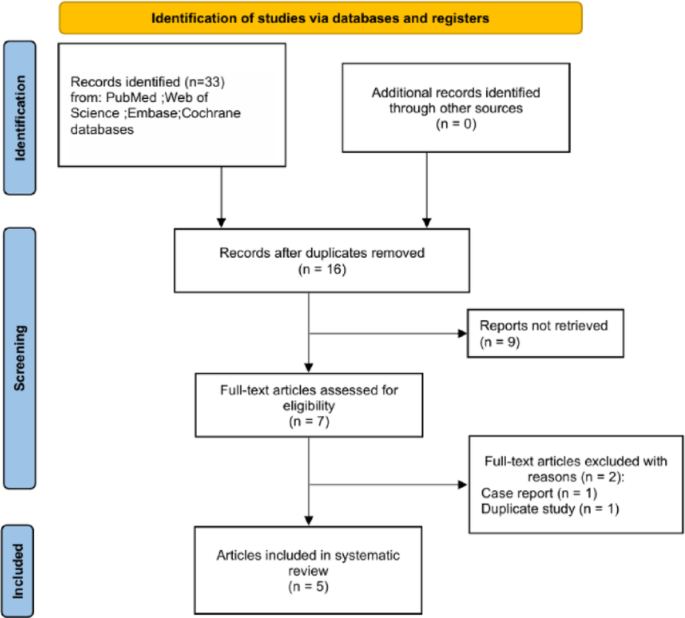
This study estimates the association between blood levels of inflammatory markers and cognitive function in adults with Alzheimer’s disease or mild cognitive impairment. A systematic review and meta-analysis were conducted to synthesize data from studies examining the relationship between blood levels of inflammatory markers and cognitive function in adults with Alzheimer’s disease or mild cognitive impairment. The search strategy was applied to the Medline database through MEDLINE (OVID), WEB OF SCIENCE, SCOPUS, LILACS, and the Cochrane Central Register of Controlled Trials (CENTRAL). Studies were selected based on predefined criteria. We included 84 studies in the qualitative synthesis, with 75 incorporated into the meta-analysis. In blood samples, subjects with Alzheimer’s disease showed significantly higher concentrations of IL-1β (mean difference 0.46 [95% CI: 0.35, 0.58]), IL-6 (3.41 [3.05, 3.78]), MCP-1 (26.20 [14.57, 37.82]), and TNF-α (6.68 [5.97, 7.39]), along with lower concentrations of IL-8 (− 1.46 [− 1.85, − 1.08]) and IL-10 (− 3.20 [− 4.21, − 2.20]). This systematic review and meta-analysis demonstrate significant alterations in inflammatory marker concentrations in blood samples of individuals with Alzheimer’s disease and mild cognitive impairment. Elevated levels of IL-1β, IL-6, MCP-1, and TNF-α, alongside reduced IL-8 and IL-10 levels, suggest a robust inflammatory response associated with Alzheimer’s disease.
Alzheimer's Disease is an incurable cognitive condition that affects
thousands of people globally. While some diagnostic methods exist for
Alzheimer's Disease, many of these methods cannot detect Alzheimer's in its
earlier stages. Recently, researchers have explored the use of
Electroencephalogram (EEG) technology for diagnosing Alzheimer's. EEG is a
noninvasive method of recording the brain's electrical signals, and EEG data
has shown distinct differences between patients with and without Alzheimer's.
In the past, Artificial Neural Networks (ANNs) have been used to predict
Alzheimer's from EEG data, but these models sometimes produce false positive
diagnoses. This study aims to compare losses between ANNs and Kolmogorov-Arnold
Networks (KANs) across multiple types of epochs, learning rates, and nodes. The
results show that across these different parameters, ANNs are more accurate in
predicting Alzheimer's Disease from EEG signals.
25 wetenschappelijke publicaties binnen het domein Amyotrofische Laterale Sclerose
, voor snelle raadpleging van de bijbehorende wetenschappelijke literatuur.
Background 5–10% of amyotrophic lateral sclerosis (ALS) patients presented a positive family history (fALS). More than 30 genes have been identified in association with ALS/frontotemporal dementia (FTD) spectrum, with four major genes accounting for 60–70% of fALS. In this paper, we aimed to assess the contribution to the pathogenesis of major and rare ALS/FTD genes in ALS patients. Methods We analyzed ALS and ALS/FTD associated genes by direct sequencing or next-generation sequencing multigene panels in ALS patients. Results Genetic abnormalities in ALS major genes included repeated expansions of hexanucleotide in C9orf72 gene (7.3%), mutations in SOD1 (4.9%), FUS (2.1%), and TARDBP (2.4%), whereas variants in rare ALS/FTD genes affected 15.5% of subjects overall, most frequently involving SQSTM1 (3.4%), and CHMP2B (1.9%). We found clustering of variants in ALS major genes in patients with a family history for “pure” ALS, while ALS/FTD related genes mainly occurred in patients with a family history for other neurodegenerative diseases (dementia and/or parkinsonism). Conclusions Our data support the presence of two different genetic components underlying ALS pathogenesis, related to the presence of a family history for ALS or other neurodegenerative diseases. Thus, family history may help in optimizing the genetic screening protocol to be applied.
Amyotrophic lateral sclerosis (ALS) is the most common subtype of motor neuron disease (MND). The current gold-standard measure of progression is the ALS Functional Rating Scale—Revised (ALS-FRS(R)), a clinician-administered questionnaire providing a composite score on physical functioning. Technology offers a potential alternative for assessing motor progression in both a clinical and research capacity that is more sensitive to detecting smaller changes in function. We reviewed studies evaluating the utility and suitability of these devices to evaluate motor function and disease progression in people with MND (pwMND). We systematically searched Google Scholar, PubMed and EMBASE applying no language or date restrictions. We extracted information on devices used and additional assessments undertaken. Twenty studies, involving 1275 (median 28 and ranging 6–584) pwMND, were included. Sensor type included accelerometers ( n = 9), activity monitors ( n = 4), smartphone apps ( n = 4), gait ( n = 3), kinetic sensors ( n = 3), electrical impedance myography ( n = 1) and dynamometers ( n = 2). Seventeen (85%) of studies used the ALS-FRS(R) to evaluate concurrent validity. Participant feedback on device utility was generally positive, where evaluated in 25% of studies. All studies showed initial feasibility, warranting larger longitudinal studies to compare device sensitivity and validity beyond ALS-FRS(R). Risk of bias in the included studies was high, with a large amount of information to determine study quality unclear. Measurement of motor pathology and progression using technology is an emerging, and promising, area of MND research. Further well-powered longitudinal validation studies are needed.
The organization of brain functional connectivity (FC) has been shown to differ between sexes. Amyotrophic lateral sclerosis (ALS) is characterized by sexual dimorphism, showing sex-specific trends in site of onset, phenotypes, and prognosis. Here, we explored resting state (RS) FC differences within major large-scale functional networks between women and men in a sample of ALS patients, in comparison to healthy controls (HCs). A group-level independent component analysis (ICA) was performed on RS-fMRI time-series enabling spatial and spectral analyses of large-scale RS FC networks in 45 patients with ALS (20 F; 25 M) and 31 HCs (15 F; 16 M) with a focus on sex-related differences. A whole-brain voxel-based morphometry (VBM) was also performed to highlight atrophy differences. Between-sex comparisons showed: decreased FC in the right middle frontal gyrus and in the precuneus within the default mode network (DMN), in affected men compared to affected women; decreased FC in the right post-central gyrus (sensorimotor network), in the right inferior parietal gyrus (right fronto-parietal network) and increased FC in the anterior cingulate cortex and right insula (salience network), in both affected and non-affected men compared to women. When comparing affected men to affected women, VBM analysis revealed atrophy in men in the right lateral occipital cortex. Our results suggest that in ALS sex-related trends of brain functional and structural changes are more heavily represented in DMN and in the occipital cortex, suggesting that sex is an additional dimension of functional and structural heterogeneity in ALS.
Aim The study aims to increase understanding of edaravone’s efficacy and safety as an amyotrophic lateral sclerosis (ALS) treatment and provide significant insights regarding this field’s future research. Methods We conducted a comprehensive search of the Embase, PubMed, Cochrane Library, Web of Science, and Scopus databases for randomized controlled trials and observational studies up until September 2022. We evaluated the studies’ quality using the Cochrane risk of bias tool and the National Institutes of Health tool. Results We included 11 studies with 2845 ALS patients. We found that edaravone improved the survival rate at 18, 24, and 30 months (risk ratio (RR) = 1.03, 95% confidence interval (CI) [1.02 to 1.24], P = 0.02), (RR = 1.22, 95% CI [1.06 to 1.41], P = 0.007), and (RR = 1.17, 95% CI [1.01 to 1.34], P = 0.03), respectively. However, the administration of edaravone did not result in any significant difference in adverse effects or efficacy outcomes between the two groups, as indicated by a P value greater than 0.05. Conclusion Edaravone improves survival rates of ALS patients at 18, 24, and 30 months with no adverse effects. However, edaravone does not affect functional outcomes. In order to ensure the validity of our findings and assess the results in accordance with the disease stage, it is essential to carry out additional prospective, rigorous, and high-quality clinical trials. The current study offers preliminary indications regarding the effectiveness and safety of edaravone. However, further comprehensive research is required to establish the generalizability and sustainability of the findings.
Background Previous studies have yielded inconsistent results about hippocampal involvement in non-demented patients with amyotrophic lateral sclerosis (ALS). We hypothesized that testing of memory-guided spatial navigation i.e., a highly hippocampus-dependent behaviour, might reveal behavioural correlates of hippocampal dysfunction in non-demented ALS patients. Methods We conducted a prospective study of spatial cognition in 43 non-demented ALS outpatients (11f, 32 m, mean age 60.0 years, mean disease duration 27.0 months, mean ALSFRS-R score 40.0) and 43 healthy controls (14f, 29 m, mean age 57.0 years). Participants were tested with a virtual memory-guided navigation task derived from animal research (“starmaze”) that has previously been used in studies of hippocampal function. Participants were further tested with neuropsychological tests of visuospatial memory (SPART, 10/36 Spatial Recall Test), fluency (5PT, five-point test) and orientation (PTSOT, Perspective Taking/Spatial Orientation Test). Results Patients successfully learned and navigated the starmaze from memory, both in conditions that forced memory of landmarks (success: patients 50.7%, controls 47.7%, p = 0.786) and memory of path sequences (success: patients 96.5%, controls 94.0%, p = 0.937). Measures of navigational efficacy (latency, path error and navigational uncertainty) did not differ between groups ( p ≥ 0.546). Likewise, SPART, 5PT and PTSOT scores did not differ between groups ( p ≥ 0.238). Conclusions This study found no behavioural correlate for hippocampal dysfunction in non-demented ALS patients. These findings support the view that the individual cognitive phenotype of ALS may relate to distinct disease subtypes rather than being a variable expression of the same underlying condition.
Background Amyotrophic lateral sclerosis (ALS) is a neurodegenerative disease affecting over 300,000 people worldwide. It is characterized by the progressive decline of the nervous system that leads to the weakening of muscles which impacts physical function. Approximately, 15% of individuals diagnosed with ALS have a known genetic variant that contributes to their disease. As therapies that slow or prevent symptoms continue to develop, such as antisense oligonucleotides, it is important to discover novel genes that could be targets for treatment. Additionally, as cohorts continue to grow, performing analyses in ALS subtypes, such as primary lateral sclerosis (PLS), becomes possible due to an increase in power. These analyses could highlight novel pathways in disease manifestation. Methods Building on our previous discoveries using rare variant association analyses, we conducted rare variant burden testing on a substantially larger multi-ethnic cohort of 6,970 ALS patients, 166 PLS patients, and 22,524 controls. We used intolerant domain percentiles based on sub-region Residual Variation Intolerance Score (subRVIS) that have been described previously in conjunction with gene based collapsing approaches to conduct burden testing to identify genes that associate with ALS and PLS. Results A gene based collapsing model showed significant associations with SOD1 , TARDBP , and TBK1 (OR = 19.18, p = 3.67 × 10^–39; OR = 4.73, p = 2 × 10^–10; OR = 2.3, p = 7.49 × 10^–9, respectively). These genes have been previously associated with ALS. Additionally, a significant novel control enriched gene, ALKBH3 ( p = 4.88 × 10^–7), was protective for ALS in this model. An intolerant domain-based collapsing model showed a significant improvement in identifying regions in TARDBP that associated with ALS (OR = 10.08, p = 3.62 × 10^–16). Our PLS protein truncating variant collapsing analysis demonstrated significant case enrichment in ANTXR2 ( p = 8.38 × 10^–6). Conclusions In a large multi-ethnic cohort of 6,970 ALS patients, collapsing analyses validated known ALS genes and identified a novel potentially protective gene, ALKBH3 . A first-ever analysis in 166 patients with PLS found a candidate association with loss-of-function mutations in ANTXR2 .
Axonal transport ensures long-range delivery of essential cargoes between proximal and distal compartments, and is needed for neuronal development, function, and survival. Deficits in axonal transport have been detected at pre-symptomatic stages in the SOD1^G93A and TDP-43^M337V mouse models of amyotrophic lateral sclerosis (ALS), suggesting that impairments in this critical process are fundamental for disease pathogenesis. Strikingly, in ALS, fast motor neurons (FMNs) degenerate first whereas slow motor neurons (SMNs) are more resistant, and this is a currently unexplained phenomenon. The main aim of this investigation was to determine the effects of brain-derived neurotrophic factor (BDNF) on in vivo axonal transport in different α-motor neuron (MN) subtypes in wild-type (WT) and SOD1^G93A mice. We report that despite displaying similar basal transport speeds, stimulation of wild-type MNs with BDNF enhances in vivo trafficking of signalling endosomes specifically in FMNs. This BDNF-mediated enhancement of transport was also observed in primary ventral horn neuronal cultures. However, FMNs display selective impairment of axonal transport in vivo in symptomatic SOD1^G93A mice , and are refractory to BDNF stimulation, a phenotype that was also observed in primary embryonic SOD1^G93A neurons. Furthermore, symptomatic SOD1^G93A mice display upregulation of the classical non-pro-survival truncated TrkB and p75^NTR receptors in muscles, sciatic nerves, and Schwann cells. Altogether, these data indicate that cell- and non-cell autonomous BDNF signalling is impaired in SOD1^G93A MNs, thus identifying a new key deficit in ALS.
Background Amyotrophic lateral sclerosis (ALS) is a neurodegenerative disorder that is accompanied by muscle weakness and muscle atrophy, typically resulting in death within 3–5 years from the disease occurrence. Though the cause of ALS remains unclear, increasing evidence has suggested that inflammation is involved in the pathogenesis of ALS. Thus, we performed two-sample Mendelian randomization (MR) analyses to estimate the associations of circulating levels of cytokines and growth factors with the risk of ALS. Methods Genetic instrumental variables for circulating cytokines and growth factors were identified from a genome-wide association study (GWAS) of 8293 European participants. Summary statistics of ALS were obtained from a GWAS including 20,806 ALS cases and 59,804 controls of European ancestry. We used the inverse-variance weighted (IVW) method as the primary analysis. To test the robustness of our results, we further performed the simple-median method, weighted-median method, MR-Egger regression, and MR pleiotropy residual sum and outlier test. Finally, a reverse MR analysis was performed to assess the possibility of reverse causation between ALS and the cytokines that we identified. Results After Bonferroni correction, genetically predicted circulating level of basic fibroblast growth factor (FGF-basic) was suggestively associated with a lower risk of ALS [odds ratio (OR): 0.74, 95% confidence interval (95% CI): 0.60–0.92, P = 0.007]. We also observed suggestive evidence that interferon gamma-induced protein 10 (IP-10) was associated with a 10% higher risk of ALS (OR: 1.10, 95% CI: 1.03–1.17, P = 0.005) in the primary study. The results of sensitivity analyses were consistent. Conclusions Our systematic MR analyses provided suggestive evidence to support causal associations of circulating FGF-basic and IP-10 with the risk of ALS. More studies are warranted to explore how these cytokines may affect the development of ALS.
ALCAR (Acetyl-L-carnitine) is a donor of acetyl groups and increases the intracellular levels of carnitine, the primary transporter of fatty acids across the mitochondrial membranes. In vivo studies showed that ALCAR decrease oxidative stress markers and pro-inflammatory cytokines. In a previous double-blind placebo-controlled phase II trial showed positive effects on self-sufficiency (defined as a score of 3+ on the ALSFRS-R items for swallowing, cutting food and handling utensils, and walking) ALSFRS-R total score and FVC. We conducted an observational, retrospective, multicentre, case–control study to provide additional data on the effects of ALCAR in subjects with ALS in Italy. Subjects treated with ALCAR 1.5 g/day or 3 g/day were included and matched with not treated subjects by sex, age at diagnosis, site of onset, and time from diagnosis to baseline, (45 subjects per group). ALCAR 3 g/day vs not treated: 22 not treated subjects (48.9%) were still alive at 24 months after baseline, compared to 23 (51.1%) treated subjects (adj. OR 1.18, 95% CI 0.46–3.02). No statistically significant differences were detected in ALSFRS nor FVC nor self-sufficiency. ALCAR 1.5 g/day vs not treated: 22 not treated subjects (48.9%) were still alive at 24 months after baseline, compared to 32 (71.1%) treated subjects (adj. OR 0.27, 95% CI 0.10–0.71). For ALSFRS-R, a mean slope of − 1.0 was observed in treated subjects compared to − 1.4 in those not treated ( p = 0.0575). No statistically significant difference was detected in the FVC nor self-sufficiency. Additional evidence should be provided to confirm the efficacy of the drug and provide a rationale for the dosage.
The description of group-level, genotype- and phenotype-associated imaging traits is academically important, but the practical demands of clinical neurology centre on the accurate classification of individual patients into clinically relevant diagnostic, prognostic and phenotypic categories. Similarly, pharmaceutical trials require the precision stratification of participants based on quantitative measures. A single-centre study was conducted with a uniform imaging protocol to test the accuracy of an artificial neural network classification scheme on a cohort of 378 participants composed of patients with ALS, healthy subjects and disease controls. A comprehensive panel of cerebral volumetric measures, cortical indices and white matter integrity values were systematically retrieved from each participant and fed into a multilayer perceptron model. Data were partitioned into training and testing and receiver-operating characteristic curves were generated for the three study-groups. Area under the curve values were 0.930 for patients with ALS, 0.958 for disease controls, and 0.931 for healthy controls relying on all input imaging variables. The ranking of variables by classification importance revealed that white matter metrics were far more relevant than grey matter indices to classify single subjects. The model was further tested in a subset of patients scanned within 6 weeks of their diagnosis and an AUC of 0.915 was achieved. Our study indicates that individual subjects may be accurately categorised into diagnostic groups in an observer-independent classification framework based on multiparametric, spatially registered radiology data. The development and validation of viable computational models to interpret single imaging datasets are urgently required for a variety of clinical and clinical trial applications.
Background Amyotrophic lateral sclerosis (ALS) is a degenerative disease that affects the upper and lower motor neurons. The onset of the disease is frequently focal, usually involving the distal segments of the extremities. A dissociated pattern of muscle atrophy is commonly found in the hands and feet. This study aims to investigate the presence (if any) of split indices in ALS patients and to correlate these indices with confounding factors. A total of 48 people were studied. The control group consists of 24 ALS patients and another 24 age- and gender-matched patients. To assess functional status and muscle strength, the ALS functional rating scale (ALSFRS) and the Medical Research Council (MRC) were used, respectively. Sensory and motor nerve conduction, as well as compound muscle action potential (CMAP) amplitude, were recorded from the muscles of the upper and lower limbs. The electromyographic (EMG) activity of 20 motor unit action potentials (MUAPs) from four different areas was also studied. Results Distal CMAP amplitude was reduced in all tested muscles (especially noticed when comparing the reciprocal muscles). In ALS patients, the split foot index (SFI) is significantly higher, while the split elbow index (SEI) is significantly lower. The split foot index (SFI) was found to be negatively related to disease duration, but positively related to ALSFRS scores. The CMAP amplitude was found to be positively related to the MRC score. Conclusion Ankle dorsiflexion muscles are more involved (dissociated) than plantar flexor muscles, and elbow flexors are more involved than extensors. SFI correlates significantly with disease duration and ALSFRS scores.
Background Compared with typical bulbar onset amyotrophic lateral sclerosis (ALS), isolated bulbar palsy (IBP), an often under-understood variant of ALS, is characterized by symptoms confined to bulbar region for extended periods and relative preservation of limb and ventilation function. To find a cutoff value of disease duration that can distinguish IBP from typical bulbar onset ALS well, the association of survival with disease progression in bulbar onset ALS patients was analyzed. Methods Clinical data of bulbar onset ALS patients were collected from January 2009 to December 2013. The duration from bulbar onset to first significant limb involvement was analyzed by a cutoff point analysis with maximally selected log-rank statistics and dichotomized to categorize patient outcomes. The patients were divided into two groups, the IBP and typical bulbar onset ALS groups, according to the cutoff value. Clinical features were compared. Results 115 bulbar onset ALS patients were recruited, and the duration from bulbar onset to first significant limb involvement was associated with survival ( P < 0.001). The cutoff duration was 20 months. 19 patients were identified as IBP and 96 patients as typical bulbar onset ALS using 20 months as the cutoff duration. Female was more common, limb weakness was less frequent and pure upper motor neuron (UMN) bulbar signs were more frequent in the IBP group than in the typical bulbar onset ALS group ( P = 0.047; P = 0.004; P = 0.031). The median survival time of the IBP group was significantly longer than that of the typical bulbar onset ALS group (64 months and 26 months, respectively; P < 0.001). Conclusions A cutoff duration of 20 months from bulbar onset to first significant limb involvement may be used to specifically distinguish IBP from typical bulbar onset ALS. IBP was characterized by female predominance, relative preservation of limb function, more pure UMN bulbar signs and a relatively benign prognosis.
Background Amyotrophic lateral sclerosis (ALS) is a progressive, fatal disease with largely unknown etiology. This study compares racial differences in clinical characteristics of ALS patients enrolled in the National ALS Registry (Registry). Methods Data from ALS patients who completed the Registry’s online clinical survey during 2013–2022 were analyzed to determine characteristics such as site of onset, associated symptoms, time of symptom onset to diagnosis, and pharmacological and non-pharmacological interventions for White, Black, and other race patients. Results Surveys were completed by 4242 participants. Findings revealed that Black ALS patients were more likely to be diagnosed at a younger age, to have arm or hand initial site of onset, and to experience pneumonia than were White ALS patients. ALS patients of other races were more likely than White ALS patients to be diagnosed at a younger age and to experience twitching. The mean interval between the first sign of weakness and an ALS diagnosis for Black patients was almost 24 months, statistically greater than that of White ( p = 0.0374; 16 months) and other race patients ( p = 0.0518; 15.8 months). The mean interval between problems with speech until diagnosis was shorter for White patients (6.3 months) than for Black patients (17.7 months) and other race patients (14.8 months). Conclusions and Relevance Registry data shows racial disparities still exist in the diagnosis and clinical characteristics of ALS patients. Increased recruitment of non-White ALS patients and better characterization of symptom onset between races might aid clinicians in diagnosing ALS sooner, leading to earlier therapeutic interventions.
Background Loss of motor neurons in amyotrophic lateral sclerosis (ALS) leads to progressive paralysis and death. Dysregulation of thousands of RNA molecules with roles in multiple cellular pathways hinders the identification of ALS-causing alterations over downstream changes secondary to the neurodegenerative process. How many and which of these pathological gene expression changes require therapeutic normalisation remains a fundamental question. Methods Here, we investigated genome-wide RNA changes in C9ORF72-ALS patient-derived neurons and Drosophila , as well as upon neuroprotection taking advantage of our gene therapy approach which specifically inhibits the SRSF1-dependent nuclear export of pathological C9ORF72 -repeat transcripts. This is a critical study to evaluate (i) the overall safety and efficacy of the partial depletion of SRSF1, a member of a protein family involved itself in gene expression, and (ii) a unique opportunity to identify neuroprotective RNA changes. Results Our study shows that manipulation of 362 transcripts out of 2257 pathological changes, in addition to inhibiting the nuclear export of repeat transcripts, is sufficient to confer neuroprotection in C9ORF72-ALS patient-derived neurons. In particular, expression of 90 disease-altered transcripts is fully reverted upon neuroprotection leading to the characterisation of a human C9ORF72-ALS disease-modifying gene expression signature. These findings were further investigated in vivo in diseased and neuroprotected Drosophila transcriptomes, highlighting a list of 21 neuroprotective changes conserved with 16 human orthologues in patient-derived neurons. We also functionally validated the high neuroprotective potential of one of these disease-modifying transcripts, demonstrating that inhibition of ALS-upregulated human KCNN1–3 ( Drosophila SK) voltage-gated potassium channel orthologs mitigates degeneration of human motor neurons and Drosophila motor deficits. Conclusions Strikingly, the partial depletion of SRSF1 leads to expression changes in only a small proportion of disease-altered transcripts, indicating that not all RNA alterations need normalization and that the gene therapeutic approach is safe in the above preclinical models as it does not disrupt globally gene expression. The efficacy of this intervention is also validated at genome-wide level with transcripts modulated in the vast majority of biological processes affected in C9ORF72-ALS. Finally, the identification of a characteristic signature with key RNA changes modified in both the disease state and upon neuroprotection also provides potential new therapeutic targets and biomarkers.
Amyotrophic lateral sclerosis (ALS) is a fatal neurodegenerative disease characterized by the degeneration of motor neurons, and there is currently a lack of reliable diagnostic biomarkers. This meta-analysis aimed to evaluate CHIT1, CHI3L1, and CHI3L2 levels in the cerebrospinal fluid (CSF) or blood and their diagnostic potential in ALS patients. A systematic, comprehensive search was performed of peer-reviewed English-language articles published before April 1, 2023, in PubMed, Scopus, Embase, Cochrane Library, and Web of Science. After a thorough screening, 13 primary articles were included, and their chitinases-related data were extracted for systematic review and meta-analysis. In ALS patients, the CSF CHIT1 levels were significantly elevated compared to controls with healthy control (HC) (SMD, 1.92; 95% CI, 0.78 – 3.06; P < 0.001). CHIT1 levels were elevated in the CSF of ALS patients compared to other neurodegenerative diseases (ONDS) control (SMD, 0.74; 95% CI, 0.22 – 1.27; P < 0.001) and exhibited an even more substantial increase when compared to ALS-mimicking diseases (AMDS) (SMD, 1.15; 95% CI, 0.35 – 1.94, P < 0.001). Similarly, the CSF CHI3L1 levels were significantly higher in ALS patients compared to HC (SMD, 3.16; 95% CI, 1.26 – 5.06, P < 0.001). CHI3L1 levels were elevated in the CSF of ALS patients compared to ONDS (SMD, 0.75; 95% CI, 0.32 – 1.19; P = 0.017) and exhibited a more pronounced increase when compared to AMDS (SMD, 1.92; 95% CI, 0.41 – 3.42; P < 0.001). The levels of CSF chitinases in the ALS patients showed a significant increase, supporting the role of CSF chitinases as diagnostic biomarkers for ALS.
Amyotrophic lateral sclerosis (ALS) is a neurodegenerative disease characterized by progressive muscle weakness. Presence of pain in ALS patients is heterogeneously reported in studies, and mostly underrepresented in symptom scales. The aim of this study is to evaluate the efficacy of pharmacological and non-pharmacological therapeutic modalities for pain management in patients with ALS. A systematic review was conducted in four databases; PubMed, Scopus, Clinicaltrials.gov, and Cochrane-Ovid. Five randomized controlled clinical trials were included regarding pharmacological and non-pharmacological pain management interventions in adult patients with confirmed diagnosis of ALS in whom pain was objectively evaluated. Risk of bias assessment was evaluated using the RoB2.0 tool. Eligible studies were reported as a descriptive analysis. This systematic review was registered with PROSPERO ID: CRD42024495009. Five clinical trials regarding pain management strategies in ALS were eligible for analysis. Two out of five were non-pharmacological approaches whilst the remaining three provided pharmacological therapies. Of these, Mexiletine was efficient in terms of pain relief, particularly between 600 and 900 mg per day, whereas Mecasin showed no pain relief at both, high and low doses. Non-pharmacological therapies, such as exercise and osteopathic manual treatment also lacked efficacy in regard to pain management. Clinical trials focusing on pain management strategies for ALS patients are limited. Medical professionals, understandably focused on immediate life-threatening aspects, may inadvertently sideline the nuanced and intricate dimension of pain experienced by patients with ALS.
Background There are several studies that have discussed the efficacy of telemedicine with amyotrophic lateral sclerosis (ALS) patients; however, this approach is still preliminary in Egypt and in North Africa. The objective of the current study is to discuss current experience with telemedicine in monitoring patients in the specialized ALS clinic in Egypt. Efficacy of Revised Amyotrophic Lateral Sclerosis Functional Rating Scale (ALSFRS-R) in monitoring disease progression remotely will be discussed. Results This is a prospective study. Forty-three ALS patients were included in this study in the period between July 1, 2020, and February 6, 2021. Fifty-three telemedicine encounters and 13 post-telemedicine office visits were available. None of the participating patients had COVID-19 infection. Eight patients showed decline in ALSFRS score. ALSFRS-R score reported during telemedicine encounters was confirmed during office visits. Three bulbar onset ALS patients had gastrostomy, and 2 bulbar onset ALS patients had Botox injection for drooling. All eight patients with declining ALSFRS-R were maintained on non-invasive ventilation (NIV) based on their symptoms. Conclusion This is the first study discussing telemedicine in the field of ALS in Egypt and North Africa. ALSFRS-R showed feasibility and reliability in detecting disease progression remotely.
Objective Amyotrophic lateral sclerosis (ALS) is a fatal neurodegenerative disorder associated with progressive loss of motor neurons. It is a growing and underestimated disease, prompting this epidemiological study to describe the characteristics of ALS in Egyptian patients. Methods This is a prospective hospital based study. ALS patients were recruited consecutively from Neuromuscular Unit in Ain Shams university Hospital from December 2018 to June 2023. Demographic data and disease related parameters were recorded. Results 203 ALS patients had a mean age of onset equal 39 years and an inter quartile range IQR of (28.00–51.00). 76% of the cases were spinal onset ALS. Median disease duration was 2 years with IQR of (1–4 years); male to female ratio was 2.5:1; 18% of patients were familial ALS (FALS), while 19% were Juvenile ALS (JALS). Median diagnostic delay was 12 ± (6–36) months. Median Amyotrophic Lateral Sclerosis Functional Rating Scale Revised scores (ALSFRS-R) at presentation was 34.5 IQR of (26.00–40.00). Also, the mean rate of disease progression ALSFRS-R decline [points/month] was 0.76 ± 0.51. Conclusion Our cohort was characterized by a younger age of onset, male predominance, more familial cases, within average Initial ALSFRS-R scores as well as diagnostic delay. Juvenile ALS patients were much more common in our population. These findings suggest an influential presence of genetic and epigenetic factors affecting the clinical phenotype of Egyptian ALS patients.
Amyotrophic lateral sclerosis (ALS) is a devastating, uniformly lethal degenerative disease of motor neurons, presenting with relentlessly progressive muscle atrophy and weakness. More than fifty genes carrying causative or disease-modifying variants have been identified since the 1990s, when the first ALS-associated variant in the gene SOD1 was discovered. The most commonly mutated ALS genes in the European populations include the C9orf72 , SOD1 , TARDBP and FUS . Understanding the genetic causes of ALS within a population is becoming more significant, especially in light of the possible development of personalized medicine. Here, we provide clinical and genetic data on familial and sporadic ALS patients in a Greek-Cypriot population-based cohort. Eighty-nine ALS patients, including 21 familial ALS (fALS) (23.6%) and 68 sporadic ALS (sALS) (76.4%), provided the cohort for variant screening of the most common ALS-associated genes. Moreover, next-generation sequencing (NGS) was also performed to identify rare ALS variants, and in silico prediction tools were applied to predict the downstream effect of the variants detected in our study. The pathogenic hexanucleotide G_4C_2 repeat expansion in C9orf72 was the predominant genetic cause (22.47%) of ALS in our population, while variants in six additional ALS-associated genes were identified, including ALS2 , TARDBP , FIG4 , TBK1 , GLT8D1 , and BICD2.
Background Drug development for neurodegenerative disorders (NDDs) is a long, complex, and expensive enterprise. Methods to optimize drug development for NDDs are needed. Basket trials have been widely used in oncology and have been promoted by the Food and Drug Administration as a means of enhancing the efficiency of drug development. Discussion We reviewed clinical trials for NDDs registered on clinicaltrials.gov in the past 10 years. We identified 59 basket trials assessing the impact of treatment on more than one NDD in the trial. Forty-one of the trials were for 25 agents addressing symptoms of NDD such as motor impairment, hypotension, or psychosis. Eighteen of the trials assessed 14 disease-modifying therapies; the principal targets were mitochondrial function, tau biology, or alpha-synuclein aggregation. Basket trials are most common in phase 2 but have been conducted in phase 1, phase 3, and phase 4. The duration and size of the basket trials are highly variable depending on their developmental phase and the intent of the trial. Parkinson’s disease was the most common disorder included in basket trials of symptomatic agents, and Alzheimer’s disease was the most common disorder included in basket trials of disease-modifying therapies. Most of the basket trials of symptomatic agents were sponsored by pharmaceutical companies (29 of 41 trials); similarly, most of the basket trials investigating DMTs in basket trials were sponsored by the biopharmaceutical industry (11/17 trials). Conclusions Basket trials may increase drug development efficiency by reducing redundancy in trial implementation, enhancing recruitment, sharing placebo groups, and using biomarkers relevant to the mechanism of action of the treatment across NDDs. There have been relatively few basket trials including multiple NDDs in the same trial conducted over the past 10 years. The use of the basket trial strategy may represent an opportunity to increase the efficiency of development programs for agents to treat NDDs.
Background and objective The neuropathology of amyotrophic lateral sclerosis (ALS) follows a regional distribution pattern in the brain with four stages. Using diffusion tensor imaging (DTI), this pattern can be translated into a tract-based staging scheme to assess cerebral progression in vivo. This study investigates the association between the sequential alteration pattern and disease severity in patients with ALS. Methods DTI data of 325 patients with ALS and 130 healthy controls were analyzed in a tract of interest (TOI)-based approach. Patients were categorized according to their ALS-FRS-R scores into groups with declining functionality. The fractional anisotropy (FA) values in the tracts associated with neuropathological stages were group-wise compared with healthy controls. Results The FA in the tracts associated with ALS stages showed a decrease which could be related to the disease severity stratification, i.e., at the group level, the lower the ALS-FRS-R of the categorized patient group, the higher was the effect size of the stage-related tract. In the patient group with the highest ALS-FRS-R, Cohen’s d showed a medium effect size in the corticospinal tract and small effect sizes in the other stage-related tracts. Overall, the lower the ALS-FRS-R of the categorized patient group the higher was the effect size of the comparison with healthy controls. Conclusion The progression of white matter alterations across tracts according to the model of sequential tract involvement is associated with clinical disease severity in patients with ALS, suggesting the use of staging-based DTI as a technical marker for disease progression.
Purpose The identification of prognostic tools in amyotrophic lateral sclerosis (ALS) would improve the design of clinical trials, the management of patients, and life planning. We aimed to evaluate the accuracy of brain 2-[^18F]fluoro-2-deoxy-D-glucose-positron-emission tomography (2-[^18F]FDG-PET) as an independent predictor of survival in ALS. Methods A prospective cohort study enrolled 418 ALS patients, who underwent brain 2-[^18F]FDG-PET at diagnosis and whose survival time was available. We discretized the survival time in a finite number of classes in a data-driven fashion by employing a k -means-like strategy. We identified “hot brain regions” with maximal power in discriminating survival classes, by evaluating the Laplacian scores in a class-aware fashion. We retained the top- m features for each class to train the classification systems (i.e., a support vector machine, SVM), using 10% of the ALS cohort as test set. Results Data were discretized in three survival profiles: 0–2 years, 2–5 years, and > 5 years. SVM resulted in an error rate < 20% for two out of three classes separately. As for class one, the discriminant clusters included left caudate body and anterior cingulate cortex. The most discriminant regions were bilateral cerebellar pyramid in class two, and right cerebellar dentate nucleus, and left cerebellar nodule in class three. Conclusion Brain 2-[^18F]FDG-PET along with artificial intelligence was able to predict with high accuracy the survival time range in our ALS cohort. Healthcare professionals can benefit from this prognostic tool for planning patients’ management and follow-up. 2-[^18F]FDG-PET represents a promising biomarker for individual patients’ stratification in clinical trials. The lack of a multicentre external validation of the model warrants further studies to evaluate its generalization capability.
Background The time of survival in patients with amyotrophic lateral sclerosis (ALS) varies greatly, and the genetic factors that contribute to the survival of ALS are not well studied. There is a lack of a comprehensive study to elucidate the role of genetic factors in the survival of ALS. Methods The published studies were systematically searched and obtained from PubMed, EMBASE, and the Cochrane Library without any language restrictions from inception to Oct 27, 2021. A network meta-analysis for ALS causative/risk genes and a systematic review and pairwise meta-analysis for other genetic modifiers were conducted. The PROSPERO registration number: CRD42022311646. Results A total of 29,764 potentially relevant references were identified, and 71 papers were eligible for analysis based on pre-decided criteria, including 35 articles in network meta-analysis for 9 ALS causative/risk genes, 17 articles in pairwise meta-analysis for four genetic modifiers, and 19 articles described in the systematic review. Variants in three genes, including ATXN2 (HR: 3.6), C9orf72 (HR: 1.6), and FUS (HR:1.8), were associated with short survival of ALS, but such association was not identified in SOD1 , TARDBP , TBK1 , NEK1 , UBQLN2 , and CCNF . In addition, UNC13A rs12608932 CC genotype and ZNF521B rs2275294 C allele also caused a shorter survival of ALS; however, APOE ε4 allele and KIFAP3 rs1541160 did not be found to have any effect on the survival of ALS. Conclusions Our study summarized and contrasted evidence for prognostic genetic factors in ALS and would help to understand ALS pathogenesis and guide clinical trials and drug development.
Introduction To capture the patient’s attitude toward remote monitoring of motor neuron disease (MND) in care and clinical trials, and their concerns and preferences regarding the use of digital technology. Methods We performed an international multi-centre survey study in three MND clinics in The Netherlands, the United Kingdom, and Australia. The survey was co-developed by investigators and patients with MND, and sent to patients by e-mail or postal-mail. The main topics included: patients’ attitude towards remote care, participating in decentralized clinical trials, and preferences for and concerns with digital technology use. Results In total, 332 patients with MND participated. A majority of patients indicated they would be happy to self-monitor their health from home (69%), be remotely monitored by a multidisciplinary care team (75%), and would be willing to participate in clinical trials from home (65%). Patients considered respiratory function and muscle strength most valuable for home-monitoring. The majority of patients considered the use of at least three devices/apps (75%) once a week (61%) to be acceptable for home-monitoring. Fifteen percent of patients indicated they would not wish to perform home-measurements; reporting concerns about the burden and distress of home-monitoring, privacy and data security. Conclusion Most patients with MND exhibited a positive attitude toward the use of digital technology in both care and clinical trial settings. A subgroup of patients reported concerns with home-monitoring, which should be addressed in order to improve widespread adoption of remote digital technology in clinical MND care.
Objective The Center for Neurologic Study Bulbar Function Scale (CNS-BFS) was specifically designed as a self-reported measure of bulbar function. The purpose of this research was to validate the Chinese translation of the CNS-BFS_C as an effective measurement for the Chinese population with ALS. Methods A total of 111 ALS patients were included in this study. The CNS-BFS_C score, three bulbar function items from the ALSFRS-R, and visual analog scale (VAS) score for speech, swallowing and salivation were assessed in the present study. Forty-six ALS patients were retested on the same scale 5–10 days after the first evaluation. Results The CNS-BFS_C sialorrhea, speech and swallowing subscores were separately correlated with the VAS subscores ( p < 0.001). The CNS-BFS_C total score and sialorrhea and speech scores were significantly correlated with the ALSFRS-R bulbar subscore ( p < 0.001). The CNS-BFS_C total score and ALSFRS-R bulbar subscale score were highly predictive of a clinician diagnosis of impaired bulbar function (area under the receiver operating characteristic curve, 0.947 and 0.911, respectively; p < 0.001). A cutoff value for the CNS-BFS_C total score was selected by maximizing Youden’s index; this cutoff score was 33, with 86.4% sensitivity and 93.3% specificity. The CNS-BFS_C total score and the sialorrhea, speech and swallowing subscores had good–retest reliability ( p > 0.05). The Cronbach’s α of the CNS-BFS_C was 0.972. Conclusion The Chinese version of the CNS-BFS_C has acceptable efficacy and reliability for the assessment of bulbar dysfunction in ALS patients.
Brain metastases occur in up to 40% of Stage IV breast cancer patients. The cerebellum is a frequent location for metastases in HER2-positive breast cancer patients, but the mechanisms for this are unknown. Here, we developed a syngeneic, immunocompetent mouse model for breast cancer brain metastases by stereotactically injecting mouse HER2-overexpressing breast cancer organoids into the cerebellum. Growth of these cerebellar metastases was monitored by MRI and trastuzumab optical imaging using a near-infrared fluorophore conjugated to trastuzumab. Spatial transcriptomics identified interleukin-34 production by breast cancer cells inducing ARG1+ macrophages at the invading edge of the metastasis. Treatment with a blocking antibody to interleukin-34’s receptor, CSF1R, produced tumor shrinkage. These findings have immediate translation potential as a CSF1R-blocking antibody is FDA-approved. Further, it demonstrates that cancer-associated inflammation bordering the brain metastasis promotes metastatic growth and offers a molecularly targeted strategy to treat inflammation in brain metastasis. GRAPHICAL SUMMARY:
RNA-binding proteins (RBPs) play important roles in mRNA transcription, processing, and translation. Chemical tools are lacking for RBPs, which has hindered efforts to perturb and understand RBP function in cells. We recently reported a chloroacetamide compound ( R )-SKBG-1 that covalently binds the RBP NONO and stabilizes its interactions with mRNAs, leading to transcriptional remodeling and the suppression of cancer cell growth. Here, we report the crystal structure of an ( R )-SKBG-1:NONO complex, which confirms covalent modification of cysteine-145 at a pocket proximal to the RNA-binding interface of the protein. We show that this pocket can also be targeted by a lower reactivity chlorofluoroacetamide analog ( R, R )-GL-373, which retains the pharmacological properties of ( R )-SKBG-1, including blockade of estrogen receptor expression in breast cancer cells, while displaying much greater proteome-wide selectivity. Our findings thus show that NONO can be targeted by covalent ligands with high specificity to pharmacologically suppress pro-tumorigenic gene products in cancer cells. HIGHLIGHTS: Co-crystal structure reveals how covalent ligands stereoselectively bind NONO. Chlorofluoroacetamides (CFAs) bind NONO with high proteomic selectivity. CFA ligands remodel cancer cell transcriptomes in a NONO-dependent manner. CFA ligands suppress cancer cell growth in a NONO-dependent manner.
BACKGROUND: Tobacco smoke is a known mutagen. However, its physiological effects on the lung may also influence the somatic selective pressures acting on mutations, further shaping cancer evolution. The relative contributions of these mutagenic and physiological effects to oncogenesis have not been quantified, despite their importance in predicting the differential therapeutic effect of targeting variants in lung cancers of smokers and nonsmokers. METHODS: We classified 1,722 lung adenocarcinoma (LUAD) sample genomes from The Cancer Genome Atlas and other projects as ever-smoker (ES) or never-smoker (NS) LUAD based on smoking-associated mutational signature attribution or clinical annotation. We then independently calculated background oncogenic mutation rates in the ES- and NS-LUAD groups. Comparing these background rates to observed variant prevalences enabled us to estimate and compare the selective advantages conferred by each mutation in ES- and NS-LUAD. Finally, we quantified pairwise and higher-order epistatic effects by estimating selection for each mutation in specific somatic genotypes. RESULTS: As expected, background oncogenic mutation rates were gene-specifically elevated in ES-LUAD. However, differences in oncogenic mutation rates between ES- and NS-LUAD were insufficient to explain differences in the prevalence of some mutated genes, implying that such mutations must have further experienced differential somatic selection. In particular, KRAS , KEAP1 , and STK11 mutations experienced substantially stronger selection in ES-LUAD, whereas mutations of EGFR , PIK3CA , SMAD4 , and other genes were more strongly selected in NS-LUAD. Mechanistically, EGFR mutations were associated with upregulation of genes involved in the epithelial-mesenchymal transition in NS-LUAD, but not in ES-LUAD. Epistasis was pervasive and distinct between the subtypes: ES-LUAD featured more frequent synergy and substantially less antagonism. These patterns entail divergent evolutionary trajectories, with NS-LUAD constrained to fewer, narrower paths and ES-LUAD exploring a broader, more permissive adaptive landscape. Furthermore, we identified higher-order epistasis—systematically examined here for the first time in cancer—manifesting as sub-additive and emergent synergistic interactions that selectively promote trajectories of oncogenesis. CONCLUSIONS: This disambiguation of the mutagenic and selective effects of tobacco smoke reveals how environmental insult can reshape the evolutionary trajectories of LUAD and enables quantitative prediction of treatment vulnerabilities based on smoking status and tumor somatic genotype.
Purpose This study aimed to evaluate whether the Cancer and Aging Research Group (CARG) score is suitable for assessing chemotherapy toxicity risk in older adults with cancer. Methods Studies that enrolled older cancer patients undergoing chemotherapy and compared incidence of chemotherapy toxicity in three CARG score categories- low CARG (0–5), intermediate CARG (6–9), and high CARG (10–23), were identified using PubMed and EMBASE, as well as screening the references of reviewed studies. Studies that performed receiver operating characteristic (ROC) analysis and reported area under curve (AUC) were also included. A meta-analysis was conducted to calculate the risk ratio (RR) of ≥ grade 3 toxicity and integrate AUC. Results Twenty-three studies published between 2019 and 2025 were included in our analysis with a total of 4,140 older patients who underwent various types of chemotherapy. Nineteen studies reported categorical results and 14 studies reported AUC. Higher CARG category patients had a significantly higher incidence of ≥ grade 3 chemotherapy toxicity than lower CARG category patients (Intermediate CARG vs. low CARG; RR [95% CI]: 1.26 [1.07–1.48], p = 0.006, I^2 = 74%. High CARG vs. intermediate CARG; RR [95% CI]: 1.30 [1.15–1.46], p < 0.001, I^2 = 67%. High CARG vs. low CARG; RR [95% CI]: 1.68 [1.32–2.15], p < 0.001, I^2 = 86%.). Integrated AUC was 0.633 (95% CI: 0.558–0.709). Conclusions The CARG score is an effective tool for assessing the risk of ≥ grade 3 chemotherapy toxicity in older adults as part of geriatric assessment.
Background Parenteral fluid (PF) therapy of patients in end-of-life (EOL) is controversial. The purpose of this study was to assess associations between PF, quality of the EOL care process and symptom burden in dying cancer patients, using a population-based approach. Methods This was a nationwide retrospective register study of all adult cancer deaths with documented information on PF in the last 24 h of life as reported to the Swedish Register of Palliative Care during a three-year period ( n = 41,709). Prevalence and relief of symptoms during the last week of life as well as EOL care process quality indicators were assessed in relation to PF in those patients who had a documented decision to focus on EOL care (immediately dying, n = 23,112). Odds ratios were calculated, adjusting for place of death (hospital vs. non-hospital). Results PF was administered to 30.9% of immediately dying patients in hospitals compared to 6.5% outside of hospitals. PF was associated with a higher likelihood for breathlessness and nausea. In patients screened for EOL symptoms with a validated instrument, PF was inversely associated with the likelihood of complete relief of breathlessness, respiratory secretions, anxiety, nausea and pain. Several palliative care quality indicators were inversely associated with PF, including EOL conversations and prescriptions of injectable drugs as needed. These associations were more pronounced in hospitals. Conclusions Parenteral fluid therapy in the last 24 h of life was associated with inferior quality of the EOL care process and with increased symptom burden in imminently dying cancer patients.
Cancer survival prediction using multi-modal medical imaging presents a
critical challenge in oncology, mainly due to the vulnerability of deep
learning models to noise and protocol variations across imaging centers.
Current approaches struggle to extract consistent features from heterogeneous
CT and PET images, limiting their clinical applicability. We address these
challenges by introducing RobSurv, a robust deep-learning framework that
leverages vector quantization for resilient multi-modal feature learning. The
key innovation of our approach lies in its dual-path architecture: one path
maps continuous imaging features to learned discrete codebooks for
noise-resistant representation, while the parallel path preserves fine-grained
details through continuous feature processing. This dual representation is
integrated through a novel patch-wise fusion mechanism that maintains local
spatial relationships while capturing global context via Transformer-based
processing. In extensive evaluations across three diverse datasets (HECKTOR,
H\&N1, and NSCLC Radiogenomics), RobSurv demonstrates superior performance,
achieving concordance index of 0.771, 0.742, and 0.734 respectively -
significantly outperforming existing methods. Most notably, our model maintains
robust performance even under severe noise conditions, with performance
degradation of only 3.8-4.5\% compared to 8-12\% in baseline methods. These
results, combined with strong generalization across different cancer types and
imaging protocols, establish RobSurv as a promising solution for reliable
clinical prognosis that can enhance treatment planning and patient care.
Purpose: Thyroid cancer has been a common cancer. Papillary thyroid cancer and follicular thyroid cancer are the two most common types of thyroid cancer. Follicular thyroid cancer lacks distinctive ultrasound signs and is more difficult to diagnose preoperatively than the more prevalent papillary thyroid cancer, and the clinical studies associated with it are less well established. We aimed to analyze the clinical data of follicular thyroid cancer based on a novel data mining tool to identify some clinical indications that may help in preoperative diagnosis. Methods: We performed a retrospective analysis based on case data collected by the Department of General Surgery of Peking University Third Hospital between 2010 and 2023. Unlike traditional statistical methods, we improved the association rule mining, a classical data mining method, and proposed new analytical metrics reflecting the malignant association between clinical indications and cancer with the help of the idea of SHAP method in interpretable machine learning. Results: The dataset was preprocessed to contain 1673 cases (in terms of nodes rather than patients), of which 1414 were benign and 259 were malignant nodes. Our analysis pointed out that in addition to some common indicators (e.g., irregular or lobulated nodal margins, uneven thickness halo, hypoechogenicity), there were also some indicators with strong malignant associations, such as nodule-in-nodule pattern, trabecular pattern, and low TSH scores. In addition, our results suggest that the combination of Hashimoto's thyroiditis may also have a strong malignant association. Conclusion: In the preoperative diagnosis of nodules suspected of follicular thyroid cancer, multiple clinical indications should be considered for a more accurate diagnosis. The diverse malignant associations identified in our study may serve as a reference for clinicians in related fields.
Purpose Cancer-related distress (CRD) is frequently observed in rural settings and may have been exacerbated during the COVID-19 pandemic. We examined pre and post COVID-19 changes in CRD among individuals treated for thoracic cancers at a rural cancer center. Methods Patient demographics, clinical information, and CRD measures derived from the National Comprehensive Cancer Network psychosocial distress problem list were abstracted from electronic medical records for thoracic oncology patients treated at a rural Michigan cancer center before (January 1, 2019-January 1, 2020; n= 139) and during (January 20, 2020-January 31, 2021; n= 84) the COVID-19 pandemic. CRD scores were calculated by summing the items on the problem lists, and the prevalence of CRD was examined both overall and by specific sources of distress (practical, emotional, social, and physical concerns). We assessed changes in CRD overall and by type using chi-square tests, Fisher’s exact tests, and multivariable logistic regression models. Results CRD prevalence increased by 9.1% during vs. before the pandemic (97.6% vs. 88.5%; p= 0.02), with the largest increases evident for emotional (82.1% vs. 64.0%; p= 0.004) and physical (82.1% vs. 67.6%; p= 0.02) concerns. CRD scores were slightly higher during vs. before the pandemic, but the differences were not significant (all p -values≥0.05). Compared to those treated in the year prior, patients treated during the pandemic had higher odds of elevated CRD (OR (95% CI) =1.86 (1.1, 3.2)), and practical concerns (OR (95% CI) =2.19 (1.3, 3.8)). Conclusions Findings from this preliminary study suggest an increased prevalence of CRD among rural thoracic oncology patients treated during compared to before the COVID-19 pandemic.
Background Stomach cancer remains the fifth leading cause of cancer death, with racial/ethnic and geographic differences. As survival improves, these survivors face elevated risks of second primary cancers (SPCs). We evaluated SPC risk and post-SPC survival by race/ethnicity and between the U.S. and South Korea. Methods We analyzed patients with stage I–III stomach cancer (2012–2020) from the U.S. SEER-17 and Korea Cancer Public-Library Database. SPCs were defined as non-gastric cancers diagnosed > 1 year post initial diagnosis. Cumulative SPC incidence was estimated using Aalen-Johansen method to account for competing death. Cox regression assessed survival impact of SPC development. Results Among 19,595 U.S. and 204,240 Korean patients, 1,050 and 6,908 developed SPCs, respectively. In the U.S., 5-year SPC incidence was highest in Black (7.4% [6.1–8.6]) and lowest in Pacific Islanders (4.5% [2.3–6.7]). Notable heterogeneity in SPC incidence was observed across Asian subgroups, with Korean Americans showing the highest (6.9% [4.7–9.1]) and Filipinos the lowest (4.4% [1.9–7.2]). In contrast, Korean survivors in South Korea had the lowest SPC incidence (3.8% [3.7–3.9]). SPC development was associated with higher mortality (HR = 2.22 [1.96–2.52]), with a stronger effect in Asians (HR = 3.12) than Whites (HR = 1.96; interaction P < 0.1). Among Asian subgroups, SPC development was associated with the highest mortality in Vietnamese (HR = 13.6) and the lowest in Filipino survivors (HR = 1.54; interaction P < 0.01). Among Korean survivors in South Korea, SPC development conferred a modest increase in mortality risk (HR = 1.68 [1.61–1.75]). Conclusions SPC risk and outcomes in stomach cancer survivors vary by race/ethnicity and country, particularly within Asian subgroups.
Purpose of Review This article aims to offer a comprehensive review of optimal integrative medicine practices for geriatric oncology patients. Given the aging population and the global rise in cancer incidence, it is crucial to identify evidence-based modalities and employ an integrated approach to enhance cancer outcomes and quality of life in older adults. Recent Findings It has been predicted that 20.5% (6.9 million) of new cancer cases in 2050 will occur in adults over 80 years old.^1 The increasing focus on lifestyle factors in healthy aging has shed light on various overlooked areas of significance. Notably, anti-inflammatory diets and the promotion of a healthy gut microbiome have demonstrated significant impacts on overall health outcomes, bolstering the body's innate capacity to combat disease. This review delves into further evidence and extrapolation concerning integrative approaches and their influence on cancer outcomes and older adults quality of life. Summary The complexity and unique nature of cancer in older adults requires a wide range of support from medical providers. Incorporating various integrative techniques as part of cancer treatment and side effect support can improve health outcomes and patient’s quality of life. Familiarity with the lifestyle interventions and other topics explored in this review equips healthcare providers to offer tailored and holistic care to geriatric patients navigating cancer.
Purpose Sleep disturbances are a common yet overlooked symptom in patients with advanced cancer. Pharmacological interventions have been widely used to manage sleep disturbances; however, concerns related to their adverse effects have resulted in a need for alternative interventions. The purpose of this scoping review is to appraise the published literature on the non-pharmacological management of sleep disturbances in patients with advanced cancer. Methods This scoping review was completed using the recommended methodological framework. An extensive literature search was completed using five electronic databases (Medline, CINAHL, Embase, APA PsycINFO, CENTRAL) and the Cochrane library. There were no restrictions applied to the search in relation to the years published. Only studies published in the English language were included. Results We identified 9 studies published between 2010 and 2023 which focused on non-pharmacological management of sleep disturbances in patients with advanced cancer. Specific interventions included cognitive behavioural therapy, mindfulness-based therapies, bright light therapy, sleep hygiene, and other non-standard interventions. Improvements in sleep disturbance were noted in all studies, but only some studies showed statistical significance. Conclusion This scoping review identified a relatively small number of relevant studies, involving a relatively small number of participants. Moreover, the studies involved very different interventions, with very different methodologies (including type/time of assessments). Thus, it is difficult to recommend any particular non-pharmacological intervention at this time. Nevertheless, non-pharmacological interventions undoubtedly have a role to play in the management of sleep disturbance in patients with advanced cancer.
Background MutT homolog 1 (MTH1) sanitizes oxidized dNTP pools to promote the survival of cancer cells and its expression is frequently upregulated in cancers. Polyubiquitination stabilizes MTH1 to facilitate the proliferation of melanoma cells, suggesting the ubiquitin system controls the stability and function of MTH1. However, whether ubiquitination regulates MTH1 in gastric cancers has not been well defined. This study aims to investigate the interaction between MTH1 and a deubiquitinase, USP9X, in regulating the proliferation, survival, migration, and invasion of gastric cancer cells. Methods The interaction between USP9X and MTH1 was evaluated by co-immunoprecipitation (co-IP) in HGC-27 gastric cancer cells. siRNAs were used to interfere with USP9X expression in gastric cancer cell lines HGC-27 and MKN-45. MTT assays were carried out to examine the proliferation, propidium iodide (PI) and 7-AAD staining assays were performed to assess the cell cycle, Annexin V/PI staining assays were conducted to examine the apoptosis, and transwell assays were used to determine the migration and invasion of control, USP9X-deficient, and USP9X-deficient plus MTH1-overexpressing HGC-27 and MKN-45 gastric cancer cells. Results Co-IP data show that USP9X interacts with and deubiquitinates MTH1. Overexpression of USP9X elevates MTH1 protein level by downregulating its ubiquitination, while knockdown of USP9X has the opposite effect on MTH1. USP9X deficiency in HGC-27 and MKN-45 cells causes decreased proliferation, cell cycle arrest, extra apoptosis, and defective migration and invasion, which could be rescued by excessive MTH1. Conclusion USP9X interacts with and stabilizes MTH1 to promote the proliferation, survival, migration and invasion of gastric cancer cells.
Aberrant microRNA expression is common in cancer, yet cell-type-specific microRNA activity in the tumor microenvironment (TME) remains poorly understood. Here, we show that germline deletion of miR-21 significantly attenuated the progression of MYC-driven prostate cancer (PCa), reducing prostate weight, tumor burden, and proliferation index in Hi-Myc mice. In situ hybridization revealed elevated miR-21 expression in multiple cell types during disease progression. Inflammatory and premalignant lesions in mouse and human prostate showed increased miR-21 in both stroma and epithelium, with further enrichment in the stroma of invasive adenocarcinoma. In Hi-Myc mice, single cell RNA-sequencing revealed miR-21 gene regulation in neoplastic, stromal, and immune cells in a cell-type-specific manner, impacting both direct and indirect targets. Notably, miR-21 deletion reduced immune infiltration into the prostate TME, particularly Trem2 -expressing macrophages and regulatory T cells. The Timp1-fibroblast gene signature in MYC-driven PCa was suppressed in miR-21 knockout prostates. Cell-cell communication analysis showed that miR-21 suppressed TGF-beta signaling in the TME, partially through Ski and Smad7 suppression in cancer-associated fibroblasts. These findings underscore the crucial role of miR-21 in PCa and provide some of the first in situ insights into cell-type-specific miRNA activity in solid tumors.
Cancer immunotherapies, represented by immune checkpoint inhibitors (ICIs), have reshaped the treatment paradigm for both advanced non-small cell lung cancer and small cell lung cancer. Programmed death receptor-1/programmed death receptor ligand-1 (PD-1/PD-L1) and cytotoxic T lymphocyte-associated antigen-4 (CTLA-4) are some of the most common and promising targets in ICIs. Compared to ICI monotherapy, which occasionally demonstrates treatment resistance and limited efficacy, the dual blockade immunotherapy targeting PD-1/PD-L1 and CTLA-4 operates at different stages of T cell activation with synergistically enhancing immune responses against cancer cells. This emerging dual therapy heralds a new direction for cancer immunotherapy, which, however, may increase the risk of drug-related adverse reactions while improving efficacy. Previous clinical trials have explored combination therapy strategy of anti-PD-1/PD-L1 and anti-CTLA-4 agents in lung cancer, yet its efficacy remains to be unclear with the inevitable incidence of immune-related adverse events. The recent advent of bispecific antibodies has made this sort of dual targeting more feasible, aiming to alleviate toxicity without compromising efficacy. Thus, this review highlights the role of dual blockade immunotherapy targeting PD-1/PD-L1 and CTLA-4 in treating lung cancer, and further elucidates its pre-clinical mechanisms and current advancements in clinical trials. Besides, we also provide novel insights into the potential combinations of dual blockade therapies with other strategies to optimize the future treatment mode for lung cancer.
Objective To examine the reproductive outcomes of assisted reproductive technology (ART) in gynecologic cancer patients and to assess maternal and neonatal complications. Methods Women diagnosed with gynecologic cancer who underwent their first in vitro fertilization/intracytoplasmic sperm injection (IVF/ICSI) treatment between 2013 and 2021 at Shanghai Ji Ai Genetics and IVF Institute were included in this study. Infertile women without any history of cancer were matched to the cancer group. The primary outcome was the cumulative live birth rate. Baseline and follow-up data were compared between groups using Student’s t-tests for normally distributed variables and with Chi-square test for categorical variables. A propensity score-based patient-matching approach was adopted to ensure comparability between individuals with and without specific cancer type. Results A total of 136 patients with a history of gynecologic cancer and 241 healthy infertile controls were included in this study. Endometrial cancer constituted 50.70% of the cases and cervical cancer constituted 34.60% of the cases. The cancer group exhibited significantly shorter duration of stimulation, lower levels of estradiol, lower number of retrieved oocytes, day-3 embryos, and blastocysts compared to the control group ( P < 0.05). The cumulative live birth rate of the gynecologic cancer group was significantly lower than that of the control group (36.10% vs. 60.50%, P < 0.001). Maternal and neonatal complications did not significantly differ between the groups ( P > 0.05). The endometrial cancer and cervical cancer groups showed significantly lower cumulative live birth rates than their matched controls (38.60% vs. 64.50%, P = 0.011 and 24.20% vs. 68.60%, P < 0.001, respectively). Conclusions These findings highlight the decreased occurrence of pregnancy and live birth in female gynecologic cancer patients undergoing ART, particularly in endometrial cancers and cervical cancers. These findings have important implications for counseling and managing gynecologic cancer patients undergoing ART.
Survival prediction aims to evaluate the risk level of cancer patients. Existing methods primarily rely on pathology and genomics data, either individually or in combination. From the perspective of cancer pathogenesis, epigenetic changes, such as methylation data, could also be crucial for this task. Furthermore, no previous endeavors have utilized textual descriptions to guide the prediction. To this end, we are the first to explore the use of four modalities, including three clinical modalities and language, for conducting survival prediction. In detail, we are motivated by the Chain-of-Thought (CoT) to propose the Chain-of-Cancer (CoC) framework, focusing on intra-learning and inter-learning. We encode the clinical data as the raw features, which remain domain-specific knowledge for intra-learning. In terms of inter-learning, we use language to prompt the raw features and introduce an Autoregressive Mutual Traction module for synergistic representation. This tailored framework facilitates joint learning among multiple modalities. Our approach is evaluated across five public cancer datasets, and extensive experiments validate the effectiveness of our methods and proposed designs, leading to producing \sota results. Codes will be released.
Due to the cancer therapy-related cardiovascular toxicity, heart failure following cancer therapy has a significant mortality rate. Gene-targeted therapy promotes the re-entry of existing cardiomyocytes into the cell cycle to achieve myocardial regeneration, which is a promising strategy for preventing and treating heart failure after myocardial infarction. Circular RNAs (circRNAs) are considered as potential targets for myocardial regeneration due to their strong stability, resistance to degradation, and potential role in heart development and cardiovascular diseases. By comparing the myocardial tissue of mice in the sham operation group and the Doxorubicin therapy group (DOX), we observed a significant decrease in Cirsorbs expression in the DOX group. Cirsorbs was predominantly localized in cardiomyocytes and exhibited high conservation. Subsequent investigations revealed that Cirsorbs could promote myocardial proliferation and inhibit myocardial apoptosis. Mechanistic studies further demonstrated that Cirsorbs could bind to miR99 and reduce its expression level. Meanwhile, miR99 was found to bind to GATA4 mRNA and decrease its expression level. The binding of Cirsorbs to miR99 alleviated the repression of miR99, thereby enhancing GATA4 expression and the transcription of downstream cyclin A2 and cyclin E1. This, in turn, increased cardiomyocyte proliferation and reduced apoptosis. In conclusion, Cirsorbs holds promise as an effective target for myocardial regeneration in reducing cancer therapy-related cardiovascular toxicity.
Purpose of Review Disparities within the healthcare system serve as barriers to care that lead to poor outcomes for patients. These healthcare disparities are present in all facets of medicine and extend to musculoskeletal oncology care. There are various tenets to health disparities with some factors being modifiable and non-modifiable. The factors play a direct role in a patient’s access to care, time of presentation, poor social determinants of health, outcomes and survival. Recent Findings In musculoskeletal oncologic care, factors such as race, socioeconomic factors and insurance status are correlated to advanced disease upon presentation and poor survival for patients with a sarcoma diagnosis. These factors complicate the proper delivery of coordinated care that is required for optimizing patient outcomes. Summary Healthcare disparities lead to suboptimal outcomes for patients who require musculoskeletal oncologic care in the short and long term. More research is required to identify ways to address the known modifiable and non-modifiable factors to improve patient outcome.
Background Cancer-related cognitive impairment (CRCI) is common and can affect the quality of life for cancer patients. Nonpharmacological interventions as cognitive training or exercise are recommended. However, research that includes both self-reported and objective outcome measures, along with longer-term follow-up to identify the most effective interventions, is lacking. This trial aims to evaluate a combined memory and psychomotor training compared to usual care with regard to objective and subjective cognitive function for cancer patients with curative treatment and CRCI. Methods The study is a single-center, prospective, open-label, 1:1 randomized controlled superiority trial. 170 eligible patients with (i) a curative tumor diagnosis, (ii) after chemotherapy, radiation therapy, or ongoing antibody therapy, and (iii) self-reported CRCI are recruited by study team members at a German university hospital (first planned enrollment: July 2023). Participants are randomly allocated to the intervention group (IG) or the waiting control group (CG). The IG receives a standardized interactive online group memory and psychomotor intervention (8 sessions of 60 min once a week). The CG receives usual care treatment. Participants complete assessments at baseline (t1), after the intervention (t2 IG; post-intervention) or 3 months after baseline (t2 CG), and 6 months after baseline (t3; follow-up). The primary outcome is the alertness assessed with a computer-based test (Test Battery of Attentional Performance (TAP); scale intrinsic alertness) in short- and intermediate-term (t2, t3). Secondary outcomes include objective and self-reported cognitive function, symptoms of cancer-related fatigue, quality of life, symptoms of depression, symptoms of anxiety, and physical performance. Outcomes are assessed using neuropsychological tests, validated questionnaires, and a physical function test. Training adherence and treatment satisfaction are evaluated using a self-developed questionnaire. Assessors are blind at t1; care providers are blinded. Harms are documented by study team members. Intervention effects will be evaluated separately for each follow-up time point using analysis of covariance (ANCOVA), adjusting for baseline values. Furthermore, subgroup-related treatment effects will be explored. Discussion Overall, the results will enhance our understanding of the effectiveness of the intervention in both subjective and objective cognitive outcomes in cancer patients experiencing subjective cognitive impairment. If the training shows positive effects, it should be implemented in psycho-oncological routine care. Trial registration German Clinical Trials Register DRKS00027361 . Registered on 2nd December 2021.
Modernizing cancer registries with deep learning is opening new opportunities to automate labor-intensive tasks such as the coding of pathology reports. However, progress is constrained by the scarcity of report-level human-annotated training data. Cancer registries generate substantial volumes of expert-assigned labels as a routine product of their operations, but these exist at the patient level and are not linked to the individual pathology reports that informed them, limiting their direct use for training models. We develop an efficient framework for training deep learning classifiers by leveraging these operationally-generated labels without requiring per-report human annotation, demonstrated for tumor group classification at the BC Cancer Registry. We use Attention-Based Multiple Instance Learning (ABMIL) to recover the lost link between patient-level labels and the reports that informed them, leveraging the attention the model places on each report to distil a large, noisily-labeled corpus into a compact, high-quality per-report training dataset. A classifier fine-tuned on a distilled dataset achieved a macro F1 of 0.83, outperforming established baselines across most tumor groups. By turning routine operational labels into high-quality training data without additional annotation or large-scale computing infrastructure, ABMIL offers a practical and accessible route to automating cancer registry workflows.
The global surge in the cases of gastric cancer has prompted an investigation
into the potential of gut microbiota as a predictive marker for the disease.
The alterations in gut diversity are suspected to be associated with an
elevated risk of gastric cancer. This paper delves into finding the correlation
between gut microbiota and gastric cancer, focusing on patients who have
undergone total and subtotal gastrectomy. Utilizing data mining and statistical
learning methods, an analysis was conducted on 16S-RNA sequenced genes obtained
from 96 participants with the aim of identifying specific genera of gut
microbiota associated with gastric cancer. The study reveals several prominent
bacterial genera that could potentially serve as biomarkers assessing the risk
of gastric cancer. These findings offer a pathway for early risk assessment and
precautionary measures in the diagnosis of gastric cancer. The intricate
mechanisms through which these gut microbiotas influence gastric cancer
progression warrant further investigation. This research significantly aims to
contribute to the growing understanding of the gut-cancer axis and its
implications in disease prediction and prevention.
Cancer, with its inherent heterogeneity, is commonly categorized into
distinct subtypes based on unique traits, cellular origins, and molecular
markers specific to each type. However, current studies primarily rely on
complete multi-omics datasets for predicting cancer subtypes, often overlooking
predictive performance in cases where some omics data may be missing and
neglecting implicit relationships across multiple layers of omics data
integration. This paper introduces Multi-Layer Matrix Factorization (MLMF), a
novel approach for cancer subtyping that employs multi-omics data clustering.
MLMF initially processes multi-omics feature matrices by performing multi-layer
linear or nonlinear factorization, decomposing the original data into latent
feature representations unique to each omics type. These latent representations
are subsequently fused into a consensus form, on which spectral clustering is
performed to determine subtypes. Additionally, MLMF incorporates a class
indicator matrix to handle missing omics data, creating a unified framework
that can manage both complete and incomplete multi-omics data. Extensive
experiments conducted on 10 multi-omics cancer datasets, both complete and with
missing values, demonstrate that MLMF achieves results that are comparable to
or surpass the performance of several state-of-the-art approaches.
Background Tumor-derived exosomes (TDEs) are vesicles characterized by their nanoscale size, secreted through cancer cells to boost the intercellular communications of the tumor microenvironment. TDEs enclose a cocktail of bioactive molecules, such as proteins, lipids, RNA, and DNA, which can encourage angiogenesis, immune evasion, and metastasis to enhance tumor progression. Researchers are now interested in tumor-derived exosomes as markers and potential novel vehicles for the delivery of therapeutics in cancer treatment since they exhibit different molecular profiles and biological functions. Methods PubMed, Scopus, and Google Scholar were methodically explored for articles estimating the dual functions of TDEs and their potential applications as new therapeutic targets and drug delivery vehicles for the transportation of anti-cancer drugs and immune-modulating compounds. Result TDEs represent great promise in advancing cancer diagnostics and therapy through their portrayal in cell communication, tumor regulation, and immune modulation. They offer potential for noninvasive, targeted treatment and early detection. However, standardization, reproducibility, and immune interaction challenges must be addressed. Continued interdisciplinary research is essential to realize their clinical potential fully. Conclusion Advancements in exosome engineering denote auspicious alternatives to conventional cancer therapies, with benefits like reduced toxicity and enhanced targeting. Understanding the biology of TDEs implements the development of novel treatments and improves diagnostics, prognostics, and monitoring of cancer progression. Integrating TDE-based tools with personalized medicine credits the potential to transform cancer care by providing more effective and individualized therapies. Graphical Abstract
Background High-grade serous ovarian cancer (HGSOC) is a common gynecologic malignancy with a poor prognosis. The traditional Chinese medicine formula Erzhimaoling decoction (EZMLD) has anticancer potential. This study aims to elucidate the anticancer effects of EZMLD on HGSOC in vitro and in vivo. Materials and methods EZMLD-containing serum was prepared from Sprague–Dawley rats for treating SKOV3 ovarian cancer cells at varying concentrations for 24 h and 48 h to determine the IC_50. Concentrations of 0%, 5%, and 10% for 24 h were chosen for subsequent in vitro experiments. The roles of METTL3 and METTL14 in SKOV3 cells were explored by overexpressing these genes and combining EZMLD with METTL3/14 knockdown. Investigations focused on cell viability and apoptosis, apoptosis-related protein expression, and KRT8 mRNA m6A modification. For in vivo studies, 36 BALB/c nude mice were divided into six groups involving EZMLD (6.75, 13.5, and 27 g/kg) and METTL3 or METTL14 knockdowns, with daily EZMLD gavage for two weeks. Results In vitro, EZMLD-containing serum had IC_50 values of 8.29% at 24 h and 5.95% at 48 h in SKOV3 cells. EZMLD-containing serum decreased SKOV3 cell viability and increased apoptosis. EZMLD upregulated METTL3/14 and FAS-mediated apoptosis proteins, while downregulating Keratin 8 (KRT8). EZMLD increased KRT8 mRNA m6A methylation. METTL3/14 overexpression reduced SKOV3 cell viability and increased apoptosis, while METTL3/14 knockdown mitigated EZMLD's effects. In vivo, EZMLD suppressed SKOV3 xenografts growth, causing significant apoptosis and modulating protein expression. Conclusions EZMLD has therapeutic potential for ovarian cancer and may be considered for other cancer types. Future research may explore its broader effects beyond cell apoptosis.
Background Childhood cancer is an increasing public health issue, particularly in low- and middle-income countries, where over 80% of new cases arise. Malnutrition is common in these settings and may worsen chemotherapy-induced toxicities. This scoping review explored existing evidence on the impact of nutritional status on chemotherapy-induced toxicities in children with cancer in sub-Saharan Africa. Methods Using the Levac et al. framework, we conducted a scoping review of studies published up to February 2025. Searches were carried out in Medline, Embase, Scopus, African Index Medicus, African Journals Online, and Google Scholar. Studies were eligible if they assessed the relationship between nutritional status and chemotherapy-induced toxicities in pediatric cancer patients in sub-Saharan Africa. Two reviewers independently conducted study selection, data extraction, and critical appraisal. Results Out of 460 initial records, nine studies involving 1229 children from five countries were included. Most assessed nutrition using anthropometric indicators like BMI, MUAC, TSFT, UAMA, and Z-scores; others included serum albumin. Reported undernutrition prevalence ranged from 14.6 to 76%. Eight studies found an association between poor nutritional status and increased risks of chemotherapy-induced toxicities such as neutropenia, infections, mucositis, and altered pharmacokinetics. However, small sample sizes, methodological differences, and non-uniform malnutrition definitions limited comparability. Resource constraints and a lack of standard assessments were common challenges. Most studies offered moderate-to-low-level evidence but emphasised the clinical importance of nutritional assessment. Conclusion Undernutrition is common among children with cancer in sub-Saharan Africa and may contribute to increased chemotherapy-induced toxicities. Nutrition is a potentially modifiable factor influencing treatment outcomes.
Although Multimodal Large Language Models (MLLMs) demonstrate strong omni-modal perception, their ability to forecast future events from audio-visual cues remains largely unexplored, as existing benchmarks focus mainly on retrospective understanding. To bridge this gap, we introduce FutureOmni, the first benchmark designed to evaluate omni-modal future forecasting from audio-visual environments. The evaluated models are required to perform cross-modal causal and temporal reasoning, as well as effectively leverage internal knowledge to predict future events. FutureOmni is constructed via a scalable LLM-assisted, human-in-the-loop pipeline and contains 919 videos and 1,034 multiple-choice QA pairs across 8 primary domains. Evaluations on 13 omni-modal and 7 video-only models show that current systems struggle with audio-visual future prediction, particularly in speech-heavy scenarios, with the best accuracy of 64.8% achieved by Gemini 3 Flash. To mitigate this limitation, we curate a 7K-sample instruction-tuning dataset and propose an Omni-Modal Future Forecasting (OFF) training strategy. Evaluations on FutureOmni and popular audio-visual and video-only benchmarks demonstrate that OFF enhances future forecasting and generalization. We publicly release all code (https://github.com/OpenMOSS/FutureOmni) and datasets (https://huggingface.co/datasets/OpenMOSS-Team/FutureOmni). ;Accepted by ICML 2026
We study multi-agent contract design, where a principal incentivizes a team of agents to take costly actions that jointly determine the project success via a combinatorial reward function. While prior work largely focuses on unconstrained contracts that allow heterogeneous payments across agents, many real-world environments limit payment dispersion. Motivated by this, we study equal-pay contracts, where all agents receive identical payments. Our results also extend to nearly-equal-pay contracts where any two payments are identical up to a constant factor.
We provide both algorithmic and hardness results across a broad hierarchy of reward functions, under both binary and combinatorial action models. While we focus on equal-pay contracts, our analysis also yields new insights into unconstrained contract design, and resolves two important open problems. On the positive side, we design polynomial-time O(1)-approximation algorithms for (i) submodular rewards under combinatorial actions, and (ii) XOS rewards under binary actions. These guarantees are tight: We rule out the existence of (i) a PTAS for combinatorial actions, even for gross substitutes rewards (unless P = NP), and (ii) any O(1)-approximation for XOS rewards with combinatorial actions. Crucially, our hardness results hold even for unconstrained contracts, thereby settling the corresponding open problems in this setting.
Finally, we quantify the loss induced by fairness via the price of equality, defined as the worst-case ratio between the optimal principal's utility achievable by unconstrained contracts and that achievable by equal-pay contracts. We obtain a bound of $Θ(\log n/ \log \log n)$, where $n$ is the number of agents. This gap is tight in a strong sense: the upper bound applies even for XOS rewards with combinatorial actions, while the lower bound arises already for additive rewards with binary actions.
Local Polynomial Regression (LPR) and Moving Least Squares (MLS) are closely related nonparametric estimation methods, developed independently in statistics and approximation theory. While statistical LPR analysis focuses on overcoming sampling noise under probabilistic assumptions, the deterministic MLS theory studies smoothness properties and convergence rates with respect to the \textit{fill distance} (a resolution parameter). Despite this similarity, the deterministic assumptions underlying MLS fail to hold under random sampling. We begin by quantifying the probabilistic behavior of the fill distance $h_n$ and \textit{separation} $δ_n$ of an i.i.d. random sample. That is, for a distribution satisfying a mild regularity condition, $h_n\propto n^{-1/d}\log^{1/d} (n)$ and $δ_n \propto n^{-2/d}$ in probability. We then prove that, for MLS of degree $k\!-\!1$, the approximation error associated with a differential operator $Q$ of order $m\leq k-1$ decays as $h_n^{\,k-m}$, establishing stochastic analogues of the classical MLS estimates. Additionally, we show that the MLS approximant is locally smooth with high probability. This work provides the first unified stochastic analysis of MLS, demonstrating that - despite the failure of deterministic sampling assumptions - the classical convergence and smoothness properties persist under natural probabilistic models.
We present a convolutional neural network approach for classifying proper names by language and entity type. Our model, Onomas-CNN X, combines parallel convolution branches with depthwise-separable operations and hierarchical classification to process names efficiently on CPU hardware. We evaluate the architecture on a large multilingual dataset covering 104 languages and four entity types (person, organization, location, other). Onomas-CNN X achieves 92.1% accuracy while processing 2,813 names per second on a single CPU core - 46 times faster than fine-tuned XLM-RoBERTa with comparable accuracy. The model reduces energy consumption by a factor of 46 compared to transformer baselines. Our experiments demonstrate that specialized CNN architectures remain competitive with large pre-trained models for focused NLP tasks when sufficient training data exists. ;Preprint of paper presented at ISAI-NLP Phukat 2025
Foundation models have transformed medical image analysis by providing robust feature representations that reduce the need for large-scale task-specific training. However, current benchmarks in dermatology often reduce the complex diagnostic taxonomy to flat, binary classification tasks, such as distinguishing melanoma from benign nevi. This oversimplification obscures a model's ability to perform fine-grained differential diagnoses, which is critical for clinical workflow integration. This study evaluates the utility of embeddings derived from ten foundation models, spanning general computer vision, general medical imaging, and dermatology-specific domains, for hierarchical skin lesion classification. Using the DERM12345 dataset, which comprises 40 lesion subclasses, we calculated frozen embeddings and trained lightweight adapter models using a five-fold cross-validation. We introduce a hierarchical evaluation framework that assesses performance across four levels of clinical granularity: 40 Subclasses, 15 Main Classes, 2 and 4 Superclasses, and Binary Malignancy. Our results reveal a "granularity gap" in model capabilities: MedImageInsights achieved the strongest overall performance (97.52% weighted F1-Score on Binary Malignancy detection) but declined to 65.50% on fine-grained 40-class subtype classification. Conversely, MedSigLip (69.79%) and dermatology-specific models (Derm Foundation and MONET) excelled at fine-grained 40-class subtype discrimination while achieving lower overall performance than MedImageInsights on broader classification tasks. Our findings suggest that while general medical foundation models are highly effective for high-level screening, specialized modeling strategies are necessary for the granular distinctions required in diagnostic support systems.
While integrating multiple modalities has the potential to improve environmental monitoring, current approaches struggle to combine data sources with heterogeneous formats or contents. A central difficulty arises when combining continuous gridded data (e.g., remote sensing) with sparse and irregular point observations such as species records. Existing geostatistical and deep-learning-based approaches typically operate on a single modality or focus on spatially aligned inputs, and thus cannot seamlessly overcome this difficulty.
We propose a Geolocation-Aware MultiModal Approach (GAMMA), a transformer-based fusion approach designed to integrate heterogeneous ecological data using explicit spatial context. Instead of interpolating observations into a common grid, GAMMA first represents all inputs as location-aware embeddings that preserve spatial relationships between samples. GAMMA dynamically selects relevant neighbours across modalities and spatial scales, enabling the model to jointly exploit continuous remote sensing imagery and sparse geolocated observations.
We evaluate GAMMA on the task of predicting 103 environmental variables from the SWECO25 data cube across Switzerland. Inputs combine aerial imagery with biodiversity observations from GBIF and textual habitat descriptions from Wikipedia, provided by the EcoWikiRS dataset.
Experiments show that multimodal fusion consistently improves prediction performance over single-modality baselines and that explicit spatial context further enhances model accuracy. The flexible architecture of GAMMA also allows to analyse the contribution of each modality through controlled ablation experiments. These results demonstrate the potential of location-aware multimodal learning for integrating heterogeneous ecological data and for supporting large-scale environmental mapping tasks and biodiversity monitoring. ;under review
Large language models and deep neural networks achieve strong performance but suffer from reliability issues and high computational cost. This thesis proposes a unified framework based on spectral geometry and random matrix theory to address both problems by analyzing the eigenvalue structure of hidden activations. The first contribution, EigenTrack, is a real-time method for detecting hallucinations and out-of-distribution behavior in language and vision-language models using spectral features and their temporal dynamics. The second contribution, RMT-KD, is a principled compression method that identifies informative spectral components and applies iterative knowledge distillation to produce compact and efficient models while preserving accuracy. Together, these results show that spectral statistics provide interpretable and robust signals for monitoring uncertainty and guiding compression in large-scale neural networks. ;Master thesis, MS in Computer Science, University of Illinois Chicago, defended November 21, 2025
Supervisors in military command and control (C2) environments face dynamic conditions. Dynamically changing information continuously flows to the supervisors through multiple displays. In this environment, important pieces of information can be overlooked due to the complexity of tasks and environments. This study examined the efficacy of an eye-tracker-based adaptive attention-guided decision support tool (DST) for supervisors in a simulated C2 environment. The DST monitors supervisors' visual attention allocation in real time and displays visually salient cues if critical changes or events are missed. Twenty-five military students participated in a simulated intelligence task. Results indicated significant performance enhancement when the adaptive DST was present. Eye-tracking analysis also showed that longer, more frequent fixations on critical areas of interest were negatively correlated with performance. Additionally, post-experiment interviews revealed that the adaptive DST was unobtrusive and positively received. These findings underscore the potential of real-time gaze-based interventions to optimize supervisory decision-making. Future research could incorporate AI-driven approaches to better support supervisors in complex task environments. ;27 pages, 6 figures, 4 tables, under review
Robustness verification of neural networks, referring to formally proving that neural networks satisfy robustness properties, is of crucial importance in safety-critical applications, where model failures can result in loss of human life or million-dollar damages. However, the dependability of verification results may be questioned due to sources of randomness in machine learning, and although this has been widely investigated for accuracy, its impact on robustness verification remains unknown.
In this paper, we demonstrate a concerning result: Models that differ only in random seeds during training exhibit extreme variance in their certified robustness, with a standard deviation that is statistically larger than the marginal robustness improvements reported in recent machine learning papers. In addition, we also show that certified robustness generalization to unseen data varies significantly across datasets, falling short of the dependability expectations for safety-critical tasks.
Our findings are major concerns because: (i) machine learning results in certified robustness are likely unconvincing due to extreme variance in certified robustness, and (ii) a ``lucky'' model seed in a test set cannot be guaranteed to maintain its higher certified robustness under a different test set.
In light of these results, we urge researchers to increase the reporting of confidence intervals for certified robustness, and we urge those verifying neural networks to be more comprehensive in verification by using large-scale, diverse, and unseen data.
Electroencephalography (EEG) decoding requires models that can effectively extract and integrate complex temporal, spectral, and spatial features from multichannel signals. To address this challenge, we propose a lightweight and generalizable decoding framework named Hierarchical Convolutional Fusion Transformer (HCFT), which combines dual-branch convolutional encoders and hierarchical Transformer blocks for multi-scale EEG representation learning. Specifically, the model first captures local temporal and spatiotemporal dynamics through time-domain and time-space convolutional branches, and then aligns these features via a cross-attention mechanism that enables interaction between branches at each stage. Subsequently, a hierarchical Transformer fusion structure is employed to encode global dependencies across all feature stages, while a customized Dynamic Tanh normalization module is introduced to replace traditional Layer Normalization in order to enhance training stability and reduce redundancy. Extensive experiments are conducted on two representative benchmark datasets, BCI Competition IV-2b and CHB-MIT, covering both event-related cross-subject classification and continuous seizure prediction tasks. Results show that HCFT achieves 80.83% average accuracy and a Cohen's kappa of 0.6165 on BCI IV-2b, as well as 99.10% sensitivity, 0.0236 false positives per hour, and 98.82% specificity on CHB-MIT, consistently outperforming over ten state-of-the-art baseline methods. Ablation studies confirm that each core component of the proposed framework contributes significantly to the overall decoding performance, demonstrating HCFT's effectiveness in capturing EEG dynamics and its potential for real-world BCI applications. ;Submitted to IEEE Journals
More than 10 million coronary angiograms are performed globally each year, providing a gold standard for detecting obstructive coronary artery disease. Yet, no obstructive lesions are identified in 70% of patients evaluated for ischemic heart disease. Up to half of these patients have undiagnosed, life-limiting coronary microvascular dysfunction (CMD), which remains under-detected due to the limited availability of invasive tools required to measure coronary flow reserve (CFR). Here, we introduce PUNCH, a non-invasive, uncertainty-aware framework for estimating CFR directly from standard coronary angiography. PUNCH integrates physics-informed neural networks with variational inference to infer coronary blood flow from first-principles models of contrast transport, without requiring ground-truth flow measurements or population-level training. The pipeline runs in approximately three minutes per patient on a single GPU. Validated on synthetic angiograms with controlled noise and imaging artifacts, as well as on clinical bolus thermodilution data from 20 patients, PUNCH demonstrates accurate and uncertainty-calibrated CFR estimation. This approach establishes a new paradigm for CMD diagnosis and illustrates how physics-informed inference can substantially expand the diagnostic utility of available clinical imaging.
The rapid adoption of AI coding agents for software development has raised important questions about the quality and maintainability of the code they produce. While prior studies have examined AI-generated source code, the impact of AI coding agents on build systems-a critical yet understudied component of the software lifecycle-remains largely unexplored. This data mining challenge focuses on AIDev, the first large-scale, openly available dataset capturing agent-authored pull requests (Agentic-PRs) from real-world GitHub repositories. Our paper leverages this dataset to investigate (RQ1) whether AI coding agents generate build code with quality issues (e.g., code smells), (RQ2) to what extent AI agents can eliminate code smells from build code, and (RQ3) to what extent Agentic-PRs are accepted by developers. We identified 364 maintainability and security-related build smells across varying severity levels, indicating that AI-generated build code can introduce quality issues-such as lack of error handling, and hardcoded paths or URLs-while also, in some cases, removing existing smells through refactorings (e.g., Pull Up Module and Externalize Properties). Notably, more than 61\% of Agentic-PRs are approved and merged with minimal human intervention. This dual impact underscores the need for future research on AI-aware build code quality assessment to systematically evaluate, guide, and govern AI-generated build systems code.
Trending news detection in low-traffic search environments faces a fundamental cold-start problem, where a lack of query volume prevents systems from identifying emerging or long-tail trends. Existing methods relying on keyword frequency or query spikes are inherently slow and ineffective in these sparse settings, lagging behind real-world shifts in attention. We introduce RTTP, a novel Real-Time Trending Prediction framework that generates search queries directly from news content instead of waiting for users to issue them. RTTP leverages a continual learning LLM (CL-LLM) that converts posts into search-style queries and scores them using engagement strength + creator authority, enabling early trend surfacing before search volume forms. To ensure adaptation without degrading reasoning, we propose Mix-Policy DPO, a new preference-based continual learning approach that combines on-policy stability with off-policy novelty to mitigate catastrophic forgetting during model upgrades. Deployed at production scale on Facebook and Meta AI products, RTTP delivers +91.4% improvement in tail-trend detection precision@500 and +19% query generation accuracy over industry baselines, while sustaining stable performance after multi-week online training. This work demonstrates that LLM-generated synthetic search signals, when aligned and continually updated, unlock timely trend understanding in low-traffic search environments.
In this paper we propose an approach for executing data transformations near- or in-storage on intelligent storage systems. The currently prevailing approach of extracting the data and then transforming it to a target format suffers degraded performance during transformation and causes heavy data movement. Our results show robust performance of foreground workloads and lower resource contention. Our vision draws architectural opportunities in multi-engine and multi-system settings, as well as for reuse.
Machine learning approaches for fringe projection profilometry (FPP) are hindered by the lack of large, diverse datasets and standardized benchmarking protocols. This paper introduces the first open-source, photorealistic synthetic dataset for FPP, generated using NVIDIA Isaac Sim, comprising 15,600 fringe images and 300 depth reconstructions across 50 objects. We apply this dataset to single-shot FPP, where models predict 3D depth maps directly from individual fringe images without temporal phase shifting. Through systematic ablation studies, we identify optimal learning configurations for long-range (1.5-2.1 m) depth prediction. We compare three depth normalization strategies and show that individual normalization, which decouples object shape from absolute scale, yields a 9.1x improvement in object reconstruction accuracy over raw depth. We further show that removing background fringe patterns severely degrades performance across all normalizations, demonstrating that background fringes provide essential spatial phase reference rather than noise. We evaluate six loss functions and identify Hybrid L1 loss as optimal. Using the best configuration, we benchmark four architectures and find UNet achieves the strongest performance, though errors remain far above the sub-millimeter accuracy of classical FPP. The small performance gap between architectures indicates that the dominant limitation is information deficit rather than model design: single fringe images lack sufficient information for accurate depth recovery without explicit phase cues. This work provides a standardized benchmark and evidence motivating hybrid approaches combining phase-based FPP with learned refinement. The dataset is available at https://huggingface.co/datasets/aharoon/fpp-ml-bench and code at https://github.com/AnushLak/fpp-ml-bench. ;19 pages, 10 figures, 5 tables
LLM post-training has primarily relied on large text corpora and human feedback, without capturing the structure of domain knowledge. This has caused models to struggle dealing with complex reasoning tasks, especially for high-stakes professional domains. In Law, reasoning requires deep understanding of the relations between various legal concepts, a key component missing in current LLM post-training. In this paper, we propose a knowledge graph (KG)-assisted approach for enhancing LLMs' reasoning capability in Legal that is generalizable to other high-stakes domains. We model key legal concepts by following the \textbf{IRAC} (Issue, Rule, Analysis and Conclusion) framework, and construct a KG with 12K legal cases. We then produce training data using our IRAC KG, and conduct both Supervised Fine-Tuning (SFT) and Direct Preference Optimization (DPO) with three state-of-the-art (SOTA) LLMs (30B, 49B and 70B), varying architecture and base model family. Our post-trained models obtained better average performance on 4/5 diverse legal benchmarks (14 tasks) than baselines. In particular, our 70B DPO model achieved the best score on 4/6 reasoning tasks, among baselines and a 141B SOTA legal LLM, demonstrating the effectiveness of our KG for enhancing LLMs' legal reasoning capability.
Effectively processing long contexts remains a fundamental yet unsolved challenge for large language models (LLMs). Existing single-LLM-based methods primarily reduce the context window or optimize the attention mechanism, but they often encounter additional computational costs or constrained expanded context length. While multi-agent-based frameworks can mitigate these limitations, they remain susceptible to the accumulation of errors and the propagation of hallucinations. In this work, we draw inspiration from the Long Short-Term Memory (LSTM) architecture to design a Multi-Agent System called LSTM-MAS, emulating LSTM's hierarchical information flow and gated memory mechanisms for long-context understanding. Specifically, LSTM-MAS organizes agents in a chained architecture, where each node comprises a worker agent for segment-level comprehension, a filter agent for redundancy reduction, a judge agent for continuous error detection, and a manager agent for globally regulates information propagation and retention, analogous to LSTM and its input gate, forget gate, constant error carousel unit, and output gate. These novel designs enable controlled information transfer and selective long-term dependency modeling across textual segments, which can effectively avoid error accumulation and hallucination propagation. We conducted an extensive evaluation of our method. Compared with the previous best multi-agent approach, CoA, our model achieves improvements of 97.97%, 65.75%, 122.19%, 39.61% and 10.80% on Narrative QA, Qasper, HotpotQA, 2WikiMQA and MuSiQue, respectively. ;12 pages, 5 figures
While logic locking has been extensively studied as a countermeasure against integrated circuit (IC) supply chain threats, recent research has shifted toward reconfigurable-based redaction techniques, e.g., LUT- and eFPGA-based schemes. While these approaches raise the bar against attacks, they incur substantial overhead, much of which arises not from genuine functional reconfigurability need, but from artificial complexity intended solely to frustrate reverse engineering (RE). As a result, fabrics are often underutilized, and security is achieved at disproportionate cost. This paper introduces NuRedact, the first full-custom eFPGA redaction framework that embraces architectural non-uniformity to balance security and efficiency. Built as an extension of the widely adopted OpenFPGA infrastructure, NuRedact introduces a three-stage methodology: (i) custom fabric generation with pin-mapping irregularity, (ii) VPR-level modifications to enable non-uniform placement guided by an automated Python-based optimizer, and (iii) redaction-aware reconfiguration and mapping of target IP modules. Experimental results show up to 9x area reduction compared to conventional uniform fabrics, achieving competitive efficiency with LUT-based and even transistor-level redaction techniques while retaining strong resilience. From a security perspective, NuRedact fabrics are evaluated against state-of-the-art attack models, including SAT-based, cyclic, and sequential variants, and show enhanced resilience while maintaining practical design overheads. ;Accepted at Design, Automation, and Test 2026
Few-shot learning in remote sensing remains challenging due to three factors: the scarcity of labeled data, substantial domain shifts, and the multi-scale nature of geospatial objects. To address these issues, we introduce Adaptive Multi-Scale Correlation Meta-Network (AMC-MetaNet), a lightweight yet powerful framework with three key innovations: (i) correlation-guided feature pyramids for capturing scale-invariant patterns, (ii) an adaptive channel correlation module (ACCM) for learning dynamic cross-scale relationships, and (iii) correlation-guided meta-learning that leverages correlation patterns instead of conventional prototype averaging. Unlike prior approaches that rely on heavy pre-trained models or transformers, AMC-MetaNet is trained from scratch with only $\sim600K$ parameters, offering $20\times$ fewer parameters than ResNet-18 while maintaining high efficiency ($<50$ms per image inference). AMC-MetaNet achieves up to 86.65\% accuracy in 5-way 5-shot classification on various remote sensing datasets, including EuroSAT, NWPU-RESISC45, UC Merced Land Use, and AID. Our results establish AMC-MetaNet as a computationally efficient, scale-aware framework for real-world few-shot remote sensing. ;Accepted in IEEE ICASSP 2026
Autonomous agent systems increasingly trigger real-world side effects: deploying infrastructure, modifying databases, moving money, and executing workflows. Yet most agent stacks provide no mandatory execution checkpoint where organizations can deterministically permit, deny, or defer an action before it changes reality. This paper introduces Faramesh, a protocol-agnostic execution control plane that enforces execution-time authorization for agent-driven actions via a non-bypassable Action Authorization Boundary (AAB). Faramesh canonicalizes agent intent into a Canonical Action Representation (CAR), evaluates actions deterministically against policy and state, and issues a decision artifact (PERMIT/DEFER/DENY) that executors must validate prior to execution. The system is designed to be framework- and model-agnostic, supports multi-agent and multi-tenant deployments, and remains independent of transport protocols (e.g., MCP). Faramesh further provides decision-centric, append-only provenance logging keyed by canonical action hashes, enabling auditability, verification, and deterministic replay without re-running agent reasoning. We show how these primitives yield enforceable, predictable governance for autonomous execution while avoiding hidden coupling to orchestration layers or observability-only approaches. ;40 pages, 10 figures. Preprint. Code: https://github.com/faramesh/faramesh-core
We consider polynomial codes for private distributed matrix multiplication (PDMM/SDMM). Existing codes for PDMM are either specialized for the outer product partitioning (OPP), or inner product partitioning (IPP), or are valid for the more general grid partitioning (GP). We design extension operations that can be applied to a large class of OPP code designs to extend them to the GP case. Applying them to existing codes improves upon the state-of-the-art for certain parameters. Additionally, we show that the GP schemes resulting from extension fulfill additional combinatorial constraints, potentially limiting their performance. We illustrate this point by presenting a new GP scheme that does not adhere to these constraints and outperforms the state-of-the-art for a range of parameters.
The research undertakes a comprehensive comparative analysis of Kolmogorov-Arnold Networks (KAN) and Multi-Layer Perceptrons (MLP), highlighting their effectiveness in solving essential computational challenges like nonlinear function approximation, time-series prediction, and multivariate classification. Rooted in Kolmogorov's representation theorem, KANs utilize adaptive spline-based activation functions and grid-based structures, providing a transformative approach compared to traditional neural network frameworks. Utilizing a variety of datasets spanning mathematical function estimation (quadratic and cubic) to practical uses like predicting daily temperatures and categorizing wines, the proposed research thoroughly assesses model performance via accuracy measures like Mean Squared Error (MSE) and computational expense assessed through Floating Point Operations (FLOPs). The results indicate that KANs reliably exceed MLPs in every benchmark, attaining higher predictive accuracy with significantly reduced computational costs. Such an outcome highlights their ability to maintain a balance between computational efficiency and accuracy, rendering them especially beneficial in resource-limited and real-time operational environments. By elucidating the architectural and functional distinctions between KANs and MLPs, the paper provides a systematic framework for selecting the most suitable neural architectures for specific tasks. Furthermore, the proposed study highlights the transformative capabilities of KANs in progressing intelligent systems, influencing their use in situations that require both interpretability and computational efficiency. ;13 pages, 8 figures, 2 tables
The rapid development of generative AI has brought value- and ethics-related risks to the forefront, making value safety a critical concern while a unified consensus remains lacking. In this work, we propose an internationally inclusive and resilient unified value framework, the GenAI Value Safety Scale (GVS-Scale): Grounded in a lifecycle-oriented perspective, we develop a taxonomy of GenAI value safety risks and construct the GenAI Value Safety Incident Repository (GVSIR), and further derive the GVS-Scale through grounded theory and operationalize it via the GenAI Value Safety Benchmark (GVS-Bench). Experiments on mainstream text generation models reveal substantial variation in value safety performance across models and value categories, indicating uneven and fragmented value alignment in current systems. Our findings highlight the importance of establishing shared safety foundations through dialogue and advancing technical safety mechanisms beyond reactive constraints toward more flexible approaches. Data and evaluation guidelines are available at https://github.com/acl2026/GVS-Bench. This paper includes examples that may be offensive or harmful.
Facial remote photoplethysmography (rPPG) methods estimate physiological signals by modeling subtle color changes on the 3D facial surface over time. However, existing methods fail to explicitly align their receptive fields with the 3D facial surface-the spatial support of the rPPG signal. To address this, we propose the Facial Spatiotemporal Graph (STGraph), a novel representation that encodes facial color and structure using 3D facial mesh sequences-enabling surface-aligned spatiotemporal processing. We introduce MeshPhys, a lightweight spatiotemporal graph convolutional network that operates on the STGraph to estimate physiological signals. Across four benchmark datasets, MeshPhys achieves state-of-the-art or competitive performance in both intra- and cross-dataset settings. Ablation studies show that constraining the model's receptive field to the facial surface acts as a strong structural prior, and that surface-aligned, 3D-aware node features are critical for robustly encoding facial surface color. Together, the STGraph and MeshPhys constitute a novel, principled modeling paradigm for facial rPPG, enabling robust, interpretable, and generalizable estimation. Code is available at https://samcantrill.github.io/facial-stgraph-rppg/ .
Semantic Communication (SemCom), leveraging its significant advantages in transmission efficiency and reliability, has emerged as a core technology for constructing future intellicise (intelligent and concise) wireless networks. However, intelligent attacks represented by semantic eavesdropping pose severe challenges to the security of SemCom. To address this challenge, Semantic Steganographic Communication (SemSteCom) achieves ``invisible'' encryption by implicitly embedding private semantic information into cover modality carriers. The state-of-the-art study has further introduced generative diffusion models to directly generate stega images without relying on original cover images, effectively enhancing steganographic capacity. Nevertheless, the recovery process of private images is highly dependent on the guidance of private semantic keys, which may be inferred by intelligent eavesdroppers, thereby introducing new security threats. To address this issue, we propose an Agentic AI-driven SemSteCom (AgentSemSteCom) scheme, which includes semantic extraction, digital token controlled reference image generation, coverless steganography, semantic codec, and optional task-oriented enhancement modules. The proposed AgentSemSteCom scheme obviates the need for both cover images and private semantic keys, thereby boosting steganographic capacity while reinforcing transmission security. The simulation results on open-source datasets verify that, AgentSemSteCom achieves better transmission quality and higher security levels than the baseline scheme. ;16 pages, 14 figures
Chronic fatigue syndrome (CFS) remains a subject of scientific research specifically with regards to its association with infections, including the more recently described Long COVID condition. Chronic fatigue and sleep disturbances in Long COVID are intricately linked to disruptions in circadian rhythms, driven by distinct molecular and cellular mechanisms triggered by SARS-CoV-2 infection. This can be driven by various mechanisms including dysregulation of key clock genes (CLOCK, BMAL1, PER2), mitochondrial dysfunction impairing oxidative phosphorylation, and cytokine-induced neuroinflammation (e.g., interleukin-6, tumor necrosis factor-alpha). Epigenetic changes, including DNA methylation at clock-related loci, particularly in peripheral tissues, further contribute to systemic circadian dysregulation. This work underscores the multifaceted molecular and systemic disruptions to circadian regulation in relation to fatigue and sleep disturbances identified as post-infectious sequelae, focusing on the Long COVID condition.
BACKGROUND: The COVID 19 pandemic led to significant disruptions in health services, including immunisation programs, which contributed to a major post-pandemic diphtheria outbreak in Kano State, Nigeria. This region accounted for 85% of the nation's documented diphtheria cases. METHODS: This study examined the epidemiology, clinical characteristics, and mortality outcomes of cases diagnosed between February 2022 and April 2024. Data were collected through the Surveillance Outbreak Response Management and Analysis System (SORMAS), and case definitions followed WHO guidelines. Case fatality rate (CFR) was calculated, and a logistic regression model was used to assess mortality-related risk factors, reporting adjusted odds ratios (AOR). FINDINGS: A total of 18,320 cases were analysed, with the outbreak showing a bimodal distribution. The primary peak occurred in August 2023, followed by a smaller secondary peak in early 2024. The case fatality rate (CFR) was 4.5%. Patients who were not vaccinated had more than double the likelihood of death compared to fully vaccinated individuals (AOR 2.45; 95% CI: 2.05, 2.94, p < 0.0001; logistic regression). Similarly, patients without vaccination documentation also had greater odds, with more than 87% increase likelihood of mortality compared to fully vaccinated individuals (AOR 1.87, 95% CI: 1.27, 2.68, p < 0.0001; logistic regression). INTERPRETATION: Our study reinforces previous reports of the weakening preventive health delivery systems in resource constrained settings, particularly after the disruptions caused by the COVID 19 pandemic leading to the resurgence of vaccine preventable diseases, such as diphtheria. These highlight the need for improved vaccination coverage and surveillance systems. FUNDINGS: This research did not receive any external funding.
Long COVID continues to challenge public health by affecting a considerable
number of individuals who have recovered from acute SARS-CoV-2 infection yet
endure prolonged and often debilitating symptoms. Social media has emerged as a
vital resource for those seeking real-time information, peer support, and
validating their health concerns related to Long COVID. This paper examines
recent works focusing on mining, analyzing, and interpreting user-generated
content on social media platforms to capture the broader discourse on
persistent post-COVID conditions. A novel transformer-based zero-shot learning
approach serves as the foundation for classifying research papers in this area
into four primary categories: Clinical or Symptom Characterization, Advanced
NLP or Computational Methods, Policy Advocacy or Public Health Communication,
and Online Communities and Social Support. This methodology achieved an average
confidence of 0.7788, with the minimum and maximum confidence being 0.1566 and
0.9928, respectively. This model showcases the ability of advanced language
models to categorize research papers without any training data or predefined
classification labels, thus enabling a more rapid and scalable assessment of
existing literature. This paper also highlights the multifaceted nature of Long
COVID research by demonstrating how advanced computational techniques applied
to social media conversations can reveal deeper insights into the experiences,
symptoms, and narratives of individuals affected by Long COVID.
Background People with long COVID report prolonged, multisystem involvement and significant disability. This study aimed to determine long COVID prevalence and factors associated with it among US adults using nationally representative data. Methods This cross-sectional analysis utilized data from 2022 Behavioral Risk Factor Surveillance System survey, a nationally representative telephone survey conducted among noninstitutionalized adults aged ≥ 18 years residing in the United States. Age-adjusted prevalence of long COVID was calculated using weighted survey analysis. Poisson regression was employed to assess adjusted prevalence ratios (aPRs) associated with long COVID across various demographic, socioeconomic and health-related characteristics. Results Among 390,233 participants, 120,178 reported COVID-19, with 25,582 experiencing long COVID. Age-adjusted prevalence of self-reported COVID-19 and long COVID were estimated at 34.1% (95% CI, 33.7–34.4%) and 7.2% (95% CI, 7.0–7.4%) as of 2022, respectively. Among adults reporting COVID-19, 20.9% (95% CI, 20.5–21.4%) had ever experienced long COVID. An inverted U-shaped association was observed between long COVID risk and age, with the highest prevalence (23.5%) in the 45–54 age group. Long COVID was more prevalent among women (aPR, 1.40 [95% CI, 1.34–1.47]), individuals without a spouse (aPR, 1.06 [95% CI, 1.00–1.13]), uninsured (aPR, 1.16 [95% CI, 1.06–1.27]), and those with a high school education (aPR, 1.17 [95% CI, 1.12–1.23]), cardiovascular disease (aPR, 1.17 [95% CI, 1.09–1.25]), depressive disorder (aPR, 1.41 [95% CI, 1.34–1.48]), chronic obstructive pulmonary disease (aPR, 1.33 [95% CI, 1.24–1.43]), asthma (aPR, 1.28 [95% CI, 1.21–1.35]), and kidney disease (aPR, 1.11 [95% CI, 1.01–1.21]). Long COVID was less prevalent among non-Hispanic Black (aPR, 0.87 [95% CI, 0.81–0.95]), students (aPR, 0.87 [95% CI, 0.76–0.99]) or retired individuals (aPR, 0.89 [95% CI, 0.82–0.98]), and those with household incomes ≥$100,000 (aPR, 0.85 [95% CI, 0.79–0.92]). Conclusions Long COVID affects 7.2% of US adults, with higher vulnerability among women, middle-aged individuals, White individuals, socioeconomically disadvantaged groups, and those with chronic conditions. These findings underscore the need for targeted public health strategies to address disparities in long COVID burden and support high-risk populations.
Observational analyses of electronic health record (EHR) data using databases such as the National Clinical Cohort Collaborative include unique challenges for researchers seeking causal inferences, particularly when evaluating subjectively-defined outcomes like Long COVID. We explore several challenges and describe potential solutions. 1. Lack of true negatives: Many diagnoses and conditions either have a positive indicator or a missing status, requiring investigators to carefully consider which patients are likely negative for this condition. 2. Differential monitoring: EHR data include nonrandom missingness driven by patients engaging with the healthcare system at different rates, which is often related to both the exposure and outcome of interest. 3. Bias: EHR data sources face many biases, but are particularly vulnerable to informative missingness, differential monitoring, and model misspecification. 4. Large sample size: High precision (i.e., narrow confidence intervals) paired with potential bias leads to a high risk of incorrectly rejecting the null hypothesis. 5. Defining index time: It is important that investigators deliberately define index time (i.e., t ( 0 ) , baseline) to ensure that they only adjust for baseline confounders and do not adjust for (or condition on) factors that are affected by the exposure of interest (i.e., colliders or mediators). 6. Parameter selection: Investigators should only select parameters that are supported by the data distribution. This manuscript provides an overview of these challenges and solutions, using both simulated data and real-world data, with the outcome of Long COVID as the running example.
In this chapter provides a comprehensive overview of Long COVID and its most prevalent manifestation, fatigue, tracing the evolution of our understanding from the emergence of COVID-19 in December 2019 through 2024. First, the chapter examines the societal and economic impact of long COVID, affecting an estimated 400 million individuals globally by 2023, with annual economic costs reaching approximately $1 trillion. Through careful analysis of major research milestones and epidemiological studies, the text explores the condition’s prevalence, with fatigue affecting approximately 75% of Long COVID patients. The chapter presents detailed visualizations illustrating the chronological development of COVID-19 and Long COVID research, global cumulative incidence, economic impact across major Western economies, and the distribution of major symptoms. Special attention is given to the complex socioeconomic implications of the condition, including its disproportionate impact on marginalized communities and women and its threat to sustainable development goals. The chapter also examines workforce participation effects, with studies showing affected individuals being 10% less likely to be employed and working 25–50% fewer hours when employed. The text concludes by emphasizing the urgent need for continued research into underlying mechanisms and effective treatment strategies, setting the foundation for the book’s exploration of this significant public health challenge.
Based on recent studies, some COVID-19 symptoms can persist for months after
infection, leading to what is termed long COVID. Factors such as vaccination
timing, patient characteristics, and symptoms during the acute phase of
infection may contribute to the prolonged effects and intensity of long COVID.
Each patient, based on their unique combination of factors, develops a specific
risk or intensity of long COVID. In this work, we aim to achieve two
objectives: (1) conduct a statistical analysis to identify relationships
between various factors and long COVID, and (2) perform predictive analysis of
long COVID intensity using these factors. We benchmark and interpret various
data-driven approaches, including linear models, random forests, gradient
boosting, and neural networks, using data from the Lifelines COVID-19 cohort.
Our results show that Neural Networks (NN) achieve the best performance in
terms of MAPE, with predictions averaging 19\% error. Additionally,
interpretability analysis reveals key factors such as loss of smell, headache,
muscle pain, and vaccination timing as significant predictors, while chronic
disease and gender are critical risk factors. These insights provide valuable
guidance for understanding long COVID and developing targeted interventions.
;Comment: 8 pages, 9 figures, 2 tables, initially submitted in IJCNN 2025, but
rejected because of the high number of contributions (requested to be
presented as a poster in the conference without being published in conference
proceedings)
The global pandemic due to emergence of COVID 19 has created the unrivaled
public health crisis. It has huge morbidity rate never comprehended in the
recent decades. Researchers have made many efforts to find the optimal solution
of this pandemic. Progressively, drug repurposing is an emergent and powerful
strategy with saving cost, time, and labor. Lacking of identified repurposed
drug candidates against COVID 19 demands more efforts to explore the potential
inhibitors for effective cure. In this study, we used the combination of
molecular docking and machine learning regression approaches to explore the
potential inhibitors for the treatment of COVID 19. We calculated the binding
affinities of these drugs to multitarget proteins using molecular docking
process. We perform the QSAR modeling by employing various machine learning
regression approaches to identify the potential inhibitors against COVID 19.
Our findings with best scores of R2 and RMSE demonstrated that our proposed
Decision Tree Regression (DTR) model is the most appropriate model to explore
the potential inhibitors. We proposed five novel promising inhibitors with
their respective Zinc IDs ZINC (3873365, 85432544, 8214470, 85536956, and
261494640) within the range of -19.7 kcal/mol to -12.6 kcal/mol. We further
analyzed the physiochemical and pharmacokinetic properties of these most potent
inhibitors to examine their behavior. The analysis of these properties is the
key factor to promote an effective cure for public health. Our work constructs
an efficient structure with which to probe the potential inhibitors against
COVID-19, creating the combination of molecular docking with machine learning
regression approaches.
;Comment: 22 pages
BACKGROUND: Severe COVID and multisystem inflammatory syndrome (MIS-C) are characterized by excessive inflammatory cytokines/chemokines. In adults, disease severity is associated with SARS-CoV-2-specific IgG Fc afucosylation, which induces pro-inflammatory cytokine secretion from innate immune cells. This study aimed to define spike IgG Fc glycosylation following SARS-CoV-2 infection in adults and children and following SARS-CoV-2 vaccination in adults and the relationships between glycan modifications and cytokine/chemokine levels. METHODS: We analyzed longitudinal (n=146) and cross-sectional (n=49) serum/plasma samples from adult and pediatric COVID patients, MIS-C patients, adult vaccinees, and adult and pediatric healthy controls. We developed methods for characterizing bulk and spike IgG Fc glycosylation by capillary electrophoresis (CE) and measured levels of ten inflammatory cytokines/chemokines by multiplexed ELISA. RESULTS: Spike IgG were more afucosylated than bulk IgG during acute adult COVID and MIS-C. We observed an opposite trend following vaccination, but it was not significant. Spike IgG were more galactosylated and sialylated and less bisected than bulk IgG during adult COVID, with similar trends observed during pediatric COVID/MIS-C and following SARS-CoV-2 vaccination. Spike IgG glycosylation changed with time following adult COVID or vaccination. Afucosylated spike IgG exhibited inverse and positive correlations with inflammatory markers in MIS-C and following vaccination, respectively; galactosylated and sialylated spike IgG inversely correlated with pro-inflammatory cytokines in adult COVID and MIS-C; and bisected spike IgG positively correlated with inflammatory cytokines/chemokines in multiple groups. CONCLUSIONS: We identified previously undescribed relationships between spike IgG glycan modifications and inflammatory cytokines/chemokines that expand our understanding of IgG glycosylation changes that may impact COVID and MIS-C immunopathology.
Background Since the declaration of COVID-19 as a pandemic in 2020, its main symptoms have primarily affected the respiratory system. However, it also presents other systemic manifestations, including symptoms related to the larynx and pharynx. COVID-19 has evolved into subsequent variants, starting from the alpha variant and currently dominated by the Omicron variant, with the Delta variant being the most severe. The study aimed to elucidate the laryngo pharyngeal manifestations related to Delta and Omicron variants of COVID-19 as well as the associated risk factors. Results This study adopted a case–control design. The data were collected from patients who attended the phoniatric outpatient clinic at Menoufia University Hospital from January to December 2022. Patients were categorized into three groups (50 patients each). Group I consisted of patients who exhibited COVID-19 Laryngo pharyngeal symptoms during the Delta wave (Group 1) and the Omicron wave (Group 2). The control group included non-COVID-19 participants. The symptoms related to the larynx and pharynx were documented. In addition, laryngoscopic and stroboscopic examinations were done. The age of individuals affected by the Delta variant was higher. Delta cases exhibited a higher rate of smoking, diabetes, hypertension, and COPD compared to Omicron cases. Additionally, Delta cases displayed greater severity. Dysphagia, dysphonia, choking attacks related to swallowing, and stridor had significant higher rate in the Delta variant compared to the Omicron variant. The Delta variant primarily exhibited unilateral vocal fold paralysis in 38% of cases, as well as bilateral vocal fold paresis and paralysis in 20% and 22% of cases, respectively. In contrast, Omicron cases predominantly showed vocal fold congestion (80% of cases). Delta cases were more prone to experiencing abnormalities in amplitude, symmetry, and periodicity. Conclusions The Delta variant is more prone to neurologic affection of the vocal folds manifesting as paresis and paralysis, whereas the Omicron variant, which has maintained its dominance thus far, experiences milder affection, primarily manifesting as congestion. Consequently, laryngeal affection with various degrees of severity is still suspected.
Nearly 7.5% U.S. adults have long COVID. Recent epidemiological studies indicated that long COVID, is significantly associated with subsequent brain structure changes. However, it remains unknown if long COVID is causally associated with brain structure change. Here we applied two Mendelian Randomization (MR) methods – Inverse Variance Weighting MR method (IVW) for correlated instrument variables and Component analysis-based Generalized Method of Moments (PC-GMM) – to examine the potential causal relationships from long COVID to brain structure changes. The MR study was based on an instrumental variable analysis of data from a recent long COVID genome-wide association study (GWAS) (3,018 cases and 994,582 controls), the Enhancing NeuroImaging Genetics through Meta Analysis (ENIGMA) (Global and regional cortical measures, N = 33,709; combined hemispheric subcortical volumes, N = 38,851), and UK Biobank (left/right subcortical volumes, N = 19,629). We found no significant causal relationship between long COVID and brain structure changes. As we gain more insights into long COVID and its long-term health outcomes, future works are necessary to validate our findings and understand the mechanisms underlying the observed associations, though not causal, of long COVID with subsequent brain structure changes.
As a novel virus, COVID introduced considerable uncertainty into the daily
lives of people all over the globe since late 2019. Relying on twenty-three
semi-structured interviews with parents whose children contracted COVID, we
analyzed how the use of social media moderated parental uncertainty about the
symptoms, prognosis, long-term potential health ramifications of infection,
vaccination, and other issues. We framed our findings using Mishel's
Uncertainty in Illness theory. We propose new components to the theory that
account for technological mediation in uncertainty. We also propose design
recommendations to help parents cope with health uncertainty using social
media.
Background Long COVID involves persistent symptoms after COVID-19 recovery, affecting multiple organ systems for months or years. Risk factors include female sex, prior chronic conditions, severe SARS-CoV-2 infection, reinfections, and lack of vaccination. As a major public health concern, ongoing research continues to investigate its causes, mechanisms, and long-term effects. Methods Proteomic expression analysis of 171 individuals, in two time points, with confirmed SARS-CoV-2 infection, including 133 long COVID patients from the deeply characterized COVICAT cohort, assessed 1395 protein biomarkers using Olink® technology. Statistical analyses with linear mixed models examined protein expression changes, long COVID status, and sex-specific differences. Functional analysis included gene set enrichment analysis and protein–protein interaction networks. Results Findings revealed VEGFA overexpression in long COVID patients (effect size 0.322, SE = 0.098, p = 0.0013), along with sex-specific expression patterns and the influence of sex-hormonal status in females, with significant overexpression of circulating VEGFA levels specifically in postmenopausal women (Mann–Whitney U test p value = 8.55 × 10^−3). Network analysis identified 109 nodes and 274 edges, with VEGFA ranking highest in centrality. Dysregulated chemokine signaling, complement activation, and viral reactivation were also confirmed, consistent with prior studies. Conclusions Using high-throughput proteomic profiling in a population-based cohort, we observed that vascular dysfunction, particularly involving VEGFA, is a key feature of long COVID, especially in milder cases, with significant overexpression of VEGFA in postmenopausal women. Sex-specific proteomic patterns suggest distinct recovery mechanisms, highlighting the need to consider sex, vascular health, and disease severity in the pathogenesis and management of long COVID.
The 2020 SARS-CoV-2 coronavirus pandemic highlighted the urgent need for novel small molecule antiviral drugs. (S)- x38 DNDI-6510 is a non-covalent SARS-CoV-2 main protease inhibitor developed by the open science collaboration COVID Moonshot. Here, we report on the metabolic and toxicologic optimization of the lead series previously disclosed by the COVID Moonshot Initiative, leading up to the selection of (S)- x38 DNDI-6510 as the preclinical candidate. We describe the thorough profiling of the series, identifying key risks such as formation of genotoxic metabolites and high clearance, which were successfully addressed during lead optimization. In addition, we disclose the in vitro and in vivo evaluation of (S)- x38 DNDI-6510 in pharmacokinetic and pharmacodynamic models, exploring multiple approaches to ameliorate rodent-specific metabolic clearance, and show that both co-dosing of (S)- x38 DNDI-6510 with an ABT inhibitor and utilizing a metabolically humanized mouse model (8HUM) achieve significant improvements in exposure. Through comparisons of ABT co-dosing and humanized mouse models in efficacy experiments, we demonstrate that continuous exposure over cellular EC (90) is required for SARS-CoV-2 antiviral efficacy in vivo in an antiviral model using a mouse-adapted SARS-CoV-2 strain. Finally, (S)- x38 DNDI-6510 was assessed in maximum tolerated dose experiments in two species, demonstrating significant in vivo PXR-linked auto-induction of metabolism, leading to the discontinuation of this compound. In summary, we report the successful effort to overcome series-specific AMES liabilities in a lead development program. Downstream optimization of existing series will require in-depth optimization of rodent-specific liabilities and metabolic induction profile.
Objective To examine the relationship between physical rehabilitation parameters including an approach to quantifying dosage with hospital outcomes for patients with critical COVID-19. Design Retrospective practice analysis from March 5, 2020, to April 15, 2021. Setting Intensive care units (ICU) at four medical institutions. Patients n = 3780 adults with ICU admission and diagnosis of COVID-19. Interventions We measured the physical rehabilitation treatment delivered in ICU and patient outcomes: (1) mortality; (2) discharge disposition; and (3) physical function at hospital discharge measured by the Activity Measure-Post Acute Care (AM-PAC) “6-Clicks” (6–24, 24 = greater functional independence). Physical rehabilitation dosage was defined as the average mobility level scores in the first three sessions (a surrogate measure of intensity) multiplied by the rehabilitation frequency (PT + OT frequency in hospital). Measurements and main results The cohort was a mean 64 ± 16 years old, 41% female, mean BMI of 32 ± 9 kg/m^2 and 46% (n = 1739) required mechanical ventilation. For 2191 patients who received rehabilitation, the dosage and AM-PAC at discharge were moderately, positively associated (Spearman’s rho [r] = 0.484, p < 0.001). Multivariate linear regression (model adjusted R^2 = 0.68, p < 0.001) demonstrates mechanical ventilation (β = − 0.86, p = 0.001), average mobility score in first three sessions (β = 2.6, p < 0.001) and physical rehabilitation dosage (β = 0.22, p = 0.001) were predictive of AM-PAC scores at discharge when controlling for age, sex, BMI, and ICU LOS. Conclusions Greater physical rehabilitation exposure early in the ICU is associated with better physical function at hospital discharge.
Long COVID represents an unprecedented case of patient-led illness definition, emerging through Twitter in May 2020 when patients began collectively naming, documenting, and legitimizing their condition before medical institutions recognized it. This study examines 2.8 million tweets containing #LongCOVID to understand how contested illness communities construct knowledge networks and respond to epistemic injustice. Through topic modeling, reflexive thematic analysis, and exponential random graph modeling (ERGM), we identify seven discourse themes spanning symptom documentation, medical dismissal, cross-illness solidarity, and policy advocacy. Our analysis reveals a differentiated ecosystem of user roles -- including patient advocates, research coordinators, and citizen scientists -- who collectively challenge medical gatekeeping while building connections to established ME/CFS advocacy networks. ERGM results demonstrate that tie formation centers on epistemic practices: users discussing knowledge sharing and community building formed significantly more network connections than those focused on policy debates, supporting characterization of this space as an epistemic community. Long COVID patients experienced medical gaslighting patterns documented across contested illnesses, yet achieved WHO recognition within months -- contrasting sharply with decades-long struggles of similar conditions. These findings illuminate how social media affordances enable marginalized patient populations to rapidly construct alternative knowledge systems, form cross-illness coalitions, and contest traditional medical authority structures.
OBJECTIVES: Long COVID is a debilitating condition that impacts millions of Americans, but patients and clinicians have little information on how to prevent this disorder. Vaccination is a vital tool in preventing acute COVID-19 and may confer additional protection against Long COVID. There is limited evidence regarding the optimal timing of COVID-19 vaccination (i.e., vaccination schedule) to minimize the risk of Long COVID. METHODS: We applied Longitudinal Targeted Maximum Likelihood Estimation to electronic health record (EHR) data from a retrospective cohort of patients vaccinated against COVID-19 between December 2021 and September 2022. We evaluated the association between binary COVID-19 vaccination status (two or more doses vs. zero doses) and 12-month Long COVID risk among patients diagnosed with acute COVID-19 between December 2021 and September 2022. In addition, we compared the 12-month cumulative risk of Long COVID (ICD-10 code U09.9) among patients diagnosed with acute COVID-19 one to three months after vaccination, three to five months after vaccination, or five to seven months after vaccination while adjusting for relevant high-dimensional baseline and time-dependent covariates. RESULTS: We analyzed EHR data from a retrospective cohort of 1,558,018 patients. In our binary cohort (n = 519,980), we found that vaccinated patients had a lower risk of Long COVID than unvaccinated patients (adjusted marginal risk ratio 0.84 (0.81, 0.88)). In our longitudinal cohort (n = 1,085,291), we did not find a significant difference in Long COVID risk comparing patients who were diagnosed with acute COVID-19 one to three months after vaccination versus patients who were diagnosed with COVID-19 three to five months (adjusted marginal risk ratio 0.93 (95% CI 0.62, 1.41) or 5 to 7 months (adjusted marginal risk ratio 1.06 (95% CI 0.72, 1.56)) after vaccination. CONCLUSIONS: We found that COVID-19 vaccination before SARS-CoV-2 infection was protective against Long COVID, and we did not find that this protection significantly waned within 7 months after vaccination. These findings suggest that COVID-19 vaccination protects against Long COVID.
BACKGROUND: It is unknown if early COVID-19 monoclonal antibody (mAb) therapy can reduce risk of Long COVID. The mAbs amubarvimab/romlusevimab were previously demonstrated to reduce risk of hospitalization/death by 79%. This study assessed the impact of amubarvimab/romlusevimab on late outcomes, including Long COVID. METHODS: Non-hospitalized high-risk adults within 10 days of COVID-19 symptom onset enrolled in a randomized, double-blind, placebo-controlled phase 2/3 trial of amubarvimab/romlusevimab for COVID-19 treatment. Late symptoms, assessed using a participant-completed symptom diary, were a pre-specified exploratory endpoint. The primary outcome for this analysis was the composite of Long COVID by participant self-report (presence of COVID-19 symptoms as recorded in the diary at week 36) or hospitalization or death by week 36. Inverse probability weighting (IPW) was used to address incomplete outcome ascertainment, giving weighted risk ratios (wRR) comparing amubarvimab/romlusevimab to placebo. FINDINGS: Participants received amubarvimab/romlusevimab (n = 390) or placebo (n = 390) between January and July 2021. Median age was 49 years, 52% were female, 18% Black/African American, 49% Hispanic/Latino, and 9% COVID-19-vaccinated at entry. At week 36, 103 (13%) had incomplete outcome ascertainment, and 66 (17%) on amubarvimab/romlusevimab and 92 (24%) on placebo met the primary outcome (wRR = 0.70, 95% confidence interval (CI) 0.53–0.93). The difference was driven by fewer hospitalizations/deaths with amubarvimab/romlusevimab (4%) than placebo (13%). Among 652 participants with available diary responses, 53 (16%) on amubarvimab/romlusevimab and 44 (14%) on placebo reported presence of Long COVID. INTERPRETATION: Amubarvimab/romlusevimab treatment, while highly effective in preventing hospitalizations/deaths, did not reduce risk of Long COVID. Additional interventions are needed to prevent Long COVID. FUNDING: 10.13039/100000060National Institute of Allergy and Infectious Diseases of the 10.13039/100000002National Institutes of Health. Amubarvimab and romlusevimab supplied by Brii Biosciences.
The public confidence and trust in online healthcare information have been greatly dented following the COVID-19 pandemic, which triggered a significant rise in online health misinformation. Existing literature shows that different datasets have been created to aid with detecting false information associated with this COVID infodemic. However, most of these datasets contain mostly unimodal data, which comprise primarily textual cues, and not visual cues, like images, infographics, and other graphic data components. Prior works point to the fact that there are only a handful of multimodal datasets that support COVID misinformation identification, and they lack an organized, processed and analyzed repository of visual cues. The novel CoVCues dataset, which represents a varied set of image artifacts, addresses this gap and advocates for the use of visual cues towards detecting online health misinformation. As part of validating the contents and utility of our CoVCues dataset, we have conducted a preliminary user assessment study, where different participants have been surveyed through a set of questionnaires to determine how effectively these dataset images contribute to the user perceived information reliability. These survey responses helped provide early insights into how different stakeholder groups interpret visual cues in the context of online health information and communication. The findings from this novel user assessment study offer valuable feedback for refining our CoVCues dataset and for supporting our claim that visual cues are underutilized but useful in combating the COVID infodemic. To our knowledge, this user assessment research study, as described in this paper, is the first of its kind work, involving COVID visual cues, that demonstrates the important role that our CoVCues dataset can potentially play in aiding COVID infodemic related future research work. ;10 pages, To Be Published In Proceedings Of The 1st IEEE Workshop on Healthcare and Medical Device Security, Privacy, Resilience, and Trust (IEEE HMD-SPiRiT), Accepted & Presented At The 7th IEEE International Conference on Trust, Privacy & Security in Intelligent Systems, and Applications (IEEE TPS 2025) on Nov. 11, 2025 in Pittsburgh, PA, USA
Long COVID is a heterogeneous condition characterized by a wide range of symptoms that persist for 90 days or more following SARS-CoV-2 infection. Now more than five years out from the onset of the SARS-CoV-2 pandemic, the mechanisms driving Long COVID are just beginning to be elucidated. Adipose tissue has been proposed as a potential reservoir for viral persistence and tissue dysfunction contributing to symptomology seen in Long COVID. To test this hypothesis, we analyzed subcutaneous adipose tissue (SAT) from two cohorts: participants with subacute COVID-19 (28–89 days post-infection) compared to pre-pandemic controls, and participants with Long COVID compared to those with those classified as “indeterminate” based on the RECOVER-Adult Long COVID Research Index (12-47 months post-infection). We found no evidence of persistent SARS-CoV-2 RNA in adipose tissue in any participant. SAT from participants with subacute COVID-19 displayed significant transcriptional remodeling, including depleted immune activation pathways and upregulated Hox genes and integrin interactions, suggesting resident immune cell exhaustion and perturbations in tissue function. However, no consistent changes in gene expression were observed between Long COVID samples and samples from indeterminant participants. Thus, SAT may contribute to inflammatory dysregulation following COVID-19, but does not appear to play a clear role in Long COVID pathophysiology. Further research is needed to clarify the role of adipose tissue in COVID-19 recovery.
Aim Long-haul COVID-19 poses a profound burden to public health. According to the CDC, approximately one in five people who contract COVID-19 have lingering COVID-related symptoms 3 months after testing positive for COVID-19. This paper examines how overall symptom severity in the acute COVID-19 period is related to the risk of developing long COVID and experiencing severe long COVID-related symptoms within the US Veteran population. Subject and methods This study used the Ipsos KnowledgePanel technique to survey 3340 US Veterans and their experiences with COVID-19. Of those surveyed, 658 Veterans had tested positive for COVID-19 and 302 (46%) had symptoms that lasted more than 4 weeks. Veterans reported the types of symptoms they had, the severity of each symptom, and the duration of each symptom. The survey was conducted in October and November of 2021. Results The most common symptoms experienced 4 weeks after testing positive were fatigue, joint pain, headaches, coughing, and fever. Older patients were more likely to experience long COVID, but age was not statistically associated with severity of symptoms experienced during long COVID. The strongest predictors of whether or not a person would develop long COVID and/or severe long COVID symptoms was the severity of their symptoms during the acute phase. Conclusion Understanding the risk factors associated with developing long COVID and severe long COVID will help identify people who would benefit from an intervention that can either mitigate or at least manage the symptoms to prevent further health problems.
Pediatric Long COVID has been associated with a wide variety of symptoms, conditions, and organ systems, but distinct clinical presentations, or subphenotypes, are still being elucidated. In this exploratory analysis, we identified a cohort of pediatric (age <21) patients with evidence of Long COVID and no pre-existing complex chronic conditions using electronic health record data from 38 institutions and used an unsupervised machine learning-based approach to identify subphenotypes. Our method, an extension of the Phe2Vec algorithm, uses tens of thousands of clinical concepts from multiple domains to represent patients’ clinical histories to then identify groups of patients with similar presentations. The results indicate that cardiorespiratory presentations are most common (present in 54% of patients) followed by subphenotypes marked (in decreasing order of frequency) by musculoskeletal pain, neuropsychiatric conditions, gastrointestinal symptoms, headache, and fatigue.
Long COVID, previously known as Post-Acute Sequelae of SARS-CoV-2 (PASC), refers to prolonged symptoms or diagnosable conditions following COVID-19 infection. The neuropsychiatric profile of Long COVID patients remains ambiguous. This study aimed to assess neuropsychiatric symptoms in a retrospective cohort of Long COVID patients (N = 162) at a Rehabilitation Medicine clinic in South Texas. Clinical data from patient records were used to calculate a Symptom Score, and screening tools for stress/PTSD (PCL-5), depression (PHQ-9), anxiety (GAD-7), and quality of life (SWL) were employed to evaluate if Long COVID duration and severity could predict neuropsychiatric outcomes. The majority were female (71%) and Hispanics (53%) who presented for treatment of Long COVID symptoms during the study period, including fatigue (93%), coughing/shortness of breath (81%), fever (67%), anosmia (58%), ageusia (54%), and weight loss (56%). A minority of participants were hospitalized (N = 49) or required ventilator support (N = 5) during acute infection. There was a high burden of neuropsychiatric symptoms, including subjective cognitive impairment (79%), headache (74%), and insomnia (58%). Symptom Score (median = 9, IQR [8,11]) was significantly correlated with increased depression (PHQ-9; p < 0.05), anxiety (GAD-7; p < 0.05) and elevated stress/PTSD (PCL-5; p < 0.05) symptoms. Long COVID patients taking stimulants or mood stabilizers had higher GAD-7 (p < 0.031, p < 0.035) and PHQ-9 (p < 0.034, p < 0.009) scores but not PCL-5 scores. Importantly, duration of Long COVID symptomatology also did not predict PCL-5 scores. No patient factors (e.g., sex, age, BMI, ethnicity) mediated Symptom Score. Nonetheless, historically marginalized groups, such as women and Hispanics, have been disproportionately affected by COVID-19. This study is the first to utilize validated screening tools to determine the presence and severity of neuropsychiatric symptoms in Long COVID patients. These findings may guide clinical management and future research on Long COVID, especially in historically excluded populations. SCOPE STATEMENT: We enthusiastically submit our Original Research article, entitled “ Assessing Neuropsychiatric Symptoms in Long COVID: A Retrospective Cohort Study from a South Texas Long COVID Clinic ” for consideration for publication in the journal Frontiers in Neurology. We believe the scope of our article aligns well with the scope and aim of the journal’s Neurorehabilitation Section. Long COVID is a debilitating neurological disorder with prominent and enduring cognitive and psychological impact. This study sought to characterize Long COVID symptoms from a cohort of patients at a Rehabilitation Medicine/Long COVID clinic in Southwest Texas. We stratified symptoms using validated psychiatric evaluation tools (e.g., PCL-5, GAD-7, PHQ-9, SWL) to determine if and to what extent psychiatric comorbidity exacerbated Long COVID symptoms. Our findings suggest that a Long COVID patient’s depression, anxiety, and stress/post traumatic stress scores are highly correlated with other neurological symptoms. We advance the implementation of a Long COVID “Symptom Score”, as well as the use of validated screening instruments to identify psychiatric features of Long COVID with the goal of maximizing life satisfaction and function over the course of treatment.
Long COVID continues to challenge public health by affecting a significant
segment of individuals who have recovered from acute SARS-CoV-2 infection yet
endure prolonged and often debilitating symptoms. Social media has emerged as a
vital resource for those seeking real-time information, peer support, and
validating their health concerns related to Long COVID. This paper examines
recent works focusing on mining, analyzing, and interpreting user-generated
content on social media platforms such as Twitter, Reddit, Facebook, and
YouTube to capture the broader discourse on persistent post-COVID conditions. A
novel transformer-based zero-shot learning approach serves as the foundation
for classifying research papers in this area into four primary categories:
Clinical or Symptom Characterization, Advanced NLP or Computational Methods,
Policy, Advocacy, or Public Health Communication, and Online Communities and
Social Support. This methodology showcases the adaptability of advanced
language models in categorizing research papers without predefined training
labels, thus enabling a more rapid and scalable assessment of existing
literature. This review highlights the multifaceted nature of Long COVID
research, where computational techniques applied to social media data reveal
insights into narratives of individuals suffering from Long COVID. This review
also demonstrates the capacity of social media analytics to inform clinical
practice and contribute to policy-making related to Long COVID.
Background: HIV and substance use represent interacting epidemics with shared psychological drivers - impulsivity and maladaptive coping. Dialectical behavior therapy (DBT) targets these mechanisms but faces scalability challenges. Generative artificial intelligence (GenAI) offers potential for delivering personalized DBT coaching at scale, yet rapid development has outpaced safety infrastructure. Methods: We developed Glow, a GenAI-powered DBT skills coach delivering chain and solution analysis for individuals at risk for HIV and substance use. In partnership with a Los Angeles community health organization, we conducted usability testing with clinical staff (n=6) and individuals with lived experience (n=28). Using the Helpful, Honest, and Harmless (HHH) framework, we employed user-driven adversarial testing wherein participants identified target behaviors and generated contextually realistic risk probes. We evaluated safety performance across 37 risk probe interactions. Results: Glow appropriately handled 73% of risk probes, but performance varied by agent. The solution analysis agent demonstrated 90% appropriate handling versus 44% for the chain analysis agent. Safety failures clustered around encouraging substance use and normalizing harmful behaviors. The chain analysis agent fell into an "empathy trap," providing validation that reinforced maladaptive beliefs. Additionally, 27 instances of DBT skill misinformation were identified. Conclusions: This study provides the first systematic safety evaluation of GenAI-delivered DBT coaching for HIV and substance use risk reduction. Findings reveal vulnerabilities requiring mitigation before clinical trials. The HHH framework and user-driven adversarial testing offer replicable methods for evaluating GenAI mental health interventions.
People living with HIV (PLWH) diagnosed with melanoma have consistently exhibited worse clinical outcomes than HIV-negative individuals (PLw/oH) with the same cancer, even in the era of antiretroviral therapy (ART). To investigate the underlying factors contributing to these disparities, we analyzed electronic health records from 922 PLWH and 334,972 PLw/oH with melanoma. PLWH were diagnosed with melanoma at a younger age and had a higher representation of Hispanic and Black individuals. Notably, PLWH had a markedly increased risk of brain metastases. Additionally, despite similar treatment durations, PLWH experienced significant delays in initiating immune checkpoint therapy (ICI) and exhibited worse survival outcomes at both five- and ten-years post-treatment with ICI. To explore potential biological determinants of these disparities, we conducted spatial immune transcriptomics on melanoma tumors (n=11). This analysis revealed a more immunosuppressive tumor landscape in PLWH, characterized by upregulated immune checkpoints (e.g., PD1, LAG3, CTLA4) and diminished antigen presentation (e.g., HLA-DRB, B2M ), with distinct spatial distributions in the tumors versus the tumor microenvironments. Downstream validation via multiplex immunofluorescence (n=15 PLWH, n=14 PLw/oH) confirmed an exhausted CD8 (+) T cell compartment, marked by enrichment of PD1 (int) LAG3 (-) and PD1 (int) LAG3 (+) subpopulations, along with a significant accumulation of immunosuppressive myeloid-derived suppressor cells (CD11b (+) HLA-DR (-) CD33 (+) ) in PLWH. These distinct immune profiles suggest chronic HIV infection fosters a permissive tumor microenvironment that might undermine effective immune responses and contribute to poor clinical outcomes for PLWH with melanoma. Targeting the actionable immune pathways identified in this study could inform tailored therapeutic strategies to mitigate these disparities.
This study investigates an inverse problem associated with a time-fractional
HIV infection model incorporating nonlinear diffusion. The model describes the
dynamics of uninfected target cells, infected cells, and free virus particles,
where the diffusion terms are nonlinear density functions. The primary
objective is to recover the unknown diffusion functions by utilizing final-time
measurement data. Due to the inherent ill-posedness of the inverse problem and
the presence of measurement noise, we employ a Bayesian inference framework to
obtain stable and reliable estimates while quantifying uncertainty. To solve
the inverse problem efficiently, we develop an Iterative Regularizing Ensemble
Kalman Method (IREKM), which enables the simultaneous estimation of multiple
diffusion terms without requiring gradient information. Numerical experiments
validate the effectiveness of the proposed method in reconstructing the unknown
diffusion terms under different noise levels, demonstrating its robustness and
accuracy. These findings contribute to a deeper understanding of HIV infection
dynamics and provide a computational approach for parameter estimation in
fractional diffusion models.
Background Despite success in HIV treatment, diagnosis and management of hypertension (HTN) and cardiovascular disease (CVD) remains suboptimal among people living with HIV (PLWH) in Botswana, with an overall HTN control of only 19% compared to 98% HIV viral suppressed. These gaps persist despite CVD primary care national guidelines and availability of free healthcare including antihypertensive medications. Our study aims to develop and test strategies to close the HTN care gap in PLWH, through integration into HIV care, leveraging the successful national HIV care and treatment program and strategies. Methods The InterCARE trial is a cluster randomized controlled hybrid type 2 effectiveness-implementation trial at 14 sites designed to enroll 4652 adults living with HIV and HTN plus up to 2326 treatment partners. Primary outcomes included effectiveness (HTN control) and implementation outcomes using the Reach Effectiveness Adoption Implementation and Maintenance framework, with explanatory mixed methods used to understand variability in outcomes. InterCARE trial’s main strategies include healthcare worker HTN and CVD care training plus long-term practice facilitation, electronic health record (EHR) documentation of key indicators and use of reminders, and use of treatment partners to provide social support to people living with HIV and HTN. InterCARE started with formative research to identify contextual factors influencing care gaps using the Consolidated Framework for Implementation Research. Results were used to adapt initial and develop additional implementation strategies to address barriers and leverage facilitators. The package was pilot tested in two clinics, with findings used to further adapt or add strategies for the clinical trial. Discussion If successful, the InterCARE model can be scaled up to HIV clinics nationwide to improve diagnosis, management, and support in Botswana. The trial will provide insights for scale-up of HTN integration into HIV care in the region. Trial registration ClinicalTrials.gov reference NCT05414526. Registered 18 May 2022, https://clinicaltrials.gov/study/NCT05414526?term=NCT05414526.&rank=1 .
Men who have sex with men (MSM) have been disproportionately affected by the human immunodeficiency virus (HIV) epidemic. The HIV treatment cascade is an important clinical monitoring strategy that involves the number of MSM living with HIV in health services. This study aimed to analyze the HIV treatment cascade in the MSM population in Brazil and to identify factors associated with different cascade stages. A cross-sectional study was conducted in 12 Brazilian capitals and included 4,176 MSM recruited through respondent-driven sampling in 2016. Factors associated with each stage of the HIV treatment cascade (outcomes), i.e., HIV diagnosis, use of antiretroviral therapy, and achievement of undetectable viral load, were identified via logistic regression. Approximately 18.3% (95% CI: 15.4–21.7) of the MSM were diagnosed with HIV at the time of the survey. Among those living with HIV, only 55.5% (95% CI: 46.2–64.4) had previous knowledge of their serologic status, and 98.4% (95% CI: 96.3–99.3) of those aware of their status used antiretroviral therapy. Among those reporting using antiretroviral therapy, 80.0% (95% CI: 64.8–89.7) had a suppressed viral load, whereas 79.4% (95% CI: 64.4–89.2) had an undetectable viral load. Age > 25 years, having completed high school or higher, having a previous diagnosis of another sexually transmitted infection, and not being identified as bisexual were positively associated with all outcomes. Once enrolled in HIV treatment programs, most MSM achieve viral suppression. The challenge for HIV control is that fully half of our sample or men who tested positive did not know their HIV status. Regardless of the reason for this lack of testing, Brazil faces a continuing HIV epidemic.
Cannabis use is prevalent among individuals living with HIV in the United States, but the impact of cannabis exposure on the reservoir of latently infected cells that persists during antiretroviral therapy (ART) remains unclear. To address this gap, we analyzed the effect of Δ−9-tetrahydrocannabinol (THC) on primary CD4 T cells that were latently infected with HIV. We found that THC had no detectable effect on baseline or latency reversing agent (LRA) stimulated HIV expression, or on expression of an activation marker (CD38). However, using an integrated multiomic single-cell analysis of genome-wide chromatin accessibility and gene expression, we observed altered expression of several hundred genes in HIV infected CD4 T cells after THC exposure, including transcriptional downregulation of genes involved in protein translation and antiviral pathways, indicating that THC suppresses innate immune activation in infected cells. Additionally, chromatin accessibility analysis demonstrated upregulated chromatin binding activity for the transcriptional regulator CTCF, and reduced activity for members of the ETS transcription factor family in infected cells after THC exposure. These findings provide insights into the mechanisms by which cannabis use could influence the persistence of HIV within cellular reservoirs and the molecular phenotype of latently infected cells. Further elucidation of the underlying mechanisms involved in THC-mediated changes to HIV infected cells, will lead to an improved understanding of the impact of cannabis use on the HIV reservoir.
Background Advances in antiretroviral therapy (ART) have extended the life expectancy of people living with HIV (PLHIV). The long-term goals of ART for PLHIV were better medication convenience and fewer side effects. The development of the Internet and increased education allow PLHIV to understand evolving and optimized regimens and participated in decision-making. Understanding ART switching patterns can help identify key populations for medical institutions or social organizations’ publicity and education. Methods This cross-sectional study recruited PLHIV (≥ 18 years) receiving ART at the Hospital’s outpatient clinic between February 13 and October 26, 2023. Social characteristics, ART switching patterns, and health education-related information were collected. The patient-driven switching pattern was defined as PLHIV volunteering to switch treatment regimens, while the physician-driven pattern was described as doctors suggesting regimen switches based on routine test results. Multinomial regression was used to explore factors associated with ART switching patterns. Results Out of 1877 PLHIV analyzed, 93.98% were male with a median age of 39 (33, 48) years. 34.04% (639/1877) had switched ART regimens, and 11.88% made the switch themselves. Economic status, age, and attending education lectures were associated with ART switching patterns. Participants with an average income of less than 5000 yuan tended to switch regimens driven by physicians, while those with steady jobs and under 30 years old were more likely to switch on their own. Those who never attended education lectures or had an average income of less than 10,000 yuan tended not to change ART regimens at all. Conclusion Promoting active switching and optimizing ART may be achieved through health education in medical institutions for ART decision-making in the future. • Previous studies showed that people living with HIV will nearly all have switching in their antiretroviral regimens at some point during their follow-up. Most switch because of drug toxicity or treatment failure. • The development of antiretroviral therapy provides the chance for regimens to switch smoothly and then achieve treatment simplification and convenience. • This study provided differences between different antiretroviral therapy switching patterns, which might provide suggestions for health publicity to promote antiretroviral therapy optimization.
Ending the HIV epidemic requires timely identification of new HIV infections and promptly linking patients to high-quality care. Innovative methods are needed to capture real-time HIV incidence data to more effectively identify persons in need of HIV care access. Emerging advancements in wastewater surveillance (WWS) offer the potential to identify geographic areas with elevated prevalence of detectable viral loads among people who are undiagnosed or no longer receiving care, enabling more targeted interventions to reduce HIV transmission. The introduction of new public health technologies requires balancing potential risks with the significant clinical and population-level benefits of decreasing the number of people with untreated HIV. In this paper, we turn attention to public health ethics principles-such as preventing stigma and bias, protecting the public's privacy and confidentiality, and ensuring that data gathered is only used to promote the public's health-to offer useful guidance and applicability to HIV wastewater surveillance.
Objectif L’objectif de cette étude était de caractériser les nouveaux diagnostics de VIH dans les principales villes de l’Ontario, afin de comprendre les facteurs liés à la transmission continue du VIH et d’informer les efforts de dépistage et de prévention du VIH. Méthodes Des examens de dossiers ont été effectués dans quatre sites cliniques de l’Ontario, au Canada. La population étudiée comprenait les personnes qui ont été diagnostiquées avec le VIH à Ottawa, Hamilton et Toronto entre le 1er janvier 2018 et le 31 décembre 2020 et qui n’avaient aucune preuve antérieure de VIH documentée. Résultats Le nombre total de personnes dans cette analyse était de 359, provenant de Toronto ( n = 201), Ottawa ( n = 88) et Hamilton ( n = 70). Plus de la moitié des diagnostics ont été posés par des personnes ayant immigré au Canada, et un grand nombre d’entre elles ont été diagnostiquées (11%) au cours de l’année de leur arrivée. Un nombre non négligeable de participants ont été diagnostiqués tardivement (43,2%), et si 116 (32,3%) avaient des antécédents de dépistage du VIH en Ontario, 155 n’en avaient pas (43,2%). Un grand nombre de participants étaient des hommes ayant des relations sexuelles avec d’autres hommes (HSH) et avaient déjà reçu un diagnostic de gonorrhée ou de chlamydia ( n = 27; 7,5%) ou de syphilis ( n = 39; 10,9%). Parmi les femmes et les hommes hétérosexuels, un diagnostic d’hépatite C ( n = 18; 5,0%) semblait signaler un risque de diagnostic du VIH. Conclusion Ces données montrent que les stratégies de dépistage et de prévention du VIH devraient être ciblées sur: 1) les HSH ayant des antécédents de syphilis, de gonorrhée ou de chlamydia, 2) les femmes et les hommes hétérosexuels ayant des antécédents d’hépatite C et 3) les immigrants au cours des cinq premières années de leur migration. Pour faire face à l’évolution de l’épidémie, il sera nécessaire de recourir à des mesures ciblées de dépistage et de prévention du VIH. Objective The objective of this study was to characterize new HIV diagnoses in key Ontario cities, in order to understand current drivers of continued HIV transmission to inform HIV testing and prevention efforts. Methods Chart reviews were carried out at four clinical sites in Ontario, Canada. The study population included individuals who were diagnosed with HIV in Ottawa, Hamilton, and Toronto between January 1, 2018, and December 31, 2020, and had no previous evidence of HIV documented. Results The total number of persons in this analysis was 359, from Toronto ( n = 201), Ottawa ( n = 88), and Hamilton ( n = 70). More than half of the diagnoses were among those who immigrated to Canada, and many were diagnosed (11%) during the year they arrived. Many participants experienced a late diagnosis (43.2%), and while 116 (32.3%) had HIV testing history in Ontario, 155 did not (43.2%). Many participants were men who have sex with men (MSM) and had a previously recorded diagnosis of gonorrhea or chlamydia ( n = 27; 7.5%) or syphilis ( n = 39; 10.9%). Among women and heterosexual men, a diagnosis of hepatitis C ( n = 18; 5.0%) appeared to signal a risk of HIV diagnosis. Conclusion These data show that HIV testing and prevention strategies should be targeted to (1) MSM with a history of syphilis, gonorrhea, or chlamydia; (2) heterosexual men and women with a history of hepatitis C; and (3) immigrants within the first 5 years of migration. To address the evolving epidemic, it will be necessary to employ targeted HIV screening and prevention measures.
Radiology may better define tuberculosis (TB) severity and guide duration of treatment. We aimed to systematically study baseline chest X-rays (CXR) and their association with TB treatment outcome using real-world data. We used logistic regression to associate TB treatment outcomes with CXR findings, including percent of lung involved in disease (PLI), cavitation, and Timika score, alone or in combination with other clinical characteristics, stratifying by drug resistance status and HIV (n = 2,809). We fine-tuned convolutional neural nets (CNN) to automate PLI measurement from the CXR DICOM images (n = 5,261). PLI is the only CXR finding associated with unfavorable outcome across drug resistance and HIV subgroups [Rifampicin-susceptible disease without HIV, adjusted odds ratio (aOR) 1·11 (1·01, 1·22), P-value 0·025]. The most informed model of baseline characteristics tested predicts outcome with a validation mean area under the curve (AUC) of 0·769. PLI and Timika (AUC 0·656 and 0·655 respectively) predict unfavorable outcomes better than cavitary information (best AUC 0·591). The addition of PLI improves prediction compared to sex and age alone (AUC 0·680 and 0·627, respectively).PLI>25% provides a better separation of favorable and unfavorable outcomes compared to PLI>50%. The best performing ensemble of CNNs has an AUC 0·850 for PLI>25% and mean absolute error of 11·7% for the PLI value. PLI is better than cavitation for predicting unfavorable treatment outcome in pulmonary TB in non-clinical trial settings and it can be accurately and automatically predicted with CNNs. ONE SENTENCE SUMMARY: The percent of lung involved in disease improves prediction of unfavorable outcomes in pulmonary tuberculosis when added to clinical characteristics.
Background Human Papillomavirus infection (HPV) is among the most common sexually transmitted infections with the highest incidence and prevalence worldwide. HPV has been established as the main cause of cervical cancer and remains a public health problem globally. In Western Oromia, Ethiopia cervical screening remains a major issue because of limited resources, and shortage of HPV testing technology. As a result, the prevalence of HPV and associated factors remain unknown among HIV-positive women. This study aimed to assess the prevalence of HPV and associated factors among women living with HIV attending Antiretroviral Therapy (ART) services in public health facilities of East Wollega and West Showa Zones, Ethiopia, 2022. Method Using a cross-sectional study design, a total of 415 women ≥ 18 years old were enrolled using systematic random sampling from five public health facilities. Cervical specimens were collected by a trained nurse from April 01 2022, to May 30^, 2022, and tested at Nekemte Public Health Research and Referral Molecular Biology, a certified/accredited laboratory for HPV-DNA Polymerase Chain Reaction by expertise using Abbott m2000rt-PCR assays. Finally, Epi data version 4.6 was used for data entry and SPSS version 24.0 were used for data cleaning and analysis, and frequencies and prevalence of HPV were computed. Variables were identified using the multivariable model and statistically significant associations of variables were determined based on the adjusted odds ratio (AOR) with its 95% CI and P-value < 0.05 to determine the strength of association. Result The prevalence of HPV was 30.4% [95% CI: 26.0, 34.9]. Of HPV-infected women, 11.9% were positive for HPV-16, 9.5% for HPV-18, and 65.9% were positive for other hr-HPV . The odds of HPV infection among women aged beyond 48 years are 2.85 times the odds of HPV among people who were aged 18–27(AOR = 2.85, 95% CI: 1.16, 5.58). The odds of HPV infection among women who had three or more sexual partners is 4.12 times the odds of HPV infection among women with a single sexual partner(AOR = 4.12, 95% CI: 2.34–8.62). The odds of HPV infection among women who didn’t use condom during sexual intercourse are 4.73 times the odds of HPV among women who used condom during sexual intercourse. (AOR = 4.73, 95% CI: 1.98–9.33). The odds of HPV infection among women who had history of is 4.52 times the odds of HPV infection among women with no history of abortion. [AOR = 4.52, 95% CI: 2.04, 6.89] The odds of HPV infection among women with history of Sexually Transmitted Infection (STI) 3.62 times the odds of HPV among women with no history of STI (AOR = 3.62, 95%CI: 1.75, 5.83). The odd of HPV among women with abnormal vaginal discharge is 3.31 times the odds of the disease among women with normal vaginal discharge [AOR = 3.31, 95% CI: 2.87,7.35). Conclusion and recommendation The prevalence of HPV infection among HIV-infected women was high in the study area. Given the above-associated factors, we recommend that the stakeholders integrate HPV prevention strategies into HIV /AIDS services. Furthermore, the study has provided essential information about the HIV link with hr-HPV infections, which may explain the high prevalence among HIV-infected women. This can contribute to policy development and planning of prevention strategies incorporating HPV infection prevention especially among youth and HIV-infected people.
BACKGROUND: Blood-based biomarkers of Alzheimer's disease (AD) and stroke, including serum neurofilament light chain (sNFL), are understudied in women living with and without HIV. METHODS: We assessed cross-sectional and longitudinal change in sNFL between 2008 and 2019 associated with neuropsychological performance (NP) among women living with HIV (WLWH) and without HIV (WLWOH) age ≥40 years in the Women's Interagency HIV Study. Baseline and repeated ∼8-year fasting sNFL levels were measured using Simoa. Sociodemographically-adjusted NP T-scores (attention, working memory, executive function, processing speed, learning, verbal fluency and global) were calculated. Multivariable linear regression analyses stratified by HIV serostatus examined cross-sectional baseline and follow-up associations, and ∼8-year change in sNFL level related to global and domain-specific NP T-scores. FINDINGS: 417 participants (290 WLWH, 127 WLWOH), African American/Black (55%), ≥high school education (69%), current/former smokers (79%), and overweight/obese (BMI ≥25.0 kg/m(2), 74%) were included. Compared to WLWOH at baseline, WLWH performed worse on memory and global NP. WLWH versus WLWOH had higher baseline (p ≤ 0.001) and follow-up median (p < 0.0001) sNFL levels and ∼8-year change (46.5% in WLWH versus 24.4% in WLWOH, p < 0.0001). Among WLWH, higher baseline sNFL was associated with poorer processing speed, learning, memory and verbal fluency. Among WLWOH, higher baseline sNFL was associated with poorer executive function, processing speed and verbal fluency. Among WLWH, higher follow-up sNFL was associated with poorer executive function. Among WLWOH, higher follow-up sNFL was associated with poorer executive function, processing speed, attention, memory, and global NP. ∼8-year increase in sNFL occurred in both WLWH and WLWOH and was associated with poorer executive function, processing speed, memory, and global performance at follow-up among WLWOH, and poorer executive function in WLWH. Adjustment for multiple comparisons showed associations at cross-sectional follow-up and ∼8-year increase in sNFL in WLWOH, only. Higher sNFL was associated with poorer baseline processing speed in WLWH only. INTERPRETATION: Higher levels and greater ∼8-year increases in sNFL were associated with poorer NP by domain in WLWH and WLWOH differentially over time. FUNDING: The contents of this publication are solely the responsibility of the authors and do not represent the official views of the 10.13039/100000002National Institutes of Health (NIH). MACS/WIHS Combined Cohort Study (MWCCS) (Principal Investigators: Bronx CRS (Kathryn Anastos, David Hanna, and Anjali Sharma), U01-HL146204; Brooklyn CRS (Deborah Gustafson and Tracey Wilson), U01-HL146202; Data Analysis and Coordination Center (Gypsyamber D'Souza, Stephen Gange and Elizabeth Topper), U01-HL146193; Chicago–Cook County CRS (Mardge Cohen and Audrey French), U01-HL146245; Northern California CRS (Bradley Aouizerat, Jennifer Price, and Phyllis Tien), U01-HL146242; Metropolitan Washington CRS (Seble Kassaye and Daniel Merenstein), U01-HL146205. The MWCCS is funded primarily by the 10.13039/100000050National Heart, Lung, and Blood Institute (NHLBI), with additional co-funding from the Eunice Kennedy Shriver 10.13039/100000071National Institute of Child Health and Human Development (NICHD), 10.13039/100000049National Institute on Aging (NIA), 10.13039/100000072National Institute of Dental and Craniofacial Research (NIDCR), 10.13039/100000060National Institute of Allergy and Infectious Diseases (NIAID), 10.13039/100000065National Institute of Neurological Disorders and Stroke (NINDS), 10.13039/100000025National Institute of Mental Health (NIMH), 10.13039/100000026National Institute on Drug Abuse (NIDA), 10.13039/100000056National Institute of Nursing Research (NINR), 10.13039/100000054National Cancer Institute (NCI), 10.13039/100000027National Institute on Alcohol Abuse and Alcoholism (NIAAA), 10.13039/100000055National Institute on Deafness and Other Communication Disorders (NIDCD), 10.13039/100000062National Institute of Diabetes and Digestive and Kidney Diseases (NIDDK), 10.13039/100006545National Institute on Minority Health and Health Disparities (NIMHD), and in coordination and alignment with the research priorities of the 10.13039/100000002National Institutes of Health, 10.13039/100006084Office of AIDS Research (OAR). MWCCS data collection is also supported by UL1-TR000004 (UCSF CTSA), UL1-TR003098 (JHU ICTR), UL1-TR001881 (UCLA CTSI).
What was known: steady-state lamivudine pharmacokinetics in persons living with HIV (PLHIV) and managed with peritoneal dialysis (PD). This study adds : HIV-1 shedding into CAPD effluents is not necessarily contributed by reduced lamivudine dosages pharmacokinetics. Potential impact: Renally adjusted lamivudine dosages are effective even in patients shedding HIV-1 into CAPD effluents. Background Renally adjusted lamivudine dosages are effective. However, some of the kidney failure patients managed with lamivudine-containing regimens are failing to suppress HIV in peritoneal dialysis (CAPD) effluent. The steady-state lamivudine pharmacokinetics among these patients was evaluated. Methods This overnight open-label pharmacokinetic study enrolled participants living with HIV and managed with CAPD. Lamivudine levels in blood serum and CAPD effluent samples were quantified using liquid chromatography coupled with a mass spectrometer. Pharmacokinetic measures were obtained through non-compartmental analysis. Results Twenty-eight participants were recruited with a median antiretroviral (ARV) drug duration of 8 (IQR,4.5–10.5) years and a CAPD duration of 13.3 (IQR,3.3–31.9) months. 14.3% (4/28) had detectable unsuppressed HIV-1 viral load in CAPD effluents. The majority (78,6%,22/28) of participants received a 50 mg dose, while 10.7% (3/28), and another 10.7% (3/28) received 75 mg and 300 mg dosages, respectively. Among those treated with 75 and 300 mg, 66.7% (2/3) and 33.3% (1/3) had detectable HIV-VL in CAPD, respectively. The peritoneal membrane characteristics and CAPD system strengths were variable across the entire study population. Lamivudine exposure was increased in blood serum (50 mg-AUC_0-24 h, 651.3 ng/mL; 75 mg-AUC_0-24 h, 677.84 ng/mL; 300 mg-AUC_0-24 h, 3135.89 ng/mL) compared to CAPD effluents (50 mg-AUC_0-24 h, 384.91 ng/mL; 75 mg-AUC_0-24 h, 383.24 ng/mL; 300 mg-AUC_0-24 h, 2001.60 ng/mL) among the entire study population. The C_max (50 mg, 41.5 ng/mL; 75 mg, 53.2 ng/mL; 300 mg, 199.1 ng/mL) and C_min (50 mg, 17.8 ng/mL; 75 mg, 16.4 ng/mL; 300 mg, 76.4 ng/mL) measured in serum were within the therapeutic levels. Conclusions Steady-state lamivudine pharmacokinetic measures were variable among the entire study population. However, the total lamivudine exposure was within the therapeutic levels.
Objective To investigate how antiretroviral therapy (ART) regimens and body mass index (BMI) interact to affect triglyceride (TG) levels in people living with HIV (PLWH). Methods This research involved 451 men living with HIV for cross-sectional analysis, and 132 underwent follow-up assessments in 2021 and 2023. Multivariate logistic regression identified key factors, while covariance regression models assessed interactions between ART regimens and BMI on TG levels. Results The result of this cross-sectional study indicated that advanced AIDS (acquired immune deficiency syndrome) stage (OR = 2.756, P = 0.003), higher BMI (OR = 1.131, P = 0.003), and waist-hip ratio (WHR, OR = 44.684, P = 0.019) are closely associated with high triglyceride levels. Additionally, regimens containing zidovudine (AZT) (OR = 3.927, P < 0.001) or protease inhibitors/integrase strand transfer inhibitors (PI/INSTI) (OR = 5.167, P < 0.001) were significantly linked to hypertriglyceridemia. Cross-sectional and longitudinal analyses from 2021 to 2023 emphasized that changes in BMI interact with antiretroviral treatment regimens to affect TG levels in PLWH ( P _interaction < 0.05). Especially in the AZT-based drug regimen, the correlation between BMI and TG is more prominent. Conclusion The interaction between ART regimens and BMI influences TG levels in PLWH, indicating that weight management is crucial for reducing the risk of hypertriglyceridemia in this population.
Background Health inequality in Latin America is particularly severe for individuals living with HIV (PLHIV) and key populations, such as men who have sex with men, transgender women, people who use drugs, and sex workers. Despite regional programs aimed at reducing health inequalities, such as the Sustainable Development Goals and the Sustainable Health Agenda for the Americas 2018–2030, the COVID-19 health crisis has exposed significant shortcomings in national healthcare systems for PLHIV and key populations. The multi-country, community-based research program, EPIC, was developed by Coalition PLUS within an network of community-based organizations engaged in the response to HIV and viral hepatitis. The EPIC program aimed to study the impact of the COVID-19 health crisis on 1) key populations (KP) and/or PLHIV or hepatitis C; 2) community health workers (CHWs) and peer educators; and 3) key innovations and adaptations in HIV/HCV services. The objective of this article is to highlight main issues faced in the region during the COVID-19 health crisis in order to inform national and international policies. Methods A general protocol and study materials were developed and included built-in flexibility to allow participating organizations to adapt the study to local needs in terms of target populations and specific areas of interest. Data were collected through surveys and/or interviews. In total 118 studies were conducted across 31 countries: 66 quantitative ( n = 12,060 among KP or PLHIV or people living with HCV and n = 811 among CHWs) and 52 qualitative ( n = 766 among KP or PLHIV or people living with HCV and n = 136 among CHWs). Discussion Findings in Latin America highlight the difficulties faced by PLHIV and KP in accessing health services, as well as issues of discrimination, violence, and mental health challenges, all of which have been exacerbated by the health crisis. Additionally, the study highlights strategies implemented by community CHWs and peer educators to mitigate the negative impact of the crisis. Moreover, EPIC demonstrates the ability of community agents to generate scientific evidence that raises public awareness of the situation faced by the most vulnerable populations. Conclusion National and international policies must recognize and support the unique capacity of CHWs and peer educators to adapt health interventions to the specific needs of communities. Policymakers are also urged to involve the community in the development of public policies aimed at reducing inequalities and improving the living conditions of vulnerable populations.
Context The global impact of the SARS-CoV-2 pandemic has been uneven, with some regions experiencing significant excess mortality while others have been relatively unaffected. Yet factors which predict this variation remain enigmatic, particularly at large spatial scales. Objectives We aimed to uncover the key drivers of excess mortality across countries and regions to help understand the factors contributing to the varied impacts of the pandemic worldwide. Methods We used spatially explicit Bayesian models that integrate environmental, socio-demographic and endemic disease data at the country level to provide robust global estimates of excess SARS-CoV-2 mortality (P-scores) for the years 2020 and 2021. Results We find that urbanization, gross domestic product (GDP) and spatial patterns are strong predictors of excess mortality, with countries characterized by low GDP but high urbanization experiencing the highest levels of excess mortality. Intriguingly, we also observed that the prevalence of malaria and human immunodeficiency virus (HIV) are associated with country-level SARS-CoV-2 excess mortality in Africa and the Western Pacific, whereby countries with low HIV prevalence but high malaria prevalence tend to have lower levels of excess mortality. While these associations are correlative in nature at the macro-scale, they emphasize that patterns of endemic disease and socio-demographic factors are needed to understand the global dynamics of SARS-CoV-2. Conclusions Our study identifies factors associated with variation in excess mortality across countries, providing insights into why some were more impacted by the pandemic than others. By understanding these predictors, we can better inform global outbreak management strategies, such as targeting medical resources to highly urban countries with low GDP and high HIV prevalence to reduce mortality during future outbreaks.
Innate immunity predictors of HIV risk are influenced by reproductive hormone levels, pregnancy, and lactation status. However, the molecular mechanisms underlying these associations remain unclear. MicroRNAs (miRNAs), as post-transcriptional regulators, play key roles in immune regulation and host-virus interactions. We hypothesized that physiological adaptations to pregnancy include the modulation of systemic miRNA expression, which in turn regulates host genes involved in HIV interaction, potentially influencing susceptibility during pregnancy. To test this, we leveraged a large longitudinal cohort from Uganda and Zimbabwe and analyzed 174 serum samples from 88 participants in pre-pregnancy (PP), pregnancy (P), and breastfeeding (BF) states using the HTG EdgeSeq platform. Differentially expressed (DE) miRNAs in pregnancy were identified with false discovery rate (FDR) < 0.1 (29 upregulated and 131 downregulated) by intersecting pairwise comparisons (P vs. PP and P vs. BF). Validated gene targets (2,733) were identified via miRWalk and modular enrichment analysis performed using Cytoscape/ClueGO. Enriched pathways (FDR<0.05) included Adaptive Immune Response, Hippo Signaling, Cellular Senescence, HSV-1 Infection, and two cancer-related pathways. Genes from pregnancy-enriched pathways overlapped with the known HIV-host interactome at the range of 37 to 88%. From this overlap, the Maximal Clique Centrally (MCC) score (cytoHubba) identified 47 unique hub genes acting as essential regulatory nodes of protein-protein interaction (PPI) network. These hub genes were further examined by their expression patterns predicted by DE miRNAs, and explored for their interactions with the HIV interactome, revealing connectivity with 18 HIV proteins - highest with Tat and gp120 - and impact on the HIV replication process. HLA-A was the most connected host gene, followed by BCL2L1, EIF2AK2, PTEN, and CYCS. These findings support the hypothesis that pregnancy-driven systemic miRNAs may shape HIV susceptibility by regulating hub genes with central role in viral evasion of host immunity. GRAPHIC ABSTRACT:
BACKGROUND: HIV may alter SARS-CoV-2 viral load and increase the duration of SARS-CoV-2 infection and, thereby, drive the emergence of variants of concern. This study investigated the association between HIV with SARS-CoV-2 viral load and duration of infection in Botswana, in the era of high antiretroviral therapy (ART) coverage. METHODS: This cohort study was conducted in Gaborone, Botswana, covering 6 healthcare facilities. Gaborone residents with confirmed SARS-CoV-2 infection were recruited through active screening, passive diagnosis, and contact tracing. Among enrolled participants, we conducted weekly serial testing for SARS-CoV2. The primary outcomes for this analysis were SARS-CoV-2 viral load and duration of SARS-CoV-2 infection. SARS-CoV-2 viral load was measured using RT-PCR cycle threshold (Ct) value at the time of diagnosis with higher Ct value indicating a lower viral load. Duration of SARS-CoV-2 infection was calculated as the number of days between symptom onset and date of negative PCR test. Multiple linear regression and Cox-proportional hazard models were employed to determine the association between HIV infection status and outcome variables. FINDINGS: Of the 578 enrolled participants, 486 (84.1%) with known HIV status were included in the analysis. Of the population, 69.3% were female, mean age was 37.8 years, and 88.7% were vaccinated for COVID-19. People living with HIV (PLWH) accounted for 26.1% of the population, with a mean CD4+ T cell count of 715 cells/µL. Among PLWH, 86.6% were taking ARTs at the time of diagnosis. The mean Ct value across all participants was 22.5 (SD: 6.16). No significant difference in Ct values was observed between HIV and CD4+ T cell categories. A significant association was found between age and Ct values (β = −0.05, 95% CI: −0.11, 0.00, p = 0.03). Survival analysis showed increased time to negative COVID-19 PCR for PLWH with CD4+ T cell count ≥ 500 cells/µL (HR = 1.45, 95% CI: 1.02, 2.05, p = 0.03) compared to people without HIV, but not for PLWH CD4+ T cell count < 500 cells/µL (HR = 1.01, 95% CI: 0.62, 1.65, p = 0.9). INTERPRETATION: Among PLWH with well-controlled HIV disease and high vaccine coverage, we found no evidence of an association between HIV status with SARS-CoV-2 viral load or increased duration of SARS-CoV-2 infection. Additional research is needed to confirm shorter duration of SARS-CoV-2 infection among PLWH with CD4+ T cell counts ≥ 500 cells/µL. SOURCE OF FUNDING: This research was supported by US NIH grant #R01AI170204.
BACKGROUND: In the Liraglutide for Obesity in HIV (LIROH) trial, we evaluated the efficacy and acceptability of liraglutide plus lifestyle counselling on weight and cardiometabolic health markers, along with the effect of discontinuation of therapy, among people with HIV (PWH) and a body mass index (BMI) ≥ 30 kg/m(2) in rural South Africa. METHODS: From May – September 2024, we enrolled 40 PWH in KwaZulu-Natal in a Phase IV, open-label clinical trial of liraglutide 3.0 mg daily for 12 weeks. Key cardiometabolic health outcomes included changes in weight, waist circumference, and hemoglobin A1c (HbA1c). We also assessed depression, quality of life (QoL) and sleep quality. We also assessed acceptability of the intervention based on enrollment fraction and retention at 12 weeks and 24 weeks. RESULTS: We screened 52 participants, of whom 44 (85%) were eligible and 40 (91%) consented to enroll. Thirty-eight (95%) completed the study, with 2 (5%) discontinuing treatment due to relocation. Participants experienced substantial reductions in weight and waist circumference, and mean HbA1c (Weight: −2.9% [(−1.0 – 4.5%]; waist: −5.6 cm [−8.2 to −2.9]; HbA1c: −0.3% [−0.4 to −0.2]). Moreover, depressive symptoms, sleep quality, and psychological QoL all improved significantly with treatment. Weight and waist circumference rebounded significantly off treatment. The changes in depression, sleep quality and QoL were negligible post-treatment. CONCLUSIONS: This trial is among the first studies of GLP-1 RAs in Southern Africa and demonstrates that this class for obesity treatment among PWH in this region has efficacy to improve metabolic health and that the study intervention was acceptable in this population.
Background Globally, the HIV pandemic makes preconception care even more crucial due to the additional risks for sexual and vertical transmission of HIV. However, there is limited evidence on the utilization of preconception care among high-risk women in Ethiopia. The purpose of this research is to assess preconception care utilization and associated factors among HIV-positive women of reproductive age who attend ART clinics in public hospitals in the Hadiya zone of Southern Ethiopia in 2023. Methods A cross-sectional study design employing a mixed methods approach was used among 297 study participants from July 1-Semptember 1, 2022. Data were collected by pretested structured questionnaires. The data were analyzed by SPSS statistical software version 25. Logistic regression, Adjusted Odds Ratio (AOR) with a 95% confidence interval was computed, and variables with a p-value < 0.05 were considered statistically significant. Qualitative data were analyzed using open code version 4.03. Results This study revealed that 19.9% (95%Cl: 15.4, 24.2) of study participants use preconception care. Women’s autonomy (AOR = 3.65; 95% CI: 1.14, 11.68; P = 0.03), knowledge of PCC (AOR = 3.05; 95% CI: 1.13, 8.22; P = 0.001), getting family/husband support (AOR = 4.06; 95% CI: 1.56, 10.53; P = 0.022), discussions with healthcare providers (AOR = 5.60; 95% CI: 2.26, 13.90; P = 0.002), availability of room for PCC (AOR = 3.77; 95% CI: 1.38, 10.31; P = 0.009), getting all laboratory services (AOR = 4.19; 95% CI: 1.61, 10.94; P = 0.002), and history of medical problems (AOR = 2.94; 95% CI: 11.01, 8.62; P = 0.036) were significantly associated with PCC use. Conclusion The level of PCC use in the current study area is low. Women’s autonomy, knowledge of PCC, obtaining support from family or husband, engaging in discussions with healthcare providers, having access to a PCC room, access to all laboratory services, and having a history of medical problems are significantly associated with PCC use. Our findings suggest integrating PCC into routine HIV care, boosting women’s autonomy, and integrating family support with healthcare providers.
Large language models (LLMs) are emerging as valuable tools to support clinicians in routine decision-making. HIV management is a compelling use case due to its complexity, including diverse treatment options, comorbidities, and adherence challenges. However, integrating LLMs into clinical practice raises concerns about accuracy, potential harm, and clinician acceptance. Despite their promise, AI applications in HIV care remain underexplored, and LLM benchmarking studies are scarce. This study evaluates the current capabilities of LLMs in HIV management, highlighting their strengths and limitations. We introduce HIVMedQA, a benchmark designed to assess open-ended medical question answering in HIV care. The dataset consists of curated, clinically relevant questions developed with input from an infectious disease physician. We evaluated seven general-purpose and three medically specialized LLMs, applying prompt engineering to enhance performance. Our evaluation framework incorporates both lexical similarity and an LLM-as-a-judge approach, extended to better reflect clinical relevance. We assessed performance across key dimensions: question comprehension, reasoning, knowledge recall, bias, potential harm, and factual accuracy. Results show that Gemini 2.5 Pro consistently outperformed other models across most dimensions. Notably, two of the top three models were proprietary. Performance declined as question complexity increased. Medically fine-tuned models did not always outperform general-purpose ones, and larger model size was not a reliable predictor of performance. Reasoning and comprehension were more challenging than factual recall, and cognitive biases such as recency and status quo were observed. These findings underscore the need for targeted development and evaluation to ensure safe, effective LLM integration in clinical care.
International audience;
We investigated people living with HIV (PLWH)'s exposure to COVID-19 pandemic stressors and their association with distress, psychological growth, and substance use. PLWH in the ANRS CO3 AQUIVIH-NA cohort's QuAliV study (Nouvelle Aquitaine, France) completed an adapted CAIR Lab Pandemic Impact Questionnaire (C-PIQ) and reported substance use between 9/2021 to 3/2022. We described cumulative stressor exposure (score 0-16) and explored variation by PLWH characteristics (demographic, HIV-related, risk factors, psychosocial). Associations with distress (score 0-23), psychological growth (score 0-20), and substance use were assessed using regression models. Participants reported exposure to a median of 2 (IQR: 1-4) stressors. Stressor exposure was higher in working-age (<60) and psychosocially vulnerable PLWH. Exposure to an additional stressor correlated with a 0.7-point increase in distress scores (95% C.I. 0.5-1.0, p<0.001), a 0.04-point increase (95% C.I. 0.01-0.07, p=0.002) in psychological growth scores in working-age PLWH. In older PLWH, additional stressor correlated with a 0.8-point (95% C.I. 0.4-1.2, p<0.001) increase in distress and a 0.1-point increase (95% C.I. 0.06-0.2, p=0.001) in growth scores. Each additional stressor was associated with 1.2 (95% C.I. 1.0-1.4, p=0.02) higher adjusted odds of cannabis use in working-age PLWH, and 1.2 (95% C.I. 1.0-1.4, p=0.004) higher adjusted odds of drug use. Exposure to stressors was linked to increased distress, cannabis and drug use but also growth. Providers should not only be aware of risk (of severe COVID-19) but also be mindful of the social and psychological challenges PLWH face as these may affect their retention in care, especially during challenging times.
BACKGROUND: It is unclear if human immunodeficiency virus (HIV) affects the prognosis for community-acquired pneumonia (CAP) in the current era of effective antiretroviral therapy. In this multicenter retrospective cohort study of patients admitted for CAP, we compared the in-hospital mortality rate between people with HIV (PWH) and those without. METHODS: The study included consecutive patients admitted with a diagnosis of CAP across 31 hospitals in Ontario, Canada, from 2015 to 2022. HIV infection was based on discharge diagnoses and antiretroviral prescription. The primary outcome was in-hospital mortality. Competing risk models were used to describe time to death in hospital or discharge. Potential confounders were balanced using overlap weighting of propensity scores. RESULTS: Of 82 822 patients admitted with CAP, 1518 (1.8%) had a diagnosis of HIV. PWH were more likely to be younger, male, and have fewer comorbidities. In the hospital, 67 (4.4%) PWH and 6873 (8.5%) people without HIV died. HIV status had an adjusted subdistribution hazard ratio of 1.02 (95% confidence interval, .80–1.31; P = .8440) for dying in the hospital. Of 1518 PWH, 440 (29.0%) patients had a diagnosis of AIDS. AIDS diagnosis had an adjusted subdistribution hazard ratio of 3.04 (95% CI, 1.69–5.45; P = .0002) for dying in the hospital compared to HIV without AIDS. CONCLUSIONS: People with and without HIV admitted for CAP had a similar in-hospital mortality rate. For PWH, AIDS significantly increased the mortality risk. HIV infection by itself without AIDS should not be considered a poor prognostic factor for CAP.
Background Human immunodeficiency virus (HIV) and tuberculosis (TB) are major contributors to morbidity and mortality in sub-Saharan Africa including Cameroon. Pharmacogenetic variants could serve as predictors of drug-induced hepatotoxicity (DIH), in patients with TB co-infected with HIV. We evaluated the occurrence of DIH and pharmacogenetic variants in Cameroonian patients. Methods Treatment-naïve patients with HIV, TB or TB/HIV co-infection were recruited at three hospitals in Cameroon, between September 2018 and November 2019. Appropriate treatment was initiated, and patients followed up for 12 weeks to assess DIH. Pharmacogenetic variants were assessed by allele discrimination TaqMan SNP assays. Results Of the 141 treatment naïve patients, the overall incidence of DIH was 38% (53/141). The highest incidence of DIH, 52% (32/61), was observed among HIV patients. Of 32 pharmacogenetic variants, the slow acetylation variants NAT2 *5 was associated with a decreased risk of DIH (OR: 0.4; 95%CI: 0.17–0.96; p = 0.038), while NAT2 *6 was found to be associated with an increased risk of DIH (OR: 4.2; 95%CI: 1.1–15.2; p = 0.017) among patients treated for TB. Up to 15 SNPs differed in ≥ 5% of allele frequencies among African populations, while 25 SNPs differed in ≥ 5% of the allele frequencies among non-African populations, respectively. Conclusions DIH is an important clinical problem in African patients with TB and HIV. The NAT2 *5 and NAT2 *6 variants were found to be associated with DIH in the Cameroonian population. Prior screening for the slow acetylation variants NAT2*5 and NAT2*6 may prevent DIH in TB and HIV-coinfected patients.
Mycobacterium tuberculosis (Mtb) and human immunodeficiency virus (HIV) coinfection is one of the biggest public health concerns worldwide. Both pathogens are adept at modulating immune response and, in the case of Mtb, even inducing structural modification of the affected tissue. The present study aimed at understanding the early phenotypical and functional changes in immune cell infiltration in the affected organ, using a humanized mouse model. The humanized mice were infected with either HIV or Mtb in single infection, or with both pathogens in coinfection. Three weeks after the infection, lung samples were collected, and spatial transcriptomics analysis was performed. This analysis revealed high infiltration of CD4(+) T cells in Mtb infection, but not in HIV or coinfection. Coinfected mice also showed a minimal number of NK cells compared to the other groups. In addition to infection status, histological features also influenced the immune cell infiltration pattern in the lungs. Two distinct airway regions with distinct immune cell abundance patterns were detected by spatial transcriptome profiling. A lymphoid cell aggregate detected in coinfection lung exhibited distinct transcript profile. The cellular architecture in the lymphoid cell aggregate did not follow the spatial patterns seen in mature granulomas. However, lymphoid cell aggregates exhibited granuloma gene expression signatures, and pathways associated with reactive oxygen species production, oxidative phosphorylation, and TGFβ and interferon signaling similar to granulomas. This study revealed specific transcription patterns, immune responses and morphological alteration signaling in the early stage of HIV and Mtb infections.
Influenza, Coronavirus Disease 2019 (COVID-19), and respiratory syncytial virus (RSV) are significant contributors to global respiratory illness, causing seasonal epidemics and, in the case of COVID-19 (SARS-CoV-2), a global pandemic. Influenza has historically been well-studied, with subtypes A, B, and C causing recurrent outbreaks, while RSV, though often underappreciated, significantly impacts vulnerable populations like infants and the elderly. Compared to influenza and RSV, SARS-CoV-2 exhibits a broader host range, higher transmissibility, and greater potential for severe systemic complications. This review examines the biology, mechanism of transmission, and epidemiology of these viruses, highlighting features such as antigenic variation in influenza, the zoonotic origins of SARS-CoV-2, and RSV’s seasonal nature. It also explores how COVID-19 public health measures, like social distancing and mask-wearing, affected the spread of influenza and RSV, leading to altered seasonal patterns and the potential for viral co-infections. The review stresses the importance of continued research on these viruses to inform public health strategies, such as antiviral development, vaccination programs, and infection control efforts. Emerging areas like mathematical modelling and molecular research offer new opportunities to predict outbreaks and improve disease management, ultimately reducing the global burden of these respiratory viruses.
Background Influenza viruses cause pneumonia in approximately one-third of cases, and pneumonia is an important cause of death. The aim was to identify risk factors associated with severity and those that could predict the development of pneumonia. Methods This retrospective, observational study included all adult patients with confirmed influenza virus infection admitted to Son Espases University Hospital during four influenza seasons in Spain (October to May) from to 2012–2016. Results Overall, 666 patients with laboratory-confirmed influenza were included, 93 (14%) of which were severe; 73 (10.9%) were admitted to Intensive Care Unit (ICU), 39 (5.8%) died, and 185 (27.7%) developed pneumonia. Compared to less severe cases, patients with severe disease: were less vaccinated (40% vs. 28%, p = 0.021); presented with more confusion (26.9% vs. 6.8%), were more hypoxemic (Horowitz index (PaO_2/FiO_2) 261 vs. 280), had higher C-reactive protein (CRP) (12.3 vs. 4.0), had more coinfections (26.8% vs. 6.3%) and had more pleural effusion (14% vs. 2.6%) (last six all p < 0.001). Risk factors significantly associated with severity were pneumonia [OR (95% CI) = 4.14 (2.4–7.16)], history of heart disease (1.84, 1.03–3.28), and confusion at admission (4.99, 2.55–9.74). Influenza vaccination was protective (0.53, 0.28–0.98). Compared to those without pneumonia, the pneumonia group had higher CRP (11.3 vs. 4.0, p < 0.001), lower oxygen saturation (92% vs. 94%, p < 0.001), were more hypoxic (PaO_2/FiO_2 266 vs. 281, p < 0.001), and incurred more mechanical ventilation, septic shock, admission to the ICU, and deaths (all four p < 0.001). Higher CRP and lower oxygen saturation were independent variables for predicting the development of pneumonia. Conclusions Pneumonia, history of heart disease, confusion and no influenza vaccination were independent variables to present complications in patients admitted with influenza infection.
Abstract Surface plasmon resonance (SPR)-based biosensors have emerged as a powerful platform for bioprocess monitoring due to their ability to detect biointeractions in real time, without the need for labeling. Paramount for the development of a robust detection platform is the immobilization of a ligand with high specificity and affinity for the in-solution species of interest. Following the 2009 H1N1 pandemic, much effort has been made toward the development of quality control platforms for influenza A vaccine productions, many of which have employed SPR for detection. Due to the rapid antigenic drift of influenza’s principal surface protein, hemagglutinin, antibodies used for immunoassays need to be produced seasonally. The production of these antibodies represents a 6–8-week delay in immunoassay and, thus, vaccine availability. This review focuses on SPR-based assays that do not rely on anti-HA antibodies for the detection, characterization, and quantification of influenza A in bioproductions and biological samples. Key points • The single radial immunodiffusion assay (SRID) has been the gold standard for the quantification of influenza vaccines since 1979. Due to antigenic drift of influenza’s hemagglutinin protein, new antibody reagents for the SRID assay must be produced each year, requiring 6–8 weeks. The resulting delay in immunoassay availability is a major bottleneck in the influenza vaccine pipeline. This review highlights ligand options for the detection and quantification of influenza viruses using surface plasmon resonance biosensors.
Background Vaccination of pregnant patients with tetanus toxoid, reduced diphtheria toxoid, and acellular pertussis (Tdap) and influenza vaccine during influenza season can reduce maternal and fetal morbidity and mortality; nevertheless, vaccination rates remain suboptimal in this patient population. To investigate the effect of a brief educational counseling session on maternal Tdap and influenza vaccination and determine factors influencing women’s decision in regards to receiving Tdap and or influenza vaccine during their pregnancy. Methods A face-to-face semi-structured cross-sectional survey was administered to postpartum patients on their anticipated day of discharge (June 11-August 21, 2018). A brief educational counseling session about maternal pertussis and Tdap vaccine was provided to interested patients after which the Tdap vaccine was offered to eligible patients who did not receive it during their pregnancy or upon hospital admission. Medical records were reviewed to determine if surveyed patients were vaccinated prior to discharge. Results Two hundred postpartum patients were surveyed on their day of anticipated discharge. Of those who were surveyed, 103 (51.5%) had received Tdap and 80 (40.0%) had received influenza vaccinations prior to hospitalization. Among immunized patients, the common facilitators were doctor’s recommendation (Tdap: 68, 54.4%; influenza: 3, 6.0%), to protect their baby (Tdap: 57, 45.6%; influenza: 17, 34.0%) and for self-protection (Tdap: 17, 13.6%; Influenza: 17, 34.0%). Of the 119 participants who had not received either Tdap or influenza vaccine prior to the survey, the barriers cited were that the vaccine was not offered by the provider (Tdap: 36, 52.2%; influenza: 29, 27.6%), belief that vaccination was unnecessary (Tdap: 5, 7.2%; influenza: 9, 8.5%), safety concerns for baby (Tdap: 4, 5.8%; influenza: 2, 1.9%). Of 97 patients who were not immunized with Tdap prior to admission but were eligible to receive vaccine, 24 (25%) were vaccinated prior to survey as part of routine hospital-based screening and vaccination program, 29 (38.2%) after our survey. Conclusion Interventions to educate pregnant patients about the benefits of vaccination for their baby, addressing patient safety concerns, and vaccine administration in obstetricians’ offices may significantly improve maternal vaccination rates.
Background Influenza is responsible for more than 5 million severe cases and 290,000 to 650,000 deaths every year worldwide. Developing countries account for 99% of influenza deaths in children under 5 years of age. This paper aimed to determine the dynamics of influenza viruses in African transmission areas to identify regional seasonality for appropriate decision-making and the development of regional preparedness and response strategies. Methods We used data from the WHO FluMart website collected by National Influenza Centers for seven transmission periods (2013–2019). We calculated weekly proportions of positive influenza cases and determined transmission trends in African countries to determine the seasonality. Results From 2013 to 2019, influenza A(H1N1)pdm2009, A(H3N2), and A(H5N1) viruses, as well as influenza B Victoria and Yamagata lineages, circulated in African regions. Influenza A(H1N1)pdm2009 and A(H3N2) highly circulated in northern and southern Africa regions. Influenza activity followed annual and regional variations. In the tropical zone, from eastern to western via the middle regions, influenza activities were marked by the predominance of influenza A subtypes despite the circulation of B lineages. One season was identified for both the southern and northern regions of Africa. In the eastern zone, four influenza seasons were differentiated, and three were differentiated in the western zone. Conclusion Circulation dynamics determined five intense influenza activity zones in Africa. In the tropics, influenza virus circulation waves move from the east to the west, while alternative seasons have been identified in northern and southern temperate zones. Health authorities from countries with the same transmission zone, even in the absence of local data based on an established surveillance system, should implement concerted preparedness and control activities, such as vaccination.
BACKGROUND: Pertussis and seasonal influenza are responsible for significant maternal, neonatal, and infant morbidity and mortality, but vaccine coverage rates (VCR) for both pertussis (administered as a tetanus, diphtheria, acellular pertussis [Tdap] vaccination) and seasonal influenza in pregnancy remain generally low. Only a small number of countries, including Spain, the United Kingdom (UK), and the United States (US), have high Tdap and seasonal influenza VCRs in pregnancy. The purpose of this study was to identify the key factors that contributed to the high VCRs observed in these countries. METHODS: The experience from both Tdap and seasonal influenza vaccination programmes during pregnancy were documented in Spain, the UK, and the US using a three-step approach. A literature review yielded 157 publications, and a further 117 documents were selected through desk research. A published five-pillar VCR framework for influenza was amended to evaluate the specific contributing factors leading to high Tdap and seasonal influenza VCRs among pregnant women. RESULTS: The analysis identified components that contributed to higher VCR in pregnant women across three different healthcare systems in Spain, UK, and US. The combination of several key interventions in each country led to a rapid increase in VCR that reached near-optimal levels (i.e. 75% for seasonal influenza) within a few years. As well as inclusion in national immunisation programme and vaccine reimbursement, key components that were identified included the mobilisation of health authorities, prenatal care Healthcare Professionals (HCP) and scientific societies, the inclusion of vaccination in antenatal medical guidance, the provision of educational material to HCPs, and a strong disease awareness driven by recent pertussis outbreaks in each country. CONCLUSIONS: Although there is no simple, universal solution to improving sub-optimal VCRs, the list of components identified in this study from three countries with high-performing Tdap and seasonal influenza vaccination programmes provides a basis for public health and medical stakeholders in other countries to define strategies to successfully implement national vaccination programmes for pregnant women. SUPPLEMENTARY INFORMATION: The online version contains supplementary material available at 10.1186/s12889-021-12198-2.
Background With the progress of globalization, international mobility increases, greatly facilitating cross-border transmission of respiratory infectious diseases (RIDs). This study aimed to analyze the epidemiological characteristics and factors influencing imported RIDs, with the goal of providing evidence to support adoption of high-tech, intelligent methods to early find imported RIDs and prevent their spread in China. Methods We obtained data of imported RIDs cases from 2014 to 2018 from the Inbound Sentinel Network of Customs and the National Notifiable Diseases Reporting System in China. We analyzed spatial, temporal, and population distribution characteristics of the imported RIDs. We developed an index to describe seasonality. Pearson correlation coefficients were used to examine associations between independent variables and imported cases. Data analyses and visualizations were conducted with R software. Results From a total of 1 409 265 253 inbound travelers, 31 732 (2.25/100 000) imported RIDs cases were reported. RIDs cases were imported from 142 countries and five continents. The incidence of imported RIDs was nearly 5 times higher in 2018 (2.81/100 000) than in 2014 (0.58/100 000). Among foreigners, incidence rates were higher among males (5.32/100 000), 0–14-year-olds (15.15/100 000), and cases originating in Oceania (11.10/100 000). The vast majority (90.3%) of imported RIDs were influenza, with seasonality consistent with annual seasonality of influenza. The spatial distribution of imported RIDs was different between Chinese citizens and foreigners. Increases in inbound travel volume and the number of influenza cases in source countries were associated with the number of imported RIDs. Conclusions Our study documented importation of RIDs into China from 142 countries. Inbound travel poses a significant risks bringing important RIDs to China. It is urgent to strengthen surveillance at customs of inbound travelers and establish an intelligent surveillance and early warning system to prevent importation of RIDs to China for preventing further spread within China. Graphical Abstract
Background Previous studies have shown inconsistent findings regarding the association of light to moderate alcohol consumption with cause-specific mortality. Therefore, this study sought to examine the prospective association of alcohol consumption with all-cause and cause-specific mortality in the US population. Methods This was a population-based cohort study of adults aged 18 years or older in the National Health Interview Survey (1997 to 2014) with linkage to the National Death Index records through December 31, 2019. Self-reported alcohol consumption was categorized into seven groups (lifetime abstainers; former infrequent or regular drinkers; and current infrequent, light, moderate, or heavy drinkers). The main outcome was all-cause and cause-specific mortality. Results During an average follow-up of 12.65 years, among the 918,529 participants (mean age 46.1 years; 48.0% male), 141,512 adults died from all causes, 43,979 from cardiovascular disease (CVD), 33,222 from cancer, 8246 from chronic lower respiratory tract diseases, 5572 from accidents (unintentional injuries), 4776 from Alzheimer’s disease, 4845 from diabetes mellitus, 2815 from influenza and pneumonia, and 2692 from nephritis, nephrotic syndrome, or nephrosis. Compared with lifetime abstainers, current infrequent, light, or moderate drinkers were at a lower risk of mortality from all causes [infrequent—hazard ratio: 0.87; 95% confidence interval: 0.84 to 0.90; light: 0.77; 0.75 to 0.79; moderate 0.82; 0.80 to 0.85], CVD, chronic lower respiratory tract diseases, Alzheimer’s disease, and influenza and pneumonia. Also, light or moderate drinkers were associated with lower risk of mortality from diabetes mellitus and nephritis, nephrotic syndrome, or nephrosis. In contrast, heavy drinkers had a significantly higher risk of mortality from all causes, cancer, and accidents (unintentional injuries). Furthermore, binge drinking ≥ 1 day/week was associated with a higher risk of mortality from all causes (1.15; 1.09 to 1.22), cancer (1.22; 1.10 to 1.35), and accidents (unintentional injuries) (1.39; 1.11 to 1.74). Conclusions Infrequent, light, and moderate alcohol consumption were inversely associated with mortality from all causes, CVD, chronic lower respiratory tract diseases, Alzheimer’s disease, and influenza and pneumonia. Light or moderate alcohol consumption might also have a beneficial effect on mortality from diabetes mellitus and nephritis, nephrotic syndrome, or nephrosis. However, heavy or binge had a higher risk of all-cause, cancer, and accidents (unintentional injuries) mortality.
Background Seasonal influenza epidemics have a substantial public health and economic burden, which can be alleviated through vaccination. The World Health Organization (WHO) recommends a 75% vaccination coverage rate (VCR) in: older adults (aged ≥ 65 years), individuals with chronic conditions, pregnant women, children aged 6–24 months and healthcare workers. However, no European country achieves this target in all risk groups. In this study, potential public health and economic benefits achieved by reaching 75% influenza VCR was estimated in risk groups across four European countries: France, Italy, Spain, and the UK. Methods A static epidemiological model was used to estimate the averted public health and economic burden of increasing the 2021/2022 season VCR to 75%, using the efficacy data of standard-dose quadrivalent influenza vaccine. For each country and risk group, the most recent data on population size, VCR, pre-pandemic influenza epidemiology, direct medical costs and absenteeism were identified through a systematic literature review, supplemented by manual searching. Outcomes were: averted influenza cases, general practitioner (GP) visits, hospitalisations, case fatalities, number of days of work lost, direct medical costs and absenteeism-related costs. Results As of the 2021/2022 season, the UK achieved the highest weighted VCR across risk groups (65%), followed by Spain (47%), France (44%) and Italy (44%). Based on modelling, the 2021/2022 VCR prevented an estimated 1.9 million influenza cases, avoiding 375,200 GP visits, 73,200 hospitalisations and 38,400 deaths. To achieve the WHO 75% VCR target, an additional 24 million at-risk individuals would need to be vaccinated, most of which being older adults and patients with chronic conditions. It was estimated that this could avoid a further 918,200 influenza cases, 332,000 GP visits, 16,300 hospitalisations and 6,300 deaths across the four countries, with older adults accounting for 52% of hospitalisations and 80% of deaths. An additional €84 million in direct medical costs and €79 million in absenteeism costs would be saved in total, with most economic benefits delivered in France. Conclusions Older adults represent most vaccine-preventable influenza cases and deaths, followed by individuals with chronic conditions. Health authorities should prioritise vaccinating these populations for maximum public health and economic benefits.
Influenza A viruses (IAVs) cause yearly epidemics and occasional pandemics that represent a global health threat of major concern. Virus entry within cells is carried out by the hemagglutinin (HA), a trimeric surface glycoprotein of which each protomer is constituted of two sub-units (HA1, HA2). The HA binds its receptor at the cell surface and induces the endocytosis of the particle. The exposure of the HA to acidic pH upon maturation of the endosome triggers a drastic conformational change (CC), which enables the fusion between endosomal and viral membranes. The HA is intrinsically extremely variable, it has been classified in subtypes, clades and groups. Based on 269 trimeric prefusion structures, we computed six interaction types, including electrostatic interactions, along with their distribution intra- and inter-protomer (ITA-p/ITR-p) and intra- and inter-sub-unit. We revealed distinct clade-dependent physicochemical profiles of interaction networks. These different profiles of networks enable the folding of highly similar trimeric metastable structures carrying identical function and thus suggested that HA evolution is constrained accordingly and that the function may be carried out by different CC molecular drivers. We then computed the conserved interactions across HA classifications. We characterized a buried complex consisting of two connected ITR-p salt-bridges, located at a crucial area for the CC. The first is the ITR-p HA2-HA2 (E742-R762) salt-bridge, strictly conserved among all HAs except clade 7 HAs and H17. The second is the ITR-p HA1-HA2 (E1041-R762) salt-bridge, conserved among almost every subtype of group 1 HAs, whereas the ITR-p HA2-HA2 (R762-E812) salt-bridge is strictly conserved among clade 3 HAs. The functional importance of the complex was analyzed through mutagenesis, fusion assays and reverse genetics in two viruses from clade 1 (H1) and 3 (H3), which displayed distinct physicochemical profiles. Mutations were tolerated in the H3 context, in vitro, whereas in the H1 context any mutation disrupting the complex resulted in a loss of function and unviable mutant viruses. The results therefore indicated that HA evolution is constrained according to the underlying physicochemical profile of interaction networks. The strict conservation of the complex in structures sharing the H1 physicochemical profile and several other factors, that include the identical geometric arrangement of the complex in space, suggested that the essential nature of the complex in H1 is likely to be extrapolated to other HAs sharing the same physicochemical profile. Finally, we tracked the modulation of interactions during the CC based of structures of fusion intermediates (H3). We revealed various molecular drivers, especially the disruption of highly conserved ITR-p HA2-HA2 salt-bridges located at the membrane-proximal domain, which might be key in the context of the clade 3 physicochemical profile. Overall, assessments of the functional importance of the conserved ITR-p salt-bridges complex in different environments highlighted that underlying clade-dependent physicochemical profile of interaction networks influences CC molecular drivers and how function is performed. These profiles influence the mutational tolerance of specific residues and thereby limit HA evolution. Our results demonstrated that comprehensive analysis of interaction networks in the context of HA variability enables to better understand its evolution as well as to take advantage of the variability to identify crucial conserved interactions. Most importantly, we highlighted the value of combining interaction conservation assessments and functional validation to provide insightful data for the research of broad and non-escapable therapeutic targets and vaccine epitopes.
;
Les virus de la grippe provoquent chaque année des épidémies et parfois des pandémies qui représentent une menace mondiale. L'entrée du virus dans les cellules est assurée par l'hémagglutinine (HA), une glycoprotéine trimérique de surface dont chaque protomère est constitué de deux sous-unités (HA1, HA2). La HA se lie à son récepteur à la surface de la cellule, ce qui induit l'endocytose de la particule. L'exposition de la HA au pH acide lors de la maturation de l'endosome déclenche un changement conformationnel (CC) drastique, qui permet la fusion entre les membranes endosomale et virale. La HA est extrêmement variable, et a été classée en sous-types, clades et groupes. Sur la base de 269 structures trimériques pré-fusion, nous avons calculé six types d'interactions ainsi que leur distribution intra- et inter-protomères (ITA-p/ITR-p) et intra- et inter-sous-unités. Nous avons révélé des profils physico-chimiques de réseaux d'interactions distincts en fonction des clades. Ces réseaux permettent le repliement de structures métastables trimériques très similaires, ayant une fonction identique, ce qui suggère que l'évolution des HA est limitée en conséquence. Nous avons ensuite calculé les interactions conservées en fonction des classifications et caractérisé un complexe composé de deux ponts salins ITR-p connectés, situé dans une zone cruciale pour le CC. Le premier est le pont salin ITR-p HA2-HA2 (E742-R762), strictement conservé parmi toutes les HA sauf celles du clade 7 et H17. Le second est le pont salin ITR-p HA1-HA2 (E1041-R762), conservé parmi presque tous les sous-types de HA du groupe 1, tandis que le pont salin ITR-p HA2-HA2 (R762-E812) est strictement conservé au sein du clade 3. L'importance fonctionnelle du complexe a été caractérisée par mutagenèse, test de fusion et génétique inverse dans deux virus du clade 1 (H1) et 3 (H3), qui présentent des profils physico-chimiques distincts. Les mutations ont été tolérées dans le contexte H3, in vitro, tandis que dans le contexte H1, toute mutation perturbant le complexe a donné lieu à une perte de fonction et des virus mutants non viables. Les résultats indiquent donc que l'évolution de la HA est limitée par le profil physico-chimique des réseaux d'interactions et suggèrent différents moteurs moléculaires du CC. La conservation du complexe au sein des structures partageant le profil physico-chimique H1, et plusieurs autres facteurs dont l'arrangement géométrique identique du complexe dans l'espace, suggèrent que la nature essentielle du complexe est susceptible d'être extrapolée aux HA partageant le même profil physico-chimique. Enfin, nous avons suivi la modulation des interactions au cours du CC à partir des structures des intermédiaires de fusion (H3). Nous avons révélé divers moteurs moléculaires, notamment la rupture de nombreux ponts salins ITR-p HA2-HA2 très conservés, à la base du trimère. Dans l'ensemble, l'évaluation de l'importance fonctionnelle, dans différents contextes, du complexe de ponts salins ITR-p largement conservé a mis en évidence que le profil physico-chimique des réseaux d'interactions influence les moteurs moléculaires du CC et la façon dont la fonction est réalisée. Les profils physico-chimiques des réseaux d'interactions influencent la tolérance mutationnelle de résidus spécifiques, contraignant ainsi l'évolution de la HA. Nos résultats ont démontré que l'analyse des réseaux d'interactions dans le contexte hypervariable de la HA permet de mieux comprendre son évolution et de tirer parti de la variabilité pour identifier des interactions conservées essentielles. Enfin, nous avons souligné l'intérêt de combiner l'évaluation de la conservation des interactions et leur validation fonctionnelle afin de fournir des données bénéfiques pour la recherche de cibles thérapeutiques et d'épitopes vaccinaux larges ne pouvant muter.
International audience;
The gut-lung axis is critical during viral respiratory infections such as influenza. Gut dysbiosis during infection translates into a massive drop of microbially produced short-chain fatty acids (SCFAs). Among them, butyrate is important during influenza suggesting that microbiome-based therapeutics targeting butyrate might hold promises. The butyrate-producing bacterium Faecalibacterium duncaniae (formerly referred to as F. prausnitzii ) is an emerging probiotic with several health-promoting characteristics. To investigate the potential effects of F. duncaniae on influenza outcomes, mice were gavaged with live F. duncaniae (A2-165 or I-4574 strains) five days before infection. Supplementation of F. duncaniae was associated with less severe disease, a lower pulmonary viral load, and lower levels of lung inflammation. F. duncaniae supplementation impacted on gut dysbiosis induced by infection, as assessed by 16S rRNA sequencing. Interestingly, F. duncaniae administration was associated with a recovery in levels of SCFAs (including butyrate) in infected animals. The live form of F. duncaniae was more potent that the pasteurized form in improving influenza outcomes. Lastly, F. duncaniae partially protected against secondary (systemic) bacterial infection. We conclude that F. duncaniae might serve as a novel next generation probiotic against acute viral respiratory diseases.
International audience;
Growth in pork production during the last decade in South Africa has escalated the risk of zoonotic pathogen emergence. This cross-sectional study was conducted to evaluate evidence for transmission of influenza A virus between pigs and swine workers. Between February and October 2018, samples from swine workers and pigs were collected from three farms in KwaZulu-Natal Province, South Africa. Workers nasal washes and serum samples, and swine oral secretion samples (rope sampling method) were studied for evidence of swine influenza A virus infection using molecular and serological methods. Among 84 human nasal washes and 51 swine oral secretion specimens, 44 (52.4%) and 6 (11.8%) had molecular evidence of influenza A virus. Microneutralization assays with workers' enrolment sera against swine H1N1 and H3N2 viruses revealed a high prevalence of elevated antibodies. Multivariate risk factor analysis showed that male workers from the age-group quartile 23-32 years, who self-reported a recent history of exposure to someone with influenza disease and seldom use of personal protective equipment were at highest risk of molecular detection of influenza A virus. These pilot study data suggest that influenza A viruses are likely highly prevalent in South African swine farms. South Africa would benefit from periodic surveillance for novel influenza viruses in swine farms as well as education and seasonal influenza vaccine programmes for swine workers.
International audience;
The gut-to-lung axis is critical during respiratory infections, including influenza A virus (IAV) infection. In the present study, we used high-resolution shotgun metagenomics and targeted metabolomic analysis to characterize influenza-associated changes in the composition and metabolism of the mouse gut microbiota. We observed several taxonomic-level changes on day (D)7 post-infection, including a marked reduction in the abundance of members of the Lactobacillaceae and Bifidobacteriaceae families, and an increase in the abundance of Akkermansia muciniphila. On D14, perturbation persisted in some species. Functional scale analysis of metagenomic data revealed transient changes in several metabolic pathways, particularly those leading to the production of short-chain fatty acids (SCFAs), polyamines, and tryptophan metabolites. Quantitative targeted metabolomics analysis of the serum revealed changes in specific classes of gut microbiota metabolites, including SCFAs, trimethylamine, polyamines, and indole-containing tryptophan metabolites. A marked decrease in indole-3-propionic acid (IPA) blood level was observed on D7. Changes in microbiota-associated metabolites correlated with changes in taxon abundance and disease marker levels. In particular, IPA was positively correlated with some Lactobacillaceae and Bifidobacteriaceae species (Limosilactobacillus reuteri, Lactobacillus animalis) and negatively correlated with Bacteroidales bacterium M7, viral load, and inflammation markers. IPA supplementation in diseased animals reduced viral load and lowered local (lung) and systemic inflammation. Treatment of mice with antibiotics targeting IPA-producing bacteria before infection enhanced viral load and lung inflammation, an effect inhibited by IPA supplementation. The results of this integrated metagenomic-metabolomic analysis highlighted IPA as an important contributor to influenza outcomes and a potential biomarker of disease severity.
Eosinophils are agile cells that participate in a multitude of homeostatic and inflammatory responses in the lung, ranging from allergic asthma to antiviral defense against respiratory viral infection. In the context of vaccination followed by viral infection, such as breakthrough infection, eosinophils have been linked to aberrant Th2 responses like vaccine-enhanced respiratory disease (VAERD). Here, we demonstrate that the lung immune cell composition, cytokine and chemokine repertoire, histopathological profile, and systemic humoral response of breakthrough influenza infection in mice is distinct from that of primary influenza infection or allergic sensitization, canonical Type 1 and 2 immune responses, respectively. Longitudinal comparison of breakthrough infection with allergic sensitization and primary influenza infection demonstrated major differences in lung immunity between treatment groups in female, BALB/c mice. Breakthrough infection mice exhibit lung eosinophil infiltration that peaks at 7-10 days post-challenge, enriched for the Siglec-F (hi) subset, but in the absence of overt pro-inflammatory cytokine/chemokine signals, high viral titers, severe lung lesions, goblet cell hyperplasia, allergic levels of total IgE, or enhanced morbidity. Multiparameter fluorescence imaging corroborated findings from flow cytometry and also unveiled interactions between CD101 (+) Siglec-F (+) cells with CD3 (+) cells in the lung tissue space. Imaging also revealed a marked absence of eosinophil or neutrophil extracellular traps in the lungs of breakthrough infection mice, in contrast with allergic sensitization and primary influenza infection, respectively. Altogether, our findings provide a deeper understanding of the kinetics and cell-cell interplay during non-pathological, balanced Type 1/2 immune responses in vaccinated hosts during breakthrough infection.
SIMPLE SUMMARY: The H9N2 avian influenza virus has spread to the whole world and become one of the dominant subtype influenza viruses in chickens in China. H9N2 virus could not only result in great economic losses by reducing egg production but also serve as a gene vector to provide its gene segments to other emerging severe influenza A viruses to cause higher mortality and more serious consequences. Thus, developing models to predict H9N2 status should be given priority. Our main aim was to use the machine learning method (XGBoost classification algorithm) and regular production data (laying rate and mortality) to predict the occurrence and development of H9N2 in laying hen houses and evaluate their performance in disease prediction. Additionally, we assessed the working ability of the framework with different time frames to predict H9N2 status in advance within a 3-day period. We found that this framework could work well in prediction with high accuracy and sensitivity, and with more information introduced into the model, more “don’t care values” would be added into datasets to affect model performance by forming attribute noise. Besides, our study recommended efficient frameworks and models for H9N2 status prediction and provided practical potential uses in the livestock and poultry industry. ABSTRACT: The H9N2 avian influenza virus has become one of the dominant subtypes of avian influenza virus in poultry and has been significantly harmful to chickens in China, with great economic losses in terms of reduced egg production or high mortality by co-infection with other pathogens. A prediction of H9N2 status based on easily available production data with high accuracy would be important and essential to prevent and control H9N2 outbreaks in advance. This study developed a machine learning framework based on the XGBoost classification algorithm using 3 months’ laying rates and mortalities collected from three H9N2-infected laying hen houses with complete onset cycles. A framework was developed to automatically predict the H9N2 status of individual house for future 3 days (H9N2 status + 0, H9N2 status + 1, H9N2 status + 2) with five time frames (day + 0, day − 1, day − 2, day − 3, day − 4). It had been proven that a high accuracy rate > 90%, a recall rate > 90%, a precision rate of >80%, and an area under the curve of the receiver operator characteristic ≥ 0.85 could be achieved with the prediction models. Models with day + 0 and day − 1 were highly recommended to predict H9N2 status + 0 and H9N2 status + 1 for the direct or auxiliary monitoring of its occurrence and development. Such a framework could provide new insights into predicting H9N2 outbreaks, and other practical potential applications to assist in disease monitor were also considerable.
Background We describe the first school-located influenza vaccination campaign with quadrivalent live-attenuated influenza vaccine (LAIV) among pre-school children in Italy, coupled with an innovative school-centred influenza-like illnesses (ILIs) surveillance using a self-sampling non-invasive saliva collection method. Methods The pilot study was proposed during the 2021/2022 influenza season to fifteen pre-schools in the Milan municipality. LAIV was offered directly in school to all healthy children without contraindications. ILI differential diagnosis was conducted by real-time RT-PCR for influenza A/B and SARS-CoV-2. Results Five pre-schools were involved in the pilot project and overall, 135 families (31.2%) participated in the study, adhering to both surveillance and vaccination; 59% of families had an immigrant background. No pupil experienced adverse reactions after vaccination. Nineteen saliva samples were collected from sixteen children (11.8%). Six samples (31.6%) tested positive for SARS-CoV-2; none was positive for influenza A/B. Conclusions The participation in the immunisation campaign was good, considering possible absences due to COVID-19 pandemic, and the intranasal administration was well tolerated and helped to overcome parental hesitancy. Saliva sampling represented a useful tool to reduce children’s stress and increase parents’ compliance. The high participation of families with an immigrant background suggests that school-based interventions can represent an effective strategy to overcome socioeconomic and cultural barriers.
International audience;
Influenza vaccination is an important intervention to prevent influenza virus infection. Our previous analysis suggested that indirect protection is limited in an influenza B epidemic in Hong Kong. We further analyzed six influenza A epidemics to determine such potential. We applied a statistical model to estimate household transmission dynamics in the 3 influenza A(H3N2) and 3 pandemic influenza A(H1N1) epidemics. Then, we estimated the reduction in infection risk among unvaccinated household members when all children in households are vaccinated, with different assumptions on vaccine efficacy (VE). In the optimal scenario that VE was 70%, the reduction to the total probability of infection was only marginal, with relative probabilities ranged from 0.91–0.94 when all children in households were vaccinated because community was by far the main source of infection during the six epidemics in our study. The proportion of cases attributed to household transmission was 10% (95% CrI: 7%, 13%). Individual influenza vaccination is important even when other household members are vaccinated, given the degree of indirect protection is small.
Pregnant women and infants are considered high-risk groups for increased influenza disease severity. While influenza virus vaccines are recommended during pregnancy, infants cannot be vaccinated until at least six months of age. Passive transfer of maternal antibodies (matAbs) becomes vital for the infant’s protection. Here, we employed an ultrasound-based timed-pregnancy murine model and examined matAb responses to distinct influenza vaccine platforms and influenza A virus (IAV) infection in dams and their offspring. We demonstrate vaccinating dams with a live-attenuated influenza virus (LAIV) vaccine or recombinant hemagglutinin (rHA) proteins administered with adjuvant resulted in enhanced and long-lasting immunity and protection from influenza in offspring. In contrast, a trivalent split-inactivated vaccine (TIV) afforded limited protection in our model. By cross-fostering pups, we show the timing of antibody transfer from vaccinated dams to their offspring (prenatal versus postnatal) can shape the antibody profile depending on the vaccine platform. Our studies provide information on how distinct influenza vaccines lead to immunogenicity and efficacy during pregnancy, impact the protection of their offspring, and detail roles for IgG1 and IgG2c in the development of vaccine administration during pregnancy that stimulate and measure expression of both antibody subclasses.
International audience;
This dataset is composed by spatial (e.g. location) and thematic (e.g. diseases, symptoms, virus) entities concerning avian influenza in social media (textual) data in English. It was created from three corpora: the first one includes 10 transcriptions of YouTube videos and 70 tweets manually annotated. The second corpus is composed by the same textual data but automatically annotated with Named Entity Recognition (NER) tools. These two corpora have been built to evaluate NER tools and apply them to a bigger corpus. The third corpus is composed of 100 YouTube transcriptions automatically annotated with NER tools. The aim of the annotation task is to recognize spatial information such as the names of the cities and epidemiological information such as the names of the diseases. An annotation guideline is provided in order to ensure a unified annotation and to help the annotators. This dataset can be used to train or evaluate Natural Language Processing (NLP) approaches such as specialized entity recognition.
International audience;
Avian influenza virus (AIV) remains a global threat, with waterfowl serving as the primary reservoir from which viruses spread to other hosts. Highly pathogenic avian influenza (HPAI) H5 viruses continue to be a devastating threat to the poultry industry and an incipient threat to humans. A cross-sectional study was conducted in seven districts of Bangladesh to estimate the prevalence and subtypes (H3, H5, and H9) of AIV in poultry and identify underlying risk factors and phylogenetic analysis of AIVs subtypes H5N1 and H3N8. Cloacal and oropharyngeal swab samples were collected from 500 birds in live bird markets (LBMs) and poultry farms. Each bird was sampled by cloacal and oropharyngeal swabbing, and swabs were pooled for further analysis. Pooled samples were analyzed for the influenza A virus (IAV) matrix (M) gene, followed by H5 and H9 molecular subtyping using real-time reverse transcription-polymerase chain reaction (rRT-PCR). Non-H5 and Non-H9 influenza A virus positive samples were sequenced to identify possible subtypes. Selected H5 positive samples were subjected to hemagglutinin (HA) and neuraminidase (NA) gene sequencing. Multivariable logistic regression was used for risk factor analysis. We found that IAV M gene prevalence was 40.20% (95% CI 35.98–44.57), with 52.38%, 46.96%, and 31.11% detected in chicken, waterfowl, and turkey, respectively. Prevalence of H5, H3, and H9 reached 22%, 3.4%, and 6.9%, respectively. Waterfowl had a higher risk of having AIV (AOR: 4.75), and H5 (AOR: 5.71) compared to chicken; more virus was detected in the winter season than in the summer season (AOR: 4.93); dead birds had a higher risk of AIVs and H5 detection than healthy birds, and the odds of H5 detection increased in LBM. All six H5N1 viruses sequenced were clade 2.3.2.1a-R1 viruses circulating since 2015 in poultry and wild birds in Bangladesh. The 12 H3N8 viruses in our study formed two genetic groups that had more similarity to influenza viruses from wild birds in Mongolia and China than to previous H3N8 viruses from Bangladesh. The findings of this study may be used to modify guidelines on AIV control and prevention to account for the identified risk factors that impact their spread.
BACKGROUND: The Severe Acute Respiratory Syndrome Coronavirus 2 (SARS-CoV-2), influenza A, and respiratory syncytial virus (RSV) infections have similar modes of transmission and clinical symptoms. There is a need to identify simple diagnostic indicators to distinguish these three infections, particularly for community hospitals and low- and middle-income countries that lack nucleic acid detection kits. This study used clinical data to assess the diagnostic value of routine blood tests in differentiating between SARS-CoV-2, influenza A, and RSV infections in children. METHODS: A total of 1420 children treated at the Hangzhou Children’s Hospital between December 2022 and June 2023 were enrolled in this study, of whom 351 had SARS-CoV-2, 671 had influenza, and 398 had RSV. In addition, 243 healthy children were also collected. The blood test results of SARS-CoV-2 patients were compared to those of patients with influenza A and RSV and the healthy controls. The area under the receiver operating characteristic curve (AUC-ROC) was employed to evaluate each blood parameter’s diagnostic value. RESULTS: Children with SARS-CoV-2 exhibited notably elevated levels of white blood cell (WBC) count, platelet (PLT) count, neutrophil count, and neutrophil-to-lymphocyte ratio (NLR) compared to influenza A patients (P < 0.05). In contrast, SARS-CoV-2 patients exhibited a decrease in the mean platelet volume to platelet count ratio (MPV/PLT) and the lymphocyte-to-monocyte ratio (LMR) when compared to other individuals (P < 0.05). These parameters had an AUC between 0.5 and 0.7. Compared to patients with RSV, SARS-CoV-2 patients had significantly higher MPV/PLT and significantly lower WBC, lymphocyte, PLT, LMR, and lymphocyte multiplied by platelet (LYM*PLT) values (P < 0.05). However, only LYM*PLT had an acceptable diagnostic value above 0.7 for all age groups. Compared to healthy children, children with COVID-19 exhibited elevated NLR and MPV/PLT levels, alongside decreased lymphocyte, PLT, LMR, and LYM*PLT values. (P < 0.05). The AUC of the LMR, LYM*PLT, and PLT were above 0.7 in all age groups, indicating promising diagnostic values. CONCLUSIONS: The routine blood parameters among patients with COVID-19, influenza A, and RSV differ significantly early in the disease and could be used by clinicians to discriminate between the 3 types of infection. SUPPLEMENTARY INFORMATION: The online version contains supplementary material available at 10.1186/s12887-024-04822-y.
Background Respiratory infections such as influenza account for significant global mortality each year. Generating lipid profiles is a novel and emerging research approach that may provide new insights regarding the development and progression of priority respiratory infections. We hypothesized that select clusters of lipids in human sputum would be associated with specific viral infections (Influenza (H1N1, H3N2) or Rhinovirus). Methods Lipid identification and semi-quantitation was determined with liquid chromatography and high-resolution mass spectrometry in induced sputum from individuals with confirmed respiratory infections (influenza (H1N1, H3N2) or rhinovirus). Clusters of lipid species and associations between lipid profiles and the type of respiratory viral agent was determined using Bayesian profile regression and multinomial logistic regression. Results More than 600 lipid compounds were identified across the sputum samples with the most abundant lipid classes identified as triglycerides (TG), phosphatidylethanolamines (PE), phosphatidylcholines (PC), Sphingomyelins (SM), ether-PC, and ether-PE. A total of 12 lipid species were significantly different when stratified by infection type and included acylcarnitine (AcCar) (10:1, 16:1, 18:2), diacylglycerols (DG) (16:0_18:0, 18:0_18:0), Lysophosphatidylcholine (LPC) (12:0, 20:5), PE (18:0_18:0), and TG (14:1_16:0_18:2, 15:0_17:0_19:0, 16:0_17:0_18:0, 19:0_19:0_19:0). Cluster analysis yielded three clusters of lipid profiles that were driven by just 10 lipid species (TGs and DGs). Cluster 1 had the highest levels of each lipid species and the highest prevalence of influenza A H3 infection (56%, n = 5) whereas cluster 3 had lower levels of each lipid species and the highest prevalence of rhinovirus (60%; n = 6). Using cluster 3 as the reference group, the crude odds of influenza A H3 infection compared to rhinovirus in cluster 1 was significantly (p = 0.047) higher (OR = 15.00 [95% CI: 1.03, 218.29]). After adjustment for confounders (smoking status and pulmonary comorbidities), the odds ratio (OR) became only marginally significant (p = 0.099), but the magnitude of the effect estimate was similar (OR = 16.00 [0.59, 433.03]). Conclusions In this study, human sputum lipid profiles were shown to be associated with distinct types of viral infection. Better understanding the relationship between respiratory infections of global importance and lipids contributes to advancing knowledge of pathogenesis of infections including identifying populations with increased susceptibility and developing effective therapeutics and biomarkers of health status.
BACKGROUND: Quantitative evidence on the impact of meteorological factors on influenza transmissibility across different virus types/subtypes is scarce, and no previous studies have reported the effect of hourly temperature variability (HTV) on influenza transmissibility. Herein, we explored the associations between meteorological factors and influenza transmissibility according to the influenza type and subtype in Guangzhou, a subtropical city in China. METHODS: We collected influenza surveillance and meteorological data of Guangzhou between October 2010 and December 2019. Influenza transmissibility was measured using the instantaneous effective reproductive number (R(t)). A gamma regression with a log link combined with a distributed lag non-linear model was used to assess the associations of daily meteorological factors with R(t) by influenza types/subtypes. RESULTS: The exposure-response relationship between ambient temperature and R(t) was non-linear, with elevated transmissibility at low and high temperatures. Influenza transmissibility increased as HTV increased when HTV < around 4.5 °C. A non-linear association was observed between absolute humidity and R(t), with increased transmissibility at low absolute humidity and at around 19 g/m(3). Relative humidity had a U-shaped association with influenza transmissibility. The associations between meteorological factors and influenza transmissibility varied according to the influenza type and subtype: elevated transmissibility was observed at high ambient temperatures for influenza A(H3N2), but not for influenza A(H1N1)pdm09; transmissibility of influenza A(H1N1)pdm09 increased as HTV increased when HTV < around 4.5 °C, but the transmissibility decreased with HTV when HTV < 2.5 °C and 3.0 °C for influenza A(H3N2) and B, respectively; positive association of R(t) with absolute humidity was witnessed for influenza A(H3N2) even when absolute humidity was larger than 19 g/m(3), which was different from that for influenza A(H1N1)pdm09 and influenza B. CONCLUSIONS: Temperature variability has an impact on influenza transmissibility. Ambient temperature, temperature variability, and humidity influence the transmissibility of different influenza types/subtypes discrepantly. Our findings have important implications for improving preparedness for influenza epidemics, especially under climate change conditions. SUPPLEMENTARY INFORMATION: The online version contains supplementary material available at 10.1186/s12889-024-17961-9.
BACKGROUND: Influenza is responsible for more than 5 million severe cases and 290,000 to 650,000 deaths every year worldwide. Developing countries account for 99% of influenza deaths in children under 5 years of age. This paper aimed to determine the dynamics of influenza viruses in African transmission areas to identify regional seasonality for appropriate decision-making and the development of regional preparedness and response strategies. METHODS: We used data from the WHO FluMart website collected by National Influenza Centers for seven transmission periods (2013–2019). We calculated weekly proportions of positive influenza cases and determined transmission trends in African countries to determine the seasonality. RESULTS: From 2013 to 2019, influenza A(H1N1)pdm2009, A(H3N2), and A(H5N1) viruses, as well as influenza B Victoria and Yamagata lineages, circulated in African regions. Influenza A(H1N1)pdm2009 and A(H3N2) highly circulated in northern and southern Africa regions. Influenza activity followed annual and regional variations. In the tropical zone, from eastern to western via the middle regions, influenza activities were marked by the predominance of influenza A subtypes despite the circulation of B lineages. One season was identified for both the southern and northern regions of Africa. In the eastern zone, four influenza seasons were differentiated, and three were differentiated in the western zone. CONCLUSION: Circulation dynamics determined five intense influenza activity zones in Africa. In the tropics, influenza virus circulation waves move from the east to the west, while alternative seasons have been identified in northern and southern temperate zones. Health authorities from countries with the same transmission zone, even in the absence of local data based on an established surveillance system, should implement concerted preparedness and control activities, such as vaccination.
Background Influenza A viruses (IAV) exhibit vast genetic mutability and have great zoonotic potential to infect avian and mammalian hosts and are known to be responsible for a number of pandemics. A key computational issue in influenza prevention and control is the identification of molecular signatures with cross-species transmission potential. We propose an adjusted entropy-based host-specific signature identification method that uses a similarity coefficient to incorporate the amino acid substitution information and improve the identification performance. Mutations in the polymerase genes (e.g., PB2) are known to play a major role in avian influenza virus adaptation to mammalian hosts. We thus focus on the analysis of PB2 protein sequences and identify host specific PB2 amino acid signatures. Results Validation with a set of H5N1 PB2 sequences from 1996 to 2006 results in adjusted entropy having a 40% false negative discovery rate compared to a 60% false negative rate using unadjusted entropy. Simulations across different levels of sequence divergence show a false negative rate of no higher than 10% while unadjusted entropy ranged from 9 to 100%. In addition, under all levels of divergence adjusted entropy never had a false positive rate higher than 9%. Adjusted entropy also identifies important mutations in H1N1pdm PB2 previously identified in the literature that explain changes in divergence between 2008 and 2009 which unadjusted entropy could not identify. Conclusions Based on these results, adjusted entropy provides a reliable and widely applicable host signature identification approach useful for IAV monitoring and vaccine development.
The colonization of alien plants in new habitats is typically facilitated by microorganisms present in the soil environment. However, the diversity and structure of the archaeal, bacterial, and fungal communities in the latitudinal spread of alien plants remain unclear. In this study, the rhizosphere and bulk soil of Chromolaena odorata were collected from five latitudes in Pu’ er city, Yunnan Province, followed by amplicon sequencing of the soil archaeal, bacterial, and fungal communities. Alpha and beta diversity results revealed that the richness indices and the structures of the archaeal, bacterial, and fungal communities significantly differed along the latitudinal gradient. Additionally, significant differences were observed in the bacterial Shannon index, as well as in the structures of the bacterial and fungal communities between the rhizosphere and bulk soils. Due to the small spatial scale, trends of latitudinal variation in the archaeal, bacterial, and fungal communities were not pronounced. Total potassium, total phosphorus, available nitrogen, available potassium and total nitrogen were the important driving factors affecting the soil microbial community structure. Compared with those in bulk soil, co-occurrence networks in rhizosphere microbial networks presented lower complexity but greater modularity and positive connections. Among the main functional fungi, arbuscular mycorrhizae and soil saprotrophs were more abundant in the bulk soil. The significant differences in the soil microbes between rhizosphere and bulk soils further underscore the impact of C. odorata invasion on soil environments. The significant differences in the soil microbiota along latitudinal gradients, along with specific driving factors, demonstrate distinct nutrient preferences among archaea, bacteria, and fungi and indicate complex microbial responses to soil nutrient elements following the invasion of C. odorata .
Background Coral diseases are significant drivers of global coral reef degradation, with pathogens dominated by Vibrio coralliilyticus playing a prominent role in the development of coral diseases. Coral phenotype, symbiotic microbial communities, and host transcriptional regulation have been well-established as factors involved in determining coral disease resistance, but the underlying mechanisms remain incompletely understood. Methods This study employs high-throughput sequencing to analyse the symbiotic microbial and transcriptional response of the hosts in order to evaluate the disease resistance of Acropora valida and Turbinaria peltata exposed to Vibrio coralliilyticus . Results A. valida exhibited pronounced bleaching and tissue loss within 7 h of pathogen infection, whereas T. peltata showed no signs of disease throughout the experiment. Microbial diversity analyses revealed that T. peltata had a more flexible microbial community and a higher relative abundance of potential beneficial bacteria compared to A. valida . Although Vibrio inoculation resulted in a more significant decrease in the Symbiodiniaceae density of A. valida compared to that of T. peltata , it did not lead to recombination of the coral host and Symbiodiniaceae in either coral species. RNA-seq analysis revealed that the interspecific differences in the transcriptional regulation of hosts after Vibrio inoculation. Differentially expressed genes in A. valida were mainly enriched in the pathways associated with energy supply and immune response, such as G protein-coupled receptor signaling, toll-like receptor signaling, regulation of TOR signaling, while these genes in T. peltata were mainly involved in the pathway related to immune homeostasis and ion transport, such as JAK-STAT signaling pathway and regulation of ion transport. Conclusions Pathogenic challenges elicit different microbial and transcriptional shifts across coral species. This study offers novel insights into molecular mechanisms of coral resistance to disease.
Chrysomyxa rusts cause significant damage to spruce in both natural forests and plantations. Particularly, Three Chrysomyxa species, Chrysomyxa deformans , Chrysomyxa qilianensis , and Chrysomyxa rhododendri , listed as National Forest Dangerous Pests in China, have severely affected many economically and ecologically important spruce native species in China. Also, Chrysomyxa arctostaphyli , an important plant quarantine fungus, causes a damaging broom rust disease on spruce. Therefore, rapid, and efficient detection tools are urgently needed for proper rust disease detection and management. In this study, a sensitive, genus-specific loop-mediated isothermal amplification (LAMP) assay targeting the ITS-28S rRNA region was developed to detect the presence of Chrysomyxa in spruce needle and bud samples. After optimization and validation, the LAMP assay was found to be sensitive to detect as low as 5.2 fg/µL DNA, making it suitable for rapid on-site testing for rust infection. The assay was also specific to Chrysomyxa species, with no positive signals from other rust genus/species. The application of LAMP in the early detection of rust infections in spruce needles and buds was investigated, and spatial colonization profiles as well as the means of overwintering of Chrysomyxa woroninii in infected buds and branches were verified using the LAMP assay. This LAMP detection method will facilitate further studies on the characteristics of the life cycle and inoculation of other systemic rusts.
Background Chronic stress induces cognitive deficits. There is a well-established connection between the enteric and central nervous systems through the microbiota-gut-brain (MGB) axis. However, the effects of the gut microbiota on cognitive deficits remain unclear. The present study aimed to elucidate the microbiota composition in cognitive deficits and explore its potential in predicting chronic stress-induced cognitive deficits. Methods Mice were randomly divided into control and chronic restraint stress (CRS) groups. The mice subjected to CRS were further divided into cognitive deficit (CRS-CD) and non-cognitive deficit (CRS-NCD) groups using hierarchical cluster analysis of novel object recognition test results. The composition and diversity of the gut microbiota were analyzed. Results After being subjected to chronic restraint distress, the CRS-CD mice travelled shorter movement distances ( p = 0.034 vs. CRS-NCD; p < 0.001 vs. control) and had a lower recognition index than the CRS-NCD ( p < 0.0001 vs. CRS-NCD; p < 0.0001 vs. control) and control mice. The results revealed that 5 gut bacteria at genus levels were significantly different in the fecal samples of mice in the three groups. Further analyses demonstrated that Muricomes were not only significantly enriched in the CRS-CD group but also correlated with a decreased cognitive index. The area under the receiver operating curve of Muricomes for CRS-induced cognitive deficits was 0.96. Conclusions Our study indicates that the composition of the gut microbiota is involved in the development of cognitive deficits induced by chronic restraint stress. Further analysis revealed that Muricomes have the potential to predict the development of chronic stress-induced cognitive deficits in mice.
The rapid development of the industrial sector has contributed significantly to the global economy and the well-being of individuals, while it has consequences in terms of waste generation, consumption of resources, and energy usage, which require the development of ad hoc strategies and countermeasures to contain their impacts. Covered are microbial bioremediation, bioleaching, bioaugmentation, biostimulation, mycoremediation, and phytoremediation. Among these biological remediation approaches, mycoremediation is beneficial since it can successfully break down a wide variety of contaminants and its efficacy is not restricted to specific concentrations of pollutants. Mycoremediation is a cost-effective and environmentally benign technology that uses fungal biomass to remove hazardous chemicals from polluted water. Mushrooms are fungal fruiting structures that grow from a fibrous mass known as the mycelium. Macro fungi have demonstrated a unique capacity to break down a variety of dangerous and lignin-containing wastes produced by a variety of anthropogenic and natural activities. This chapter establishes approaches that could serve as a prospective framework for addressing the worldwide issue of wastewater.
Background Coagulase-negative Staphylococcus species are an emerging cause of intramammary infection, posing a significant economic and public health threat. The aim of this study was to assess the occurrence of coagulase-negative Staphylococcus species in bovine milk and dairy farms in Northwestern Ethiopia and to provide information about their antibiotic susceptibility and virulence gene profiles. Methods The cross-sectional study was conducted from February to August 2022. Coagulase-negative Staphylococcus species were isolated from 290 milk samples. Species isolation and identification were performed by plate culturing and biochemical tests and the antimicrobial susceptibility pattern of each isolate was determined by the Kirby-Bauer disc diffusion test. The single-plex PCR was used to detect the presence of virulent genes. The STATA software version 16 was used for data analysis. The prevalence, proportion of antimicrobial resistance and the number of virulent genes detected from coagulase-negative Staphylococcus species were analyzed using descriptive statistics. Results Coagulase-negative Staphylococcus species were isolated in 28.6%, (95% CI: 23.5–34.2) of the samples. Of these, the S. epidermidis , S. sciuri , S. warneri , S. haemolyticus , S. simulans , S. chromogens , S. cohnii , and S. captis species were isolated at the rates of 11, 5.2, 3.4, 3.1, 3.1, 1, 1, and 0.7% respectively. All the isolates showed a high percentage (100%) of resistance to Amoxicillin, Ampicillin, and Cefotetan and 37.5% of resistance to Oxacillin. The majority (54.2%) of coagulase-negative isolates also showed multidrug resistance. Coagulase-negative S taphylococcus species carried the icaD , pvl , mecA , hlb , sec , and hla virulent genes at the rates of 26.5%, 22.1%, 21.7%, 9.6%, 9.6% and 8.4% respectively. Conclusion The present study revealed that the majority of the isolates (54.2%) were found multidrug-resistant and carriage of one or more virulent and enterotoxin genes responsible for intramammary and food poisoning infections. Thus, urgent disease control and prevention measures are warranted to reduce the deleterious impact of coagulase-negative species. To the best of our knowledge, this is the first study in Ethiopia to detect coagulase-negative Staphylococcus species with their associated virulent and food poisoning genes from bovine milk.
In the healthcare landscape, diseases such as cancer and HIV/AIDS have benefited from the patient's perspective. For fungal diseases, the patient voice remains absent in critical areas such as policy formulation, funding decisions, and research priorities. Patients affected by fungal disease, along with their caregivers and advocacy groups, possess invaluable insights into the challenges and unmet needs they face. By elevating their voices and experiences, policymakers, funding agencies, and researchers can gain a more comprehensive understanding of the multifaceted nature of fungal disease and the urgency of addressing them. This paper addresses the pressing need for a coordinated effort to elevate the patient voice in advocating for improved policies, increased funding, and enhanced research initiatives regarding fungal disease.
Background Renewable materials made using environmentally friendly processes are in high demand as a solution to reduce the pollution created by the fashion industry. In recent years, there has been a growing trend in research on renewable materials focused on bio-based materials derived from fungi. Results Recently, fungal cell wall material of a chitosan producing fungus has been wet spun to monofilaments. This paper presents a modification for the fungal monofilament spinning process, by the development of a benign method, dry gel spinning, to produce continuous monofilaments and twisted multifilament yarns, from fungal cell wall, that can be used in textile applications. The fungal biomass of Rhizopus delemar , grown using bread waste as a substrate, was subjected to alkali treatment with a dilute sodium hydroxide solution to isolate alkali-insoluble material (AIM), which mainly consists of the fungal cell wall. The treatment of AIM with dilute lactic acid resulted in hydrogel formation. The morphology of the hydrogels was pH dependent, and they exhibited shear thinning viscoelastic behavior. Dry gel spinning of the fungal hydrogels was first conducted using a simple lab-scale syringe pump to inject the hydrogels through a needle to form a monofilament, which was directly placed on a rotating receiver and left to dry at room temperature. The resulting monofilament was used to make twisted multifilament yarns. The process was then improved by incorporating a heated chamber for the quicker drying of the monofilaments (at 30⁰C). Finally, the spinning process was scaled up using a twin-screw microcompounder instead of the syringe pump. The monofilaments were several meters long and reached a tensile strength of 63 MPa with a % elongation at break of 14. When spinning was performed in the heated chamber, the tensile strength increased to 80 MPa and further increased to 103 MPa when a micro-compounder was used for spinning. Conclusion The developed dry gel spinning method shows promising results in scalability and demonstrates the potential for renewable material production using fungi. This novel approach produces materials with mechanical properties comparable to those of conventional textile fibers.
Mushrooms, long recognized for their nutritional and medicinal value, are emerging as a critical resource in the development of next-generation immunomodulators and antiviral agents. This chapter synthesizes recent advances in understanding the bioactive potential of fungal metabolites, particularly β-glucans, terpenoids, and glycoproteins, which exhibit dual immunoenhancing and direct antiviral properties. These compounds orchestrate immune responses by activating macrophages, modulating cytokine networks, and enhancing natural killer (NK) cell cytotoxicity, while concurrently disrupting viral replication through mechanisms such as envelope protein inhibition and viral protease suppression. Notably, their efficacy against RNA viruses, including influenza, SARS-CoV-2, and HIV, highlights their relevance in combating pandemic threats and drug-resistant pathogens. Breakthroughs in biotechnological and nanotechnological approaches are revolutionizing the application of these compounds. Advances in nanoencapsulation (such as exosome-based delivery systems) address bioavailability challenges, enabling targeted immune cell engagement and sustained release of hydrophobic metabolites like ergosterol derivatives. Meanwhile, CRISPR-based metabolic engineering and fungal heterologous expression systems are overcoming barriers to the sustainable production of rare bioactives. This convergence of disciplines is accelerating the translation of mushroom-derived molecules into functional foods, adjuvants, and standalone therapeutics. Despite progress, challenges persist in standardization, pharmacokinetic optimization, and clinical validation. Future research must prioritize mechanistic elucidation of host–pathogen–bioactive interactions, coupled with robust clinical trials to establish efficacy and safety. By integrating mycological biodiversity with modern biotechnological tools, this field holds promise for delivering scalable, eco-conscious solutions to global health crises, bridging traditional medicine with twenty-first-century innovation.
Mycological diagnostics play a crucial role in patient management and treatment of invasive fungal infections. Despite the significant global burden of fungal diseases, awareness and diagnostic capabilities in mycology laboratories lag behind other microbiological disciplines. Mycological diagnostics often require microscopic analysis of clinical samples and culture. The interpretation of microscopy requires extensive expertise in clinical mycology. This study aimed to explore the feasibility of remote digital reading for preliminary identification of fungi. In this study, five mycology-trained participants were asked to analyze a total of 474 images divided into three main groups of yeasts (73 images), filamentous fungi (341 images), and direct fluorescent microscopy from clinical samples (60 images). The accuracy of the assessments varied, with an average correct decision rate between 78 and 93% across the three image groups. Individual participant’s performance showed a mean accuracy rate ranging between 76 and 92%. A significant difference was observed in the assessment accuracy across specimen groups and among individual participants (p < 0.05). However, there was no significant interaction effect between participants and image group (p = 0.118). In conclusion, telemycology offers a promising alternative to standard microscopy diagnostics of fungal infections, especially in settings where skilled mycologists are lacking, including low- and middle-income countries.
Mangroves are coastal environments that provide resources for adjacent ecosystems due to their high productivity, organic matter decomposition, and carbon cycling by microbial communities in sediments. Since the industrial revolution, the increase of Greenhouse Gases (GHG) released due to fossil fuel burning led to many environmental abnormalities such as an increase in average temperature and ocean acidification. Based on the hypothesis that climate change modifies the microbial diversity associated with decaying organic matter in mangrove sediments, this study aimed to evaluate the microbial diversity under simulated climate change conditions during the litter decomposition process and the emission of GHG. Thus, microcosms containing organic matter from the three main plant species found in mangroves throughout the State of São Paulo, Brazil ( Rhizophora mangle , Laguncularia racemosa , and Avicennia schaueriana ) were incubated simulating climate changes (increase in temperature and pH). The decay rate was higher in the first seven days of incubation, but the differences between the simulated treatments were minor. GHG fluxes were higher in the first ten days and higher in samples under increased temperature. The variation in time resulted in substantial impacts on α-diversity and community composition, initially with a greater abundance of Gammaproteobacteria for all plant species despite the climate conditions variations. The PCoA analysis reveals the chronological sequence in β-diversity, indicating the increase of Deltaproteobacteria at the end of the process. The GHG emission varied in function of the organic matter source with an increase due to the elevated temperature, concurrent with the rise in the Deltaproteobacteria population. Thus, these results indicate that under the expected climate change scenario for the end of the century, the decomposition rate and GHG emissions will be potentially higher, leading to a harmful feedback loop of GHG production. This process can happen independently of an impact on the bacterial community structure due to these changes.
Fungal infections occur in a wide variety of mammals including cats, dogs, and exotic small mammals. These infections are generally categorized as superficial/cutaneous, subcutaneous, and systemic. While most reported cases involve cats and dogs, fungal infections have also been documented in various exotic small mammal species. Although microbiological diagnostic approaches are similar across patient species, clinical signs and treatment strategies can vary significantly. Managing these infections in veterinary medicine presents unique challenges, particularly in exotic small mammals, due to species-specific differences in pathophysiology, treatment options, and husbandry considerations. In this chapter, we discuss (1) superficial/cutaneous, (2) subcutaneous, (3) systemic fungal infections in cats, dogs, and exotic small mammals, and (4) the challenges with managing these veterinary fungal infections.
Establishing a growth curve to calculate fungal cell count is a systematic approach in which a fungal culture is inoculated into a fresh medium and its growth is monitored over a period of time. This process begins with the selection of a suitable fungal strain and the preparation of a liquid medium that provides optimal growth conditions (Meletiadis et al, J Clin Microbiol 39:478–484, 2001). After inoculation, samples are taken at regular intervals, e.g. every few hours or days, depending on the expected growth rate of the fungus. Once the samples are collected, they are serially diluted to ensure that the resulting colonies are countable when plated on agar. This step is crucial as it allows for a more accurate determination of colony forming units (CFU/mL). After plating, the samples are incubated under controlled conditions and the colonies are counted as soon as they are visible. The CFU/mL is then calculated taking into account the dilution factor (DF) and the volume of the plated samples. To analyze the growth dynamics, the collected data is logarithmically transformed and displayed graphically. This helps to visualize the different growth phases: the lag, exponential, stationary and dying phases. Each of these phases provides valuable insights into the growth behavior of the fungus. For example, the delayed lag phase indicates adaptation to new conditions, while the exponential phase reflects rapid cell division. Statistical analysis allows you to evaluate differences in growth under different experimental conditions, such as changes in temperature, pH or nutrient availability. This rigorous method provides an accurate and comprehensive understanding of fungal growth dynamics over time, allowing researchers to draw meaningful conclusions about the physiology and ecology of fungi, as well as potential applications in biotechnology or medicine. Ultimately, growth curve analysis is an important tool in mycology that facilitates the study of fungal behavior in different environments (Salari, Salari, Electron Physician 9:3592–3597, 2017).
Surface sediment samples, as well as dung samples from a range of modern sites under various husbandry practices, have been investigated to determine the taxonomic diversity and abundance of spores of coprophilous fungi and other non-pollen palynomorphs. The results show a remarkable variation in both, the amount of microremains and the composition of the assemblages, ranging from zero counts to spore-rich samples and from a poor to a wide variety of taxa. Based on the different conditions recorded on the sites, inferences are made on the factors that may have played a major role in determining a high or low quantity of microremains (such as animal density and the frequency of use of the sites) and their implications for the study of ancient pastoral contexts. Eggs of intestinal parasites, along with aquatic indicators, were also quantified, and some possibly dung-related non-pollen palynomorphs are described.
Background Hemodialysis patients are at risk of acquiring healthcare-related infections due to using non-sterile water to prepare hemodialysis fluid. Therefore, microbiological control and monitoring of used water are of crucial importance. Materials and methods In this work, we identified bacterial populations occupying a hemodialysis water distribution system for almost a 6-month period in Ahvaz city, southwest of Iran. A total of 18 samples from three points were collected. We found high colony counts of bacteria on R2A agar. 31 bacteria with different morphological and biochemical characteristics were identified by molecular-genetic methods based on 16 S rRNA gene sequencing. Endotoxin concentrations were measured, using Endosafe^® Rapid LAL Single-Test Vials. Results A diverse bacterial community was identified, containing predominantly Gram-negative bacilli. The most frequently isolated genus was Sphingomonas . Five species including M. fortuitum , M. lentiflavum , M.szulgai , M. barrassiae , and M. gordonae was identified .Despite the presence of Gram-negative bacteria the endotoxin analysis of all samples revealed that their endotoxin values were below the detection limit. Conclusion The members of Sphingomonas genus along with Bosea and mycobacteria could be regarded as pioneers in surface colonization and biofilm creation. These bacteria with others like Pelomonas, Bradyrhizobium , staphylococcus , and Microbacterium may represent a potential health risk to patients under hemodialysis treatment.
Background The emergence of fluoroquinolone resistance in clinical isolates of Klebsiella pneumoniae is a growing concern. To investigate the mechanisms behind this resistance, we studied a total of 215 K. pneumoniae isolates from hospitals in Bushehr province, Iran, collected between 2017 and 2019. Antimicrobial susceptibility test for fluoroquinolones was determined. The presence of plasmid mediated quinolone resistance (PMQR) and mutations in quinolone resistance-determining region (QRDR) of gyrA and parC genes in ciprofloxacin-resistant K. pneumoniae isolates were identified by PCR and sequencing. Results Out of 215 K. pneumoniae isolates, 40 were resistant to ciprofloxacin as determined by E-test method. PCR analysis revealed that among these ciprofloxacin-resistant isolates, 13 (32.5%), 7 (17.5%), 40 (100%), and 25 (62.5%) isolates harbored qnrB , qnrS , oqxA and aac(6’)-Ib-cr genes, respectively. Mutation analysis of gyrA and parC genes showed that 35 (87.5%) and 34 (85%) of the ciprofloxacin-resistant isolates had mutations in these genes, respectively. The most frequent mutations were observed in codon 83 of gyrA and codon 80 of parC gene. Single gyrA substitution, Ser83→ Ile and Asp87→Gly, and double substitutions, Ser83→Phe plus Asp87→Ala, Ser83→Tyr plus Asp87→Ala, Ser83→Ile plus Asp87→Tyr, Ser83→Phe plus Asp87→Asn and Ser83→Ile plus Asp87→Gly were detected. In addition, Ser80→Ile and Glu84→Lys single substitution were found in parC gene. Conclusions Our results indicated that 90% of isolates have at least one mutation in QRDR of gyrA or parC genes, thus the frequency of mutations was very significant and alarming in our region.
Background Taxol, derived from Taxus trees, is a valuable natural resource for the development of anticancer drugs. Endophytic fungi from Taxus trees are a promising alternative source of Taxol. However, the impact of plant-endophytic microbial interaction on the host’s Taxol biosynthesis is largely unknown. Results In the current study, the diversity of endophytic fungi in three different Taxus species was analyzed using Internal Transcribed Spacer sequencing. A total of 271 Operational Taxonomic Units (OTUs) were identified, grouping into 2 phyla, 8 classes, 16 orders, 19 families, and 19 genera. Alpha and beta diversity analysis indicated significant differences in endophytic fungal communities among the various Taxus trees. At the genus level, Alternaria and Davidiella were predominantly found in T. mairei and T. media , respectively. By utilizing a previously published dataset, a Pearson correlation analysis was conducted to predict the taxol biosynthesis-related fungal genera. Following screening, two isolates of Alternaria (L7 and M14) were obtained. Effect of inoculation with Alternaria isolates on the gene expression and metabolite accumulation of T. mairei was determined by transcriptomic and untargeted metabolomic studies. The co-inoculation assay suggests that the two Alternaria isolates may have a negative regulatory effect on taxol biosynthesis by influencing hormone signaling pathways. Conclusion Our findings will serve as a foundation for advancing the production and utilization of Taxus and will also aid in screening endophytic fungi related to taxol production.
Background Antimicrobial resistance is a global concern, linking bacterial genotype and phenotype. However, variability in antibiotic susceptibility within bacterial populations can lead to misclassification. Heteroresistance exemplifies this, where isolates have subpopulations less susceptible than the main population. This study explores heteroresistance in Gram-negative bacteria, distinguishing between carbapenem-sensitive isolates and stable heteroresistant isolates (SHIs). Methods A total of 151 Gram-negative clinical isolates including Klebsiella pneumoniae , Pseudomonas aeruginosa , Escherichia coli , Acinetobacter baumannii and Proteus mirabilis from various sources were included. Heteroresistant isolates and their stability were detected by disc-diffusion technique while genotypic analysis was carried out by PCR and efflux activity was assessed by ethidium bromide (EtBr)-agar cartwheel method. Results A total of 51 heteroresistant subpopulations were detected, producing 16 SHIs upon stability-detection. Amplified resistance genes and EtBr-agar cartwheel method showed a significant difference between resistant subpopulations and their corresponding-sensitive main populations. Conclusion Genotypic analysis confirmed that genetic mutation can lead to resistance development although the main populations were sensitive, thereby leading to treatment failure. This is a neglected issue which should be highly considered for better treatment outcomes.
Background Penicillium digitatum is a fungal plant pathogen that causes the green mold disease in harvested citrus fruits. Due to its economical relevance, many efforts have focused on the development of genetic engineering tools for this fungus. Adaptation of the CRISPR/Cas9 technology was previously accomplished with self-replicative AMA1-based plasmids for marker-free gene editing, but the resulting efficiency (10%) limited its practical implementation. In this study, we aimed to enhance the efficiency of the CRISPR/Cas9-mediated gene editing in P. digitatum to facilitate its practical use. Results Increasing the culture time by performing additional culture streaks under selection conditions in a medium that promotes slower growth rates significantly improved the gene editing efficiency in P. digitatum up to 54–83%. To prove this, we disrupted five candidate genes that were chosen based on our previous high-throughput gene expression studies aimed at elucidating the transcriptomic response of P. digitatum to the antifungal protein PdAfpB. Two of these genes lead to visual phenotypic changes (PDIG_53730/ pksP , and PDIG_54100/ arp2 ) and allowed to start the protocol optimization. The other three candidates (PDIG_56860, PDIG_33760/ rodA and PDIG_68680/ dfg5 ) had no visually associated phenotype and were targeted to confirm the high efficiency of the protocol. Conclusion Genome editing efficiency of P. digitatum was significantly increased from 10% to up to 83% through the modification of the selection methodology, which demonstrates the feasibility of the CRISPR/Cas9 system for gene disruption in this phytopathogenic fungus. Moreover, the approach described in this study might help increase CRISPR/Cas9 gene editing efficiencies in other economically relevant fungal species for which editing efficiency via CRISPR/Cas9 is still low.
Background Bile acids (BAs) are steroid-derived molecules with important roles in digestion, the maintenance of host metabolism, and immunomodulation. Primary BAs are synthesized by the host, while secondary BAs are produced by the gut microbiome through transformation of the former. The regulation of microbial production of secondary BAs is not well understood, particularly the production of 7-dehydroxylated BAs, which are the most potent agonists for host BA receptors. The 7-dehydroxylation of cholic acid (CA) is well established and is linked to the expression of a bile acid-inducible ( bai ) operon responsible for this process. However, little to no 7-dehydroxylation has been reported for other host-derived BAs (e.g., chenodeoxycholic acid, CDCA or ursodeoxycholic acid, UDCA). Results Here, we demonstrate that the 7-dehydroxylation of CDCA and UDCA by the human isolate Clostridium scindens is induced when CA is present, suggesting that CA-dependent transcriptional regulation is required for substantial 7-dehydroxylation of these primary BAs. This is supported by the finding that UDCA alone does not promote expression of bai genes. CDCA upregulates expression of the bai genes but the expression is greater when CA is present. In contrast, the murine isolate Extibacter muris exhibits a distinct response; CA did not induce significant 7-dehydroxylation of primary BAs, whereas BA 7-dehydroxylation was promoted upon addition of germ-free mouse cecal content in vitro . However, E. muris was found to 7-dehydroxylate in vivo . Conclusions The distinct expression responses amongst strains indicate that bai genes are regulated differently. CA promoted bai operon gene expression and the 7-dehydroxylating activity in C. scindens strains. Conversely, the in vitro activity of E. muris was promoted only after the addition of cecal content and the isolate did not alter bai gene expression in response to CA. The accessory gene baiJ was only upregulated in the C. scindens ATCC 35704 strain, implying mechanistic differences amongst isolates. Interestingly, the human-derived C. scindens strains were also capable of 7-dehydroxylating murine bile acids (muricholic acids) to a limited extent. This study shows novel 7-dehydroxylation activity in vitro resulting from the presence of CA and suggests distinct bai gene expression across bacterial species.
Background Selenium nanoparticles (SeNPs) are increasingly gaining attention due to its characteristics of low toxicity, high activity, and stability. Additionally, Bacillus licheniformis , as a probiotic, has achieved remarkable research outcomes in diverse fields such as medicine, feed processing, and pesticides, attracting widespread attention. Consequently, evaluating the activity of probiotics and SeNPs is paramount. The utilization of probiotics to synthesize SeNPs, achieving large-scale industrialization, is a current hotspot in the field of SeNPs synthesis and is currently the most promising synthetic method. To minimize production costs and maximize yield of SeNPs, this study selected agricultural by-products that are nutrient-rich, cost-effective, and readily available as culture medium components. This approach not only fulfills industrial production requirements but also mitigates the impact on downstream processes. Results The experimental findings revealed that SeNPs synthesized by B. licheniformis F1 exhibited a spherical morphology with diameters ranging from 110 to 170 nm and demonstrating high stability. Both the secondary metabolites of B. licheniformis F1 and the synthesized SeNPs possessed significant free radical scavenging ability. To provide a more robust foundation for acquiring large quantities of SeNPs via fermentation with B. licheniformis F1, key factors were identified through single-factor experiments and response surface methodology (RSM) include a 2% seed liquid inoculum, a temperature of 37 ℃, and agitation at 180 rpm. Additionally, critical factors during the optimization process were corn powder (11.18 g/L), soybean meal (10.34 g/L), and NaCl (10.68 g/L). Upon validating the optimized conditions and culture medium, B. licheniformis F1 can synthesize nearly 100.00% SeNPs from 5 mmol/L sodium selenite. Subsequently, pilot-scale verification in a 5 L fermentor using the optimized medium resulted in a shortened fermentation time, significantly reducing production costs. Conclusion In this study, the efficient production of SeNPs by the probiotic B. licheniformis F1 was successfully achieved, leading to a significant reduction in fermentation costs. The exploration of the practical applications of this strain holds significant potential and provides valuable guidance for facilitating the industrial-scale implementation of microbial synthesis of SeNPs.
The debates over the requirement of the International Code of Nomenclature for algae, fungi, and plants (ICNafp) for a viable specimen to represent the name-bearing type material for a species or infraspecific taxon have a long history. Taxonomy of fungi commonly studied as living cultures exemplified by yeasts and moulds, strongly depend on viable reference material. The availability of viable cultures is also particularly useful for several groups of filamentous and dimorphic fungi. While the preservation of metabolically inactive cultures is permitted and recommended by the ICNafp, there is room for improvement. Below, we review the history and current status of cultures as the name-bearing type material under the Code . We also present a roadmap with tasks to be achieved in order to establish a stable nomenclatural system that properly manages taxa typified by viable specimens. Furthermore, we propose setting up rules and defining the nomenclatural status of ex-type cultures under Chapter F, the section of the ICNafp that includes provisions specific to names of fungi.
Background Recently, there has been an increase in the number of studies focusing on the association between the gut microbiome and obesity or inflammatory diseases, especially in adults. However, there is a lack of studies investigating the association between gut microbiome and gastrointestinal (GI) diseases in adolescents. Method We obtained 16S rRNA-seq datasets for gut microbiome analysis from 202 adolescents, comprising ulcerative colitis (UC), Crohn’s disease (CD), obesity (Ob), and healthy controls (HC). We utilized Quantitative Insights Into Microbial Ecology (QIIME) and Phylogenetic Investigation of Communities by Reconstruction of Unobserved States (PICRUSt) to acquire Operational Taxonomic Units (OTUs). Subsequently, we analyzed Kyoto Encyclopedia of Genes and Genomes (KEGG) Orthology (KO) terms and pathway enrichment for the identified OTUs. Results In this study, we investigated the difference between the gut microbiomes in adolescents with GI diseases and those in healthy adolescents using 202 samples of 16S rRNA sequencing data. The distribution of the six main gut microbiota (i.e., unclassified Dorea , unclassified Lachnospiraceae , unclassified Ruminococcus , Faecalibacterium prausnitzii , Prevotella copri , unclassified Sutterella ) was different based on the status of obesity and inflammatory diseases. Dysbiosis was observed within Lachnospiraceae in adolescents with inflammatory diseases (i.e., UC and CD), and in adolescents with obesity within Prevotella and Sutterella . More specifically, our results showed that the relative abundance of Faecalibacterium prausnitzii and unclassified Lachnospiraceae was more than 10% and 8% higher, respectively, in the UC group compared to the CD, Ob, and HC groups. Additionally, the Ob group had over 20% and over 3% higher levels of Prevotella copri and unclassified Sutterella , respectively, compared to the UC, CD, and HC groups. Also, inspecting associations between the six specific microbiota and KO terms, we found that the six microbiota -relating KO terms were associated with NOD-like receptor signaling. These six taxa differences may affect the immune system and inflammatory response by affecting NOD-like receptor signaling in the host during critical adolescence. Conclusion In this study, we discovered that dysbiosis of the microbial community had varying degrees of influence on the inflammatory and immune response pathways in adolescents with inflammatory diseases and obesity.
Background Fungi are important decomposers aiding in recycling of organic matter. The use of fungi in forensic settings has grown in popularity in the recent years, due to its diverse applications. Objective This scoping review seeks to compile the advances in using fungi as evidence and identify current trends in the workflow of fungal applications in forensic science. Design Web of Science, Scopus and PubMed databases were used to find relevant literature published during the years of 2005-2025. Eighty-one articles were identified as they fit the eligibility criteria of the review. Result Fungi growing on a cadaver can aid in identifying the stage of decomposition and approximate estimation of time since death, while alteration of soil fungal community due to decomposition can help in post-burial interval assessment. Fungal spores are effective as trace evidences to locate primary and secondary crime scenes, using either dust or soil, by integrating DNA metabarcoding and statistical approaches. However, fungi can also alter evidence, such as in hair, body fluids and drugs. Conclusion Research has established fungi as one of the most robust pieces of evidence. Research should be conducted on refining the methodologies and considering the various factors which can affect fungal growth.
Society for Neuroscienceaugustus 2024Neurowetenschappen
Although anesthesia provides favorable conditions for surgical procedures, recent studies have revealed that the brain remains active in processing noxious signals even during anesthesia. However, whether and how these responses affect the anesthesia effect remains unclear. The ventrolateral periaqueductal gray (vlPAG), a crucial hub for pain regulation, also plays an essential role in controlling general anesthesia. Hence, it was hypothesized that the vlPAG may be involved in the regulation of general anesthesia by noxious stimuli. Here, we found that acute noxious stimuli, including capsaicin-induced inflammatory pain, acetic acid-induced visceral pain, and incision-induced surgical pain, significantly delayed recovery from sevoflurane anesthesia in male mice, whereas this effect was absent in the spared nerve injury-induced chronic pain. Pretreatment with peripheral analgesics could prevent the delayed recovery induced by acute nociception. Furthermore, we found that acute noxious stimuli, induced by the injection of capsaicin under sevoflurane anesthesia, increased c-Fos expression and activity in the GABAergic neurons of the ventrolateral periaqueductal gray. Specific reactivation of capsaicin-activated vlPAG(GABA) neurons mimicked the effect of capsaicin and its chemogenetic inhibition prevented the delayed recovery from anesthesia induced by capsaicin. Finally, we revealed that the vlPAG(GABA) neurons regulated the recovery from anesthesia through the inhibition of ventral tegmental area dopaminergic neuronal activity, thus decreasing dopamine (DA) release and activation of DA D(1)-like receptors in the brain. These findings reveal a novel, cell- and circuit-based mechanism for regulating anesthesia recovery by nociception, and it is important to provide new insights for guiding the management of the anesthesia recovery period.
Oxford University Pressseptember 2024Neurowetenschappen
OBJECTIVE: This observational study examined the accuracy of simple reaction time (RT) measurements on various touchscreen tablet devices using the Automated Neuropsychological Assessment Metric (ANAM) UltraMobile test battery. The study investigated the implications of interpreting ANAM UltraMobile with laptop-based normative data by analyzing the magnitude and variability of RT accuracy across devices. METHOD: RT accuracy on 10 different tablets was assessed using a photodetector and robotic arm to respond to stimuli at predetermined response times. The recorded RT was compared with the true RT obtained from the robotic arm to calculate the RT error. RESULTS: ANAM UltraMobile recorded slower RTs than the laptop version. Additionally, RT error varied considerably among the 10 tablet models, suggesting psychometrically significant implications that could lead to interpretive errors when using laptop-based normative data. CONCLUSIONS: Relative to the RT error from the laptop-based version of ANAM, tablet data from ANAM UltraMobile are significantly slower and exhibit large variability between devices. These differences may have clinically significant implications for the comparability of the two versions. The findings suggest that further research with human participants is needed to assess the equivalence of ANAM UltraMobile with its predecessor.
This research analyzed the influence of innovation in marketing through the tools derived from the studies of cognitive neuroscience and its relationship with marketing; these two areas have generated a new trend called neuromarketing, which is a new way of applying knowledge about the functioning of the brain and its effect on purchasing decisions; this type of study allows organizations to learn new innovative strategies on how to attract customers and influence the purchasing decisions of consumers, neuroscientific studies applied to marketing use technological tools to identify tastes or preferences when making purchases. In this article, an analysis was conducted on the relationship between the brain’s sensory responses to marketing stimuli and the purchase decision. A sample of 123 university students was taken for the study; the metrics were performed in three phases: In the first phase, images of distinguished brand graphics were used; in the second phase, pictures of the brands with all the elements that compose it were presented, and in the third phase, a video was shown of a commercial with A.I. about a recognized brand. The scientific method is quantitative, experimental level, and cross-sectional in scope. The evaluation was carried out through a Likert-type survey to measure the consumers’ purchase decision-making. For the analysis, advanced statistical techniques of SSPS were used; the conclusion of the study allowed us to know the relationship between brain stimuli generated by marketing and consumer purchase decisions; the results show a greater inclination towards stimuli with movement used with A.I.; these provide information that could help in the development of business strategies, this research can also be used by the scientific community, to continue developing similar studies to understand what mechanisms are most effective in influencing consumer purchasing decisions and ultimately increase their success in the market.
Society for Neuroscienceaugustus 2024Neurowetenschappen
The encoding of acoustic stimuli requires precise neuron timing. Auditory neurons in the cochlear nucleus (CN) and brainstem are well suited for accurate analysis of fast acoustic signals, given their physiological specializations of fast membrane time constants, fast axonal conduction, and reliable synaptic transmission. The medial olivocochlear (MOC) neurons that provide efferent inhibition of the cochlea reside in the ventral brainstem and participate in these fast neural circuits. However, their modulation of cochlear function occurs over time scales of a slower nature. This suggests the presence of mechanisms that reduce MOC inhibition of cochlear function. To determine how monaural excitatory and inhibitory synaptic inputs integrate to affect the timing of MOC neuron activity, we developed a novel in vitro slice preparation (“wedge-slice”). The wedge-slice maintains the ascending auditory nerve root, the entire CN and projecting axons, while preserving the ability to perform visually guided patch-clamp electrophysiology recordings from genetically identified MOC neurons. The “in vivo-like” timing of the wedge-slice demonstrates that the inhibitory pathway accelerates relative to the excitatory pathway when the ascending circuit is intact, and the CN portion of the inhibitory circuit is precise enough to compensate for reduced precision in later synapses. When combined with machine learning PSC analysis and computational modeling, we demonstrate a larger suppression of MOC neuron activity when the inhibition occurs with in vivo-like timing. This delay of MOC activity may ensure that the MOC system is only engaged by sustained background sounds, preventing a maladaptive hypersuppression of cochlear activity.
Society for Neuroscienceaugustus 2024Neurowetenschappen
Humans are immensely curious and motivated to reduce uncertainty, but little is known about the neural mechanisms that generate curiosity. Curiosity is inversely associated with confidence, suggesting that it is triggered by states of low confidence (subjective uncertainty), but the neural mechanisms of this link, have been little investigated. Inspired by studies of sensory uncertainty, we hypothesized that visual areas provide multivariate representations of uncertainty, which are read out by higher-order structures to generate signals of confidence and, ultimately, curiosity. We scanned participants (17 female, 15 male) using fMRI while they performed a new task in which they rated their confidence in identifying distorted images of animals and objects and their curiosity to see the clear image. We measured the activity evoked by each image in the occipitotemporal cortex (OTC) and devised a new metric of “OTC Certainty” indicating the strength of evidence this activity conveys about the animal versus object categories. We show that, perceptual curiosity peaked at low confidence and OTC Certainty negatively correlated with curiosity, establishing a link between curiosity and a multivariate representation of sensory uncertainty. Moreover, univariate (average) activity in two frontal areas—vmPFC and ACC—correlated positively with confidence and negatively with curiosity, and the vmPFC mediated the relationship between OTC Certainty and curiosity. The results reveal novel mechanisms through which uncertainty about an event generates curiosity about that event.
Society for Neuroscienceaugustus 2024Neurowetenschappen
The hippocampal CA3 region plays an important role in learning and memory. CA3 pyramidal neurons (PNs) receive two prominent excitatory inputs—mossy fibers (MFs) from dentate gyrus (DG) and recurrent collaterals (RCs) from CA3 PNs—that play opposing roles in pattern separation and pattern completion, respectively. Although the dorsoventral heterogeneity of the hippocampal anatomy, physiology, and behavior has been well established, nothing is known about the dorsoventral heterogeneity of synaptic connectivity in CA3 PNs. In this study, we performed Timm's sulfide silver staining, dendritic and spine morphological analyses, and ex vivo electrophysiology in mice of both sexes to investigate the heterogeneity of MF and RC pathways along the CA3 dorsoventral axis. Our morphological analyses demonstrate that ventral CA3 (vCA3) PNs possess greater dendritic lengths and more complex dendritic arborization, compared with dorsal CA3 (dCA3) PNs. Moreover, using ChannelRhodopsin2 (ChR2)-assisted patch-clamp recording, we found that the ratio of the RC-to-MF excitatory drive onto CA3 PNs increases substantially from dCA3 to vCA3, with vCA3 PNs receiving significantly weaker MFs, but stronger RCs, excitation than dCA3 PNs. Given the distinct roles of MF versus RC inputs in pattern separation versus completion, our findings of the significant dorsoventral variations of MF and RC excitation in CA3 PNs may have important functional implications for the contribution of CA3 circuit to the dorsoventral difference in hippocampal function.
How can the AI-enabled attention economy be resisted so that our capacities for reflective self-direction are sustained? Grounding itself in Aristotle’s moral philosophy and contemporary neuroscience, this chapter explores how to develop the dispositions, habits, and skills needed to safeguard human agency. These dispositions, habits, and skills, which enable both self-leadership and service, can be cultivated employing the same mechanisms of behavior design that are deployed in the attention economy to hijack attention and erode agency.
Functional magnetic resonance imaging (fMRI) has the capability to reflect brain activities, with brain regions such as the amygdala, prefrontal cortex, and hippocampus exhibiting distinct emotional activity patterns. These neural activities interact in complex ways, making interpretation and identification challenging. The objective of this study is to identify participants’ emotions using fMRI data from the ICBHI scientific challenge, involving 16 participants in the training set and 4 in the test set. Each participant has undergone 30 trails and reported their emotion classes and levels. The averaged fMRI signals were extracted from 246 regions by Brainnetome atlas, and the regions of interest were selected based on correlations, including emotional related 66 regions. We applied a band-pass filter (sigma = 2) for data preprocessing. There were two models developed, for class and level prediction, respectively. For class prediction, to enhance signal quality and reduce noise in fMRI signals, we employed a nonlinear least squares approach. Specifically, each 25-s signal segment was modeled using a polynomial, and parameters of this polynomial were adjusted to minimize the sum of squares of the differences between observed and predicted values. To test which brain regions’ activity patterns are highly correlated with emotions, we trained multiple fully connected neural networks (FCNNs) to select from the previously mentioned 66 brain regions. Ultimately, the signals from brain regions highly correlated with emotions are selected as inputs for subsequent integrated convolutional neural network (CNN) model to distinguish between types of emotions. For level prediction, we utilized long short- term memory (LSTM) models for level prediction to participants’ emotions judgement. Finally, the algorithm we proposed achieved a classification accuracy of 56% for identifying emotion classes, 20% for identifying emotional intensity levels. The mean score of 0.6251 was calculated by ICBHI. The difference of the precision for class and level may be related to the subjective evaluation of the subjects as the rating of emotion is highly dependent by the subject’s self-perception and background.
Recent advancements in neuroimaging and genetic techniques have significantly transformed our understanding of the neurobiological mechanisms underlying substance use disorders (SUDs). Optogenetic and chemogenetic approaches, in conjunction with traditional neuroimaging methods, have offered unprecedented insights into the brain’s response to psychoactive substances. This chapter reviews the current state of knowledge concerning these techniques and their applications in addiction research, highlighting their contributions to elucidating drug-seeking behaviors, neural circuitry, and potential therapeutic strategies.
Brain biopsies and cerebrospinal fluid collection are frequently used in neuroscience research and require precise execution. The objective of this chapter was to provide updated protocols for brain biopsies and other stereotactic procedures in adult mice. The described technique employing a stereotactic arm enables greater precision than freehand techniques. Stereotactic procedures in adult mice can be performed expeditiously and demonstrate high efficacy in reaching the target site. Efficacy is contingent upon the complexity of precisely targeting the biopsy site, owing to the diminutive size of the animal. This chapter describes an innovative, efficient, and reproducible surgical protocol for brain biopsy and cerebrospinal fluid collection in adult mice.
Society for Neuroscienceaugustus 2024Neurowetenschappen
Recent work demonstrated that activation of spinal D1 and D5 dopamine receptors (D1/D5Rs) facilitates non-Hebbian long-term potentiation (LTP) at primary afferent synapses onto spinal projection neurons. However, the cellular localization of the D1/D5Rs driving non-Hebbian LTP in spinal nociceptive circuits remains unknown, and it is also unclear whether D1/D5R signaling must occur concurrently with sensory input in order to promote non-Hebbian LTP at these synapses. Here we investigate these issues using cell-type–selective knockdown of D1Rs or D5Rs from lamina I spinoparabrachial neurons, dorsal root ganglion (DRG) neurons, or astrocytes in adult mice of either sex using Cre recombinase-based genetic strategies. The LTP evoked by low-frequency stimulation of primary afferents in the presence of the selective D1/D5R agonist SKF82958 persisted following the knockdown of D1R or D5R in spinoparabrachial neurons, suggesting that postsynaptic D1/D5R signaling was dispensable for non-Hebbian plasticity at sensory synapses onto these key output neurons of the superficial dorsal horn (SDH). Similarly, the knockdown of D1Rs or D5Rs in DRG neurons failed to influence SKF82958-enabled LTP in lamina I projection neurons. In contrast, SKF82958-induced LTP was suppressed by the knockdown of D1R or D5R in spinal astrocytes. Furthermore, the data indicate that the activation of D1R/D5Rs in spinal astrocytes can either retroactively or proactively drive non-Hebbian LTP in spinoparabrachial neurons. Collectively, these results suggest that dopaminergic signaling in astrocytes can strongly promote activity-dependent LTP in the SDH, which is predicted to significantly enhance the amplification of ascending nociceptive transmission from the spinal cord to the brain.
Successful clinical development of therapeutics in neurology and psychiatry is challenging due to the complexity of the brain, the lack of validated surrogate markers and the nature of clinical assessments. On the other hand, tremendous advances have been made in unraveling the neurophysiology of the human brain thanks to technical developments in noninvasive biomarkers in both healthy and pathological conditions. Quantitative systems pharmacology (QSP) aims to integrate this increasing knowledge into a mechanistic model of key biological processes that drive clinical phenotypes with the objective to support research and development of successful therapies. This chapter describes both modeling of molecular pathways resulting in measurable biomarker changes, similar to modeling in other indications, as well as extrapolating in a mechanistic way these biomarker outcomes to predict changes in relevant functional clinical scales. Simulating the effect of therapeutic interventions on clinical scales uses the modeling methodology of computational neurosciences, which is based on the premise that human behavior is driven by firing activity of specific neuronal networks. While driven by pathology, the clinical behavior can also be influenced by various medications and common genotype variants. To address this occurrence, computational neuropharmacology QSP models can be developed and, in principle, applied as virtual twins, which are in silico clones of real patients. Overall, central nervous system (CNS) QSP is an important additional tool for supporting research and development from the preclinical stage to post-marketing studies and clinical practice. Overall, CNS QSP is an important additional tool for supporting research and development from the preclinical stage to post-marketing studies and clinical practice.
Society for Neuroscienceaugustus 2024Neurowetenschappen
Recent studies suggest that time estimation relies on bodily rhythms and interoceptive signals. We provide the first direct electrophysiological evidence suggesting an association between the brain's processing of heartbeat and duration judgment. We examined heartbeat-evoked potential (HEP) and contingent negative variation (CNV) during an auditory duration-reproduction task and a control reaction-time task spanning 4, 8, and 12 s intervals, in both male and female participants. Interoceptive awareness was assessed with the Self-Awareness Questionnaire (SAQ) and interoceptive accuracy through the heartbeat-counting task (HCT). Results revealed that SAQ scores, but not the HCT, correlated with mean reproduced durations with higher SAQ scores associating with longer and more accurate duration reproductions. Notably, the HEP amplitude changes during the encoding phase of the timing task, particularly within 130–270 ms (HEP1) and 470–520 ms (HEP2) after the R-peak, demonstrated interval-specific modulations that did not emerge in the control task. A significant ramp-like increase in HEP2 amplitudes occurred during the duration-encoding phase of the timing but not during the control task. This increase within the reproduction phase of the timing task correlated significantly with the reproduced durations for the 8 s and the 4 s intervals. The larger the increase in HEP2, the greater the under-reproduction of the estimated duration. CNV components during the encoding phase of the timing task were more negative than those in the reaction-time task, suggesting greater executive resources orientation toward time. We conclude that interoceptive awareness (SAQ) and cortical responses to heartbeats (HEP) predict duration reproductions, emphasizing the embodied nature of time.
This chapter offers a detailed examination of the neurophysiological mechanisms underlying neural activity, emphasizing the roles of neurotransmitters, neuroplasticity, and the effects of psychoactive substances. It starts with a discussion of fundamental neuronal functions, including action potentials and synaptic transmission. The chapter then explores long-term potentiation (LTP) and long-term depression (LTD) as critical mechanisms of synaptic plasticity. It further investigates the involvement of neurotransmission systems in various brain circuits related to inhibitory control, decision-making, and reward processing. The impact of psychoactive substances on these systems is analyzed, highlighting changes in neurotransmitter balance and subsequent neuroplastic adaptations. Particular attention is given to the mesocorticolimbic pathway and its modulation by drugs of abuse, as well as the roles of glutamate and GABAergic systems. The chapter concludes by examining the effects of substance use on brain function and behavior, particularly how these alterations persist during withdrawal and influence overall neuroadaptation.
Oxford University Pressaugustus 2024Neurowetenschappen
Superagers are 80 to 89-year-olds with average or better cognition and memory equivalent to individuals 20 to 30 years younger. As sex and modifiable lifestyle/health factors influence cognitive aging and dementia risk, we examined their impact on superager status. Data from participants (n = 469; 67% female) aged 80–89 years old were analyzed from an online database that included demographic and dementia risk factors, and performance on tasks assessing working memory, cognitive inhibition, associative memory, and set shifting. Cross-sectional comparisons were made between superagers and those with typical-for-age cognitive abilities (typical-agers) to examine relationships between sex, superager status, and dementia risk factors. Females performed better than age-matched males on the associative memory task in the 50–69 years old group used for normative comparisons, and in the 80–89 years old group (ps < .001). More females than males were classified as superagers using non-sex-stratified normative comparisons (p = .009), and in sex-stratified normative comparisons (p = .022). Total weighted dementia risk reduced odds of superager status (OR = 0.199, 95% CI [0.046, 0.829]). Other lifestyle dementia risk factors were unrelated to superager status or could not be tested due to low endorsement. The findings support observations that superaging is more common in females, even when controlling for sex differences in memory performance. Future studies of superagers should account for sex differences. Results support being ambitious about dementia prevention, as having fewer modifiable dementia risk factors may be positively associated with superager status.
Human’s robust cognitive abilities, including creativity and language, are made possible, at least in large part, by evolutionary changes made to the cerebral cortex. This paper reviews the biology and evolution of mammalian cortical radial glial cells (primary neural stem cells) and introduces the concept that a genetically step wise process, based on a core molecular pathway already in use, is the evolutionary process that has molded cortical neurogenesis. The core mechanism, which has been identified in our recent studies, is the extracellular signal-regulated kinase (ERK)-bone morphogenic protein 7 (BMP7)-GLI3 repressor form (GLI3R)-sonic hedgehog (SHH) positive feedback loop. Additionally, I propose that the molecular basis for cortical evolutionary dwarfism, exemplified by the lissencephalic mouse which originated from a larger gyrencephalic ancestor, is an increase in SHH signaling in radial glia, that antagonizes ERK-BMP7 signaling. Finally, I propose that: (1) SHH signaling is not a key regulator of primate cortical expansion and folding; (2) human cortical radial glial cells do not generate neocortical interneurons; (3) human-specific genes may not be essential for most cortical expansion. I hope this review assists colleagues in the field, guiding research to address gaps in our understanding of cortical development and evolution.
Society for Neuroscienceaugustus 2024Neurowetenschappen
The ventral frontal cortex (VFC) in macaques is involved in many affective and cognitive processes and has a key role in flexibly guiding reward-based decision-making. VFC is composed of a set of anatomically distinct subdivisions that are within the orbitofrontal cortex, ventrolateral prefrontal cortex, and anterior insula. In part, because prior studies have lacked the resolution to test for differences, it is unclear if neural representations related to decision-making are dissociable across these subdivisions. Here we recorded the activity of thousands of neurons within eight anatomically defined subdivisions of VFC in male macaque monkeys performing a two-choice probabilistic task for different fruit juice outcomes. We found substantial variation in the encoding of decision variables across these eight subdivisions. Notably, ventrolateral Area 12l was unique relative to the other areas that we recorded from as the activity of single neurons integrated multiple attributes when monkeys evaluated the different choice options. Activity within Area 12o, in contrast, more closely represented reward probability and whether reward was received on a given trial. Orbitofrontal Area 11m/l contained more specific representations of the quality of the outcome that could be earned later on. We also found that reward delivery encoding was highly distributed across all VFC subdivisions, while the properties of the reward, such as its flavor, were more strongly represented in Areas 11m/l and 13m. Taken together, our work reveals the diversity of encoding within the various anatomically distinct subdivisions of VFC in primates.
Society for Neurosciencejuli 2024Neurowetenschappen
Light plays an essential role in a variety of physiological processes, including vision, mood, and glucose homeostasis. However, the intricate relationship between light and an animal's feeding behavior has remained elusive. Here, we found that light exposure suppresses food intake, whereas darkness amplifies it in male mice. Interestingly, this phenomenon extends its reach to diurnal male Nile grass rats and healthy humans. We further show that lateral habenula (LHb) neurons in mice respond to light exposure, which in turn activates 5-HT neurons in the dorsal Raphe nucleus (DRN). Activation of the LHb→5-HT(DRN) circuit in mice blunts darkness-induced hyperphagia, while inhibition of the circuit prevents light-induced anorexia. Together, we discovered a light-responsive neural circuit that relays the environmental light signals to regulate feeding behavior in mice.
Society for Neurosciencejuli 2024Neurowetenschappen
Many neurons including vasopressin (VP) magnocellular neurosecretory cells (MNCs) of the hypothalamic supraoptic nucleus (SON) generate afterhyperpolarizations (AHPs) during spiking to slow firing, a phenomenon known as spike frequency adaptation. The AHP is underlain by Ca(2+)-activated K(+) currents, and while slow component (sAHP) features are well described, its mechanism remains poorly understood. Previous work demonstrated that Ca(2+) influx through N-type Ca(2+) channels is a primary source of sAHP activation in SON oxytocin neurons, but no obvious channel coupling was described for VP neurons. Given this, we tested the possibility of an intracellular source of sAHP activation, namely, the Ca(2+)-handling organelles endoplasmic reticulum (ER) and mitochondria in male and female Wistar rats. We demonstrate that ER Ca(2+) depletion greatly inhibits sAHPs without a corresponding decrease in Ca(2+) signal. Caffeine sensitized AHP activation by Ca(2+). In contrast to ER, disabling mitochondria with CCCP or blocking mitochondria Ca(2+) uniporters (MCUs) enhanced sAHP amplitude and duration, implicating mitochondria as a vital buffer for sAHP-activating Ca(2+). Block of mitochondria Na(+)-dependent Ca(2+) release via triphenylphosphonium (TPP(+)) failed to affect sAHPs, indicating that mitochondria Ca(2+) does not contribute to sAHP activation. Together, our results suggests that ER Ca(2+)-induced Ca(2+) release activates sAHPs and mitochondria shape the spatiotemporal trajectory of the sAHP via Ca(2+) buffering in VP neurons. Overall, this implicates organelle Ca(2+), and specifically ER–mitochondria-associated membrane contacts, as an important site of Ca(2+) microdomain activity that regulates sAHP signaling pathways. Thus, this site plays a major role in influencing VP firing activity and systemic hormonal release.
The human brain, while incredibly remarkable, is also fragile and susceptible to various issues, including brain tumors and neurological disorders. Fortunately, advanced techniques enable us to detect these anomalies. This research paper focuses on efficiently detecting and analyzing brain tumor types from magnetic resonance imaging (MRI) images. The approach involves creating a deep learning model using EfficientNet convolutional neural network and employing ImageNet for data augmentation. This combination performs exceptionally well on grayscale MRI images from computed tomography scans, achieving a 99.8% accuracy across diverse image data. The model is resilient, working on limited hardware resources, and the web application functions well in low-bandwidth conditions. Besides tumor detection, it provides treatment suggestions, offering a comprehensive solution to various challenges. This project aims to be a sustainable solution, aiding doctors with consistently high accuracy and precision.
Society for Neurosciencejuli 2024Neurowetenschappen
Calcineurin inhibitors, such as cyclosporine and tacrolimus (FK506), are commonly used immunosuppressants for preserving transplanted organs and tissues. However, these drugs can cause severe and persistent pain. GluA2-lacking, calcium-permeable AMPA receptors (CP-AMPARs) are implicated in various neurological disorders, including neuropathic pain. It is unclear whether and how constitutive calcineurin, a Ca(2+)/calmodulin protein phosphatase, controls synaptic CP-AMPARs. In this study, we found that blocking CP-AMPARs with IEM-1460 markedly reduced the amplitude of AMPAR-EPSCs in excitatory neurons expressing vesicular glutamate transporter-2 (VGluT2), but not in inhibitory neurons expressing vesicular GABA transporter, in the spinal cord of FK506-treated male and female mice. FK506 treatment also caused an inward rectification in the current–voltage relationship of AMPAR-EPSCs specifically in VGluT2 neurons. Intrathecal injection of IEM-1460 rapidly alleviated pain hypersensitivity in FK506-treated mice. Furthermore, FK506 treatment substantially increased physical interaction of α2δ-1 with GluA1 and GluA2 in the spinal cord and reduced GluA1/GluA2 heteromers in endoplasmic reticulum-enriched fractions of spinal cords. Correspondingly, inhibiting α2δ-1 with pregabalin, Cacna2d1 genetic knock-out, or disrupting α2δ-1–AMPAR interactions with an α2δ-1 C terminus peptide reversed inward rectification of AMPAR-EPSCs in spinal VGluT2 neurons caused by FK506 treatment. In addition, CK2 inhibition reversed FK506 treatment–induced pain hypersensitivity, α2δ-1 interactions with GluA1 and GluA2, and inward rectification of AMPAR-EPSCs in spinal VGluT2 neurons. Thus, the increased prevalence of synaptic CP-AMPARs in spinal excitatory neurons plays a major role in calcineurin inhibitor-induced pain hypersensitivity. Calcineurin and CK2 antagonistically regulate postsynaptic CP-AMPARs through α2δ-1—mediated GluA1/GluA2 heteromeric assembly in the spinal dorsal horn.
Suppose twentieth-century literary theory had been based on the works of Henri Bergson rather than Ferdinand de Saussure. Would structuralist and poststructuralist theories of language have withstood a Bergsonian critique? Would the institution of literary study be radically different from what it is today? What does this suggest about the future of literary theory?
Society for Neuroscienceaugustus 2024Neurowetenschappen
MicroRNAs are emerging as crucial regulators within the complex, dynamic environment of the synapse, and they offer a promising new avenue for the treatment of neurological disease. These small noncoding RNAs modify gene expression in several ways, including posttranscriptional modulation via binding to complementary and semicomplementary sites on target mRNAs. This rapid, finely tuned regulation of gene expression is essential to meet the dynamic demands of the synapse. Here, we provide a detailed review of the multifaceted world of synaptic microRNA regulation. We discuss the many mechanisms by which microRNAs regulate gene expression at the synapse, particularly in the context of neuronal plasticity. We also describe the various factors, such as age, sex, and neurological disease, that can influence microRNA expression and activity in neurons. In summary, microRNAs play a crucial role in the intricate and quickly changing functional requirements of the synapse, and context is essential in the study of microRNAs and their potential therapeutic applications.
An implicit tenet of the alcohol use disorder (AUD) research field is that knowledge of how alcohol interacts with the brain is critical to the development of an understanding of vulnerability to AUD and treatment approaches. Gaining this understanding requires the mapping of brain function critical to specific components of this heterogeneous disorder. Early approaches in humans and animal models focused on the determination of specific brain regions sensitive to alcohol action and their participation in AUD-relevant behaviors. Broadly speaking, this research has focused on three domains, Binge/Intoxication, Negative Affect/Withdrawal, and Preoccupation/Anticipation, with a number of regions identified as participating in each. With the generational advances in technologies that the field of neuroscience has undergone over the last two decades, this focus has shifted to a circuit-based analysis. A wealth of new data has sharpened the field’s focus on the specific roles of the interconnectivity of multiple brain regions in AUD and AUD-relevant behaviors, as well as demonstrating that the three major domains described above have much fuzzier edges than originally thought. In this chapter, we very briefly review brain regions previously implicated in aspects of AUD-relevant behavior from animal model research. Next, we move to a more in-depth overview of circuit-based approaches, and the utilization of these approaches in current AUD research.
The automatic copying of other people—automatic imitation—is one of the most widely studied topics in psychology. In this chapter, we review current evidence for the neurophysiological correlates of automatic imitation. To do so, we focus on one heavily used and influential paradigm that manipulates stimulus-response compatibility and is conducive to investigation using neuroscientific methods. We distinguish between two distinct mental processes that occur during imitation: action representation and action selection. Observed actions are perceived and represented and a particular action needs to be selected to be executed. Neuroscientific evidence concerning action representation appears relatively robust and engages a widespread and distributed network of visual and motor regions that span the ventral visual stream, as well as frontoparietal cortex. In contrast, the neurophysiological correlates of action selection during imitation are far from clear. The dominant view in the literature is that this particular task indexes processes relating to the control of automatic imitative tendencies, which rely on a self-other distinction mechanism that is uniquely tied to human social interaction and engages the theory-of-mind network. However, our analysis shows that this claim lacks essential evidence for four forms of validity (construct, internal, external, and statistical-conclusion validities). Instead, given current evidence, the best estimate is that this task engages domain-general forms of control that are underpinned by the multiple-demand network. For claims to be supported regarding socially specific forms of control when using this task, there is a burden of proof on researchers to show robust evidence for each of the four validities that we have outlined. Fortunately, with the emergence of the meta-science movement over the past 10 years, there are more resources than ever to help achieve this aim. More generally, even though we focus on one imitation task to provide a thorough test-case example, given the widespread and well-established lack of validity in psychology in general, we fully expect our analysis to be relevant across the full range of imitation tasks covered in this book, including imitation of speech, gestures, and emotions.
International audience;
Objective: Survival of patients with monogenic Parkinson's disease may depend on the causative genes associated with the disease. In this study, we compare survival of patients with Parkinson's disease according to the presence of SNCA, PRKN, LRRK2, or GBA mutations.Methods: Data from the French Parkinson Disease Genetics national multicenter cohort study were used. Patients with sporadic and familial Parkinson's disease were recruited between 1990 and 2021. Patients were genotyped for the presence of mutations in the SNCA, PRKN, LRRK2, or GBA genes. Vital status was collected from the National death register for participants born in France. Hazard ratios (HRs) and 95% confidence intervals (CIs) were computed using multivariable Cox proportional hazards regression.Results: Of the 2,037 patients with Parkinson's disease, 889 had died after a follow-up of up to 30 years. Patients with PRKN (n = 100, HR = 0.41; p = 0.001) and LRRK2 mutations (n = 51, HR = 0.49; p = 0.023) had longer survival than those without any mutation, whereas patients with SNCA (n = 20, HR = 9.88; p < 0.001) or GBA mutations (n = 173, HR = 1.33; p = 0.048) had shorter survival.Interpretation: Survival differs across genetic forms of Parkinson's disease, with higher mortality for patients with SNCA or GBA mutations, and lower mortality for those with PRKN or LRRK2 mutations. Differences in severity and disease progression among monogenic forms of Parkinson's disease likely explain these findings, which has important consequences for genetic counselling and choice of end points for future clinical trials for targeted therapies. ANN NEUROL 2023.
Parkinson's disease (PD) shows heterogeneous, evolving brain-morphometry patterns. Modeling these longitudinal trajectories enables mechanistic insight, treatment development, and individualized 'digital-twin' forecasting. However, existing methods usually adopt recurrent neural networks and transformer architectures, which rely on discrete, regularly sampled data while struggling to handle irregular and sparse magnetic resonance imaging (MRI) in PD cohorts. Moreover, these methods have difficulty capturing individual heterogeneity including variations in disease onset, progression rate, and symptom severity, which is a hallmark of PD. To address these challenges, we propose CNODE (Conditional Neural ODE), a novel framework for continuous, individualized PD progression forecasting. The core of CNODE is to model morphological brain changes as continuous temporal processes using a neural ODE model. In addition, we jointly learn patient-specific initial time and progress speed to align individual trajectories into a shared progression trajectory. We validate CNODE on the Parkinson's Progression Markers Initiative (PPMI) dataset. Experimental results show that our method outperforms state-of-the-art baselines in forecasting longitudinal PD progression. ;Accepted to IEEE International Conference on Bioinformatics and Biomedicine (BIBM) 2025
Using speech samples as a biomarker is a promising avenue for detecting and monitoring the progression of Parkinson's disease (PD), but there is considerable disagreement in the literature about how best to collect and analyze such data. Early research in detecting PD from speech used a sustained vowel phonation (SVP) task, while some recent research has explored recordings of more cognitively demanding tasks. To assess the role of language in PD detection, we tested pretrained models with varying data types and pretraining objectives and found that (1) text-only models match the performance of vocal-feature models, (2) multilingual Whisper outperforms self-supervised models whereas monolingual Whisper does worse, and (3) AudioSet pretraining improves performance on SVP but not spontaneous speech. These findings together highlight the critical role of language for the early detection of Parkinson's disease. ;Accepted to IEEE Workshop on Machine Learning for Signal Processing (MLSP) 2025
The USA Food and Drug Administration has accorded increasing importance to
patient-reported problems in clinical and research settings. In this paper, we
explore one of the largest online datasets comprising 170,141 open-ended
self-reported responses (called "verbatims") from patients with Parkinson's
(PwPs) to questions about what bothers them about their Parkinson's Disease and
how it affects their daily functioning, also known as the Parkinson's Disease
Patient Report of Problems. Classifying such verbatims into multiple clinically
relevant symptom categories is an important problem and requires multiple steps
- expert curation, a multi-label text classification (MLTC) approach and large
amounts of labelled training data. Further, human annotation of such large
datasets is tedious and expensive. We present a novel solution to this problem
where we build a baseline dataset using 2,341 (of the 170,141) verbatims
annotated by nine curators including clinical experts and PwPs. We develop a
rules based linguistic-dictionary using NLP techniques and graph database-based
expert phrase-query system to scale the annotation to the remaining cohort
generating the machine annotated dataset, and finally build a Keras-Tensorflow
based MLTC model for both datasets. The machine annotated model significantly
outperforms the baseline model with a F1-score of 95% across 65 symptom
categories on a held-out test set.
BACKGROUND: Dementia greatly contributes to poor prognosis in patients with Parkinson's disease (PD). We previously reported that severe olfactory dysfunction may be a good predictor of Parkinson's disease dementia (PDD). In this trial, we investigated whether early administration of donepezil to patients with severe hyposmia can reduce the development of PDD. METHODS: This was a multi-centre, randomized, double-blind, parallel group, placebo-controlled trial in patients with non-demented PD with severe hyposmia (The Donepezil Application for Severe Hyposmic Parkinson's Disease [DASH-PD] study). A total of 201 patients were randomly allocated to receive donepezil or placebo in addition to standard therapy for PD. Patients were followed up every 6 months until the onset of PDD or for a maximum of 4 years. The primary endpoint was the onset of dementia. The secondary endpoint was cognitive impairment measured by Addenbrooke's Cognitive Examination-Revised (ACE-R) and the Clinical Dementia Rating (CDR). (UMIN000009958: February 2013 to May 2019). FINDINGS: A total of 201 hyposmic patients with PD were randomly assigned to a treatment: 103 to donepezil and 98 to placebo. Overall, 141 (70%) patients completed the 4-year intervention. During follow-up, 7 of 103 (6.8%) patients in the donepezil group and 12 of 98 (12.2%) patients in the placebo group developed PDD; however, the hazard ratio of PDD incidence was not statistically significant (hazard ratio (HR), 0.609; 95% confidence interval, 0.240 to 1.547; p = 0.2969). At week 208, the patients in the donepezil group had better scores on the ACE-R (p < 0.005) and the CDR (p < 0.005) than those taking placebo. INTERPRETATION: Administration of donepezil to PD patients with severe olfactory dysfunction for 4 years did not change the incidence of dementia but had a beneficial effect on neuropsychological function, with good tolerability. FUNDING: The Ministry of Health Labour and Welfare and the Japan Agency for Medical Research and Development provided funding for this study.
Parkinson's disease (PD) is a common disorder, linked to α-synuclein aggregates with degeneration of dopaminergic neurons in the substantia nigra. Dysfunction of the noradrenergic system is also associated, with early and intense involvement of the locus coeruleus (LC). A better understanding of the role of noradrenaline is needed to advance our understanding of PD. This thesis begins with the validation of a tracer, 11C-yohimbine, an α2 noradrenergic receptor antagonist. In a second study, 11C-yohimbine PET-MRI scans were performed in parkinsonian patients and controls. Patients showed reduced neuromelanin signal intensity in the LC and decreased tracer binding in extensive cortical regions, the insula, putamen and thalamus. Decreased LC intensity correlated with motor (bradykinesia, motor fluctuations) and non-motor (fatigue, apathy, constipation) symptoms. Decreased tracer binding in the thalamus was associated with tremor, while anxiety was associated with a decrease in the putamen, insula and superior temporal gyrus. We confirm the absence of correlation between LC degeneration and noradrenergic endings. Finally, in a third study, the efficacy of clonidine on impulse control disorders was tested. The results suggest that the treatment is well tolerated, but its efficacy needs to be confirmed by a Phase 3 trial. Our results underline the substantial and multimodal alteration of the noradrenergic system in PD.
;
La maladie de Parkinson (MP) est une maladie fréquente, liée à des agrégats d’α-synucleine avec une dégénérescence des neurones dopaminergiques dans la substance noire. Un dysfonctionnement du système noradrénergique est également présent, avec une atteinte précoce et intense du locus coeruleus (LC). Une meilleure connaissance du rôle de la noradrénaline est nécessaire pour progresser sur notre compréhension de la MP. Cette thèse débute par la validation d’un traceur, la 11C-yohimbine, un antagoniste des récepteurs α2 noradrénergique. Dans une deuxième étude, des IRM-TEP à la 11C-yohimbine ont été réalisées chez des patients parkinsoniens et des témoins. Les patients présentaient une réduction de l’intensité du signal de la neuromélanine dans le LC et une diminution de fixation du traceur dans des régions corticales étendues, l’insula, le putamen et le thalamus. La baisse d’intensité du LC était corrélée à des symptômes moteurs (bradykinésie, fluctuations motrices) et non moteurs (fatigue, apathie, constipation). Une diminution de fixation du traceur dans le thalamus était associée aux tremblements tandis que l’anxiété était associée à une diminution dans le putamen, l’insula et le gyrus temporal supérieur. Nous confirmons l’absence de corrélation entre la dégénérescence du LC et des terminaisons noradrénergiques. Enfin, dans une troisième étude, l’efficacité de la clonidine sur les troubles du contrôle des impulsions a été testée. Les résultats sont en faveur d’une bonne tolérance du traitement mais l’efficacité devra être affirmée par un essai de phase 3. Nos résultats soulignent l'altération substantielle et multimodale du système noradrénergique dans la MP.
Medication for neurological diseases such as the Parkinson's disease usually
happens remotely away from hospitals. Such out-of-lab environments pose
challenges in collecting timely and accurate health status data. Individual
differences in behavioral signals collected from wearable sensors also lead to
difficulties in adopting current general machine learning analysis pipelines.
To address these challenges, we present a method for predicting the medication
status of Parkinson's disease patients using the public mPower dataset, which
contains 62,182 remote multi-modal test records collected on smartphones from
487 patients. The proposed method shows promising results in predicting three
medication statuses objectively: Before Medication (AUC=0.95), After Medication
(AUC=0.958), and Another Time (AUC=0.976) by examining patient-wise historical
records with the attention weights learned through a Transformer model. Our
method provides an innovative way for personalized remote health sensing in a
timely and objective fashion which could benefit a broad range of similar
applications.
;Comment: Accepted to ICDH-2023. Camera ready with supplementary material
Background Following progressive aging of the population worldwide, the prevalence of Parkinson disease is expected to increase in the next decades. Primary prevention of the disease is hampered by limited knowledge of preventable causes. Recent evidence regarding diet and Parkinson disease is inconsistent and suggests that dietary habits such as fat intake may have a role in the etiology. Objective To investigate the association between intake of total and specific types of fat with the incidence of Parkinson disease. Methods Participants from the Swedish National March Cohort were prospectively followed-up from 1997 to 2016. Dietary intake was assessed at baseline using a validated food frequency questionnaire. Food items intake was used to estimate fat intake, i.e. the exposure variable, using the Swedish Food Composition Database. Total, saturated, monounsaturated and polyunsaturated fat intake were categorized into quartiles. Parkinson disease incidence was ascertained through linkages to Swedish population-based registers. Cox proportional hazards regression models were used to estimate hazard ratios (HR) with 95% confidence intervals (CI) of the association between fat intake from total or specific types of fats and the incidence of Parkinson disease. The lowest intake category was used as reference. Isocaloric substitution models were also fitted to investigate substitution effects by replacing energy from fat intake with other macronutrients or specific types of fat. Results 41,597 participants were followed up for an average of 17.6 years. Among them, 465 developed Parkinson disease. After adjusting for potential confounders, the highest quartile of saturated fat intake was associated with a 41% increased risk of Parkinson disease compared to the lowest quartile (HR Q4 vs. Q1: 1.41; 95% CI: 1.04–1.90; p for trend: 0.03). Total, monounsaturated or polyunsaturated fat intake were not significantly associated with Parkinson disease. The isocaloric substitution models did not show any effect. Conclusions We found that a higher consumption of large amounts of saturated fat might be associated with an increased risk of Parkinson disease. A diet low in saturated fat might be beneficial for disease prevention.
Introduction Organizing and executing a large clinical trial is a complex process, and often recruitment targets are not met. We describe the organization of the Levodopa in the Early Parkinson’s disease (LEAP) trial and the results of an external assessment of the recruitment process. Methods Several strategies were used to ensure that recruitment for the trial was effective and efficient. We analyzed the patterns in referrals, inclusions, and non-inclusions to investigate whether there were bottlenecks in the referral and inclusion process. For the external assessment of the recruitment process, the QuinteT Recruitment Intervention (QRI-Two) was used retrospectively, focusing on finding possible issues impeding recruitment that are less easily recognized. Results Recruitment took 57 months, which was 27 months longer than initially expected. 6.8% of the estimated eligible patients in the Netherlands were included. The number of referrals differed widely between participating centers and regions in the Netherlands, with the region of the principal study center having the most referrals. Reasons of exclusion varied across regions, as in some regions more patients already started, wanted to start, or did not want to start with Parkinson medication compared to other regions. Discussion Executing a large, investigator-initiated clinical trial on a limited budget still remains possible by focusing on minimizing administrative and organizational procedures. Our study suggests that centers with closer institutional ties to a principal study center tend to have a higher referral rate. The review of the LEAP trial recruitment strategies and data using the QRI-Two suggested that the variations in referrals and reasons of non-inclusion could indicate the presence of issues related to clinical equipoise, patient eligibility, or study presentation. Integrating a recruitment intervention could have explored issues with study presentation and equipoise that might have increased recruitment efficiency. Trial registration ISRCTN ISRCTN30518857 . The registration was initiated on 02/08/2011 and finalized on 25/08/2011. Recruitment started on 17/08/2011, after the initiation of public registration.
It makes no difference whether a person is male or female when it comes to neurodegenerative disorders; both sexes are equally susceptible to their devastating effects. Sometimes, it is unclear why a person in their life got a condition that is well-known in the world, such as Parkinson's disease. Other times, it is evident why the individual obtained the ailment (PD). In modern times, a variety of cutting-edge algorithms that are based on treatment protocols have been developed for the purpose of diagnosing Parkinson's disease. The approach that is presented in this article is the most current one; it was created using deep learning, and it can predict how severely Parkinson's disease would affect a patient. In order to diagnose this condition, it is necessary to conduct a comprehensive medical history, a history of any past treatments, physical exams, and certain blood tests and brain films. Because they are less time-consuming and costly, diagnoses are becoming an increasingly important part of medical practice. The diagnosis of Parkinson's disease by the physician is supported by the findings of the present research, which analyzed the voices of 253 participants. Preprocessing is done in order to get the most accurate results possible from the data. In order to carry out the technique of balancing, a methodical sampling approach was used to choose the data that would afterwards be evaluated. Using a feature selection approach that was determined by the magnitude of the label's influence, many data groups were created and organized. DT, SVM, and kNN are three methods that are used in classification algorithms and performance assessment criteria. The model was developed as a result of selecting the classification method and data group that had the greatest performance value. This decision led to the creation of the model. During the process of building the model, the SVM technique was used, and data comprising 45% of the original data set were utilized. The information was arranged in descending order of significance, beginning with the most pertinent. In addition to achieving exceptional outcomes in every other aspect of the project, the performance accuracy target was successfully met at 86 percent. As a consequence of this, it has been decided that the physician will be provided with medical decision support with the assistance of the data set obtained from the speech recordings of the individual who may have Parkinson's disease and the model that has been developed. This has led to the conclusion that medical decision support will be offered to the physician.
Neuronal action potential firing patterns are key components of healthy brain function. Importantly, restoring dysregulated neuronal firing patterns has the potential to be a promising strategy in the development of novel therapeutics for disorders of the central nervous system. Here, we review the pathophysiology of essential tremor and Parkinson's disease, the two most common movement disorders, with a focus on mechanisms underlying the genesis of abnormal firing patterns in the implicated neural circuits. Aberrant burst firing of neurons in the cerebello‐thalamo‐cortical and basal ganglia‐thalamo‐cortical circuits contribute to the clinical symptoms of essential tremor and Parkinson's disease, respectively, and T‐type calcium channels play a key role in regulating this activity in both the disorders. Accordingly, modulating T‐type calcium channel activity has received attention as a potentially promising therapeutic approach to normalize abnormal burst firing in these diseases. In this review, we explore the evidence supporting the theory that T‐type calcium channel blockers can ameliorate the pathophysiologic mechanisms underlying essential tremor and Parkinson's disease, furthering the case for clinical investigation of these compounds. We conclude with key considerations for future investigational efforts, providing a critical framework for the development of much needed agents capable of targeting the dysfunctional circuitry underlying movement disorders such as essential tremor, Parkinson's disease, and beyond.
International audience;
Background; REM sleep behavior disorder (RBD) is associated with an increased risk to develop Impulse control disorders (ICDs) in Parkinson's disease (PD), however the mechanisms underlying this putative association are still poorly understood. Decision-making impairment, one major neuro-psychological dimension that may lead to ICDs, has been reported in idiopathic RBD, but has never been assessed in RBD associated with PD.Objective: We aimed to assess decision-making abilities under ambiguous situations associated with the presence of RBD in PD patients.Methods: In this cross-sectional study, 60 non-demented PD patients with (PD-RBD, n = 40) and without (PD-nRBD, n = 20) video polysomnography-confirmed RBD, and 20 healthy controls matched for gender and age were included. All subjects underwent neurological and neuropsychological examination, including Iowa Gambling task designed to asses decision-making under uncertainty.Results: IGT total score did not differ between groups (p = 0.851), however PD-RBD presented, more disadvantageous choices for the last blocks of IGT compared to PD-nRBD (p = 0.001) and to HC (p = 0.012). Progression of scores did not differ between HC and PD-nRBD. Multivariate analyses taking into account the value of scores at baseline, as well as the duration of PD, the duration of treatment, the presence of ICDs and MMSE confirmed those results.Conclusion: Decision making under uncertainty is impaired in PD-RBD compared to PD-nRBD and healthy controls, regardless to the duration of disease, treatment, cognitive status and the presence of ICDs. This could reflect an inability to learn from punishment or reward in PD-RBD, and could explain the increased risk to develop ICDs reported in those patients..
International audience;
INTRODUCTION: There is a growing interest in personality evaluation in Parkinson's disease (PD), following observations of specific temperaments in PD patients. Therefore, our objective was to evaluate personality dimensions from the Temperament and Character Inventory (TCI) in a cohort of fluctuating PD patients considered for deep brain stimulation. METHODS: Fluctuating PD patients from the PREDISTIM cohort were included. Description of TCI dimensions and comparison with a French normative cohort were performed. Pearson correlations between TCI dimensions and motor, behavioral and cognitive variables were investigated. Structural and internal consistency analysis of the TCI were further assessed. RESULTS: The 570 PD patients presented significant higher scores in Harm Avoidance, Reward Dependence, Persistence, Self-Directedness and Cooperativeness and significant lower scores in Self-Transcendence compared to the French normative cohort; only Novelty Seeking scores were not different. Harm Avoidance and Self-directedness scores were correlated with PDQ-39 total, HAMD, HAMA scores, and anxiolytic/antidepressant treatment. Novelty Seeking scores were correlated with impulsivity. Pearson correlations between TCI dimensions, principal component analysis of TCI sub-dimensions and Cronbach's alpha coefficients showed adequate psychometric proprieties. CONCLUSION: The TCI seems to be an adequate tool to evaluate personality dimensions in PD with good structural and internal consistencies. These fluctuating PD patients also have specific personality dimensions compared to normative French population. Moreover, Harm Avoidance and Self-Directedness scores are associated with anxio-depressive state or quality of life and, and Novelty Seeking scores with impulsivity.
Cold Spring Harbor Laboratoryfebruari 2023Parkinson
Sex differences in Parkinson Disease (PD) risk are well-known. However, it is still unclear the role of sex chromosomes in the development and progression of PD. We performed the first X-chromosome Wide Association Study (XWAS) for PD risk in Latin American individuals. We used data from three admixed cohorts: (i) Latin American Research consortium on the GEnetics of Parkinson’s Disease (n=1,504) as discover cohort and (ii) Latino cohort from International Parkinson Disease Genomics Consortium (n = 155) and (iii) Bambui Aging cohort (n= 1,442) as replication cohorts. After developing a X-chromosome framework specifically designed for admixed populations, we identified eight linkage disequilibrium regions associated with PD. We fully replicated one of these regions (top variant rs525496; discovery OR [95%CI]: 0.60 [0.478 - 0.77], p = 3.13 × 10 (-5) ; replication OR: 0.60 [0.37-0.98], p = 0.04). rs525496 is an expression quantitative trait loci for several genes expressed in brain tissues, including RAB9B, H2BFM, TSMB15B and GLRA4 . We also replicated a previous XWAS finding (rs28602900), showing that this variant is associated with PD in non-European populations. Our results reinforce the importance of including X-chromosome and diverse populations in genetic studies.
The Japanese Society of Internal Medicinedecember 2021Parkinson
A 59-year-old man with advanced Parkinson's disease treated using levodopa-carbidopa intestinal gel (LCIG) presented with leg edema, hypoalbuminemia, and proteinuria at 1 year after the treatment. He subsequently developed a generalized tonic-clonic seizure, and brain magnetic resonance imaging indicated vasogenic edema in the white matter of the left frontal subcortex. He was diagnosed with nephrotic syndrome (NS) and atypical posterior reversible encephalopathy syndrome (PRES). LCIG cessation and corticosteroid treatment improved the NS. To our knowledge, this is the first case report of NS and atypical PRES in patients with Parkinson's disease. Patients being treated with LCIG should be closely monitored for NS.
The Japanese Society of Internal Medicineseptember 2024Parkinson
OBJECTIVE: Short-term levodopa-carbidopa intestinal gel (LCIG) treatment using nasojejunal (NJ) tubes (NJ-LCIG test) is recommended for patients with advanced Parkinson's disease to ensure compatibility with this treatment system prior to permanent percutaneous endoscopic gastrojejunostomy. However, there have been no studies on NJ tube insertion by neurologists or on possible differences in treatment efficacy based on the NJ tube insertion method or tube tip position. We therefore investigated the effects of LCIG with NJ tube placement performed by a neurologist. METHODS: This retrospective observational study included 13 patients with advanced Parkinson's disease and NJ tube placement between March 1, 2020, and October 31, 2023. A neurologist performed all NJ tube placements, and the daily off-time and dyskinesia time before and after NJ tube placement were compared. We also investigated the effects of differences in the NJ tube tip site. RESULTS: NJ tubes were placed using either a combination of X-ray fluoroscopy-guided insertion and gastric motility methods (23.1%) or X-ray fluoroscopy-guided insertion alone (76.9%). All tubes were successfully placed in the descending duodenum (15.4%), ascending duodenum (23.1%), or jejunum (61.5%). The off-time decreased significantly after the NJ-LCIG test [pre-NJ-LCIG test, 6.6 h (5.1-8.1) vs. post-NJ-LCIG test, 2.0 h (0.8-3.5), p<0.01]. There was no difference in effectiveness based on the site of NJ tube tip placement. CONCLUSION: Our results suggest that neurologists can place NJ tubes and that the NJ-LCIG test can also improve off-time, regardless of the placement site.
The identification of reliable molecular biomarkers for Parkinson's disease remains challenging due to its multifactorial nature. Although protein sequences constitute a fundamental and widely available source of biological information, their standalone discriminative capacity for complex disease classification remains unclear. In this work, we present a controlled and leakage-free evaluation of multiple representations derived exclusively from protein primary sequences, including amino acid composition, k-mers, physicochemical descriptors, hybrid representations, and embeddings from protein language models, all assessed under a nested stratified cross-validation framework to ensure unbiased performance estimation. The best-performing configuration (ProtBERT + MLP) achieves an F1-score of 0.704 +/- 0.028 and ROC-AUC of 0.748 +/- 0.047, indicating only moderate discriminative performance. Classical representations such as k-mers reach comparable F1 values (up to approximately 0.667), but exhibit highly imbalanced behavior, with recall close to 0.98 and precision around 0.50, reflecting a strong bias toward positive predictions. Across representations, performance differences remain within a narrow range (F1 between 0.60 and 0.70), while unsupervised analyses reveal no intrinsic structure aligned with class labels, and statistical testing (Friedman test, p = 0.1749) does not indicate significant differences across models. These results demonstrate substantial overlap between classes and indicate that primary sequence information alone provides limited discriminative power for Parkinson's disease classification. This work establishes a reproducible baseline and provides empirical evidence that more informative biological features, such as structural, functional, or interaction-based descriptors, are required for robust disease modeling. ;36 pages, 10 figures, 9 tables. Updated title, abstract, figures, and revised experimental discussion
BACKGROUND: Synucleinopathies such as Parkinson ´s disease (PD), Dementia with Lewy bodies (DLB) and Multiple System Atrophy (MSA) are characterized by deposition of misfolded and aggregated α-synuclein. Small aggregates (oligomers) of α-synuclein have been shown to be the most relevant neurotoxic species and are targeted by anle138b, an orally bioavailable small molecule compound which shows strong disease-modifying effects in animal models of synucleinopathies. METHODS: Anle138b was studied in a single-centre, double-blind, randomised, placebo-controlled single ascending dose (SAD) and multiple ascending dose (MAD) study in healthy subjects. Eligible participants were randomly assigned (1:1 for sentinel subjects and 1:5 for main group) to placebo or anle138b (dose range 50 mg to 300 mg per day), respectively. In addition, the effect of food on the pharmakokinetics of anle138b in healthy subjects was examined in doses of 150 mg per day. Participants were randomized to treatment sequence (fed→fasted) or (fasted→fed). Treatment was administered orally in hard gelatine capsules containing either 10 mg or 30 mg of anle138b or excipient only. The primary endpoints were safety and tolerability, the secondary endpoint was pharmakokinetics. Data from all randomized individuals were evaluated. Clinicaltrials.gov-identifier: NCT04208152. EudraCT-number: 2019-004218-33. FINDINGS: Between December 17(th), 2019 and June 27(th), 2020 196 healthy volunteers were screened and 68 participants were enrolled. Of these, all completed the study per protocol. There were no major protocol deviations. Adverse events in this healthy volunteer trial were mostly mild and all fully recovered or resolved prior to discharge. From baseline to completion of the trial no medically significant individual changes were observed in any system organ class. Already at multiple doses of 200 mg, exposure levels above the fully effective exposure in the MI2 mouse Parkinson model were observed. INTERPRETATION: The favourable safety and PK profile of anle138b in doses resulting in exposures above the fully effective plasma level in a mouse Parkinson model warrant further clinical trials in patients with synucleinopathies. FUNDING: This study was funded by MODAG GmbH and by the Michael J. Fox foundation for Parkinson's Research.
AIMS: Neuropsychiatric symptoms including depression, apathy and psychosis are experienced by the majority of patients with Parkinson's disease. A subgroup of patients develop cognitive impairment, which may increase the risk of falls due to reduced attention. Acetylcholine deficit is thought to contribute to neuropsychiatric symptoms in Parkinson's disease. The acetylcholinesterase inhibitor rivastigmine is beneficial in Parkinson's disease dementia (PDD), but the consensus for the use of rivastigmine earlier in the disease course is unclear. This systematic review aims to assess the evidence for rivastigmine in the treatment of neuropsychiatric symptoms in Parkinson's disease without dementia. METHODS: EMBASE, MEDLINE, PsychINFO, Cochrane CENTRAL, NGLC, NICE Evidence and medRxiv.org were searched for studies with terms relating to Population (Parkinson's disease) and intervention (rivastigmine). 1922 references were identified, of which 358 were duplications. Inclusion criteria were: diagnosis of Parkinson's disease, rivastigmine intervention and the presence of neuropsychiatric symptoms or falls. Articles were excluded if they only related to patients with dementia. Following title and abstract review, 1331 articles were excluded. After full text review, 9 articles remained, which underwent a risk of bias analysis. RESULTS: Outcomes were heterogenous, so were not suitable for meta-analysis. Therefore, the results are presented in narrative form. The articles included 6 Randomised Controlled Trials (RCTs), 2 open-label trials and 1 case-series. Three of the studies focused on psychosis. Two of these studies indicated a benefit of rivastigmine on psychotic symptoms in Parkinson's disease. However, these studies were an open label trial and a case series, and the results were not reproduced during RCT. One RCT indicated benefit of rivastigmine in rapid eye movement behaviour disorder (RBD). One RCT showed improvements in apathy after treatment with rivastigmine. Two RCTs demonstrated a reduction in falls with rivastigmine treatment compared to placebo. One RCT showed a significant improvement on a performance-based measure of cognitive ability. One study identified brain areas that were hypoactive in hallucinating Parkinson's patients, and the reduced activity could be restored with rivastigmine. This restoration of activity was associated with improved attention compared to baseline. CONCLUSION: There is evidence that rivastigmine is beneficial for RBD and apathy in Parkinson's disease, independently from the presence of dementia. There is high level evidence that rivastigmine reduces falls, which may be due to improved attention. The impact of rivastigmine on psychotic symptoms is less clear, but is supported by current theoretical models which involve acetylcholine dysfunction in the generation of visual hallucinations in Parkinson's disease.
People with Parkinson's disease (PD) may find it difficult to identify and access the wide number of services they need and are entitled to along their complex PD journey. As part of the project OPTIM‐PARK – Optimisation of community resources and systems of support to enhance the process of living with Parkinson's Disease, document analysis was developed to create overviews of existing resources and systems of support in Denmark, Norway, Spain and the United Kingdom. Documents on community resources, policies, guidelines and professional recommendations were the main sources of information. They were sought systematically at official websites of the public sector (national and regional levels) and websites of non‐governmental organisations and scientific societies; searches were performed in October 2020 and updated in September 2021. A higher‐level cross‐national content analysis integrated all the country‐specific information. Data‐ and concept‐driven coding frames were developed; trial coding and peer review strengthened face validity and reliability. The analysis led to overviews of: (1) Key aims at patient and societal levels. (2) Key elements in form of professional approaches. (3) Community resources. (4) Legally anchored services. In general, clear descriptions of how to implement care pathways and tools to facilitate delivery were missing in the included documents, and pathways and guidelines did not include referral to general social support, social security support or labour and employment support. The results shed light on the complex support systems and resources and can inspire the planning of more comprehensive care pathways for people with PD and other long‐term conditions.
International audience;
Parkinson's disease (PD) and the parkinsonian variant of Multiple System Atrophy (MSA-P) are two neurodegenerative diseases which share similar clinical features, particularly in early disease stages. The differential diagnosis can be thus very challenging. Dysarthria is known to be a frequent and early clinical feature of PD and MSA. It can be thus used as a vehicle to provide a vocal biomarker which could help in the differential diagnosis. In particular, distortion of consonants is known to be a frequent impairment in these diseases. The aim of this study is to investigate distinctive patterns in the distortion of voiced obstruents (plosives and fricatives). It is the first study which attempts to examine such distortions in the French language for the purpose of the differential diagnosis between PD and MSA-P (and among the very few studies if we consider all languages). We carry out a perceptual and objective analysis of voiced obstruents extracted from isolated pseudo-words initials. We first show that devoicing is a significant impairment which predominates in MSA-P. We then show that voice onset time (VOT) of voiced plosives (prevoicing duration) can be a complementary feature to improve the accuracy in discrimination between PD and MSA-P.
BACKGROUND: Several non-motor symptoms are present in Parkinson's disease (PD), including increasing prevalence rates of cognitive impairment during disease progression. Due to its multifaceted nature, PD management involves pharmacotherapy and non-pharmacotherapies, ideally in a multidisciplinary manner. Evidence regarding the impact of multidisciplinary interventions on motor and non-motor symptoms, as well as its impact on quality of life and daily activities of living, is limited. METHODS: The aim of this real-life exploratory study was to investigate the effectiveness of a three-week clinical multidisciplinary Parkinson complex therapy (Parkinson-Komplexbehandlung, PKB), which is available as standard care for PD in the German health care system. Especially, the effect of neuropsychological attention training of 40 patients with PD was analyzed concerning their impact on motor abilities (UPDRS-III ON state), cognitive profiles and reported depressive symptoms and psychosocial function. RESULTS: Neuropsychological data showed an improvement in response inhibition after intervention (z = − 2.611, p = 0.009). Additionally, improvements in verbal memory (z = − 2.318, p = 0.020), motor functions (UPDRS-III-score; z = − 5.163, p < 0.001) and reduction in depression symptoms (BDI-II) (z = − 2.944, p = 0.003) were also present. CONCLUSIONS: Patients with PD benefited from this multidisciplinary Parkinson complex therapy in terms of improved cognitive functioning, including attention and verbal learning, motor symptoms and emotional well-being.
The presence of asymmetries and substructures in protoplanetary disks, revealed by both dust and gas emission, highlights the potential interplay and the broader connection between chemistry and dynamics in disk evolution. We explore multiple relationships using the nonparametric Kendall-$τ$ correlation to examine formaldehyde (H$_2$CO) emission with relation to stellar and disk properties for a subset of disks from the exoALMA sample. We also retrieve the H$_2$CO column density and excitation temperature using four transitions, measured in radial bins of 100 au, and quantify the level of asymmetry in the resolved peak intensity of the H$_2$CO emission. From our correlation analysis, we find no correlations with sufficient statistical significance. However, we identify tentative relationships that can be tested with larger samples. In particular, we report a proposed correlation ($2.1σ$) between stellar effective temperature and the formaldehyde excitation conditions, suggesting that, to first order, the central star dominates the nature of the H$_2$CO emission over possible dynamical asymmetries traced by dust. Although a correlation with the stellar luminosity was also expected, a larger sample is required to confirm or refute this trend. A possible correlation with spectral type, together with the broad range of H$_2$CO excitation temperatures within the inner 100 au of the studied disks, hint at possible multiple chemical formation pathways for H$_2$CO, including both gas-phase reactions and ice-surface chemistry on dust grains. ;Accepted for publication in ApJL
Classical Be (CBe) stars are rapidly rotating B-type stars with Balmer emission lines that originated from the decretion disks surrounding them in their spectra. Accounting for $\sim$20% of all B-type stars, most CBe stars are thought to form through mass and angular momentum transfer from their companions. It follows that in most close CBe star binaries, the companions are expected to be post-main-sequence stars rather than main-sequence (MS) stars. Hitherto, $\sim$100 CBe star binaries have been identified, the majority of which are Be/X-ray binaries. As expected, none of the others have indeed been confirmed as CBe+MS binary stars. To further study and verify the origin of CBe stars, identifying additional CBe star binaries is indispensable. In this study, we report 504 CBe stars identified using data from Data Release 12 of the Large sky Area Multi-Object fiber Spectroscopic Telescope. Among these, 141 are newly identified and 14 exhibiting radial velocity variations are identified as CBe star binaries. Besides, 60 CBe stars with high normalized unit weight error (RUWE) but not confirmed by dynamics are proposed as potential CBe star binaries. We also find that 34 CBe stars are potential cluster members. By calculating peculiar velocities, 37 runaway stars are identified with peculiar velocities ranging from $\sim$40 km s$^{-1}$ to $\sim$101 km s$^{-1}$. ;22 pages, 6 figures, 7 tables
As the recurrent nova T Coronae Borealis (T CrB) approaches its next predicted thermonuclear eruption, it is currently exhibiting a "super-active state" (SAS) characterized by enhanced multiwavelength emission similar to the behavior recorded prior to the 1946 outburst. We present a multiwavelength analysis of the SAS and the subsequent "faint state" using observations from HST, Swift, NuSTAR, and XMM-Newton. Our results indicate that the SAS was driven by an increase in the mass accretion rate, which caused the accretion disk's boundary layer to become optically thick. A weighted least squares regression analysis quantifies the evolution of the accretion components, displaying a highly significant (4.5$σ$) increase in the luminosity of the optically thin cooling flow (L$_{cf}$) and a marginal (2.58$σ$) decrease in the optically thick boundary layer luminosity (L$_{bb}$) as the system transitioned into the faint state. We find that this dimming is consistent with an intrinsic change in the accretion flow rather than dust obscuration, supported by the lack of infrared excess and the stability of the 2175 Å feature. Additionally, a time-series analysis using autoregressive modeling to account for correlated red noise revealed no significant periodicities, thereby disputing the previously reported $\sim$6000 s signal. These findings suggest that the pre-outburst evolution of T CrB is characterized by significant changes in the accretion disk structure and boundary layer, providing a self-consistent physical framework for the system's behavior as it approaches eruption. ;Accepted in A&A
Three-nucleon force (3NF) plays an important role in understanding the structure of finite nuclei and the saturation properties of infinite nuclear matter. More specifically, 3NF should be necessary for each two-nucleon force (2NF) to obtain more accurate description of nuclear systems. 3NF derived from the chiral effective field theory has been successful in $\textit{ab initio}$ calculations of atomic nuclei. Most of established chiral nuclear forces have a nonlocal form in the momentum space. In this work, we construct a companion chiral 3NF specifically tailored to the new Idaho local position-space 2NF, and calculate binding energies and radii of nuclei up to $^{132}$Sn. We find that a chiral 3NF with hybrid local and nonlocal regulators has advantages in improving the nuclear structure calculations of both binding energies and radii with the new Idaho 2NF. The two low-energy constants of 3NF are constrained by the ground-state energies of $^3$H and $^{16}$O as suggested in a recent work. ;6 pages, 6 figures; accepted for publication in PRC
The Flat Spectrum Radio Quasar OP 313 is a high-redshift (z = 0.997) blazar that entered an intense gamma-ray active phase from November 2023 to March 2024, as observed by the Large Area Telescope (LAT) on board the Fermi Gamma-ray Space Telescope. We present a multiwavelength analysis covering 15 years of data, from August 2008 to March 2024, to contextualize this period of extreme gamma-ray activity within the long-term emission of the source. We analyzed a long-term, comprehensive, multiwavelength dataset from different facilities and projects from radio to gamma-rays. We identified the 7 most intense gamma-ray flaring periods and performed a kinematic analysis of Very Long Baseline Array (VLBA) data to determine whether new jet components emerged before or during these flares. For 2 of these flaring periods, we performed the modeling of the spectral energy distribution (SED). The VLBA-BU-BLAZAR and MOJAVE datasets reveal a new jet component appearing in both visibility datasets prior to the onset of one of the strongest gamma-ray flares. By comparing the timing of the VLBA-BU-BLAZAR knots ejection with the gamma-ray flaring periods, we constrained the setup of the SED modeling. We also found that the first gamma-ray flaring period is less Compton-dominated than the others. Our results suggest that the recent activity of OP 313 is triggered by new jet components emerging from the core and interacting with a standing shock. The γ-ray emission likely arises from dusty torus photons upscattered via Inverse Compton (IC) by relativistic jet electrons. The SED modeling indicates that this component is less dominant during the first γ-ray flaring period than the later ones. ;22 pages, 13 figures, accepted for publication in A&A
China plans to return samples from the near-Earth asteroid (469219) Kamo'oalewa, which we previously identified as an LL-chondrite-compositional, highly space-weathered object with fine-grained regolith. In this study, we developed 10 mL of Kamo'oalewa regolith simulant, designated "IGCAS-AST01", by irradiating LL5/6 chondrite (Kheneg Ljou^ad) powder with a high-energy pulsed laser. We then analyzed the composition, grain size distribution, density, porosity, visible to near-infrared reflectance spectrum, thermal emission spectrum, thermal diffusivity, specific heat capacity, and microstructural features of both the fresh (unirradiated) powder and IGCAS-AST01. IGCAS-AST01 is composed of 57.8 vol.% olivine, 19.9 vol.% orthopyroxene, 5.6 vol.% diopside, 12.2 vol.% plagioclase, 2.6 vol.% troilite, and minor amounts of other phases. It has a mean size of 26.99 um, a median size of 23.19 um, a density of 700 kg m^-3, and a porosity of 79.1%. Additionally, IGCAS-AST01 exhibits a low reflectance of 0.1 at 0.55 um and an extremely steep spectral slope. In the temperature range of 253.15-473.15 K, its thermal diffusivity and specific heat capacity range from 3.6-4.7 x 10^-6 m^2 s^-1 and 718.43-890.20 J kg^-1 K^-1, respectively. Furthermore, thick amorphous rims and abundant nanophase metallic iron particles are observed in olivine and pyroxene grains of IGCAS-AST01. These results could support the Tianwen-2 mission's payload calibration, sampling operations, on-orbit scientific data interpretation, and future sample analysis. ;16 pages, 5 figures, under revision in Journal of Geophysical Research: Planets
Exomoons around free-floating planets (FFPs) can survive their host planet's ejection. Such ejections can increase their orbital eccentricity, providing significant tidal heating in the absence of any stellar energy source. Previous studies suggested that liquid water could exist on such moons under thick CO$_2$-dominated atmospheres, but these models faced challenges with CO$_2$ condensation and atmospheric collapse, particularly in the high-pressure regimes that favoured long-term habitability. To address this, we employ a self-consistent model, including radiative transfer and equilibrium chemistry with condensation, to simulate a more stable hydrogen-dominated atmosphere for a range of initial chemical compositions, including C, O, and N. We find that such atmospheres can effectively trap heat via collision-induced absorption of H$_2$, maintaining surface temperatures suitable for liquid water for time-scales of up to 4.3 Gyr, depending on the surface pressure, while not prone to condensation-induced collapse. Wet-dry cycling caused by the strong tides together with the alkalinity of dissolved NH$_3$ could create favourable conditions for RNA polymerisation and thus support the emergence of life. ;Accepted for publication in MNRAS
While the size-mass relation provides insight into the structural evolution of galaxies, the data available and methods employed have hindered our ability to study a detailed and comprehensive description of this key relation across cosmic history. The first paper in this series presents a morphology catalog based on 20 band JWST data in the field of Abell 2744. In this paper we utilize this catalog to measure the size-mass relation from $0.5<z<8$ and $0.5<z<3$ for star-forming and quiescent galaxies respectively. We perform a global fit to our sample using B-splines to flexibly model the redshift evolution which enforces smooth evolution and can account for all observational uncertainties. Symbolic regression is used to derive simple and portable expressions that describe the redshift evolution of the size-mass relation. Analyzing the size evolution of star-forming galaxies in the context of previous work at $z\sim0$ and $z>10$, we discuss three distinct phases: Rapid growth at $z>5$, growth that mimics dark matter halos at $5< z <1$ and a late plateau at $0.5<z<1$. For quiescent galaxies we confirm previous findings that the size-mass relation flattens at $\log\ M_*/M_\odot < 10$, which inverts at $z>1$. Our results imply that quiescent galaxies are smaller than their star-forming counterparts only at around $\log M_*/M_\odot = 10$; the two populations have similar sizes at lower and higher masses. ;Submitted to ApJ. See also Zhang et al., the first paper in this series
We present a Gaussian-process (GP) emulator for the monopole of the redshift-space halo power spectrum in $Λ$CDM cosmologies with massive neutrinos. The emulator is trained on 1000 COLA simulations distributed in a Latin-hypercube design over the six-dimensional cosmological parameter space $\{Ω_m h^2,Ω_b h^2,Ω_νh^2,σ_8,h,n_s\}$, with outputs at 11 snapshots spanning $0.5 \le z \le 2.0$. From redshift-space halo catalogues we measure shot-noise-subtracted monopole spectra over $0.01 \le k \le 0.50\,h\,\mathrm{Mpc}^{-1}$. We also generate 1000 fixed-cosmology realizations to estimate the covariance matrix and to construct synthetic data vectors for likelihood tests. On held-out cosmologies, the emulator reproduces the simulated spectra to typically better than $2\%$ across the scales and redshifts considered. Combined with its GP-based estimate of interpolation uncertainty, this speed and accuracy make the emulator well suited to repeated likelihood evaluations in Markov Chain Monte Carlo analyses. The resulting framework provides an efficient route toward neutrino-mass inference from DESI-motivated redshift-space clustering measurements. ;15 + 5 pages, 7 + 3 figures. Accepted to RAA
We assess whether intracluster light (ICL) can serve as an observational discriminator of dark matter physics. The self-interacting dark matter (SIDM) model has gained increasing attention as a possible resolution to small-scale discrepancies between collisionless cold dark matter (CDM) simulations and observations, predicting distinct tidal interaction histories within galaxy clusters. We analyze Cluster-EAGLE zoom-in galaxy clusters re-simulated from identical initial conditions in both CDM and SIDM frameworks. The morphological similarity between dark matter and multiple baryonic tracers -- gas, all stars, galaxies, and the combined brightest cluster galaxy plus ICL (BCG+ICL) -- is quantified using the Weighted Overlap Coefficient, a contour-overlap statistic.
We find that dark matter is traced most accurately by BCG+ICL, followed by gas, all stars, and galaxies. The BCG+ICL component remains a robust tracer even at high redshift, while gas initially traces dark matter poorly but improves over time, eventually approaching the performance of BCG+ICL. Notably, in the SIDM case the gas distribution more closely resembles dark matter than in CDM. This reflects the underlying physics: in CDM, collisionless dark matter behaves similarly to the collisionless BCG+ICL, whereas in SIDM, self-interactions introduce an effective collisionality, making dark matter evolve more like the gas component. We also find that dwarf and satellite galaxies are more sensitive to the underlying dark matter model, despite their poorer overall tracing performance. Our results demonstrate the potential of ICL as a novel observational probe of dark matter physics and provide a first step toward using diffuse cluster light to constrain the nature of dark matter. ;14 pages, 6 figures. Paper submitted
The time-delay model is the way we interpret the diagram [X/Fe] vs. [Fe/H], where X is the abundance of a generic element from carbon to uranium. This interpretation is based on the lifetimes of stars of different masses producing different elements. The abundance of Fe ([Fe/H]) traces the "stellar metallicity" and is due to supernovae Type Ia, which are believed to be the major producers of Fe, and in part to supernovae core-collapse. In particular, if X is an alpha-element, produced on short timescales from massive stars, the ratio [alpha/Fe] will show an overabundance of the alpha-elements relative to Fe at low metallicity. In fact, the bulk of Fe is produced with a time delay relative to alpha-elements, since Type Ia supernovae are white dwarfs in binary systems and they can have lifetimes as long as the age of the Universe. In this paper, I will show how powerful is the time-delay model in order to interpret the abundance patterns observed in stars and interstellar gas, since it allows us to put constraints on stellar nucleosynthesis as well as on the star formation histories of galaxies. I will present some applications of the time-delay model, in particular to the chemical evolution of the Milky Way and galaxies of different morphological type as well as to the identification of high redshift objects by means of their abundances. ;This article is an invited review that is part of the Issue dedicated to Roberto Gallino. " About Stars and Nuclei: Honoring the Legacy of Roberto Gallino " to appear on the European Physical Journal A
Observations of the solar corona at the Pic du Midi began with Bernard Lyot and his spectro coronagraph installed on the multi-purpose equatorial mount of the Baillaud cupola. It was not until 1956 that domes and instruments specifically dedicated to observations of the photosphere and the solar chromosphere appeared. On the occasion of the International Geophysical Year, a solar spectroscopy laboratory was created to the west of the Pic du Midi, based on two spectrographs of 4 m and 9 m focal length. In 1961 the turret dome appeared to the east of the Pic, later equipped with an 8 m spectrograph. Around 1965, the Baillaud dome finally specialized in the corona with a new table and new spectrographs. At the same time, a revolution in infrastructure took place at the Pic in a few years, which we present as well as the solar spectrographs and their goal.
We introduce $\texttt{GPUmonty}$, a CUDA/C-based Monte Carlo radiative transfer code accelerated using graphics processing units (GPUs). $\texttt{GPUmonty}$ derives from the CPU-based code $\texttt{grmonty}$ and offloads the most computationally expensive stages of the calculation -- superphoton generation, sampling, tracking, and scattering -- to the GPU. Whereas $\texttt{grmonty}$ handles photons sequentially, $\texttt{GPUmonty}$ processes large numbers of superphotons concurrently, leveraging the single-instruction, multiple-thread (SIMT) execution model of modern GPUs. Benchmarks demonstrate a speedup of about $12\times$ relative to the original CPU implementation on a single GPU, with runtime limited primarily by register pressure rather than compute or memory bandwidth saturation. We validate the implementation through analytic tests for a optically thin synchrotron sphere, as well as comparisons with $\texttt{igrmonty}$ for scattering synchrotron sphere and GRMHD simulation data. Relative errors remain below a percent level and convergence is consistent with the expected $N_{\rm s}^{-1/2}$ Monte Carlo scaling. By significantly reducing computational costs, GPUmonty enables the extensive parameter space surveys and faster spectra modeling required to interpret horizon-scale observations of supermassive black holes. $\texttt{GPUmonty}$ is publicly available under the GNU General Public License. ;12 pages, 6 figures and 1 table. V2: Minor textual changes. Published in ApJ
Most stars form in multiple systems, with profound implications in numerous astronomical phenomena intrinsically linked to multiplicity. However, our knowledge about the process on how multiple stellar systems form is incomplete and biased toward nearby molecular clouds forming only low-mass stars, which are unrepresentative of the stellar population in the Galaxy. Most stars form within dense cores in clusters alongside high-mass stars (>8 M$_{\odot}$), as likely the Sun did. Here we report deep ALMA 1.33 mm dust continuum observations at ~160 au spatial resolution, revealing 72 low-mass multiple systems embedded in 23 high-mass cluster-forming regions, as part of the Digging into the Interior of Hot Cores with ALMA (DIHCA) survey. We find that the companion separation distribution presents a distinct peak at ~1200 au, in contrast to the one at ~4000 au observed in nearby low-mass regions. The shorter fragmentation scale can be explained by considering the higher pressure exerted by the surrounding medium, which is higher than the one in low-mass regions, due to the larger turbulence and densities involved. Because the peak of the companion separation distribution occurs at much larger scales than the expected disk sizes, we argue that the observed fragmentation is produced by turbulent core fragmentation. Contrary as predicted, the multiplicity fraction remains constant as the stellar density increases. We propose that in the extremely dense environments where high-mass stars form, dynamical interactions play an important role in disrupting weakly bound systems. ;This paper has been accepted by ApJ
Next-generation GW observatories such as the ET and CE will detect BNS and NSBH inspirals with high SNRs and long in-band durations, making systematic early-warning alerts both feasible and scientifically valuable. Such triggers are essential for coordinating rapid electromagnetic follow-up. In this work, we introduce GW-FALCON, a novel feature-driven DL framework for early-time detection between GW signal+noise and noise-only data in next-generation detectors. Instead of feeding raw time series to CNN or more complex neural network architectures, we first extract a large set of statistical, temporal, and spectral quantities from short observational time windows using the TSFEL library. The resulting fixed-length feature vectors are then used as input to feed-forward ANNs suitable for low-latency operation. We demonstrate the method using simulated BNS and NSBH inspiral waveforms injected into colored Gaussian noise generated from the ET and CE design PSDs. We train separate ANNs on feature sets extracted from partial-inspiral windows characterized by different maximum instantaneous frequencies, enabling early-warning triggers from tens to hundreds of seconds before merger. Across all detector configurations and datasets, the resulting classifiers achieve high accuracy and detection efficiency, with ET-like networks typically reaching test accuracies of order 90% and CE-like ones exceeding 97% at low false-alarm probability. To the best of our knowledge, this work presents the first comprehensive feature-based DL detection framework for Next-generation GW observatories, connecting feature extraction from strain time series data to robust signal-noise classification within a setup that can be extended to real data and to more advanced neural network architectures.
The recent detection of a gravitational wave background in the nano-Hertz frequency range by Pulsar Timing Array (PTA) collaborations, including NANOGrav, EPTA, and PPTA, has opened a new avenue for exploring fundamental physics in the early universe. In this work, we analyze a supercooled first-order phase transition in a hidden sector with a spontaneously broken $U(1)_X$ gauge symmetry as a source for this signal. We demonstrate that the thermal history of the hidden and visible sectors plays a crucial role in the gravitational wave power spectrum analysis. Our analysis shows that supercooled phase transitions can generate gravitational waves strong enough to explain the PTA observations while satisfying cosmological constraints from Big Bang Nucleosynthesis. ;13 pages, 5 figures
Micrometeoroids enter Earth's atmosphere at hypervelocity speeds and experience rapid coupling between drag, heating, radiation, melting, ablation, and deceleration. This paper develops a reduced threshold model for the thermal survival boundary of spherical micrometeoroids. The model uses free molecular drag, an exponential atmosphere, projected-area heating, full-sphere radiative cooling, and a surplus-heat ablation rule at the melting temperature. The switching surface $T=T_m$ is treated as a Filippov/complementarity surface. Sustained melting occurs when the local heating-to-radiation ratio exceeds unity. Under the additional Allen--Eggers assumptions of constant radius, constant entry angle, negligible gravity during the main heating interval, and constant transport coefficients, this threshold yields the classical approximate survival scaling $r_0^{\rm crit}\sim v_0^{-3}$. An exact radius-loss identity is obtained along the prescribed Allen--Eggers trajectory, and a perturbative stability estimate explains when this expression approximates the full reduced model. The inverse problem is formulated through a transfer matrix from pre-atmospheric entry bins to observed survivor bins. Entry bins with zero survival probability lie in the survivor-only null space and require external information for reconstruction. The framework gives a compact analytical description of threshold entry survival and identifies the information lost when only surviving particles are observed. ;9 pages, 7 figures, 2 tables
In a series of papers on lensed kinematics, we seek to combine the sensitivity of 3D forward modelling to low signal-to-noise ratio outskirts with the enhanced spatial resolution of cluster lensing. In this first paper, we (i) present and validate our methodology, which directly constrains the source parameters by incorporating lensing deflections into the $\texttt{GalPaK}^\texttt{3D}$ forward-modelling algorithm, and (ii) investigate the evolution of the stellar-mass and baryonic-mass Tully-Fisher relations (sTFR and bTFR) since $z \sim 1$. We define a robust sample of strongly lensed star-forming galaxies (SFGs) from the MUSE Lensing Cluster survey, spanning magnifications $μ= 1.4 - 12.4$ and stellar masses $M_\star = 10^{8.1} - 10^{10.3} M_\odot$. Using a series of mock galaxies, we find that our method is significantly more reliable at recovering morpho-kinematic properties than approaches that ignore differential magnification, even for relatively modest magnifications ($μ< 6$). Restricting the analysis to 95 rotationally supported SFGs with well-constrained velocities, we find a significant evolution of the sTFR zero-point ($Δb^\mathrm{sTFR} = -0.42^{+0.05}_{-0.05}~\mathrm{dex}$ in stellar mass) but no detectable evolution of the bTFR zero-point ($Δb^\mathrm{bTFR} = 0.00^{+0.06}_{-0.06}~\mathrm{dex}$ in baryonic mass) relative to $z \approx 0$. Our results are consistent with a mild evolution of the stellar-to-halo mass ratio and support the view that the sTFR has evolved only weakly over the past $\sim 8$ Gyr, aside from shifts driven by the redshift dependence of halo-defining quantities such as the critical density and overdensity. The absence of detectable evolution in the bTFR zero-point suggests that the increasing contribution of cold gas mass at higher redshift fully compensates the evolution observed in the stellar component alone. [abridged] ;21 pages, 12 figures, 4 tables. Accepted for publication in A&A
Blazars exhibit variable emission on diverse timescales. Some light curves show signs of quasiperiodic oscillations (QPOs), which may encode clues regarding the physical processes behind the emission or point to supermassive binary black holes. We analyzed five blazars with previously reported high significance year-long QPOs, applying the Lomb-Scargle periodogram and Weighted Wavelet Z-transform methods to Fermi-LAT data up to early 2025. We furthermore examined an additional source (PKS 0139-09), where nascent QPO may be present. As the light curves showed longer term trends, we detrended the data using an STL decomposition, which often revealed a large seasonal component. We find that detrending generally leads to an increase in the strength of the QPO signal. However, except for PG 1553+113, where a clearly persistent QPO signal is present, we detect transience on a timescale of $\lesssim$4000 days. We then forecast the light curves over the following four years, using a traditional statistical method as well as a Transformer-based deep learning model. Applied to a test set, the latter showed significant success in predicting behavior that seems unexpected from simple inspection of the past data. Analyzing the extended time series suggests a markedly weaker QPO signals over the coming years in cases where the transient behavior appears near the end of the observational data. In contrast, in the nascent candidate QPO source (PKS 0139-09) the signal is expected to strengthen significantly. These predictions, which may reflect the physical origin of the QPOs, can be tested against future data.
The first multimessenger discovery of a binary neutron star (BNS) merger, GW170817, proved that such mergers can source short gamma-ray bursts (SGRBs) and produce \rprocess elements. The initial merger rate from this single event in the first two observing runs of the LIGO-Virgo observatory network, $110$--$3840\,\mathrm{Gpc}^{-3}\,\mathrm{yr}^{-1}$, was found to be broadly consistent with the SGRB rate, the Milky Way (MW) r-process mass, and the Galactic population of double neutron star (DNS) systems that will merge in a Hubble time. However, only one additional BNS merger has been detected since, and the BNS merger rate has been consistently revised downwards with the past few gravitational wave (GW) catalog updates. Analyzing GW data from the latest catalog GWTC-4, we find a total BNS merger rate of $28$--$300\,\mathrm{Gpc}^{-3}\,\mathrm{yr}^{-1}$ (consistent with the most recently published values from LIGO-Virgo-KAGRA) consisting of $53^{+176}_{-49}\,\mathrm{Gpc}^{-3}\mathrm{yr}^{-1}$ in GW170817-like $\sim(1.3,1.3)\,M_\odot$ BNSs (90\% credibility). In light of this updated GW rate, we revisit the consistency of the BNS merger rate with SGRBs, r-process and Galactic DNSs. In all cases, there is an emerging tension with the BNS (and EM-bright neutron star--black hole, NSBH) merger rate. Comparing to a BNS merger rate of $100\,\mathrm{Gpc}^{-3}\mathrm{yr}^{-1}$, the cosmological SGRB rate is a factor of 3.6--18 higher, the r-process rate is a factor of 0.9--4.1 higher, and the rate inferred from Galactic DNSs is a factor of 2.3--5.1 higher than the BNS rate. We discuss how various uncertainties in the inferred rates either alleviate or exacerbate this tension, which point to the various physical processes that can be constrained by such rate comparisons.
Spectroscopic surveys now supply precise stellar label measurements such as element abundances for large samples of stars throughout the Milky Way. These element abundances are known to correlate with orbital actions or other dynamical invariants. We present a new data-driven method for empirically measuring the circular velocity curve of the Galaxy that uses element abundance gradients in the plane of radial kinematics. We use stellar surface abundances from the $\textit{APOGEE}$ survey combined with kinematic data from the $\textit{Gaia}$ mission. Our results confirm the ordered structure of the Milky Way disk in terms of average [Fe/H] and [Mg/Fe] abundance ratios, and suggest that $\langle$[Fe/H]$\rangle$ traces the radial position of stars in the disk, while $\langle$[Mg/Fe]$\rangle$ traces the orbital excursions around this radius. Our method uses the radial orbit structure in the Galaxy to enable an empirical measurement of the circular velocity curve, epicyclic and azimuthal frequencies, and kinematic gradients across the Milky Way disk. From these measurements, we infer a value of the circular velocity curve at the Solar radius of $v_{c,\odot} = 235.3^{+2.8}_{-3.7}$ km s$^{-1}$ using the most constraining abundance ratio, [Mg/Fe]. We also measure the radial and azimuthal frequencies for a circular orbit at the solar radius, $κ_{0,R_\odot}=36.9^{+0.8}_{-1.0}$ km s$^{-1}$ kpc$^{-1}$ and $Ω_{0,R_\odot}=28.5_{-0.1}^{+0.4}$ km s$^{-1}$ kpc$^{-1}$, respectively. These values lead to an estimate of the Oort constants of $A = 16.5^{+0.1}_{-0.1}$ km s$^{-1}$ kpc$^{-1}$ and $B=-11.9^{+0.1}_{-0.3}$ km s$^{-1}$ kpc$^{-1}$. We measure the radial acceleration at the Solar radius to be $(\frac{\partial Φ}{\partial R})_{\odot} = a_{R_\odot}=7.0^{+0.2}_{-0.1}$ pc Myr$^{-2}$. ;Under review in ApJ. 24 pages, 14 figures, 1 table
Over the past decade, runaway stars have been identified, believed to originate either as surviving donors of Type Ia supernovae or as partially deflagrated accretors producing Type Iax supernovae. While the former have been extensively studied recently, the origins of the latter (also called LP 40-365 type stars) remain under-explored and therefore less well understood. So far seven such objects are known. In this paper, we report the discovery of a new LP 40-365 type runaway star, notably hotter than previously studied members of this class. Spectral analysis confirms that its atmosphere is neon- and oxygen-dominated, consistent with earlier analyses of other LP 40-365 type stars. Kinematic analysis indicates that the star has a high probability of being unbound from the Galaxy and was most likely ejected from the Galactic disk approximately 2.8 Myr ago with an ejection velocity exceeding 600 km/s. This result further emphasizes the discrepancy between the abundance yields and kick velocities predicted by white dwarf deflagration models and those observed in stars of LP 40-365 type, underscoring the need for a reassessment of such systems. ;Accepted for publication by A&A. 13 pages including Appendix. 13 figures. Comments welcome!
We present a cosmological model-independent framework for testing general relativity (GR) on galactic scales by combining baryon acoustic oscillation (BAO) angular scale measurements with 120 galaxy-scale strong gravitational lensing systems. Using artificial neural networks (ANNs) and cubic spline reconstruction, we reconstruct the BAO angular scale from SDSS, BOSS, eBOSS, and DESI Data Release 2 (DR2), and infer the angular diameter distances to lenses and sources. Crucially, All the quantities used in the GR test are derived from observations and are independent of cosmological parameters such as the Hubble constant, the sound horizon, or the dark energy equation of state, minimizing potential biases from model-dependent distance priors. These distances are then incorporated into the strong lensing likelihood to constrain the parameterized post-Newtonian (PPN) parameter $γ_{\rm PPN}$ under two lens mass models: a constant-density-slope model ($P_1$) and a redshift-evolving model ($P_2$). For the $P_1$ model, the ANN reconstruction yields $γ_{\rm PPN} = 1.102^{+0.148}_{-0.125}$, consistent with GR at $1σ$ confidence level, while the cubic spline gives $γ_{\rm PPN} = 1.150^{+0.139}_{-0.118}$, consistent with GR at $2σ$ confidence level. For the $P_2$ model, the ANN reconstruction gives $γ_{\rm PPN} = 1.315^{+0.181}_{-0.155}$, compatible with GR at $2σ$, while the spline gives $γ_{\rm PPN} = 1.485^{+0.193}_{-0.168}$, showing mild tension at $\sim2.5σ$. The constraints exhibit a clear dependence on the adopted lens mass model, underscoring the critical role of lens modeling. No significant correlation is observed between $γ_{\rm PPN}$ and the Einstein radius. Overall, current galaxy-scale observations are consistent with GR, providing no evidence for deviations from Einstein's theory on kiloparsec scales. ;11 pages, 5 figures, comments are welcome
The origin of the radio emission in active galactic nuclei (AGN) is still debated. Multiple physical mechanisms can contribute to the spectrum at these frequencies, including relativistic jets, the jet base, outflows, star formation, and synchrotron emission from the hot corona. Recently, new extreme radio variability has been observed in the class of low-mass/high-Eddington AGN known as narrow-line Seyfert 1 (NLS1) galaxies, suggesting that another, more exotic mechanism may also play a role, especially at frequencies above 10 GHz. To investigate this relatively unexplored area of the radio spectrum, we observed a sample of 50 NLS1s with the Karl G. Jansky Very Large Array (JVLA), and 20 of them were observed twice. In this sample, 24 sources were not detected, while the others are typically characterized by a steep spectrum that can be modeled with a power law. We also identified two new candidate jetted NLS1s, including a high-frequency peaker, which is an extremely young relativistic jet. We found no significant variability in the sources observed twice. We conclude that the radio spectrum of NLS1s is typically dominated by optically thin emission, likely from low-power outflows, or by circumnuclear star formation, with a limited contribution from relativistic jets. Further studies at different spatial scales and at other wavelengths are necessary to fully constrain the origin of the radio emission in this class of active galaxies. ;10 pages, 5 figures, appendix 11 pages. Resubmitted to A&A after revision
Using a recently suggested magneto-morphological classification (MMC, Abramenko, 2021, MNRAS Vol 507) of solar active regions (ARs), we explored 3048 ARs, observed from12 May 1996 to 27 December 2021. Magnetograms were acquired with the Michelson Doppler Imager (MDI) on board the Solar and Heliospheric Observatory (SOHO) and with the Helioseismic and Magnetic Imager (HMI) on board the Solar Dynamics Observatory (SDO).
ARs were separated between three classes: class A - regular ARs (bipoles which follow the empirical rules compatible with the mean field dynamo theory); class B - irregular ARs (``wrong'' bipoles and multipolars); class U - unipolar sunspots. An aim of the present study is to explore time variations of a typical unsigned magnetic flux of ARs of different classes. The typical flux was acquired as the mean flux over all ARs of a given class observed during one solar rotation. The time profiles of the mean fluxes for different classes were compared.
We found that, except for periods of deep solar minima, the mean flux of B-class ARs always dominate that of A-class ARs, and, what is the most important, the time profile of B-class ARs is highly intermittent versus the rather smooth and quazi-constant A-class profile. Intermittency implies a direct involvement of turbulence.
We conclude that, through the entire active phase, the Sun is capable of producing regular moderate ARs at a quazi-constant rate along with the production of large and complex irregular ARs in the very intermittent manner. The result is the first observational evidence for the long-standing speculative assumption on the involvement of the convection zone turbulence into the regular global dynamo-process on a stage of the active regions formation. ;14 pages, 3 figures
BACKGROUND: Little research has focused on the rates and patterns of elbow injuries in National Collegiate Athletic Association (NCAA) student-athletes. PURPOSE: To describe the epidemiological patterns of elbow injuries in NCAA athletes during 5 seasons over the academic years 2009 through 2014 using the NCAA Injury Surveillance Program (NCAA-ISP) database. STUDY DESIGN: Descriptive epidemiology study. METHODS: A voluntary convenience sample of NCAA varsity teams from 11 sports was examined to determine the rates and patterns of elbow injuries. Rates and distributions of elbow injuries were identified within the context of sport, event type, time in season, mechanism, time lost from sport, surgical treatment, and injury type. Rates of injury were calculated as the number of injuries divided by the total number of athlete-exposures (AEs). An AE was defined as any student participation in 1 NCAA-sanctioned practice or competition with an inherent risk of exposure to potential injury. Injury rate ratios (IRRs) and injury proportion ratios (IPRs) were then calculated to compare the rates within and between sports by event type, season, sex, mechanism, surgical treatment, and time lost from sport. Comparisons between sexes were made using only sports data that had both male and female samples. RESULTS: Overall, 373 elbow injuries were reported in the NCAA-ISP data set during the 2009-2010 through 2013-2014 academic years among 11 varsity sports. The overall rate of injury was 1.76 per 10,000 AEs. The rate of elbow injuries in men was 0.74 per 10,000 AEs, while women experienced injuries at a rate of 0.63 per 10,000 AEs. In sex-comparable sports, men were 1.17 times more likely to experience an elbow injury compared with women. Men’s wrestling (6.00/10,000 AEs) and women’s tennis (1.86/10,000 AEs) were the sports with the highest rates of elbow injuries by sex, respectively. The top 3 highest injury rates overall occurred in men’s wrestling, baseball, and tennis. Elbow injuries were 3.5 times more likely to occur during competition compared with practice. Athletes were 0.76 times less likely to sustain an elbow injury during the preseason compared with in-season. Contact events were the most common mechanism of injury (67%). For sex-comparable sports, men were 2.41 times more likely than women to have contact as their injury mechanism (95% CI, 0.78-7.38). The majority of athletes missed less than 24 hours of participation time (67%), and only a minority (3%) of patients with elbow injuries went on to have surgical intervention. Elbow ulnar collateral ligament injuries were most common (26% of total injuries). CONCLUSION: Analysis of the study data demonstrated a significant rate of elbow injuries, 1.76 injuries per 10,000 AEs in NCAA collegiate athletes. Higher injury rates can be expected in males within sex-comparable sports. Elbow injuries are most common in the setting of competitions and most commonly occur secondary to contact-type mechanisms. Injuries were more likely to occur during in-season play. The majority of injuries required less than 24 hours of time away from sport and did not require surgical intervention.
BACKGROUND: The management of the adolescent athlete after initial shoulder instability remains controversial. HYPOTHESIS: Individual risk factors in athletes with shoulder instability who are managed nonoperatively can be integrated into a scoring system that can predict successful return to sport. STUDY DESIGN: Retrospective cohort study. LEVEL OF EVIDENCE: Level 4. METHODS: A total of 57 scholastic athletes with primary anterior shoulder instability who were managed nonoperatively were reviewed. Success was defined as a return to index sport at the same level and playing at least 1 subsequent season without missed time as a result of the shoulder. Patient-specific risk factors were individually evaluated, and odds ratios were calculated. A 10-point Nonoperative Injury Severity Index Score (NISIS) incorporated the risk factors for failure. This score was then retrospectively applied with regression analysis and a chi-square analysis to determine the overall optimal score that predicted failure of nonoperative management. RESULTS: In total, 6 risk factors for failure were included in the NISIS: age (>15 years), bone loss, type of instability, type of sport (contact vs noncontact), male sex, and arm dominance. Overall, 79% of patients treated nonoperatively were able to successfully return to sport. Nearly all (97%) low-risk patients (NISIS <7) successfully returned to sport, while only 59% of high-risk patients returned to sport, a relative risk of 12.2 (P = 0.001). High-risk patients with unipolar bone loss successfully returned (100%), but 67% of high-risk patients with bipolar bone loss failed. CONCLUSION: The NISIS is a simple and effective clinical tool to determine successful nonoperative management following anterior shoulder instability and may be helpful in guiding decision making when presented with the unstable shoulder in the scholastic athlete.
Hardy personality plays a key role in sport due to the positive outcomes that has shown in sport performance. Consequently, it is salient to know which parental educational style is more related to positive characteristics of personality such as hardiness. Therefore, the objective of this research was to study the differences in perceived parental education styles in adult athletes with high and low levels of hardy personality. The sample consisted of 502 athletes from Spain (153 were women and 349 were men) between 18 and 64 years old (M = 27.76; SD = 9.11). A series of self-report questionnaires were fulfilled: an ad hoc sociodemographic questionnaire, the “Multifactor Self-Assessment Test of Child Adjustment”, the “Marathon-Hardy Personality Scale” and the Oviedo Scale of Infrequency Response. Firstly, sample was grouped in two groups. Secondly, the results of independent sample t-test showed higher levels of father protectionism and mother restriction in the low challenge scores group. Also, men educated that perceived to be educated by authoritarian parents reported lower commitment. Results also showed higher levels of care education close to mother protectionism, father restriction and mother restriction in the low hardy personality group. It was concluded that there are other variables that influence more on hardy personality in athletes apart from parents. Although challenge, hardy personality and commitment in men reported an influence by parental educational styles.
International audience;
Objectives: Sport practice is a key factor in a person’s physical and mental health but, for adolescent athletes, some injuries lead to health problems in the long term. The literature provides multiple factors for understanding injury but does not give information about injury risk related to each level of play in a large sample of multisport athletes. This study investigates this relationship in 14- to 19-year-old adolescents.Methods: The survey on adolescents and health was conducted in classrooms of France, from February to March 2015. Only sports players were included in the analyses (n = 986). The levels of play were divided into five categories: outside of a club/no competition, club player/no competition, club player/local level, club player/state level and club player/national and higher level. A three-step binary logistic regression analysis with age, sex, type of sport, weekly hours of exposure, and level of play was used.Results: During the past year, 48.1% of the adolescents were injured. Age and sex were not risk factors. The injury risk associated with the increases in level of play is higher than those related to the hours of exposure per week or the type of sport. In clubs, adolescents who do not compete or play at a local level showed no evidence of greater injury risk whereas state-level and national- and higher-level athletes were at greater risk than outside-of-club players (OR = 2.18, 95%CI = 1.13–3.94 and OR = 3.89, 95%CI = 2.07–7.31, respectively).Conclusion: Adolescents who play sports in clubs are clearly more exposed to injury than those who play outside of a club, mainly from state level. Age and sex are not related to injury. Future epidemiological studies should control adolescents’ level of play. Special attention should be accorded to the injury risk of athletes playing at these levels of competition.
;
Objectifs : La pratique sportive est un facteur clef de santé physique et mentale mais, chez les adolescents sportifs, certaines blessures conduisent à des problèmes de santé à long terme. La littérature fait ressortir de multiples facteurs pour comprendre la blessure mais ne donne pas d’information à propos du risque de blessure associé à chaque niveau de jeu dans un large échantillon d’athlètes multisport. Cette étude investit cette relation chez des adolescents âgés de 14 à 19 ans.Méthodes : L’étude sur les adolescents et leur santé a été conduite dans des classes scolaires de France, de février à mars 2015. Seuls les pratiquants sportifs ont été inclus dans les analyses (n = 986). Les niveaux de jeu ont été divisés en cinq catégories : hors club/pas de compétition, en club/pas de compétition, en club/niveau départemental, en club/niveau régional et en club/niveau national et plus. Une régression logistique binaire en trois étapes avec l’âge, le sexe, le type de sport, la quantité de pratique hebdomadaire, et le niveau de jeu a été utilisé.Résultats : Durant l’année précédant l’enquête, 48,1% des adolescents ont été blessés. L’âge et le sexe n’étaient pas des facteurs de risques. Le risque de blessure associé avec l’augmentation du niveau de jeu est plus élevé que celui associé à la quantité de pratique par semaine ou le type de sport. En club, les adolescents qui ne font pas de compétition ou qui jouent à un niveau départemental n’ont pas un plus haut risque de blessure alors que ceux qui jouent à un niveau régional ou national et plus étaient à un risque plus élevé que les athlètes jouant hors-club (respectivement, OR = 2,18, IC 95% = 1,13-3,94 et OR = 3,89, IC 95% = 2,07-7,31).Conclusion : Les adolescents qui font du sport en club sont clairement plus exposés à la blessure que ceux qui jouent hors-club, principalement à partir du niveau régional. L’âge et le sexe ne sont pas reliés à la blessure. Les futures études épidémiologiques devraient contrôler le niveau de jeu des adolescents. Une attention particulière devrait être accordé au risque de blessure des sportifs jouant à ces niveaux de compétition.
International audience;
The aim of our research is to analyse the role and importance of sport and physical activity in Western European countries and Russia. Given that these activities constitute the major challenge stakes in the development of modern societies, the education of young people and the optimisation of professional and social activities, we analyse their link with societal policy and political interests in different countries, as well as their impact international relations. (p.860-870)
CCSD;Multidisciplinary digital publishing institute (MDPI)januari 2018Sport
International audience;
Many data collected in sport science come from time dependent phenomenon. This article focuses on Functional Data Analysis (FDA), which study longitudinal data by modeling them as continuous functions. After a brief review of several FDA methods, some useful practical tools such as Functional Principal Component Analysis (FPCA) or functional clustering algorithms are presented and compared on simulated data. Finally, the problem of the detection of promising young swimmers is addressed through a curve clustering procedure on a real data set of performance progression curves. This study reveals that the fastest improvement of young swimmers generally appears before 16 years old. Moreover, several patterns of improvement are identied and the functional clustering procedure provides a useful detection tool.
BACKGROUND: The importance of intersectoral cooperation networks among community organizations located in people’s immediate environments in addressing population health problems such as physical inactivity has come into focus in recent years. To date, there is limited evidence on how and why such networks emerge. Therefore, the aims of this study were (a) to analyze the structural properties and (b) to identify the conditions of cooperation in interorganizational community networks of sport and physical activity promotion. METHODS: Survey data on cooperative relationships and organizational attributes of sports and physical activity providers as well as sports administrating organizations in two community networks located in urban districts in southern Germany were collected (Network I: n = 133 organizations; Network II: n = 50 organizations). Two quantitative descriptive procedures – network analysis and stochastic analyses of network modeling (exponential random graphs) – were applied. RESULTS: Similar structures and conditions of cooperation were found in the networks (e.g. low density, centralization). The community sports administrations had the most central positions in both networks. Exponential random graph modeling showed that cooperation took place more frequently in triangular structures (closure effect) and revolved around a few central actors (preferential attachment effect). Organizations from different sectors cooperated more often than organizations from the same sector (heterophily effect). CONCLUSION: The study provided valid and robust findings on significant mechanisms and conditions of interorganizational cooperation in community networks focused on sport and physical activity promotion. Based on the results, implications for the development and most efficient governance of these networks can be derived. SUPPLEMENTARY INFORMATION: The online version contains supplementary material available at 10.1186/s12889-022-14383-3.
Since national sport federations (NSFs) represent sport clubs and engage in sport policy issues, they could play a crucial role in establishing measures to ensure the environmental sustainability of sport. Several Swiss sport federations have already launched such programmes. However, sport federations are primarily committed to the interests of their member clubs and the sport as their core business and environmental sustainability is generally not their primary issue. With regard to the usually limited resources, their environmental engagement does not appear to be evident. Therefore, this study investigated the extent to which environmental policies are generated by NSFs and which factors are relevant for policy genesis (agenda setting and decision coupling). We conducted an in-depth case study of the Swiss Hang Gliding and Paragliding Association based on the multiple streams approach with two coupling phases. The findings showed that whereas agenda setting of policies regarding biodiversity and access to nature primarily occurs through national regulations, climate protection policies are mainly pushed by engaged policy entrepreneurs. Nevertheless, member interests, functional issues (as opposed to normative arguments) and the practices of similar federations were found to be crucial for all environmental policies. Because decisions regarding environmental policies require knowledge that does not necessarily belong to the core topics of the board of management, the support of environmental officers is key for the decision coupling of such. An understanding of environmental policy genesis is essential because it is prerequisite for the subsequent implementation of such policies and their effects.
BACKGROUND: Sports should endeavour to provide inclusive opportunities for all people to participate. More evidence is required to understand who joins sports clubs and what keeps participants engaged throughout their lifetime. Little is known about who plays netball or what drives participation and retention of players in netball. This study aimed to identify the sociodemographic characteristics of Netball New South Wales (NSW) members, their odds of re-registering in the sport, and explore their motivations to play, experiences during participation and the perceived benefits of playing netball. METHODS: We used longitudinal sport registration data from all Netball NSW members in 2018 and 2019. A cross-sectional online survey was sent to all players registered during the two-year study period (n = 157,152). We used logistic regression to determine the odds of individuals returning to netball in 2019 after playing in 2018 and linked the sports registration data with the survey responses, calculating frequencies and proportions. RESULTS: Netball NSW members were mostly female (98 %) and aged less than 18 years old (69 %). Netball NSW retained 68 % of members in 2019 who played the previous year. Members who were male, aged 18–44 years old, lived in low SES areas, lived in regional/remote locations, identified as Aboriginal or Torres Strait Islander, spoke a language other than English at home or were born outside Australia had lower odds of returning to play from 2018 to 2019. Survey participants (n = 10,795) rated their experience playing netball highly and reported that playing netball improved their health and wellbeing. The main reason to play netball reported was ‘fun and enjoyment’ while the main reason to consider quitting was the ‘skill/experience of umpires and officials’. CONCLUSIONS: This study highlights the strengths of netball in engaging and retaining females, who often participate in less sport than males. The positive experiences reported by netball participants should be fostered to retain current participants throughout the lifecourse. The data provided by members should be inform strategic actions to enhance netball participation for sociodemographic groups who had greatest odds of dropout. Routine surveillance using linked registration and player feedback should be utilised by sports to enhance sport delivery and increase participation.
Springer International Publishingjanuari 2022Sport
BACKGROUND: Despite calf muscle strain injuries (CMSI) being problematic in many sports, there is a dearth of research to guide clinicians dealing with these injuries. The aim of this study was to evaluate the current practices and perspectives of a select group of international experts regarding the assessment, management and prevention of CMSI using in-depth semi-structured interviews. RESULTS: Twenty expert clinicians working in elite sport and/or clinician-researchers specialising in the field completed interviews. A number of key points emerged from the interviews. Characteristics of CMSI were considered unique compared to other muscle strains. Rigor in the clinical approach clarifies the diagnosis, whereas ongoing monitoring of calf capacity and responses to loading exposure provides the most accurate estimate of prognosis. Athlete intrinsic characteristics, injury factors and sport demands shaped rehabilitation across six management phases, which were guided by key principles to optimise performance at return to play (RTP) while avoiding subsequent injury or recurrence. To prevent CMSI, periodic monitoring is common, but practices vary and data are collected to inform load-management and exercise selection rather than predict future CMSI. A universal injury prevention program for CMSI may not exist. Instead, individualised strategies should reflect athlete intrinsic characteristics and sport demands. CONCLUSIONS: Information provided by experts enabled a recommended approach to clinically evaluate CMSI to be outlined, highlighting the injury characteristics considered most important for diagnosis and prognosis. Principles for optimal management after CMSI were also identified, which involved a systematic approach to rehabilitation and the RTP decision. Although CMSI were reportedly difficult to prevent, on- and off-field strategies were implemented by experts to mitigate risk, particularly in susceptible athletes. SUPPLEMENTARY INFORMATION: The online version contains supplementary material available at 10.1186/s40798-021-00364-0.
OBJECTIVES: To understand the factors influencing young athletes’ perceptions of quality of life (QOL) following an anterior cruciate ligament (ACL) rupture, prior to reconstructive surgery. DESIGN: Qualitative descriptive study using semi-structured interviews and thematic analysis of data. SETTING: Tertiary sports medicine clinic with patients recruited from the practices of three specialist orthopaedic surgeons. PARTICIPANTS: Twenty athletes aged 14–25 provided consent to participate in the study and completed interviews prior to their ACL reconstruction surgery. Participants were eligible to participate if they were scheduled to undergo ACL reconstruction, were 25 years of age or younger, identified as athletes (participated in any level of organised sport), could communicate in English and agreed to be audio recorded. Participants were not eligible if they had experienced a multiligament injury or fracture. RESULTS: Young athletes shared common factors that made up their QOL; social connections and support, sport, health, and independence. However, participants’ perceptions of their current QOL were quite variable (13–95/100 on a Visual Analogue Scale). Participants who were able to reframe their injury experience by shifting focus to the positive or unaffected aspects of their lives tended to have more favourable perceptions of their QOL than participants who shifted focus to the losses associated with injury. CONCLUSIONS: Young athletes who have experienced an ACL injury define their QOL based on social support, sport, health and independence. Individual processes of adaptation and cognitive reframing in response to an ACL injury may exert a greater influence on postinjury QOL than the physical ramifications of the injury itself. Understanding individual perceptions may help target potential interventions or supports to enhance athletes’ adaptation to injury.
As the most popular sport around the globe, the game of football has recently
intrigued much research interest to explore and distill useful and appealing
information from the sport. Network science and graph-centric methods have been
previously applied to study the importance of football players and teams. In
this paper, for the first time we study the macroscopic evolution of the
football society from a complex network point of view. Football game records
within a time window of over a century were collected and expressed in a graph
format, where participant teams are represented by graph nodes and the games
between them are the graph edges. We carry out community detection and temporal
analysis to reveal the dynamic features and the community structures embedded
within the football network, offering the evidence of a continuously expanding
football society. Spatio-temporal analysis is also implemented to unveil the
temporal states that represent distinct development stages in the football
history. Our analysis suggests that the evolution of the game receives
considerable impact not only from major sport events, but also from multiple
social and political incidents. The game of football and its evolution reflect
significant historical transitions and turning points, and can provide a novel
perspective for the study of the worldwide globalization process.
BACKGROUND: Psychological variables play integral roles in an athlete’s response to injury recovery, and poor mental coping skills have been shown to have a negative impact. The Athletic Coping Skills Inventory-28 has been demonstrated to have predictive value in identifying pediatric patients who may be at risk for a prolonged recovery. HYPOTHESIS/PURPOSE: The purpose of this study was to investigate variations in coping skills in pediatric sports medicine patients using the Athletic Coping Skills Inventory-28, and to examine correlations with the following variables: age, gender, individual vs. team sports, and time devoted to sport. METHODS: This was a cross-sectional, single institution study, that assessed young sports medicine patients, ages 12-18. A one-time, voluntary, anonymous survey was utilized to assess demographics, primary sport, sport participation patterns, and the validated Athletic Coping Skills Inventory-28 (ACSI, range 0-84). Younger adolescents were considered to be ages 11-14 and older adolescents ages 15-18 for data analysis. Statistical analysis included Fischer’s exact tests, t-tests, Pearson correlations, linear regression analysis, and Wilcoxon rank sum tests. RESULTS: Of 430 eligible patients, 334 (mean±sd age 15.0±1.8 years, 64.7% female, 35.3% male) completed questionnaires, for a 78% response rate. The mean ACSI score was 50.2±10.9. No significant differences were observed in overall ACSI scores between genders. ACSI scores were higher in younger adolescents compared to older adolescents (52.4±10.5 vs 48.9±10.9, p <0.010). Team sport athletes reported higher coping skill scores than individual sport athletes (51.2±10.9 vs 47.2±10.8, p<0.001). Multivariable linear regression revealed that younger team sport athletes demonstrated higher coping skill scores compared to older team sport athletes (55.9 vs 49.8, p<0.001). Younger team sport athletes also scored higher than the younger individual sport athletes (55.9 vs 47.6 p=0.002). In addition, playing >16 hours per week of sports adds 6.36 (95% CI: 3.14, 9.57) units to the total ACSI score compared to participants who play <11 hour per week. CONCLUSION: Athletic coping skills scores did not significantly differ among genders in adolescent athletes. ACSI scores were higher in younger adolescents and athletes playing team sports. Coping skill scores are also positively correlated with time devoted to playing sports.
Background Exercise-based cardiac rehabilitation is safe and effective, evidence-based and implemented in national and international cardiac rehabilitation guidelines. Recent data show a decrease in cardiovascular mortality, reduced hospital admissions and an overall improvement in quality of life. To maintain positive effects and to prevent further cardiovascular events a major goal of cardiac rehabilitation is to induce a long-term health behaviour change and the integration of regular physical activity and exercise training in everyday life. The aim of this study is to evaluate the adherence of cardiac patients to exercise-based programs following rehabilitation phase III. Methods A nationwide online cross-sectional survey was conducted. All outpatient aftercare providers who offer sports rehabilitation programs (heart groups) for cardiac patients in Germany were contacted. The questionnaire comprised 15 questions in five subcategories (general information regarding the outpatient aftercare provider, structure of rehabilitation sport programs, membership structure, content of heart groups, adherence to exercise-based programs). Results 560 of 2447 outpatient aftercare providers participated in the survey (response rate: 23%). On average, rehabilitation sport facilities hosted 2 (IQR 2) heart groups per week, and 23 patients (IQR 30) (61% males; 31% females) per facility completed rehabilitation sport prescription in 2018. Almost all providers offer follow-up programs on a self-payer basis after rehabilitation sport prescription ends. Adherence to follow-up programs was at 54% (IQR 65; 55% males and 50% females). With 60% (IQR 71), patients with a statutory health insurance (mainly pensioners) adhere slightly more often to a follow-up program compared to privately insured persons (mainly population with a high income or civil servants) with 50% and significantly more often compared to persons who were insured by the German pension fund (covering working population) with only 9% (IQR 89) adherence. Conclusion Almost all outpatient aftercare providers offer follow-up programs for cardiac rehabilitation patients but only half of them actually participate. Younger people (working population) do not adhere sufficiently to sport and exercise programs following rehabilitation phase III. This seems critical to address in terms of achieving long-term rehabilitation goals.
Springer International Publishingdecember 2018Sport
Mental health in elite sport is receiving more publicity due to an increase in male athletes sharing their personal experiences. Sports injury is recognised as the major risk factor for psychological distress amongst male athletes, although anecdotally this may be that athletes are more likely to discuss their emotional wellbeing when related to the injury they are experiencing. Stress can be amplified within elite sport and the pressure they experience in relation to competition and performance can be exacerbated by adverse life events. This ongoing stress does not end when their sporting career does, it can follow them into retirement. The physical and psychological demands placed upon them by the sporting environment may predispose athletes to developing depression. As an athlete’s symptoms of mental illness intensify, their performance can be negatively affected leaving them vulnerable and exposed to further symptoms of common mental disorders. The pressure of performance can also expose male athletes to overtraining syndrome which can be difficult to distinguish from depression. Male athletes are more vulnerable to eating disorders compared with males in the general population and they do have anxieties, particularly around their bodies, but find it difficult to disclose their concerns. In addition to this, male athletes are more likely to use substances, including opioids to improve both sport and non-sport performance. Despite the prevalence of common mental disorders in male athletes, stigma still exists, and although some athletes discuss their issues publicly after their career has ended, the majority of athletes prefer to remain silent. There remains a view that athletes who seek help for psychological problems may be seen as weak. Although there is an improvement in help-seeking attitudes within elite sport, further research and education is needed to encourage men to talk about their mental health, share their experiences and to enjoy a greater sense of emotional wellbeing.
BACKGROUND: Athletes who participate in collision sports may experience more repetitive head impacts than other sport types. These repetitive head impacts have been theorized as a potential catalyst for cognitive problems later in life. It is unknown, however, if sport type influences neurocognitive performance. HYPOTHESIS/PURPOSE: Our purpose was to investigate the association between sport type and baseline neurocognitive scores in a high school athletic population. We hypothesized that athletes participating in collision sports would demonstrate worse scores on baseline neurocognitive tests compared to those in contact or non-contact sports. METHODS: We conducted a cross-sectional, observational study using baseline computerized neurocognitive scores of 186,117 high school student-athletes (age: 15.47±2.28 years, height: 168.53±10.77 cm, weight: 63.02±14.83 kg, 45% female) in the state of Massachusetts. The dependent variables were five composite scores (verbal memory, visual memory, visual motor, reaction time, and impulse control) and total symptom score. The independent variables included sport type (collision, contact, non-contact), age, sex, and concussion history. We used univariable one-way ANOVAS to compare composite scores between sport type. We conducted a series of multivariable regression models, controlling for age, sex, and number of previous concussions, to examine the independent association between sport type and composite scores. RESULTS: There was a minimal but statistically significant association between sport type and composite scores, with collision sport athletes performing slightly worse than other athletes on most composite scores. Collision sport athletes had a slightly lower symptom burden. (Tables 1 and 2) CONCLUSION: While statistically significant, the differences in neurocognitive function and symptom burden between sport type are of questionable clinical significance. In fact, all of them fall within the reliable change index values of each respective score. As participants were in high school at the time of the study, we cannot determine the potential for associations later in life. TABLES/FIGURES:
Background Clinical psychologists are often exposed to numerous stressors in their work with people with mental disorders, which can resonate in psychological stress and a reduced quality of life. Physical activity could be a protective resource but there is a lack of empirical evidence in this respect. Methods In a cross-sectional online survey via SoSci-Survey (January–April 2020), physical activity as well as occupation-related quality of life (positive dimension: compassion satisfaction, negative dimension: compassion fatigue) were assessed in a convenience sample of 443 clinical psychologists using established self-report questionnaires (international physical activity questionnaire-short form, IPAQ-SF; professional quality of life scale, ProQOL). Results The majority of the psychologists surveyed met the minimum level of physical activity recommended by the World Health Organization. On average, compassion satisfaction was relatively high, whereas relatively low to moderate levels of burnout symptoms and secondary traumatic stress (facets of compassion fatigue) were reported. Except for scattered small negative correlations between physical inactivity and compassion satisfaction among psychotherapists in training as well as burnout symptoms and overall physical activity among psychological psychotherapists, no associations between physical activity and profession-related quality of life were evident. Conclusion Psychologists mostly seem to represent a physically active profession with a tendentially high occupation-related quality of life. In this context, associations between physical activity and quality of life could be partly hidden by ceiling effects. In addition, an analysis of the reasons for these adaptive characteristics in activity and professional quality of life could provide clues for supportive measures for other professions. Hintergrund Klinisch tätige Psycholog:innen sind in ihrer Arbeit mit Menschen mit psychischen Erkrankungen oft zahlreichen Stressoren ausgesetzt; diese können sich in psychischer Belastung und einer verringerten Lebensqualität niederschlagen. Körperliche Aktivität könnte eine protektive Ressource darstellen, diesbezüglich fehlen jedoch bisher empirische Befunde. Methoden Im Rahmen einer querschnittlichen Online-Befragung über SoSci-Survey (Januar bis April 2020) wurden die körperliche Aktivität und die berufsbezogene Lebensqualität (positive Dimension: Mitgefühlszufriedenheit; negative Dimension: Mitgefühlsmüdigkeit) einer Gelegenheitsstichprobe aus 443 klinisch tätigen Psycholog:innen mithilfe etablierter Selbstberichtfragebogen (International Physical Activity Questionnaire – Short Form [IPAQ-SF], Professional Quality of Life Scale [ProQOL]) erfasst. Ergebnisse Der Großteil der befragten Psycholog:innen erfüllte das von der Weltgesundheitsorganisation empfohlene Mindestmaß an körperlicher Aktivität. Die Mitgefühlszufriedenheit war im Schnitt relativ hoch, während eher geringe bis moderate Ausprägungen an Burn-out-Symptomatik sowie sekundärem traumatischem Stress (Facetten der Mitgefühlsmüdigkeit) berichtet wurden. Außer vereinzelten kleinen negativen Korrelationen zwischen körperlicher Inaktivität und Mitgefühlszufriedenheit bei Psycholog:innen in Weiterbildung sowie Burn-out-Symptomen und körperlicher Gesamtaktivität bei Psychologischen Psychotherapeut:innen waren keine Zusammenhänge zwischen körperlicher Aktivität und berufsbezogener Lebensqualität ersichtlich. Schlussfolgerungen Psycholog:innen scheinen zu großen Teilen eine körperlich aktive und tendenziell zufriedene Berufsgruppe darzustellen. Zusammenhänge zwischen körperlicher Aktivität und Lebensqualität könnten teilweise durch Deckeneffekte verdeckt sein. Des Weiteren könnte eine Analyse der Ursachen für diese adaptiven Ausprägungen in Aktivität und Lebensqualität Anhaltspunkte für Maßnahmen zur Förderung anderer Professionen liefern.
Hurling is one of the national sports played in Ireland. With 15 players on each team, the objective of this stick and ball game is to outscore your opponents. The demands of this sport are not well known. Time-motion analysis of the activity cycles of elite hurling was carried out using SportsCode analysis software, where the ball-in-play (BIP) and ball-out-of-play (BOP) cycles, the number and type of stoppage were analysed. The running variables (total distance, relative distance, distance covered at each intensity, number and length of sprints, number of entries and maximal relative intensities) were collected using GPS. Heart rate (HR) (peak [HRpeak] and mean [HRmean]) were recorded. The ball is only in play for 40%, 43% and 44% of the playing time in senior, U21 and U17 matches’ respectively. Senior matches were 11 min longer in actual match duration but no difference in the total BIP time was observed across all levels. A Shot at Goal and Free Attempted are the most frequent and longest stoppage type respectively at all levels. Elite players covered greater relative distance and relative walking distance and experienced a higher HRmean than sub-elite players. There was no difference between levels in relative jogging, high-speed running (HSR) and sprint distance (SD) and the number of entries HSR and sprinting. Elite senior hurlers covered greater total distance (TD), HSR and SD compared to U21s, U17s and sub-elite seniors. However, the number of sprints, the mean length of sprint, the maximal speed, HRmean and HRpeak were similar at all levels. In elite senior, the majority of sprints are < 20 m and occur between 22 km·h-1 and 80% of the players’ peak speed. Players at elite senior level are exposed to higher relative maximal intensities in TD, HSR and SD compared to data expressed per half and full game. Positional differences occur in TD, relative distance, HSR, SD between metrics. In addition, there were no positional differences in HRmean and HRpeak at each level, except at elite senior, where half-backs had a lower HRpeak than full-backs. Second half temporal decrements in TD, relative distance, HSR, HRmean and HRpeak are observed at all levels. The findings from the seven studies showed that hurling matches consist of a large number of short (< 30 s) BIP and BOP cycles. The similarity in the total BIP, the number and duration of stoppages, highlight the commonality among hurling matches at all levels. However, when transitioning to elite senior level, players are required to cover greater TD, relative distance, HSR and SD. The number and mean length of sprint are similar in elite senior, U21 and U17 matches, which emphasises the importance of sprinting no matter what the level. Even though the relative maximal intensities (TD, HSR and SD) only occur once in a game, players need to undertake these in training to prepare for the worst-case scenario in matches. Half-backs, midfielders and half-forwards may need additional conditioning as they cover greater TD and relative distance compared to full-backs and full-forwards at senior, U21 and U17. All positions can perform similar sprint training, as there were only minimal differences between positions at each level. No matter what the level (elite senior, U21 and U17 and sub-elite), the majority of metrics decreased in the second half compared to the first. Nutritional, tactical positional changes and substitutions strategies could be implemented to help minimise this decrement. The results of this thesis provide essential information about the match-play demands of sub-elite senior, elite senior, U21 and U17 competitions. The knowledge can be used to highlight the gaps between sub-elite and elite senior matches and between elite U17, U21 and senior matches. The findings can be used by coaches to benchmark their own team’s performances against these norms and help in the design of appropriate training programmes to help maximise the players’ match-play performances.
;
Le hurling est un sport national en Irlande Avec quinze joueurs par équipe, le but est de marquer plus de points que son adversaire. Les exigences de ce sport sont mal connues. Une analyse des cycles d'activités des joueurs de hurling a été réalisée à l'aide du logiciel SportsCode, pour quantifier les cycles avec la balle en jeu (BIP) ou hors-jeu (BOP), ainsi que le nombre et le type d'arrêt. Les variables liées au déplacement (distance totale et relative, distance parcourue à différentes intensités, nombre et longueur des sprints, nombre d'entrées et intensités relatives maximales) ont été collectées à l'aide de GPS. Les données de fréquence cardiaque (pic [HRpeak] et moyenne [HRmean]) ont été enregistrées. Le ballon n’est en jeu que pour 40%, 43% et 44% du temps de jeu total en senior, U21 et U17 respectivement. La durée réelle des matches des seniors est 11 min plus longue, mais aucune différence dans le temps total de BIP n'est observé entre les niveaux. Les Shot at Goal et Free Attempted sont le type d'arrêt le plus fréquent et le plus long, à chaque niveau. Les joueurs élites couvrent une distance relative et une distance de marche relative plus grandes et affichent une HRmean plus élevée que les joueurs sub-élites. Il n'y a pas de différence en pour les distances relatives de jogging, course à grande vitesse (HSR) et sprint (SD) et le nombre d'entrées HSR et sprint. Les joueurs élites seniors couvrent une plus grande TD, HSR et SD par rapport aux U21, U17 et seniors sub-élites. Cependant, le nombre de sprints, leur durée moyenne, la vitesse maximale, HRmean et HRpeak sont similaires quel que soit le niveau. Au niveau senior élite, la majorité des sprints sont < 20 m et entre 22 km·h-1 et 80% de leur vitesse maximale. Les joueurs seniors élites sont exposés à des intensités maximales relatives plus élevées pour TD, HSR et SD que les données soient exprimées par mi-temps ou match complet. Quel que soit le niveau, des différences entre les positions sur le terrain sont visibles pour TD, distance relative, HSR et SD, mais pas pour HRmean et HRpeak, sauf chez les seniors élites, où les demidéfenseurs ont une HRpeak moins élevée que les défenseurs. Lors de la seconde mi-temps, TD, distance relative, HSR, HRmean et HRpeak diminuent toujours. Les résultats des sept études ont montré que les matches de hurling consistent en un grand nombre de cycles courts (< 30 s) de BIP et de BOP. La similarité dans les BIP totaux, le nombre et la durée des arrêts met en évidence des points communs entre les niveaux. Cependant, lors du passage vers le niveau senior élite, les joueurs doivent couvrir un plus grand nombre de TD, de distances relatives, de HSR et de SD. Le nombre et la durée moyenne des sprints sont similaires pour les élites seniors, U21 et U17, ce qui souligne leur importance. Même si les intensités maximales relatives (TD, HSR et SD) n'apparaissent qu'une seule fois lors d’un match, les joueurs doivent s’y préparer à l'entraînement. Les demi-arrières, les milieux de terrain et les demi-avants doivent s’entrainer plus car ils couvrent un plus grand nombre de TD et une distance relative plus élevée. Tous les joueurs peuvent effectuer un entraînement en sprint similaire, car il n'y a que des différences minimes entre les positions et niveaux (élite senior, U21 et U17 et subélite). La majorité des variables diminuent en seconde mi-temps. Des stratégies nutritionnelles et tactiques de changement de position et de joueurs peuvent être mises en oeuvre pour minimiser la baisse des performances en seconde mi-temps. Cette thèse donne des informations essentielles sur les exigences des matchs seniors sub-élite et élite, U21 et U17. Elles peuvent être utilisées par les entraîneurs pour comparer les performances de leur propre équipe à ces normes et aider à la conception de programmes d’entraînement appropriés permettant de maximiser les performances des joueurs en match.
OBJECTIVES: To identify predictive factors for successful return to sport (RTS) following anterior cruciate ligament reconstruction (ACL-R) with quadriceps tendon (QT) autograft. METHODS: Data was retrospectively collected on consecutive patients who underwent ACL-R with QT autograft at a single institution between 2010-2020. Patient demographics, knee range of motion (ROM), injury characteristics, and intraoperative data were collected from the electronic medical record. Full RTS was defined as the patient returning to their prior level of sport and the presence of a clinical documentation of no further complications. Univariate and multivariate cox regression were utilized to conduct time-to-event analyses to identify predictors of early RTS clearance by surgeon. Additionally, both logistic regression analysis and generalized estimating equations were used to identify significant predictors of successful full RTS. STATA 16SE software was utilized for all analyses with statistical significance set to p < 0.05. RESULTS: A total of 307 patients were included, consisting of 176 males (57.3%) and 131 females (42.7%), with an average of 20.7 ± 7.1 years of age and 14.5 ± 8.9 months follow-up. Ten patients (3.3%) were professional/semi-professional athletes, 38 (12.4%) were collegiate athletes, 144 (46.9%) were high school athletes (46.9%), and 115 (37.5%) were recreational athletes. Complete knee extension was achieved by 64.1% of patients at 6 weeks postoperatively, by 77.7% at 3 months, by 84.4% at 6 months, and by 84.7% at 1 year. Full knee extension at 3 (HR: 1.55, 95% CI: 1.13–2.12, p = 0.007) and 6 months (HR: 1.49, 95% CI: 1.05–2.12, p = 0.025) postoperatively were predictors of a higher rate of RTS clearance. Moreover, patients who achieved full knee extension at 3 months follow-up had a greater rate of RTS (1.02/person-years) compared to patients who did not achieve full knee extension at 3 months (0.83 per person-years). When considering RTS, only full knee extension at 4-6 weeks (OR:2.02, 95% CI:1.02–4.03, p = 0.045) and at 3 months (OR:2.36, 95% CI: 1.12–4.99, p = 0.024) postoperatively were predictive of successful RTS. No other significant predictors were identified. CONCLUSIONS: Restoration of full knee extension was strongly associated with higher rates of both surgeon clearance and successful RTS. The role of full knee extension in the ability to regain strength at 6 months, as measured by limb symmetry indices, after ACL-R has been previously described. While both ROM and strength play crucial roles in the rehabilitation process, achieving full ROM typically precedes restoration of full strength. Lack of full extension 3 months postoperatively may require further investigation and serves as a possible opportunity for a goal metric to maximize RTS rates and minimize complications after ACL-R.
OBJECTIVE: When COVID-19 was declared a global pandemic, collegiate athletic departments faced the difficult decision to postpone or cancel sport activities. Aside from concerns of virus transmission, disruptions in sport impacted student-athletes broadly. This study aimed to investigate athletes’ experiences during the pandemic toward developing a better understanding of athletes’ attitudes about the virus and returning to sport. METHODS: Participants included 245 varsity student-athletes across NCAA sports and divisions who voluntarily completed an online survey between August and October 2020. RESULTS: A positive COVID-19 result during the pandemic was reported by 1 in 4 athletes. Mental health, cancelled seasons, and academic progress were rated the top three COVID-related concerns. Declines in physical fitness were reported by 50% of participants and change in weight was reported by 45%. While agreement that their athletic department was taking COVID-19 seriously was endorsed by 78% of athletes, 26% believed the proposed safety procedures lacked feasibility. Concern about speaking up if the procedures were not followed was endorsed by 79% of athletes. Of the participants, 88% agreed that they have a social responsibility to prevent the spread of COVID-19. Only 44% worried about being exposed to the virus during sport participation. Comfort returning to sport immediately was endorsed by 70% of student-athletes. Just over half said they would get vaccinated if the vaccine became available. CONCLUSIONS: Student-athletes have been affected by the pandemic in several ways. It is evident that athletes are concerned about the pandemic’s impact on mental and physical health and are eager to return to sport.
Depuis quelques années, une forte préoccupation pour les questions de durabilité émerge dans les universités françaises. Cette communication présente un dispositif visant à accompagner un collectif d'enseignants-chercheurs en Sciences du Sport dans sa volonté de construire des projets de recherche et de formation qui intègrent les enjeux du développement durable. Le dispositif repose sur différents travaux en ergonomie qui permettent d'envisager un ensemble de caractéristiques pertinentes pour se saisir de ces enjeux. Il est composé de quatre ateliers successifs qui visent l'ancrage dans des expériences vécues et la projection vers des thèmes de travail originaux. La communication met en avant les temps forts du dispositif et discute certains points clés à améliorer pour permettre aux participants de se projeter davantage vers des intentions d'action futures.
BACKGROUND: Autograft palmaris has been the primary choice for the reconstruction of the medial ulnar collateral ligament (UCL) in the elbow. Agenesis of the palmaris tendon is not rare, and outcomes of allograft reconstruction in the breadth of athlete types found in the adolescent population are lacking. HYPOTHESIS: Allograft tendon reconstruction of the medial UCL in the young elbow would have low failure rates and satisfactory outcome scores. STUDY DESIGN: Case series; Level of evidence, 4. METHODS: The records of patients who underwent allograft medial UCL reconstruction (UCLR) by a single surgeon between 2009 and 2019 were reviewed. Patient-reported outcome scores in adolescent patients obtained at a minimum 4-year follow-up (for intermediate assessment) were recorded, with no exclusion according to sex or sport type. Outcomes included the Timmerman-Andrews score, the Single Assessment Numeric Evaluation (SANE), and the Conway-Jobe score. RESULTS: Of 29 patients who underwent allograft UCLR, 10 adolescents (40% women; mean age at surgery, 15.8 years [age range, 15-17 years]) met the inclusion criteria and were included in the study. The mean follow-up was 8 years (range, 4.3-11.9 years). There were 4 overhead athletes (baseball, water polo) and 6 impact sports athletes (motocross, gymnastics, wrestling, and soccer). The mean SANE score was 86.3, and the mean subjective Timmerman-Andrews score was 92.5. The Conway-Jobe score was “excellent” in 7 of 10 participants; nonetheless, 3 elected not to return to sport (2 for reasons unrelated to the elbow). No patients experienced loss of range of motion, contracture, or ulnar nerve neuropathy. There was 1 patient with early failure (10%) who required revision reconstruction . CONCLUSION: Allograft reconstruction for medial UCL instability in adolescent patients from sport and trauma mechanisms demonstrated excellent patient-reported functional scores in this study. If the patient and surgeon desire to avoid autograft morbidity or agenesis of the palmaris longus, allograft tendon UCLR appears viable for both the throwing and the high-impact adolescent athlete, regardless of sex.
OBJECTIVES: Fifty-three percent of children play individual sports and 42% participate in team sports. As youth sports continue to gain popularity, sports specialization is becoming popular among young athletes. The reasons for sport specialization vary, but the most common reason offered is to gain a competitive advantage at a younger age to allow for higher level play in college and potentially at the professional level. However, there is concern that early sports specialization increases the risk of overuse injuries in youth athletes. The purpose of this investigation was to determine the prevalence of sport specialization in youth athletes, and prospectively examine whether specialization correlates with an increased incidence of athletic injury. METHODS: We prospectively enrolled 602 high school students with the intent of following them through their four years of high school. Sports specialization was defined as participating in one sport for more than 6 months of the year, while excluding other sports. Freshman and sophomore athletes completed a sports specialization and injury survey at the beginning of each sport season. Athletes’ demographic information, sport commitment, injury history and future athletic plans were collected. The same athletes were queried again at the conclusion of each season to collect injury information including but not limited to fractures, ligamentous injuries, dislocations and concussions. Athletic training records were reviewed and corroborated with covering team physician records to ensure capture of all injuries reported to health care personnel during the years of the investigation. Categorical data was analyzed via chi-squared tests. RESULTS: At the two year time point, of the 602 athletes, 255 (42.4%) reported sport specialization. Soccer (26.9%), baseball (20.6%), softball (18.3%) and swimming (15.6%) had the highest rates of specialization among participants. Ninety-five (37.3%) specialized athletes reported spending more than 10 hours a week participating in sports related activities, compared to 105 (30.3%) non-specialized athletes, p= 0.072. Of the specialized athletes, 56.5% had been injured playing their primary sport in the past, compared to 43.5% of non-specialized athletes, p= 0.046. Seventy-eight percent of the specialized athletes sustained an injury before the study period that prevented them from participating in sports for part or the whole season, whereas only 40% of the non-specialized athletes sustained these types of injuries, p= 0.055. Finally, during the study period, 9.0% of specialized athletes sustained injuries compared to 5.2% of non-specialized athletes, p= 0.065. The most common injuries were concussions (43.9% of injuries) and lateral ankle sprains (12.2% of injuries). CONCLUSION: A considerable number of high school athletes specialize in one sport during their underclass years (42.4%). Specialized student athletes spend more time participating in sports related activities than non-specialized athletes, which may account for the increased frequency of injuries, compared to non-specialized athletes. Although not statistically significant at the 2 year time point, this relationship warrants further investigation into the potential health effects of early sports specialization.
BACKGROUND: Quadriceps Femoris (QF) strength has been identified to impact patient reported function following ACL reconstruction (ACLR) at time of return to sport. Patients with higher subjective reports of knee function displayed greater QF symmetry. To our knowledge the relationship between patient reported outcomes and strength measurements have not been studied during the rehabilitation process in adolescent patients post ACLR. HYPOTHESIS/PURPOSE: The purpose of this study was to examine the relationship of International Knee Documentation Committee subjective form (IKDC) and the Anterior Cruciate Ligament Return to Sport After Injury (ACL-RSI) scores to isometric QF strength at three months status post ACLR. METHODS: A retrospective chart review was conducted on patients treated with ACLR between July 2017 and April 2019 at a single institution. Patients between 12 and 20 years of age that underwent ACLR and completed a three-month functional tests assessment were included in the study. Data was collected for IKDC and ACL-RSI scores, and isometric strength testing at 60° of knee flexion on the HUMAC isokinetic dynamometer (CSMI USA, Stoughton, MA). Pearson correlation was used to determine if there is an association between IKDC and isometric strength, and Spearman Correlation to determine if there is an association between ACL-RSI and isometric strength. RESULTS: The cohort included 138 patients (68 females; 16.16±1.88) (97.31±16.12 post-op days) status post ACLR, with an average IKDC score of 69.73±13.19 and average ACL-RSI score of 60.08±24.19. Hamstring autografts were the most common reconstruction (n=80, 58%). The average QF peak torque was 71.30±28.98 ft-lbs and average isometric QF strength deficit was 31.07±23.85 percent. IKDC scores were positively associated with QF peak torque isometric strength (r=0.437, P=<.0001). ACL-RSI scores were also positively associated with peak torque QF isometric strength (r=0.284, P=.001) and negatively associated with QF strength deficit (r= -.279, P=<.002). CONCLUSION: IKDC and RSI were positively associated with QF isometric strength in adolescent patients three months status post ACLR. These finding suggest that QF strength impacts patients’ reported function and psychological readiness to return to sport at this time point. Possible impact on rehabilitation includes implementing strategies to progress QF strength from three months status post to time of return to sport.
International audience;
Endocrine-disrupting chemicals (EDCs) are chemicals that can interfere with homeostatic processes. They are a major concern for public health, and they can cause adverse long-term effects such as cancer, intellectual impairment, obesity, diabetes, and male infertility. The endocrine system is a complex machinery, with the estrogen (E), androgen (A), and thyroid hormone (T) modes of action being of major importance. In this context, the availability of in silico models for the rapid detection of hazardous chemicals is an effective contribution to toxicological assessments. We developed Qualitative Gene expression Activity Relationship (QGexAR) models to predict the propensities of chemically induced disruption of EAT modalities. We gathered gene expression profiles from the LINCS database tested on two cell lines, i.e., MCF7 (breast cancer) and A549 (adenocarcinomic human alveolar basal epithelial). We optimized our prediction protocol by testing different feature selection methods and classification algorithms, including CATBoost, XGBoost, Random Forest, SVM, Logistic regression, AutoKeras, TPOT, and deep learning models. For each EAT endpoint, the final prediction was made according to a consensus prediction as a function of the best model obtained for each cell line. With the available data, we were able to develop a predictive model for estrogen receptor and androgen receptor binding and thyroid hormone receptor antagonistic effects with a consensus balanced accuracy on a validation set ranging from 0.725 to 0.840. The importance of each predictive feature was further assessed to identify known genes and suggest new genes potentially involved in the mechanisms of action of EAT perturbation.
Background Patients with intermediate risk thyroid cancer face the decision of whether or not to undergo radioactive iodine (RAI) treatment after total thyroidectomy. This process is challenging due to the unclear risks and benefits of RAI treatment for intermediate risk disease. The study identified the decisional needs of patients offered RAI treatment for thyroid cancer to inform the development of a web-based patient decision aid (PtDA). Method We used purposive sampling to recruit 23 adult patients with thyroid cancer ( M _age = 39.1; 83% female) from three metropolitan hospitals who were offered RAI treatment. Participants completed an online survey before taking part in one of four 2-h focus groups moderated by a clinical psychologist. Semi-structured interviews explored patients’ experiences, decisional needs, and recommended elements for a PtDA. Two raters independently coded transcripts and used content analysis to analyze qualitative data. Results Content analysis revealed three broad domains: (1) the range of patient involvement in the RAI treatment decision-making process, (2) personal values-based decisional outcomes, and (3) decision aid content recommendations on the basis of patients’ knowledge gaps about RAI treatment. Patients’ recommendations included the need for information on the RAI dose and common side effects, risk stratification, safety precautions for radioactivity, low-iodine diet guidance, and financial costs. Conclusion The study provides patient insights for a targeted web-based PtDA that integrates personal values, risk information, and logistical considerations to support informed decision-making about RAI treatment. Future research to examine the benefits of PtDAs for treatment of intermediate-risk thyroid cancer is needed.
This study presents the first report on the development of an artificial
intelligence (AI) for automatic region segmentation of four-dimensional
computer tomography (4D-CT) images during swallowing. The material consists of
4D-CT images taken during swallowing. Additionally, data for verifying the
practicality of the AI were obtained from 4D-CT images during mastication and
swallowing. The ground truth data for the region segmentation for the AI were
created from five 4D-CT datasets of swallowing. A 3D convolutional model of
nnU-Net was used for the AI. The learning and evaluation method for the AI was
leave-one-out cross-validation. The number of epochs for training the nnU-Net
was 100. The Dice coefficient was used as a metric to assess the AI's region
segmentation accuracy. Regions with a median Dice coefficient of 0.7 or higher
included the bolus, bones, tongue, and soft palate. Regions with a Dice
coefficient below 0.7 included the thyroid cartilage and epiglottis. Factors
that reduced the Dice coefficient included metal artifacts caused by dental
crowns in the bolus and the speed of movement for the thyroid cartilage and
epiglottis. In practical verification of the AI, no significant misrecognition
was observed for facial bones, jaw bones, or the tongue. However, regions such
as the hyoid bone, thyroid cartilage, and epiglottis were not fully delineated
during fast movement. It is expected that future research will improve the
accuracy of the AI's region segmentation, though the risk of misrecognition
will always exist. Therefore, the development of tools for efficiently
correcting the AI's segmentation results is necessary. AI-based visualization
is expected to contribute not only to the deepening of motion analysis of
organs during swallowing but also to improving the accuracy of swallowing CT by
clearly showing the current state of its precision.
;Comment: 8 pages, 5 figures, 1 table
Objective: Molecular testing (MT) classifies cytologically indeterminate
thyroid nodules as benign or malignant with high sensitivity but low positive
predictive value (PPV), only using molecular profiles, ignoring ultrasound (US)
imaging and biopsy. We address this limitation by applying attention multiple
instance learning (AMIL) to US images.
Methods: We retrospectively reviewed 333 patients with indeterminate thyroid
nodules at UCLA medical center (259 benign, 74 malignant). A multi-modal deep
learning AMIL model was developed, combining US images and MT to classify the
nodules as benign or malignant and enhance the malignancy risk stratification
of MT.
Results: The final AMIL model matched MT sensitivity (0.946) while
significantly improving PPV (0.477 vs 0.448 for MT alone), indicating fewer
false positives while maintaining high sensitivity.
Conclusion: Our approach reduces false positives compared to MT while
maintaining the same ability to identify positive cases, potentially reducing
unnecessary benign thyroid resections in patients with indeterminate nodules.
;Comment: 9 pages, 3 figures
BACKGROUND: There are few studies comparing Type 3 autoimmune polyendocrine syndromes (APS) with isolated type 1 diabetes mellitus (T1DM), latent autoimmune diabetes in youth (LADY), and latent autoimmune diabetes in adults (LADA) in the Chinese population. This study aims to report the clinical and serological characteristics of Chinese patients with Type 3 APS, isolated T1DM, LADY and LADA, and to make comparisons. METHODS: This study retrospectively analyzed the clinical and serological characteristics of hospitalized patients with Type 3 APS, T1DM, LADY and LADA who were admitted to our center. RESULTS: A total of 69 patients were included in this study, comprising 18 with Type 3 APS, 20 with T1DM, and 31 with LADY/LADA. The majority of Type 3 APS patients were female, whereas T1DM and LADY/LADA groups had a higher proportion of males. The median age and onset age of diabetes in the Type 3 APS group were 35.50 (31.00, 52.50) years and 30.50 (26.75, 47.25) years, respectively. Diabetes and autoimmune thyroid disease (AITD) in Type 3 APS patients may occur simultaneously or several years apart. The levels of GADAb and thyroid autoantibodies in Type 3 APS patients were often higher. CONCLUSIONS: Type 3 APS exhibits differences when compared to isolated T1DM and LADY/LADA. For patients with TIDM or LADY/LADA, especially female patients, those over 30 years old or with high-titer GADAb, attention should be paid to screening for APS 3, including the detection of thyroid autoantibodies. Patients suspected or confirmed to have Type 3 APS need long-term follow-up. CLINICAL TRIAL NUMBER: Not applicable.
Genes, expressed as sequences of nucleotides, are susceptible to mutations, some of which can lead to cancer. Machine learning and deep learning methods have emerged as vital tools in identifying mutations associated with cancer. Thyroid cancer ranks as the 5th most prevalent cancer in the USA, with thousands diagnosed annually. This paper presents an ensemble learning model leveraging deep learning techniques such as Long Short-Term Memory (LSTM), Gated Recurrent Units (GRUs), and Bi-directional LSTM (Bi-LSTM) to detect thyroid cancer mutations early. The model is trained on a dataset sourced from asia.ensembl.org and IntOGen.org, consisting of 633 samples with 969 mutations across 41 genes, collected from individuals of various demographics. Feature extraction encompasses techniques including Hahn moments, central moments, raw moments, and various matrix-based methods. Evaluation employs three testing methods: self-consistency test (SCT), independent set test (IST), and 10-fold cross-validation test (10-FCVT). The proposed ensemble learning model demonstrates promising performance, achieving 96% accuracy in the independent set test (IST). Statistical measures such as training accuracy, testing accuracy, recall, sensitivity, specificity, Mathew's Correlation Coefficient (MCC), loss, training accuracy, F1 Score, and Cohen's kappa are utilized for comprehensive evaluation.
Timely and accurate diagnosis is crucial in addressing the global rise in thyroid cancer, ensuring effective treatment strategies and improved patient outcomes. We present an intelligent classification method that couples an Adaptive Convolutional Neural Network (CNN) with Cohen-Daubechies-Feauveau (CDF9/7) wavelets whose detail coefficients are modulated by an n-scroll chaotic system to enrich discriminative features. We evaluate on the public DDTI thyroid ultrasound dataset (n = 1,638 images; 819 malignant / 819 benign) using 5-fold cross-validation, where the proposed method attains 98.17% accuracy, 98.76% sensitivity, 97.58% specificity, 97.55% F1-score, and an AUC of 0.9912. A controlled ablation shows that adding chaotic modulation to CDF9/7 improves accuracy by +8.79 percentage points over a CDF9/7-only CNN (from 89.38% to 98.17%). To objectively position our approach, we trained state-of-the-art backbones on the same data and splits: EfficientNetV2-S (96.58% accuracy; AUC 0.987), Swin-T (96.41%; 0.986), ViT-B/16 (95.72%; 0.983), and ConvNeXt-T (96.94%; 0.987). Our method outperforms the best of these by +1.23 points in accuracy and +0.0042 in AUC, while remaining computationally efficient (28.7 ms per image; 1,125 MB peak VRAM). Robustness is further supported by cross-dataset testing on TCIA (accuracy 95.82%) and transfer to an ISIC skin-lesion subset (n = 28 unique images, augmented to 2,048; accuracy 97.31%). Explainability analyses (Grad-CAM, SHAP, LIME) highlight clinically relevant regions. Altogether, the wavelet-chaos-CNN pipeline delivers state-of-the-art thyroid ultrasound classification with strong generalization and practical runtime characteristics suitable for clinical integration. ;Scientific Reports
Introduction: Deep learning-based segmentation models are increasingly integrated into clinical imaging workflows, yet their robustness to adversarial perturbations remains incompletely characterized, particularly for ultrasound images. We evaluated adversarial attacks and inference-time defenses for thyroid nodule segmentation in B-mode ultrasound. Methods: Two black-box adversarial attacks were developed: (1) Structured Speckle Amplification Attack (SSAA), which injects boundary-targeted noise, and (2) Frequency-Domain Ultrasound Attack (FDUA), which applies bandpass-filtered phase perturbations in the Fourier domain. Three inference-time mitigations were evaluated on adversarial images: randomized preprocessing with test-time augmentation, deterministic input denoising, and stochastic ensemble inference with consistency-aware aggregation. Experiments were conducted on a U-Net segmentation model trained on cine-clips from a database of 192 thyroid nodules. Results: The baseline model achieved a mean Dice similarity coefficient (DSC) of 0.76 (SD 0.20) on unperturbed images. SSAA reduced DSC by 0.29 (SD 0.20) while maintaining high visual similarity (SSIM = 0.94). FDUA resulted in a smaller DSC reduction of 0.11 (SD 0.09) with lower visual fidelity (SSIM = 0.82). Against SSAA, all three defenses significantly improved DSC after correction, with deterministic denoising showing the largest recovery (+0.10, p < 0.001), followed by randomized preprocessing (+0.09, p < 0.001), and stochastic ensemble inference (+0.08, p = 0.002). No defense achieved statistically significant improvement against FDUA. Conclusion: Spatial-domain adversarial perturbations in ultrasound segmentation showed partial mitigation with input preprocessing, whereas frequency-domain perturbations were not mitigated by the defenses, highlighting modality-specific challenges in adversarial robustness evaluation. ;14 pages, 3 figures, 3 tables
Hashimoto’s thyroiditis (HT) is the most common autoimmune endocrine disease worldwide with an annual incidence of 0.3–1.5 per 1000 people and a prevalence of 8% of the general population. At least nine terms appear in the literature denoting HT, which are used as synonyms or are terms describing disorders closely related to HT. Moreover, the definitions of HT vary, and the role of several parameters in making a diagnosis remains unclear. Furthermore, the term “thyroiditis” is often used among experts to describe the triphasic evolution in thyroid status (thyrotoxicosis, hypothyroidism, and euthyroidism) that can occur not only after some forms of HT but also in other causes of thyroid inflammation. The present work proposes novel approaches for the nomenclature problems. Firstly, we should abandon the eponym “Hashimoto” in keeping with recent trends. The void left can be replaced by the terms “autoimmune thyroiditis” or “autoimmune thyroid disease”, which are already in use. In communicating among ourselves and with patients, it is imperative and good practice to provide, whenever possible, context to these terms by specifying whether they apply to thyroid status, presence or absence of goiter, thyroid autoantibodies, imaging, cytology/histology, epidemiology, or etiology. Secondly, the considerable potential harm associated with treating euthyroid people with thyroid hormones could be curtailed by avoiding testing for thyroid autoantibodies or performing thyroid imaging in asymptomatic euthyroid patients following the current guidelines and by discouraging the use of the word “disease” when the evidence is based only on results of investigations, such as positive antibodies, or imaging.
Background Arsenic is a pervasive environmental contaminant and a recognized global public health concern. Experimental evidence suggests that arsenic may disrupt endocrine signaling during critical developmental windows, yet epidemiologic data on its effects on thyroid function in early childhood remain limited. Methods We investigated the cross-sectional association between arsenic exposure and free thyroxine (fT4) levels among 496 children aged 5 to 7 years enrolled in the Bangladesh Environmental Research in Children’s Health (BiRCH) cohort. Arsenic exposure was assessed using urinary total arsenic and toenail arsenic concentrations. Serum fT4 levels were measured by an enzyme-linked immunosorbent assay (ELISA) kit. Associations with fT4 were estimated using multivariable linear regression models adjusted for child age, sex, body mass index, and environmental tobacco smoke exposure. Results The median urinary and toenail arsenic concentrations were 88.0 µg/L (interquartile range [IQR]: 127.4) and 1.7 µg/g (IQR: 2.0), respectively. Children in the highest quartile (Q4) of arsenic exposure had significantly higher fT4 levels compared to those in the lowest quartile (Q1), for both urinary (β = 0.09; 95% CI: 0.005–0.17) and toenail arsenic (β = 0.10; 95% CI: 0.03–0.17). A significant dose-response trend was observed across quartiles, suggesting a potential linear relationship. Conclusions Our findings suggest that thyroid function may be a sensitive target of arsenic toxicity in early childhood. Longitudinal studies are necessary to assess the long-term effects of early-life arsenic exposure on thyroid function across the life course.
BACKGROUND: The European Thyroid Association Thyroid Imaging Data and Reporting Systems (EU-TIRADS) is widely used in the risk stratification of thyroid nodule malignancy. However, data on the subject in Sub-Saharan Africa are limited. The objective of this study is to evaluate the clinical, sonographic and histopathological concordance of thyroid nodules in the diagnosis of thyroid cancer. METHODS: This was an analytical cross-sectional study that examined the clinical, ultrasound and pathological data of 61 patients from 4 hospitals in the city province of Kinshasa over a period of 24 months, from June 01, 2020 to May 31, 2022. RESULTS: Of the 61 patients, their mean age was 47.38 ± 8.8 years. The mean clinical score of the patients was 3.4 ± 0.84 with the extremes ranging from 1 to 5. The majority of the patients were classified as having an intermediate risk, ie 85.2% of the cases. It was noted that 41% of the nodules had a high risk according to the EU-TIRADS score and 8.2% of the nodules were malignant after histopathological analysis. The ROC curves reported at the diagnosis of malignancy show an area under the curve of 0.709 with 95% CI (0.486–0.931), a Youden index of 0.769 for the clinical score, and an area under the curve of 0.830 with 95% CI (0.605–0.995), a Youden index of 0.772 for the EU-TIRADS score. CONCLUSION: In a low-income country, a well-performed thyroid ultrasound and the well-applied clinical score could be an important tool in the selection of thyroid nodules suspected of malignancy and requiring histopathological examination to avoid excessive acts in the patient.
American Association of Clinical Endocrinologyjanuari 2025Schildklier
BACKGROUND: Thyroglobulin and antithyroglobulin antibodies are used in the surveillance of differentiated thyroid carcinomas. In patients with differentiated thyroid carcinoma who require intravenous immunoglobulin for autoimmune or malignant conditions, surveillance of antithyroglobulin antibodies is challenging. We present a case of a patient with papillary thyroid carcinoma who showed fluctuating antithyroglobulin antibody levels while receiving intravenous immunoglobulin. CASE PRESENTATION: A 41-year-old woman underwent total thyroidectomy, central and left modified neck dissection, and radioactive iodine ablation for multifocal papillary thyroid carcinoma with features of oncocytic and warthin-like variant and metastasis to 1 of 28 left lateral and 1 of 10 central lymph nodes. Ten years later, she contracted COVID-19 and developed COVID-19-associated encephalopathy for which she received intravenous immunoglobulin for 7 months. Five months after intravenous immunoglobulin initiation, surveillance thyroglobulin was <0.8 ng/mL (liquid chromatography with mass spectrometry, <0.4 ng/mL) and antithyroglobulin antibodies increased from undetectable to 97 IU/mL (chemiluminescent immunoassay, ≤1 IU/mL). After the final intravenous immunoglobulin dose, antithyroglobulin antibody levels progressively decreased, reaching 1 IU/mL (chemiluminescent immunoassay, ≤1 IU/mL) 6 months posttreatment. Neck ultrasounds showed no evidence of disease recurrence. DISCUSSION: Intravenous immunoglobulin can affect monitoring of patients with differentiated thyroid carcinomas due to passive transfer of pooled donor antibodies, including antithyroglobulin antibodies. Newly detectable antithyroglobulin antibodies in this patient were likely due to measured donor antithyroglobulin antibodies via intravenous immunoglobulin rather than cancer recurrence. CONCLUSION: In patients with differentiated thyroid carcinomas receiving intravenous immunoglobulin, the presence of donor antithyroglobulin antibodies should be considered when antithyroglobulin antibodies are newly detectable.
Accurate thyroid nodule segmentation in ultrasound images is critical for diagnosis and treatment planning. However, ambiguous boundaries between nodules and surrounding tissues, size variations, and the scarcity of annotated ultrasound data pose significant challenges for automated segmentation. Existing deep learning models struggle to incorporate contextual information from the thyroid gland and generalize effectively across diverse cases. To address these challenges, we propose SSMT-Net, a Semi-Supervised Multi-Task Transformer-based Network that leverages unlabeled data to enhance Transformer-centric encoder feature extraction capability in an initial unsupervised phase. In the supervised phase, the model jointly optimizes nodule segmentation, gland segmentation, and nodule size estimation, integrating both local and global contextual features. Extensive evaluations on the TN3K and DDTI datasets demonstrate that SSMT-Net outperforms state-of-the-art methods, with higher accuracy and robustness, indicating its potential for real-world clinical applications.
The Choosing Wisely Initiative (CWI) was founded in 2012 and aims to reduce unnecessary healthcare to promote the common good. The Austrian Society for Endocrinology and Metabolism (ÖGES) and the Institute of General Practice and Evidence-Based Health Services Research at the Medical University of Graz released five Choosing Wisely recommendations in the field of endocrinology. The recommendations presented and discussed in this article are the following: 1. “Thyroid nodules patients should not be treated with L‑thyroxine except in selected cases.” 2. “Avoid excess bone mineral density testing: intervals less than two years are rarely necessary.” 3. “Don’t prescribe testosterone therapy to older men except in confirmed cases of hypogonadism.” 4. “Don’t routinely test for anti-thyroid peroxidase antibodies (TPO-Ab).”5. “Do not routinely request/perform thyroid ultrasound in subjects without signs and/or symptoms of thyroid disease and not belonging to risk groups for thyroid cancer and limit the indication and execution of fine-needle aspirations on low-risk nodules.” Resources unnecessarily consumed in one area of the healthcare system are lacking in others, which is why it is an important ethical responsibility, for the common good, to minimize unnecessary overdiagnosis and overtreatment. Die Choosing-Wisely-Initiative wurde im Jahr 2012 gegründet und verfolgt das Ziel, eine Überversorgung in der Medizin zu reduzieren, um so das Allgemeinwohl zu fördern. Die Österreichische Gesellschaft für Endokrinologie und Stoffwechsel (ÖGES) hat in Zusammenarbeit mit dem Institut für Allgemeinmedizin und evidenzbasierte Versorgungsforschung der Medizinischen Universität Graz fünf Choosing-Wisely-Empfehlungen auf dem Gebiet der Endokrinologie veröffentlicht, die in diesem Artikel vorgestellt und diskutiert werden. Diese Empfehlungen lauten wie folgt: 1. „Keine Behandlung mit L‑Thyroxin bei Knoten in der Schilddrüse, außer in ausgewählten Fällen.“ 2. „Zu häufige Knochendichtemessungen vermeiden: Intervalle von weniger als 2 Jahren sind selten notwendig.“ 3. „Keine Testosterontherapie bei älteren Männern außer in Fällen mit nachgewiesenem Hypogonadismus.“ 4. „Kein routinemäßiges Testen auf TPO-Antikörper.“ 5. „Keine routinemäßige Schilddrüsensonographie ohne Anzeichen/Symptome einer Schilddrüsenerkrankung, außer bei Risikopersonen für Schilddrüsenkrebs. Bei Knoten mit geringem Risiko die Indikation/Durchführung von Feinnadelaspirationen einschränken.“ Ressourcen, die in einem Bereich des Gesundheitssystems unnötig verbraucht werden, fehlen in anderen Bereichen, weswegen es eine wichtige ethische Verantwortung ist, zum Wohle der Allgemeinheit eine unnötige Überdiagnostik und Übertherapie zu minimieren.
Background This study develops a Quality of Care Index (QCI) to evaluate global disparities in care quality for five head and neck cancer (HNC) subtypes—thyroid, larynx, lip and oral cavity, nasopharynx, and other pharynx cancers—from 1990 to 2021, addressing the issue of existing indicators not fully reflecting cancer quality. Methods We developed a QCI for five HNC subtypes using data from the Global Burden of Disease Study 1990–2021. The QCI was constructed through principal component analysis of six epidemiological indicators. Trends in age-standardized DALY rates (ASDR) and QCI were assessed globally, regionally, nationally and by Socio-demographic Index (SDI). Results From 1990 to 2021, ASDR declined markedly for larynx and nasopharynx cancers, whereas thyroid, lip and oral cancer, and other pharynx cancers decreased only in high-SDI regions, remaining stable or rising in low- and middle-SDI regions. QCI improved for all subtypes. High-SDI regions consistently exhibited a ‘high-quality, low-burden’ pattern, with the highest absolute QCI values but limited relative gains; low-SDI regions, in contrast, faced “high burden and low quality” and, despite lower absolute QCI, showed the largest improvements over time. Subtype-specific patterns were evident: nasopharynx cancer achieved the greatest QCI gains, larynx cancer showed consistent ASDR decline and QCI improvement across all SDI levels, and thyroid cancer improved in QCI despite ASDR increases in low- to middle- SDI regions. Lip and oral cancer, and other pharynx cancers exhibited persistent high burden in lower SDI regions, with modest QCI gains. Conclusions Global HNC care quality has improved, but reductions in disease burden and gains in QCI were not fully aligned. Substantial inequalities persist across cancer subtypes and SDI regions. Strengthening care infrastructure and optimizing HNC management in resource-limited settings are needed to reduce disparities.
The incidence of thyroid cancer has tripled in the last three decades, and papillary thyroid carcinoma is a major contributor to this increase. However, even though most patients with PTC can have excellent long-term prognosis, survival alone is not a sufficient measure for prognosis. In recent years, the primary focus of treatments and clinical diagnoses has shifted towards patient-centered care, with the preservation of quality of life being one of the most important associated areas. The present study is a cross-sectional epidemiological descriptive study investigating the quality of life and postoperative complications in patients undergoing surgery due to papillary thyroid carcinoma in the past 10 years in the hospitals of Velayat and Rajaei in Qazvin. The available information in the patient’s records, including demographic data and pathological diagnosis, was utilized. Additionally, during their visits, they were asked about their quality of life and surgical complications. The female preponderance frequency belonged to women with 71.7%. The minimum age of the individuals under study was 16 years, the maximum was 81 years, and the mean age with a standard deviation of 42.5 ± 13 years was reported. The female preponderance prevalence is related to women. There was no significant difference between gender and involvement of lymph nodes, pulmonary metastasis, voice hoarseness, postoperative neck swelling, the need for reoperation, postoperative hypocalcemia, and quality of life. There was no significant relation between age, the time of diagnosis, iodine therapy, and patients after surgery for papillary thyroid carcinoma. The findings of this study indicate that the female preponderance frequency is related to women. No significant relationship was found between age and the time of diagnosis and treatment in patients after surgery for papillary thyroid carcinoma. Due to limitations in the number of samples in this study, it is recommended that a study on the quality of life of patients after thyroid surgery be conducted with a larger sample size.
BACKGROUND: Microwave ablation is a new, minimally invasive technique for the treatment of thyroid nodules. Hyperthyroidism due to destructive thyroiditis is a known risk of microwave ablation, though it occurs in only a minority of cases. We report a rare case of a patient diagnosed with Graves’ disease nearly six months after undergoing microwave ablation of a thyroid nodule. CASE PRESENTATION: On July 31, 2022, a 43-year-old male patient presented to our hospital with symptoms of pyrexia, excessive sweating, and palpitations lasting for 15 days. History inquiry revealed that the patient had undergone microwave ablation of right-sided thyroid nodule nearly five months ago at another hospital. The patient’s thyroid ultrasound suggested bilateral diffuse thyroid lesions, with a moderately echogenic mass observed on the right side of the thyroid gland, potentially indicative of thyroid nodule ablation. The patient had elevated serum thyroid hormone levels, decreased thyroid-stimulating hormone levels and positive associated thyroid antibodies. To control the symptoms of hyperthyroidism, the patient opted for oral antithyroid medication, and thyroid hormonal levels returned to normal after 3 months of treatment. The patient is now under regular follow-up. CONCLUSIONS: In this case, we presented the onset of Graves’ disease following microwave ablation in a patient with subclinical thyroid autoimmunity. While the causal relationship between microwave ablation and Graves’ disease remains unproven, this case suggests that preexisting autoimmune thyroid conditions may increase susceptibility to postoperative thyroid dysfunction. Procedural factors, such as thermal injury to surrounding tissues and potential involvement of the autonomic nervous system, are also potential contributors to the development of Graves’ disease following microwave ablation.
Appropriate management of thyroid dysfunction in pregnancy is challenging in both its primary, secondary and tertiary forms of the disease. Primary hypothyroidism is by far most prevalent globally. Main causes are insufficiency of iodide supplementation in developing countries and autoimmunity in developed countries. However, after a very successful global implementation by World Health Organisation over decades accompanied by specific recommendations for management of the iodide supplementation during pregnancy, recent studies found that women both in USA and EU are again mild to moderately iodide deficient during pregnancy or going through assisted fertility treatment. This poses a disturbing risk in relation to foetal neurological and brain development. The diagnosis and treatment monitoring of the thyroid function during pregnancy are very challenged due to the extensive physiological as well as pathophysiological adaptations of the thyroid axis hormones to encompass a sufficient foetal supply. This is distorting the hormone measurements, since the normal limits are exceeded, and current biochemical methods are not calibrated for the adapted concentrations. Even though clinical guidelines exist there are still gaps in the evidence-based recommendations to guide clinicians to thyroid function management during pregnancy. Debut of hypothyroidism during pregnancy requires immediate diagnosis as it can lead to poor foetal outcome with intrauterine growth restriction and foetal demise on top of the risk for the neurocognition. Hypothyroidism in stable replacement treatment needs careful monitoring during pregnancy to adapt to the physiological changes in the requirement of the thyroid hormone thyroxine, and combination therapy with triiodothyronine is contraindicated. The frequent use of assisted reproduction technology (ART) with controlled ovarian hyperstimulation in these patient groups having disease induced low fertility has created an unrecognised risk of under-replacement due to accelerated oestrogen stimulation with increased risk of severe complications for both the woman and foetus. Longitudinal studies of the thyroid function bridging pre-ART, through ART to pregnancy and postpartum in different clinical settings are recommended. The area needs consensus recommendations between gynaecologists and endocrinologists in specialised centres to alleviate such increased gestational risk. There is a strong need of more research on improvement of thyroid hormone replacement, and biomarkers for treatment optimisation in this field of non-communicable diseases, which suffers from both limited attention from the health authorities and poor funding.
Purpose Radiolabelled fibroblast activation protein inhibitors (FAPIs) are becoming increasingly important for imaging various tumour diseases. However, it is essential to be aware of potential pitfalls. Here, we investigate FAP expression in the thyroid gland in autoimmune thyroiditis (AIT). Methods AIT patients with pathological thyroid uptake on [^68Ga]Ga-FAPI PET were compared with glucose metabolism on 2-[^18F]FDG PET in terms of SUV_max/SUV_peak/SUV_mean/tissue-to-background ratio (TBR), and with a healthy control group. Results Between September 2019 and July 2021, 6 patients presented with a visually increased thyroid uptake and TBR on [^68Ga]Ga-FAPI PET. In the retrospective clinical work-up, all patients had known or newly diagnosed AIT. Compared to a matched healthy control group, FAP expression and glucose metabolism were significantly increased ([^68Ga]Ga-FAPI (SUV_peak): 7.0 vs. 1.7; p = 0.004/(TBR_bloodpool): 6.8 vs. 1.7; p = 0.002; 2-[^18F]FDG (SUV_peak): 3.9 vs. 1.4; p = 0.004/(TBR_bloodpool): 4.0 vs. 1.2; p = 0.041). However, there was no significant difference in median uptake between [^68Ga]Ga-FAPI and 2-[18F]FDG PET (SUV_peak: 7.3 vs. 5.6; p = 0.104). Conclusion Patients with AIT show higher thyroid uptake on [^68Ga]Ga-FAPI and 2-[^18F]FDG PET. Incidental thyroid uptake is another pitfall in the interpretation of [^68Ga]Ga-FAPI PET and should prompt a clinical work-up.
BACKGROUND: Compared to syringe needles, stylet needles are hypothesized to enhance the specimen adequacy of thyroid fine needle aspiration (FNA) by potentially minimizing blood contamination. However, this hypothesis lacks robust evidence for substantiation. Additionally, the substantially higher cost of stylet needles (often several orders of magnitude greater than syringe needles) raises concerns about increased procedural expenses. This study aimed to compare the outcomes of thyroid FNA using stylet versus syringe needles in a large cohort. METHODS: This retrospective analysis included 4793 FNA procedures (2088 using stylet needles and 2705 using syringe needles) performed by five operators. The primary outcome was specimen adequacy. Secondary outcomes included sensitivity, specificity, diagnostic accuracy, positive predictive value (PPV), and negative predictive value (NPV). RESULTS: No significant differences were found between stylet and syringe needle FNA for specimen adequacy (85.34% vs. 87.13%), sensitivity (95.24% vs. 96.99%), specificity (78.57% vs. 78.05%), diagnostic accuracy (93.96% vs. 95.07%), PPV (98.16% vs. 97.52%), or NPV (57.89% vs. 74.42%). Performance metrics for both methods were also not significantly different within each operator’s data. CONCLUSION: This study found no significant benefit of stylet needles over syringe needles regarding specimen adequacy or diagnostic yield in thyroid FNA. CLINICAL TRIAL NUMBER: Not applicable.
Accurate detection of ultrasound nodules is essential for the early diagnosis and treatment of thyroid and breast cancers. However, this task remains challenging due to irregular nodule shapes, indistinct boundaries, substantial scale variations, and the presence of speckle noise that degrades structural visibility. To address these challenges, we propose a prior-guided DETR framework specifically designed for ultrasound nodule detection. Instead of relying on purely data-driven feature learning, the proposed framework progressively incorporates different prior knowledge at multiple stages of the network. First, a Spatially-adaptive Deformable FFN with Prior Regularization (SDFPR) is embedded into the CNN backbone to inject geometric priors into deformable sampling, stabilizing feature extraction for irregular and blurred nodules. Second, a Multi-scale Spatial-Frequency Feature Mixer (MSFFM) is designed to extract multi-scale structural priors, where spatial-domain processing emphasizes contour continuity and boundary cues, while frequency-domain modeling captures global morphology and suppresses speckle noise. Furthermore, a Dense Feature Interaction (DFI) mechanism propagates and exploits these prior-modulated features across all encoder layers, enabling the decoder to enhance query refinement under consistent geometric and structural guidance. Experiments conducted on two clinically collected thyroid ultrasound datasets (Thyroid I and Thyroid II) and two public benchmarks (TN3K and BUSI) for thyroid and breast nodules demonstrate that the proposed method achieves superior accuracy compared with 18 detection methods, particularly in detecting morphologically complex nodules.The source code is publicly available at https://github.com/wjj1wjj/Ultrasound-DETR.
BACKGROUND: Thyroid disorders are common endocrine conditions impacting multiple organs, including the reproductive system and often lead to sexual dysfunction. These effects can vary by gender; for example, women with hypothyroidism frequently experience reduced libido. Low thyroid hormone levels are also linked to vaginal dryness, causing discomfort, especially during intercourse. This study aims to assess the global prevalence of sexual dysfunction in women with thyroid disorders. METHODS: Systematic searches were performed across electronic databases, including PubMed, Scopus, Web of Science, Embase, ScienceDirect and Google Scholar, to retrieve studies reporting the prevalence of sexual dysfunction in patients with thyroid disorders up to February 8, 2024. Inclusion criteria comprised studies that reported on the prevalence of female sexual dysfunction (FSD) in patients with thyroid disorders and studies published in English available full text. Exclusion criteria included case studies, intervention studies, studies with incomplete information, repeated studies and those not written in English. Cross-sectional studies were the primary study design included. Data were analyzed using the Comprehensive Meta-Analysis software (Version 2). RESULTS: Analysis of nine studies, involving a total sample size of 1013, found an overall prevalence of sexual dysfunction in women with thyroid disorders to be 44.8% (95% CI: 33.8–56.2). Given the substantial reporting of sexual dysfunction among women with either hypothyroidism or hyperthyroidism, subgroup analyses were conducted. The prevalence of sexual dysfunction was 41.8% (95% CI: 26.3–59) among women with hypothyroidism and 59.6% (95% CI: 50.5–68.1) among those with hyperthyroidism. CONCLUSION: The notable prevalence of sexual dysfunction in women with thyroid disorders highlights the for increased awareness among this population. Targeted awareness initiatives may help mitigate the occurrence of sexual dysfunction and its adverse effects, improving overall quality of life for affected women. CLINICAL TRIAL NUMBER: Not applicable.
Background Thyroid cancer mortality has varied across demographic groups in the US, but comprehensive recent analyses are limited. This population-based retrospective cohort study examines trends in thyroid cancer-related mortality from 1999 to 2023 using data from the Centers for Disease Control and Prevention Wide-ranging Online Data for Epidemiologic Research (CDC WONDER). Methods Mortality due to malignant thyroid neoplasms (ICD-10 C73) was included. Eligibility included US resident deaths recorded between 1999 and 2023 with thyroid cancer as the underlying cause. Trends in age-adjusted mortality rates (AAMR, per 100,000) across sex, age, race/ethnicity, urbanization, and geographic regions were analyzed using Joinpoint regression with Monte Carlo permutation to estimate annual percent change (APC) and average annual percentage changes (AAPC). Results During the study period, 53,145 deaths were attributed to malignant neoplasms of the thyroid. The overall AAMR declined from 0.86 to 0.77 per 100,000. Both sexes showed increased mortality until about 2019 and 2020, following which there were significant declines in mortality. Male patients experienced a higher mortality increase pre-2020 and steeper decline post-2020. Rural populations observed greater mortality increases compared to urban populations. Black or African American patients and White patients had consistently lower thyroid cancer-related mortality than Asian or Pacific Islander and Hispanic patients. Asian or Pacific Islander patients demonstrated relatively stable AAMRs over the study period without a statistically significant change. Older age groups, especially ≥ 85 years, had the highest crude mortality and significant increase in mortality post-2017. The South, Midwest, and West regions had significant mortality increases with a sharp rise in the South post-2019. Conclusions Despite an overall decline in malignant thyroid neoplasm related mortality since 1999, there are persistent disparities due to sex, age, urbanization, race and region. Future research should investigate the drivers of the disparities closely, and healthcare policy should also aim to improve availability and accessibility to thyroid cancer related education, screening, detection, and treatment especially to those populations with disproportionately high risk. Clinical trial number Not applicable.
Background Thyroid nodules are unusual in children, but when present, they carry a higher risk for malignancy, as compared to adults. Several guidelines have been created to address the risk stratification for malignancy of thyroid nodules in adults, but none has been completely validated in children. A few authors have proposed lowering the size threshold to the American College of Radiology Thyroid Imaging, Reporting and Data System (ACR TI-RADS™) management guidelines to decrease missed carcinomas at presentation in children; however, little information is known regarding their accuracy. Objective To assess the performance of proposed modifications of the ACR TI-RADS™ size criteria to guide management decisions in pediatric thyroid nodules and to assess the associated increase in number of fine needle aspiration (FNA) and follow-up exams. Materials and methods This is a retrospective study of children under 18 years old who underwent ultrasound assessment of a thyroid nodule at a tertiary care pediatric institution between January 2006 and August 2021. The largest dimension, maximum ACR TI-RADS™ score, and final thyroid nodules’ diagnoses were documented. The course of action based on the adult ACR TI-RADS™ and after modifying the size threshold for management recommendations was documented and compared. Statistics included descriptive analysis, weighted Kappa statistics, sensitivity, specificity, accuracy, and positive/negative predictive values of the ACR TI-RADS™ presented with 95% confidence intervals (CI) using either Clopper–Pearson or standard logit methods. Results Of 116 nodules, 18 (15.5%) were malignant. Most malignant nodules (94.4%, n = 17) were ACR TI-RADS™ 4 and ACR TI-RADS™ 5 categories. Based on the adult ACR TI-RADS™ criteria, 24 (24.5%) benign and 15 (83.3%) malignant nodules would have undergone FNA; 14 (14.3%) benign and 3 (16.7%) malignant nodules would have been followed up; and 60 (61.2%) benign and none of malignant nodules would have been dismissed. Three (16.7%) malignant nodules would not have been recommended FNA at presentation, delaying their diagnoses. By lowering the size-threshold criteria of the ACR TI-RADS™ guidelines, no malignancy would have been missed at presentation, but this also resulted in a higher number of FNA from 24 (24.5%) to 36 (36.7%) and follow-up ultrasound exams from 14 (14.3%) to 62 (63.3%). Conclusion Applying potential modifications to the ACR TI-RADS™ guideline lowering the size threshold criteria of the thyroid nodule to guide management decisions for pediatric thyroid nodules can lead to early detection of malignant nodules in children, but at the cost of a significantly increased number of biopsies or ultrasound exams. Further tailoring of the guideline with larger multicentric studies is needed, before warranting its acceptance and general use in the pediatric population. Graphical Abstract
Thyroid carcinoma, a significant yet often controllable cancer, has seen a
rise in cases, largely due to advancements in diagnostic methods.
Differentiated thyroid cancer (DTC), which includes papillary and follicular
varieties, is typically associated with a positive prognosis in academic
circles. Nevertheless, there are still some individuals who may experience a
recurrence. This study employs machine learning, particularly deep learning
models, to predict the recurrence of DTC, with the goal of improving patient
care through personalized treatment approaches. By analysing a dataset
containing clinicopathological features of patients, the model achieved
remarkable accuracy rates of 98% during training and 96% during testing. To
improve the model's interpretability, we used techniques like LIME and Morris
Sensitivity Analysis. These methods gave us valuable insights into how the
model makes decisions. The results suggest that combining deep learning models
with interpretability techniques can be extremely useful in quickly identifying
the recurrence of thyroid cancer in patients. This can help in making informed
therapeutic choices and customizing treatment approaches for individual
patients.
Background Prostate cancer is the most frequently diagnosed cancer among men in the world. Uganda and Zimbabwe have been reported to have highest incidence rates of prostate cancer in sub-Saharan Africa. There are no urologists and no prostate cancer diagnostic facilities in rural communities in south western Uganda. Men with lower urinary tract symptoms are treated with prostatectomy by midlevel healthcare workers and general surgeons without prior prostate cancer screening. Histological diagnosis relies on the prostate tissue retrieved during surgery and the results may take several months. Prostate cancer care in southwestern Uganda remains uncoordinated and has not been documented before. This study aimed to establish and document the burden of prostate cancer in rural southwestern Uganda as a basis for further research. Methods This was a retrospective study conducted in hospitals in rural southwestern Uganda. We used hospital records as primary source of data. Histology results of patients treated with prostatectomy during the five-year period (2019–2023) were retrieved and data extracted for analysis. 1013 patients were included in the study. Univariate data analysis was done with STATA version 17.0. The study received ethics clearance for Kabale university REC and Uganda National council of Science and Technology. Results The average age of patients in this study was 70.6 year (range 54–102 years). Prostate cancer was present in 232 (22.9%) patients. Seventeen (7.3%) patients with prostate cancer were below sixty years. Most (75.4%) of the patients with prostate cancer in this study had low to intermediate risk disease. Perineural tumor infiltration was present in 28.9% of prostate cancer patients. Conclusion More than 1 in 5 men (22.9%) with lower urinary tract symptoms treated with prostatectomy in the study period in southwestern Uganda had prostate cancer. Majority of patients (75.4%) had low to intermediate risk disease. These findings highlight the urgent need for systematic improvements in prostate cancer care, including sensitization of both health workers and the general population, establishment of early screening and regional diagnostic and treatment facilities to enhance patient outcomes in resource -limited rural communities in Uganda. Clinical trial number Not applicable.
Objective We aimed to compare the ability of the Urinary Tract Dilatation (UTD) and Society for Fetal Urology (SFU) classification systems to predict the need for treatment and the success of the applied treatment methods for ureteropelvic junction obstruction (UPJO) patients. Patients and methods The study included 239 patients who underwent follow-up, J stent insertion, or pyeloplasty due to UPJO between 2012 and 2022, with complete long-term follow-up data. During the follow-up period, failure was defined as fractional function decrease, lack of diuretic response, t1/2 increase, persistent symptoms, or an increase in hydronephrosis degree. Treatment modality and success were compared between UTD and SFU subgroups. Results In the study, a total of 239 patients were included, of whom 67 (28%) were female and 172 (72%) were male. The median age of the patients was 84 months (2–154.5 months), and the mean follow-up duration was 55 months (13–130 months). UPJO was observed in 99 (41.4%) patients in the right kidney and 140 (58.6%) patients in the left kidney. There were no statistically significant differences between the groups in terms of age, gender, side, and comorbidities ( p = 0.165, p = 0.620, p = 0.441, and p = 0.768, respectively). We found a strong correlation between UTD and SFU classifications for patient treatment success, while a moderate correlation was observed for treatment failure ( r = 0.816 and r = 0.575, respectively). Confirmed by both UTD and SFU classifications, conservative treatment was the appropriate choice for success in low-grade diseases, while pyeloplasty should be offered in high-grade diseases. Conclusion Both UTD and SFU classification systems show similar ability to predict the success rates regarding treatment methods for UPJO with a higher degree of confidence.
Introduction The European Board of Urology (EBU) In-Service Assessment (ISA) test evaluates urologists’ knowledge and interpretation. Artificial Intelligence (AI) chatbots are being used widely by physicians for theoretical information. This research compares five existing chatbots’ test performances and questions’ knowledge and interpretation. Materials and methods GPT-4o, Copilot Pro, Gemini Advanced, Claude 3.5, and Sonar Huge chatbots solved 596 questions in 6 exams between 2017 and 2022. The questions were divided into two categories: questions that measure knowledge and require data interpretation. The chatbots’ exam performances were compared. Results Overall, all chatbots except Claude 3.5 passed the examinations with a percentage of 60% overall score. Copilot Pro scored best, and Claude 3.5’s score difference was significant (71.6% vs. 56.2%, p = 0.001 ). When a total of 444 knowledge and 152 analysis questions were compared, Copilot Pro offered the greatest percentage of information, whereas Claude 3.5 provided the least (72.1% vs. 57.4%, p = 0.001 ). This was also true for analytical skills (70.4% vs. 52.6%, p = 0.019 ). Conclusions Four out of five chatbots passed the exams, achieving scores exceeding 60%, while only one did not pass the EBU examination. Copilot Pro performed best in EBU ISA examinations, whereas Claude 3.5 performed worst. Chatbots scored worse on analysis than knowledge questions. Thus, although existing chatbots are successful in terms of theoretical knowledge, their competence in analyzing the questions is questionable.
The “Robotic Curriculum for young Surgeons” (RoCS) was launched 03/2020 to address the increasing importance of robotics in surgical training. It aims to provide residents with foundational robotic skills by involving them early in their training. This study evaluated the impact of RoCS’ integration into clinical routine on patient outcomes. Two cohorts were compared regarding the implementation of RoCS: Cohort 1 (before RoCS) included all robot-assisted procedures between 2017 and 03/2020 ( n = 174 adults) retrospectively; Cohort 2 (after RoCS) included all adults ( n = 177) who underwent robotic procedures between 03/2020 and 2021 prospectively. Statistical analysis covered demographics, perioperative parameters, and follow-up data, including mortality and morbidity. Subgroup analysis for both cohorts was organ-related (upper gastrointestinal tract (UGI), colorectal (CR), hepatopancreaticobiliary system (HPB)). Sixteen procedures were excluded due to heterogeneity. In-hospital, 30-, 90-day morbidity and mortality showed no significant differences between both cohorts, including organ-related subgroups. For UGI, no significant intraoperative parameter changes were observed. Surgery duration decreased significantly in CR and HPB procedures ( p = 0.018 and p < 0.001). Estimated blood loss significantly decreased for CR operations ( p = 0.001). The conversion rate decreased for HPB operations ( p = 0.005). Length of hospitalization decreased for CR ( p = 0.015) and HPB ( p = 0.006) procedures. Oncologic quality, measured by histopathologic R0-resections, showed no significant changes. RoCS can be safely integrated into clinical practice without compromising patient safety or oncologic quality. It serves as an effective training pathway to guide robotic novices through their first steps in robotic surgery, offering promising potential for skill acquisition and career advancement.
Die Ersteinschätzung von Hilfesuchenden bzw. Patienten, welche sich über die Notaufnahme vorstellen, erfolgt in Deutschland entweder über das Manchester Triage System (MTS) oder den Emergency Severity Index (ESI). Obwohl beide Systeme validiert sind, zeigen sie Schwächen. Eine mittels künstlicher Intelligenz unterstützte Ersteinschätzung könnte mehrere Variablen sowie die akuturologische Fachkompetenz berücksichtigen, um eine höhere Ersteinschätzungsgenauigkeit zu erzielen. In Germany, the primary assessment of people seeking help or patients who present themselves at the emergency room is carried out either using the Manchester Triage System (MTS) or the Emergency Severity Index (ESI). Although both systems are validated, they have weaknesses. A primary assessment supported by artificial intelligence could take several variables and acute urological expertise into account in order to achieve a higher degree of accuracy in the primary assessment.
Our aim was to investigate the perception and future expectations of Single-Port (SP) surgery among urology trainees in the United States. A 34-item online survey was distributed to urological residency and fellowship programs across the US, covering demographic profiles, SP training opportunities, perceived educational impact, and future perspectives. Descriptive analysis and multivariable linear regression were used to assess predictors of SP adoption. 201 surveys were completed (28.6% completion rate). Among institutions with an SP platform, about 50% have used it regularly for over 2 years, though often in less than 50% of procedures. While robotic simulators are commonly available, only 17% offer both multi-port and SP simulators, and structured pre-clinical SP training is limited. Approximately 30% of respondents expressed concerns over limited hands-on experience and a steeper learning curve with SP. Around 40% felt that their robotic surgery exposure was negatively impacted by SP's introduction. SP surgery's benefits are seen mostly in the immediate post-operative period and a significant number of respondents foresee a major role for SP in urology. However, proficiency in SP surgery is not seen as crucial for career advancement or job opportunities. Academic job aspirations, SP platform availability, and SP surgery workload are predictors of future SP implementation. Trainees increasingly recognize the clinical benefits of SP procedures but express concerns about the potential negative impact on hands-on experience. Training programs should more systematically integrate SP technology into curricula. There is a correlation between training in high-volume SP centers and future SP adoption.
Purpose of Review To provide a primer for how augmented reality (AR)-guided surgical technology works at a fundamental level and discuss recent advances and limitations in a rapidly advancing field, including studies aiming to reduce current issues limiting wider adoption. Recent Findings Among the studies published within the last five years, AR-guided technologies have advanced from pre-operative planning to intraoperative use in procedures including robot-assisted radical prostatectomy, percutaneous nephrolithotomy, and renal transplantation. Artificial intelligence (AI) and deep learning techniques have allowed for development of automatic registration to address challenges with soft tissue deformation. Subspecialities which may benefit from further AR/MR adoption include reconstructive and andrology, which were underrepresented in our review. Summary Augmented reality refers to the process of superimposing digital information (e.g., preoperative imaging) on top of the physical world. Along with its interactive counterpart, mixed reality (MR), AR has become an area of sustained research interest in the urological surgery space. This technology has significant implications for surgical accuracy, efficiency, and medical education. As a result, it is critical for clinicians to both be aware of advancements in the field and understand the basics of this technology. We discuss articles published from March 2021 to February 2025, across a range of urologic procedures and applications, and discuss how recent trends point to a shift towards higher-powered, prospective studies incorporating intraoperative usage of AR/MR.
Purpose Prostate biopsy is needed for diagnosing prostate cancer, the commonest cancer affecting men. Due to its lower rates of post-procedural infection compared to transrectal approaches, the use of transperineal approaches may increase. There is limited current evidence of serum biomarker changes following transperineal template prostate biopsy (TTPB) and their correlation with clinical outcomes. Methods A within-group, repeated-measures observational study was employed. Venous blood samples were taken pre-TTPB (baseline) and at 30 and 240 min post-TTPB in 6 patients (median age 67 years, age range 63–76). The serum concentrations of 13 selective human growth factors were measured using the Luminex® Performance Assay. Patient medical notes were reviewed to assess clinical outcomes. Results Following TTPB, significant increases were demonstrated in the serum concentration of PDGF-AA and TGF-alpha ( p ≤ 0.05). Significant decreases were observed in the serum concentration of EGF and Flt3 ligand ( p ≤ 0.05). There were no significant differences in the serum concentrations following TTPB in: CD40 Ligand, G-CSF, GRO-beta, IL-8, IL-33, MIP-3 beta, PDGF-AB/BB, TRAIL, and VEGF ( p ≥ 0.05). There were no significant post-operative complications. Conclusions The significant increases in serum PDGF-AA and TGF-α, and significant decreases in serum EGF and Flt3 ligand could be explained by post-procedural inflammatory or paraneoplastic mechanisms. Further research into these biomarkers with larger cohorts may enable further understanding of their role pre- and post-operatively in TTPB and their correlation with clinical outcomes. This may be used to develop a clinical tool to predict or identify patients at risk of early post-TTPB complications.
Purpose of Review This narrative review aims to explore the intersection of transgender and non-binary (TNB) sexuality with sex technology (sex tech), focusing on recent literature. The review is based on the analysis of 19 articles, including 6 specific to the TNB population and 13 that do not exclusively focus on this group. We sought to investigate how TNB individuals engage with various forms of sex tech, including pornography, sex dolls, sex robots, dating apps, sex toys, and virtual reality sex. We also aim to briefly delve into the representation of trans bodies and sexualities within the realm of sex tech. Recent Findings Recent research highlights the complexity of TNB individuals' engagement with sex tech. Studies indicate a growing interest in trans pornography, the prevalence of sex toy usage among TNB populations, and the emergence of dating apps specifically catering to TNB individuals. However, there remains a lack of empirical evidence regarding the experiences of TNB individuals with sex dolls, sex robots, and virtual reality sex. Summary Our examination underscores the need for more inclusive research on TNB sexuality within the sex tech discourse. While we have gained some insights, there are still gaps, especially in understanding how emerging technologies impact TNB individuals. Future research should prioritize exploring the motivations, experiences, and effects of sex tech on TNB individuals, while also ensuring ethical considerations and promoting diversity and inclusion in technological design and representation.
Urologists store a large amount of data about the patients they treat who suffer from prostate cancer. This data is essential for tracking the tumor and knowing the patient's current status at all times, as well as determining the best treatment to apply. This article describes a web application that allows managing medical records of patients with diseases related to prostate cancer and offers a set of prediction functions. Specifically, it allows predicting the behavior and evolution of prostate cancer, calculating the probability of having prostate cancer, and whether it will be more or less aggressive, and obtaining a tree diagram with the different treatments that may be needed, marking the most appropriate one in each case and recommending possible actions to follow for surveillance. To do this, statistical models of linear regression and AI algorithms are applied to clinical, analytical, radiological parameters, etc., reflected in the medical records of a database of patient medical records.
Background ArtiSential, a new articulating laparoscopic instruments, addresses the limited movement associated with conventional laparoscopic instruments. This study was conducted to assess the clinical effectiveness of ArtiSential in detailed steps of various renal surgery. Methods This study was approved by the Institutional Review Board of our institution and registered on the Clinical Research Information Service site of the Korea Disease Control and Prevention Agency. Participants meeting all inclusion and exclusion criteria were included in the clinical trial and underwent renal surgery. The clinical effectiveness of ArtiSential was assessed in terms of the feasibility and objective and subjective parameters across 9 detailed steps. Results Of the 15 potential candidates enrolled from October 2021 to November 2021, 1 patient dropped out due to anaphylaxis from an anesthetic agent, and 14 patients underwent laparoscopic surgery using ArtiSential. Of the 14 patients, 2 patients were converted to laparoscopic surgery using straight-shaped instruments due to the ischemia time exceeding 30 min, and 1 patient due to excessive bleeding. The feasibility for most steps was more than 90%, except the renorrhaphy step. The median total operation time and ischemia time were 161 and 23 min, respectively. The median estimated blood loss was 58.5 mL. Two cases of venous injury occurred during renal pedicle dissection step. The accuracy of the procedure judged by reviewers and usability judged by the operator were acceptable in all steps. The surgeon’s quantitatively measured stress score was the highest during renorrhaphy step. Conclusions Laparoscopic surgery using ArtiSential is feasible for most steps except the renorrhaphy step. The difficulty of performing renorrhaphy is attributed to prolonged ischemia time, which could be addressed by overcoming the learning curve. Trial registration Clinical Research Information Service site of the Korea Disease Control and Prevention Agency, KCT0006532. Registered 03/09/2021, https://cris.nih.go.kr/cris/search/detailSearch.do?seq=24071 .
This chapter will review the da Vinci^® Xi robotic operating system, equipment, necessary personnel, and operating room setup for standard urologic surgical procedures, including pelvic and upper retroperitoneal operations.
Background The Toumai MT‑1000 is a next-generation robotic surgical system independently developed in China, equipped with telerobotic functionality via 5G and fiberoptic networks. Although early studies have confirmed its feasibility in various urologic procedures, a systematic evaluation of its perioperative performance, safety, and early oncological outcomes-particularly in remote surgical contexts-has not yet been conducted. Methods A systematic review and single-arm meta-analysis was conducted according to PRISMA guidelines. Five observational studies published between 2024 and 2025 were included, encompassing 105 patients undergoing procedures such as radical prostatectomy, partial nephrectomy, and nephroureterectomy. Pooled analyses of operative metrics, complication rates, renal function, and surgical margin status were performed. Subgroup analyses and heterogeneity assessments were conducted to identify sources of variability. Results The Toumai system demonstrated acceptable operative times (RARP: 182.6 min; RAPN: 127.1 min) and low complication rates (1 Clavien-Dindo grade ≥ III event). No open conversions occurred, and blood transfusion was needed in only one case. Functional and oncological outcomes were favorable, with preserved renal function (eGFR: 96.02 mL/min/1.73 m²) and low positive surgical margin rates (RAPN: 0%; RARP: 5%). Remote surgeries across distances up to 2700 km were successfully completed with latency consistently below 70 ms. Experimental transcontinental animal studies achieved stable performance at 250 ms. Conclusion The Toumai MT‑1000 robotic system appears to be a safe and effective platform for urologic surgery, offering promising applications in telesurgery and teleproctoring. Its cost-effectiveness and technical reliability suggest a strong potential for broader adoption, especially in resource-limited or geographically remote settings. Further controlled trials are needed to validate these findings and assess long-term outcomes.
Vesicoureteral reflux (VUR) is a condition characterized by the retrograde flow of urine from the bladder to the upper urinary tract. It is one of the most common urological morbidities in the pediatric population. VUR is usually diagnosed during UTI workup, hydronephrosis workup, or screening a sibling of a child with VUR. The gold standard imaging to diagnosis VUR is a voiding cystourethrogram. Patients with VUR are treated with the aim of preventing recurrent febrile urinary tract infections, preventing renal damage, and minimizing/preventing the adverse effects of treatment. Among surgical options, open vesicoureteral reimplantation is the traditional technique, but with the introduction of laparoscopic and robotic surgery, minimally invasive options have emerged, such as robotic extravesical vesicoureteral reimplantation (REVUR). The topic of this chapter is the LUAA technique named after the steps to create an ideal detrusor tunnel and detrusorrhaphy. The technique stands out for its precision and improved anastomosis, thanks to the robotic system. Although open reimplantation remains the standard, REVUR offers advantages in precision and minimally invasive dissection.
Purpose of Review This review aims to provide an updated, comprehensive overview of the current applications, advantages, limitations, and future directions of robotic-assisted surgery in pediatric urology. We sought to address the following key questions: How has robotic surgery evolved in the pediatric urologic population? In what clinical scenarios does it offer clear advantages over open or laparoscopic techniques? What are the limitations, and how can emerging technologies continue to shape the future of pediatric urology? Recent Findings Robotic-assisted surgery has become a widely adopted modality in pediatric urology, particularly for procedures such as pyeloplasty and ureteral reimplantation. It offers several advantages over traditional laparoscopic approaches, including enhanced dexterity, three-dimensional visualization, and improved surgeon ergonomics. Comparative studies have demonstrated reduced postoperative pain, hospital stay, and blood loss as well as favorable cosmetic outcomes compared to open surgeries. However, challenges persist related to patient size, anesthetic considerations, cost, and accessibility. Summary Robotic surgery has emerged as a safe, effective, and often superior alternative to conventional laparoscopic and open techniques in select pediatric urologic procedures. While its adoption has increased significantly, broader implementation is limited by technical, financial, and training-related factors. Continued innovation will be essential to expanding its reach. Future research should focus on long-term outcomes, cost-effectiveness, and refining training pathways to optimize its use in both routine and complex pediatric urologic care.
Male patients undergoing urologic surgery under general anesthesia are more prone to developing catheter-related bladder discomfort (CRBD). Transcutaneous tibial nerve stimulation (TTNS) is an established intervention for lower urinary tract dysfunction. This study aimed to evaluate the impact of TTNS on the incidence of moderate-to-severe CRBD in male patients following urological surgery under general anesthesia. 124 male patients scheduled for urologic surgery from December 2023 to June 2024 were included and randomized to the TTNS or Control groups via stratified block group randomization. The TTNS group received 30 min of TTNS stimulation (200-μs pulses, 20/100 Hz alternating sparse-dense waves) in the post-anesthesia care unit, while the Control group received 30 min of sham stimulation. The degree of CRBD and VAS scores at 0 h, 1 h, 2 h, and 6 h after tracheal extubation, the Quality of Recovery-15 (QoR-15) score at 24 h postoperatively, length of hospitalization, rescue medication rates, and the incidence of adverse reactions were compared between the two groups. Compared with the Control group, a significant reduction was observed in the incidence of moderate-to-severe CRBD immediately after tracheal extubation (0 h) in the TTNS group [ P = 0.002, CI 0.190–0.741, RR 0.375]. The incidence of moderate-to-severe CRBD in the TTNS group was significantly lower than that in the Control group at 1 and 2 h after extubation ( P < 0.001, P = 0.002). Furthermore, the severity of CRBD at all time points was significantly lower than that in the TTNS group ( P = 0.017, P < 0.001, P < 0.001, and P < 0.001, respectively). The VAS scores of patients in the TTNS group were notably lower than those in the Control group at 0, 1, and 2 h after tracheal extubation ( P = 0.009, P = 0.012, P = 0.013, respectively). The QoR-15 scores at 24 h post-surgery in the TTNS group were significantly higher ( P < 0.001). The incidence rates of postoperative nausea and medication rescue were lower in the TTNS group than in the Control group ( P = 0.006, P < 0.001). Finally, the TTNS intervention was not associated with any adverse effects. TTNS effectively reduces the incidence of moderate-to-severe CRBD, enhances early postoperative analgesia, and improves recovery quality in male patients undergoing urologic surgery without significant safety concerns. Trial registration : This study was retrospectively registered and reviewed by a principal investigator (Xiangying Zheng) in the Chinese Clinical Trials Registry (registration number: ChiCTR2300078536) on December 12, 2023.
Non-technical skills (NTS) are crucial in healthcare, encompassing cognitive and social skills that support technical ability. Traditional NTS training is evolving with the emergence of artificial intelligence (AI) models that can intelligently converse with their users, known as large language models (LLMs). This study investigated the capabilities and limitations of a popular model named generative pre-trained transformer 4 (GPT-4) in NTS training, comparing its performance to that of human evaluators. Urology trainees identified NTS events in simulated scenarios and discussed them in blinded feedback sessions with AI and human consultants. Experts assessed the blinded interaction data, providing quantitative ratings and qualitative evaluations using annotated transcripts. Wilcoxon signed-rank tests compared pre- and post-intervention ratings, whilst Mann–Whitney U tests compared post-intervention ratings between AI and human feedback. Thematic analysis identified strengths, limitations, and differences between AI and human feedback approaches. The AI model demonstrated significant strengths in reinforcing knowledge gathering ( p = 0.04), providing accurate and evidence-based feedback ( p = 0.013), conveying empathy ( p = 0.021), and tailoring explanations to complexity ( p = 0.002). However, human feedback excelled in language terminology ( p = 0.003), complexity ( p = 0.020), and fact-based feedback ( p = 0.025). The study highlights the potential for AI to augment assessment of NTS training in healthcare. A blended approach utilising AI and human expertise may boost training efficacy.
Background Continuous kidney replacement therapy (CKRT) has recently become the preferred kidney replacement modality for children with acute kidney injury (AKI). We hypothesise that CKRT technical parameters and treatment settings in addition to the clinical characteristics of patients may influence the circuit lifetime in children. Methods The study involved children included in the EurAKId registry (NCT 02960867), who underwent CKRT treatment. We analysed patient characteristics and CKRT parameters. The primary end point was mean circuit lifetime (MCL). Secondary end points were number of elective circuit changes and occurrence of dialysis-related complications. Results The analysis was composed of 247 children who underwent 37,562 h of CKRT (median 78, IQR 37–165 h per patient). A total of 1357 circuits were utilised (3, IQR 2–6 per patient). MCL was longer in regional citrate anticoagulation (RCA), compared to heparin (HA) and no anticoagulation (NA) (42, IQR 32-58 h; 24, IQR 14-34 h; 18, IQR 12-24 h, respectively, p < 0.001). RCA was associated with longer MCL regardless of the patient’s age or dialyser surface. In multivariate analysis, MCL correlated with dialyser surface area (beta = 0.14, p = 0.016), left internal jugular vein vascular access site (beta = -0.37, p = 0.027), and the use of HA (beta = -0.14, p = 0.038) or NA (beta = -0.37, p < 0.001) vs. RCA. RCA was associated with the highest ratio of elective circuit changes and the lowest incidence of complications. Conclusion Anticoagulation modality, dialyser surface, and vascular access site influence MCL. RCA should be considered when choosing first-line anticoagulation for CKRT in children. Further efforts should focus on developing guidelines and clinical practice recommendations for paediatric CKRT. Graphical abstract A higher resolution version of the Graphical abstract is available as Supplementary information
Purpose This study evaluates the management and long-term outcomes of pediatric patients under 1 year of age with primary obstructive megaureters (POM) and vesicoureteral reflux (VUR), comparing primary ureteral reimplantation (PR) to a two-stage approach involving cutaneous ureterostomy (CU) followed by reimplantation. Methods A multi-institutional study was conducted between 1994 and 2024, including 28 pediatric patients under 12 months of age. Participants were divided into two groups: PR ( n = 14) and CU ( n = 14). Comprehensive preoperative assessments, including renal ultrasound, voiding cystourethrography, and radionuclide diuretic renal scans, were performed. Surgical indications were based on recurrent UTIs, impaired renal function, or progressive hydronephrosis. Results No significant difference in hydroureteronephrosis grade (SFU) was observed between the two groups ( p < 0.05). In the PR group, two children required additional surgeries due to recurrent UTIs. Similarly, in the CU group, two children underwent subsequent ureteral reimplantation. The mean age at primary surgery was 6.9 months for the PR group, compared to 4 months for ureterostomy in the CU group ( p < 0.05). The average operation time was 110.5 min for PR, vs. 64 min for CU ( p < 0.05). Overall, more complications occurred in the group of children with CU until a definitive repair was performed. Conclusions Both primary ureteral reimplantation and the two-stage approach with cutaneous ureterostomy followed by reimplantation demonstrated effective outcomes in managing POM and VUR in infants. Given the findings, primary ureteral reimplantation may be considered a safe and effective approach in infants under 1 year with these conditions.
Background Dapagliflozin, a sodium-glucose cotransporter-2 inhibitor, has shown results in slowing estimated glomerular filtration rate (eGFR) decline and reducing proteinuria in adult patients with chronic kidney disease. This retrospective study examines dapagliflozin’s effects in 22 children with kidney disease and proteinuria. Methods Children with a median age of 15.6 years were treated with dapagliflozin for > 3 months between July 2022 and December 2023. All children had been treated with either an angiotensin-converting enzyme inhibitor or angiotensin receptor blocker for at least 1 month before starting dapagliflozin. Results The most common kidney disease diagnoses in this study included Alport syndrome ( n = 7) and medication-resistant nephrotic syndrome or focal segmental glomerulosclerosis ( n = 7). After 6.1 months of treatment, dapagliflozin treatment did not result in significant changes in eGFR or proteinuria. However, at the latest follow-up, a statistically significant decrease in eGFR was noted (65.5 compared to the baseline 71.1 mL/min/1.73 m^2, P = 0.003). Proteinuria remained stable between baseline and the last follow-up (final spot urine protein/creatinine ratio (uPCR) 0.7 vs. baseline uPCR 0.6 mg/mg, P = 0.489). In the subgroup analysis of children treated for > 8 months, the eGFR decline post-treatment changed from − 0.5 to − 0.2 ml/min/1.73 m^2 per month ( P = 0.634). Only two children discontinued dapagliflozin due to suspected adverse events. Conclusions Dapagliflozin has not been associated with serious side effects. Further prospective clinical trials are needed to confirm the efficacy and safety of dapagliflozin in children with kidney disease. Graphical abstract A higher resolution version of the Graphical abstract is available as Supplementary information
Minimally invasive urological surgeries have revolutionized the field of urology, offering several advantages such as reduced trauma and faster recovery. However, they are not without risks, and complications can arise. This chapter presents a comprehensive overview of the recognition and management of diverse complications associated with these procedures. Vascular complications, including postoperative hemorrhage, are significant concerns. Their recognition hinges on symptoms like shock manifestations or abnormal drainage, and management ranges from conservative measures to surgical exploration. Bowel injuries, although less frequent, are critical as early diagnosis and repair are essential to prevent mortality. Acute kidney injury, oliguria, and anuria may potentially ensue following renal surgeries, thereby accentuating the paramount importance of meticulous and continuous renal function monitoring. Urinary fistulae, urine leakage, and other urinary tract injuries demand precise diagnosis using various imaging and endoscopic techniques, with treatment strategies varying from conservative to surgical depending on the severity. Lymphatic system injury, often manifested as lymphocele or chyluria, requires individualized management. Drain-related problems and pneumoperitoneum complications also need attention. Overall, a thorough understanding of these complications and their appropriate handling is vital to enhance patient safety and optimize outcomes in minimally invasive urological surgeries.
Posterior urethral valves (PUV) are the most common congenital cause of bladder outlet obstruction in male infants, with significant implications for renal and bladder function. Early antenatal diagnosis through ultrasound (USG) and fetal MRI allows timely planning for postnatal interventions, parental counselling, and risk stratification. Postnatal management focuses on stabilisation, bladder decompression, valve ablation, and ongoing surveillance of renal and bladder function. Despite early intervention, many children develop bladder dysfunction, chronic kidney disease (CKD), or end-stage renal disease (ESRD), highlighting the need for structured follow-up. Pharmacotherapy, including antibiotics, anticholinergics, alpha-blockers, and antihypertensives, complements surgical management and must be titrated and monitored according to renal function, blood pressure, and urodynamic findings. Parental education on clean intermittent catheterisation and overnight bladder drainage is essential to prevent complications and improve long-term outcomes. This narrative review synthesises current evidence on antenatal prognostication, postnatal surgical strategies, pharmacologic management, and follow-up, emphasising practical guidance for paediatric urologists. The proposed algorithms and figures are intended to provide a useful clinical framework rather than a rigid protocol and should be adapted according to institutional resources and individual patient factors. It also addresses frequently encountered clinical questions, such as the optimal timing of interventions, indicators for additional surgical procedures, dose adjustment of medications, and monitoring strategies. Understanding the spectrum of PUV from fetal life to adolescence is crucial for optimising outcomes, preventing renal deterioration, and ensuring a structured, multidisciplinary approach tailored to each patient.
Background Malignant ureteral obstruction (MUO) is a serious health condition in which a malignant tumor compresses the ureter. The optimal decompressive intervention in MUO remains unclear. This study was conducted to assess and compare renal function, the occurrence of ureterohydronephrosis (UHN), intraoperative, and postoperative complications among patients with MUO who underwent double J stenting (DJS) and percutaneous nephrostomy (PCN) in the Palestinian practice. Methods This study was conducted in retrospective design in one of the main tertiary care hospitals in the West Bank of Palestine. The data were collected from the electronic health information system of the hospital for the patients with MUO who received either DJS or PCN as a decompressive intervention from January 2018 to January 2024. Results In this retrospective analysis, 62 patients who had stage 2 to stage 4 cancer and suffered MUO were included. The mean age of the patients was 60.8 ± 13.6 years. Of the patients, 40 (64.5%) were male and 22 (35.5%) were female. Of the patients, 26 (41.9%) had urinary bladder cancer. Of the patients, 23 (37.1%) had flank pain and 16 (25.8%) had lower urinary tract symptoms. Of the patients, 34 (54.8%) experienced bilateral UHN and 28 (45.2%) experienced unilateral UHN. In this study, 43 patients (69.4%) received PCN, and 19 (30.6%) received DJS as a decompressive intervention. Of the patients, 36 (58.1%) suffered postoperative complications. Stent migration/slip, UTIs, and urosepsis were the most commonly reported postoperative complications. There were no statistically significant differences in the occurrence of intraoperative complications, postoperative complications, time elapsed from receiving the decompression intervention to the diagnosis of complications, ICU admission, prognosis of UHN, serum creatinine, and serum BUN between both decompressive interventions. Conclusion Despite improvements in renal functions, creatinine and BUN levels remained abnormal even after receiving a decompressive intervention. Postoperative complications were frequently reported among patients who received DJS or PCN as decompressive interventions. Larger prospective studies are still needed to determine the optimal interventions to improve outcomes, quality of life, and survival rates of patients with DJS or PCN.
SIMPLE SUMMARY: Measuring left atrial size has important prognostic and therapeutic consequences in cardiac diseases. An enlarged left atrium indicates that the cardiac disease is severe. Though cardiac ultrasound examination is the best way to determine left atrial size, this technique is often unavailable in veterinary practices, as it is expensive and requires specific expertise. Therefore, chest X-rays are usually used to decide whether the left atrium is enlarged. With that, practicing veterinarians aim to differentiate cardiac from respiratory diseases, which both can lead to similar clinical signs. However, determining left atrial enlargement on X-rays can be challenging. The authors of this study came up with a simple and reproducible method that might make determining left atrial size on X-rays easier. The study aimed to compare two methods. Dogs with and without cardiac disease were included. The left atrial size of the included dogs had also been determined with ultrasonography to serve as a reference. First, 39 veterinarians and veterinary students interpreted 90 canine chest X-rays subjectively. At least two weeks later, the same observers applied the new method on the same radiographs. The new standardized method did not give a more accurate diagnosis than subjective assessment. ABSTRACT: Background: Left atrial enlargement indicates severe cardiac disease. Although the gold standard for determining left atrial size is echocardiography, many veterinary practices lack the necessary equipment and expertise. Therefore, thoracic radiography is often used to differentiate cardiogenic pulmonary edema from primary respiratory diseases and to facilitate distinguishing dogs with stage B1 and B2 mitral valve degeneration. Methods: The goal was to test a new standardized method for identifying radiographic left atrial enlargement. On a lateral radiograph, a straight line was drawn from the dorsal border of the tracheal bifurcation to the crossing point of the dorsal border of the caudal vena cava and the most cranial crus of the diaphragm. If a part of the left atrium extended this line dorsally, it was considered enlarged. Echocardiographic left atrial to aortic ratio (LA:Ao) was used as a reference. Thirty-nine observers with various levels of experience evaluated 90 radiographs, first subjectively, then applying the new method. Results: The new method moderately correlated with LA:Ao (r = 0.56–0.66) in all groups. The diagnostic accuracy (72–74%) of the subjective assessment and the new method showed no difference. Conclusions: Though the new method was not superior to subjective assessment, it may facilitate learning and subjective interpretation.
Dustri-Verlag Dr. Karl Feistlemaart 2024Dierenarts
The AllergoVet study longitudinally examines the influence of animal exposure on the development of sensitization and allergic diseases among veterinary medicine students. In this group, contact to animals usually existed long before the study began. Therefore, the aim of this analysis was to investigate lifelong animal species-specific exposure and the prevalence of sensitizations and allergic symptoms already existing before the start of the study. Questionnaire data, including exposure history, were summarized to determine the duration and intensity of animal-related exposure as well as the prevalence of allergic symptoms to animals. Serologically, specific IgE was determined against ubiquitous inhalant allergens (atopy screen sx1) and against animal allergens using ImmunoCAP. The association between animal-specific sensitization, allergic symptoms, and exposure was analyzed using Fisher’s exact test or Cochran-Armitage trend test. All study participants (n = 313) had previous contact with animals, with dogs mentioned most frequently (91.1%) followed by cats (89.5%) and horses (72.2%). Sensitization to ubiquitous allergens (positive sx1 value) was detected in 38.4% of subjects. Approximately 11%, 7%, and 5% were sensitized to cats, dogs, and horses, respectively. Only a small proportion of these sensitizations were associated with self-reported symptoms (41% for cat, 9% for dog, and 13% for horse). While no significant association between animal-specific exposure and sensitization was found for cats and horses, a clear trend emerged for dogs. With increasing duration of exposure to dogs, the number of dog-specific sensitizations decreased significantly (p = 0.0069). Furthermore, a decreasing trend in sx1 sensitization was noted with increasing cat (p = 0.0288) and dog (p = 0.0107) exposure. None of the subjects who grew up on a farm (n = 40) had any sensitization to animals. The sensitization prevalence determined among first-year students in veterinary medicine roughly corresponds to that in the general population. Most animal sensitizations were not clinically relevant. In this collective, a protective effect of increasing exposure to animals in childhood and adolescence was found on sensitization, which was particularly pronounced during contact with dogs.
South Africa has two types of animal farming systems, being the commercial industry and subsistence farming in more rural areas, with commercial farmers having more access to veterinary services. To cater for the absence of sufficient veterinary service, the country allows farmers to access certain over the counter medications (stock remedies), as a way to assist them to farm sustainably and profitably. However, with any drug use, their true benefits are only realized following correct use. The aim of this study was to describe and assess the adequacy of the current use of veterinary drugs by rural-based farmers. A scheduled structured questionnaire with close-ended questions and direct observation was employed. The most important finding was the absence of proper training in the area, with 82.9% not receiving any training related to livestock production or use/handling of stock remedies, highlighting the urgent need for proper training. Of interest, a large proportion of the farmers (57.5%) left the care of their animals to herders. Concerns were also noted in the application of withholding periods, transport of medication, disposal of medication, calculation of drug doses, correct route of administration and carcass disposal with no difference in response between farmers receiving training and those who didn’t. These finding not only indicates the importance of farmer training, but shows that for such training to be effective, information should not only cover farming activities but must include primary animal health care and an understanding of information contained in package leaflets. It would also be important to ensure that herdsmen are also included in such training initiatives as they are the primary careers of the animals.
Background The main purpose of this study was to investigate the cleanliness and microbial burden of a veterinary hospital to establish the extent of cross-contamination with faecal bacteria as an aid to reducing nosocomial infections. Enterococci and Escherichia coli were used as faecal indicator organisms as they can survive on inanimate surfaces for months and pose a threat to animal health. The study consisted of several elements: (i) a cross-sectional study to identify sites currently contaminated with faecal organisms that could be usefully included in a longitudinal study, (ii) a 3-week longitudinal study to identify sites from which faecal bacteria were repeatedly recovered, (iii) once-off monitoring of hand hygiene, (iv) a review of all hospitalised cases with confirmed E. coli or enterococcal infection during the 8-week study period to investigate possible hospital-acquired (HAI) infection and relationship with environmental contamination. Environmental surface and hand hygiene were assessed using 3M™ Clean-Trace™ ATP test, 3M™ Petrifilm™ plates and bacteriological culture of Enterococcus species and E. coli . Cross contamination was assessed using results of antimicrobial susceptibility testing. Results In the cross-sectional study, 26 of 113 (24.5%) of sites sampled exceeded the accepted microbial threshold (2.5 CFU/cm^2) and Enterococcus species were isolated from 31 (27.4%) and E. coli from 9 (7.9%) of 113 samples. Organic residue and microbial levels were high in the dog kennels even after cleaning and faecal organisms were also recovered from sites such as the dispensary, a student computer and staff common room. Four of 51 (7.8%) hand samples were contaminated with faecal bacteria. Nine sites were monitored on three occasions in the longitudinal study and a total of 23 Escherichia coli and 6 Enterococcus species were recovered. Seven of the nine sites were positive for faecal organisms on more than one occasion. There was no change in cleanliness or microbial burden over 3 weeks. Twenty-one of the 73 isolates (28.8%) recovered during all parts of the study were multi-drug resistant. Enterococci and E. coli isolates with similar resistance patterns were recovered from the environment in the large and small animal hospitals and from a small number of patients during the same timeframe, suggesting possible hospital acquired infections. Conclusions Results suggested that movement between the small and large animal hospital areas may have been responsible for cross-contamination and possible hospital-acquired infections. The data show that cross-sectional and longitudinal monitoring of faecal contamination across all hospital areas can play an important role in informing review of infection control protocols in veterinary hospital settings. Changes in practices in the hospital based on results generated are outlined.
SIMPLE SUMMARY: Inappropriate use of regular anthelmintic drugs has led to the development of anthelmintic resistance in sheep gastrointestinal nematodes (GINs) and consequently caused huge economic losses. Therefore, researchers worldwide are making efforts in finding novel strategies to control these parasites, which are mostly based on the rational use of synthetic drugs and the use of various alternatives, such as botanical anthelmintics. The aim of this study was to evaluate the anthelmintic efficacy of the essential oil (EO) of oregano (Origanum vulgare (L.)) against sheep GINs and to demonstrate the possibility of its use in veterinary practice. For obtaining clear results, both in vitro (egg hatch test) and in vivo efficacy tests (fecal egg count reduction test), as well as toxicity studies, on the hosts (clinical examination, blood count, and liver or kidney function test) were performed. The egg hatch test demonstrated the anthelmintic potential of the tested EO with an efficacy of 71.3%–93.7%, which was also demonstrated in the fecal egg count reduction test with an efficacy of 60.1% in total (on the second farm, 78.26%) shown on day 14 after treatment. Moreover, no negative or side effects of the applied EO formulation to the sheep were noticed in toxicity studies. The obtained results indicate the high potential of the O. vulgare EO for use in veterinary practice to control sheep GINs, as a part of an integrated strategy aimed to reduce the use of conventional anthelmintics. Therefore, these results may be significant for the future management of these infections. ABSTRACT: The development of anthelmintic resistance in sheep gastrointestinal nematodes (GINs) requires novel strategies for the sustainable control of these parasites. This study aimed to evaluate the anthelmintic efficacy of the Origanum vulgare (L.) essential oil (EO) against sheep GINs and to evaluate the possibility of its use in control practice. The in vitro egg hatch test was conducted at eight different concentrations (50, 12.5, 3.125, 0.781, 0.195, 0.049, 0.025, and 0.0125 mg/mL) of the tested EO. For the in vivo fecal egg count reduction test, the EO of O. vulgare was administrated orally at a mean single dose of 150 mg/kg to sheep from two farms in Southern Italy, whereby potential toxic effects to the hosts were also evaluated. In the egg hatch test, the inhibition of egg hatchability varied from 71.3% to 93.7%, depending on the concentration used. The high anthelmintic potential was confirmed in the fecal egg count reduction test with an average reduction of nematode eggs in feces of 43.2% and 60.1% on days 7 and 14 after treatment, respectively. In addition, no toxic effects were noticed during the clinical examination of sheep or by observing blood count and liver or kidney function test results. The obtained results suggest the strong activity of the O. vulgare EO against sheep GINs, probably due to a high percentage of carvacrol (76.21%), whereby it can be considered safe for sheep at the dose tested in vivo. Therefore, it is suitable for use in veterinary practice as a part of an integrated strategy for the control of sheep GINs.
Background The veterinary care of cats and dogs is increasingly embracing innovations first applied to human health, including an increased emphasis on preventative care and precision medicine. Large scale human population biobanks have advanced research in these areas; however, few have been established in veterinary medicine. The MARS PETCARE BIOBANK™ (MPB) is a prospective study that aims to build a longitudinal bank of biological samples, with paired medical and lifestyle data, from 20,000 initially healthy cats and dogs (10,000 / species), recruited through veterinary hospitals over a ten-year period. Here, we describe the MPB protocol and discuss its potential as a platform to increase understanding of why and how diseases develop and how to advance personalised veterinary healthcare. Methods At regular intervals, extensive diet, health and lifestyle information, electronic medical records, clinicopathology and activity data are collected, genotypes, whole genome sequences and faecal metagenomes analysed, and blood, plasma, serum, and faecal samples stored for future research. Discussion Proposed areas for research include the early detection and progression of age-related disease, risk factors for common conditions, the influence of the microbiome on health and disease and, through genome wide association studies, the identification of candidate loci for disease associated genetic variants. Genomic data will be open access and research proposals for access to data and samples will be considered. Over the coming years, the MPB will provide the longitudinal data and systematically collected biological samples required to generate important insights into companion animal health, identifying biomarkers of disease, supporting earlier identification of risk, and enabling individually tailored interventions to manage disease.
SIMPLE SUMMARY: Veterinary regenerative medicine is an area of active research in which mesenchymal stem cells are applied. Mesenchymal stem cells (MSCs)are cells that can be obtained from various adult tissues; these cells have an extraordinary quality of being able to self-renew and develop into other cells. MSCs can be used to treat orthopaedic conditions in dogs, asthma, kidney disease, chronic gingivostomatitis, and inflammatory bowel disease in cats. Most studies have used adipose tissue-derived MSCs because they are easily obtainable and easy to work with. However, other stem cells from different tissues may be more suitable for treating certain diseases. In this manuscript, we report the generalities and the use of mesenchymal stem cells in cats and dogs, and we believe that the ongoing research in this field will eventually bring us to a point where stem cell treatments for currently untreatable diseases will become a reality. Finally, veterinary medicine now has access to new treatments, giving hope for a cure to illnesses in our furry friends. ABSTRACT: Mesenchymal stem cells (MSCs) are multipotent cells: they can proliferate like undifferentiated cells and have the ability to differentiate into different types of cells. A considerable amount of research focuses on the potential therapeutic benefits of MSCs, such as cell therapy or tissue regeneration, and MSCs are considered powerful tools in veterinary regenerative medicine. They are the leading type of adult stem cells in clinical trials owing to their immunosuppressive, immunomodulatory, and anti-inflammatory properties, as well as their low teratogenic risk compared with pluripotent stem cells. The present review details the current understanding of the fundamental biology of MSCs. We focus on MSCs’ properties and their characteristics with the goal of providing an overview of therapeutic innovations based on MSCs in canines and felines.
International audience;
In South Africa, the prevalence of cattle handler exposure to Brucella on cattle farms is unknown and risk factors and cattle symptoms associated with infected cattle herds are unavailable. To address this gap, a case-control study of cattle herds was conducted in Gauteng province and farm workers and veterinary officials were tested for exposure to Brucella. Seroprevalence amongst farm workers exposed to case herds ranged from 4.0% (BrucellaCapt®) to 16.7% (IgG ELISA®), compared to those exposed to control herds, where seroprevalence ranged from 1.9% (BrucellaCapt®) to 5.7% (IgG ELISA®). Seroprevalence amongst veterinary officials was significantly greater compared to farm workers exposed to case herds for the outcome RBT+ IgM-IgG+ (OR = 11.1, 95% CI: 2.5–49.9, p = 0.002) and RBT-IgM-IgG+ (OR = 6.3, 95% CI: 2.3–17.3, p < 0.001). Risk factors associated with being an infected herd were: being a government-sponsored farm vs. private farm (OR 4.0; 95% CI: 1.4–11.3; p = 0.009), beef vs. dairy herd (OR 7.9; 95% CI: 1.4–44.9; p = 0.020), open vs. closed herd (OR 3.3; 95% CI: 1.1–10.4; p = 0.038) and the presence of antelope on the farm (OR 29.4; 95% CI: 4.0–218.2; p = 0.001). Abortions (OR = 5.1; 95% CI: 2.0–13.3; p < 0.001), weak calves in the herd (OR = 8.0; 95% CI: 2.6–24.4; p < 0.001), reduction in number of calves born (OR = 9.0; 95% CI: 2.1–43.6; p < 0.001), reduction in conception rate (OR = 3.9; 95% CI: 0.8–18.3; p = 0.046), hygromas in cattle (p = 0.011) and farmers reporting brucellosis-like symptoms in their farm workers or in him/herself (OR = 3.4; 95% CI: 1.3–8.7; p = 0.006) were more likely to be associated with Brucella infected herds than control herds. This evidence can be used in strategic planning to protect both human and herd health.
Background: Tube feeding is a common procedure in neonatology. In humans, tube misplacement reportedly occurs in up to 59% of all cases and may lead to perforation in 1.1% of preterm intubated neonates. While numerous studies on optimal tube placement have been performed in human neonates, current recommendations on tube feeding in canine and feline neonatology are based, at best, on studies performed in adult animals. Herein, we aimed to test ultrasonography as a tool to verify tube placement in puppies and kittens and to compare different anatomical predictive markers used in human, canine and feline neonates.
Results: The predictive tube length when held bent between the last rib and the mouth may induce trauma compared to when held straight. A strong positive linear correlation was observed between birthweight and gastric cardia localization. Ultrasonography findings were similar to coeliotomy findings. Stomach volume was less than 2 mL per 100 g in the less-than-one-day-old studied puppies (n = 25) and kittens (n = 28).
Conclusions: A weight-based equation was calculated to help predict appropriate tube placement. Ultrasonography can be used to control gastric tube placement, and neonates less than one-day-old have a smaller stomach capacity. Further studies are required to evaluate whether more-than-one-day-old puppies follow the same linear correlation with their weight. Further in vivo studies are warranted to determine the gold standard procedure for tube feeding in neonatal puppies and kittens.
In clinical practice in dogs and cats, antimicrobials are frequently used, sometimes overused or misused, increasing antimicrobial resistance (AMR). In order to limit the phenomenon, laws have been enacted and guidelines for prudent and rational use of antibiotics have been developed. Interestingly, old molecules such as nitrofurantoin could be used to achieve therapeutic success and overcome AMR. To better understand the suitability of this molecule in veterinary medicine, the authors performed a revision of the literature, searching on PubMed and entering the following keywords: nitrofurantoin, veterinary medicine, dog, and cat connected by the Boolean operator “and”, without restrictions on the date of publication. Thirty papers were finally selected. It is possible to appreciate that papers dealing with nitrofurantoin have been written from the early 1960s to the middle of the 1970s, and then a long period passed without publications. Only at the beginning of the new century, nitrofurantoin was included or was sometimes the focus of papers dealing with its efficacy in veterinary medicine, mainly in the treatment of urinary tract infections. One recent paper dealt with pharmacokinetic features, and none was dedicated to pharmacokinetic/pharmacodynamic integration or modeling. Nitrofurantoin appears to be still effective against several pathogens that rarely develop resistance to this molecule.
SIMPLE SUMMARY: Access to veterinary care for pet owners is an important part of keeping animals healthy. Not having enough money and other resources can make it hard for pet owners to get veterinary care. Recently, veterinarians have started offering a range of care options to address clients’ needs. But veterinarians still mainly give the most technological and specialized care they learned in their training. The goal of this study was to learn more about veterinarians’ behaviors, knowledge, attitudes, and beliefs about offering more treatments in a range from less to more sophisticated. This study found that many veterinarians do report offering a range, but that it is mostly the veterinarians who feel the most comfortable and confident doing it. When veterinarians had been in practice for more than 20 years, they were less likely to offer a range of services. Rural veterinarians were more likely to offer a range than urban veterinarians. These results offer a reference for more exploration into what veterinarians report about offering a range of care options to people who need help. ABSTRACT: Access to veterinary care for animal owners is an important part of keeping animals healthy and keeping pets and people together whenever that is appropriate. Insufficient financial and other resources to allocate to veterinary care are major barriers for pet owners to receiving preventative, sick, and emergency services. The veterinary community has begun to incorporate offering a range of diagnostic and treatment options more intentionally in response to clients’ inability to pay and to a lesser extent to mitigate other barriers to care. Many veterinarians are nonetheless oriented toward providing specialized and more sophisticated care based on their training. This study sought to identify the self-reported behaviors, knowledge, attitudes, and beliefs of veterinarians about offering a spectrum of care options (SoC) to clients. The finding that many reported offering SoC is encouraging. However, veterinarians who report comfort and confidence in a variety of aspects of clinical care were most likely to offer SoC. Practitioners in the field for 20 or more years were less likely to offer SoC to clients with financial limitations. Rural veterinarians were more likely to offer SoC to any client compared to urban veterinarians. These results provide a point of reference and potential focus for veterinarians who are not currently offering SoC as well as an exploration of veterinarians’ reported knowledge, behaviors, attitudes, perceptions, and concerns about SoC.
Drug resistance threatening humans may be linked with antimicrobial and anthelmintic resistance in other species, especially among farm animals and, more in general, in the entire environment. From this perspective, Green Veterinary Pharmacology was proven successful for the control of parasites in small ruminants and for the control of other pests such as varroa in bee farming. As in anthelmintic resistance, antimicrobial resistance (AMR) represents one of the major challenges against the successful treatment of infectious diseases, and antimicrobials use in agriculture contributes to the spread of more AMR bacterial phenotypes, genes, and proteins. With this systematic review, we list Italian plants with documented antimicrobial activity against possible pathogenic microbes. Methods: The literature search included all the manuscripts published since 1990 in PubMed, Web of Science, and Scopus using the keywords (i) “antimicrobial, plants, Italy”; (ii) “antibacterial, plant, Italy”; (iii) “essential oil, antibacterial, Italy”; (iv) “essential oil, antimicrobial, Italy”; (v) “methanol extract, antibacterial, Italy”; (vi) “methanol extract, antimicrobial, Italy”. Results: In total, 105 manuscripts that documented the inhibitory effect of plants growing in Italy against bacteria were included. One hundred thirty-five plants were recorded as effective against Gram+ bacteria, and 88 against Gram−. This will provide a ready-to-use comprehensive tool to be further tested against the indicated list of pathogens and will suggest new alternative strategies against bacterial pathogens to be employed in Green Veterinary Pharmacology applications.
In the cutting-edge domain of medical artificial intelligence (AI),
remarkable advances have been achieved in areas such as diagnosis, prediction,
and therapeutic interventions. Despite these advances, the technology for image
segmentation faces the significant barrier of having to produce extensively
annotated datasets. To address this challenge, few-shot segmentation (FSS) has
been recognized as one of the innovative solutions. Although most of the FSS
research has focused on human health care, its application in veterinary
medicine, particularly for pet care, remains largely limited. This study has
focused on accurate segmentation of the heart and left atrial enlargement on
canine chest radiographs using the proposed deep prototype alignment network
(DPANet). The PANet architecture is adopted as the backbone model, and
experiments are conducted using various encoders based on VGG-19, ResNet-18,
and ResNet-50 to extract features. Experimental results demonstrate that the
proposed DPANet achieves the highest performance. In the 2way-1shot scenario,
it achieves the highest intersection over union (IoU) value of 0.6966, and in
the 2way-5shot scenario, it achieves the highest IoU value of 0.797. The DPANet
not only signifies a performance improvement, but also shows an improved
training speed in the 2way-5shot scenario. These results highlight our model's
exceptional capability as a trailblazing solution for segmenting the heart and
left atrial enlargement in veterinary applications through FSS, setting a new
benchmark in veterinary AI research, and demonstrating its superior potential
to veterinary medicine advances.
OBJECTIVE: To gather and evaluate validity evidence in the form of content and reliability of scores produced by 2 surgical skills assessment instruments, 1) a checklist, and 2) a modified form of the Objective Structured Assessment of Technical Skills (OSATS) global rating scale (GRS). STUDY DESIGN: Prospective randomized blinded study. SAMPLE POPULATION: Veterinary surgical skills educators (n =10) evaluated content validity. Scores from students in their third preclinical year of veterinary school (n = 16) were used to assess reliability. METHODS: Content validity was assessed using Lawshe's method to calculate the Content Validity Index (CVI) for the checklist and modified OSATS GRS. The importance and relevance of each item was determined in relation to skills needed to successfully perform supervised surgical procedures. The reliability of scores produced by both instruments was determined using generalizability (G) theory. RESULTS: Based on the results of the content validation, 39 of 40 checklist items were included. The 39‐item checklist CVI was 0.81. One of the 6 OSATS GRS items was included. The 1‐item GRS CVI was 0.80. The G‐coefficients for the 40‐item checklist and 6‐item GRS were 0.85 and 0.79, respectively. CONCLUSION: Content validity was very good for the 39‐item checklist and good for the 1‐item OSATS GRS. The reliability of scores from both instruments was acceptable for a moderate stakes examination. IMPACT: These results provide evidence to support the use of the checklist described and a modified 1‐item OSAT GRS in moderate stakes examinations when evaluating preclinical third‐year veterinary students' technical surgical skills on low‐fidelity models.
Background Quality of life (QoL) provides a comprehensive concept underpinning veterinary decision-making that encompasses factors beyond physical health. It becomes particularly pertinent when seeking responsible choices for chronically ill or old horses that emphasise their well-being and a good QoL over the extension of life. How different stakeholders use the concept of QoL is highly relevant when considering the complexity of these decisions in real-life situations. Methods Seven focus group discussions ( N = 39) were conducted to gain insights into how stakeholders assess and use equine QoL in veterinary care decisions for chronically ill and/or old horses. The discussions included horse owners ( n = 17), equine veterinarians ( n = 7), veterinary officers ( n = 6), farriers ( n = 4), and horse caregivers ( n = 5). The combination of deductive and inductive qualitative content analysis of the group discussions focused on identifying both similarities and differences in the views of these groups regarding QoL for old and/or chronically ill horses. Results Findings show agreement about two issues: the importance of the individuality of the horse for assessing QoL and the relevance of QoL in making decisions about veterinary interventions. We identified differences between the groups with respect to three issues: the time required to assess QoL, stakeholders’ contributions to QoL assessments, and challenges resulting from those contributions. While owners and caregivers of horses emphasised their knowledge of a horse and the relevance of the time they spend with their horse, the veterinarians in the study focused on the differences between their own QoL assessments and those of horse owners. In response to challenges regarding QoL assessments and decision-making, stakeholders described different strategies such as drawing comparisons to human experiences. Conclusions Differences between stakeholders regarding equine QoL assessments contribute to challenges when making decisions about the care of chronically ill or old horses. The results of this study suggest that individual and collaborative reflection about a horse’s QoL should be encouraged, for example by developing practicable QoL assessment tools that support relevant stakeholders in this process.
OBJECTIVE: To provide a systematic assessment of the efficacy of preoperative skin asepsis using chlorhexidine versus povidone‐iodine based protocols for surgical site infection (SSI) prevention in veterinary surgery. STUDY DESIGN: Systematic meta‐analytical review according to PRISMA‐P guidelines. SAMPLE POPULATION: Studies comparing preoperative skin asepsis protocols using chlorhexidine versus povidone‐iodine in veterinary surgery identified by systematic search between 1990 and 2020. METHODS: A search using MEDLINE/Pubmed, Web of Science and CAB Abstracts was performed, followed by secondary searches of Google Scholar, Proquest Dissertation and Theses, and relevant bibliographic articles. Primary and secondary outcome measures were the efficacy of skin asepsis protocols using chlorhexidine versus povidone‐iodine on SSI incidence and skin bacterial colonization, respectively. A meta‐analysis was performed with a random‐effect model, with effect size calculated as risk ratio (RR) or mean standard deviation (MSD) with 95% CI. Statistical significance was set at P < .05. RESULTS: Among 1067 publications that met the initial search criteria, 9 relevant studies were eligible for analysis. No difference in the incidence of postoperative SSI or skin bacterial colonization between preoperative asepsis protocols using chlorhexidine versus povidone‐iodine was found. Insufficient information and detail were frequent among studies and precluded a clear assessment of bias. CONCLUSION: This study showed that asepsis protocols using chlorhexidine were comparable to povidone‐iodine in preventing postoperative SSI and reducing skin bacterial colonization. CLINICAL SIGNIFICANCE: Given the limitations of the studies that were included in terms of both quality and quantity, more high‐quality randomized controlled trials are needed to confirm these conclusions.
BACKGROUND: The Old world Alphavirus, Middelburg virus (MIDV), is not well known and although a few cases associated with animal illness have previously been described from Southern Africa, there has been no investigation into the association of the virus with human illness. The current study aimed to investigate possible association of MIDV infection with febrile or neurological manifestations in hospitalized or symptomatic patients fromGauteng, South Africa. METHODS: This study is a descriptive retrospective and prospective laboratory based study. Archived cerebrospinal fluid (CSF) samples submitted to the National Health Laboratory Service (NHLS), Tshwane Academic division for viral investigation from public sector hospitals in Gauteng as well as EDTA (ethylenediaminetetraacetic acid) whole blood samples from ad hoc cases of veterinary students, presenting with neurological and febrile illness, were selected and screened for the presence of alphaviruses using real-time reverse transcription(rtRT) PCR.Virus isolations from rtRT-PCR positive samples were conducted in Vero cell culture and used to obtain full genome sequences. Basic descriptive statistical analysis was conducted using EpiInfo. RESULTS: MIDV was detected by rtRT-PCR in 3/187 retrospective CSF specimens obtained from the NHLS from hospitalised patients in the Tshwane region of Gauteng and 1/2 EDTA samples submitted in the same year (2017) from ad hoc query arbovirus cases from veterinary students from the Faculty of Veterinary Science University of Pretoria.Full genome sequences were obtained for virus isolates from two cases; one from an EDTA whole blood sample (ad hoc case) and another from a CSF sample (NHLS sample).Two of the four Middelburg virus positive cases,for which clinical information was available, had other comorbidities or infections at the time of infection. CONCLUSION: Detection of MIDV in CSF of patients with neurological manifestations suggests that the virus should be investigated as a human pathogen with the potential of causing or contributing to neurological signs in children and adults.
Introduction Sustainable livestock production remains crucial for attainment of food security globally and for safeguarding the livelihoods of many households in low- and –middle income countries. However, the high prevalence of infectious livestock diseases, coupled with inadequate provision and adoption of effective control measures, leads to reduced livestock productivity, increased animal mortalities, and emergence of antimicrobial resistant pathogens. This study sought to assess the management strategies employed by farmers for priority diseases affecting their animals and the utilization and performance of veterinary services. Methods We conducted the study in three districts, namely, Mion, Pru East, and Kwahu Afram Plains South Districts, which represent the main livestock production belts in Ghana. We used questionnaires in surveys, to collect pertinent data from 350 ruminant livestock farmers and 13 professional veterinary officers (VOs) in the study districts. Additionally, we conducted seven focus group discussions (FGDs) with 65 livestock farmers in the study districts. The survey data was analyzed, and we describe the distribution of the priority livestock diseases, the disease management strategies employed, and the performance of veterinary services in Ghana. We also analyzed the raw FGD transcript texts deductively based on the study objectives. To validate findings across the different datasets, we used triangulation. Results Almost all the farmers (98%) reared small ruminants, with about 25% also rearing cattle. The main priority livestock diseases identified includes pestes-des-petits-ruminants and mange infection in sheep and goats, as well as contagious bovine pleuropneumonia and foot-and-mouth-disease in cattle. We found that majority (82%) of the farmers relied on treatment, while only 20% opted for vaccination services. Additionally, the veterinary system in Ghana did not adequately regulate the antimicrobial medications employed by farmers to manage diseases. Thus, in most of the cases, the medicines applied by farmers were not useful for the target diseases. Although our findings show the farmers perceived VOs to perform highly compared to informal providers on most of the attributes evaluated including medicine availability and quality, treatment effectiveness, advisory services, service affordability, and competence, only 33% utilized VOs services. The majority of the farmers (51%) used the services of informal providers, who were better in proximity and popularity with farmers. Conclusions The livestock sector in Ghana faces a substantial challenge due primarily to vaccine-preventable diseases. Even though VOs demonstrated superior performance on key veterinary service performance indicators, their services are underutilized by livestock farmers. Additionally, the absence of regulatory oversight by the veterinary system over antimicrobials utilized in animal production contributes to their misapplication by livestock farmers, posing a considerable risk to both public health and food security. It is thus imperative to introduce new initiatives that enhance the uptake of animal vaccines and better antimicrobial stewardship to ensure sustainable livestock production.
BACKGROUND: Retractions are a key proxy for recognizing errors in research and publication and for reconciling misconduct in the scientific literature. The underlying factors associated with retractions can provide insight and guide policy for journal editors and authors within a discipline. The goal of this study was to systematically review and analyze retracted articles in veterinary medicine and animal health. A database search for retractions of articles with a veterinary/animal health topic, in a veterinary journal, or by veterinary institution-affiliated authors was conducted from first available records through February 2019 in MEDLINE/PubMed, Web of Science, Scopus, Retraction Watch, and Google Scholar. Annual frequency of retractions, journal and article characteristics, author affiliation and country, reasons for retraction, and retraction outcomes were recorded. RESULTS: Two-hundred-forty-two articles retracted between 1993 and 2019 were included in the study. Over this period, the estimated rate of retraction increased from 0.03/1000 to 1.07/1000 veterinary articles. Median time from publication to retraction was 478 days (range 0-3653 days). Retracted articles were published in 30 (12.3%) veterinary journals and 132 (81.5%) nonveterinary journals. Veterinary journals had disproportionately more retractions than nonveterinary journals (P = .0155). Authors/groups with ≥2 retractions accounted for 37.2% of retractions. Authors from Iran and China published 19.4 and 18.2% of retracted articles respectively. Authors were affiliated with a faculty of veterinary medicine in 59.1% of retracted articles. Of 242 retractions, 204 (84.3%) were research articles, of which 6.4% were veterinary clinical research. Publication misconduct (plagiarism, duplicate publication, compromised peer review) accounted for 75.6% of retractions, compared with errors (20.6%) and research misconduct (18.2%). Journals published by societies/institutions were less likely than those from commercial publishers to indicate a reason for retraction. Thirty-one percent of HTML articles and 14% of PDFs were available online but not marked as retracted. CONCLUSIONS: The rate of retraction in the field of veterinary and animal health has increased by ~ 10-fold per 1000 articles since 1993, resulting primarily from increased publication misconduct, often by repeat offenders. Veterinary journals and society/institutional journals could benefit from improvement in the quality of retraction notices. SUPPLEMENTARY INFORMATION: The online version contains supplementary material available at 10.1186/s12917-022-03167-x.
Background The Shar Pei is a common dog breed with a distinctive appearance caused by hyaluronosis that has been linked with several health conditions. Anonymised primary-care veterinary clinical records were explored to extract data on the demography, common disorders and mortality of Shar Pei in the UK in 2013. Results The study population of 455,557 dogs included 1913 (0.42%) Shar Pei. The mean adult bodyweight was 22.26 kg. The most prevalent fine-level precision disorders were entropion (prevalence 17.88%, 95% CI: 16.16-19.59), otitis externa (16.36%, 95% CI: 14.70-18.02), ear disorders (6.69%, 95% CI: 5.57-7.81), aggression (5.23%, 95% CI: 4.23-6.22), and pyoderma (4.29%, 95% CI: 3.38-5.19). The most prevalent disorder groups were ophthalmologic (prevalence = 22.27%, 95% CI: 20.40-24.13), dermatological (21.01%, 95% CI: 19.19-22.84), aural (18.66%, 95% CI: 16.92-20.41), traumatic injury (7.53%, 95% CI: 6.35-8.71) and behavioural (7.21%, 95% CI: 6.05-8.37). The median longevity of 190 Shar Pei that died during the study period was 7.28 years (IQR 5.04-10.05, range 0.04-15.04). Of 184 deaths with a recorded method of death, 157 (85.33%) deaths involved euthanasia and 27 (14.67%) deaths were unassisted. Among 136 (71.58%) deaths with a recorded biomedical cause of death, the most common causes of death at group level precision were neoplasia (15.44%, 95% CI: 9.37-21.51), renal disorders (13.24%, 95% CI: 7.54-18.93), and behavioural disorders (11.03%, 95% CI: 5.76-16.29). Conclusions Almost one fifth of Shar Pei receive veterinary care each year for entropion, a condition linked strongly with the extreme conformation of thickened and folded skin and bristly hair that characterises the Shar Pei breed. Several other common disorders are also linked to hyaluronosis. Current UK legislation can help support efforts to avoid breeding or acquiring animals with extreme conformations and to promote adequate veterinary care for already-owned animals with extreme conformations. The Shar Pei dog breed is instantly recognisable by their copious loose folded skin and bristly coat, with Shar Pei translating from Chinese as ‘sand paper skin’. Although originally a fighting, hunting and guarding dog in China, the Shar Pei breed was re-invented in the US as a companion animal in the late 1970s where a more wrinkled and heavy-set American ‘meat mouth’ variety replaced the traditional ‘bone mouth’ variety originally popular in China. However, the underlying disease of hyaluronosis that causes the characteristic extreme appearance of the Shar Pei has also been linked with several other health problems in the breed such as in-turned eyelids (entropion) and ear disease. Using anonymised veterinary clinical records collected within the VetCompass Programme at the Royal Veterinary College (RVC), Shar Pei made up 0.4% of all dogs in the UK in 2013 and had an average adult bodyweight of 22 kg. The most common specific disorders diagnosed in Shar Pei were in-turned eyelids (17.88%), ear infection (16.36%), ear problems (6.69%), aggression (5.23%), and skin infection (4.29%). Among the 30 most common specific disorders, females were more likely to show in-turned eyelids and conjunctivitis, while males were more likely to show aggression and infected paws. Once the disorders were grouped, the most common disorder groups were eye disorders (22.27%), skin (21.01%), ear (18.66%), traumatic injury (7.53%), and behavioural (7.21%). The average lifespan of Shar Pei was 7.28 years. The most common causes of death were cancer (15.44%,), kidney disorders (13.24%), and behavioural disorders (11.03%). This study highlights that almost one fifth of the breed receive veterinary care each year for in-turned eyelids that can lead to extreme pain and are linked to the thickened and folded skin that humans find so appealing in this breed. Current UK legislation can help support concerted efforts from all animal welfare stakeholders to avoid breeding or acquiring animals with these and other extreme conformations and to promote adequate veterinary care for already-owned animals with extreme conformations.
SIMPLE SUMMARY: Entrepreneurship and intrapreneurship (entrepreneurial behaviour of employees) foster business innovation and growth and support wealth creation and employment in both privately owned and corporate businesses such as those that deliver contemporary veterinary services. Yet we know little about the propensity for entrepreneurship or intrapreneurship of entrants to the veterinary sector. In our study population of veterinary science, entrepreneurship, and human nursing final-year students, veterinary respondents stood out overall for their high entrepreneurial intention and outcome expectations of business ownership but low financial self-efficacy and corporate work intentions. These findings raise questions about (i) the effectiveness of veterinary business curricula which focus on expense management and (ii) the goals and expectations of new entrants to the veterinary sector. However, cluster analysis of responses to these measures revealed that 28.8% of veterinary respondents were entrepreneurial, 17.8% entrepreneurial and intrapreneurial (particularly men), and 13.1% intrapreneurial only (i.e., ~31% intrapreneurial), signalling the opportunities and risks for large veterinary businesses to harness these individuals and their intrapreneurial tendencies. Post hoc analysis revealed cluster differences per veterinary school. To inform curricular change, we recommend further research to evaluate the relative impact of individual factors, admissions factors, and the formal or hidden curricula on entrepreneurial intention in veterinary final-year students. ABSTRACT: Little is known about veterinary entrepreneurial predisposition. Yet entrepreneurship and intrapreneurship (entrepreneurial behaviour of employees) foster business innovation and growth and support wealth creation and employment in both privately and corporately owned businesses which deliver contemporary veterinary services. We used responses from 515 final-year students in Australian entrepreneurship, nursing, and veterinary programs to capture entrepreneurial intention (EI), outcome expectations (OE-sb), entrepreneurial self-efficacy (ESE), and corporate/large organisation work intentions (CWIs). Veterinary respondents stood out for their high EI and high OE-sb, but low financial ESE and low CWI. Proportions of veterinary, entrepreneurship, and nursing respondents differed markedly across distinct cluster profiles representing entrepreneurial, intrapreneurial, both entrepreneurial and intrapreneurial, indifferent, and corporate employment intentions and attributes. Post hoc analysis revealed proportional cluster membership differences for respondents from different veterinary schools. Our findings raise questions regarding (1) the effectiveness of veterinary business curricula competencies which focus on expense management and (2) the implications of the mismatch of motivations and goals of new veterinary sector entrants whose low intent to work in a corporate environment is at odds with increasing corporate ownership of veterinary practices. To inform curricular change, we recommend further research to evaluate the relative impact of individual factors, admissions factors, and the formal or hidden curricula on entrepreneurial intention in veterinary final-year students.
The English Bulldog has risen sharply in popularity over the past decade in the UK. However, its distinctive and extreme conformation has raised concerns because many of these physical features render the breed prone to serious health conditions. There are increasing international efforts to either reform the breed towards a more moderate conformation or, in the absence of such change, to ban the breeding of these dogs on welfare grounds. This VetCompass study explored random samples of anonymised veterinary clinical records from 2,662 English Bulldogs and 22,039 dogs that are not English Bulldogs from an overall population of 905,544 dogs under veterinary care during 2016 in the UK to identify all health disorders recorded for each dog during 2016. The most common disorders in each group were identified and the risks for the most common disorders overall was compared between the English Bulldogs and dogs that are not English Bulldogs. English Bulldogs were younger (2.65 years vs 4.42 years) and heavier (25.55kg vs 13.54kg) than dogs that are not English Bulldogs. English Bulldogs had 2.04 times the risk of diagnosis with at least one disorder during 2016 compared with dogs that are not English Bulldogs. English Bulldogs had increased risk for 24/43 (55.8%) disorders compared to dogs that are not English Bulldogs. The disorders with the highest risk in English Bulldogs included skin fold dermatitis (× 38.12), prolapsed nictitating membrane gland [cherry eye] (× 26.79), protruding lower jaw (× 24.32), brachycephalic obstructive airway syndrome [BOAS] (× 19.20) and interdigital cyst (× 12.96). Conversely, English Bulldogs had significantly reduced risk of 6/43 (14.0%) disorders compared to dogs that are not English Bulldogs. These included: retained deciduous [baby] tooth (× 0.02), lipoma [fatty mass] (× 0.06), dental disease (× 0.23), itchy skin (× 0.25) and flea infestation (× 0.40). The results of this study suggest that the overall health of the English Bulldog is much lower than dogs that are not English Bulldogs. Many of the disorder predispositions reported in this study are intrinsically related to the extreme conformation of English Bulldogs. Redefining the body-shape of the breed away from its current extreme conformation and towards a moderate conformation is advocated for urgent action to avoid the UK joining the growing list of countries where breeding of English Bulldogs is banned. Background The English Bulldog has risen sharply in popularity over the past decade but its distinctive and extreme conformation is linked to several serious health conditions. Using multivariable analysis of anonymised veterinary clinical data from the VetCompass Programme, this study compared the odds of common disorders between English Bulldogs and all remaining dogs in the UK during 2016. Results From 905,544 dogs under veterinary care during 2016, the analysis included a random sample of 2,662 English Bulldogs and 22,039 dogs that are not English Bulldogs. English Bulldogs had 2.04 times the odds of diagnosis with ≥ 1 disorder than dogs that are not English Bulldogs (95% confidence interval [CI] 1.85 to 2.25). At a specific-level of diagnostic precision, English Bulldogs had increased odds of 24/43 (55.8%) disorders. These included: skin fold dermatitis (odds ratio [OR] 38.12; 95% CI 26.86 to 54.10), prolapsed nictitating membrane gland (OR 26.79; 95% CI 18.61 to 38.58) and mandibular prognathism (OR 24.32; 95% CI 13.59 to 43.53). Conversely, English Bulldogs had significantly reduced odds of 6/43 (14.0%) disorders. These included: retained deciduous tooth (OR 0.02; 95% CI 0.01 to 0.17), lipoma (OR 0.06; 95% CI 0.01 to 0.40) and periodontal disease (OR 0.23; 95% CI 0.18 to 0.30). At a grouped-level of diagnostic precision, English Bulldogs had significantly increased odds of 17/34 (50.0%) disorders. These included: congenital disorder (OR 7.55; 95% CI 5.29 to 10.76), tail disorder (OR 6.01; 95% CI 3.91 to 9.24) and lower respiratory tract disorder (OR 5.50; 95% CI 4.11 to 7.35). Conversely, English Bulldogs had significantly reduced odds of 3/34 (8.8%) disorders. These were: dental disorder (OR 0.25; 95% CI 0.20 to 0.31), spinal cord disorder (OR 0.31; 95% CI 0.14 to 0.71) and appetite disorder (OR 0.43; 95% CI 0.20 to 0.91). Conclusions These results suggest that the health of English Bulldogs is substantially lower than dogs that are not English Bulldogs and that many predispositions in the breed are driven by the extreme conformation of these dogs. Consequently, immediate redefinition of the breed towards a moderate conformation is strongly advocated to avoid the UK joining the growing list of countries where breeding of English Bulldogs is banned.
Antimicrobial resistance is an increasingly widespread phenomenon that is of particular concern because of the possible consequences in the years to come. The dynamics leading to the resistance of microbial strains are diverse, but certainly include the incorrect use of veterinary drugs both in terms of dosage and timing of administration. Moreover, the drug is often administered in the absence of a diagnosis. Many active ingredients in pharmaceutical formulations are, therefore, losing their efficacy. In this situation, it is imperative to seek alternative treatment solutions. Essential oils are mixtures of compounds with different pharmacological properties. They have been shown to possess the antibacterial, anti-parasitic, antiviral, and regulatory properties of numerous metabolic processes. The abundance of molecules they contain makes it difficult for treated microbial species to develop pharmacological resistance. Given their natural origin, they are environmentally friendly and show little or no toxicity to higher animals. There are several published studies on the use of essential oils as antimicrobials, but the present literature has not been adequately summarized in a manuscript. This review aims to shed light on the results achieved by the scientific community regarding the use of essential oils to treat the main agents of bacterial infection of veterinary interest in livestock. The Google Scholar, PubMed, SciELO, and SCOPUS databases were used for the search and selection of studies. The manuscript aims to lay the foundations for a new strategy of veterinary drug use that is more environmentally friendly and less prone to the emergence of drug resistance phenomena.
This study aims to evaluate the role of Jordanian veterinarians in terms of their knowledge, attitudes and common practices in combating antimicrobial resistance (AMR) and summarize the registered veterinary drugs between 2017 2020. Descriptive study data were collected using a standardized questionnaire that focused on the knowledge, attitudes, and practices of Jordanian veterinarians. The findings were analyzed descriptively; 84% of the participants agreed with the statement on the definition of AMR. The majority (95.65%) of participants agreed that AMR is a challenge for the veterinary sector in Jordan and that it should be prioritized over other zoonotic diseases. Approximately 69% of the participants believed that the misuse and overuse of antimicrobials by unqualified, fraudulent, or unauthorized practitioners is the primary reason for the rise of cases associated with AMR and the challenges that accompany these. The most common practice among the respondents in this study was to recommend clients (e.g., farmers and owners) to practice good animal husbandry (80.00%). The study also revealed that there was a significant difference ( p = 0.015) between attendance at AMR training sessions and the professional sector (private, public, and academic) of the veterinarians. This study underscores the importance of implementing a continuous education program on AMR so as to enhance the all-round knowledge of veterinarians and improve their advisory skills. In addition, laws should be enacted to ensure that veterinarians prescribe the correct antimicrobials and to improve surveillance systems for monitoring the use of antimicrobials in veterinary medicine.
The indiscriminate usage and overuse of antimicrobials in pets or companion animals are underlying causes of antimicrobial resistance (AMR). Despite the multi-faceted global challenge presented by antimicrobial resistance, very few studies have appraised pet practitioners’ factors, such as written policy on antimicrobials, dose rate prescribed, use of critically important antimicrobials, and antimicrobial prescription in clean surgical procedures, which can contribute to AMR. In the present study, an online cross-sectional survey among randomly selected pet practitioners (n = 104) of various Indian provinces and union territories was conducted using a questionnaire comprising 33 closed-ended questions on different parameters, viz., the dosage regimen and level of compliance towards guidelines of the World Health Organization (WHO), other relevant veterinary associations, and their opinion while prescribing antimicrobials. Almost every practitioner of the 104 respondents had revealed the difficulties with owner compliance; i.e., incomplete course of the antibiotics, inappropriate follow-ups, and improper care of the sick animals. The majority of practitioners (95%) reported self-prescription of antimicrobials by the owner before presenting the pet(s) to the veterinary clinic, whereas more than half of the respondents (64%) revealed unavailability of antibiogram facilities. Furthermore, a large number (76%) of practitioners stated empirical treatment based on their experience as the main criteria for antimicrobial choice in the absence of timely results from the laboratory. Although non-necessitated use of antimicrobials in clean surgical procedures has been claimed, surprisingly, the majority of pet practitioners (97%) reported their use to reduce the post-operative complications. The use of the highest priority, critically important antimicrobials (HPCIA) listed by the WHO for humans, particularly quinolones and third-generation cephalosporin, also has been reported for different infections. The treatment durations were nearly as per the recommended guidelines issued by the Danish Small Animal Veterinary Association (DSAVA) for different ailments. Analysis using chi-square tests exhibited a significant correlation between less experienced veterinarians (less than 5 years) and prescription of antimicrobials restricted for critically important infections in human medicine. However, there seems to be no association between the experience of the practitioner and the further studied parameters, namely, antimicrobial regimen prescription, weighing the animals before prescription, dose rate calculation, and antimicrobial selection and use after clean surgical operations. The findings suggest periodic awareness campaigns among practitioners regarding the implementation of the official guidelines, the need for systematic surveillance of AMR, awareness among pet owners about antimicrobial resistance, and the importance of rational use of antimicrobials on their pets.
Respiratoire Geneeskunde, Immuno-allergologie en Dermatologie
25 wetenschappelijke publicaties binnen het domein Respiratoire Geneeskunde, Immuno-allergologie en Dermatologie
, voor snelle raadpleging van de bijbehorende wetenschappelijke literatuur.
Lippincott Williams & Wilkinsmaart 2025Respiratoire Geneeskunde, Immuno-allergologie en Dermatologie
The application of nasal spray is encountered with technique errors, which can lead to decreased therapeutic response and treatment failure. Community pharmacists can play a pivotal role in providing appropriate knowledge and counseling services for the proper and effective use of these topical drugs. The aim of this systematic review was to assess the most important aspects of application technique errors and the impact of community pharmacist-led interventions on the provision of patient education and counseling regarding the application of these topical preparations in clinical practice. Preferred reporting items for systematic review and meta-analysis (PRISMA) criteria were used to set up a systematic search through different databases, including Scopus, Web of Science, and PubMed. A total of 10 articles were included in this study. Nearly three-quarters of the publications discussed improper technique, poor knowledge about installation technique, and poor adherence. Only 2 studies discussed pharmacist intervention, which comprised individualized brief education and training on the correct use of the nasal spray. The study highlights that there are many different aspects of application errors encountered by patients while using nasal spray. The study also highlights that there is a dearth of involvement of community pharmacists and pharmacist-led interventions for proper technique and application of these topical preparations.
World Allergy Organizationaugustus 2023Respiratoire Geneeskunde, Immuno-allergologie en Dermatologie
I have read the article titled “Throat microbiota alterations in patients with hereditary angioedema” by Wang et al (2022) with great interest. This study examined the change in throat microbiota and its association with laryngeal edema (LE) attacks and attack severity in hereditary angioedema (HAE) patients. This study demonstrated the comparative richness of Bacteroidetes and Prevotellaceae in recent LE attacks and detected positive association between the attack severity scores and Bacteroidetes richness. Nevertheless, I have some questions and concerns about the methodological design of their study. For instance, in the article, the description of HAE and HAE patients is not exactly correct. I do not also agree with the authors on the effect of long-term prophylactic danazol use in HAE patients of this study. It is very important when or how the swab was obtained after the LE attack. The last, not the least, point now is what the authors suggest to improve this dysbiosis in these HAE patients. The discussion to elaborate these points in the study could be helpful and enlightening for readers and future research in this area.
Lippincott Williams & Wilkinsapril 2024Respiratoire Geneeskunde, Immuno-allergologie en Dermatologie
Chronic rhinosinusitis with nasal polyps (CRSwNP) is a chronic inflammatory condition of the nasal and paranasal tissues, characterized by the presence of bilateral nasal polyps. An expert panel of specialists from the Asian-Pacific region and Russia was convened to develop regional guidance on the management of CRSwNP through a consensus approach. The present article presents the chief observations and recommendations from this panel to provide guidance for clinicians in these areas. Etiology and pathogenetic mechanisms in CRSwNP are heterogeneous and complex. In many patients, CRSwNP is primarily driven by type 2 inflammation, although this may be less important in Asian populations. Frequent comorbidities include asthma and other inflammatory diseases such as non-steroidal anti-inflammatory drug (NSAID)/aspirin-exacerbated respiratory disease or atopic dermatitis. Clinical management of CRSwNP is challenging, and a multidisciplinary approach to evaluation and treatment is recommended. While many patients respond to medical treatment (topical irrigation and intranasal corticosteroids, and adjunctive short-term use of systemic corticosteroids), those with more severe/uncontrolled disease usually require endoscopic sinus surgery (ESS), although outcomes can be unsatisfactory, requiring revision surgery. Biological therapies targeting underlying type 2 inflammation offer additional, effective treatment options in uncontrolled disease, either as an alternative to ESS or for those patients with persistent symptoms despite ESS.
Termedia Publishing Housejuli 2023Respiratoire Geneeskunde, Immuno-allergologie en Dermatologie
INTRODUCTION: Autologous serum therapy (AST) is considered a potentially curative therapeutic option in the treatment of chronic urticaria, especially in the autoreactive type. AIM: To determine the ratio of patients with a positive autologous serum skin test (ASST) in chronic urticaria and the efficacy of AST. MATERIAL AND METHODS: A total of 77 (29 male and 48 female) patients with chronic urticaria were enrolled in the study. The autologous serum skin test (ASST) was performed for all patients and the patients were classified into two groups: ASST positive and ASST negative. Intramuscular injection of AST was administered and the total severity score (TSS) of the urticaria was calculated weekly for ten weeks. The TSS was calculated for another ten weeks without AST. RESULTS: There were 34 patients (11 men and 23 women) in the positive group and 43 (18 men and 25 women) in the negative group. Reduction of symptoms of urticaria begins in the fourth week of the study in both groups. At week 20, 21 (61.7%) patients of the ASST (+) group and 12 (27.2%) patients of the ASST (–) group showed complete clearance. The use of antihistamines decreased from 100% at baseline in both groups to 8.82% and 25.58% in the ASST (+) and ASST (–) groups, respectively, at the end of the study. CONCLUSIONS: AST is a low-cost, cost-effective and potentially curative treatment with no adverse effects in these patients. It can reduce the burden of antihistamines.
World Allergy Organizationnovember 2023Respiratoire Geneeskunde, Immuno-allergologie en Dermatologie
INTRODUCTION: Asthma is one of the common chronic polygenic inflammatory diseases. Genome wide association studies have identified ADAM33 as an asthma candidate gene. The present study investigated possible association of rs2280090 (T1), rs2280091 (T2) and rs3918396 (S1) single nucleotide polymorphisms (SNPs) of ADAM33 with aeroallergen induced asthma in West Bengal population, India. In addition, in-silico analysis was performed to find out changes in protein function. METHODS: Forced expiratory volume in 1 second (FEV(1))/Forced vital capacity (FVC), peak expiratory flow rate (PEFR) were assessed using spirometry in 1039 participants. Allergic sensitivity of 619 spirometry positive asthma patients was assessed by skin prick test (SPT) against 22 aeroallergens. For genotyping of T1, T2, and S1 SNPs in 540 allergic asthma patient and 420 control subjects, polymerase chain reaction-based restriction fragment length polymorphism was performed. Total Immunoglobulin-E (IgE) level was measured in both patients and controls. ADAM333 haplotype blocks were constructed using Haploview software v.4.2. Structural model of transmembrane and cytoplasmic domains of ADAM33 was generated using RaptorX. Protein-protein interaction was analysed using the STRING server. RESULTS: Highest number of patient sensitivity was observed towards Cocos nusifera (n = 215) and Dermatophagoides farinae (n = 229). Significant difference in sensitivity was observed between child and late adult (P = 0.03), child and early adult (P = 0.02), adolescent and late adult (P = 0.02) and adolescent and early adult (P = 0.01). Genotypic frequencies differed significantly between patients and controls (P < 0.05). rs2280090 GG, rs2280091GG and AG genotype, and rs3918396 AA carried significant risk for asthma (P = 0.02, P = 0.008, P = 0.04, P = 0.01 respectively). ADAM33 T1, T2, and S1 polymorphisms were in high Linkage Disequilibrium (D = 0.98). Haplotype consisting of rs2280090G, rs2280091G and rs3918396A alleles were found significantly higher in patient population in comparison with controls (OR = 2.03). IgE level differed significantly among different genotypes for T1, T2, and S1 SNPs analysed in pair (P < 0.0001). FEV1/FVC ratio differed significantly among different genotypes for T1, T2 and S1 SNPs analysed in pair (P < 0.0001). Significant difference of FEV1/FVC was also found between GGA and AAG haplotype (P < 0.0001). In-silico analysis revealed T1 and T2 polymorphisms are located in cytoplasmic domain of ADAM33 may cause bronchial smooth muscle cell mobility and cellular hyperplasia as well as cytoskeletal remodelling by altered interaction with different cytoplasmic proteins found by string analysis. CONCLUSION: Present study showed significant association of T1, T2, and S1 polymorphisms of ADAM33 with aeroallergen-induced asthma in West Bengal, India. These polymorphisms may be used as prognostic markers and possible targets for therapeutics in future.
John Wiley and Sons Inc.oktober 2023Respiratoire Geneeskunde, Immuno-allergologie en Dermatologie
BACKGROUND: House dust mite (HDM) is the most common sensitising allergen in asthma. Ethnic minority groups (EMGs) in the UK are more likely to live in deprived conditionings with a greater exposure to HDM and other aero‐allergens. AIM: To compare the ethnicity‐based patterns of sensitisation to aero‐allergens and the impact of ethnicity on clinical outcomes in patients with difficult‐to‐treat asthma (DTA). METHODS: Data of patients with DTA were extracted from the registry of the Birmingham Regional Severe Asthma Service (BRSAS), which have a catchment population of 7.3million from Central England. Patients from White and EMG backgrounds were compared in terms of the prevalence of atopy, total serum immunoglobulin E (IgE), specific serum IgE (ssIgE) and asthma related clinical outcomes. Logistic regression analysis was conducted to explore ethnicity‐based risk factors for HDM sensitisation. RESULTS: A total of 1272 patients [White 1016 (79.9%), EMG 256 (20.1%) EMG] with a median age of 51 years (range 16–97) were included in the analysis. Patients from EMG were more likely (64%) to reside in the worst scale of index of multiple deprivation (IMD) than the White patients (25.5%), p < 0.0001. Positive HDM sensitisation was more prevalent in the EMG than in the White group [142/216 (66%) versus 375/842 (45%), p < 0.0001]. The median HDM ssIgE level was higher in the EMG than in the White group [3.0 KUA/L (IQR 0.06, 11.5) versus 0.1 (0.01, 3.0), p < 0.000001]. The odds ratio for positive sensitisation to HDM conveyed by the EMG status was 2.61 (95%CI, 1.8–3.8), p < 0.0001. Compared to the White group, the EMG had higher median total serum IgE [326 KU/L (115, 971) versus 114 (29.8, 434.8), p < 0.000001], higher blood eosinophil count (0.36 × 10(9)(0.18, 0.62) versus 0.23 (0.1,0.47), p < 0.000001), were marginally more atopic (79.2% vs. 75.6%, p = 0.098) and were less likely to being on maintenance oral corticosteroids (22% vs. 39.7%, p < 0.0001). CONCLUSION: In this DTA cohort, positive HDM sensitisation was greater amongst the EMG than the White patients. The EMG status was a significant risk factor for HDM sensitisation.
BioMed Centralmaart 2024Respiratoire Geneeskunde, Immuno-allergologie en Dermatologie
BACKGROUND: Circular RNA (circRNA) has the potential to serve as a crucial regulator in the progression of bronchial asthma. The objective of this investigation was to elucidate the functional dynamics of the circ_0070934/miR-199a-5p/Mannoside acetylglucosaminyltransferase 3 (MGAT3) axis in the development of asthma. METHODS: Circ_0070934, miR-199a-5p and MGAT3 in peripheral venous blood of 38 asthmatic patients and 43 healthy controls were detected by qRT-PCR, and the expression of MGAT3 protein was examined by ELISA. The GSE148000 dataset was analyzed for differences in MGAT3. The BEAS-2B cells were transfected with circ_0070934 plasmid and small interfering RNA, miR-199a-5p mimics and inhibitors. The apoptosis level was detected by flow cytometry and MGAT3 was detected by qRT-PCR and Western blot. The expression of E-cadherin, N-cadherin, Vimentin was examined by Western blot. Interleukin-4 (IL-4) and IL-13 were used to co-stimulate BEAS-2B cells as an asthmatic airway epithelial cell model. BEAS-2B cells exposed to type 2 cytokines (IL-4 and IL-13) were treated with circ_0070934 plasmid, and the expression of E-cadherin, N-cadherin, and Vimentin was detected by Western blot. The binding relationships were verified using dual-luciferase reporter assay and miRNA pull-down assay. RESULTS: The expression of circ_0070934 and MGAT3 in peripheral venous blood of asthmatic patients was down-regulated, and the expression of miR-199a-5p was up-regulated. And the expression of MGAT3 was reduced in sputum of asthma patients. Down-regulating the expression of circ_0070934 could promote apoptosis of BEAS-2B cells and increase epithelial-mesenchymal transition (EMT), and this effect can be partially reversed by down-regulating miR-199a-5p. Circ_0070934 could inhibit the process of epithelial mesenchymal transition induced by IL-4 and IL-13 in BEAS-2B cells. In addition, miR-199a-5p could respectively bind to circ_0070934 and MGAT3. CONCLUSION: The findings of this study indicate that circ_0070934 may function as a competitive endogenous RNA (ceRNA) of miR-199a-5p, thereby modulating the expression of MGAT3 and impacting the process of EMT in bronchial epithelial cells. These results contribute to the establishment of a theoretical framework for advancing the prevention and treatment strategies for asthma.
Lippincott Williams & Wilkinsdecember 2023Respiratoire Geneeskunde, Immuno-allergologie en Dermatologie
Nasal irrigation (NI) for the local treatment of chronic rhinosinusitis (CRS) has some specificity due to the deep anatomical site of the sinuses. The purpose of this review is to help standardize the application of NI in healthcare practice, improve the prevention and treatment of CRS, and facilitate further research on the local treatment of CRS in the future. We searched the PubMed database for 342 articles in the last decade, using the keywords “saline nasal irrigation” and “chronic rhinosinusitis.” We summarize the studies on the mechanism of action, rinsing solution, rinsing apparatus, and rinsing method of NI for CRS. NI plays an important role in the treatment of CRS, and it is a beneficial low-risk treatment. Isotonic saline is the most accepted flushing solution, and large-volume low-pressure flushing bottles are the flushing devices with the best flushing effect and are generally tolerated by patients. Phage, colloidal silver, and hydrogen can be further studied as components of rinses. NI plays an important role in the treatment of CRS, and it is a beneficial low-risk treatment. Further high-quality and expanded sample size studies on other flushing solutions, flushing head position, flushing frequency, and treatment courses are still needed, and lessons learned in practice.
John Wiley and Sons Inc.januari 2024Respiratoire Geneeskunde, Immuno-allergologie en Dermatologie
BACKGROUND: Chronic spontaneous urticaria (CSU) is unpredictable and can severely impair patients' quality of life. Patients with CSU need a convenient, user‐friendly platform to complete patient‐reported outcome measures (PROMs) on their mobile devices. CRUSE(®), the Chronic Urticaria Self Evaluation app, aims to address this unmet need. METHODS: CRUSE(®) was developed by an international steering committee of urticaria specialists. Priorities for the app based on recent findings in CSU were defined to allow patients to track and record their symptoms and medication use over time and send photographs. The CRUSE(®) app collects patient data such as age, sex, disease onset, triggers, medication, and CSU characteristics that can be sent securely to physicians, providing real‐time insights. Additionally, CRUSE(®) contains PROMs to assess disease activity and control, which are individualised to patient profiles and clinical manifestations. RESULTS: CRUSE(®) was launched in Germany in March 2022 and is now available for free in 17 countries. It is adapted to the local language and displays a country‐specific list of available urticaria medications. English and Ukrainian versions are available worldwide. From July 2022 to June 2023, 25,710 observations were documented by 2540 users; 72.7% were females, with a mean age of 39.6 years. At baseline, 93.7% and 51.3% of users had wheals and angioedema, respectively. Second‐generation antihistamines were used in 74.0% of days. CONCLUSIONS: The initial data from CRUSE(®) show the wide use and utility of effectively tracking patients' disease activity and control, paving the way for personalised CSU management.
Dustri-Verlag Dr. Karl Feistleapril 2024Respiratoire Geneeskunde, Immuno-allergologie en Dermatologie
Abstract. Background: Eosinophilic esophagitis (EoE) is an inflammatory disease of the esophagus that belongs to the spectrum of Th2-mediated diseases. It is often associated with atopic comorbidities such as allergic asthma (AA) and poses a therapeutic challenge. Case report: We report on a 43-year-old patient with EoE and AA who did not show sufficient therapeutic control despite standard therapy. We started treatment with dupilumab, whereupon both EoE and AA rapidly improved and complete symptom resolution could be documented. The response to dupilumab was assessed by laboratory monitoring and gastroscopy, which showed a reduction of markers of type II inflammation and eosinophilic infiltrates in the esophagus. Summary: Our report emphasizes the effective and safe use of dupilumab as a treatment option for EoE with concomitant beneficial effects on AA.
John Wiley and Sons Inc.november 2023Respiratoire Geneeskunde, Immuno-allergologie en Dermatologie
BACKGROUND: Hereditary angioedema (HAE) is a potentially life‐threatening inherited disease that causes recurrent, serious, and debilitating episodes of swelling. While evidence has improved in adult patients, data on the epidemiology and treatment of pediatric patients with HAE remain very limited. The aim of this study was to determine the incidence and prevalence of pediatric patients with HAE aged <12 years, as well as treatment patterns, co‐medication, and specialties involved. METHODS: In this retrospective study (2016–2021), the German IQVIA(TM) pharmacy claims (LRx) database was used to analyze prescriptions of HAE‐specific treatments and co‐medications. RESULTS: We found an HAE prevalence in pediatric patients aged <12 years of 2.51:100,000 and a 12‐month prevalence of up to 1.02:100,000 between 2016 and 2021. Most HAE treatments were prescribed by outpatient clinics and pediatricians, with an increasing proportion of icatibant as an on‐demand treatment and low rates of long‐term prophylaxis (LTP). The prescription rate of analgesics as the most common co‐medication decreased notably after HAE diagnosis. CONCLUSION: Our findings provide insights into the epidemiology and current pediatric HAE treatment landscape in Germany. The obtained HAE prevalence in pediatric patients aged <12 years was even higher than the previously reported average of overall cohorts, whereas the LTP rate was low, which might indicate an unmet need for newer LTP treatment options in pediatric patients.
BioMed Centralfebruari 2024Respiratoire Geneeskunde, Immuno-allergologie en Dermatologie
In this letter to the editor, we present questionnaire-based data assessing the patient journey of adults with moderate–severe Chronic Rhinosinusitis with Nasal Polyps (CRSwNP) in the USA and five European countries. These data highlight how long and difficult the patient journey with CRSwNP can be and how improved disease awareness among physicians could lead to more timely diagnosis and treatment, and hence improved management of patients.
Doveoktober 2023Respiratoire Geneeskunde, Immuno-allergologie en Dermatologie
BACKGROUND: Strong associations between early antibiotic exposure and increased risk of childhood allergies have been established. Antibiotics have the potential to induce microbial dysbiosis that may be linked to allergic conditions. This review examines the limited available evidence on the associations between adult antibiotic use, microbial dysbiosis and atopic conditions. METHODS: A systematic literature search was conducted using PubMed and Embase for relevant studies, published between 01–01–2000 and 08–17–2022. We searched for associations between antibiotic use, microbial dysbiosis, and allergic conditions in adults, defined as over 13 years of age for the purposes of this review. RESULTS: Twenty-one studies were analyzed, with the inclusion of four narrative reviews as scarce relevant literature was found when stricter selection criteria were employed. Relevant studies predominantly focused on asthma. Significant microbial differences were observed in most measures between healthy subjects and subjects with allergic conditions. However, no system-wise and strain-wise associations were evident. Notably, at the phyla level, the Bacillota and Pseudomonadota phyla were associated with asthmatics, while the Actinobacteria phylum was linked to healthy controls. Asthmatics tends to reflect upregulation in the Bacillota and Pseudomonadota phyla in both airway and gut microbiomes. CONCLUSION: No compelling evidence could be found between adult antibiotic exposure, consequent microbial dysbiosis, and allergic conditions in adults. Our review is limited by scarce literature and therefore remains inconclusive. However, potential implications of antibiotic use impacting on allergic conditions justify additional research and heightened pharmacovigilance in this area.
John Wiley and Sons Inc.september 2023Respiratoire Geneeskunde, Immuno-allergologie en Dermatologie
BACKGROUND: Even though the prevalence of allergies is increasing, population‐based data are still scarce. As a read‐out for chronic inflammatory information, new methods are needed to integrate individual biological measurements and lifestyle parameters to mitigate the consequences and costs of allergic burden for society. METHODS: More than 480.000 data points were collected from 1462 Luxembourg adults during the representative, cross‐sectional European Health Examination Survey, spanning health and lifestyle reports. Deep IgE‐profiles based on unsupervised clustering were correlated with data of the health survey. FINDINGS: 42.6% of the participants reported a physician‐diagnosed allergy and 44% were found to be IgE‐positive to at least one allergen or extract. The main sensitization sources were tree pollens followed by grass pollens and mites (52.4%, 51.8% and 40.3% of sensitized participants respectively), suggesting seasonal as well as perennial burden. The youngest group of participants (25–34 years old) showed the highest burden of sensitization, with 18.2% of them having IgE to 10 or more allergen groups. Unsupervised clustering revealed that the biggest cluster of 24.4% of participants was also the one with the highest medical need, marked by their multi‐sensitization to respiratory sources. INTERPRETATION: Our novel approach to analyzing large biosample datasets together with health information allows the measurement of the chronic inflammatory disease burden in the general population and led to the identification of the most vulnerable groups in need of better medical care.
Dovefebruari 2024Respiratoire Geneeskunde, Immuno-allergologie en Dermatologie
PURPOSE: Eosinophils have pivotal roles in the development of allergic rhinitis (AR) through the release of cytotoxic substances. Apolipoprotein A-I (Apo-AI) exhibits a strong inhibitory effect on eosinophil infiltration in allergic diseases. Nevertheless, the precise impact of Apolipoprotein A-I on eosinophils remains uncertain. METHODS: Our study recruited a total of 15 AR children and 15 controls. The correlation between Apo-AI expression and the counts of blood eosinophils was examined. Flow cytometry was employed to assess the role of Apo-AI in eosinophil apoptosis and adhesion. The Transwell system was performed to conduct the migration assay. An animal model using AR mice was established to test the effect of Apo-AI on eosinophils. RESULTS: Serum Apo-AI were negatively related to eosinophils counts and eosinophil chemotactic protein levels in AR. Apo-AI exerts a pro-apoptotic effect while also impeding the processes of adhesion, migration, and activation of eosinophils. The apoptosis triggered by Apo-AI was facilitated through the phosphoinositide 3-kinase (PI3K) pathway. The chemotaxis and activation of eosinophils, which are influenced by Apolipoprotein A-I, are regulated through the PI3K and MAPK signaling pathways. Apo-AI treated mice presented with decreased blood and nasal eosinophilic inflammation as well as down-regulated eosinophil related cytokines. CONCLUSION: Our findings provide confirmation that Apo-AI exhibits inhibitory effects on the function of eosinophils in allergic rhinitis. This suggests that Apo-AI holds potential as a therapeutic target for future treatment strategies.
John Wiley and Sons Inc.november 2023Respiratoire Geneeskunde, Immuno-allergologie en Dermatologie
BACKGROUND: Hereditary angioedema (HAE) with C1‐inhibitor deficiency (C1‐INH‐HAE) is a rare disease caused by low level (type I) or dysfunction (type II) of the C1‐inhibitor protein with subsequent reduction of certain complement protein levels. METHODS: To develop and test the reliability of a two‐tier method based on C1‐INH and C4 quantitation followed by genetic analysis from dried blood spot (DBS) for establishing the diagnosis of C1‐INH‐HAE. C1‐INH and C4 proteins have been quantified in human plasma using a classical immuno‐assay and in DBS using a newly developed proteolytic liquid chromatography–mass spectrometry method. Genetic analysis was carried out as reported previously (PMID: 35386643) and by a targeted next‐generation sequencing panel, multiplex ligation‐dependent probe amplification and in some cases whole genome sequencing. RESULTS: DBS quantification of C1‐INH and C4 showed the same pattern as plasma, offering the possibility of screening patients with AE symptoms either locally or remotely. Genetic analysis from DBS verified each of the previously identified SERPING1 mutations of the tested C1‐INH‐HAE patients and revealed the presence of other rare variations in genes that may be involved in the pathogenesis of AE episodes. CONCLUSIONS: C1‐INH/C4 quantification in DBS can be used for screening of hereditary AE and DNA extracted from dried blood spots is suitable for identifying various types of mutations of the SERPING1 gene.
World Allergy Organizationaugustus 2023Respiratoire Geneeskunde, Immuno-allergologie en Dermatologie
INTRODUCTION: In 2020, World Allergy Organization (WAO) updated their diagnostic criteria for anaphylaxis, which differed as a result from the National Institute of Allergy and Infectious Diseases/Food Allergy and Anaphylaxis Network (NIAID/FAAN) criteria which were still used in the 2021 update of the European Academy of Allergy and Clinical Immunology (EAACI) anaphylaxis guideline. Our aim was to evaluate and to compare both diagnostic criteria and attempt to identify factors affecting severity of anaphylaxis. METHODS: The medical records of the patients who were evaluated with suspected anaphylaxis at 3 medical centers in Türkiye between 2014 and 2021, and underwent a detailed diagnostic work-up, were analyzed retrospectively. Diagnosis of anaphylaxis was evaluated based on the WAO 2020 and EAACI 2021 and NIAID/FAAN diagnostic criteria. The severity of anaphylaxis was determined according to the WAO systemic allergic reaction grading system. Grade 5 anaphylaxis was defined as having respiratory failure, collapse/hypotension, loss of consciousness. Patients’ demographic and clinical characteristics were further analyzed depending on the severity of the reaction. RESULTS: One thousand and six patients were evaluated and 232 patients without a convincing diagnosis of anaphylaxis were excluded from the study. The remaining 774 patients (70.6% female, median [Inter quartile range (IQR) 25–75] age: 42 [33–52]) were included for further examination. Anaphylaxis was diagnosed in 729 (94.2%) patients meeting both criteria whereas 35 patients (4.5%) with isolated laryngeal involvement and 10 (1.3%) patients with isolated respiratory involvement were only diagnosed according to the WAO 2020 criteria. Twenty-three patients (3.0%) had a diagnosis of indolent systemic mastocytosis. Mastocytosis was related to grade 5 anaphylaxis [p = 0.022, OR (CI) = 2.9 (1.1–7.6)]. Venom allergy was a risk factor for grade 5 anaphylaxis among those for whom an eliciting allergen could be determined [p = 0.03, OR (CI) = 2.7 (1.1–6.8)]. For drug induced anaphylaxis, parenteral route of drug administration and proton pump inhibitor (PPI) allergy were considered as risk factors for grade 5 anaphylaxis [p < 0.001, OR (CI) = 6.5 (2.5–17.0); p = 0.011, OR (CI) = 10.3 (1.6–63.3)]. CONCLUSION: This multicenter study demonstrated that both criteria identified the majority of patients with anaphylaxis, but the WAO 2020 diagnostic criteria identified an additional 6%. Hymenoptera stings, PPI allergy, parenteral drug administration, and underlying mastocytosis were associated with more severe episodes.
John Wiley and Sons Inc.september 2023Respiratoire Geneeskunde, Immuno-allergologie en Dermatologie
BACKGROUND: The Angioedema Control Test (AECT) is a patient‐reported outcome measure developed and validated for the assessment of disease control in patients with recurrent angioedema. Its sensitivity to change and minimal clinically important difference (MCID) have hitherto not been established. METHODS: Patients with recurrent angioedema due to chronic spontaneous urticaria, hereditary angioedema, or acquired C1‐inhibitor deficiency were repeatedly asked to complete the AECT along with the Angioedema Quality of Life Questionnaire (AE‐QoL), Dermatology Life Quality Index (DLQI), and anchors for disease control and whether treatment was sufficient during routine care visits. The sensitivity to the change of the AECT was determined by correlating changes in its scores over time with changes in the applied anchors. The MCID was determined using anchor‐based and distributional criterion‐based approaches. RESULTS: Eighty‐six cases were used for this analysis. Changes in AECT scores correlated well with AE‐QoL changes (but less with changes in the DLQI) as well as other applied anchors, demonstrating its sensitivity to change. The MCID was found to be three points for improvement of angioedema control. The available number of cases with meaningful deterioration in our dataset was too low to reach a definite conclusion on the MCID for deterioration of angioedema control. CONCLUSION: The AECT is a valuable tool to assess changes in disease control in patients with recurrent angioedema over time. The lowest AECT score change that reflects a meaningful improvement of disease control to patients (MCID) is three points.
World Allergy Organizationoktober 2023Respiratoire Geneeskunde, Immuno-allergologie en Dermatologie
BACKGROUND: Anaphylaxis is the most severe clinical presentation of acute systemic allergic reactions and can cause death. Given the prevalence of anaphylaxis within healthcare systems, it is a high priority public health issue. However, management of anaphylaxis – both acute and preventative – varies by region. METHODS: The World Allergy Organization (WAO) Anaphylaxis Committee and the WAO Junior Members Steering Group undertook a global online survey to evaluate local practice in the diagnosis and management of anaphylaxis across regions. RESULTS: Responses were received from WAO members in 66 countries. While intramuscular epinephrine (adrenaline) is first-line treatment for anaphylaxis, some countries continue to recommend alternative routes in contrast to guidelines. Epinephrine auto-injector (EAI) devices, prescribed to individuals at ongoing risk of anaphylaxis in the community setting, are only available in 60% of countries surveyed, mainly in high-income countries. Many countries in South America, Africa/Middle-East and Asian-Pacific regions do not have EAI available, or depend on individual importation. In countries where EAIs are commercially available, national policies regarding the availability of EAIs in public settings are limited to few countries (16%). There is no consensus regarding the time patients should be observed following emergency treatment of anaphylaxis. CONCLUSION: This survey provides a global snapshot view of the current management of anaphylaxis, and highlights key unmet needs including the global availability of epinephrine for self-injection as a key component of anaphylaxis management.
Dovemaart 2024Respiratoire Geneeskunde, Immuno-allergologie en Dermatologie
PURPOSE: Dupilumab, a fully human monoclonal antibody, blocks the shared receptor component for interleukins-4/-13, key and central drivers of type 2 inflammation in multiple diseases. This post hoc analysis of the Phase 3 LIBERTY ASTHMA VOYAGE study (NCT02948959) evaluated the efficacy of dupilumab in children aged 6 to 11 years with moderate-to-severe asthma with a type 2 inflammatory phenotype (blood eosinophil count ≥150 cells/µL or fractional exhaled nitric oxide [FeNO] ≥20 ppb) and a history of 1, 2, or ≥3 prior exacerbations. The impact of baseline type 2 biomarker levels on the efficacy of dupilumab in this population was also investigated. PATIENTS AND METHODS: Patients were stratified by the number of exacerbations in the prior year (1, 2, or ≥3) and level of FeNO or blood eosinophil count at baseline. Endpoints included rate of severe exacerbations, percentage of non-exacerbators, and change from baseline in both lung function parameters (pre- and post-bronchodilator [BD] percent predicted forced expiratory volume in 1 s (ppFEV(1)) and ppFEV(1)/forced vital capacity [FVC] ratio) and Asthma Control Questionnaire 7 Interviewer-Administered (ACQ-7-IA) score. RESULTS: A total of 350 patients were included in this analysis. Across patients with 1, 2, or ≥3 prior exacerbations and different levels of type 2 biomarkers, dupilumab reduced the risk of severe asthma exacerbations vs placebo by 53.0–96.0% and improved both pre-BD ppFEV(1) and pre-BD FEV(1)/FVC ratio at Week 52. Dupilumab led to significant reductions in ACQ-7-IA scores in all groups of patients by Week 52. CONCLUSION: In children with uncontrolled, moderate-to-severe asthma with a type 2 phenotype, dupilumab consistently reduced the risk of asthma exacerbations, improved lung function, and reduced ACQ-7-IA scores, regardless of exacerbation history.
Lippincott Williams & Wilkinsnovember 2024Respiratoire Geneeskunde, Immuno-allergologie en Dermatologie
We previously reported the effectiveness of rush subcutaneous immunotherapy with birch pollen extract (Birch rSCIT) for pollen-food allergy syndrome (PFAS) and the high rate of systemic reactions (SR) during the rapid escalation phase. In this study, we examined whether modifying the dose escalation protocol of Birch rSCIT would reduce SR and maintain therapeutic effects. Birch rSCIT was introduced in 20 patients with PFAS who experienced systemic symptoms upon ingestion of soybeans. Birch rSCIT was implemented using 3 protocols: 2 protocols (nonstep-up group) increased the target dose to more than 1:2 × 10(2) (w/v) in 0.05 mL, while 1 protocol (step-up group) increased the target dose to 1:2 × 10(3) (w/v) in 0.3 mL, and then increased to 1:2 × 10(2) (w/v) in 0.05 mL using the conventional method in the following week. In the nonstep-up group, 4 out of 5 patients (80%), and in the step-up group, 2 out of 15 patients (13.3%) developed SR during rapid escalation. During the rapid escalation phase, the step-up group had significantly fewer SR than the nonstep-up group (P = 0.014). The median ingestible dose of soy milk in the oral food challenge was 3.5 mL before the treatment and increased significantly to 200 mL 1 year after initiating Birch SCIT (P < 0.01). We confirmed that reducing the target antigen dose in Birch rSCIT improved safety and maintained the therapeutic effect for soybean allergy with PFAS.
BioMed Centraldecember 2023Respiratoire Geneeskunde, Immuno-allergologie en Dermatologie
BACKGROUND: Non-esophageal eosinophilic gastrointestinal disorder (non-EoE-EGID) is a rare disease in which eosinophils infiltrate parts of the gastrointestinal tract other than the esophagus; however, the number of patients with non-EoE-EGID has been increasing in recent years. Owing to its chronic course with repeated relapses, it can lead to developmental delays due to malnutrition, especially in pediatric patients. No established treatment exists for non-EoE-EGID, necessitating long-term systemic corticosteroid administration. Although the efficacy of dupilumab, an anti-IL-4/13 receptor monoclonal antibody, for eosinophilic esophagitis, has been reported, only few reports have demonstrated its efficacy in non-EoE EGIDs. CASE PRESENTATION: A 13-year-old boy developed non-EoE-EGID with duodenal ulcers, with chicken eggs as the trigger. He was successfully treated with an egg-free diet, proton pump inhibitors, and leukotriene receptor antagonists. However, at age 15, he developed worsening upper abdominal pain and difficulty eating. Blood analysis revealed eosinophilia; elevated erythrocyte sedimentation rate; and elevated levels of C-reactive protein, total immunoglobulin E, and thymic and activation-regulated chemokines. Upper gastrointestinal endoscopy revealed a duodenal ulcer with marked mucosal eosinophilic infiltration. Gastrointestinal symptoms persisted even after starting systemic steroids, making it difficult to reduce the steroid dose. Subcutaneous injection of dupilumab was initiated because of comorbid atopic dermatitis exacerbation. After 3 months, the gastrointestinal symptoms disappeared, and after 5 months, the duodenal ulcer disappeared and the eosinophil count decreased in the mucosa. Six months later, systemic steroids were discontinued, and the duodenal ulcer remained recurrence-free. The egg challenge test result was negative; therefore, the egg-free diet was discontinued. Blood eosinophil count and serum IL-5, IL-13, and eotaxin-3 levels decreased after dupilumab treatment. The serum levels of IL-5 and eotaxin-3 remained within normal ranges, although the blood eosinophil counts increased again after discontinuation of oral prednisolone. CONCLUSIONS: Suppression of IL-4R/IL-13R-mediated signaling by dupilumab may improve abdominal symptoms and endoscopic and histologic findings in patients with non-EoE-EGID, leading to the discontinuation of systemic steroid administration and tolerance of causative foods. SUPPLEMENTARY INFORMATION: The online version contains supplementary material available at 10.1186/s13223-023-00859-3.
Dovemaart 2024Respiratoire Geneeskunde, Immuno-allergologie en Dermatologie
BACKGROUND AND AIM: The relationship between socioeconomic status (SES), asthma and mortality is complex and multifaceted, and it is not established if educational level modifies the association between asthma and mortality. The aim was to study the association between asthma and mortality in Sweden and Norway and to what extent educational level modifies this association. PARTICIPANTS AND METHODS: Within the Nordic EpiLung Study, >56,000 individuals aged 30–69 years participated in population-based surveys on asthma and associated risk factors in Sweden and Norway during 2005–2007. Data on educational level and 10-year all-cause mortality were linked by national authorities. The fraction of mortality risk attributable to asthma was calculated, and Cox regression was used to estimate hazard ratios (HR) and 95% confidence intervals (95% CI) for mortality related to asthma, stratified by educational level. RESULTS: In total, 5.5% of all deaths was attributed to asthma. When adjusted for potential confounders, the HR for mortality related to asthma was 1.71 (95% CI 1.52–1.93). Those with primary level of education had higher hazard of all-cause death related to asthma than those with tertiary level (HR 1.80, 95% CI 1.48–2.18, vs HR 1.39, 95% CI 0.99–1.95). CONCLUSION: Asthma was associated with an overall 71% increased all-cause mortality and 5.5% of deaths can be attributed to asthma. Educational levels modified the risk of mortality associated with asthma, with the highest risk among those with primary education.
BioMed Centralaugustus 2023Respiratoire Geneeskunde, Immuno-allergologie en Dermatologie
BACKGROUND: Aspirin-exacerbated respiratory disease (AERD) and IgG4-related disease (IgG4RD) share a common pathway of Th2-mediated immune mechanism; there have been several cases of IgG4RD developed in patients with asthma, especially in those comorbid with chronic rhinosinusitis (CRS). IgG4RD has often been treated with systemic corticosteroids, rituximab, or immune-suppressive agents, but frequently failed with relapse. CASE PRESENTATION: Here, we present a case of a 64-year-old male patient with severe AERD with CRS complicated with IgG4RD, who has been successfully treated and maintained with anti-IL-4 receptor antibody, dupilumab after achieving unsatisfactory responses with previous treatments including steroids, rituximab, omalizumab, and reslizumab. The patient’s symptoms (periorbital swelling and asthmatic/nasal symptoms) were remarkably improved; serum levels of IgG4/IgE as well as plasmablast/eosinophil counts progressively decreased without any recurrence sign for over 2 years of dupilumab treatment. CONCLUSION: These findings demonstrate that blocking the IL-4/IL-13 pathway with dupilumab can be an effective treatment with long-term safety in patients with severe AERD with CRS complicated by IgG4RD.
The Korean Academy of Asthma, Allergy and Clinical Immunology; The Korean Academy of Pediatric Allergy and Respiratory Diseaseseptember 2023Respiratoire Geneeskunde, Immuno-allergologie en Dermatologie
Primary immunodeficiency diseases (PIDs) are uncommon in adults; however, immunoglobulin G subclass deficiency (IGGSCD) is often found in a subset of adult patients with chronic respiratory diseases. As quantitative laboratory tests are used to diagnose IGGSCD, the clinical significance of IGGSCD remains controversial. However, respiratory infection is a common presenting feature of IGGSCD, and respiratory complications are responsible for subsequent morbidities, such as severe asthma, bronchiectasis, chronic obstructive airway diseases, and mortality. This review summarizes the current epidemiological data for PIDs, focusing on IGGSCD in the adult population. In addition, the investigation, treatment, and management strategies are detailed, including distinct issues faced by patients with chronic airway disease and their physicians in the proper diagnosis and treatment of IGGSCD.
X-ray quasi-periodic eruptions (QPEs) are a novel mode of variability in
nearby galactic nuclei whose origin remains unknown. Their multi-wavelength
properties are poorly constrained, as studies have focused almost entirely on
the X-ray band. Here we report on time-resolved, coordinated Hubble Space
Telescope far ultraviolet and XMM-Newton X-ray observations of the shortest
period X-ray QPE source currently known, eRO-QPE2. We detect a bright UV point
source ($L_{\rm FUV} \approx {\rm few} \times 10^{41}$ erg s$^{-1}$) that does
not show statistically significant variability between the X-ray eruption and
quiescent phases. This emission is unlikely to be powered by a young stellar
population in a nuclear stellar cluster. The X-ray-to-UV spectral energy
distribution can be described by a compact accretion disk ($R_{\rm out} =
343^{+202}_{-138} \ R_{\rm g}$). Such compact disks are incompatible with
typical disks in active galactic nuclei, but form naturally following the tidal
disruption of a star. Our results rule out models (for eRO-QPE2) invoking i) a
classic AGN accretion disk and ii) no accretion disk at all. For orbiter
models, the expected radius derived from the timing properties would naturally
lead to disk-orbiter interactions for both quasi-spherical and eccentric
trajectories. We infer a black hole mass of log$_{10}(M_{\rm BH}) = 5.9 \pm
0.3$ M$_{\odot}$ and Eddington ratio of 0.13$^{+0.18}_{-0.07}$; in combination
with the compact outer radius this is inconsistent with existing disk
instability models. After accounting for the quiescent disk emission, we
constrain the ratio of X-ray to FUV luminosity of the eruption component to be
$L_{\rm X} / L_{\rm FUV} > 16-85$ (depending on the intrinsic extinction).
;Comment: 11 pages and 4 figures; accepted for publication in ApJ Letters
International audience;
Accurately reconstructing the scale and timing of dynamic processes, such as Middle-Late Pleistocene explosive volcanism and rapid climatic changes, requires rigorous and independent chronological constraints. In this framework, the study of distal volcanic ash layers, or tephra, transported and deposited over wide regions during explosive volcanic eruptions, is increasingly being recognised as a fundamental chronostratigraphic tool for addressing these challenging issues. Here we present a high-resolution distal tephra record preserved in the lacustrine sedimentary succession of the Fucino Basin, central Italy. The investigated record spans the 430-365 ka time interval, covering the entirety of Marine Isotope Stage 11 (MIS 11), and provides important insights into peri-Tyrrhenian potassic explosive volcanism from sources located in central Italy against a backdrop of Mediterranean palaeooclimate records. The succession of ash fall events of this time interval is reconstructed through a detailed lithostratigraphic, geochemical and 40Ar/39Ar geochronological characterization of the deposits preserved as discrete layers in the Fucino F4-F5 sediment core. This work is complemented by similarly detailed characterization of selected proximal pyroclastic units from the peri-Tyrrhenian potassic volcanoes. Geochemical fingerprinting of the tephra deposits by means of their major, minor and trace elements and Sr isotope composition indicates that all the thirty-two investigated ash layers derived from the peri-Tyrrhenian potassic volcanoes. The stratigraphically continuous succession of the Fucino tephra layers allowed the development of a fully independent, 40Ar/39Ar age-constrained, Bayesian age-depth model for the investigated time interval. The age-model allows us to establish modelled ages for the tephra layers within the succession that are not directly dated. The resulting dated tephra record clearly reveals a highly time resolved and previously unparalelled chronicle of explosive activity from the Vulsini, Vico, Sabatini, Colli Albani and Roccamonfina volcanic complexes. Our study provides a benchmark and valuable geochemical and geochronological dataset to be used as a reference for any future development and application of the tephrostratigraphic methods across the central Mediterranean area both during the investigated 430-365 ka time interval, and deeper in time. This contribution underlines the importance of integrating proximal and distal sedimentary records to more accurately establish long-term and comprehensive volcanic eruption records.
Volcanic eruptions are among the most devastating events on Earth. In a subduction context, eruptions generally involve differentiated magmas: after long repose times in magma reservoirs, basic magmas resulting from the partial melting of the mantle evolve towards differentiated compositions, thus richer in silica, more viscous and richer in volatile elements. These magmas can give various eruptive styles more or less explosive depending on different parameters such as the composition of the magma, the volume of magma involved, and the behavior of volatile elements during the ascent in the volcanic conduits. Estimating the time between changes in magma storage conditions within a magma reservoir and the onset of an eruption is one of the major challenges in volcanology. A direct observation of the magma storage system under the volcanoes is impossible but this timescale can be accessible thanks to the study of crystals brought to the surface by a past volcanic eruption. Indeed, like tree rings, which can provide information on past events, crystals growing within magma reservoirs feeding volcanoes record changes in magma storage conditions before an eruption. In many large-scale eruptions, it has been shown that magma injections or decompression events can occur in the reservoir and be recorded by the crystals as zonations (i.e., rims of different compositions than the crystal cores). With time, a homogenization of chemical compositions between zonations by diffusion of elements occurs (for example, the diffusion of iron and magnesium for orthopyroxenes or diffusion of titanium in magnetites). During an eruption, the diffusion is frozen by the rapid cooling of the emitted magmas and it is then possible to determine the time between the readjustments in the reservoir and the eruption. Magmatic reactivation timescales have been studied during this thesis for subduction zone volcanoes generating particularly dangerous arc volcanism, focusing on explosive eruptions from a volcano on the island of Dominica as well as well-monitored recent eruptions from the Kamchatka subduction zone (Russia). For one of the latter examples, the timescales were correlated with the first precursor signals of the eruption (geophysical and geochemical) and will allow to better manage future volcanic crises. Spatio-temporal models of the dynamics of the magmatic feeding zones at the origin of seven eruptions are thus proposed. This new set of diffusion timescales data on subduction zone volcanoes allows a better understanding of these systems, knowing that diffusion timescales studies on volcanoes of the Lesser Antilles and Kamchatka are few, despite the important volcanic risks for the case of the Lesser Antilles. These results on past eruptions of Dominica and Kamchatka with the understanding of reservoir dynamics and correlations between petrological timescales and seismic signals for the 2010 Kizimen eruption are important advances that can be applied for the management of future volcanic crises at subduction zones. If the magma storage area for a given volcano is stable in time, and if the correlation between reservoir readjustments and precursor signals is shown for past eruptions, these timescales will allow, during a reactivation of these volcanoes, to have a useful pre-eruptive warning clock for the protection of the populations.
;
Les éruptions volcaniques font partie des événements les plus dévastateurs sur Terre. En contexte de subduction, les éruptions mettent en jeu généralement des magmas différenciés : après de longs séjours dans des réservoirs magmatiques, les magmas basiques issus de la fusion partielle du manteau évoluent vers des compositions différenciées, donc plus riches en silice, plus visqueuses et plus riches en éléments volatils. Ces magmas peuvent ainsi donner des styles éruptifs variés plus ou moins explosifs dépendant de différents paramètres dont la composition du magma, le volume de magma mis en jeu, et le comportement des éléments volatils lors de la remontée dans les conduits d'alimentation. Réussir à estimer le temps séparant les changements de conditions de stockage des magmas à l'intérieur d'un réservoir magmatique et le début d'une éruption est l'un des défis majeurs en volcanologie. Une observation directe du système de stockage des magmas sous les volcans est impossible mais cette échelle de temps peut être accessible notamment grâce à l'étude de cristaux amenés en surface par une éruption volcanique passée. En effet, comme les cernes des arbres, qui peuvent permettre d'obtenir des informations sur des événements passés, les cristaux qui grandissent au sein de réservoirs magmatiques alimentant des volcans enregistrent les modifications des conditions de stockage des magmas avant une éruption. Dans beaucoup d'éruptions de grande ampleur, il a été montré que des réinjections de magma ou des événements de décompression pouvaient se produire dans le réservoir et être enregistrés par les cristaux sous la forme de zonations (i.e., zones de compositions différentes du coeur du cristal). Avec le temps, un rééquilibrage des compositions chimiques entre les zonations par la diffusion d'éléments se produit (diffusion du fer et magnésium pour les orthopyroxènes, diffusion du titane dans les magnétites, par exemple). Lors d'une éruption, la diffusion est figée par le refroidissement rapide des magmas émis et il est alors possible de déterminer le temps séparant les réajustements dans le réservoir de l'éruption. Les temps de réactivation magmatique ont été étudiés au cours de cette thèse pour des volcans de zones de subduction, générant un volcanisme d'arc particulièrement dangereux, en se focalisant sur des éruptions explosives d'un volcan de l'île de la Dominique ainsi que des éruptions récentes bien monitorées de la zone de subduction du Kamchatka (Russie). Pour l'un de ces derniers exemples, les temps ont été corrélés avec les premiers signaux précurseurs de l'éruption (géophysiques et géochimiques) et permettront de mieux gérer les futures crises volcaniques. Des modèles spatio-temporels des dynamiques des zones d'alimentation magmatique à l'origine de sept éruptions sont donc proposés. Ce nouvel ensemble de données de temps de diffusion sur des volcans de zones de subduction permet une meilleure compréhension de ces systèmes, sachant que les études de temps de diffusion sur les volcans des Petites Antilles et du Kamchatka sont peu nombreuses, malgré des risques volcaniques importants pour le cas des Petites Antilles. Ces résultats sur des éruptions passées de la Dominique et du Kamchatka avec la compréhension de la dynamique des réservoirs et les corrélations entre temps pétrologiques et signaux sismiques pour l'éruption de 2010 du Kizimen sont des avancées importantes qui pourront être appliquées pour la gestion de crises volcaniques futures au niveau de zones de subduction. Si la zone de stockage des magmas pour un volcan donné est stable dans le temps, et si la corrélation entre les réajustements dans le réservoir et les signes précurseurs est montrée pour des éruptions passées, ces échelles de temps permettront, lors d'une réactivation de ces volcans, d'avoir une horloge pré-éruptive utile pour la protection des populations.
Precisely classifying earthquake types is crucial for elucidating the relationship between volcanic earthquakes and volcanic activity. However, traditional methods rely on subjective human judgment, which requires considerable time and effort. To address this issue, we developed a deep learning model using a transformer encoder for a more objective and efficient classification. Tested on Mount Asama's diverse seismic activity, our model achieved high F1 scores (0.930 for volcano tectonic, 0.931 for low-frequency earthquakes, and 0.980 for noise), superior to a conventional CNN-based method. To enhance interpretability, attention weight visualizations were analyzed, revealing that the model focuses on key waveform features similarly to human experts. However, inconsistencies in training data, such as ambiguously labeled B-type events with S-waves, were found to influence classification accuracy and attention weight distributions. Experiments addressing data selection and augmentation demonstrated the importance of balancing data quality and diversity. In addition, stations within 3 km of the crater played an important role in improving model performance and interpretability. These findings highlight the potential of Transformer-based models for automated volcanic earthquake classification, particularly in improving efficiency and interpretability. By addressing challenges such as data imbalance and subjective labeling, our approach provides a robust framework for understanding seismic activity at Mount Asama. Moreover, this framework offers opportunities for transfer learning to other volcanic regions, paving the way for enhanced volcanic hazard assessments and disaster mitigation strategies. ;submitted to Seismological Research Letters
The geology of Earth and super-Earth sized planets will, in many cases, only
be observable via their atmospheres. Here, we investigate secondary volcanic
atmospheres as a key base case of how atmospheres may reflect planetary
geochemistry. We couple volcanic outgassing with atmospheric chemistry models
to simulate the growth of C-O-H-S-N atmospheres in thermochemical equilibrium,
focusing on what information about a planet's mantle fO$_2$ and bulk silicate
H/C ratio could be determined by atmospheric observation. 800K volcanic
atmospheres develop distinct compositional groups as the mantle fO$_2$ is
varied, which can be identified using sets of (often minor) indicator species:
Class O, representing an oxidised mantle and containing SO$_2$ and sulfur
allotropes; Class I, formed by intermediate mantle fO$_2$'s and containing
CO$_2$, CH$_4$, CO and COS; and Class R, produced by reduced mantles,
containing H$_2$, NH$_3$ and CH$_4$. These atmospheric classes are robust to a
wide range of bulk silicate H/C ratios. However, the H/C ratio does affect the
dominant atmospheric constituent, which can vary between H$_2$, H$_2$O and
CO$_2$ once the chemical composition has stabilised to a point where it no
longer changes substantially with time. This final atmospheric state is
dependent on the mantle fO$_2$, the H/C ratio, and time since the onset of
volcanism. The atmospheric classes we present are appropriate for the
closed-system growth of hot exoplanets, and may be used as a simple base for
future research exploring the effects of other open-system processes on
secondary volcanic atmospheres.
;Comment: Accepted for publication in JGR:Planets
HAL CCSD;American Geophysical Unionjanuari 2023Vulkanologie
International audience;
We investigate the oceanic and ionospheric response in New Caledonia-New Zealand and Chile-Argentina to the 15 January 2022 Hunga-Tonga volcanic eruption. For the first time, we highlight a reversed response in the oceans and in the ionosphere in terms of the amplitudes. The sea-surface fluctuations due to the passage of the atmospheric Lamb wave (i.e., air-sea wave) were not remarkable while the related ionospheric perturbation was considerable. Reversely, the eruption-induced tsunami ("regular" tsunami) caused major variations in sea-surface heights (∼1 m near the volcano and ∼2 m along the Chilean coastline), whereas the associated ionospheric perturbation was quite small. The observed large-amplitude ionospheric response due to Lamb waves propagation is difficult to explain, and the coupling between the Lamb wave and the ionosphere is not well-understood yet. For the first time, we estimate the delay between the Lamb waves and their signatures in the ionosphere to be ∼12-20 min.
International audience;
The 2018–2021 Fani Maor´e submarine eruption (offshore of Mayotte, Mozambique Channel) extruded a bulk volume of ~6.5 km3 of basanite magma onto the seafloor at a depth of 3300 m, with effusion rates ranging from 150 to 200 m3/s in the first year of the eruption, to less than 11 m3/s in the final months. Six oceanographic campaigns provided a large sample set covering the entire flow field at high spatial and temporal resolution.These samples allow us to precisely track syn-eruptive degassing processes through quantification of textural parameters including porosity, pore connectivity, vesicle number density (NV) and vesicle size distributions (VSD). Three different textural facies have been distinguished. (1) Vesicular lavas (average porosity of 35%) display unimodal VSDs, high NV (14–214 mm 3), and small and spherical vesicles. (2) Lavas with intermediate porosities (25%) have scarce small vesicles, VSDs shifted towards larger vesicles, and low NV (0.2–39 mm 3). (3) Dense lavas with low porosities (14%) display bimodal VSDs distribution, a dominant mode of small vesicles, and low NV (0–87 mm 3). The early phase of activity (Phase 1, June 2018 – May 2019) built the main edifice and was fed by rapid ascent and closed-system degassing of volatile-rich magma ascending from a deep reservoir to the seafloor (Facies 1). Distal samples collected from lava flows emitted during Phase 2, between June and July 2019, show large and irregular shape vesicles mostly related to bubble growth and coalescence, and outgassing during emplacement (Facies 2). These lavas are interpreted to be emplaced during extension of a lava tube system which began to develop during Phase 1. The final phase (Phase 3, August 2019 – January 2021) was associated with lava effusion located at the northwest lava flow front, 6 km from the summit. Phase 3 involved a more degassed magma due to the increase in the length of the magma pathway (Facies 3). Phase 3 lavas were also extremely outgassed and associated with construction of a new complex lava flow field with tumuli and multiple ephemeral vents (lava breakouts). The heterogeneous textures within the studied samples reflect changing ascent and effusion rates with time, leading to emplacement of lava flows which varied depending on the degree of degassing and effusion rate. We conclude that emplacement of the Fani Maor´e large submarine lava flow fields developed through extensive and prolonged tube systems this being supported by the high effusionrates.
The classification of solar prominences has proven to be challenging due to
their diverse morphologies and dynamical behaviour. Complexity is heightened
when considering eruptive prominences, where the dynamics demand methods
capable of capturing detailed structural information. While there exists a
range of line-of-sight (LOS) and plane-of-sky (POS) techniques which have
advanced our understanding of prominence motions, they are subject to
limitations, emphasising the need for effective methods of extracting
structural information from prominence dynamics. We present a proof-ofconcept
for the spatial Rolling Hough Transform (RHT) algorithm, which identifies
finescale structural orientation in the POS, applied to prominence structure
and dynamics. We demonstrate the RHT approach using two contrasting prominence
dynamics events using SDO/AIA 304 \r{A} observations: (1) a quiet-Sun eruption,
(2) activation (swirl) of a polar-crown prominence. By analysing the light
curves and movies from each event, we divide the events into distinct dynamical
phases: from slow rise to drainage. The spatial RHT method enables us to
extract structural information and localised dynamics for both events and the
different evolution phases. We develop a classification to label the
prominences as either radially or tangentially oriented structures. The
quiet-Sun eruption has a predominately tangential structure in the slow-rise
phase, but displays greater radial features during/after the eruption. The
polar-swirl activation initially shows a strong radial contribution, which
diminishes as more tangential structures appear during/after the activation.
Our results demonstrate the successful application of the spatial RHT to
prominences, leading to the classification of individual prominences and an
insight into their dynamics.
;Comment: 22 Pages, 12 Figures, 5 Tables
METHODS: A cross-sectional descriptive and analytical study was undertaken with 1060 Assamese individuals (642 males and 418 females) aged 14–26 years and was subjected to a clinical, dental, and general physical examination from January 2014 to December 2018. The data were statistically analyzed using Microsoft Excel and the Statistical Package for the Social Sciences (SPSS) version 22. The significant differences among variables were tested using the chi-square test and Student's t-test, considering a p value < 0.05 as significant. RESULTS: The carried-out research showed no eruption (NE) status of M3 with an overall mean (±SD) age at 17.39 (±2.273) years, although a significantly lower age among males with a mean age of 16.92 (±2.138) years (p value < 0.001) was observed. The mean age (overall) for the complete eruption (CE) was observed at 20.33 (±2.566) years, which was seen earlier in males. The mandibular M3 appears earlier compared to the maxillary M3. The third molar eruption (TME) on both left and right quadrants of the jaw was observed substantially earlier in the lower jaw, compared to the upper jaw (p value < 0.025). The earliest CE of M3 was marked at 15 years. The differences in the frequencies of TME in different chronological age groups were found significant (p value < 0.001). A significant association between gender and TME (p value < 0.045) in the current study is worth noting. CONCLUSION: Thus, determined by TME as a valid method, age can be used for various purposes to establish a person's identity. Dental age estimated using third molar eruption status has a weighty association with chronological age. Thus, it should be utilized to determine the likely age of an individual.
INTRODUCTION: Kaposi’s varicelliform eruption (KVE), also known as eczema herpeticum or eczema vaccinatum, is an acute dermatosis that affects patients with chronic dermatopathies. The diagnosis is primarily clinical and is characterised by the presence of a vesicular exanthema on physical examination. The exanthema subsequently evolves into crusted lesions with typical circular ulcerations in ‘punched-out’ areas on the skin affected by the underlying dermatopathy. CASE DESCRIPTION: We present the case of a 6-year-old patient who presented to the Paediatric Emergency department with skin lesions consistent with eczema herpeticum. The patient’s management was initially outpatient; however, due to the slow progression of the condition, hospitalisation and intravenous antiviral treatment were initiated. DISCUSSION: KVE affects patients with chronic dermatoses, especially atopic dermatitis. It is important to know the clinical presentation for an early suspicion. KVE is a medical emergency that requires prompt diagnosis and treatment. It can progress to secondary viraemia, which can be fatal in up to 10% of immunocompetent individuals and up to 50% of immunocompromised individuals. It is important to be aware of this condition and to start early treatment with antivirals, especially given the high prevalence of atopic dermatitis in our population. This condition is one of the most serious complications that can occur in these patients. LEARNING POINTS: To facilitate early suspicion and diagnosis, disseminate information about eczema vaccinatum. Emphasise the importance of initiating antiviral treatment early to prevent potential complications of eczema herpeticum. If left untreated, Kaposi’s varicelliform eruption can result in up to a 10% mortality rate in immunocompetent individuals and a 50% mortality rate in those who are immunocompromised.
International audience;
<div><p>This study examines the trace element chemistry of fumarolic deposits and fumarolic plumes at Lastarria volcano, located in northern Chile. Fumarolic deposits were manually collected, while fumarolic plumes were sampled using the filter pack technique; after sample preparation, both sample types were analyzed by ICP-MS. The research focuses on chalcophile elements (As, Cd, Sb, Te, Cu, Zn, Tl, Pb, and Bi) and B, with the findings revealing significant enrichment of As and Pb in fumarolic deposit samples, especially in medium-and hightemperature fumarolic vents, respectively. On the other hand, filter pack measurements in the fumarolic plume indicate a notable enrichment in Te, B, As, and Tl, with Sc-normalized enrichment factors within the range of 10 4 -10 6 . From these elements, B, Tl, and Te appear to be less scavenged at the vent, presenting more significant enrichments in fumarolic plumes than in fumarolic deposits. By comparing our results with subductionrelated volcanoes such as Etna, Stromboli, Lascar, Masaya, or La Soufrière de Guadeloupe, Lastarria fumarolic plume can be regarded as the one with the highest concentrations of B and As ever recorded. Moreover, Lastarria has chalcophile enrichments comparable to those volcanoes with shallower magma chambers and hightemperature magmatic emissions such as Stromboli. The higher abundance of chalcophiles suggests a significant magmatic influence feeding Lastarria fumaroles and the presence of ligands, such as Cl, which can transport significant amounts of chalcophiles at shallower levels of the crust during late-stage magma crystallization. Large amounts of chalcophiles released by Lastarria and Lascar volcanoes could be responsible for the naturally elevated concentrations of these elements in the Altiplano-Puna area. Future studies should focus on the lifetime of chalcophiles in the Central Andean atmosphere, where these elements could reside for a longer time given the dominant hyperarid environment.</p></div>
Magnetic flux ropes are a bundle of twisted magnetic field lines produced by
internal electric currents, which are responsible for solar eruptions and are
the major drivers of geomagnetic storms. As such, it is crucial to develop a
numerical model that can capture the entire evolution of a flux rope, from its
birth to death, in order to predict whether adverse space weather events might
occur or not. In this paper, we develop a data-driven modeling that combines a
time-dependent magneto-frictional approach with a thermodynamic
magnetohydrodynamic model. Our numerical modeling successfully reproduces the
formation and confined eruption of an observed flux rope, and unveils the
physical details behind the observations. Regarding the long-term evolution of
the active region, our simulation results indicate that the flux cancellation
due to collisional shearing plays a critical role in the formation of the flux
rope, corresponding to a substantial increase in magnetic free energy and
helicity. Regarding the eruption stage, the deformation of the flux rope during
its eruption can cause an increase in the downward tension force, which
suppresses it from further rising. This finding may shed light on why some
torus-unstable flux ropes lead to failed eruptions after large-angle rotations.
Moreover, we find that twisted fluxes can accumulate during the confined
eruptions, which would breed the subsequent eruptive flares.
;Comment: 30 pages, 10 figures, Accepted for ApJ
In volcano monitoring, effective recognition of seismic events is essential for understanding volcanic activity and raising timely warning alerts. Traditional methods rely on manual analysis, which can be subjective and labor-intensive. Furthermore, current automatic approaches often tackle detection and classification separately, mostly rely on single station information and generally require tailored preprocessing and representations to perform predictions. These limitations often hinder their application to real-time monitoring and utilization across different volcano conditions. This study introduces a novel approach that utilizes Semantic Segmentation models to automate seismic event recognition by applying a straight forward transformation of multi-channel 1D signals into 2D representations, enabling their use as images. Our framework employs a data-driven, end-to-end design that integrates multi-station seismic data with minimal preprocessing, performing both detection and classification simultaneously for five seismic event classes. We evaluated four state-of-the-art segmentation models (UNet, UNet++, DeepLabV3+ and SwinUNet) on approximately 25.000 seismic events recorded at four different Chilean volcanoes: Nevados del Chillán Volcanic Complex, Laguna del Maule, Villarrica and Puyehue-Cordón Caulle. Among these models, the UNet architecture was identified as the most effective model, achieving mean F1 and Intersection over Union (IoU) scores of up to 0.91 and 0.88, respectively, and demonstrating superior noise robustness and model flexibility to unseen volcano datasets. ;10 pages, 9 figures. This is a pre-print, it is currently under review for publication
International audience;
Mount Pelée (Martinique) is one of the most active volcanoes in the Lesser Antilles arc with more than 34 magmatic events in the last 24,000 years, including the deadliest eruption of the 20 th century. The current volcanic hazard map used in the civil security plan puts the emphasis on the volcanic hazard close to the volcano. This map is however based on an incomplete eruptive history and does not take into account the variability of the expected source conditions (mass eruption rate, total erupted mass, and grain-size distribution) or the wind effect on ash dispersal. We propose here to refine the volcanic hazard map for tephra fallout by using the 2-D model of ash dispersal HAZMAP. We first simulate the maximum expected eruptive scenario at Mount Pelée (i.e., the P3 eruption) using a seasonal wind profile. Building upon the good agreement with field data, we compute probability maps based on this maximum expected scenario, which show that tephra fallout hazard could threaten not only areas close to the volcano but also the southern part of Martinique. We then use a comprehensive approach based on 16 eruptive scenarios that include new field constraints obtained in the recent years on the past Plinian eruptions of Mount Pelée volcano. Each eruptive scenario considers different values of total erupted mass and mass eruption rate, and is characterized by a given probability of occurrence estimated from the refined eruptive history of the volcano. The 1979-2019 meteorological ERA-5 database is used to further take into account the daily variability of winds. These new probability maps show that the area of probable total destruction is wider when considering the 16 scenarios compared to the maximum expected scenario. The southern part of Martinique, although less threatened than when considering the maximum expected scenario, would still be impacted both by tephra fallout and by its high dependence on the water and electrical network carried from the northern part of the island. Finally, we show that key infrastructures in Martinique (such as the international airport) have a non-negligible probability of being impacted by a future Plinian eruption of the Mount Pelée. These results provide strong arguments for and will support significant and timely reconceiving of the emergency procedures as the local authorities have now placed Mount Pelée volcano on alert level yellow (vigilance) based on increased seismicity and tremor-type signals.
International audience;
A petrographic and geochemical study of several volcanic millstones, representative of 119 artifacts found in the ancient Greek colony of Megara Hyblaea (Sicily Island) and recording the grinding device evolution from the Archaic to the Hellenistic period, unravelled the volcanoes involved as quarrying and production areas. This was possible also through the comparison with available petrographic and geochemical literature data of ancient volcanic millstones found in the whole Mediterranean. Saddle querns, hopper-rubber, rotary Morgantina- and Delian-type millstones of Megara Hyblaea consist of lithotypes belonging to five magmatic series: Tholeiitic, Na-Alkaline, Tholeiitic Transitional, Calcalkaline and High-K Alkaline. A provenance from the Eastern Sicily, i.e. mugearites from Etna and basalts and basaltic andesites from the Hyblaean Mountains were recognized for all the four investigated grinding devices. By contrast, a sea-trade is involved for several saddle querns made of calcalkaline basaltic andesites and andesites lavas (Aegean Islands) and two Morgantina-type millstones consisting of a calcalkaline rhyodacite ignimbrite from the quarrying site of Mulargia (Sardinia). A wide millstone trade, both local (Eastern Sicily) or maritime (Central-Eastern Mediterranean) was thus constrained through six centuries, from the foundation of the Greek colony up to the destruction of the settlement at the end of third century BCE. Finally, Vulture Volcano (southern Italian peninsula) is the most probable candidate for the only leucite- and haüyne-bearing phonolite of the High-K Alkaline Series.
International audience;
Young Damavand volcano is a steep isolated volcano in the Central Alborz Mountains, Iran, that is characterized by extensive lava flows and pyroclastic successions and is placed on the eroded remains of Old Damavand. Pyroclastic fall and density current deposits on all flanks of the volcano were sampled and studied. From a tephrostratigraphic and geochemical study of the proximal-medial sequences, 14 phases of explosive volcanic activity are identified, characterized by a combination of ash and pumice fall deposits, and/or dense and dilute pyroclastic density current deposits. Some explosive phases of Damavand are thought to have happened one after the other with only short time intervals, since almost no traces of paleosol can be identified between them. We also show that the intensity of the eruptions varied between different phases, confirmed by relative thickness and grain size of the different fall deposits and their distance from the crater. The evidence of numerous explosive eruptions, five of which with Volcanic Explosivity Index 4 in the history of the activity of Young Damavand volcano, shows the importance of assessing its potential volcanic hazards.
The occurrence and style of volcanic eruptions are largely controlled by the mechanisms ofmagma storage and transport from the deep roots of the system to the surface. This functioning often remains misunderstood, in particular for the deep part.In this thesis, we use geophysical measurements from seismic and GNSS networks to constrain the sources activated before and during the eruptions of Piton de la Fournaise (La Réunion, France) and the Klyuchevskoy Volcanic Group (Kamchatka, Russia).The dense networks of instruments present in these two contexts and their strong volcanic activity make them ideal natural laboratories for testing new sophisticated methods aimed atexploring and extracting information on magma transport.We thus applied seismic network methods to analyze in detail the large seismic tremor database associated with the 23 eruptions of Piton de la Fournaise that took place in the 2014-2022 time period. The mechanism of generation of this tremor is directly linked to the shallow magma degassing close to the eruptive sites. The monitoring of its different properties (frequency, amplitude, state) and the comparison with other observables available at the OVPF-IPGP allows a better constraint of the eruptive dynamics of the Piton de la Fournaise dominated by the interactions between the magma liquid and gas phases.The analysis of continuous data from the GNSS network at Piton de la Fournaise allowedus to image the pressure sources active in its deep and shallow system. We also performeda comparison of these pressure sources with the associated seismicity for the pre-eruptive and co-eruptive periods.At the Klyuchevskoy Volcanic Group, the analysis of the tremor over the 2015-2016 timeperiod reveals a wide spatial distribution of its sources spanning the entire crust and connecting different volcanoes of the group. Tremor activity is characterized by rapid vertical and lateral migrations explained by fast pressure transients and dynamic permeability
;
L’occurrence et le style des éruptions volcaniques sont largement contrôlés par les mécanismes de stockage et de transport du magma à partir des racines profondes du système jusqu’à la surface. Ce fonctionnement reste souvent mal compris, en particulier pour la partie profonde.Dans cette thèse, nous utilisons les mesures géophysiques des réseaux sismiques et GNSS afin de contraindre les sources activées avant et pendant les éruptions du Piton de la Fournaise (La Réunion, France) et du groupe volcanique du Klyuchevskoy (Kamchatka, Russie).Les réseaux d’instruments denses présent dans ces deux contextes et leur forte activéevolcanique en font des laboratoires naturels idéales pour tester des nouvelles méthodes sophistiquées visant à une exploration et extraction de l’information sur le transport du magma.Nous avons ainsi appliqués des méthodes de réseau sismique afin d’analyser en détail la large base de donnée du trémor sismique associée aux 23 éruptions du Piton de la Fournaise ayant eu lieu dans la période 2014-2022. Le mécanisme de génération de ce trémor est directement lié au dégazage superficiel du magma proche des sites éruptifs. Le suivi de ses différentes propriétés (fréquence, amplitude, état) et la comparaison avec d’autres observables disponibles à l’OVPF-IPGP permet une meilleure contrainte de la dynamique éruptive du Piton de la Fournaise dominée par les interactions entre les phases liquides et gazeuses du magma.L’analyse des données continues du réseau GNSS au Piton de la Fournaise nous a permisd’imager les sources de pression actives dans son système profond et superficiel. Nous avonségalement entrepris une comparaison de ces sources de pression avec la sismicité associée pour dans les périodes pré-éruptive et co-éruptive.Au Groupe volcanique du Klyuchevskoy, l’analyse du trémor sur la période 2015-2016 révèleune large distribution spatiale de ses sources s'étalant sur toute la croûte et connectant différents volcans du groupe. L’activité du trémor est caractérisée par des migrations verticales et latérales rapides expliquées par des transients de pression rapides et une perméabilité dynamique.
We present our optical photometric observations of the 2022 eruption of the
recurrent nova U Scorpii (U Sco) using 49,152 data points over 70 d following
the optical peak. We have also analyzed its soft X-ray (0.3--1 keV) light curve
by the Neil Gehrels Swift Observatory. During the 2022 eruption, the optical
plateau stage started 13.8--15.0 d and ended 23.8--25.0 d after the optical
peak. The soft X-ray stage started 14.6--15.3 d and ended 38.7--39.5 d after
the optical peak. Both stages started later and had shorter durations, and the
soft X-ray light curve peaked earlier and was less luminous compared to those
during the U Sco 2010 eruption. These points suggest that there were
differences in the envelope mass between the different cycles of the nova
eruption. Furthermore, we have analyzed the optical eclipses during the 2022
eruption. The primary eclipse was first observed 10.4--11.6 d after the optical
peak, earlier than the beginning of the optical plateau stage. This sequence of
events can be explained by the receding ejecta photosphere associated with the
expanding nova ejecta. We have determined the ingress and egress phases of the
primary eclipses and estimated the outer radius of the optical light source
centered at the white dwarf (WD). During the optical plateau stage, the source
radius remained $\sim$1.2 times larger than the Roche volume radius of the
primary WD, being close to the L1 point. When the optical plateau stage ended,
the source radius drastically shrank to the tidal truncation radius within a
few orbital periods. This previously unresolved phenomenon can be interpreted
as a structural change in U Sco where the temporarily expanded accretion disk
due to the nova wind returned to a steady state.
;Comment: 16 pages, 7 figures, 7 tables, accepted for publication in PASJ;
doi:10.1093/pasj/psae010
Some hydrogen-poor supernovae (SNe) are found to undergo interaction with
dense circumstellar matter (CSM) that may originate from mass eruption(s) just
prior to core-collapse. We model the interaction between the remaining star and
the bound part of the erupted CSM that eventually fall back to the star. We
find that while fallback initially results in a continuous CSM down to the
star, feedback processes from the star can push the CSM to large radii of
$\gtrsim 10^{15}$ cm from several years after the eruption. In the latter case,
a tenuous bubble surrounded by a dense and detached CSM extending to $\gtrsim
10^{16}$ cm is expected. Our model offers a natural unifying explanation for
the diverse CSM structures seen in hydrogen-poor SNe, such as Type Ibn/Icn SNe
that show CSM signatures soon after explosion, and the recently discovered Type
Ic SNe 2021ocs and 2022xxf ("the Bactrian") with CSM signatures seen only at
late times.
;Comment: 6 pages, 4 Figures. To be submitted to PASJ letters in the weekend
BACKGROUND: Arch length preservation strategies utilize leeway space or E-space in the mixed dentition to resolve mild to moderate mandibular incisor crowding. The purpose of this systematic review of the literature was to analyze the effects of arch length preservation strategies in on mandibular second permanent molar eruption. METHODS: A search for relevant articles published from inception until May 2020 was performed using PubMed/Medline, Cochrane databases, Clinicaltrials.gov, Google scholar and journal databases. Preferred Reporting Items for Systematic Reviews and Meta-Analyses (PRISMA) guidelines were adopted for the conduct of the systematic review. Using RevMan 5.3 software, the most pertinent data were extracted and pooled for quantitative analysis with 95% confidence intervals. Heterogeneity was analyzed by using Cochran Q test and I squared statistics. RESULTS: A total of 5 studies involving 855 mixed dentition patients with arch length preservation therapy were included in the qualitative analysis. Pooled estimate of the data from two studies revealed 3.14 times higher odds of developing mandibular second molar eruption difficulty due to arch length preservation strategies using lingual holding arch (95% CI; OR 1.10–8.92). There was no heterogeneity found in the analysis. The certainty levels were graded as very low. CONCLUSIONS: This systematic review demonstrates that arch length preservation strategies pose a risk for development of mandibular second molar eruption disturbances, but the evidence was of very low quality. Registration number: CRD42019116643.
HAL CCSD;Copernicus Publicationsjuli 2024Vulkanologie
International audience;
Accurate volcanic hazard assessments rely on a detailed understanding of the timing of past eruptions. While radiometric methods like 40Ar/39Ar or K/Ar are by far the most conventional lava flow dating tools, their low resolution for young (<20 ka) deposits interferes with the development of precise chronologies of recent effusive activity on most volcanoes. Mt Ruapehu (Aotearoa / New Zealand) has produced many lava flows throughout its history, but the precise timing of many recent eruptions remains largely unknown. In this study, we use cosmogenic 3He exposure dating to provide 23 eruption ages of young lava flows at Ruapehu. We then compare our results with existing 40Ar/39Ar and paleomagnetic constraints, highlighting the value of cosmogenic nuclide exposure dating in refining recent eruptive chronologies. Of the 23 sampled flows, 16 provided robust eruption ages (5 %–20 % internal 2σ; n≥3) between ca. 20 and 8 ka, except for one lava flow that erupted at around 43 ka, and their age distribution indicates that, during the last 20 kyr, effusive activity at Ruapehu peaked at 17–12 ka and at 9–7.5 ka. Nearly identical eruption ages of lavas located in different flanks of the volcanic edifice suggest concurrent activity from multiple vents during relatively short time intervals (0–2 kyr) at around 13, 10, and 8 ka. We analysed four individual lava flows previously dated by 40Ar/39Ar, two of which yield eruption ages older than the older limit of the 2σ interval of the radiometric dates, but the good clustering of individual samples from our sites suggests that our results better represent the real eruption age of these flows. Our 3He-based chronology shows excellent agreement with paleomagnetic constraints, suggesting that production rate uncertainties are unlikely to impact the accuracy of our eruption ages. This study demonstrates how cosmogenic nuclide dating can provide greater detail on the recent effusive chronology of stratovolcanoes, helping to resolve the low resolution of and difficulty in applying radiometric dating methods to young lava flows.
International audience;
The Tatun Volcano Group (TVG) is an active volcano on Taiwan and poses a potential threat to public safety in northern Taiwan. Currently, the youngest eruption records among the TVG occurred around Mt. Chihsing in the late Pleistocene. One of these significant records is from the ashy layers exposed in a lacustrine sediment profile near Mt. Shamao. This study analyzes the mineralogy, petrography, ash componentry, and particle morphology of the ashy layers to characterize the volcanic activity at the TVG, including eruption behavior and style. A previous study inferred that phreatic eruptions occurred near Mt. Chihsing between 17 ‑ 13 ka using radiocarbon dating on finely dispersed organic materials in the neighboring horizons of the ashy layers (Belousov et al. 2010). Based on the evidence of sediment components, petrographic texture, particle morphology, hydrothermal mineral phases, and co-depositional diatoms, this study argues that the ash in question is not an in-situ tephra deposit and proposes two possibilities for its origin: (1) resedimented volcaniclastic deposits from hydrothermal products in a volcanic epithermal environment, not implying any eruption activity; or (2) volcanogenic sedimentary deposits formed by either syn-eruptive or post-eruptive floods. Based on the inconsistent acidity ranges revealed by the mineral assemblages in the ashy samples, the post-eruptive origin is favored, i.e. volcanogenic sedimentary deposits formed by reworked tephra from multiple events. The eruption ages of their tephra sources are unmeasurably older than the radiocarbon age obtained from the current deposits, which are not indicative of volcanic eruption ages.
River ecosystem services (RES) are vulnerable to landscape changes mainly by volcanic eruptions. Therefore, this study aims to assess RES in the volcanic area which was affected by the major and minor eruptions of Mount Merapi, Indonesia. The RES referred to the regulating and supporting services of the Krasak River in Jogjakarta. The research involved collecting water and biodiversity samples from two distinct Merapi’s hazard zones (KRB I and KRB II) along the river. Parameters related to regulating services, such as particulate, organic, and nutrient purification, biological control, as well as supporting services like primary productivity, were quantified. We conducted an analysis to understand how landscape conditions interacted with these parameters and employed the t -test to assess differences in RES between the two KRBs. Our findings revealed that the Krasak River exhibited a range of values, including 2.40–5.95 mg/l for Biological Oxygen Demand (BOD), 0.61–3.41 mg/l for nitrate, 0.02–0.11 mg/l for phosphate, 160–60,000 MPN/100 ml for coliform, and 156.3–937 µg/l for chlorophyll-A. These values demonstrated the river’s capacity to perform both regulation and support services. However, certain segments showed variations in ecosystem services, possibly due to the presence of autochthonous matter from aquatic organisms and decomposing organic matters. This showed that volcanic eruption and landscape are closely linked with the water quality and aquatic biodiversity, which affect the ecosystem services.
International audience;
The ascent and advance of volcanic dome lava is non-linear and viscoelastic. There exists a mismatch between current theoretical approaches to dome lava rheology, which are based on rheological laws for viscous suspensions, and empirical experimental approaches to convolved viscous-brittle deformation, which show mixed evidence for simultaneous lava flow and fracturing. The missing requirement is a unified framework for understanding the transition between micro-mechanical flow mechanisms that are dominantly viscous, and those that include micro-cracking in multiphase suspensions such as magmas. Here, we use high-temperature compression rheology with sample-scale acoustic emission analysis to constrain the conditions under which crystal-rich volcanic dome lava can flow by mixed viscous and brittle fracturing processes at small scales, leading to ‘crackling’ acoustic signals, even at moderate shear stresses extant in nature. Using multi-directional permeability measurements on large 60 mm diameter quenched samples of natural magmas, we show that this micro-cracking flow mechanism leads to permeability anisotropy, localizing outgassing into pathways that are off-axis relative to the direction of flow. Finally, we use a scaling approach and a database of published observations from real eruptions to upscale our findings, and show that bulk, apparently ductile flow of low-porosity dome magma is likely to involve a local mixed-mode of micro-cracking and viscous flow during the shallowest portions of ascent and during emplacement on the Earth's surface. The micro-cracking involved in lava advance divorces real crystal-bearing lava emplacement from most current rheology models based on a purely viscous micro-mechanism and shows that a revised solution for the rheology of mixed brittle-viscous flow is required. By re-examining published numerical models for dome emplacement, we demonstrate that the viscous-brittle transition can be intercepted in spatially heterogeneous zones within the dome core.
International audience;
Although explosivity is linked with high decompression rates induced by magma ascent, the quantitative relationships between decompression rate and eruption energy have yet to be properly assessed, especially for open-conduit basaltic volcanoes, where ordinary weak activity can rapidly evolve into more intense eruptions. Here, we selected three eruptions of different explosivity from Mt. Etna's recent activity to study the relationships between the observed explosive intensities and decompression rates determined through diffusion chronometry, which is based on modeling volatile diffusion along olivine-hosted melt embayments. The approach used in this study has provided important indications on differences in the timescales of decompression-driven degassing for magmas emitted with markedly distinct eruptive dynamics, starting from similar physical and chemical conditions of the magmas involved in the three eruptions. The intense paroxysmal activity at Voragine Crater on December 3, 2015, was fostered by high decompression rate (∼0.36-0.74 MPa/s), slightly higher than in the less energetic paroxysm that occurred on February 19, 2013, at New South-East Crater (NSEC) (∼0.14-0.29 MPa/s). Decompression rates of magmas emitted during lava fountaining are one order of magnitude greater than values obtained for the mild flank eruption that occurred in December 2018 (∼0.045-0.094 MPa/s). Our results indicate that degassing kinetics controlled the intensity of activity at Mt. Etna, thus suggesting that the explosivity does not depend exclusively on the degree of overpressurization of the shallowest reservoir due to injection of gas from the deepest levels of the plumbing system.
International audience;
<div xmlns="http://www.tei-c.org/ns/1.0"><p>Little is known about long-term variability in the organic carbon to carbonate carbon export rain ratio, despite its key role in the global carbon cycle. Here, we reconstruct glacial-interglacial changes in the sedimentary rain ratio over the Southern Ocean, using micropaleontological (coccoliths and foraminifera) and geochemical (CaCO 3 , Total Organic Carbon (TOC), δ 13 C, C/N) records from sediment core MD04-2718, located in the Polar Front Zone (PFZ, Indian sector), complemented with published data sets from across the Subantarctic Zone (SAZ). We show that sedimentary CaCO 3 primarily reflects the export of biogenic calcium carbonate by calcifying phytoplankton and zooplankton, while TOC captures the export of phytoplanktonderived organic carbon. The sedimentary TOC/CaCO 3 ratio thus serves as a robust proxy for past variations in the balance between organic and inorganic carbon export and hence, of the export rain ratio. Our results indicate higher rain ratios during glacial periods, driven by enhanced organic carbon export, as colder conditions and intensified iron-rich dust inputs stimulated diatom productivity. In contrast, lower rain ratios during interglacials reflect strengthened biogenic carbonate export, as warmer conditions and elevated macronutrient supply from reinvigorated Southern Ocean upwelling supported coccolithophore and foraminifera blooms. These shifts reflect an ecological seesaw between silicifying and calcifying phytoplankton modulated by changes in westerly wind intensity and the position of the Polar Front. The negative correlation between rain ratios from the SAZ-PFZ and atmospheric pCO 2 suggests that enhanced organic carbon export during glacials likely promoted deepocean carbon sequestration, modulating atmospheric CO 2 levels.</p><p>Plain Language Summary Marine phytoplankton uses sunlight to convert atmospheric carbon dioxide (CO 2 ) into organic matter, which helps to store carbon in the ocean. However, certain plankton species produce calcium carbonate shells, a process that reduces this carbon storage by increasing CO 2 levels in surface waters. The balance between organic carbon and carbonate export-known as the "rain ratio"-is an important indicator of how marine life influences atmospheric CO 2 . In this study, we reconstructed changes in the rain ratio over the past 800,000 yrs from sediment samples collected in the Southern Ocean. We found that during cold glacial periods, a higher rain ratio corresponds to increased productivity of plankton with silica-based shells. During warmer interglacial periods, a lower rain ratio reflects dominance by plankton with calcium carbonate shells. These shifts between plankton communities are driven by changes in ocean conditions-cold, iron-rich waters favor silica-forming plankton, while warmer, nutrient-rich waters promote calcifiers. These environmental changes are linked to the strength of westerly winds and movements of ocean fronts. Our findings suggest that biological productivity in the Southern Ocean has played an important role in regulating Earth's carbon cycle and atmospheric CO 2 levels over long climate cycles.</p></div>
International audience;
The carbon dioxide radical anion, CO2•-, is a highly reactive radical species involved in the reduction of the CO2 greenhouse gas, organic synthesis, atmospheric aerosol chemistry, and treatment of halogenated compounds. In recent years, CO2•- has emerged as a strong reductant, or single electron donor. Here we present techniques used to generate CO2•- and we discuss applications to degrading pollutants such as halogenated alkanes. The potential occurrence of such reductions in water and aqueous aerosols is discussed, notably for the degradatio of perfluoroalkyl substances. In the laboratory, CO•- is directly generated by either direct electrochemical reduction of CO2 or hydrogen atom transfer of either formate salts with and without catalysts or ferrioxalate through photochemical or radiolytic processes. The CO2•- has an ultraviolet spectrum, and CO2•- vibration modes are characterized by fast kinetics using infrared and Raman spectroscopy. The second-order rate constants of the reactions of CO2•- with halogenated alkanes, of -1.84 ± 0.22 V, are generally slower than that of the hydrated electron, of -2.87 V, and give a negative linear relationship with energy of lower unoccupied molecular orbital, suggesting single electron transfer mechanism in reducing the halogenated compounds.
The biological carbon pump (BCP) plays a central role in the global ocean carbon cycle, transporting carbon from the surface to the deep ocean and sequestering it for long periods. This work aims to analyse two key players of the BCP: zooplankton and particles. To this end, we use in situ imaging data from the Underwater Vision Profiler (UVP5) to investigate two primary axes: 1) the global distribution of zooplankton biomass and 2) carbon export in the context of a North Atlantic spring bloom. Our objectives includes a quantification of global zooplankton biomass, enhancing our comprehension of the BCP via morphological analysis of particles, and assessing and comparing the gravitational flux of detrital particles during a the North Atlantic spring bloom using high-resolution UVP5 data. With the help of UVP5 imagery and machine learning through habitat models using boosted regression trees, we investigate the global distribution of zooplankton biomass and its ecological implications. The results show maximum zooplankton biomass values around 60°N and 55°S and minimum values within the oceanic gyres, with a global biomass dominated by crustaceans and rhizarians. By employing machine learning techniques on globally homogeneous data, this study provides taxonomical insights into the distribution of 19 large zooplankton groups (1-50 mm equivalent spherical diameter). This first protocol estimates global, spatially resolved zooplankton biomass and community composition from in situ imaging observations of individual organisms. In addition, within the unique context of the EXPORTS 2021 campaign, we analyse UVP5 data obtained by deploying three instruments in a highly retentive eddy. After clustering the 1,720,914 images using Morphocluster, a semi-autonomous classification software, we delve into the characteristics of the marine particles, studying their morphology through an oblique framework that follows a plume of detrital particles between the surface and 800 m depth. The results of the plume following approach show that, contrary to expectations, aggregates become unexpectedly larger, denser, more circular and more complex with depth. In contrast, the evolution of fecal pellets is more heterogeneous and shaped by zooplankton activity. Such results challenge previous expectations and may require a reassessment of our view of sinking aggregates and fecal pellets. We also studied concentration and carbon flux dynamics using a more traditional 1D framework where we explore the three key elements in flux estimation from in situ imaging data by comparing UVP5 and sediment trap flux estimates: size range covered, sinking rate and carbon content. According to the current literature, neutrally buoyant sediment traps (NBST) and surface-tethered traps (STT) usually cover a size range from 10 µm to approximately 2 mm. In our study, we have found that by expanding the UVP size range to 10 µm and limiting it to 2 mm, a more consistent comparison can be made between UVP5-generated flux and sediment trap fluxes (obtained by colleagues). However, it is worth noting that there remains a large flux contribution above this size threshold, necessitating further investigation of its implications through the use of complementary approaches such as the use of sediment traps with larger openings. This manuscript not only advances our knowledge, but also addresses critical challenges in estimating zooplankton biomass and particle dynamics during export events. The findings of this study open up new avenues for future research on the biological carbon pump and deepen our understanding of marine ecosystems.
;
La pompe à carbone biologique (PCB) joue un rôle central dans le cycle global du carbone océanique, en transportant le carbone de la surface vers les profondeurs et en le séquestrant pendant de longues périodes. Ce travail vise à analyser deux acteurs clés de la PCB : le zooplancton et les particules. Pour cela, nous utilisons les données d'imagerie in situ de l'Underwater Vision Profiler (UVP5) pour étudier deux axes principaux : 1) la distribution globale de la biomasse du zooplancton et 2) l'exportation de carbone dans le contexte d'une efflorescence printanière dans l'Atlantique Nord. À l'aide de l'UVP5 et de l'apprentissage automatique par le biais de modèles d'habitat utilisant des arbres de régression boostés, nous étudions la distribution mondiale de la biomasse du zooplancton et ses implications écologiques. Les résultats montrent des valeurs maximales de biomasse autour de 60°N et 55°S et des valeurs minimales au niveau des gyres océaniques, avec une biomasse globale dominée par les crustacés et les rhizaires. En utilisant des techniques d'apprentissage automatique sur des données globalement homogènes, cette étude fournit des informations sur la distribution de 19 grands groupes de zooplancton (1-50 mm de diamètre sphérique équivalent). Ce premier protocole permet d'estimer la biomasse du zooplancton et la composition de la communauté à l'échelle globale à partir d'observations d'imagerie in situ d'organismes individuels. Dans le contexte unique de la campagne EXPORTS 2021, nous analysons les données UVP5 obtenues par le déploiement de trois instruments dans un tourbillon à forte rétention. Après avoir regroupé les 1 720 914 images à l'aide de Morphocluster, un logiciel de classification semi-autonome, nous nous intéressons aux caractéristiques des particules marines, en étudiant leur morphologie à travers un cadre oblique qui suit un panache de particules entre la surface et 800 m. Les résultats montrent que, contrairement aux attentes, les agrégats deviennent de manière inattendue plus grands, plus denses, plus circulaires et plus complexes avec la profondeur. En revanche, l'évolution des pelottes fécales est plus hétérogène et façonnée par l'activité du zooplancton. Ces résultats remettent en question les attentes antérieures et appellent à une réévaluation de notre vision des agrégats et des pelottes fécales. Nous avons également étudié la dynamique des concentrations et des flux de carbone à l'aide d'un cadre 1D plus traditionnel dans lequel nous explorons les trois éléments clés de l'estimation des flux à partir d'imagerie in situ en comparant les estimations de l'UVP5 et des pièges à sédiments: la gamme de tailles couvertes, la vitesse de sédimentation et le contenu en carbone. Selon la littérature, les pièges à sédiments à flottabilité neutre (NBST) et les pièges attachés à la surface (STT) couvrent généralement une gamme de tailles allant de 10 µm à environ 2 mm. Dans notre étude, nous avons constaté qu'en élargissant la gamme de tailles de l'UVP5 à 10 µm et en la limitant à 2 mm, une comparaison plus consistante peut être faite entre le flux issu de l'UVP5 et celui des pièges à sédiments (obtenus par des collègues). Toutefois, il reste une contribution importante du flux au-dessus de ce seuil de taille qui nécessite une étude plus approfondie de ses implications par l'utilisation d'approches complémentaires telles que des pièges à sédiments avec des ouvertures plus grandes. Ce manuscrit ne fait pas seulement progresser nos connaissances, mais il aborde également des défis critiques dans l'estimation de la biomasse du zooplancton et de la dynamique des particules pendant les événements d'export. Les résultats de cette étude ouvrent de nouvelles voies pour la recherche future sur la PCB et approfondissent notre compréhension des écosystèmes marins.
Advancements in large language models (LLMs) have shown their effectiveness
in multiple complicated natural language reasoning tasks. A key challenge
remains in adapting these models efficiently to new or unfamiliar tasks.
In-context learning (ICL) provides a promising solution for few-shot adaptation
by retrieving a set of data points relevant to a query, called in-context
examples (ICE), from a training dataset and providing them during the inference
as context. Most existing studies utilize a centralized training dataset, yet
many real-world datasets may be distributed among multiple clients, and remote
data retrieval can be associated with costs. Especially when the client data
are non-identical independent distributions (non-IID), retrieving from clients
a proper set of ICEs needed for a test query presents critical challenges. In
this paper, we first show that in this challenging setting, test queries will
have different preferences among clients because of non-IIDness, and equal
contribution often leads to suboptimal performance. We then introduce a novel
approach to tackle the distributed non-IID ICL problem when a data usage budget
is present. The principle is that each client's proper contribution (budget)
should be designed according to the preference of each query for that client.
Our approach uses a data-driven manner to allocate a budget for each client,
tailored to each test query. Through extensive empirical studies on diverse
datasets, our framework demonstrates superior performance relative to competing
baselines.
;Comment: 12 pages
International audience;
At high latitudes, the biological carbon pump, which exports organic matter from the surface ocean to the interior, has been attributed to the gravitational sinking of particulate organic carbon. Conspicuous deficits in ocean carbon budgets challenge this as a sole particle export pathway. Recent model estimates revealed that particle injection pumps have a comparable downward flux of particulate organic carbon to the biological gravitational pump, but with different seasonality. To date, logistical constraints have prevented concomitant and extensive observations of these mechanisms. Here, using yearround robotic observations and recent advances in bio-optical signal analysis, we concurrently investigated the functioning of two particle injection pumps, the mixed layer and eddy subduction pumps, and the gravitational pump in Southern Ocean waters. By comparing three annual cycles in contrasting physical and biogeochemical environments, we show how physical forcing, phytoplankton phenology and particle characteristics influence the magnitude and seasonality of these export pathways, with implications for carbon sequestration efficiency over the annual cycle.
International audience;
Abstract. The Total Carbon Column Observing Network (TCCON) measures column-average mole fractions of several greenhouse gases (GHGs), beginning in 2004, from over 30 current or past measurement sites around the world using solar absorption spectroscopy in the near-infrared (near-IR) region. TCCON GHG data have been used extensively for multiple purposes, including in studies of the carbon cycle and anthropogenic emissions, as well as to validate and improve observations from space-based sensors. Here, we describe an update to the retrieval algorithm used to process the TCCON near-IR solar spectra and to generate the associated data products. This version, called GGG2020, was initially released in April 2022. It includes updates and improvements to all steps of the retrieval, including but not limited to the conversion of the original interferograms into spectra, the spectroscopic information used in the column retrieval, post hoc air mass dependence correction, and scaling to align with the calibration scales of in situ GHG measurements. All TCCON data are available through https://tccondata.org/ (last access: 22 April 2024) and are hosted on CaltechDATA (https://data.caltech.edu/, last access: 22 April 2024). Each TCCON site has a unique DOI for its data record. An archive of all the sites' data is also available with the DOI https://doi.org/10.14291/TCCON.GGG2020 (Total Carbon Column Observing Network (TCCON) Team, 2022). The hosted files are updated approximately monthly, and TCCON sites are required to deliver data to the archive no later than 1 year after acquisition. Full details of data locations are provided in the “Code and data availability” section.
BACKGROUND: Poorly controlled asthma is associated with increased morbidity and healthcare resource utilisation (HCRU). Therefore, to quantify the environmental impact of asthma care, this retrospective, cohort, healthCARe-Based envirONmental cost of treatment (CARBON) study estimated greenhouse gas (GHG) emissions in the UK associated with the management of well-controlled versus poorly controlled asthma. METHODS: Patients with current asthma (aged ≥12 years) registered with the Clinical Practice Research Datalink (2008‒2019) were included. GHG emissions, measured as carbon dioxide equivalent (CO(2)e), were estimated for asthma-related medication use, HCRU and exacerbations during follow-up of patients with asthma classified at baseline as well-controlled (<3 short-acting β(2)-agonist (SABA) canisters/year and no exacerbations) or poorly controlled (≥3 SABA canisters/year or ≥1 exacerbation). Excess GHG emissions due to suboptimal asthma control included ≥3 SABA canister prescriptions/year, exacerbations and any general practitioner and outpatient visits within 10 days of hospitalisation or an emergency department visit. RESULTS: Of the 236 506 patients analysed, 47.3% had poorly controlled asthma at baseline. Scaled to the national level, the overall carbon footprint of asthma care in the UK was 750 540 tonnes CO(2)e/year, with poorly controlled asthma contributing excess GHG emissions of 303 874 tonnes CO(2)e/year, which is equivalent to emissions from >124 000 houses in the UK. Poorly controlled versus well-controlled asthma generated 3.1-fold higher overall and 8.1-fold higher excess per capita carbon footprint, largely SABA-induced, with smaller contributions from HCRU. CONCLUSIONS: These findings suggest that addressing the high burden of poorly controlled asthma, including curbing high SABA use and its associated risk of exacerbations, may significantly alleviate asthma care-related carbon emissions.
Grassland ecosystems occupy more than 40% of the Earth's land area in a variety of edapho-climatic contexts. Their functioning and understanding is essential in the context of climate change and the increasing global demand for animal-based food products. Previous long-term experiments conducted over more than 10 years have shown that the repeated application of organic and mineral fertilisers over several years has an impact on the agronomic and environmental performance of grasslands. These long-term effects are not sufficiently documented for tropical grasslands. Thus, to assess the long-term agronomic and environmental effects of different types of organic and/or mineral fertilisation on tropical grasslands in Réunion Island, an experimental fertilisation scheme was carried out over a period of 15 years on tropical grasslands composed mainly of tropical grasses on sandy soils and temperate grasslands composed mainly of temperate grasses on volcanic soils. However, field experiments show their limits in their singularity, especially long-term experiments. Thus, the use of mechanistic models and their parameterisation are important to study the functioning of ecosystems in a broader context. We therefore used the data from the in situ experiment to parameterise the temperate PASIM model to the tropical conditions observed in Réunion.The in situ experimental set-up showed the in situ effects of these fertilisations on the nutrient status and organic carbon of the soil. Mineral fertilisation shows some of its limitations on forage production and carbon storage, considering its long-term application, with agronomic benefits fading and environmental benefits limited. Whereas organic fertilisation shows strong positive effects in the long term both on agronomic performance by improving soil nutrient status and in terms of carbon storage. The model showed a good level of production both in terms of forage production and soil carbon dynamics, while highlighting certain limitations of the model, in particular with regard to the long-term effects of certain fertilisations and certain specific characteristics of tropical soils. These limitations raise the question of the possible complexification of these models. Thus, this study shows the interest and the need for long-term experiments specific to the tropical context, completed by simulation models integrating the maximum of specificities of the tropical context, in terms of representation of photosynthesis mechanisms or phenology.
;
Les écosystèmes des prairies occupent plus de 40% des terres émergées de la Terre, et ce dans des contextes édapho-climatiques variés. Leur fonctionnement et leur compréhension sont essentiels dans le contexte du changement climatique et de l'augmentation de la demande mondiale en produits alimentaires d'origine animale. De précédentes expérimentations à long terme menées sur plus de 10 ans ont montré que l'application répétée sur plusieurs années d'engrais organiques et minéraux avait un impact sur les performances agronomiques et environnementales des prairies. Ces effets long-termes ne sont pas suffisamment documentés en ce qui concerne les prairies tropicales. Ainsi, pour évaluer les effets agronomiques et environnementaux à long terme de différents types de fertilisation organique et/ou minérale des prairies tropicales de l'île de la Réunion, un dispositif expérimental de fertilisation a été réalisée sur une période de 15 années sur des prairies tropicales composé majoritairement de graminées tropical sur des sols sableux et des prairies tempérées d'altitudes composé majoritairement graminées tempérés sur des sols volcaniques. Cependant, les expérimentations aux champs montrent leurs limites dans leur singularité, en particulier les expériences à long terme. Ainsi, complémentairement l'utilisation de modèles mécanistes et leur paramétrage sont importants pour étudier le fonctionnement des écosystèmes dans un contexte plus large, . Nous avons donc utilisé les données de l'expérience in situ pour paramétrer le modèle tempéré PASIM aux conditions tropicales observées à la Réunion.Le dispositif expérimental in situ a montré les effets in situ de ces fertilisations sur le statut nutritif et le carbone organique du sol. La fertilisation minérale montre une partie de ses limites sur la production fourragère et le stockage du carbone, en considérant son application sur le long terme, les bénéfices agronomiques s'estompant et les bénéfices environnementaux limités. Alors que la fertilisation organique montre des effets positifs forts à long terme tant sur les performances agronomiques par amélioration du statut nutritif du sol qu'en termes de stockages du carbone. Le modèle a lui montré un bon niveau de production tant sur les productions fourragères que sur la dynamique de la teneur du sol en carbone, tout en mettant en évidence certaines limites du modèle, en particulier en ce qui concerne les effets à long terme de certaines fertilisations et certaines caractéristiques spécifiques de sols tropicaux. Ces limites posant la question de la possible complexification de ces modèles. Ainsi, cette étude montre tout l'intérêt et le besoin d'expériences à long terme spécifiques au contexte tropical, complétées de modèles de simulations intégrant le maximum de spécificités du contexte tropical, en termes de représentation des mécanismes de photosynthèses ou de phénologie.
International audience;
In agronomy, soil organic carbon (SOC) content is important for the development and growth of crops. From an environmental monitoring viewpoint, SOC sequestration is essential for mitigating the emission of greenhouse gases into the atmosphere. SOC dynamics in cropland soils should be further studied through various approaches including remote sensing. In order to predict SOC content over croplands in southwestern France (area of 22,177 km²), this study addresses (i) the influence of the dates on which Sentinel-2 (S2) images were acquired in the springs of 2017–2018 as well as the influence of the soil sampling period of a set of samples collected between 2005 and 2018, (ii) the use of soil moisture products (SMPs) derived from Sentinel-1/2 satellites to analyze the influence of surface soil moisture on model performance when included as a covariate, and (iii) whether the spatial distribution of SOC as mapped using S2 is related to terrain-derived attributes. The influences of S2 image dates and soil sampling periods were analyzed for bare topsoil. The dates of the S2 images with the best performance (RPD ≥ 1.7) were 6 April and 26 May 2017, using soil samples collected between 2016 and 2018. The soil sampling dates were also analyzed using SMP values. Soil moisture values were extracted for each sample and integrated into partial least squares regression (PLSR) models. The use of soil moisture as a covariate had no effect on the prediction performance of the models; however, SMP values were used to select the driest dates, effectively mapping topsoil organic carbon. S2 was able to predict high SOC contents in the specific soil types located on the old terraces (mesas) shaped by rivers flowing from the southwestern Pyrénées.
HAL CCSD;European Geosciences Unionjanuari 2022Klimaatwetenschap
International audience;
Drought stress is an increasing threat for vegetation in tropical regions, within the context of human-induced increase of drought frequency and severity observed over South American forests. Drought stress is induced when a plant's water demand is not met with its water supply through root water uptake. The latter depends on root and soil properties, including soil texture (i.e. the soil clay and sand fractions) that determines the soil water availability and its hydraulic properties. Hence, soil clay content is responsible for a significant fraction of the spatial variability in forest structure and productivity. Soil-textural properties largely vary at the spatial resolution used by Terrestrial Biosphere Models (TBMs) and it is currently unclear how this variability affects the outputs of these models used to predict the response of vegetation ecosystems to future climate change scenarios. In this study, we assessed the sensitivity of the carbon cycle of three state-of-the-art TBMs, i.e. ORganizing Carbon and Hydrology in Dynamic EcosystEms (ORCHIDEEv2.2), Ecosystem Demography model version 2 (ED2), and Lund–Potsdam–Jena General Ecosystem Simulator (LPJ-GUESS) to soil-textural properties at the regional level over the South American tropics using model default pedotransfer functions. For all three TBMs, the model outputs, including gross primary productivity (GPP), aboveground biomass (AGB), soil carbon content and drought stress, were shown to be mostly insensitive to soil-texture changes representative of the spatial variability in soil properties, except for a small region characterised by very low water availability in ORCHIDEEv2.2 and ED2. We argue that generic pedotransfer and simple drought stress functions, as currently implemented in TBMs, should be reconsidered to better capture the role of soil texture and its coupling to plant processes. Similarly, we suggest that better estimates of the soil-texture uncertainty resulting from soil-texture data aggregate should be considered in the future. Those steps forward are critical to properly account for future increasing drought stress conditions in tropical regions.
HAL CCSD;European Geosciences Unionjanuari 2022Klimaatwetenschap
International audience;
Abstract. The flow of carbon through terrestrial ecosystems and the response to climate are critical but highly uncertain processes in the global carbon cycle. However, with a rapidly expanding array of in situ and satellite data, there is an opportunity to improve our mechanistic understanding of the carbon (C) cycle's response to land use and climate change. Uncertainty in temperature limitation on productivity poses a significant challenge to predicting the response of ecosystem carbon fluxes to a changing climate. Here we diagnose and quantitatively resolve environmental limitations on the growing-season onset of gross primary production (GPP) using nearly 2 decades of meteorological and C flux data (2000–2018) at a subalpine evergreen forest in Colorado, USA. We implement the CARbon DAta-MOdel fraMework (CARDAMOM) model–data fusion network to resolve the temperature sensitivity of spring GPP. To capture a GPP temperature limitation – a critical component of the integrated sensitivity of GPP to temperature – we introduced a cold-temperature scaling function in CARDAMOM to regulate photosynthetic productivity. We found that GPP was gradually inhibited at temperatures below 6.0 ∘C (±2.6 ∘C) and completely inhibited below −7.1 ∘C (±1.1 ∘C). The addition of this scaling factor improved the model's ability to replicate spring GPP at interannual and decadal timescales (r=0.88), relative to the nominal CARDAMOM configuration (r=0.47), and improved spring GPP model predictability outside of the data assimilation training period (r=0.88). While cold-temperature limitation has an important influence on spring GPP, it does not have a significant impact on integrated growing-season GPP, revealing that other environmental controls, such as precipitation, play a more important role in annual productivity. This study highlights growing-season onset temperature as a key limiting factor for spring growth in winter-dormant evergreen forests, which is critical in understanding future responses to climate change.
International audience;
The formation of sea spray aerosol (SSA) is linked to wave-breaking events at the sea surface and is widely recognized as an important pathway for the transfer of marine substances to the atmosphere. Although climate change and sea eutrophication have led to the expansion and intensification of coastal phytoplankton blooms, systematic studies on the sea-to-air transfer of dissolved organic carbon (DOC) via SSA during phytoplankton blooms are still lacking, which hinders the understanding of SSA's atmospheric chemistry and climate impacts. In this study, we induced a phytoplankton bloom using coastal seawater and employed various characterization tools to investigate the sea-to-air transfer of DOC. During the phytoplankton bloom, the dynamic accumulation of DOC in coastal seawater led to fluctuations in the number concentration and mean geometric diameter of SSA by approximately 60 % and 30 %, respectively; in the meantime, the enrichment factors of DOC in the sea surface microlayer, supermicron SSA, and submicron SSA can increase up to ∼5-fold, 10-fold, and 30-fold, respectively. The sea-to-air transfer of DOC depended on its selective enrichment as well as the fractionation process at the air-water interface. Interestingly, the particulate property of operationally defined DOC still needed to be considered during SSA formation. Additionally, the sea-to-air transfer of DOC was influenced by the synergistic effects of phytoplankton production and heterotrophic microbial processing, rather than being solely dependent on chlorophyll a concentration. Compared to previous studies, this work focuses on the sea-air interface, systematically and comprehensively elucidating the relationships between DOC's transfer mechanisms, biological activity, and SSA formation. This will further improve our understanding of the ocean-atmosphere carbon cycle and provide insights into its impact on global climate change.
International audience;
Abstract Southwestern North America (SWNA) continuously experienced megadroughts and large wildfires in 2020 and 2021. Here, we quantified their impact on the terrestrial carbon budget using net biome production (NBP) estimates from an ensemble of atmospheric inversions assimilating in-situ CO 2 and Carbon Observatory – 2 (OCO-2) satellite XCO 2 retrievals (OCO-2 v10 MIP Extension), two satellite-based gross primary production (GPP) datasets, and two fire CO 2 emission datasets. We found that the 2020 – 2021 drought and associated wildfires in SWNA led to a large CO 2 loss, an ensemble mean of 95.07 TgC estimated by the satellite inversions using both nadir and glint XCO 2 retrievals (LNLG) within the OCO-2 v10 MIP, greater than 80% of SWNA’s annual total carbon sink. Moreover, the carbon loss in 2020 was mainly contributed by fire emissions while in 2021 mainly contributed by drought impacts on terrestrial carbon uptake. In addition, the satellite inversions indicated the huge carbon loss was mainly contributed by fire emissions from forests and grasslands along with carbon uptake reductions due to drought impacts on grasslands and shrublands. This study provides a process understanding of how some droughts and following wildfires affect the terrestrial carbon budget on a regional scale.
Abstract. Accurate assessment of anthropogenic carbon dioxide (CO2) emissions and their redistribution among the atmosphere, ocean, and terrestrial biosphere in a changing climate is critical to better understand the global carbon cycle, support the development of climate policies, and project future climate change. Here we describe and synthesize data sets and methodology to quantify the five major components of the global carbon budget and their uncertainties. Fossil CO2 emissions (EFOS) are based on energy statistics and cement production data, while emissions from land-use change (ELUC), mainly deforestation, are based on land-use and land-use change data and bookkeeping models. Atmospheric CO2 concentration is measured directly, and its growth rate (GATM) is computed from the annual changes in concentration. The ocean CO2 sink (SOCEAN) is estimated with global ocean biogeochemistry models and observation-based fCO2 products. The terrestrial CO2 sink (SLAND) is estimated with dynamic global vegetation models. Additional lines of evidence on land and ocean sinks are provided by atmospheric inversions, atmospheric oxygen measurements, and Earth system models. The resulting carbon budget imbalance (BIM), the difference between the estimated total emissions and the estimated changes in the atmosphere, ocean, and terrestrial biosphere, is a measure of imperfect data and incomplete understanding of the contemporary carbon cycle. All uncertainties are reported as ±1σ. For the year 2022, EFOS increased by 0.9 % relative to 2021, with fossil emissions at 9.9±0.5 Gt C yr−1 (10.2±0.5 Gt C yr−1 when the cement carbonation sink is not included), and ELUC was 1.2±0.7 Gt C yr−1, for a total anthropogenic CO2 emission (including the cement carbonation sink) of 11.1±0.8 Gt C yr−1 (40.7±3.2 Gt CO2 yr−1). Also, for 2022, GATM was 4.6±0.2 Gt C yr−1 (2.18±0.1 ppm yr−1; ppm denotes parts per million), SOCEAN was 2.8±0.4 Gt C yr−1, and SLAND was 3.8±0.8 Gt C yr−1, with a BIM of −0.1 Gt C yr−1 (i.e. total estimated sources marginally too low or sinks marginally too high). The global atmospheric CO2 concentration averaged over 2022 reached 417.1±0.1 ppm. Preliminary data for 2023 suggest an increase in EFOS relative to 2022 of +1.1 % (0.0 % to 2.1 %) globally and atmospheric CO2 concentration reaching 419.3 ppm, 51 % above the pre-industrial level (around 278 ppm in 1750). Overall, the mean of and trend in the components of the global carbon budget are consistently estimated over the period 1959–2022, with a near-zero overall budget imbalance, although discrepancies of up to around 1 Gt C yr−1 persist for the representation of annual to semi-decadal variability in CO2 fluxes. Comparison of estimates from multiple approaches and observations shows the following: (1) a persistent large uncertainty in the estimate of land-use changes emissions, (2) a low agreement between the different methods on the magnitude of the land CO2 flux in the northern extra-tropics, and (3) a discrepancy between the different methods on the strength of the ocean sink over the last decade. This living-data update documents changes in methods and data sets applied to this most recent global carbon budget as well as evolving community understanding of the global carbon cycle. The data presented in this work are available at https://doi.org/10.18160/GCP-2023 (Friedlingstein et al., 2023).
HAL CCSD;International Glaciological Societymei 2023Klimaatwetenschap
International audience;
Abstract Avalanches result from an interaction of weather and terrain, where past weather and internal snow cover processes play important roles. So far, climatology was mainly based on weather data, as regional snow instability information, such as avalanche activity, is scarce on climatological time scales. We present a new approach to create a snow avalanche climatology from simulations of avalanche problem types based on snow cover simulations of reanalysis data and a cluster analysis. Analyzing the winters between 1958 and 2020 in the French Alps, wet-snow situations dominated natural release. Dry-snow situations with non-persistent and persistent weak layers occurred each on at least one third of the days. Four typical patterns of avalanche problem types were identified. They follow the main orography with more new snow situations in the northern regions and more cases of persistent weak layers in inner-Alpine regions. In the front-ranges and in southern regions wet-snow situations occurred early in winter – typical for coastal snow climates. Agreement with the standard snow climate classification and the geography of the French Alps suggests that mountain regions with similar conditions can now be outlined. This method for snow avalanche climatology will inform avalanche forecasting and facilitate climate change impact studies.
American Chemical Societyoktober 2021Klimaatwetenschap
[Image: see text] Nowadays, to mitigate the global warming problem, the requirement of carbon neutrality has become more urgent. Oxy-fuel combustion (OFC) has been proposed as a promising way of carbon capture and storage (CCS) to eliminate carbon dioxide (CO(2)) emissions. This article explores the implementation of OFC technology in a practical gasoline direct injection (GDI) engine fueled with gasoline–ethanol blends, including E0 (gasoline), E25 (25% ethanol, 75% is gasoline in mass fraction), and E50 (50% ethanol, 50% is gasoline in mass fraction). The results show that with a fixed spark timing, φ(CA50) (where 50% fuel is burned), of E50 and E25 is about 4.5 and 1.9° later than that of E0, respectively. Ignition delay (θ(F)) and combustion duration (θ(C)) can be extended with the increase of the ethanol fraction in the blended fuel. With the increase of the oxygen mass fraction (OMF) from 23.3 to 29%, equivalent brake-specific fuel consumption (BSFC(E)) has a benefit of 2.12, 1.65, and 1.51% for E0, E25, and E50, respectively. The corresponding increase in brake-specific oxygen consumption (BSOC) is 21.83, 22.42, and 22.58%, respectively. Meanwhile, θ(F), θ(C), and the heat release rate (HRR) are not strongly affected by the OMF. With the increase of the OMF, the increment of θ(F) is 0.7, 1.8, and 2.2° for E0, E25, and E50, respectively. θ(C) is only extended by 1, 1.1, and 1.4°, respectively. Besides, by increasing the intake temperature (T(I)) from 298 to 358 K under all of the fuel conditions, BSFC(E) and BSOC present slight growth trends; θ(F) and θ(C) are slightly reduced; in the meantime, φ(CA50), φ(Pmax) (crank angle of peak cylinder pressure), and the position of the HRR peak are advanced by nearly 1°.
American Chemical Societyapril 2024Klimaatwetenschap
[Image: see text] The current energy system is based largely on fossil fuels that emit carbon dioxide (CO(2)) and contribute to global climate change. Global energy demand is expected to increase, with growth approximately doubled by the year 2050 and tripled by the end of the century. Therefore, research and development on emissions management and carbon cycle solutions that meet energy sustainability is critical to reduce the effects of global warming. The key point of this literature review is the selection of suitable materials for carbon capture. The selection is based on the consideration that the CO(2) reduction properties are influenced by the type of material/composite that is being used, the preparation, and the possible characterization method. This Review covers graphene-based materials and their composites as appropriate materials for reducing CO(2) and their performance assessment through experiments and theoretical analysis. It is very important to improve the efficiency performance of materials and its scalability. Recently, graphene has become a widely used material for environmental applications, one of which shows good performance in reducing CO(2) concentration. To separate CO(2), graphene has been developed and is now being showcased and reviewed in this study. Given the measuring technique used, this Review is intended to be a valuable resource for individuals researching CO(2) separation employing graphene material in combination with other materials.
International audience;
We present observations of local enhancements in carbon dioxide (CO2) from local emissions sources over three eastern US regions during four deployments of the Atmospheric Carbon TransportAmerica (ACT-America) campaign between summer 2016 and spring 2018. Local CO2 emissions werecharacterized by carbon monoxide (CO) to CO2 enhancement ratios (i.e., ΔCO/ΔCO2 ) in air mass mixing observed during aircraft transects within the planetary boundary layer. By analyzing regional-scale variability of CO2 enhancements as a function of ΔCO/ΔCO2 enhancement ratios, observed relative contributions to CO2 emissions were separated into fossil fuel and biomass burning (BB) regimes across regions and seasons. CO2 emission contributions attributed to biomass burning (ΔCO/ΔCO2 > 4%) were negligible during summer and fall in all regions but climbed to ∼9%–11% of observed combustion contributions in the South during winter and spring. Relative CO2 fire emission trends matched observed winter and spring BB contributions,but conflictingly predicted similar levels of BB during the fall. Satellite fire data from MODIS and VIIRS suggested the use of higher spatial resolution fire data that might improve modeled BB emissions but were not able to explain the bulk of the discrepancy
John Wiley and Sons Inc.september 2021Klimaatwetenschap
Climate warming may be exacerbated if rising temperatures stimulate losses of soil carbon to the atmosphere. The direction and magnitude of this carbon‐climate feedback are uncertain, largely due to lack of knowledge of the thermal adaptation of the physiology and composition of soil microbial communities. Here, we applied the macromolecular rate theory (MMRT) to describe the temperature response of the microbial decomposition of soil organic matter (SOM) in a natural long‐term warming experiment in a geothermally active area in New Zealand. Our objective was to test whether microbial communities adapt to long‐term warming with a shift in their composition and their temperature response that are consistent with evolutionary theory of trade‐offs between enzyme structure and function. We characterized the microbial community composition (using metabarcoding) and the temperature response of microbial decomposition of SOM (using MMRT) of soils sampled along transects of increasing distance from a geothermally active zone comprising two biomes (a shrubland and a grassland) and sampled at two depths (0–50 and 50–100 mm), such that ambient soil temperature and soil carbon concentration varied widely and independently. We found that the different environments were hosting microbial communities with distinct compositions, with thermophile and thermotolerant genera increasing in relative abundance with increasing ambient temperature. However, the ambient temperature had no detectable influence on the MMRT parameters or the relative temperature sensitivity of decomposition (Q (10)). MMRT parameters were, however, strongly correlated with soil carbon concentration and carbon:nitrogen ratio. Our findings suggest that, while long‐term warming selects for warm‐adapted taxa, substrate quality and quantity exert a stronger influence than temperature in selecting for distinct thermal traits. The results have major implications for our understanding of the role of soil microbial processes in the long‐term effects of climate warming on soil carbon dynamics and will help increase confidence in carbon‐climate feedback projections.
HAL CCSD;Société Française de Photogrammétrie et de Télédétectionjanuari 2022Klimaatwetenschap
International audience;
The role of forests in carbon storage in a climate change context is relevance. In this paper, we will assess the carbon stock in the Libreville area using remote sensing data over a 2001-2018 period. This assessment of carbon stocks in forests is mainly based on Landsat optical imagery. A first analysis aimed at producing a land use mapping between 2001 and 2018 was carried out. These preliminary results were then used as a proxy for the assessment of carbon stocks using terrestrial and mangrove forests. The average value of carbon stock contained in each class comes from the bibliographical work carried out mainly in the same study area. The total value of the carbon stock was estimated at 70 913 018 ± 896 and 68 340 383 ± 927 tons in 2001 and 2018 respectively.
;
Le rôle des forêts dans la séquestration du carbone est important dans un contexte de changement climatique. Dans cet article, il est question d'effectuer une évaluation du stock de carbone dans la région de Libreville à partir des données de télédétection sur une période allant de 2001 à 2018. Cette évaluation des stocks de carbone végétal est basée essentiellement sur l'imagerie optique Landsat. En amont, une première analyse visant à produire une cartographie d'occupation du sol entre 2001 et 2018 a été effectuée. Ces résultats préliminaires ont par la suite été utilisés en tant que proxy pour l'évaluation des stocks de carbone en utilisant comme base les classes végétales de forêts terrestres et forêts de mangroves. La valeur moyenne de stock de carbone contenue dans chaque classe est issue des travaux bibliographiques réalisés majoritairement dans la même zone d'étude. La valeur totale du stock de carbone a été estimée à 70 913 018 ± 896 et à 68 340 383 ± 927 tonnes respectivement en 2001 et en 2018.
ECCV 2022;International audience;
Unlabelled - Grasslands (natural, semi-natural and improved) occupy approximately one-third of the terrestrial biosphere and are key for global ecosystem service provision, storing up to 30% of soil organic carbon (SOC). To date, most research on soil carbon (C) sequestration has focused on croplands where the levels of native soil organic matter (SOM) are typically low and significant potential exists to replenish SOM stocks. However, with the renewed push to achieve "net zero" C emissions by 2050, grasslands may offer an additional C store, utilising tools such as biochar. Here, we critically evaluate the potential for biochar as a technology for increasing grassland C stocks, identifying a number of practical, economic, social and legislative challenges that need to be addressed before the widescale adoption of biochar may be achieved. We critically assess the current knowledge within the field of grassland biochar research in the context of ecosystem service provision and provide opinions on the applicability of biochar as an amendment to different types of grassland (improved, semi-improved and unimproved) and the potential effect on ecosystem provision using a range of application techniques in the topsoil and subsoil. We concluded that the key question remains, is it possible for managed grasslands to store more C, without causing a loss in additional ecosystem services? To address this question future research must take a more multidisciplinary and holistic approach when evaluating the potential role of biochar at sequestering C in grasslands to mitigate climate change. Supplementary information - The online version contains supplementary material available at 10.1007/s42773-023-00232-y.
International audience;
Abstract. Chemical weathering of sedimentary rocks can release carbon dioxide (CO2) and consume oxygen (O2) via the oxidation of petrogenic organic carbon and sulfide minerals. These pathways govern Earth's surface system and climate over geological timescales, but the present-day weathering fluxes and their environmental controls are only partly constrained due to a lack of in situ measurements. Here, we investigate the gaseous exchange of CO2 and O2 during the oxidative weathering of black shales and marls exposed in the French southern Alps. On six field trips over 1 year, we use drilled headspace chambers to measure the CO2 concentrations in the shallow critical zone and quantify CO2 fluxes in real time. Importantly, we develop a new approach to estimate the volume of rock that contributes CO2 to a chamber, and assess effective diffusive gas exchange, by first quantifying the mass of CO2 that is stored in a chamber and connected rock pores. Both rock types are characterized by similar contributing rock volumes and diffusive movement of CO2. However, CO2 emissions differed between the rock types, with yields over rock outcrop surfaces (inferred from the contributing rock volume and the local weathering depths) ranging on average between 73 and 1108 tCkm-2yr-1 for black shales and between 43 and 873 tCkm-2yr-1 for marls over the study period. Having quantified diffusive processes, chamber-based O2 concentration measurements are used to calculate O2 fluxes. The rate of O2 consumption increased with production of CO2, and with increased temperature, with an average O2:CO2 molar ratio of 10:1. If O2 consumption occurs by both rock organic carbon oxidation and carbonate dissolution coupled to sulfide oxidation, either an additional O2 sink needs to be identified or significant export of dissolved inorganic carbon occurs from the weathering zone. Together, our findings refine the tools we have to probe CO2 and O2 exchange in rocks at Earth's surface and shed new light on CO2 and O2 fluxes, their drivers, and the fate of rock-derived carbon.
John Wiley and Sons Inc.juni 2022Klimaatwetenschap
Subterranean ventilation is a non‐diffusive transport process that provokes the abrupt transfer of CO(2)‐rich air (previously stored) through water‐free soil pores and cracks from the vadose zone to the atmosphere, under high‐turbulence conditions. In dryland ecosystems, whose biological carbon exchanges are poorly characterized, it can strongly determine eddy‐covariance CO(2) fluxes that are used to validate remote sensing products and constrain models of gross primary productivity. Although subterranean ventilation episodes (VE) may occur in arid and semi‐arid regions, which are unsung players in the global carbon cycle, little research has focused on the role of VE CO(2) emissions in land–atmosphere CO(2) exchange. This study shows clear empirical evidence of globally occurring VE. To identify VE, we used in situ quality‐controlled eddy‐covariance open data of carbon fluxes and ancillary variables from 145 sites in different open land covers (grassland, cropland, shrubland, savanna, and barren) across the globe. We selected the analyzed database from the FLUXNET2015, AmeriFlux, OzFlux, and AsiaFlux networks. To standardize the analysis, we designed an algorithm to detect CO(2) emissions produced by VE at all sites considered in this study. Its main requirement is the presence of considerable and non‐spurious correlation between the friction velocity (i.e., turbulence) and CO(2) emissions. Of the sites analyzed, 34% exhibited the occurrence of VE. This vented CO(2) emerged mainly from arid ecosystems (84%) and sites with hot and dry periods. Despite some limitations in data availability, this research demonstrates that VE‐driven CO(2) emissions occur globally. Future research should seek a better understanding of its drivers and the improvement of partitioning models, to reduce uncertainties in estimated biological CO(2) exchanges and infer their contribution to the global net ecosystem carbon balance.
International audience;
Monitoring atmospheric concentrations of greenhouse gases (GHGs) like carbon dioxide and methane in near real time and with good spatial resolution is crucial for enhancing our understanding of the sources and sinks of these gases. A novel approach can be proposed using a constellation of small satellites equipped with miniaturized spectrometers having a spectral resolution of a few nanometers. The objective of this study is to describe expected results that can be obtained with a single satellite named Uvsq-Sat NG. The SolAtmos end-to-end simulator and its three tools (IRIS, OptiSpectra, and GHGRetrieval) were developed to evaluate the performance of the spectrometer of the Uvsq-Sat NG mission, which focuses on measuring the main GHGs. The IRIS tool was implemented to provide Top-Of-Atmosphere (TOA) spectral radiances. Four scenes were analyzed (pine forest, deciduous forest, ocean, snow) combined with different aerosol types (continental, desert, maritime, urban). Simulated radiance spectra were calculated based on the wavelength ranges of the Uvsq-Sat NG, which spans from 1200 to 2000 nm. The OptiSpectra tool was used to determine optimal observational settings for the spectrometer, including Signal-to-Noise Ratio (SNR) and integration time. Data derived from IRIS and OptiSpectra served as input for our GHGRetrieval simulation tool, developed to provide greenhouse gas concentrations. The Levenberg-Marquardt algorithm was applied iteratively to fine-tune gas concentrations and model inputs, aligning observed transmittance functions with simulated ones under given environmental conditions. To estimate gas concentrations (CO<sub>2</sub>, CH<sub>4</sub>, O<sub>2</sub>, H<sub>2</sub>O) and their uncertainties, the Monte Carlo method was used. Based on this analysis, this study demonstrates that a miniaturized spectrometer onboard Uvsq-Sat NG is capable of observing different scenes by adjusting its integration time according to the wavelength. The expected precision for each measurement is of the order of a few ppm for carbon dioxide and less than 25 ppb for methane.
The Paris Agreement requires human society to limit global temperature increase to 1.5°C or no more than 2°C, and this goal is confirmed in the 2021 United Nations Climate Change Conference. Many milestones have been set to reach this goal, for example France has announced that it will reduce its greenhouse gas (GHG) emissions by 40% before 2030 and that it will reach carbon neutrality before 2050. All of these climate goals are driving our society to develop methods to remove GHGs from the atmosphere and avoid the increased use of fossil carbon.Plants utilize CO2 through photosynthesis, which is considered a natural CO2 capture. Inspired by this, this thesis proposes the concept of "biopump" to induce negative emissions and mitigate the global warming. The biopump is a plant that can convert some of the C captured by photosynthesis into soil organic carbon stocks (SOC). Once the plant matures, the harvestable parts are transformed into biobased products, so that the carbon from this part of the biomass is conserved in the technosphere. These materials have a life span and end of life that will influence the carbon stock in the technosphere. Meanwhile, biobased products replace fossil-based products with similar functions, which can contribute to climate change mitigation. Therefore, the biopump can capture carbon from the atmosphere in two sinks, the soil and the technosphere, while avoiding the production of fossil-based products, which can contribute to climate goals.To remove more CO2, biopumps should be planted in areas that are least disruptive to current agricultural and human activities, yet have high potential for additional carbon storage in the soil. These lands are referred to as "carbon vulnerable lands" (CV-lands). It is estimated that there are up to 24,000 km2 of CV lands in France. Planting biopump on these lands could increase by 0.23 to 0.49 Mt carbon stocked as SOC annually, which represents 0.19% to 0.41% from the 2015-2018 French annual carbon budget. If the carbon contained in the biomass is kept in anthropogenic products, it could represent up to 13.07% of the French annual carbon budget, proving the feasibility of the biopump strategy in general.After the feasibility was confirmed, two specific case studies were conducted. Hemp and black locust were chosen as annual and perennial biopumps, respectively. Carbon fluxes were accounted for annually, consequential life cycle assessment (LCA) was conducted to assess the environmental effects of the biopump introduction in new value chains. Hemp and black locust were considered to be grown for 100 years without interruption. The change in SOC during cultivation was simulated based on the soil characteristics of the identified CV-lands, and the C inputs of the selected biopumps. The results were considered in the life cycle inventory from cultivation to disposal of the biobased products, with different lifetimes. Since the systems under study have different temporalities and there are different climate milestones (e.g. 2030, 2050), it is necessary to estimate the effect on climate change with temporal parameters, using the dynamic LCA approach.Compared to initial vegetation grown on CV-land, the results show that biopumps could not only induce more C stored in the soil, and mitigate the climate change, but also perform better in most environmental aspects (e.g., human health, eutrophication), partly due to the replacement of fossil products. In terms of timing, perennial biopumps could reduce global warming in the longer term than annual plants.This work could be validated further by multiplying the case studies, or even by experimental approaches.
;
L'Accord de Paris exige que la société humaine limite l'augmentation de la température mondiale à 1,5°C ou maximum 2°C, et cet objectif est confirmé lors de la Conférence des Nations Unies sur le changement climatique de 2021. De nombreuses mesures ont été proposées pour atteindre cet objectif, par exemple la France a annoncé qu'elle réduirait ses émissions de gaz à effet de serre (GES) de 40 % avant 2030 et qu'elle atteindrait la neutralité carbone avant 2050. Tous ces objectifs climatiques sont le moteur pour développer des méthodes pour éliminer les GES de l'atmosphère et éviter l'utilisation accrue de carbone fossile.Les plantes utilisent le CO2 par la photosynthèse, qui est considérée comme une capture naturelle du CO2. Inspirée par cela, cette thèse propose le concept de "bio-pompe" pour induire des émissions négatives et atténuer le réchauffement climatique. La bio-pompe est une plante capable de convertir une partie du carbone capté par la photosynthèse en stocks de carbone organique du sol(COS). Une fois la plante mature, les parties récoltables sont transformées en produits biosourcés, afin que le carbone de cette partie de la biomasse soit conservé dans la technosphère. Ces matériaux ont une durée de vie et une fin de vie qui vont influencer le stock de carbone dans la technosphère. En même temps, les produits biosourcés remplacent les produits fossiles avec des fonctions similaires, ce qui peut contribuer à l'atténuation du changement climatique. Ainsi, la bio-pompe peut capter le carbone de l'atmosphère dans deux puits, le sol et la technosphère, tout en évitant la production de produits à base de fossiles, qui peuvent contribuer aux objectifs climatiques.Pour éliminer plus de CO2, des bio-pompes devraient être plantées dans des zones qui perturbent le moins les activités agricoles et humaines actuelles, tout en ayant un potentiel élevé de stockage supplémentaire de carbone dans le sol. Ces terres sont appelées « terres vulnérables au carbone » (terres-CV). On estime qu'il existe jusqu'à 24 000 km2 de terres-CV en France. La plantation de bio-pompes sur ces terres pourrait augmenter de 0,23 à 0,49 Mt de carbone stocké en COS annuellement, ce qui représente 0,19 % à 0,41 % par rapport au budget carbone annuel français 2015-2018. Si le carbone contenu dans la biomasse est conservé dans des produits anthropiques, il pourrait représenter jusqu'à 13,07 % du budget carbone annuel français, prouvant la faisabilité de cette stratégie en général.Deux études de cas spécifiques ont été menées. Le chanvre et le robinier ont été choisis respectivement comme bio-pompes annuelles et pérennes. Les flux de carbone ont été comptabilisés annuellement, une analyse du cycle de vie (ACV) conséquentielle a été réalisée pour évaluer les effets environnementaux de l'introduction de la bio-pompe dans les nouvelles chaînes de valeurs. Le chanvre et le robinier étaient considérés comme cultivés pendant environ 100 ans sans interruption. Le changement de COS pendant la culture a été simulé sur la base des caractéristiques des terres -CV et des apports de carbone des bio-pompes sélectionnées. Étant donné que les systèmes étudiés ont des temporalités différentes et qu'il existe différents objectifs climatiques (par exemple 2030, 2050), il est nécessaire d'estimer l'effet sur le changement climatique avec des paramètres temporels, en utilisant l'approche ACV dynamique.Les résultats montrent que les bio-pompes pourraient non seulement induire plus de COS et atténuer le changement climatique, mais aussi être plus performantes dans la plupart des aspects environnementaux (par exemple, la santé humaine, l'eutrophisation), en partie du fait du remplacement des produits fossiles. En termes de calendrier, les bio-pompes pérennes pourraient réduire le réchauffement climatique à plus long terme que les plantes annuelles.
25 wetenschappelijke publicaties binnen het domein Antimicrobiële resistentie, voor snelle raadpleging van de bijbehorende wetenschappelijke literatuur.
Purpose Routine use of abdominal drain or prolonged antibiotic prophylaxis is no longer part of current clinical practice in colorectal surgery. Nevertheless, in patients undergoing laparoscopic right hemicolectomy with intracorporeal anastomosis (ICA), it may reduce perioperative abdominal contamination. Furthermore, in cancer patients, prolonged surgery with extensive dissection such as central vascular ligation and complete mesocolon excision with D3 lymphadenectomy (altogether radical right colectomy RRC) is called responsible for affecting postoperative ileus. The aim was to evaluate postoperative resumption of gastrointestinal functions in patients undergoing right hemicolectomy for cancer with ICA and standard D2 dissection or RRC, with or without abdominal drain and prolonged antibiotic prophylaxis. Methods Monocentric factorial parallel arm randomized pilot trial including all consecutive patients undergoing laparoscopic right hemicolectomy and ICA for cancer, in 20 months. Patients were randomized on a 1:1:1 ratio to receive abdominal drain, prolonged antibiotic prophylaxis or neither (I level), and 1:1 to receive RRC or D2 colectomy (II level). Patients were not blinded. The primary aim was the resumption of gastrointestinal functions (time to first gas and stool, time to tolerated fluids and food). Secondary aims were length of stay and complications’ rate. ClinicalTrials.gov no. NCT04977882. Results Fifty-seven patients were screened; according to sample size, 36 were randomized, 12 for each arm for postoperative management, and 18 for each arm according to surgical techniques. A difference in time to solid diet favored the group without drain or antibiotic independently from standard or RRC. Furthermore, when patients were divided with respect to surgical technique and into matched cohorts, no differences were seen for primary and secondary outcomes. Conclusion Abdominal drainage and prolonged antibiotic prophylaxis in patients undergoing right hemicolectomy for cancer with ICA seem to negatively affect the resumption of a solid diet after laparoscopic right hemicolectomy with ICA for cancer. RRC does not seem to influence gastrointestinal function recovery.
SIMPLE SUMMARY: The conflict between humans and wild animals is an inevitably negative product of human disturbance (HD). There is a transfer of antibiotic resistance genes (ARGs) among wild animals, domestic animals, humans, and their food. On the one hand, if ARGs enter from humans to wild animals, they will have unknown effects on the wild animals. On the other hand, if pathogenic bacteria carrying ARGs in wild animals are transferred to humans, this might bring new diseases to humans. In this report, golden snub-nosed monkeys (Rhinopithecus roxellana) were used as sentinel animals to test the effect of HD on the health risk of wild animals and the transfer risk of pathogenic antibiotic-resistant bacteria (PARBs) from wild animals to humans. Our result could provide a method to evaluate the effect of HD on the health risk of wild animals and transfer risk of PARBs from wild animals to humans under the eco–environment coupling system of wild animals and humans. In the future, the conflicts between wild animals and humans should be reduced. ABSTRACT: From the perspective of interactions in the human–animal–ecosystem, the study and control of pathogenic bacteria that can cause disease in animals and humans is the core content of “One Health”. In order to test the effect of human disturbance (HD) on the health risk of pathogenic antibiotic-resistant bacteria (PARBs) to wild animals and transfer risk of the PARBs from wild animals to humans, golden snub-nosed monkeys (Rhinopithecus roxellana) were used as sentinel animals. Metagenomic analysis was used to analyze the characteristics of PARBs in the gut microbiota of golden snub-nosed monkeys. Then, the total contribution of antibiotic resistance genes (ARGs) and virulence factors (VFs) of the PARBs were used to assess the health risk of PARBs to golden snub-nosed monkeys, and the antimicrobial drug resistance and bacterial infectious disease of PARBs were determined to assess the transfer risk of PARBs from golden snub-nosed monkeys to humans. There were 18 and 5 kinds of PARBs in the gut microbiota of golden snub-nosed monkeys under HD (HD group) and wild habitat environments (W group), respectively. The total health risks of PARBs to the W group and the HD group were −28.5 × 10(−3) and 125.8 × 10(−3), respectively. There were 12 and 16 kinds of KEGG pathways of human diseases in the PARBs of the W group and the HD group, respectively, and the gene numbers of KEGG pathways in the HD group were higher than those in the W group. HD increased the pathogenicity of PARBs to golden snub-nosed monkeys, and the PARBs in golden snub-nosed monkeys exhibited resistance to lincosamide, aminoglycoside, and streptogramin antibiotics. If these PARBs transfer from golden snub-nosed monkeys to humans, then humans may acquire symptoms of pathogens including Tubercle bacillus, Staphylococcus, Streptococcus, Yersinia, Pertussis, and Vibrio cholera.
EGFR protein trafficking is critical for regulating multiple biological processes, including cell growth and survival. However, how EGFR protein homeostasis is maintained remains unclear. In this study, we show that a reduction in plasma membrane-associated EGFR triggers EGFR transcription by promoting pSTAT3 nuclear localization. Nucleus-localized pSTAT3 binds to the EGFR gene promoter to transactivate EGFR. Moreover, erlotinib, an EGFR tyrosine kinase inhibitor (TKI), can also increase pSTAT3 nuclear accumulation, resulting in increased EGFR transcription and erlotinib resistance. Importantly, pharmacological inhibition of pSTAT3 can significantly overcome the resistance of cancer cells to erlotinib. Together, these findings demonstrate that pSTAT3 is pivotal for maintaining EGFR protein homeostasis and suggest that activation of the pSTAT3-EGFR axis contributes to EGFR-TKI resistance.
Introduction The objective of this study was to examine the evolution of carbapenem-resistant Klebsiella pneumoniae (CRKp) infections and their impact at a tertiary care hospital in South India. Methods A comparative analysis of clinical data from two prospective cohorts of patients with CRKp bacteremia (C1, 2014–2015; C2, 2021–2022) was carried out. Antimicrobial susceptibilities and whole genome sequencing (WGS) data of selected isolates were also analyzed. Results A total of 181 patients were enrolled in the study, 56 from C1 and 125 from C2. CRKp bacteremia shifted from critically ill patients with neutropenia to others (ICU stay: C1, 73%; C2, 54%; p = 0.02). The overall mortality rate was 50% and the introduction of ceftazidime-avibactam did not change mortality significantly (54% versus 48%; p = 0.49). Oxacillinases (OXA) 232 and 181 were the most common mechanisms of resistance. WGS showed the introduction of New Delhi metallo-β-lactamase-5 (NDM-5), higher genetic diversity, accessory genome content, and plasmid burden, as well as increased convergence of hypervirulence and carbapenem resistance in C2. Conclusions CRKp continues to pose a significant clinical threat, despite the introduction of new antibiotics. The study highlights the evolution of resistance and virulence in this pathogen and the impact on patient outcomes in South India, providing valuable information for clinicians and researchers.
SIMPLE SUMMARY: The emergence of resistant cells remains a major obstacle for chemotherapy treatment of metastatic colorectal cancers. Improvement of the therapeutic response requires a thorough understanding of the mechanisms of resistance as well as informative biomarkers. In the REVEAL study, we have systematically compared the mutational patterns and expression profiles of primary tumor specimens before and after first-line chemotherapy treatment in the metastatic situation. In addition, we analyzed liquid biopsies pre, during, and after treatment. Alterations in gene expression appeared as the major drivers of chemotherapy resistance. We identified a gene expression signature differentiating primary tumors and metastases and validated this signature in two independent patient cohorts. Moreover, we evaluated the expression of two signature genes, SFRP2 and SPP1, as prognostic and potentially druggable biomarkers. ABSTRACT: Most metastatic colorectal cancer (mCRC) patients succumb to refractory disease due to secondary chemotherapy resistance. To elucidate the molecular changes associated with secondary resistance, we recruited 64 patients with mCRC and hepatic metastases before standard first-line chemotherapy between 2014 and 2018. We subjected DNA from primary tumor specimens (P), hepatic metastasis specimens after treatment (M), and liquid biopsies (L) taken prior to (pre), during (intra), and after (post) treatment to next generation sequencing. We performed Nanostring expression analysis in P and M specimens. Comparative bioinformatics and statistical analysis revealed typical mutational patterns with frequent alterations in TP53, APC, and KRAS in P specimens (n = 48). P and pre-L (n = 42), as well as matched P and M (n = 30), displayed a similar mutation spectrum. In contrast, gene expression profiles classified P (n = 31) and M (n = 23), distinguishable by up-regulation of immune/cytokine receptor and autophagy programs. Switching of consensus molecular subtypes from P to M occurred in 58.3% of cases. M signature genes SFRP2 and SPP1 associated with inferior survival, as validated in an independent cohort. Molecular changes during first-line treatment were detectable by expression profiling rather than by mutational tumor and liquid biopsy analyses. SFRP2 and SPP1 may serve as biomarkers and/or actionable targets.
OBJECTIVES: We aimed to explore the acceptance and opinions of general practitioners (GPs) on the use of procalcitonin point-of-care and lung ultrasonography for managing patients with lower respiratory tract infections in primary care. We suppose that there are several factors that can influence the physician’s antibiotic prescribing decision, and the implementation of a new tool will only be possible when it can be inserted into the physician’s daily practice, helping him/her in the decision-making process. DESIGN: Semistructured interviews; data analysis using the grounded theory method. SETTING: Lausanne, Switzerland. PARTICIPANTS: 12 GPs who participated in the randomised clinical trial UltraPro, which evaluated the impact of the use of procalcitonin only or an algorithm combining procalcitonin and lung ultrasonography on antibiotic prescription. RESULTS: GPs had mostly positive attitudes towards the use of point-of-care procalcitonin in lower respiratory tract infections and uncertainties regarding the usefulness of ultrasonography. Physicians’ prescribing decisions result from interactions between three kinds of TrustS (core category): ‘self-confidence’, ‘trust in the results’ and ‘trust in the doctor–patient relationship’. Procalcitonin reinforced the three levels of trust, while ultrasonography only strengthened the physician–patient relationship. To facilitate implementation of procalcitonin, physicians pointed out the need of coverage by insurance and of clear guidelines describing the targeted patient population. CONCLUSIONS: Our data show that there is a preference for the implementation of procalcitonin rather than lung ultrasonography for the management of patients with lower respiratory tract infections in primary care. Coverage by insurance plans and updated guidelines are prerequisite to the successful implementation of procalcitonin testing in primary care. TRIAL REGISTRATION NUMBER: NCT03191071
American Chemical Societymaart 2022Antimicrobiële resistentie
[Image: see text] Calcium phosphate phases are among the most widely accepted compounds for biomaterial applications, of which the resorbable phases have gained particular attention in recent years. Brushite and its anhydrous form monetite are among the most interesting resorbable calcium phosphate phases that can be applied as cements and for in situ fabrication of three-dimensional (3D) implants. Of these two dicalcium phosphate compounds, monetite is more stable and undergoes slower degradation than brushite. The purpose of the current study is to synthesize and dope monetite with the antimicrobial elements silver and zinc and the osteoinductive element strontium and investigate the possible structural variations as well as their biocompatibility and antimicrobial effectiveness. For this, powder X-ray diffraction (PXRD), energy-dispersive X-ray spectroscopy (EDX), scanning electron microscopy (SEM), and cryo-transmission electron microscopy (cryo-TEM) were used to thoroughly study the synthesized structures. Moreover, the ASTM E-2149-01 protocol and a cell proliferation assay were used to determine the minimum inhibitory concentration (MIC) and minimum bactericidal concentration (MBC) and the cytocompatibility of the different phases with the Soas-2 cell line, respectively. The results confirm the successful synthesis and doping procedures, such that zinc was the most incorporated element into the monetite phase and strontium was the least incorporated element. The microbiological studies revealed that silver is a very effective antimicrobial agent at low concentrations but unsuitable at high concentrations because its cytotoxicity would prevail. On the other hand, doping the compounds with zinc led to a reasonable antimicrobial activity without compromising the biocompatibility to obviously high concentrations. The study also highlights that strontium, widely known for its osteoinductivity, bears an antimicrobial effect at high concentrations. The generated doped compounds could be beneficial for prospective studies as bone cements or for scaffold biomaterial applications.
HAL CCSD;Public Library of Sciencefebruari 2022Antimicrobiële resistentie
International audience;
The metabolic syndrome (MetS) has become a global public health burden due to its link to cardiovascular disease and diabetes mellitus. The present study was designed to characterize the metabolic and cardiovascular disturbances, as well as changes in gut microbiota associated with high-fructose high-fat diet (HFFD)-induced MetS in Watanabe heritable hyperlipidemic (WHHL) rabbits. Twenty-one Watanabe rabbits were assigned to a control (n = 9) and HFFD (n = 12) groups, receiving a chow diet and a HFFD, respectively. During a 12-weeks protocol, morphological parameters were monitored; plasma fasting levels of lipids, glucose and insulin were measured and a glucose tolerance test (GTT) was performed. HOMA-IR was calculated. Cardiac function and vascular reactivity were evaluated using the Langendorff isolated heart and isolated carotid arteries methods, respectively. 16S rRNA sequencing of stool samples was used to determine gut microbial composition and abundance. HFFD-fed Watanabe rabbits exhibited increased fasting insulin ( p < 0.03, 12 th week vs. Baseline), HOMA-IR ( p < 0.03 vs. Control), area under the curve of the GTT ( p < 0.02 vs. Control), triglycerides ( p < 0.05, 12 th week vs. Baseline), TC ( p < 0.01 vs. Control), LDL-C ( p < 0.001 vs. Control). The HFFD group also displayed a significant decrease in intestinal microbial richness, evenness and diversity ( FDR < 0.001, FDR < 0.0001, FDR < 0.01, respectively vs. Control group) and an increase in its Firmicutes / Bacteroidetes ratio (R = 3.39 in control vs. R = 28.24 in the HFFD group) indicating a shift in intestinal microbial composition and diversity. Our results suggest that HFFD induces insulin resistance and gut microbiota dysbiosis and accentuates dyslipidemia; and that, when subjected to HFFD, Watanabe rabbits might become a potential diet-induced MetS animal models with two main features, dyslipidemia and insulin resistance.
SIMPLE SUMMARY: Lepidopteran species commonly interact in the same niches in multiple crops. Interspecific competition has been neglected as a pressure selection agent in insecticide resistance studies. Our results showed that competition may act as an agent to speed up the evolution of diamide resistance in Spodoptera frugiperda and Helicoverpa armigera. ABSTRACT: Intra- and interspecific competition is considered a fundamental phenomenon in ecology. It acts as one of the most powerful selective forces that drives ecological diversity, the spatiotemporal distribution of organisms, fitness, and evolutionary aspects. Spodoptera frugiperda and Helicoverpa armigera are devastating pests and can co-occur in systems consisting of multiple agricultural crops and compete for food resources. Insecticide resistance in populations of these species has been a major threat to the sustainability of agroecosystems. No study to date has shown the effect of intra- and interspecific competition as a selective pressure agent on the evolution of insecticide resistance in lepidopteran pests in an experimental and theoretical way. Our study developed a parameterized computational model with experimental results for S. frugiperda and H. armigera competition. We simulated the behavior of heterozygous individuals with a competition capacity 100% equal to homozygous individuals resistant (100 RR) or susceptible to insecticides (00 RR), and intermediate between them (50 RR). Competition involving strains of these insect species can accelerate the evolution of their resistance to insecticides in agricultural crops. We found that competitive processes can result in a high probability of competitive exclusion for individuals with the susceptibility allele of these lepidopteran species. The results of this study are of paramount importance for understanding the impact of ecological factor competition on the evolution of insecticide resistance in lepidopteran pests, which until now has been neglected in these types of evolutionary dynamics studies.
Background Origanum punonense Danin is one of the old traditional medicinal plants Bedouins utilize in the Dead Sea region to treat a variety of illnesses, those caused by infections. The current study aimed to identify the phytochemical components of O. punonense essential oil (EO) and determine its antiproliferative and antimicrobial effects. Methods Gas chromatography and mass spectrometry were employed to detect the phytochemical constituents of O. punonense EO. Broth microdilution assay was utilized to determine the antimicrobial effects against various microbial species, including those causing diabetic foot infections. Results This study revealed that O. punonense EO contains 44 phytochemical compounds, of which 41 compounds were detectable and amounted to 99.78% of the total oil. The main chemical components of the oil were carvacrol (57.4%), p-cymene (6.66%), carvone (5.35%), pinene (4.9%), and terpinene (2.96%). The antiproliferative activity of different concentrations of O. punonense EO was noted in all of the investigated cell lines, with the best activity at the concentration of 500 µg/mL. The greatest antibacterial activity was against Staphylococcus aureus , Escherichia coli , Klebsiella pneumoniae , and Proteus vulgaris , with MIC values of 1.56 µL/mL. In addition, and the O. punonense EO showed strong antifungal activity against Candida albicans with a MIC value of 0.8 µL/mL. In addition, the O. punonense EO showed potent antibacterial activity against all MRSA samples obtained from the diabetic foot with a MIC value of 3.13 µL/mL. The O. punonense EO demonstrated potent activity against Carbapenem-resistant Enterobacterales , Citrobacter freundii , and K. pneumoniae , with MICs value of 6.25 µL/mL. Conclusion The potent antiproliferative and broad antimicrobial activity of O. punonense EO makes it an effective strategy for treating infections, especially in immunocompromised patients with chronic comorbidities such as cancer and diabetes mellitus.
Background Curcumin is a biomolecule that can be extracted from the Curcuma longa that has been shown to have the potential to aid skin wound healing. It has been studied for its anti-inflammatory and antioxidant properties, which may help to reduce swelling and promote tissue repair. However, curcumin has low solubility in water, which can limit its absorption and bioavailability. Encapsulating it in lipid nanoparticles may help to increase its absorption, leading to improved bioavailability. Methods Curcumin-loaded nanostructure lipid nanocarriers (CURC-NLCs) were prepared and characterized. Also, the phenolic, flavonoid contents, antioxidant and antimicrobial efficacy against gram-positive and gram-negative bacteria were investigated. Furthermore, in vivo rabbit animal model was used to test its regenerative capacity and wound-healing efficiency. Results The CURC-NLCs significantly increased the content of phenolic and flavonoid compounds compared to curcumin, resulting in a dramatic increase in antioxidant activity. CURC-NLCs also showed a potent inhibitory effect on Gram-positive, Gram-negative, and fungi, two times higher than curcumin. CURC-NLCs showed a higher potential to fasten the wound healing of full-thickness skin injuries as it resulted in 1.15- and 1.9-fold higher wound closure at the first week of injury compared to curcumin and control, respectively (p < 0.0001). Conclusion These results suggest that CURC-NLCs have an excellent potential to promote skin regeneration, which could be attributed to its antioxidant and broad-spectrum antimicrobial effect.
Background Infants with rule-out infections are responsible for the majority of empirical antibiotics treatment (EAT) in neonatal intensive care units (NICUs), particularly very preterm infants (VPIs). Antibiotic overuse has been linked to adverse outcomes. There is a paucity of data on the association between EAT and clinical outcomes (containing the nutritional outcomes) of VPIs without infection-related morbidities. Methods Clinical data of VPIs admitted in 28 hospitals in 20 provinces of China from September 2019 to December 2020 were collected. EAT of VPIs was calculated as the number of days with initial usage in the first week after birth, and then categorized into 3 groups (antibiotic exposure: none, 1-4 days, and > 4 days). Clinical characteristics, nutritional status , and the short-term clinical outcomes among 3 groups were compared and analyzed. Results In total, 1834 VPIs without infection-related morbidities in the first postnatal week were enrolled, including 152 cases (8.3%) without antibiotics, 374 cases (20.4%) with EAT ≤4 days and 1308 cases (71.3%) with EAT > 4 days. After adjusting for the confounding variables, longer duration of EAT was associated with decreased weight growth velocity and increased duration of reach of full enteral feeding in EAT > 4 days group (a β : -4.83, 95% CI : − 6.12 ~ − 3.53; a β : 2.77, 95% CI : 0.25 ~ 5.87, respectively) than those receiving no antibiotics. In addition, the risk of feeding intolerance (FI) in EAT > 4 days group was 4 times higher than that in non-antibiotic group (a OR : 4.14, 95% CI : 1.49 ~ 13.56) and 1.8 times higher than that in EAT ≤4 days group (a OR : 1.82, 95% CI : 1.08 ~ 3.17). EAT > 4 days was also a risk factor for greater than or equal to stage 2 necrotizing enterocolitis (NEC) than those who did not receive antibiotics (a OR : 7.68, 95% CI : 1.14 ~ 54.75) and those who received EAT ≤4 days antibiotics (a OR : 5.42, 95% CI : 1.94 ~ 14.80). Conclusions The EAT rate among uninfected VPIs was high in Chinese NICUs. Prolonged antibiotic exposure was associated with decreased weight growth velocity, longer duration of reach of full enteral feeding, increased risk of feeding intolerance and NEC ≥ stage 2. Future stewardship interventions to reduce EAT use should be designed and implemented.
SIMPLE SUMMARY: Pancreatic ductal adenocarcinoma (PDAC) has an extremely poor prognosis. The lack of early diagnosis and the absence of suitable biomarkers coupled with resistance to available therapeutic options has made PDAC one of the deadliest cancers. Despite advances in diagnostics and therapeutics, the prognosis of PDAC remains dismal. PDAC has a prominent desmoplastic stromal microenvironment that includes a dense extracellular matrix together with a series of activated cell types, hypoxia, and an acidic extracellular pH. This activated desmoplastic stroma compromises treatments yet, despite the recognition of its importance, it has not been comprehensively studied in this role. Moreover, PDAC metabolic reprogramming has also been found to be one of the key factors involved in treatment failure. Here, we critically review the role of the various stromal components in determining resistance to available therapeutics with the hope that its comprehensive understanding, if employed in the appropriate combination therapy, may make this recalcitrant cancer more manageable. ABSTRACT: Currently, the median overall survival of PDAC patients rarely exceeds 1 year and has an overall 5-year survival rate of about 9%. These numbers are anticipated to worsen in the future due to the lack of understanding of the factors involved in its strong chemoresistance. Chemotherapy remains the only treatment option for most PDAC patients; however, the available therapeutic strategies are insufficient. The factors involved in chemoresistance include the development of a desmoplastic stroma which reprograms cellular metabolism, and both contribute to an impaired response to therapy. PDAC stroma is composed of immune cells, endothelial cells, and cancer-associated fibroblasts embedded in a prominent, dense extracellular matrix associated with areas of hypoxia and acidic extracellular pH. While multiple gene mutations are involved in PDAC initiation, this desmoplastic stroma plays an important role in driving progression, metastasis, and chemoresistance. Elucidating the mechanisms underlying PDAC resistance are a prerequisite for designing novel approaches to increase patient survival. In this review, we provide an overview of the stromal features and how they contribute to the chemoresistance in PDAC treatment. By highlighting new paradigms in the role of the stromal compartment in PDAC therapy, we hope to stimulate new concepts aimed at improving patient outcomes.
International audience;
Carbapenemase-producing Escherichia coli (CP-Ec) represents a major public health threat with a risk of dissemination in the community as has occurred for lineages producing extended-spectrum β-lactamases. To characterize the extent of CP-Ec spread in France, isolates from screening and infection samples received at the French National Reference Center (F-NRC) laboratory for carbapenemase-producing Enterobacterales were investigated. A total of 691 CP-Ec isolates collected between 2012 and 2015 and 22 isolates collected before 2012 were fully sequenced. Analysis of their genome sequences revealed some disseminating multidrug-resistant (MDR) lineages frequently acquiring diverse carbapenemase genes mainly belonging to clonal complex 23 (CC23) (sequence type 410 [ST410]) and CC10 (ST10 and ST167) and sporadic isolates, including rare ST131 isolates (n = 17). However, the most represented sequence type (ST) was ST38 (n = 92) with four disseminated lineages carrying blaOXA-48-like genes inserted in the chromosome. Globally, the most frequent carbapenemase gene (n = 457) was blaOXA-48. It was also less frequently associated with MDR isolates being the only resistance gene in 119 isolates. Thus, outside the ST38 clades, its acquisition was frequently sporadic with no sign of dissemination, reflecting the circulation of the IncL plasmid pOXA-48 in France and its high frequency of conjugation. In contrast, blaOXA-181 and blaNDM genes were often associated with the evolution of MDR E. coli lineages characterized by mutations in ftsI and ompC.
BACKGROUND: Non-prescribed antibiotic use is an emerging risky practice around the globe. An inappropriate use involving nonprescription access is one cause of the rapid increase in antibiotic resistance. Children commonly encounter many self-limiting illnesses for which they frequently use antibiotics without prescription. However, no specific and conclusive evidence exists to inform actions against this unsafe practice. We thus aimed to estimate the pooled proportion of non-prescribed antibiotic use for children at community levels in low- and middle-income countries. METHODS: A systematic search of records was conducted from PubMed/Medline, Embase, Scopus, CINAHL, and Google scholar. Eligible English-language publications were original articles which reported on community-based non-prescribed antibiotic use for children and conducted in low- and middle-income countries. Study features and the number of antibiotics used without prescriptions were extracted and pooled for effect sizes employing a random-effects model. The pooled proportion of non-prescribed antibiotic use was estimated as a percentage. RESULTS: In this analysis, we included a total of 39 articles consisting of 40,450 participants. Of these, 16,315 participants used non-prescribed antibiotics. The pooled percentage for this use of non-prescribed antibiotics was 45% (95% CI: 40–50%). The estimate was considerably higher in studies involving simulated patient methods (56%; 95% CI: 49–62%) than those studies with community surveys (40%; 95% CI: 34–46%) (P = 0.001). It was also varied by the recall period of antibiotics use—56% (95% CI: 50–62%) for instantly observed practice, 36% (95% CI: 22–50%) for within two week recall, 35% (95% CI: 26–45%) for 1–6 months recall, and 46% (95% CI: 37–54%) for more than six months recall (P = 0.001). Primary access points for the non-prescribed antibiotic uses were retail drug outlets. CONCLUSIONS: We found that nearly half of the antibiotics used for children in community settings were without prescriptions. For these unsafe practices, caregivers accessed antibiotics mainly from drug outlets. Hence, context-specific educational and regulatory interventions at these outlets and the community levels are the first steps to improving antibiotic usage for children in low- and middle-income countries. Trial registration number: CRD42021288971 (PROSPERO). https://www.crd.york.ac.uk/prospero/display_record.php?ID=CRD42021288971. SUPPLEMENTARY INFORMATION: The online version contains supplementary material available at 10.1186/s40545-022-00454-8.
Carbapenem-resistant Gram-negative bacilli (CR-GNB) has become a global threat. In hospital settings, the association of CR-GNB with ventilator-associated pneumonia (VAP) is a critical public health concern owing to their high resistance rate to most antibiotics. The present study aims to identify the frequency of carbapenem-resistance and to determine the rate of multidrug resistance (MDR), extensive drug resistance (XDR) and pan-drug resistance (PDR) among CR-GNB infections in VAP. Antimicrobial susceptibility testing was carried out using the disk diffusion method and the detection of carbapenemases was screened using the imipenem-E test and the modified carbapenem-inactivation method (mCIM). The isolates were verified by polymerase chain reaction (PCR) for the presence of bla(NDM), bla(SPM), bla(VIM), bla(IMP) and bla(GIM) genes. 89.5%, 14%, 17.5%, 10.5%, 3.5% of isolates exhibited the presence of bla(NDM), bla(VIM), bla(SPM), bla(IMP) and bla(GIM), respectively. 76%, 17% and 7% of isolates were PDR, XDR, and MDR, respectively. Carbapenem-resistance genes were identified in a significant percentage and bla(NDM) was the most predominant gene. All isolates were highly resistant to most antibiotics. This health concern has proven to be a big challenge in developing countries such as Egypt, as it is associated with high morbidity, high mortality, and raised healthcare costs.
Background Coagulase-negative Staphylococcus species are an emerging cause of intramammary infection, posing a significant economic and public health threat. The aim of this study was to assess the occurrence of coagulase-negative Staphylococcus species in bovine milk and dairy farms in Northwestern Ethiopia and to provide information about their antibiotic susceptibility and virulence gene profiles. Methods The cross-sectional study was conducted from February to August 2022. Coagulase-negative Staphylococcus species were isolated from 290 milk samples. Species isolation and identification were performed by plate culturing and biochemical tests and the antimicrobial susceptibility pattern of each isolate was determined by the Kirby-Bauer disc diffusion test. The single-plex PCR was used to detect the presence of virulent genes. The STATA software version 16 was used for data analysis. The prevalence, proportion of antimicrobial resistance and the number of virulent genes detected from coagulase-negative Staphylococcus species were analyzed using descriptive statistics. Results Coagulase-negative Staphylococcus species were isolated in 28.6%, (95% CI: 23.5–34.2) of the samples. Of these, the S. epidermidis , S. sciuri , S. warneri , S. haemolyticus , S. simulans , S. chromogens , S. cohnii , and S. captis species were isolated at the rates of 11, 5.2, 3.4, 3.1, 3.1, 1, 1, and 0.7% respectively. All the isolates showed a high percentage (100%) of resistance to Amoxicillin, Ampicillin, and Cefotetan and 37.5% of resistance to Oxacillin. The majority (54.2%) of coagulase-negative isolates also showed multidrug resistance. Coagulase-negative S taphylococcus species carried the icaD , pvl , mecA , hlb , sec , and hla virulent genes at the rates of 26.5%, 22.1%, 21.7%, 9.6%, 9.6% and 8.4% respectively. Conclusion The present study revealed that the majority of the isolates (54.2%) were found multidrug-resistant and carriage of one or more virulent and enterotoxin genes responsible for intramammary and food poisoning infections. Thus, urgent disease control and prevention measures are warranted to reduce the deleterious impact of coagulase-negative species. To the best of our knowledge, this is the first study in Ethiopia to detect coagulase-negative Staphylococcus species with their associated virulent and food poisoning genes from bovine milk.
Drug repurposing constitutes a strategy to combat antimicrobial resistance, by using agents with known safety, pharmacokinetics, and pharmacodynamics. Previous studies have implemented new fusidic acid (FA) front-loading-dose regimens, allowing higher serum levels than those achievable with ordinary doses. As susceptibility breakpoints are affected by serum level, we evaluated the repurposing of FA as an antimicrobial product against enterococci. FA minimum inhibitory concentrations (MICs) against standard enterococci strains; Enterococcus faecalis ATCC 29212 and Enterococcus faecium ATCC 27270 were 2 and 4 µg/mL, respectively. The MIC against 98 enterococcal clinical isolates was ≤ 8 µg/mL; all would be susceptible if categorized according to recalculated breakpoints (≥ 16 µg/mL), based on the serum level achieved using the front-loading regimen. FA administration in vivo, using the BALB/c mouse infection model, significantly reduced bacterial burden by two to three log_10 units in the liver and spleen of mice infected with vancomycin-susceptible and -resistant strains. Exposure of the standard enterococcal strains to increasing, but not fixed, FA concentrations resulted in resistant strains (MIC = 128 µg/mL), with thicker cell walls and slower growth rates. Only one mutation (M651I) was detected in the fus A gene of the resistant strain derived from serial passage of E. faecium ATCC 27270, which was retained in the revertant strain after passage in the FA-free medium. In conclusion, FA can be repurposed as an antimicrobial drug against enterococci with a low probability of mutational resistance development, and can be employed for treatment of infections attributable to vancomycin-resistant enterococci.
Little evidence has been published regarding the antimicrobial resistance patterns of Helicobacter pylori (H. pylori) strains in Northwestern and Central Romania. The aim of this study was to determine the antibiotic resistance pattern of H. pylori isolates from gastric biopsies collected from patients living in Romania using ETEST(®) and GenoType HelicoDR. Gastric biopsies were obtained from 148 adult patients, 87 women and 61 men, the majority (131 patients) from Northwestern and Central Romania. Sixty-nine H. pylori strains were detected by both culture and PCR; sixty-three biopsies were negative by both techniques; one biopsy was positive by culture but negative by PCR; and fifteen biopsies were negative by culture but positive by PCR. Primary resistance against clarithromycin, fluoroquinolones, and metronidazole was found in 16.7%, 11.1%, and 13.3% of strains, respectively. No primary resistance has been detected against amoxicillin, tetracycline, and rifampicin. Secondary resistance against clarithromycin, fluoroquinolones, metronidazole, amoxicillin, tetracycline, and rifampicin was found in 75.8%, 30.3%, 65.5%, 1.8%, 1.8%, and 7.3% of the strains, respectively. The most frequent clarithromycin-resistant genotype detected by GenoType HelicoDR was A2147G (62.3%). Concordances between ETEST(®) and PCR for clarithromycin and fluoroquinolones were 85.5% and 78.3%, respectively. Further investigation of H. pylori resistance should be conducted to ensure proper eradication schemes.
Taxanes, particularly docetaxel (DTX), has been widely used for combination therapy of head and neck squamous cell carcinoma (HNSCC). For locally advanced unresectable HNSCC, DTX combined with cisplatin and 5-fluorouracil as a revolutionary treatment revealed an advantage in the improvement of patient outcome. In addition, DTX plus immune check inhibitors (ICIs) showed low toxicity and an increased response of patients with recurrent or metastatic HNSCC (R/M HNSCC). Accumulated data indicate that taxanes not only function as antimitotics but also impair diverse oncogenic signalings, including angiogenesis, inflammatory response, ROS production, and apoptosis induction. However, despite an initial response, the development of resistance remains a major obstacle to treatment response. Taxane resistance could result from intrinsic mechanisms, such as enhanced DNA/RNA damage repair, increased drug efflux, and apoptosis inhibition, and extrinsic effects, such as angiogenesis and interactions between tumor cells and immune cells. This review provides an overview of taxanes therapy applied in different stages of HNSCC and describe the mechanisms of taxane resistance in HNSCC. Through a detailed understanding, the mechanisms of resistance may help in developing the potential therapeutic methods and the effective combination strategies to overcome drug resistance.
Background Type 2 diabetes mellitus (T2DM) has been associated with treatment failure, and the development of drug resistance in tuberculosis (TB). Also, whole-genome sequencing has provided a better understanding and allowed the growth of knowledge about polymorphisms in genes associated with drug resistance. Considering the above, this study analyzes genome sequences to evaluate the influence of type 2 diabetes mellitus in the development of mutations related to tuberculosis drug resistance. M. tuberculosis isolates from individuals with ( n = 74), and without ( n = 74) type 2 diabetes mellitus was recovered from online repositories, and further analyzed. Results The results showed the presence of 431 SNPs with similar proportions between diabetics, and non-diabetics individuals (48% vs. 52%), but with no significant relationship. A greater number of mutations associated with rifampicin resistance was observed in the T2DM-TB individuals (23.2% vs. 16%), and the exclusive presence of rpoB Q432L, rpoB Q432P, rpoB S441L, and rpoB H445L variants. While these variants are not private to T2DM-TB cases they are globally rare highlighting a potential role of T2DM. The phylogenetic analysis showed 12 sublineages, being 4.1.1.3, and 4.1.2.1 the most prevalent in T2DM-TB individuals but not differing from those most prevalent in their geographic location. Four clonal complexes were found, however, no significant relationship with T2DM was observed. Samples size and potential sampling biases prevented us to look for significant associations. Conclusions The occurrence of globally rare rifampicin variants identified only in isolates from individuals with T2DM could be due to the hyperglycemic environment within the host. Therefore, further studies about the dynamics of SNPs’ generation associated with antibiotic resistance in patients with diabetes mellitus are necessary.
Docetaxel (DCT) resistance is one of the main factors responsible for treatment failure in metastatic prostate cancer (PCa). Although several mechanisms of DCT resistance have been elucidated, the issue is still far from comprehensive. In this work we show that miR-96-5p, miR-183-5p and miR-210-3p (referred to as sDCT^R-miRNAs) are specifically released by DCT resistant (DCT^R) PCa clones and decrease the efficacy of DCT in PCa cells when overexpressed. Through bioinformatic analysis, we identified several potential targets of sDCT^R-miRNAs’ activity including FOXO1, IGFBP3, and PDCD4 known to exert a role in DCT resistance. Additionally, we found that PPP2CB and INSIG1 mediated the ability of sDCT^R-miRNAs to reduce the efficacy of DCT. We explored whether secreted sDCT^R-miRNAs could affect the phenotype of PCa cells. We found that exposure to exosomes derived from DCT^R PCa clones (in which the content of sDCT^R-miRNAs was higher than in exosomes from parental cells), as well as exposure to exosome loaded with sDCT^R-miRNAs, reduced the cytotoxicity of DCT in PCa cells sensitive to the drug. Finally, we validated circulating miR-183-5p and miR-21-5p as potential predictive biomarkers of DCT resistance in PCa patients. Our study suggests a horizontal transfer mechanism mediated by exosomal miRNAs that contributes to reduce docetaxel sensitivity and highlights the relevance of cell-to-cell communication in drug resistance.
SIMPLE SUMMARY: Sorafenib (Nexavar@) is the only currently approved anti-cancer drug for patients with advanced hepatocellular carcinoma (HCC). However, despite the development of strategies combining sorafenib with other cytotoxic chemotherapeutic agents to overcome sorafenib resistance, clinical trial results are still disappointing. In this study, we examined the enhancement of tumor responses to sorafenib by exogenous histidine treatment. ABSTRACT: Hepatocellular carcinoma (HCC) is one of the leading causes of cancer-related deaths worldwide. Sorafenib, a multi-kinase inhibitor, is the first-line therapy for advanced HCC. However, long-term exposure to sorafenib often results in reduced sensitivity and the development of resistance. Although various amino acids have been shown to contribute to cancer initiation and progression, little is known about the effects of histidine, a dietary essential amino acid that is partially taken up via histidine/large neutral amino acid transporter (LAT1), on cancer cells. In this study, we evaluated the effects of histidine on HCC cells and sensitivity to sorafenib. Remarkably, we found that exogenous histidine treatment induced a reduction in the expression of tumor markers related to glycolysis (GLUT1 and HK2), inflammation (STAT3), angiogenesis (VEGFB and VEGFC), and stem cells (CD133). In addition, LAT1 expression was downregulated in HCC tumor regions with high expression of GLUT1, CD133, and pSTAT3, which are known to induce sorafenib resistance. Finally, we demonstrated that combined treatment with sorafenib and histidine could be a novel therapeutic strategy to enhance the sensitivity to sorafenib, thereby improving long-term survival in HCC.
The development of bacterial resistance to traditional antibiotics constitutes an emerging public health issue. Promising approaches have been innovated to conquer bacterial resistance, and targeting bacterial virulence is one of these approaches. Bacterial virulence mitigation offers several merits, as antivirulence agents do not affect the growth of bacteria and hence do not induce bacteria to develop resistance. In this direction, numerous drugs have been repurposed as antivirulence agents prior to their clinical use alone or in combination with traditional antibiotics. Quorum sensing (QS) plays a key role in controlling bacterial virulence. In the current study, dipeptidase inhibitor-4 (DPI-4) antidiabetic gliptins were screened for their antivirulence and anti-quorum sensing (anti-QS) activities against Gram-negative Pseudomonas aeruginosa and Gram-positive Staphylococcus aureus. Upon assessing their antibiofilm activities, the ten tested gliptins significantly diminished biofilm formation. In particular, sitagliptin exhibited the most efficient antibiofilm activity, so it was chosen as a representative of all gliptins to further investigate its antivirulence activity. Sitagliptin significantly protected mice from P. aeruginosa and S. aureus pathogenesis. Furthermore, sitagliptin downregulated QS-encoding genes in P. aeruginosa and S. aureus. To test the anti-QS activities of gliptins, a detailed molecular docking study was conducted to evaluate the gliptins’ binding affinities to P. aeruginosa and S. aureus QS receptors, which helped explain the anti-QS activities of gliptins, particularly sitagliptin and omarigliptin. In conclusion, this study evaluates the possible antivirulence and anti-QS activities of gliptins that could be promising novel candidates for the treatment of aggressive Gram-negative or -positive bacterial infections either alone or as adjuvants to other antibiotics.
Background Salmonella enterica subsp. enterica serovar Schwarzengrund ( S . Schwarzengrund) is most frequently isolated from commensals humans or poultry. Here we report S . Schwarzengrund strain S16, the first sequenced genome in the Republic of Korea. Additionally, genome sequencing for strain S16 was performed and compared with other S . Schwarzengrund genomes obtained from public database. Results Strain S16 was isolated from chicken feces. The complete genome consists of one chromosome and one plasmid. The genome size is 4,822,755 bp with 4852 coding sequences. Strain S16 was determined as serovar Schwarzengrund by in silico serotyping and typed as sequence type (ST) 96. Forty-six S . Schwarzengrund genomes yielded a pangenome of 7112 genes, core-genome of 3374 genes, accessory-genome of 2906 genes, and unique-genome of 835 genes. Eighty-one genes were unique to strain S16, including hypothetical proteins and transcriptional regulators. Genotypic analysis of antibiotic resistance of strain S16 confirmed resistance to amikacin, ciprofloxacin, sulfamethoxazole, streptomycin, and tetracycline. Unlike other S . Schwarzengrund genomes, strain S16 had a mutation of gyrB . Moreover, similar to other S . Schwarzengrund genomes reported in other countries, strain S16 was harbored for 153 virulence genes including Saf operon and cdtB gene. All the antibiotic resistance genes and virulence genes were present in the core- or accessory-genomes. Conclusions Complete genome of strain S16 was sequenced. Comparative genomic analysis revealed several genes responsible for antibiotic resistance and specific genomic features of strain S16 and identified virulence factors that might contribute to the human and animal pathogenicity of other S . Schwarzengrund genomes.
25 wetenschappelijke publicaties binnen het domein Levensduur en veroudering, voor snelle raadpleging van de bijbehorende wetenschappelijke literatuur.
HAL CCSD;Ifipfebruari 2022Levensduur en veroudering
International audience;
Ageing is accompanied by an increase in occupational risks (e.g. accidents, illness) and changes in physical and recovery capacities. Ageing people develop organisational knowledge that can be applied given enough time. To identify the variety of effects of ageing on work within a team, and possible compensation strategies used by over-50s, an exploratory survey was given to 13 workers in conventional pig farming (6 over-50s and 7 under-50s). Most of the workers surveyed suffered from musculoskeletal disorders that made it difficult for them to perform certain tasks. Washing and moving animals were described as more arduous with age, since they require physical strength, and some people are afraid of having an accident. In contrast, monitoring and analysis tasks were described as easier, as workers benefit from their experience. The presence of an over-50 in a group is perceived mostly as an asset, with the ability to pass knowledge on to younger people. Differences in pace between the younger and older workers can sometimes be felt, due to a difference in physical or organisational capacity. The survey did not reveal any compensation strategy. This does not exclude that there are some, but they are probably associated with organisational knowledge These should be explored by observation.
;
En France, en 2019, 55% des agriculteurs étaient âgés de 50 ans et plus (Chardon et al., 2020). Cette proportion est similaire en élevage porcin, où plus de la moitié des éleveurs bretons et normands sont âgés de plus de 50 ans (Le Bars, 2021 ; Collet, 2019). Or, le vieillissement en élevage peut s’accompagner d’une réduction des capacités physiques, et donc avoir un impact sur la manière de réaliser son travail (méthodes, temps de travail, etc.) et le ressenti des actifs par rapport à leur épanouissement au travail. La Chambre d’agriculture de Bretagne a donc réalisé une étude exploratoire sur l’impact du vieillissement sur les conditions de travail dans les élevages porcins bretons. Dans cet article, nous focaliserons sur la population des actifs de plus de 50 ans.
Rapamycin and its derivatives (rapalogs) are inhibitors of mTOR, a major regulator of the ageing process. We aimed to summarise the effects of rapamycin and its derivatives on the severity of ageing-related physiological changes and disease in adults. A search across five databases yielded 18 400 unique articles, resulting in 19 included studies. Rapamycin and its derivatives improved physiological parameters associated with ageing in the immune, cardiovascular, and integumentary systems of healthy individuals or individuals with ageing-related diseases. Overall, no significant effects on the endocrine, muscular, or neurological systems were found. The effects of rapamycin or its derivatives on the respiratory, digestive, renal, and reproductive systems were not assessed. No serious adverse events attributed to rapamycin and its derivatives were reported in healthy individuals; however, there were increased numbers of infections and increases in total cholesterol, LDL cholesterol, and triglycerides in individuals with ageing-related diseases. Future studies should assess the remaining unexamined systems and test the effects of long-term exposure to rapamycin and its derivatives.
The Endocrine Societymaart 2024Levensduur en veroudering
Abstract
Multiple changes occur in hormonal regulation with aging and across various endocrine organs. These changes are associated with multiple age-related disorders and diseases. A better understanding of responsible underling biological mechanisms could help in the management of multiple endocrine disorders over and above hormone replacement therapy (HRT). Cellular senescence is involved in multiple biological aging processes and pathologies common in elderly individuals. Cellular senescence, which occurs in many older individuals but also across the lifespan in association with tissue damage, acute and chronic diseases, certain drugs, and genetic syndromes, may contribute to such endocrine disorders as osteoporosis, metabolic syndrome, and type 2 diabetes mellitus. Drugs that selectively induce senescent cell removal, “senolytics,”, and drugs that attenuate the tissue-destructive secretory state of certain senescent cells, “senomorphics,” appear to delay the onset of or alleviate multiple diseases, including but not limited to endocrine disorders such as diabetes, complications of obesity, age-related osteoporosis, and cancers as well as atherosclerosis, chronic kidney disease, neurodegenerative disorders, and many others. More than 30 clinical trials of senolytic and senomorphic agents have already been completed, are underway, or are planned for a variety of indications. Targeting senescent cells is a novel strategy that is distinct from conventional therapies such as HRT, and thus might address unmet medical needs and can potentially amplify effects of established endocrine drug regimens, perhaps allowing for dose decreases and reducing side effects.
This chapter presents the ICECAP-O, a measure of capability tailored for older people. It briefly presents the original version of the ICECAP-O. In addition, it describes the work that has been done concerning the translation and cross-cultural adaptation of the ICECAP-O to the Swedish context. Finally, the chapter contains arguments for the use of the Swedish version of the ICECAP-O in health and social care, and in the evaluation of interventions and longitudinal research studies where older people’s capabilities are a focus.
Background Population ageing represents a significant global challenge, particularly pronounced in countries like India. Aims This study aims to explore how factors such as socio-economic status, behaviour, and health influence healthy ageing across the Indian older population. Methods In this study, we utilized the Longitudinal Ageing Study in India – wave 1 dataset for analysis purposes. Scores were generated for five dimensions of healthy aging, including physical, functional, mental, cognitive, and social aspects and these scores were treated as the target variables. Multivariate Regression Trees analysis was employed to identify the behavioural and socio-demographic factors associated with each dimension of healthy ageing. Results Years of education emerge as crucial across all dimensions, positively impacting cognitive health and mitigating age-related decline in healthy ageing. Marital status, engagement in household activities, spiritual practices, and living arrangements impacts the scores of different aspects of healthy ageing. Gender disparities in healthy aging are noticeable in the 60–74 age group, with women generally having lower scores. Safety of the living environment is a crucial determinant of the mental health of the elderly across all age groups.These findings highlight the complex interplay of factors in healthy ageing outcomes. Conclusion Our study emphasizes the pivotal role of education in fostering healthy ageing in India. Factors such as environmental safety and social participation also influence well-being. Targeted interventions addressing education, gender equality, safety, and healthcare access are vital for enhancing the ageing experience and overall well-being of older adults.
BioMed Centraldecember 2021Levensduur en veroudering
BACKGROUND: Leaf senescence delay impacts positively in grain yield by maintaining the photosynthetic area during the reproductive stage and during grain filling. Therefore a comprehensive understanding of the gene families associated with leaf senescence is essential. NAC transcription factors (TF) form a large plant-specific gene family involved in regulating development, senescence, and responses to biotic and abiotic stresses. The main goal of this work was to identify sunflower NAC TF (HaNAC) and their association with senescence, studying their orthologous to understand possible functional relationships between genes of different species. RESULTS: To clarify the orthologous relationships, we used an in-depth comparative study of four divergent taxa, in dicots and monocots, with completely sequenced genomes (Arabidopsis thaliana, Vitis vinifera, Musa acuminata and Oryza sativa). These orthologous groups provide a curated resource for large scale protein sequence annotation of NAC TF. From the 151 HaNAC genes detected in the latest version of the sunflower genome, 50 genes were associated with senescence traits. These genes showed significant differential expression in two contrasting lines according to an RNAseq assay. An assessment of overexpressing the Arabidopsis line for HaNAC001 (a gene of the same orthologous group of Arabidopsis thaliana ORE1) revealed that this line displayed a significantly higher number of senescent leaves and a pronounced change in development rate. CONCLUSIONS: This finding suggests HaNAC001 as an interesting candidate to explore the molecular regulation of senescence in sunflower. SUPPLEMENTARY INFORMATION: The online version contains supplementary material available at 10.1186/s12864-021-08199-5.
Background World Health Organization (WHO) has defined healthy ageing by highlighting five functional ability domains to (meet basic needs, make decisions, be mobile, build and maintain relationships, and contribute to society), which also emphasized the importance of addressing loneliness as priorities within United Nations Decade of Healthy Ageing initiative. However, the level and determinants of healthy ageing and its association with loneliness are rarely examined. This study aimed to construct a healthy ageing index to verify the WHO healthy ageing framework, measure five domains of functional ability of older adults and examine the relationship between functional ability domains and loneliness. Methods A total of 10,746 older adults from the 2018 China Health and Retirement Longitudinal Study (CHARLS) were included. A healthy ageing index ranging from 0 to 17 was constructed using 17 components related to functional ability domains. Univariate and multivariate logistic regression analyses were utilized to determine the association between loneliness and healthy ageing. The STROBE guidelines with the RECORD statement for observational studies using routinely collected health data were observed. Results The factor analysis verified the five functional ability domains for healthy ageing. After adjusting for confounders, being mobile, building and maintaining relationships, and learning, growing and making decisions were significantly associated with lesser loneliness among participants. Conclusions The healthy ageing index of this study can be utilized and further modified with respect to large-scale research with relevant healthy ageing topics. Our findings will support healthcare professionals to provide patient-centered care when identifying their comprehensive abilities and needs.
BioMed Centraljanuari 2022Levensduur en veroudering
Background Dietary restriction (DR) is the most studied pro-longevity intervention; however, a complete understanding of its underlying mechanisms remains elusive, and new research directions may emerge from the identification of novel DR-related genes and DR-related genetic features. Results This work used a Machine Learning (ML) approach to classify ageing-related genes as DR-related or NotDR-related using 9 different types of predictive features: PathDIP pathways, two types of features based on KEGG pathways, two types of Protein–Protein Interactions (PPI) features, Gene Ontology (GO) terms, Genotype Tissue Expression (GTEx) expression features, GeneFriends co-expression features and protein sequence descriptors. Our findings suggested that features biased towards curated knowledge (i.e. GO terms and biological pathways), had the greatest predictive power, while unbiased features (mainly gene expression and co-expression data) have the least predictive power. Moreover, a combination of all the feature types diminished the predictive power compared to predictions based on curated knowledge. Feature importance analysis on the two most predictive classifiers mostly corroborated existing knowledge and supported recent findings linking DR to the Nuclear Factor Erythroid 2-Related Factor 2 (NRF2) signalling pathway and G protein-coupled receptors (GPCR). We then used the two strongest combinations of feature type and ML algorithm to predict DR-relatedness among ageing-related genes currently lacking DR-related annotations in the data, resulting in a set of promising candidate DR-related genes ( GOT2 , GOT1 , TSC1 , CTH , GCLM , IRS2 and SESN2 ) whose predicted DR-relatedness remain to be validated in future wet-lab experiments. Conclusions This work demonstrated the strong potential of ML-based techniques to identify DR-associated features as our findings are consistent with literature and recent discoveries. Although the inference of new DR-related mechanistic findings based solely on GO terms and biological pathways was limited due to their knowledge-driven nature, the predictive power of these two features types remained useful as it allowed inferring new promising candidate DR-related genes.
Abstract Sexual dimorphism in somatic investment may be shaped by two distinct forms of sexual conflict; under intralocus sexual conflict (IASC), males and females have different optimal levels of somatic investment but are constrained from reaching their respective optima by their shared genome, while under interlocus sexual conflict (IRSC), males and females have different optimal sexual strategies, which could have direct or indirect effects on levels of somatic investment. We investigated effects of IASC and IRSC on two aspects of somatic investment, immune defence strategies and longevity, using previously established female-limited experimental evolution lines in Drosophila melanogaster . We found little evidence for any effect of either type of sexual conflict on investment in the immune defence resistance or tolerance. Nor did we find convincing evidence that longevity is subject to IASC in this species. However, we did find evidence that increased female control over mating rate had important and opposite effects on longevity between the sexes. Specifically, females that had adapted to high levels of female control over mating had a longer lifespan when kept in mixed-sex groups, while males had shorter longevity, perhaps due to increased investment in post-copulatory sexual selection. These novel results show that female control over mating rates may have important and unexpected effects on patterns of somatic investment. Significance statement Sexual conflict occurs between the two sexes over numerous life history traits, and it is complex to disentangle how these traits interact and affect each other. Here we use a long-term evolution experiment to investigate sexual dimorphism in somatic maintenance. We found no effect of feminising the X chromosome on female immune defence. However, we did find that increased female control over mating rate resulted in longer female lifespan, but reduced male lifespan, and that these effects were dependent on social context (isolated or in mixed-sex groups). Unlike previous studies on the effect of sexual conflict on longevity, our experiment did not manipulate environmental conditions nor the adult sex ratio, which is likely to reduce both pre- and post-copulatory sexual selection.
BACKGROUND: With the rapid growth of the ageing population, the operating burden of China’s basic medical insurance fund is becoming increasingly heavy. To counter rapid population ageing and ameliorate a series of problems, China has adjusted its fertility policies several times. On January 1, 2016, the universal two-child policy was implemented. This study analysed the impacts of the adjustment to the fertility policy and potential improvements in fertility intention on the insured population and medical insurance fund sustainability. METHODS: We used an actuarial science method and took the urban and rural residents’ basic medical insurance (URRBMI) of China, which covers most urban and rural residents, as an example to build a dynamic forecast model of population growth and a dynamic actuarial model of medical insurance funds. RESULTS: Compared with the original policy, under the current fertility intention (40%) with the universal two-child policy, the ageing of the population structure of URRBMI participants will decline significantly after 2026, and individuals aged 65 and over will account for only 19.01% of the total participants in 2050. The occurrence of the current deficit and accumulated deficit of the URRBMI fund will be postponed for one year to 2022 and 2028, respectively. If fertility intentions continue to rise, the ageing degree of the population structure will decrease, and the deficit would be further delayed. CONCLUSIONS: The universal two-child policy is conducive to improving the degree of overall population ageing, delaying the occurrence of a URRBMI fund deficit, and improving the sustainability of URRBMI funds. If fertility intention increases, the effects would be stronger. However, since the adjustment of the universal two-child policy has a certain time lag, it will take time to demonstrate this impact. Therefore, while actively promoting the universal two-child policy, other measures should be taken, such as improving the fertility desire among couples of childbearing age and reforming medical insurance payment methods.
Denervation contributes to loss of force-generating capacity in aged skeletal muscles, but problems with quantification of denervated fibers mean the precise impact of denervation on muscle function remains unclear. This study therefore looked to develop a reliable assay for identifying denervated muscle fibers, and used this to explore the impact of denervation on age-related force-generation in mouse skeletal muscle. Thirteen young (6-month-old) and 10 old (24-months-old) C57Bl/6 J female mice were utilized. Anaesthetized mice were infused with the fluorescent deoxyglucose analog 2[N-(7-nitrobenz-2-oxa-1,2-diaxol-4-yl)amino]-2-deoxyglucose (2-NBDG) and the tibial nerve was repeatedly stimulated to label active skeletal muscle fibers by activity-dependent uptake of 2-NBDG. Data on muscle force generation were acquired as part of the stimulation routine. Labeled muscles were removed, snap frozen, sectioned, and slide mounted. Sections were imaged to show accumulation of 2-NBDG in activated fibers and lack of 2-NBDG accumulation in quiescent (denervated) fibers, then processed using immunohistochemistry to allow collection of data on fiber number and morphology. Soleus muscles from older mice had nine times as many denervated fibers as those from young mice (average n = 36 vs 4, old vs young). Older muscles developed significantly more passive force and less specific force, but denervation only partly accounted for age-related deficits in specific force. Further investigations are required to definitively identify contributors to the decrease in force generation that remain unaccounted for.
Cellular senescence is a major driver of aging and age-related diseases. Quantification of senescent cells remains challenging due to the lack of senescence-specific markers and generalist, unbiased methodology. Here, we describe the Fully-Automated Senescence Test (FAST), an image-based method for the high-throughput, single-cell assessment of senescence in cultured cells. FAST quantifies three of the most widely adopted senescence-associated markers for each cell imaged: senescence-associated β-galactosidase activity (SA-β-Gal) using X-Gal, proliferation arrest via lack of 5-ethynyl-2’-deoxyuridine (EdU) incorporation, and enlarged morphology via increased nuclear area. The presented workflow entails microplate image acquisition, image processing, data analysis, and graphing. Standardization was achieved by (i) quantifying colorimetric SA-β-Gal via optical density; (ii) implementing staining background controls; and (iii) automating image acquisition, image processing, and data analysis. In addition to the automated threshold-based scoring, a multivariate machine learning approach is provided. We show that FAST accurately quantifies senescence burden and is agnostic to cell type and microscope setup. Moreover, it effectively mitigates false-positive senescence marker staining, a common issue arising from culturing conditions. Using FAST, we compared X-Gal with fluorescent C_12FDG live-cell SA-β-Gal staining on the single-cell level. We observed only a modest correlation between the two, indicating that those stains are not trivially interchangeable. Finally, we provide proof of concept that our method is suitable for screening compounds that modify senescence burden. This method will be broadly useful to the aging field by enabling rapid, unbiased, and user-friendly quantification of senescence burden in culture, as well as facilitating large-scale experiments that were previously impractical.
Digital health companies can address significant healthcare challenges and mitigate the demographic impact on the health system. Healthcare value delivery becomes increasingly complex based on multiple health problems, different treatment methods and payment schemes, various care methods, and payment schemes; therefore, scaling up a healthcare solution is not trivial, especially for new companies. To explore the business models of the top-funded digital health companies and analyze the respective scalable element of their value creation and delivery processes, this study systematically used venture databases and a business model framework to describe top-funded companies. Then, we performed literature and desk research to specify which business model elements helped them scale up. As a result, we identified ten top-funded companies in the field; our main findings suggest that these companies scaled up by developing a platform for a wide range of users, in contrast to specific demography and disease. We recommend that new digital companies in healthy longevity prioritize employers in customer acquisition and align incentives between patients and payers with the help of digital health data to improve transparency on return on investment.
Purpose Despite excellent long-term overall survival rates, pediatric low-grade gliomas (pLGG) show high variety of clinical behavior regarding progress or senescence post incomplete resection (IR). This study retrospectively analyzes tumor growth velocity (TGV) of pLGG before surgery and after IR to investigate the impact of surgical extent, tumor location and molecular BRAF status on postoperative residual tumor growth behavior. Methods Of a total of 172 patients with pLGG receiving surgical treatment, 107 underwent IR (66%). Fifty-three vs 94 patients could be included in the pre- and post-operative cohort, respectively, and were observed over a mean follow-up time of 40.2 vs 60.1 months. Sequential three-dimensional MRI-based tumor volumetry of a total of 407 MRI scans was performed to calculate pre- and postoperative TGV. Results Mean preoperative TGV of 0.264 cm^3/month showed significant deceleration of tumor growth to 0.085 cm^3/month, 0.024 cm^3/month and −0.016 cm^3/month after 1st, 2nd, and 3rd IR, respectively (p < 0.001). Results remained significant after excluding patients undergoing (neo)adjuvant treatment. Resection extent showed correlation with postoperative reduction of TGV (R = 0.97, p < 0.001). ROC analysis identified a residual cut-off tumor volume > 2.03 cm^3 associated with a higher risk of progress post IR (sensitivity 78,6%, specificity 76.3%, AUC 0.88). Postoperative TGV of BRAF V600E-mutant LGG was significantly higher than of BRAF wild-type LGG (0.123 cm^3/month vs. 0.016 cm^3/month, p = 0.047). Conclusion This data suggests that extensive surgical resection may impact pediatric LGG growth kinetics post incomplete resection by inducing a significant deceleration of tumor growth. BRAF-V600E mutation may be a risk factor for higher postoperative TGV.
SIMPLE SUMMARY: The complete regeneration of organs after damage is a distant future of regenerative medicine. One of the few rare mammal models of structural tissue restoration is the defect of the elastic cartilage plate in rabbit ear. Understanding why a complex tissue heals into itself and not into a scar brings us closer to controlling innate regenerative potential. In this experiment, we discovered that the regeneration of the elastic cartilage plate was associated with the presence of cells with the senescence-associated secretory phenotype (SASP). We investigated how the presence of these cells was defined by the defect size, and how they correlated with elastic fiber production and clinical outcome. It is possible that SASP cells regulate the structural reparation of the damaged tissue by paracrine signaling, making them a potential pharmaceutical target. ABSTRACT: Control over endogenous reparative mechanisms is the future of regenerative medicine. The rabbit ear defect is a rare model which allows the observation of the epimorphic regeneration of elastic cartilage. However, the mechanisms of phenotypical restoration of this highly differentiated tissue have not been studied. We modelled circular ear defects of different sizes (4, 6, and 8 mm in diameter) in 12 laboratory rabbits, and observed them during 30, 60, 90, and 120 day periods. Excised tissues were processed and analyzed by standard histological methods and special histochemical reactions for senescence associated-β-galactosidase and lectin markers. We demonstrated that larger defects caused significant elevation of senescence associated-β-galactosidase in chondrocytes. The fullness of epimorphic regeneration of elastic cartilage depended on the activation of cellular senescence and synthesis of elastic fibers. Further investigation into the role of cells with senescence-associated secretory phenotype in damaged tissues can present new targets for controlled tissue regeneration.
The regenerative function of stem cells is compromised when the proportion of senescent stem cells increases with ageing advance. Therefore, combating stem cell senescence is of great importance for stem cell-based tissue engineering in the elderly, but remains largely unexplored. Osteopontin (OPN), a glycosylated phosphoprotein, is one of the key extracellular matrix molecules in bone tissue. OPN activates various signalling pathways and modulates cellular activities, including cell senescence. However, the role of OPN in stem cell senescence remains largely unknown. This study aims to investigate if OPN modulates cell senescence and bone regenerative function in human adipose-derived mesenchymal stem cells (ASCs), and to determine the underlying mechanisms. We first developed a senescent ASC model using serial passaging until passage 10 (P10), in which senescent cells were characterised by reduced proliferation and osteogenic differentiation capacity compared to P4 ASCs. The conditioned medium from P10 ASCs exhibited a diminished trophic effect on human osteoblasts (HOBs), compared to that from P4 ASCs. P10 ASCs on OPN-coated surface showed rejuvenated phenotype and enhanced osteogenic differentiation. The conditioned medium from P10 ASCs on OPN-coating improved trophic effects on HOBs. OPN regulated the morphology of senescent ASCs, transforming them from a more rounded and flattened cell shape to an elongated shape with a smaller area. These findings demonstrated the effects of OPN in restoring senescent ASCs functions, possibly through a mechanism that involves the modulation of cell morphology, indicating that OPN might hold a great potential for rejuvenating senescent stem cells and could potentially open a new venue for regenerating bone tissue in age-related diseases. Graphical Abstract
Colorectal cancer, recognized as a quintessential age-related disease, underscores the intricate interplay between aging mechanisms and disease pathogenesis. Cellular senescence, a DNA damage-induced cellular stress response, is characterized by cell cycle arrest, the expression of an inflammatory senescence-associated secretory phenotype, and alterations in extracellular matrix metabolism. It is widely recognized as a fundamental and evolutionarily conserved mechanism of aging. Guided by geroscience principles, which assert that the pathogenesis of age-related diseases involves cellular mechanisms of aging, this study delves into the role of senescence-related genes in colon cancer progression. Leveraging a gene set reflective of senescence-associated pathways, we employed uni- and multivariate Cox proportional hazards survival analysis combined with the determination of the false discovery rate to analyze correlations between gene expression and survival. The integrated database of 1130 colon cancer specimens with available relapse-free survival time and relapse event data from ten independent cohorts provided a robust platform for survival analyses. We identified senescence-related genes associated with differential expression levels linked to shorter survival. Our findings unveil a prognostic signature utilizing cellular senescence-related genes (hazard ratio: 2.73, 95% CI 2.12–3.52, p = 6.4E − 16), offering valuable insights into survival prediction in colon cancer. Multivariate analysis underscored the independence of the senescence-related signature from available epidemiological and pathological variables. This study highlights the potential of senescence-related genes as prognostic biomarkers. Overall, our results underscore the pivotal role of cellular senescence, a fundamental mechanism of aging, in colon cancer progression.
Cellular senescence is a process taking place in response to different stresses and corresponds to a stable arrest of proliferation accompanied by the secretion of numerous factors (SASP), notably pro-inflammatory molecules. Cellular senescence, in particular by SASP factors, can induce paracrine senescence on other cell types, which leads to various biological effects impacting among others cancer and aging. If tinely regulated senescence can contribute to anti-tumor effects, but the accumulation of senescent cells and SASP, as in aging, promotes a pro-inflammatory environment, responsible in particular for EMT or angiogenesis, and thus for tumor progression. The mechanisms regulating the induction of cellular senescence and SASP are still poorly understood and recent studies have shown the involvement of calcium channels and fluxes. However, the importance of calcium homeostasis via calcium buffering proteins has been little studied in the context of senescence. My thesis work aims to study the mechanisms of calcium homeostasis and its impact on cellular senescence, including SASP production and its effects. In particular, calcium chelation by CALB1, a calcium-sensing protein that buffers calcium levels, would be able to control the level of pro-inflammatory SASP. Furthermore, this work demonstrates a new effect of calcium and pro-inflammatory SASP: induction of neuroendocrine transdifferentiation of breast cancer cells. This study provides new insights into the importance of SASP and aging on the biogenesis of breast neuroendocrine tumors, which is still understudied. In summary, this work highlights the importance of calcium homeostasis, including calcium buffering proteins, in the regulation of cellular senescence, SASP production and novel paracrine effects.
;
La sénescence cellulaire est un processus se mettant en place en réponse à différents stresses et correspondant à un arrêt stable de la prolifération accompagné par la sécrétion de nombreux facteurs (SASP), notamment des molécules pro-inflammatoires. La sénescence cellulaire, notamment par les facteurs du SASP, peut induire de la sénescence paracrine sur d’autres types cellulaires, ce qui conduit à des effets biologiques variés impactant en autre le cancer et le vieillissement. Si la sénescence finement régulée peut contribuer à des effets anti-tumoraux, l’accumulation de cellules sénescentes et du SASP, comme lors du vieillissement, favorisent un environnement pro-inflammatoire, responsable notamment de l’EMT ou de l’angiogenèse, et donc d’une progression tumorale. L’ensemble des mécanismes régulant l’induction de la sénescence cellulaire et du SASP est encore mal connu et de récentes études ont montré l’implication de flux et canaux calciques. Cependant l’importance de l’homéostasie calcique via des protéines tamponnant le calcium a été très peu étudiée dans le contexte de sénescence. Mon travail de thèse tend à étudier les mécanismes de l’homéostasie calcique et son impact sur la sénescence cellulaire, dont la production de SASP et ses effets. Notamment, la chélation du calcium par CALB1, une protéine senseur calcique tamponnant les niveaux de calcium, serait capable de contrôler le niveau de SASP pro-inflammatoire. De plus, ce travail démontre un nouvel effet dépendant du calcium et du SASP pro-inflammatoire : celui d’induire une transdifférenciation neuroendocrine de cellules cancéreuses mammaires. Cette étude apporte de nouveaux éléments de réponses sur l’importance du SASP et du vieillissement sur la biogénèse des tumeurs neuroendocrines mammaires, encore sous-étudiées. Pour résumer, ce travail met en exergue l’importance de l’homéostasie calcique, notamment grâce à des protéines tamponnant le calcium, dans la régulation de la sénescence cellulaire, la production de SASP et de nouveaux effets paracrines.
Tea polyphenols are widely considered as excellent antioxidant agents which can contribute to human health and longevity. However, the identification of the active biomolecules in complex tea extracts that promote health and longevity are not fully known. Here we used the nematode Caenorhabditis elegans to analyze the health benefits and longevity effects of Camellia sinensis oolong tea extracts (QFT, NFT, and CFT) and oolonghomobisflavan A and oolonghomobisflavan B, which are present in oolong tea extracts. Our results showed that oolong tea extracts and oolonghomobisflavans prolong lifespan and improved healthspan by curtailing the age-related decline in muscle activity and the accumulation of age pigment (lipofuscin). We found that the lifespan and healthspan promoting effects of oolong tea extracts and oolonghomobisflavans were positively correlated with the stress resistance via DAF-16/FOXO transcription factor. Furthermore, oolong tea extracts and oolonghomobisflavans displayed protective effects against Aβ- and polyQ-induced neuro/proteotoxicity. Overall, our study provides new evidence to support the health benefits of oolong tea and importantly identify oolonghomobisflavans as potent bioactive molecules that promote health when supplemented with a normal diet. As such, oolonghomobisflavans represent a valuable new class of compounds that promote healthy aging.
BioMed Centraldecember 2023Levensduur en veroudering
Background This cross-sectional study evaluated the impacts of functional tooth loss on oral health-related quality of life (OHRQoL) among elderly people compared with the impacts of several common indicators of oral health. Additionally, the cut-off of functional tooth loss needed for a better OHRQoL was investigated to establish a new measure for successful oral ageing. Methods Data from people aged 65–74 were extracted from the Fourth National Oral Health Survey in Sichuan, China. Functional tooth loss was defined as both natural tooth loss and nonfunctional teeth, such as third molars, residual roots, and removable dentures. The cut-offs of tooth loss were first identified as 12, based on the previous definition of functional dentition (≥20 natural teeth except the third molars), and 14, 16, or 18 for further investigation. OHRQoL was evaluated by the standardized Geriatric Oral Health Assessment Index (sGOHAI) score. Logistic regression was performed to estimate the impacts on OHRQoL. Additionally, subgroup analyses were conducted using the stratified chi-square test to explore the effect of functional tooth loss at each position. Results The mean GOHAI score of the 744 participants was 48.25 ± 7.62. Elderly people who had lost ≤12 functional teeth had greater odds of reporting a higher sGOHAI score than those who had lost more functional teeth (odds ratio (OR) 1.49, 95% confidence interval (CI) 1.05–2.11). No significant difference in the sGOHAI score was detected between people who had lost 13–16 functional teeth and those who had lost ≤12 functional teeth (0.61, 0.35–1.07). The loss of second premolars and first and second molars had great impacts on the sGOHAI score when ≤12 or ≤ 16 functional teeth had been lost. Conclusions Compared with natural tooth loss, functional dentition and occluding pairs, functional tooth loss can be a better indicator of OHRQoL in the elderly population. Sixteen remaining functional teeth seem to be sufficient to maintain good OHRQoL and successful oral ageing despite that number being previously acknowledged as ≥20 teeth.
The ability to accurately recognize an individual's face with respect to
human aging factor holds significant importance for various private as well as
government sectors such as customs and public security bureaus, passport
office, and national database systems. Therefore, developing a robust
age-invariant face recognition system is of crucial importance to address the
challenges posed by ageing and maintain the reliability and accuracy of facial
recognition technology. In this research work, the focus is to explore the
feasibility of utilizing synthetic ageing data to improve the robustness of
face recognition models that can eventually help in recognizing people at
broader age intervals. To achieve this, we first design set of experiments to
evaluate state-of-the-art synthetic ageing methods. In the next stage we
explore the effect of age intervals on a current deep learning-based face
recognition algorithm by using synthetic ageing data as well as real ageing
data to perform rigorous training and validation. Moreover, these synthetic age
data have been used in facilitating face recognition algorithms. Experimental
results show that the recognition rate of the model trained on synthetic ageing
images is 3.33% higher than the results of the baseline model when tested on
images with an age gap of 40 years, which prove the potential of synthetic age
data which has been quantified to enhance the performance of age-invariant face
recognition systems.
;Comment: This work has been submitted to the IEEE for possible publication
BioMed Centraljanuari 2022Levensduur en veroudering
Background Loss of brain capillary pericyte is involved in the pathologies and cognitive deficits in Alzheimer’s disease (AD). The role of pericyte in early stage of AD pathogenesis remains unclear. Methods We investigated the dynamic changes of soluble platelet-derived growth factor receptor β (sPDGFRβ) in cerebrospinal fluid (CSF), a marker of brain pericyte injury, in transition from normal ageing to early AD in a cognitively unimpaired population aged 20 to 90 years. Association between sPDGFRβ and ATN biomarkers were analyzed. Results In lifetime, CSF sPDGFRβ continually increased since age of 20 years, followed by the increases of phosphorylated tau-181 (P-tau181) and total tau (T-tau) at the age of 22.2 years and 31.7 years, respectively; CSF Aβ42 began to decline since the age of 39.6 years, indicating Aβ deposition. The natural trajectories of biomarkers suggest that pericyte injury is an early event during transition from normal status to AD, even earlier than Aβ deposition. In AD spectrum, CSF sPDGFRβ was elevated in preclinical stage 2 and participants with suspected non-AD pathophysiologies. Additionally, CSF sPDGFRβ was positively associated with P-tau181 and T-tau independently of Aβ42, and significantly strengthened the effects of Aβ42 on P-tau181, suggesting that pericyte injury accelerates Aβ-mediated tau hyperphosphorylation. Conclusions Our results suggest that pericyte injury contributes to AD progression in the early stage in an Aβ-independent pathway. Recovery of pericyte function would be a target for prevention and early intervention of AD.
Background Phosphorus is a macronutrient necessary for plant growth and development and its availability and efficient use affect crop yields. Leaves are the largest tissue that uses phosphorus in plants, and membrane phospholipids are the main source of cellular phosphorus usage. Results Here we identify a key process for plant cellular phosphorus recycling mediated by membrane phospholipid hydrolysis during leaf senescence. Our results indicate that over 90% of lipid phosphorus, accounting for more than one-third of total cellular phosphorus, is recycled from senescent leaves before falling off the plants. Nonspecific phospholipase C4 ( NPC4 ) and phospholipase Dζ2 ( PLDζ2 ) are highly induced during leaf senescence, and knockouts of PLDζ2 and NPC4 decrease the loss of membrane phospholipids and delay leaf senescence. Conversely, overexpression of PLDζ2 and NPC4 accelerates the loss of phospholipids and leaf senescence, promoting phosphorus remobilization from senescent leaves to young tissues and plant growth. We also show that this phosphorus recycling process in senescent leaves mediated by membrane phospholipid hydrolysis is conserved in plants. Conclusions These results indicate that PLDζ2- and NPC4-mediated membrane phospholipid hydrolysis promotes phosphorus remobilization from senescent leaves to growing tissues and that the phospholipid hydrolysis-mediated phosphorus recycling improves phosphorus use efficiency in plants.
Springer Science and Business Media LLCjuni 2023Levensduur en veroudering
Abstract Citrus fruit has long been considered a healthy food, but its role and detailed mechanism in lifespan extension are not clear. Here, by using the nematode C. elegans , we identified that nomilin, a bitter-taste limoloid that is enriched in citrus, significantly extended the animals’ lifespan, healthspan, and toxin resistance. Further analyses indicate that this ageing inhibiting activity depended on the insulin-like pathway DAF-2/DAF-16 and nuclear hormone receptors NHR-8/DAF-12. Moreover, the human pregnane X receptor (hPXR) was identified as the mammalian counterpart of NHR-8/DAF-12 and X-ray crystallography showed that nomilin directly binds with hPXR. The hPXR mutations that prevented nomilin binding blocked the activity of nomilin both in mammalian cells and in C. elegans . Finally, dietary nomilin supplementation improved healthspan and lifespan in D-galactose- and doxorubicin-induced senescent mice as well as in male senescence accelerated mice prone 8 (SAMP8) mice, and induced a longevity gene signature similar to that of most longevity interventions in the liver of bile-duct-ligation male mice. Taken together, we identified that nomilin may extend lifespan and healthspan in animals via the activation of PXR mediated detoxification functions.
Impact Journalsseptember 2023Levensduur en veroudering
Idiopathic pulmonary fibrosis (IPF), a fatal disorder associated with aging, has a terrible prognosis. However, the potential causes of IPF remain a riddle. In this study, we designed to explore whether the modification of the core fucosylation (CF) can ameliorate pulmonary fibrosis by targeting alveolar epithelial cells (AECs) senescence. First, we verified that cellular senescence occurs in the bleomycin-induced lung fibrosis mice models and CF modifications accompanying senescent AECs in pulmonary fibrosis. Next, both gain- and loss- of function research on CF were performed to elucidate its role in promoting AECs senescence and triggering pulmonary fibrosis in vitro. Notably, using alveolar epithelial cell-specific FUT8 conditional knockout mouse models, however, inhibition of cellular senescence by deleting the FUT8 gene could attenuate pulmonary fibrosis in vivo. Finally, blocking the CF modification of transforming growth factor -β type I receptor (TGF-βR I) could reduce the activation of downstream transforming growth factor -β (TGF-β) pathways in AECs senescence both in vivo and in vitro. This study reveals that CF is a crucial interventional target for the treatment of pulmonary fibrosis. Blocking CF modification contributes importantly to inhibiting AECs senescence resulting in pulmonary fibrosis lessen.
Wij gebruiken cookies en andere soortgelijke technologieën om :
ETHISCHE SEIDO-diensten aanbieden en toezien op de goede werking ervan
Storingen in de dienstverlening opsporen en beschermen tegen cyber-malware, zoals spam, fraude en misbruik
meten van publieksbetrokkenheid en site-statistieken om te begrijpen hoe onze diensten worden gebruikt en om de kwaliteit ervan te verbeteren
Nieuwe diensten ontwikkelen en verbeteren
Als u op "Accepteren" klikt, zullen we ook cookies en andere vergelijkbare technologieën gebruiken om:
Advertenties weergeven en hun effectiviteit meten
Bied gepersonaliseerde inhoud op basis van uw instellingen
Geef gepersonaliseerde advertenties weer op basis van uw instellingen
Om u gratis toegang te bieden tot onze diensten, de verspreiding van advertenties die de betaling van onze diensten mogelijk maken
Als u op "weigeren" klikt: wij zullen geen cookies gebruiken voor deze extra doeleinden. Een abonnement is nodig om toegang te krijgen tot onze diensten.
Log in, als je al een abonnement hebt



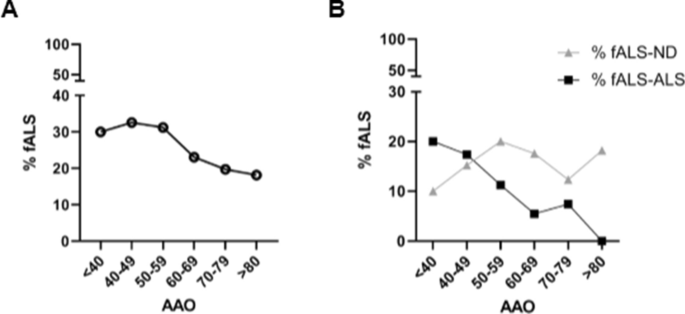
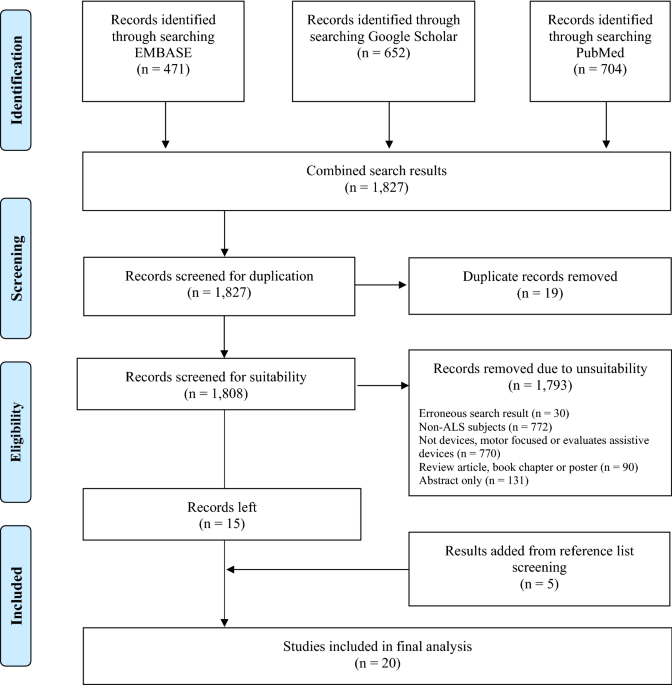


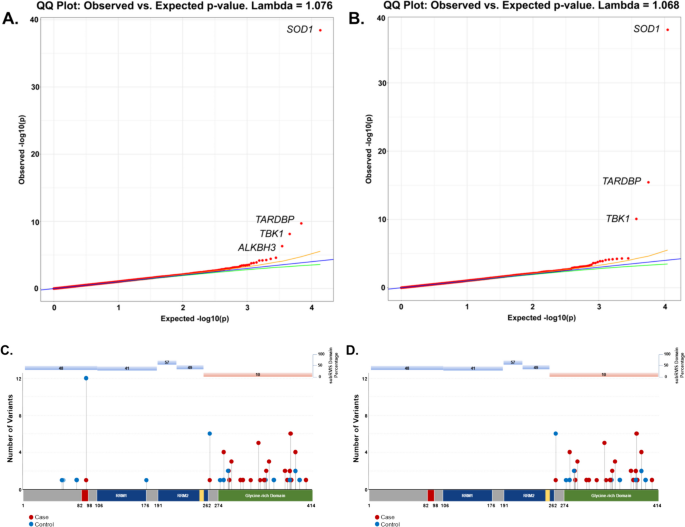
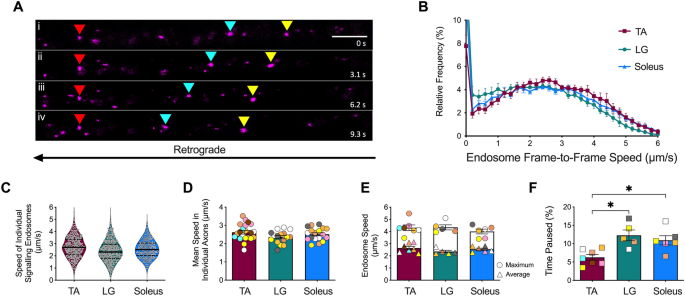


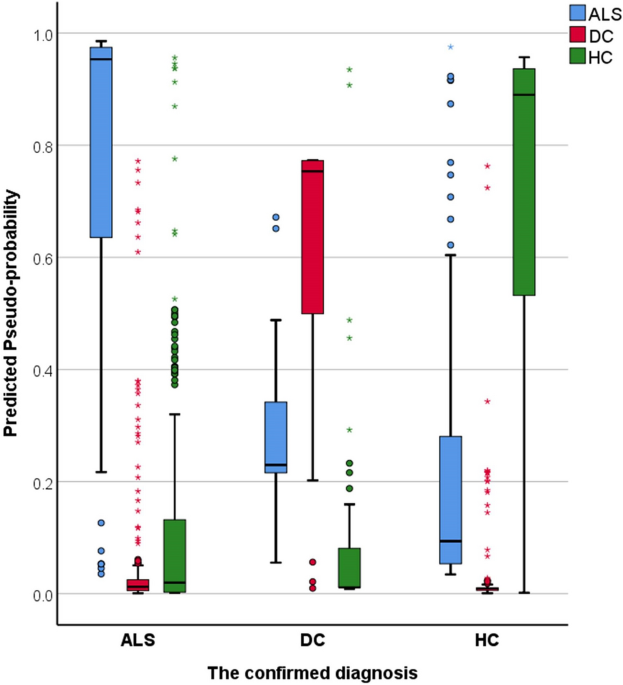
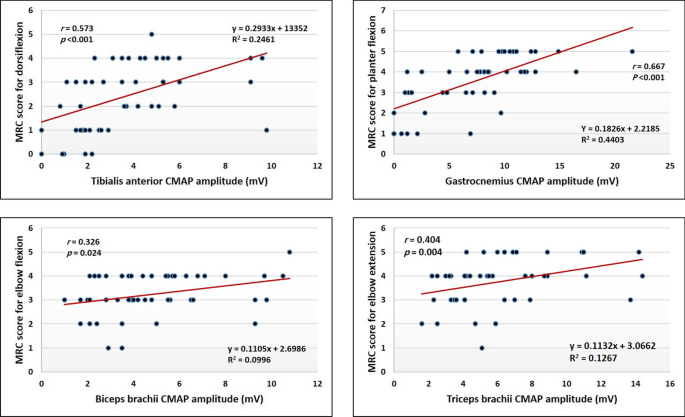


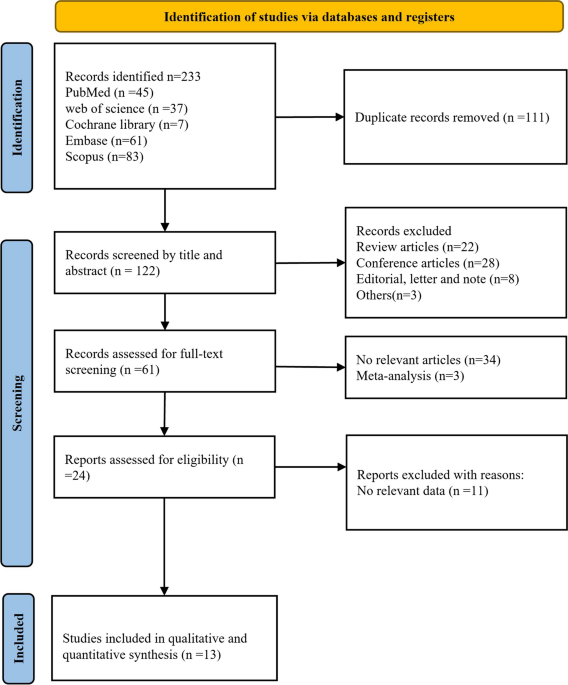
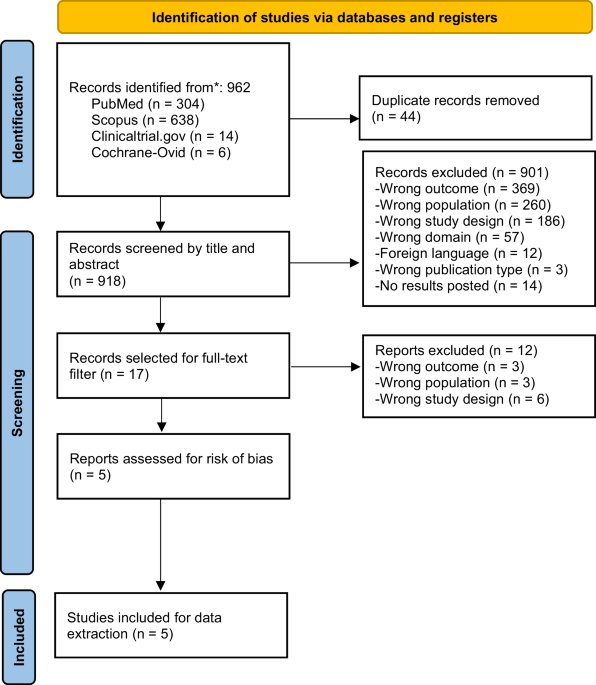


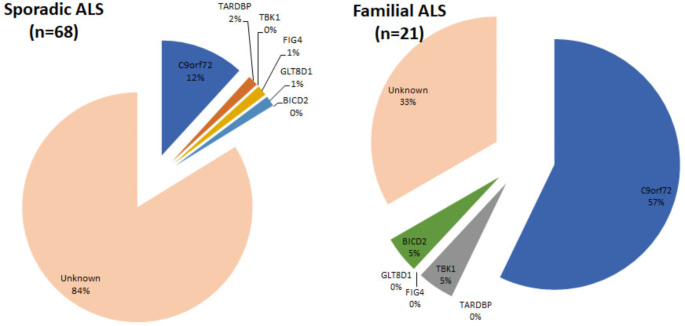

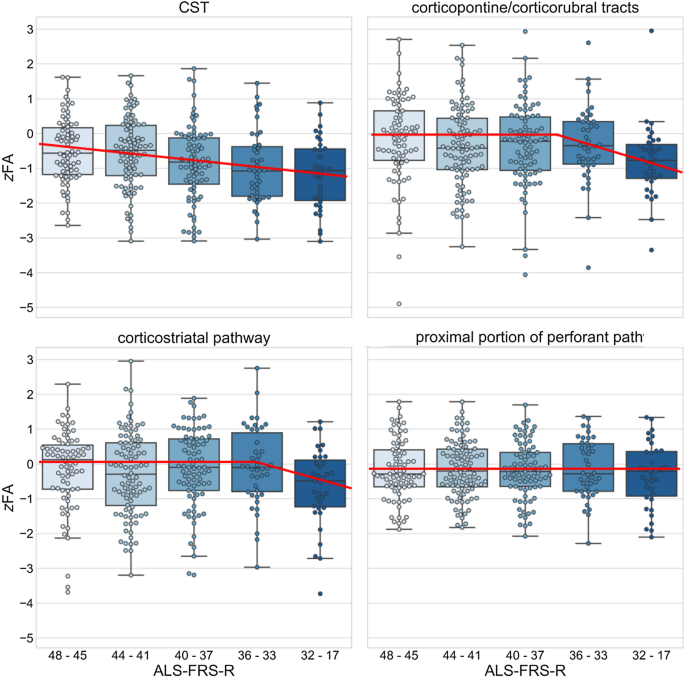
![Role of brain 2-[^18F]fluoro-2-deoxy-D-glucose-positron-emission tomography as survival predictor in amyotrophic lateral sclerosis](https://media.springernature.com/m685/springer-static/image/art%3A10.1007%2Fs00259-022-05987-3/MediaObjects/259_2022_5987_Fig1_HTML.png)
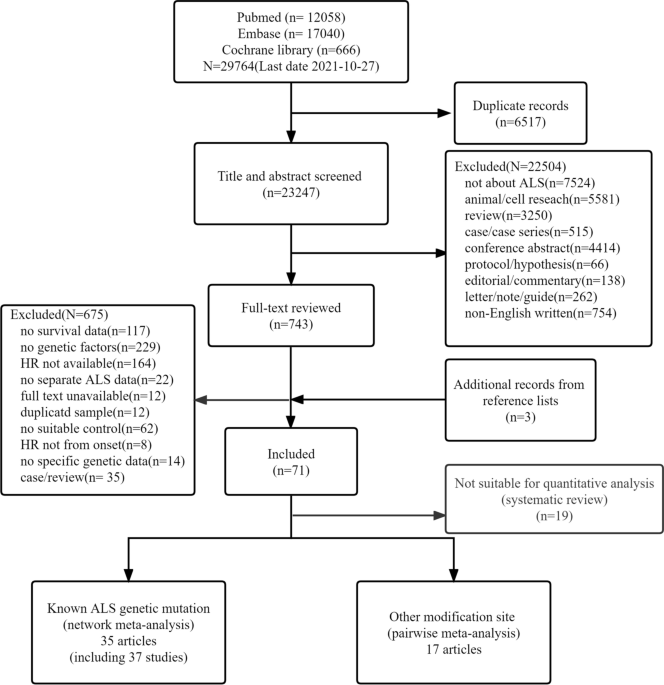
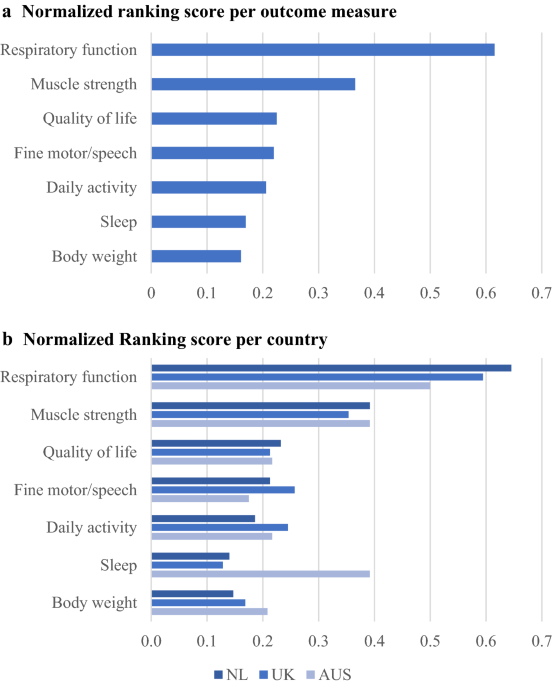
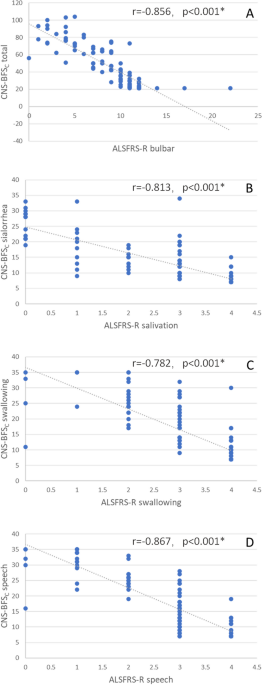



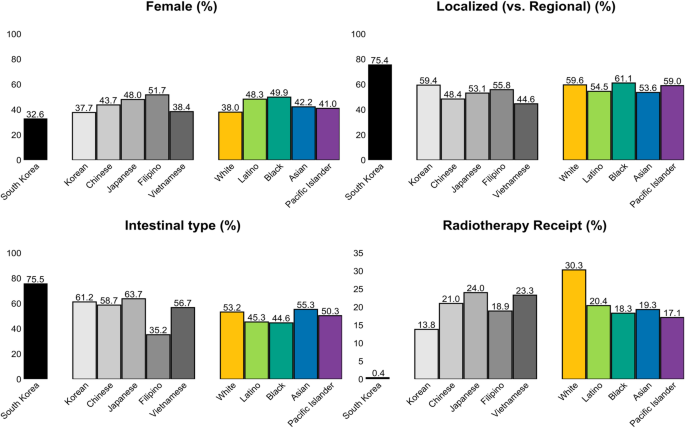

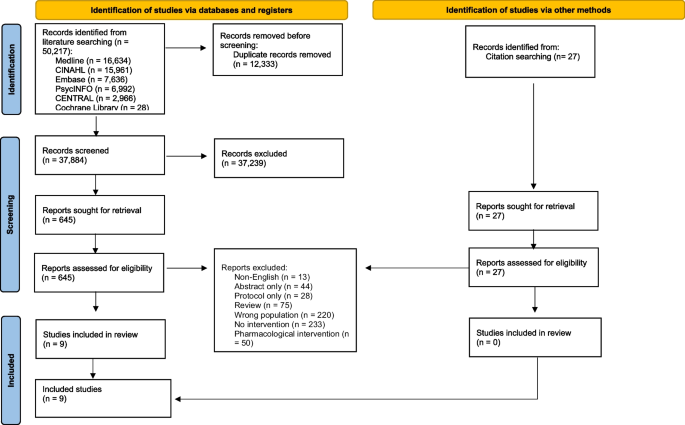
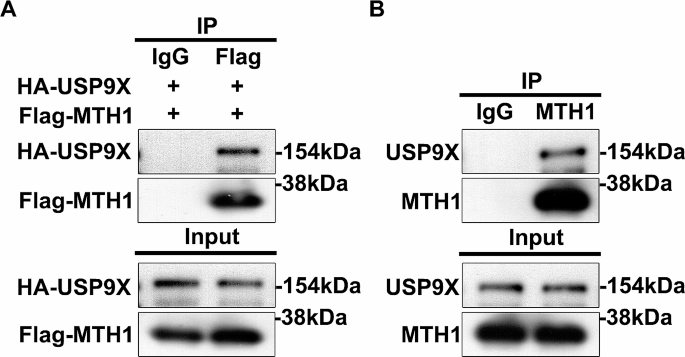
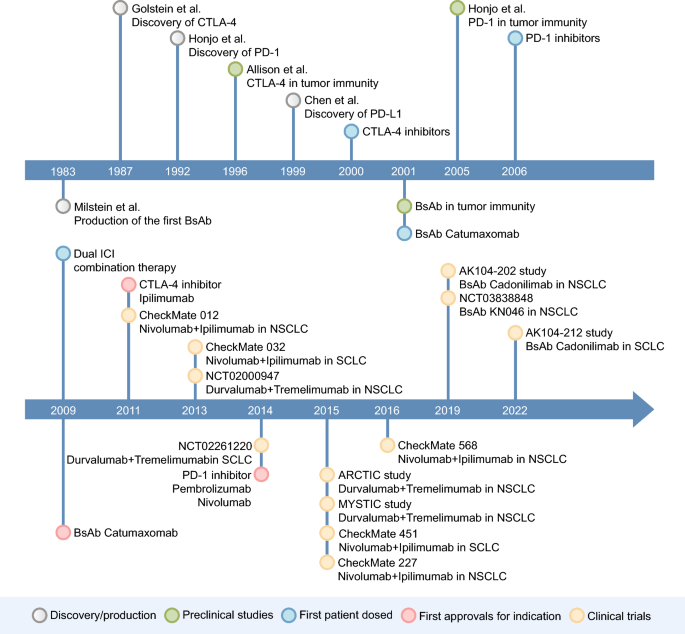


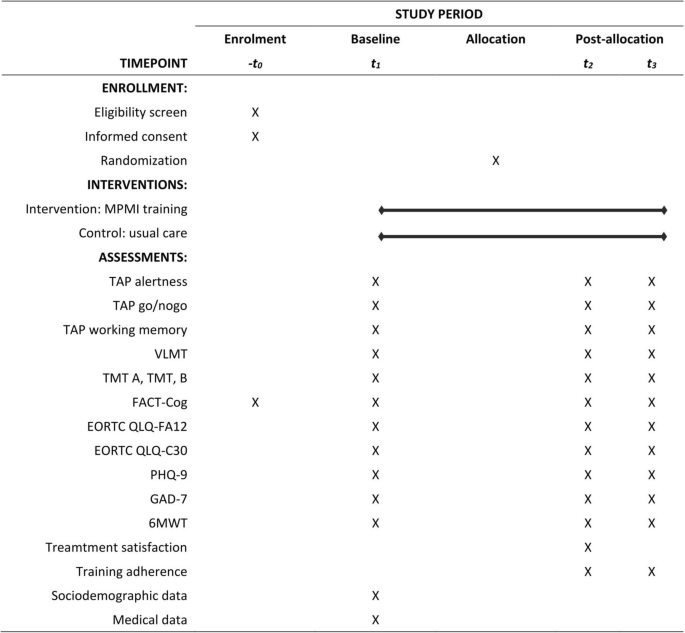
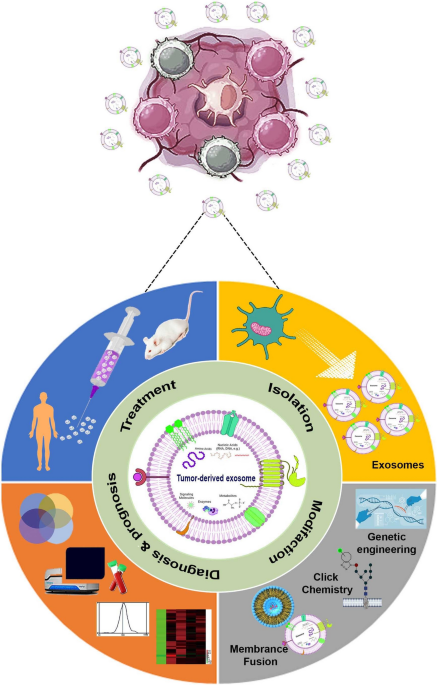

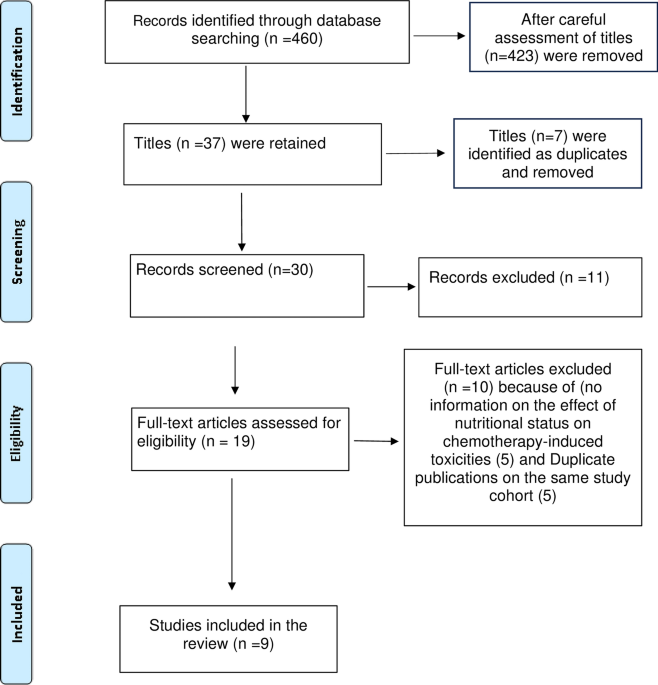



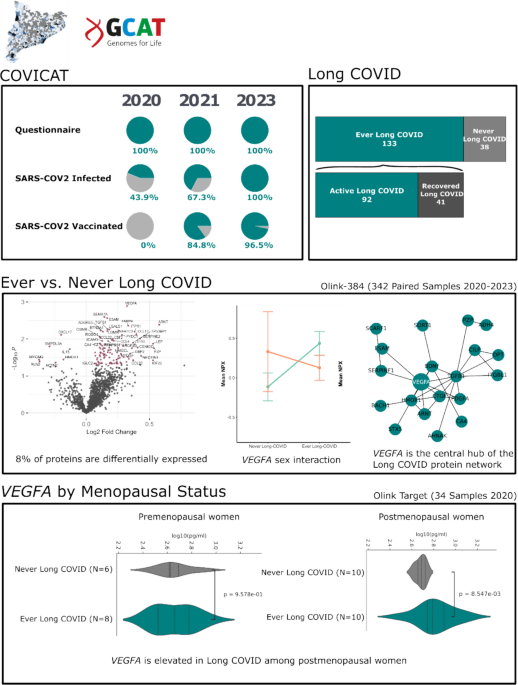
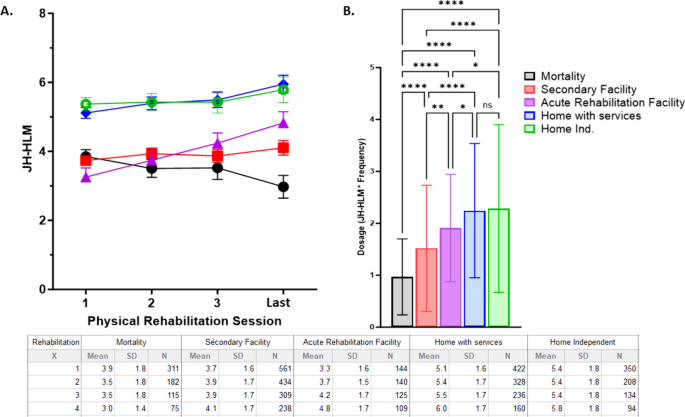
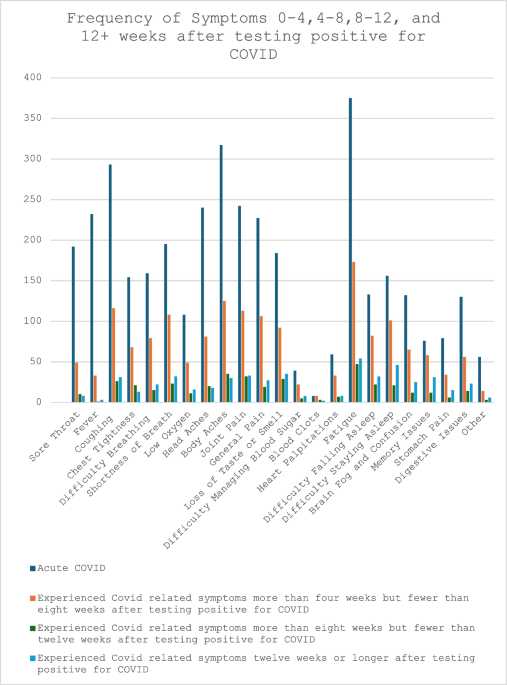
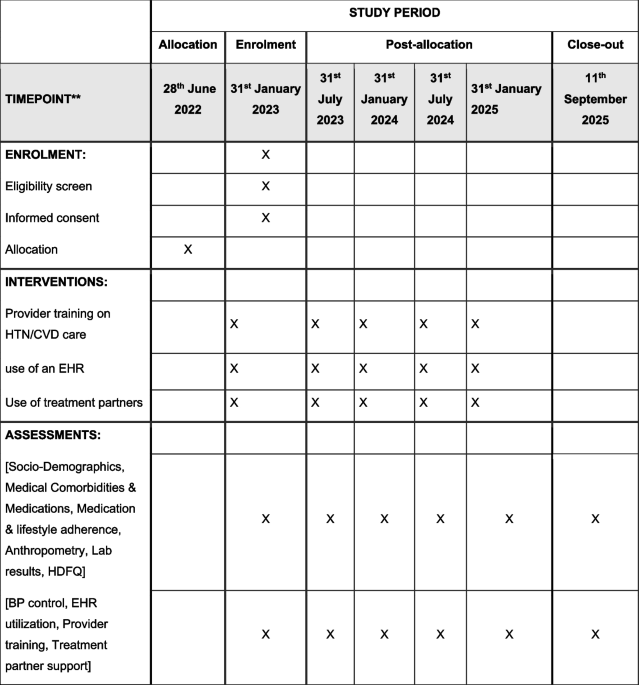



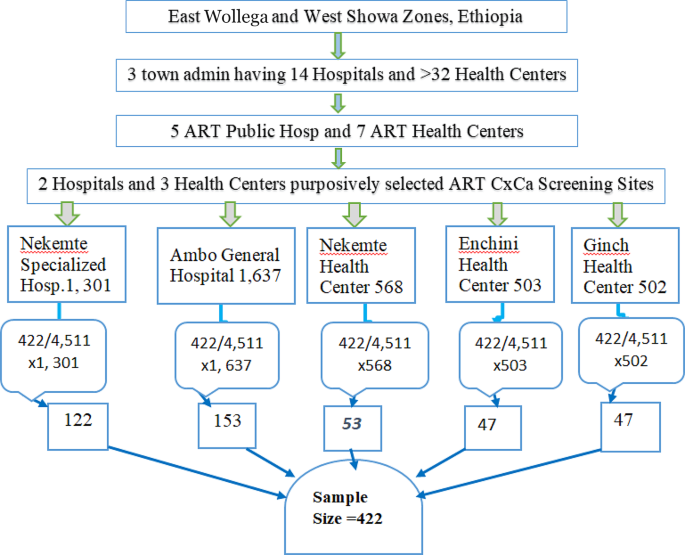




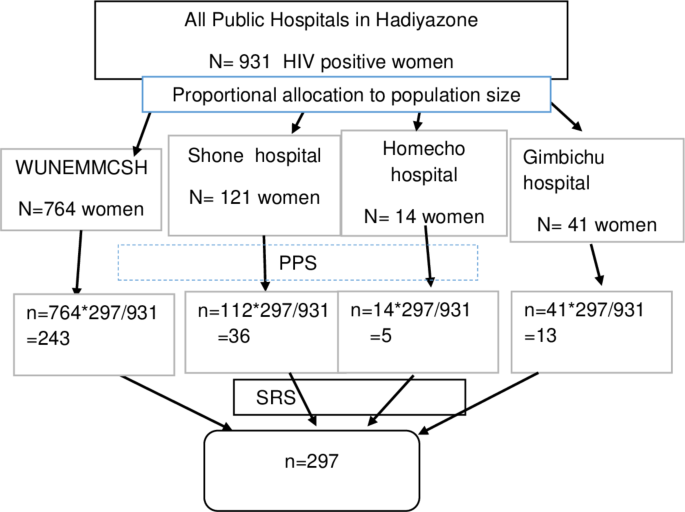
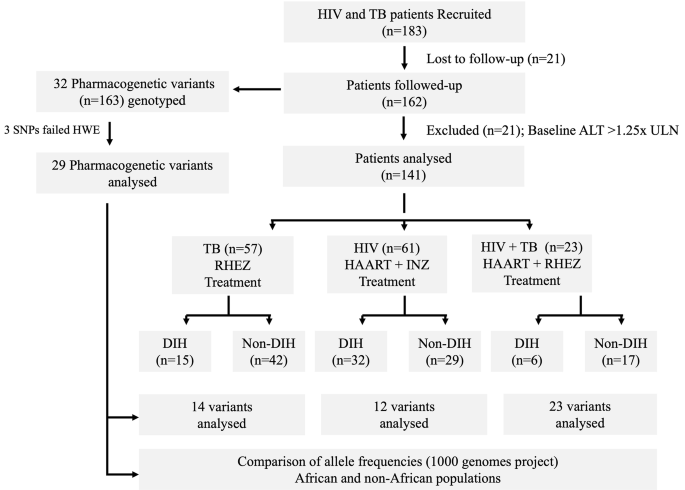
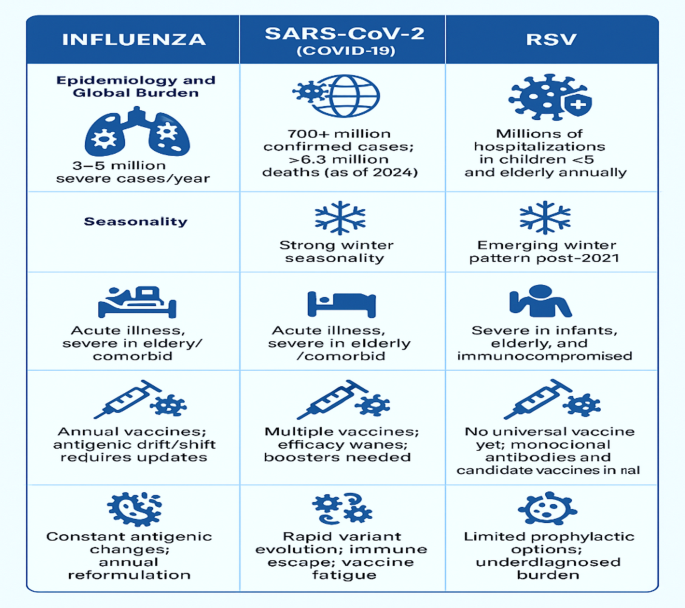

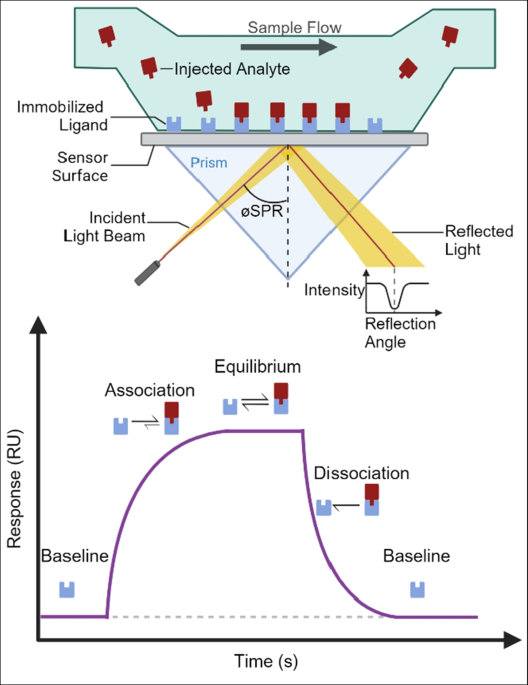



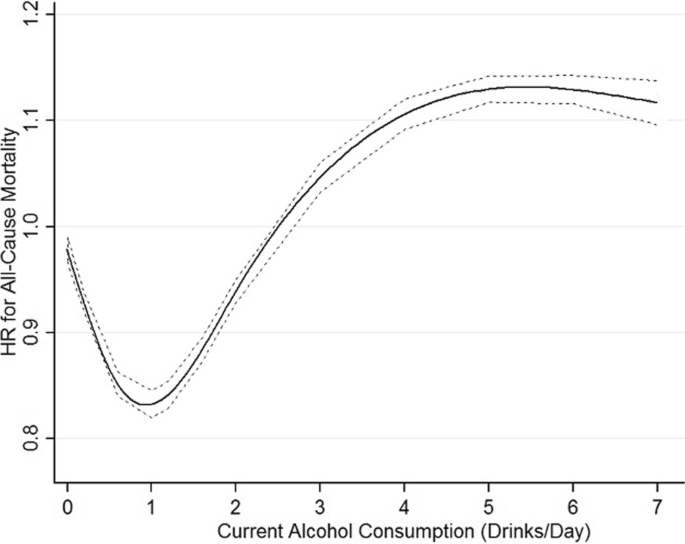


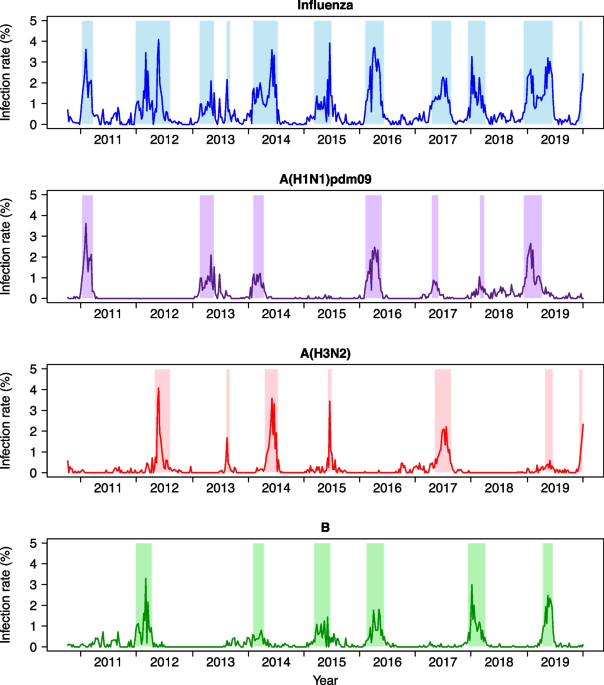

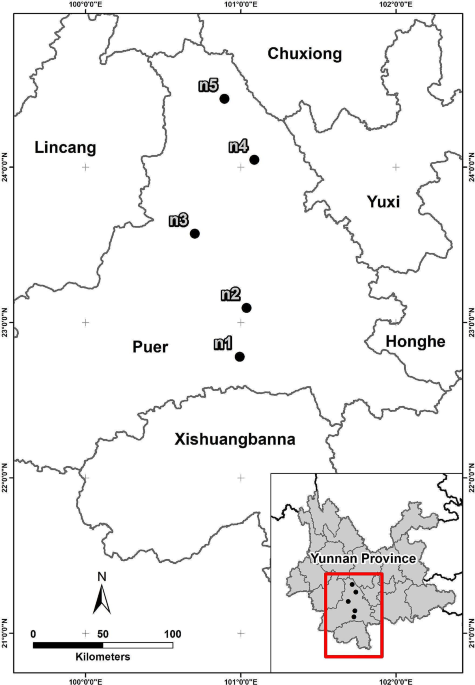
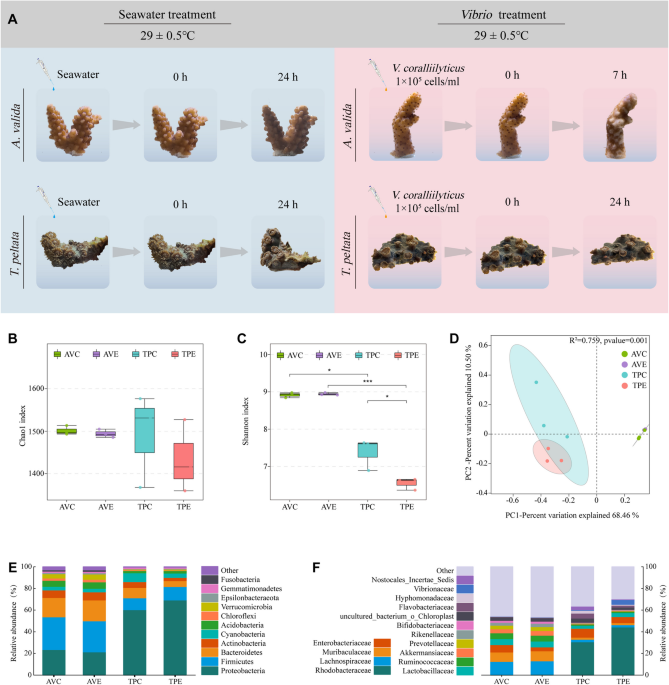
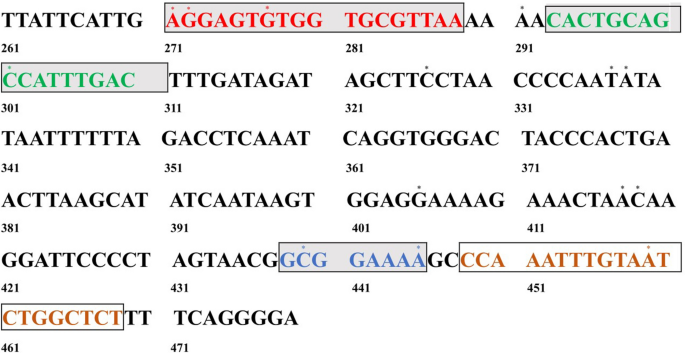


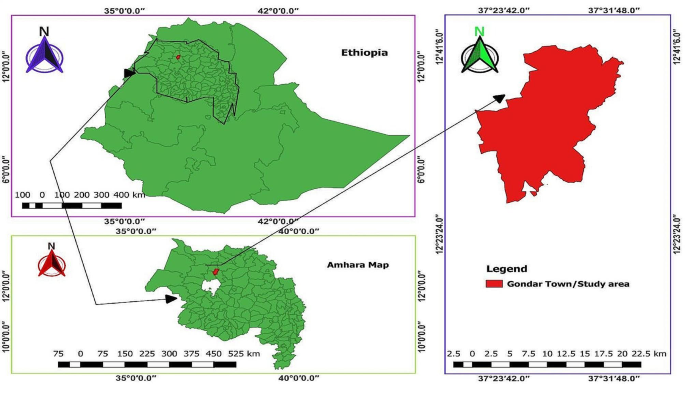


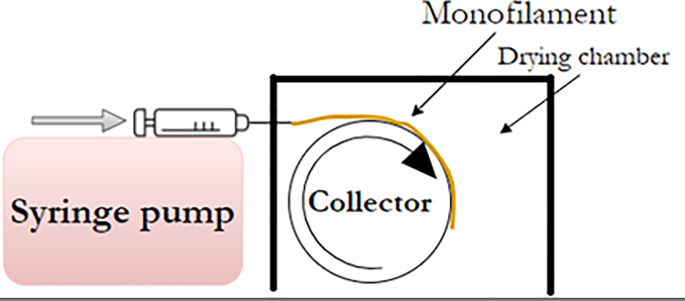


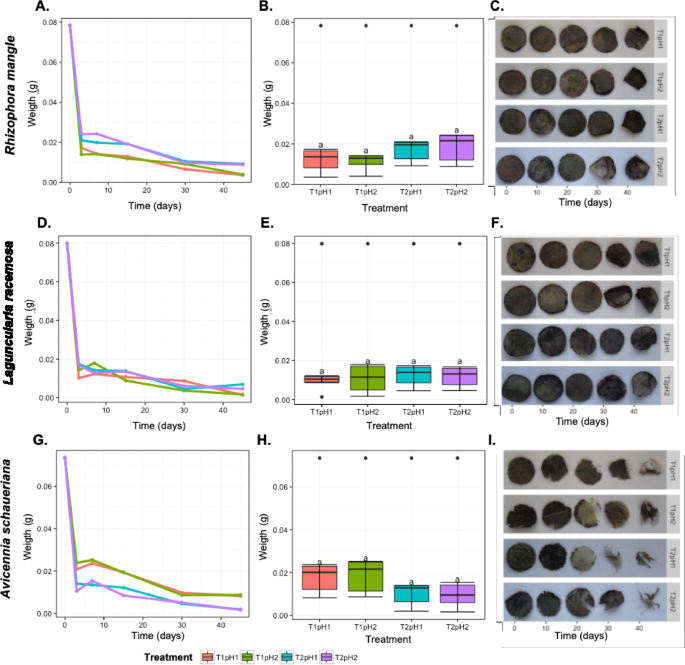



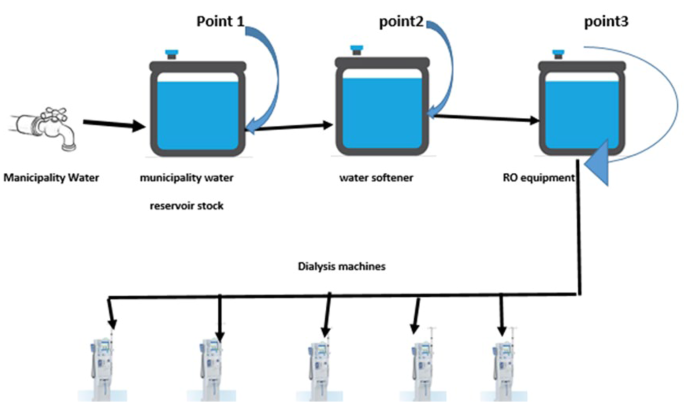


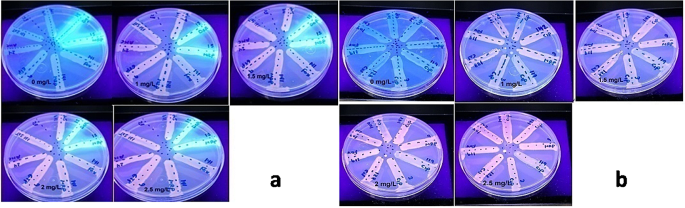
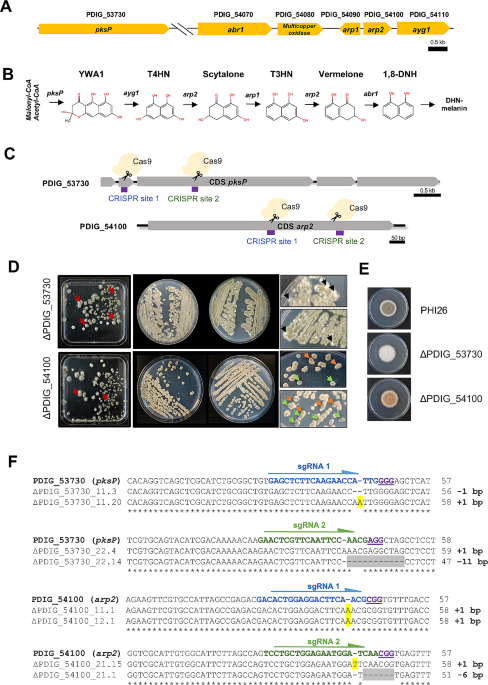
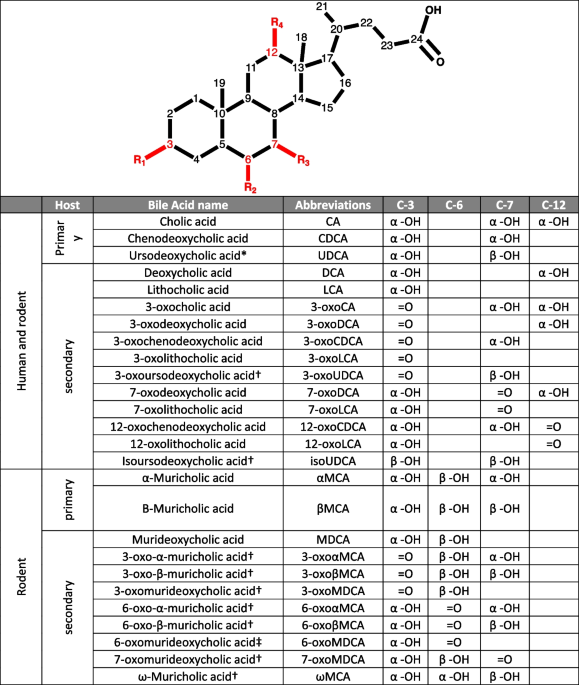












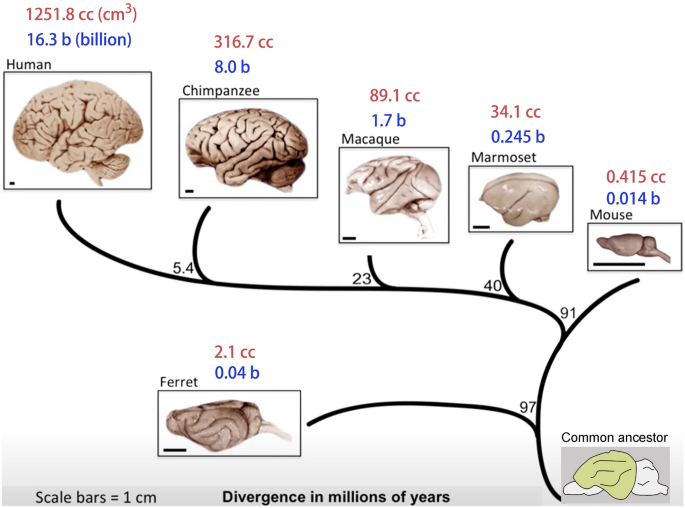










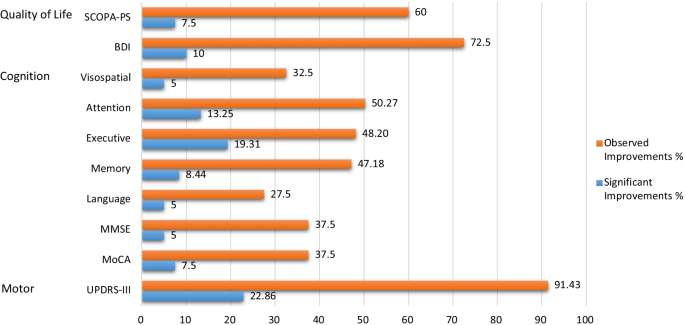


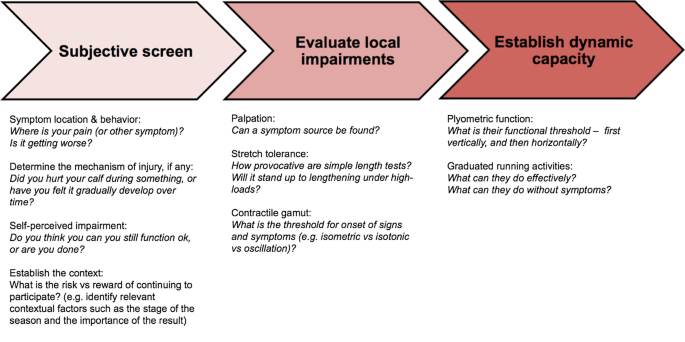







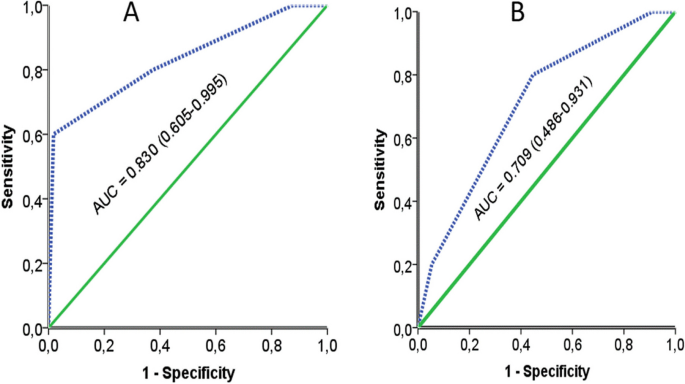





![[^68Ga]Ga-FAPI versus 2-[^18F]FDG PET/CT in patients with autoimmune thyroiditis: a case control study](https://media.springernature.com/m685/springer-static/image/art%3A10.1186%2Fs13550-024-01129-y/MediaObjects/13550_2024_1129_Fig1_HTML.png)